
Zimbabwe does not need your pity. It needs your presence. After two decades of economic collapse, hyperinflation, and political chaos, the country has stabilized into something rarer than a cheap safari destination: a place where conservation actually works because tourism dollars go directly into keeping ecosystems intact. I have watched this shift on the ground. The parks that were written off in 2008 are now the most fiercely protected in southern Africa. That is not a recovery narrative. It is a practical fact you can use to plan a trip.
Hwange National Park is the place to start. At 14,651 square kilometers, it is Zimbabwe's largest protected area and one of the few places left where you can see African wild dogs in viable numbers. The Painted Dog Conservation project operates near the park's eastern boundary, running anti-poaching patrols, pack monitoring, and rehabilitation for snare-injured animals. Their bush camps for local children are the reason the next generation does not see dogs as livestock threats. I visited their headquarters at Hwange Main Camp in 2023. The entry fee is $20 for international visitors. The real cost of visiting Hwange responsibly is choosing operators who pay community leases and maintain water pumps. Imvelo Safari Lodges runs 18 wildlife pumps and 80 community wells across the park's periphery. Without these pumps, tens of thousands of animals would die in the dry season. This is what sustainable tourism looks like in practice: your nightly rate at a camp like Iganyana or Bomani keeps water flowing.
Hwange has over 100 mammal species and 400 recorded bird species. The elephants are the headline. During the dry season from July to October, herds of 300 or more gather at the pumped pans. The water sources are artificial but the ecology is real. This is not a zoo. Predator density is high because prey concentrates. I have watched wild dogs hunt impala at Somalisa, lions stalk buffalo at Mandavu Dam, and cheetahs thread through the teak forest near Robins Camp. The best guides in Hwange are not the ones with the fanciest vehicles. They are the ones who grew up in the adjacent communal lands and can read the landscape the way you read a map.
Mana Pools National Park is a UNESCO World Heritage Site on the Zambezi River, and it operates by different rules than most African parks. Walking safaris are permitted here without an armed escort, which means your guide's competence is everything. The floodplain ecology drives the rhythm. From April to November, the river shrinks back from the forest, leaving pools that concentrate elephant, buffalo, zebra, and waterbuck. The carmine bee-eater colonies nest in the riverbanks from September to November. I have stood on the Zimbabwean shore and watched tens of thousands of birds perform aerial maneuvers over the water while crocodiles slid in below.
The Greater Mana Pools Ecosystem is now co-managed by Zimbabwe Parks and Wildlife Authority and Peace Parks Foundation under a new integrated management plan adopted in 2025. This matters because the plan explicitly ties community participation to conservation outcomes. Local villages in the Hurungwe District receive revenue from tourism leases, employment in the eight Wilderness camps, and environmental education through the Children in the Wilderness program. Wilderness Ruckomechi and Chikwenya reopened for the 2025 season after infrastructure upgrades. A night at Ruckomechi runs roughly $850 per person in peak season. The money funds anti-poaching units that patrol 250,000 hectares. This is not charity. It is a transaction that keeps wilderness wild.
Victoria Falls sits on the Zimbabwe-Zambia border, and the Zimbabwean side delivers the better views. You stand facing the full curtain of water across a 1.7-kilometer front. The Zambian side puts you on top of the falls looking down. Both have merit, but if you want the classic postcard angle, Zimbabwe is where you stand. Entry is $30. The spray is heaviest from February to May when the Zambezi is in flood. By October the flow drops to a relative trickle and the rock face becomes visible. Some travelers prefer this. I find it depressing. Go between June and September for reliable water and manageable spray.
The sustainable choice at Victoria Falls is resisting the package-tour cycle. Do not book the bungee jump, the helicopter ride, and the sunset cruise on the same day. Stay in town at a locally owned guesthouse like Dzimbahwe or The Victoria Falls Hotel if your budget stretches to colonial-era rates ($300-500). Eat at The Boma for the tourist spectacle or at Dusty Road Township Experience for food that actually tastes like Zimbabwe. The latter is a social enterprise employing local women. A meal costs $15-20. The cooking is better than anything in the hotel restaurants.
Matobo National Park, three hours south of Bulawayo, is where the sustainable tourism story gets sharper. The park holds the world's densest concentration of black and white rhinos. The anti-poaching unit here has not lost a rhino to poachers since 2015. That statistic costs money. Your $15 park entry and guided rhino tracking fee ($40-60) fund the rangers who sleep in the bush for weeks at a time. The landscape itself is distinctive: granite kopjes rise from the scrub like whalebacks, and the highest concentration of rock art in southern Africa covers the cave walls. Cecil Rhodes is buried at World's View. Whether you care about colonial history or not, the view from the summit is the reason he chose the spot.
Great Zimbabwe, the medieval stone city that gave the country its name, is a four-hour drive from Masvingo. The ruins are not a reconstruction. The walls, the conical tower, the hillside enclosures are original, built between the 11th and 15th centuries without mortar. The site is less visited than Angkor Wat or Machu Picchu because Zimbabwe is harder to reach. This is your advantage. Entry is $15. A local guide from the nearby community costs $10-20 and will walk you through the symbolism of the chevron patterns and the acoustic properties of the Great Enclosure. The Interpretive Centre at the entrance is functional but underfunded. Buy a carving from the cooperative at the gate instead.
Lake Kariba is the world's largest artificial lake by volume, stretching 280 kilometers along the Zambezi. Matusadona National Park on its southern shore is one of the most inaccessible parks in Zimbabwe, reachable only by boat or light aircraft. This inaccessibility is the point. The shoreline holds buffalo, elephant, waterbuck, and the fish eagles whose calls define the dusk. Houseboats operate on the lake, but the sustainable option is a small camp like Changa Safari Camp, which employs entirely from the Tonga communities displaced by the dam's construction in the 1950s. A three-night stay costs roughly $600-900 per person full board. The money flows directly to a community that was forcibly relocated to make the lake possible.
Gonarezhou National Park in the southeast is the third component of the Great Limpopo Transfrontier Park, linked to South Africa's Kruger and Mozambique's Limpopo. It is the least visited, the most remote, and the most ecologically intact. The Chilojo Cliffs rise 180 meters above the Runde River. Elephant herds here are some of the largest remaining in Africa. I have tracked them on foot with guides who can identify individual bulls by ear tears. The park has no permanent lodges. You camp at designated sites or stay at the community-run lodges in the buffer zone. This is frontier conservation tourism: basic, expensive to reach, and genuinely important to the park's viability.
The practical reality of Zimbabwe is that it runs on US dollars. The local currency exists in name only. Bring cash. Cards work at major hotels in Harare, Victoria Falls, and Bulawayo, but outside those bubbles you need paper money. Fuel shortages persist. If you are self-driving, fill up at every opportunity and carry jerry cans. The road from Harare to Victoria Falls is paved but potholed. The road to Mana Pools is unpaved for the last 70 kilometers. A 4x4 is essential for any independent travel outside the main cities.
Visas are obtainable on arrival for most nationalities, costing $30-60 depending on your passport. Double-entry is recommended if you plan to cross to Zambia for the Victoria Falls alternative perspective or to Botswana for the Chobe Riverfront. The Kaza UniVisa, when operational, covers Zimbabwe and Zambia for $50. Check current status before travel. Yellow fever vaccination is required if arriving from an endemic country.
The best time to visit is May through October. The dry season concentrates animals at water sources, makes walking safaris safer, and eliminates the malaria risk that spikes with the rains from November to April. Mana Pools is inaccessible by road in the wet season. Hwange is miserable in the heat of October but the wildlife viewing is at its peak. I prefer June. The mornings are cold, the afternoons are warm, and the camps are not yet full.
What to skip: the canned cultural village tours near Victoria Falls where performers in synthetic costumes dance on command. The lion cub petting operations that still operate under the guise of conservation. The elephant-back safaris. The mass-market sunset cruise on the Zambezi that dumps 200 people on a pontoon with a cash bar. These are not hard to avoid if you plan deliberately.
Zimbabwe's conservation success is fragile. The political situation remains volatile. The economy is a patchwork. But the parks are staffed, the anti-poaching units are funded, and the community conservancies are expanding because travelers keep showing up. Your choice to visit Zimbabwe instead of the more polished safari circuits of Botswana or South Africa is not a sacrifice. It is a direct investment in one of the most important conservation landscapes on the continent. Choose your operator based on what they put back into the system, not what they take out of it. That is the whole point.
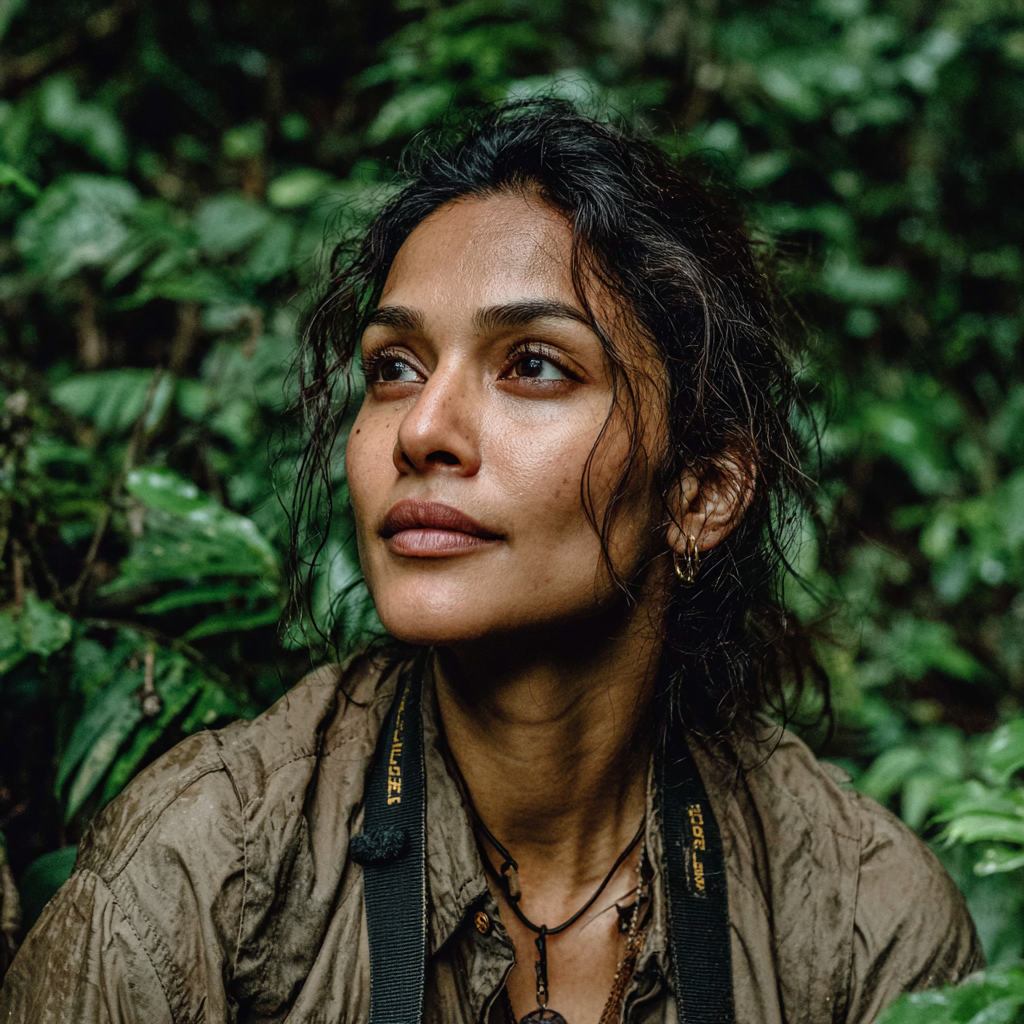
By Priya Sharma
Conservation biologist and sustainable tourism advocate. Priya works with eco-lodges and wildlife sanctuaries to promote ethical travel practices. She holds an MSc in Biodiversity Conservation and has spent years tracking endangered species across the Indian subcontinent.