
Hoi An's Three Sacred Noodles and the Dumplings That Will Ruin Your Life: A Food Writer's 10-Day Eating Campaign
Hoi An does not care about your diet. The town has been feeding people since the 15th century, when Japanese traders built the covered bridge and Chinese merchant houses lined the river, and it has no intention of stopping now. While Hanoi chases modernity and Ho Chi Minh City races toward the future, Hoi An stays stubbornly, beautifully stuck in the 18th century. The UNESCO-protected old town does not allow cars. The buildings wear their colonial history like a favorite jacket. And the food? The food is why you came.
I am Sophie Brennan, an Irish food writer who has spent the better part of a decade eating my way through port cities from Lisbon to Macau. I came to Hoi An for three days and stayed for ten, because this is a town that rewards obsession. Every morning I woke up at 6:00 AM to beat the tourists to the cao lau stalls. Every afternoon I found another mi quang vendor with a different turmeric ratio. Every evening I watched women fold white rose dumplings by hand in back rooms barely wide enough for a bicycle. This is what I learned.
The Holy Trinity: Hoi An's Signature Dishes
Cao Lau
If Hoi An had a national dish, this would be it. Thick, chewy rice noodles—similar to Japanese udon but distinctively Vietnamese—served with slices of pork, fresh herbs, bean sprouts, and croutons made from the same rice flour as the noodles. The whole thing is bound together with a dark, savory broth that is more sauce than soup.
The legend—repeated by every guide and half the restaurants—is that true cao lau can only be made with water from the ancient Ba Le well in Hoi An. The water's unique mineral content, they say, gives the noodles their texture. Whether this is culinary fact or marketing fiction does not really matter. What matters is that cao lau tastes like nowhere else. The noodles are pressed and cut by hand, then steamed rather than boiled, which gives them their characteristic dense, elastic texture. The pork is marinated in five-spice, roasted until the edges caramelize, then sliced thin enough to drape over the noodles like a blanket.
Where to eat it:
Cao Lau Khong Gian Xanh Address: 687 Hai Ba Trung, Cam Chau, Hoi An GPS: 15.8792, 108.3314 Hours: 6:00 AM – 10:00 PM (breakfast is the best time; noodles are freshest) Price: VND 35,000–45,000 ($1.40–$1.80)
A simple, open-air restaurant where locals actually eat. The noodles here have the proper chew—resilient enough to stand up to the rich pork broth without going mushy. The pork is sliced thin, marinated in five-spice, and roasted until the edges caramelize. Add a squeeze of lime and some fresh chili, and you understand why people obsess over this dish. The owner has been making cao lau for twenty years and will tell you, if you ask, that the secret is the lye water from the well, which she collects herself every Monday morning.
Cao Lau Thanh Address: 26 Thai Phien, Minh An, Hoi An GPS: 15.8776, 108.3298 Hours: 7:00 AM – 9:00 PM (closed Sundays) Price: VND 30,000–40,000 ($1.20–$1.60)
Ms. Thanh has been making cao lau for over 30 years. Her version is slightly sweeter than others, with a darker broth that hints at star anise and cinnamon. The croutons are made fresh daily—crispy outside, slightly chewy inside. Come early; she sells out by 8:00 PM most nights. If you speak a few words of Vietnamese, she will show you the back room where the noodles are pressed through a hand-cranked machine that looks older than she is.
Mi Quang
Hoi An's other famous noodle dish, though technically it originates from the neighboring Quang Nam province. Turmeric-yellow rice noodles in a small amount of savory broth, topped with your choice of protein (shrimp, pork, chicken, or frog), fresh herbs, peanuts, and sesame rice crackers.
Where cao lau is dense and brooding, mi quang is bright and almost cheerful. The turmeric gives the noodles a golden color and subtle earthiness. The broth is lighter than pho—more of a sauce, really—and the whole thing is meant to be mixed together before eating. The dish is traditionally served on a shallow plate, not a deep bowl, which concentrates the flavors and forces you to eat it quickly while the crackers are still crackling.
Where to eat it:
Mi Quang Ba Mua Address: 19 Tran Phu, Minh An, Hoi An GPS: 15.8771, 108.3265 Hours: 6:00 AM – 9:00 PM Price: VND 25,000–40,000 ($1.00–$1.60)
This place specializes in mi quang and nothing else. The noodles are made fresh each morning, and you can taste the difference. I ordered mine with shrimp and pork, and the protein-to-noodle ratio was generous. The sesame crackers on top add a crucial textural contrast—do not skip them. Ask for the extra chili oil on the side; it is house-made with garlic and lemongrass and will change your life.
Mi Quang Ong Hai Address: 6A Truong Minh Luong, Cam Chau, Hoi An GPS: 15.8798, 108.3356 Hours: 6:30 AM – 8:00 PM Price: VND 30,000–50,000 ($1.20–$2.00)
A local favorite slightly outside the tourist center. The broth here is richer, more concentrated. They also offer a version with frog (ech) that is genuinely excellent—tender meat that absorbs the turmeric and lemongrass beautifully. The owner's son speaks English and will explain the difference between mi quang from Hoi An and the version from Da Nang, twenty kilometers north, if you ask politely.
White Rose Dumplings (Banh Bao Banh Vac)
These are Hoi An's most beautiful dish. Translucent rice flour dumplings shaped like roses, filled with minced shrimp and pork, steamed until just set, then topped with crispy fried shallots and served with a sweet-sour dipping sauce.
The name comes from their appearance—when plated, they look like white roses floating on a plate. They are delicate, subtle, and completely unique to Hoi An. The wrapper is made from tapioca starch and rice flour, rolled so thin you can almost see through it, then folded by hand into a shape that requires years of practice to perfect. A good white rose dumpling should collapse in your mouth with barely any chewing, releasing a burst of savory-sweet shrimp and pork filling.
Where to eat it:
White Rose Restaurant (Banh Bao Banh Vac) Address: 533 Hai Ba Trung, Cam Chau, Hoi An GPS: 15.8789, 108.3301 Hours: 10:00 AM – 9:00 PM Price: VND 80,000–120,000 ($3.20–$4.80) for a plate of 10
This is the original, the place that supposedly invented the dish. The dumplings are made by hand in the back room—you can watch the women folding them through a window. The filling is subtle, letting the texture of the wrapper shine. The dipping sauce is key—sweet, sour, slightly spicy, with a base of fish sauce, sugar, and lime juice that has been fermented for three days. Order the mixed plate: five white rose and five fried wanton-style dumplings.
Banh Bao Banh Vac Hoai Pho Address: 4 Phan Chau Trinh, Minh An, Hoi An GPS: 15.8778, 108.3289 Hours: 7:00 AM – 10:00 PM Price: VND 60,000–90,000 ($2.40–$3.60)
A more local option with slightly larger dumplings and a more savory filling. I actually preferred this version—the flavors were more assertive, the texture less precious. The owner's grandmother created the recipe in the 1950s, and the family has been serving it ever since. They also make an excellent com ga if you want to combine visits.
The Supporting Cast: Other Dishes Worth Your Time
Banh Mi
Vietnam's famous sandwich needs no introduction, but Hoi An has a claim to the best banh mi in the country. The bread is lighter, crispier than in Hanoi or Saigon. The fillings are generous. The balance of pate, cold cuts, pickled vegetables, and fresh herbs is somehow more harmonious here.
Banh Mi Phuong Address: 2B Phan Chau Trinh, Minh An, Hoi An GPS: 15.8775, 108.3287 Hours: 6:00 AM – 9:30 PM Price: VND 25,000–40,000 ($1.00–$1.60)
Anthony Bourdain called this the best banh mi in Vietnam, and while that kind of endorsement usually ruins a place, Phuong has somehow handled the fame. The line moves fast. The sandwiches are consistently excellent. I tried three different versions—the mixed (thit nguoi), the pork belly (thit heo quay), and the vegetarian (chay)—and all were outstanding. The bread is baked fresh every two hours, which is why the crust shatters when you bite it.
Banh Mi Madam Khanh Address: 115 Tran Cao Van, Son Phong, Hoi An GPS: 15.8791, 108.3323 Hours: 6:30 AM – 7:00 PM (or until bread runs out) Price: VND 30,000–45,000 ($1.20–$1.80)
The "Banh Mi Queen" of Hoi An. Her secret is the pate—rich, liver-forward, house-made from a recipe her mother brought from Hue. The shop is tiny, just a counter and a few stools, but the sandwiches are worth standing for. She opens at 6:30 AM and the bread is usually gone by 2:00 PM, so do not wait.
Com Ga (Chicken Rice)
Hoi An's version of Hainanese chicken rice, but with a distinctly Vietnamese twist. The rice is cooked in chicken broth with turmeric, giving it a yellow color and rich flavor. The chicken is poached, then shredded and tossed with Vietnamese coriander, onions, and lime juice.
Com Ga Ba Buoi Address: 22 Phan Chau Trinh, Minh An, Hoi An GPS: 15.8773, 108.3285 Hours: 10:00 AM – 8:00 PM Price: VND 45,000–60,000 ($1.80–$2.40)
The most famous com ga in town, and deservedly so. The chicken is tender, the rice is fragrant, and the accompanying soup is deeply flavored. Come early—they sell out by 7:00 PM most nights. The restaurant has been run by the same family for three generations, and the recipe has not changed since 1985.
Banh Xeo (Crispy Pancakes)
Large, crispy rice flour pancakes folded around shrimp, pork, and bean sprouts. You wrap pieces of the pancake in fresh lettuce leaves with herbs, then dip in nuoc cham.
Banh Xeo Hai Dao Address: 160 Ly Thai To, Son Phong, Hoi An GPS: 15.8767, 108.3278 Hours: 2:00 PM – 9:00 PM Price: VND 40,000–60,000 ($1.60–$2.40)
A local spot that does banh xeo and nothing else. The pancakes are huge—easily shared between two people—and the crisp-to-tender ratio is perfect. The nuoc cham here is particularly good, with a balance of sweet, sour, and fish sauce funk. The owner makes the batter fresh every afternoon, which is why they do not open until 2:00 PM.
Morning Market Ritual: Where the Day Begins
If you want to understand Hoi An's food, go to the Central Market (Cho Hoi An) at 6:30 AM, before the heat and the tour groups arrive. The market sits on the river at the corner of Nguyen Thai Hoc and Bach Dang, a covered hall of chaos where women in conical hats sell produce from the Tra Que vegetable village, fishermen unload squid still twitching from the night's catch, and noodle vendors set up portable stoves on the sidewalk.
Cho Hoi An (Central Market) Address: Corner of Nguyen Thai Hoc and Bach Dang, Minh An, Hoi An Hours: 5:00 AM – 6:00 PM (food vendors peak 6:00 AM – 9:00 AM) Price: Free to enter; breakfast VND 20,000–40,000 ($0.80–$1.60)
The market is where the cao lau noodles are sold before they reach the restaurants, where the herbs for white rose dumplings are bundled fresh, where you can taste the difference between rice from the Mekong Delta and rice from the nearby fields of Quang Nam. I spent three mornings here, drinking ca phe sua da on plastic stools and watching the town wake up. The market also has a wet section where live crabs are tied with bamboo string and fish are scaled while you wait. It is not pretty, but it is honest, and honest food is what Hoi An does best.
Where to Drink: Cafes and Bars
Cafes
Hoi An's cafe culture is strong. The old town is full of charming spots where you can sit with a ca phe sua da (Vietnamese iced coffee) and watch the world go by.
Faifo Coffee Address: 130 Tran Phu, Minh An, Hoi An GPS: 15.8779, 108.3291 Hours: 7:00 AM – 10:00 PM Price: VND 35,000–60,000 ($1.40–$2.40)
A three-story cafe with a rooftop terrace overlooking the Japanese Covered Bridge. The coffee is excellent—they roast their own beans from the Central Highlands—and the view is worth the slightly higher prices. Come at sunset for the best light. The third floor has antique Vietnamese furniture and old photographs of Hoi An from the 1920s.
The Espresso Station Address: 28 Nguyen Thai Hoc, Minh An, Hoi An GPS: 15.8784, 108.3298 Hours: 7:00 AM – 6:00 PM Price: VND 40,000–70,000 ($1.60–$2.80)
For serious coffee people. They source beans from Dalat and roast them in-house. The espresso is properly pulled, the pour-overs are carefully executed. This is where Hoi An's expats get their caffeine fix. The owner, a Vietnamese-Australian barista, will talk for an hour about single-origin arabica if you let him.
Bars
Q Bar Address: 88 Nguyen Thai Hoc, Minh An, Hoi An GPS: 15.8786, 108.3302 Hours: 5:00 PM – 12:00 AM Price: VND 80,000–150,000 ($3.20–$6.00) for cocktails
A sophisticated cocktail bar in a restored colonial building. The drinks are well-crafted, the atmosphere is refined without being stuffy. Good for a pre-dinner aperitif or a nightcap. The bartender trained in Saigon and makes a negroni with local rice spirit that tastes like something between gin and sake.
Mango Mango Address: 45 Nguyen Phuc Chu, Minh An, Hoi An GPS: 15.8769, 108.3284 Hours: 11:00 AM – 11:00 PM Price: VND 70,000–130,000 ($2.80–$5.20)
Right on the river with outdoor seating. The cocktails are tropical and refreshing—think passion fruit mojitos and lychee martinis. The people-watching is excellent. Order the lemongrass gin and tonic and stay until the lanterns come on.
Cooking Classes: Learn to Make It Yourself
If you want to understand Hoi An's food beyond just eating it, take a cooking class. Most include a market tour, a boat ride to a cooking school in the countryside, and hands-on instruction in making 3–5 dishes.
Red Bridge Cooking School Address: Thon 4, Cam Thanh, Hoi An GPS: 15.8934, 108.3456 Hours: Classes at 8:00 AM and 2:00 PM daily Price: VND 450,000–850,000 ($18–$34) depending on class length Reservation: Book online 24 hours in advance during high season (October–March)
The most established cooking school in Hoi An. The half-day class includes a market tour, a boat ride to their riverside location, and instruction in making four dishes. The teachers are patient, the facilities are professional, and you get to eat everything you make. You will learn to make cao lau noodles from scratch, which involves mixing rice flour with lye water and pressing the dough through a hand-cranked machine. It is harder than it looks.
Tra Que Water Wheel Cooking Class Address: Tra Que Vegetable Village, Cam Ha, Hoi An GPS: 15.8956, 108.3389 Hours: 9:00 AM – 1:00 PM, 3:00 PM – 7:00 PM Price: VND 350,000–550,000 ($14–$22) Reservation: Call +84 905 436 789 or book through your hotel
A more intimate option in Tra Que Vegetable Village, three kilometers northeast of the old town. You will harvest herbs from their organic garden, then cook in an open-air kitchen. The focus is on traditional techniques and family recipes. The class ends with a lunch you helped prepare, eaten at a communal table under a jackfruit tree.
Riverside Restaurants: Dinner with a View
Hoi An's riverside comes alive at night, with lanterns reflecting on the water and live music drifting from restaurants. The food at these places is rarely the best in town—you are paying for the atmosphere—but sometimes that is exactly what you want.
Morning Glory Signature Address: 106 Nguyen Thai Hoc, Minh An, Hoi An GPS: 15.8788, 108.3305 Hours: 10:00 AM – 10:30 PM Price: VND 150,000–300,000 ($6–$12) per person Reservation: Recommended for balcony tables after 6:00 PM; call +84 235 3910 222
Part of the Vy restaurant empire (the same family behind several of Hoi An's best restaurants). The original location is more casual; this riverside spot is upscale. The food is solid Vietnamese classics executed well. Reserve a balcony table for the best views. The crispy wontons and claypot fish are the standouts.
The Hill Station Address: 321 Nguyen Duy Hieu, Cam Son, Hoi An GPS: 15.8801, 108.3312 Hours: 11:00 AM – 11:00 PM Price: VND 120,000–250,000 ($4.80–$10)
A wine bar and restaurant with a focus on Vietnamese-French fusion. The wine list is surprisingly good for Hoi An, and the cheese selection is the best in town. Good for a leisurely dinner when you want a break from Vietnamese food. The owner is a former sommelier from Saigon who imports directly from France.
What to Skip (And Why)
The Night Market Food Stalls: The Hoi An Night Market is beautiful to walk through, but the food is mediocre and overpriced. The banh mi here costs double what you will pay during the day, and the quality is worse. Walk through for the lanterns, then eat elsewhere.
Tourist Restaurants on the Main Drag: The places with English menus and photos of food on Tran Phu Street are generally overpriced and underwhelming. Walk two streets back—Nguyen Thai Hoc, Phan Chau Trinh, or Thai Phien—and you will find better food for half the price.
Pre-Made White Rose Dumplings: Some restaurants buy their white rose dumplings frozen from a central supplier. They taste like it—gummy wrappers, bland filling. Look for places that make them fresh, or stick to the specialists listed above. If you cannot see a woman folding dumplings in the back, order something else.
Cooking Classes at Hotels: The classes offered by large hotels are usually sanitized, group-oriented affairs where you watch more than you cook. The independent schools listed above are cheaper, more hands-on, and more authentic.
Floating Lantern Dinners on the River: The boats that offer dinner while floating down the Thu Bon River charge premium prices for mediocre food. The experience is romantic for five minutes, then you realize the kitchen is a propane stove on a rocking boat. Eat on land, then hire a boat just for the lantern release.
Practical Information
Getting There and Around
Hoi An has no airport. The nearest is Da Nang International Airport, 30 kilometers north. A taxi or Grab from Da Nang to Hoi An costs VND 250,000–350,000 ($10–$14) and takes 45–60 minutes. Many hotels offer airport transfers for VND 300,000–400,000.
Within Hoi An, the old town is walkable. For longer distances, rent a bicycle (VND 30,000–50,000 per day) or a motorbike (VND 80,000–120,000 per day). Grab and Gojek operate in Hoi An but are banned from entering the old town itself; you will need to walk to the edge to meet your driver.
When to Go
The best months for food travel are February through April and September through November, when the weather is dry and the temperatures are moderate. Avoid October if possible—peak rainy season can flood the old town's streets, and many outdoor vendors close.
On the 14th day of every lunar month, Hoi An turns off its electric lights and illuminates the old town with silk lanterns. The Full Moon Festival is magical, but restaurants fill up days in advance and prices rise. If you visit during a full moon, book dinner reservations at least three days ahead. The night also features traditional music, folk games, and special vegetarian food stalls along the river.
What to Expect
Spice levels: Central Vietnamese food is spicier than northern Vietnamese food. The chili is usually served on the side, so you can control the heat. Do not assume mild; ask for "it ngot" (a little spicy) if you are cautious.
Timing: Many local restaurants close by 8:00 or 9:00 PM. Plan your dinner early, or stick to the tourist-oriented places that stay open later. Breakfast is the best meal in Hoi An—locals take it seriously, and the noodles are freshest before 9:00 AM.
Payment: Cash is king in Hoi An's local restaurants. Some tourist places accept cards, but expect a 3% surcharge. ATMs are plentiful in the old town. Most local vendors do not accept USD.
Water: Do not drink tap water. Bottled water costs VND 10,000–15,000 ($0.40–$0.60). Bring a reusable bottle and refill at your hotel to reduce plastic waste.
Tipping: Not expected in local restaurants, but appreciated in upscale places and cooking schools. VND 20,000–50,000 is sufficient.
Daily Food Budget
| Category | VND | USD |
|---|---|---|
| Street food breakfast | 25,000–40,000 | $1.00–$1.60 |
| Local lunch | 35,000–60,000 | $1.40–$2.40 |
| Coffee/snacks | 40,000–80,000 | $1.60–$3.20 |
| Dinner (local) | 60,000–120,000 | $2.40–$4.80 |
| Dinner (riverside) | 150,000–300,000 | $6.00–$12.00 |
| Cooking class | 350,000–850,000 | $14–$34 |
| Total (budget) | 160,000–300,000 | $6.40–$12.00 |
| Total (comfortable) | 300,000–600,000 | $12.00–$24.00 |
About the Author: Sophie Brennan
Sophie Brennan is an Irish food writer and historian based in Lisbon. She has spent the last decade eating her way through port cities from Galway to Macau, searching for the stories behind the recipes. Her work has appeared in Condé Nast Traveller, Saveur, and Monocle, and she is the author of two cookbooks exploring the culinary traditions of Celtic and Iberian port towns.
She came to Hoi An for three days and stayed for ten, because some places refuse to let you leave until you have eaten everything they have. Sophie believes that the best food writing happens at plastic stools in open-air restaurants, and that every bowl of noodles has a history worth telling.
The Bottom Line
Hoi An's food scene rewards curiosity. The signature dishes—cao lau, mi quang, white rose dumplings—are genuinely unique and worth seeking out. But do not stop there. The banh mi is among the best in Vietnam. The com ga will ruin you for chicken rice anywhere else. The coffee is strong, the beer is cold, and the riverside restaurants offer atmosphere that is hard to find elsewhere.
Eat early, eat often, and do not be afraid to point at what the locals are having. Hoi An is a town that takes its food seriously, and after a few days, you will understand why.
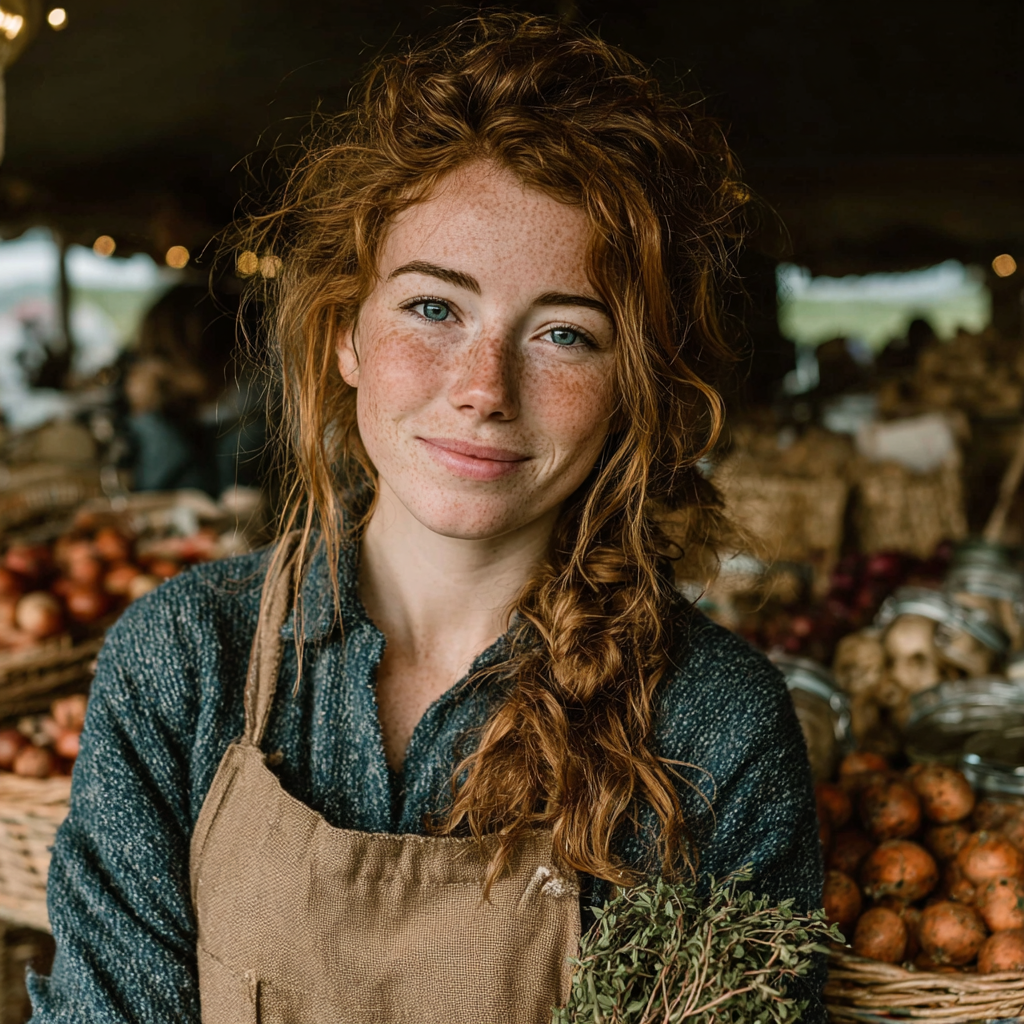
By Sophie Brennan
Irish food writer and historian based in Lisbon. Sophie combines her background in medieval history with a passion for contemporary gastronomy. She has written for Condé Nast Traveller and authored two cookbooks exploring Celtic and Iberian culinary traditions.