
Memphis knows you are underestimating it. Most travelers arrive with a checklist: Beale Street, Graceland, Sun Studio, ribs. They pose for photographs, eat a mediocre sandwich on Elvis Presley Boulevard, and fly home convinced they have experienced the birthplace of American music. They have touched the surface of something much deeper, and they do not know what they missed.
This city is smaller than its reputation suggests—roughly 650,000 people in the metro area—and its history is compressed into a few square miles along the Mississippi River bluff. But compression creates density. Memphis is where the Delta meets the city, where the Underground Railroad met the river, where sharecroppers' grandchildren became millionaires, and where a sanitation workers' strike brought a prophet to his death. The music did not emerge from nowhere. It came from labor, from struggle, from the specific experience of Black Americans in the Jim Crow South. The blues is not a genre here. It is a requirement for understanding the place.
I am Finn O'Sullivan, and I have spent fifteen years documenting the stories cities try to forget. Memphis does not try to forget. That is what makes it essential.
The River and the Weight Beneath It
Before you understand Memphis, you must understand the Mississippi. The city sits on Chickasaw Bluffs, a four-story-high limestone ridge that prevented the river from flooding the settlement in its early years. This geological accident made Memphis a natural port. By 1850, it was the largest slave-trading market in the Tennessee Valley. The human commerce moved up and down the river, and the wealth it generated built the antebellum mansions that still stand in Victorian Village, northeast of downtown.
The Slave Haven Underground Railroad Museum at 826 North Second Street preserves one of the few extant artifacts of resistance. The Burkle Estate, built around 1856 by German immigrant Jacob Burkle, is believed to have served as a way station on the Underground Railroad. Burkle operated a stockyard near the river and was a known abolitionist sympathizer. The house contains a hidden cellar, trap doors, and cramped spaces where freedom seekers hid before boarding boats north. The museum is small, privately run, and emotionally overwhelming. Tours are guided only, given on the hour, Tuesday through Saturday, 10 AM to 4 PM (5 PM in summer, June through August). Admission is $15 for adults, $14 for seniors and college students, $12 for students ages 4 to 17. Cash is preferred. No photography inside. The director, Elaine Turner, leads many tours herself, and her narration is not performance. It is testimony. Plan to be quiet afterward.
The riverfront itself has changed dramatically. Tom Lee Park, named for a Black riverboat worker who saved 32 people from a sinking steamboat in 1925, is being redeveloped after years of neglect. The Memphis Riverfront, a public-private partnership, has improved pedestrian access, but the area remains a work in progress. The best river view is from the bluff at Chickasaw Park or from the pedestrian bridge to Mud Island, where a scale model of the Lower Mississippi allows you to wade through the river's course from Cairo to New Orleans. Mud Island River Park is open seasonally; admission is free, but the monorail from downtown costs $4.
The Movement and the Moment
Memphis is inseparable from the Civil Rights Movement, and the city does not package this history for comfortable consumption. The National Civil Rights Museum at the Lorraine Motel, 450 Mulberry Street, is the most comprehensive civil rights exhibition in the United States. It occupies the former motel where Dr. Martin Luther King Jr. was assassinated on April 4, 1968, while supporting striking sanitation workers. The museum preserves the motel's exterior—including the balcony and the vintage cars in the parking lot—while the interior traces the movement from slavery through the Montgomery bus boycott, the sit-ins, Freedom Summer, and King's death. The restored Room 306, where King spent his final night, is visible through glass. The experience demands three hours minimum. Admission is $18 for adults; open Wednesday through Sunday, 9 AM to 5 PM. The heaviness is the point. Do not rush.
The night before his death, King delivered what would become his final speech at Mason Temple Church of God in Christ, 930 Mason Street, on the fringe of downtown. The building, constructed between 1940 and 1945, is the headquarters of the Church of God in Christ, the second-largest Black denomination in the country. The sanctuary seats 7,500, and on April 3, 1968, it was packed beyond capacity with sanitation workers, ministers, union members, and students who had marched through a thunderstorm to hear him. "I've been to the mountaintop," King told them. "I may not get there with you. But I want you to know tonight, that we, as a people, will get to the promised land." The building is still active; visits require advance arrangement through the church office or the National Civil Rights Museum. There is no formal visitor center, no gift shop. The space is sacred, not curated.
The Clayborn Temple, at 296 Hernando Street, was where the sanitation workers gathered before their marches. Built in 1892 as Second Presbyterian Church, it became Clayborn Temple African Methodist Episcopal Church in the 1930s. During the 1968 strike, workers met here to plan marches, print signs, and organize the "I AM A MAN" campaign that became the movement's visual signature. The building fell into disrepair after the church relocated, but preservation efforts have stabilized it. Check current access before visiting; the temple is not consistently open to the public, but its exterior—and the history it holds—remains powerful.
Where American Music Was Actually Born
Memphis did not invent the blues. Delta musicians brought it up from Mississippi. What Memphis did was commercialize it, record it, and sell it to the world. That tension between authenticity and commerce still defines the city's music culture.
Beale Street is the obvious starting point, but it requires strategy. The street runs two blocks between Main and Fourth, lined with bars, souvenir shops, and neon. The music starts at noon most days and continues until 3 AM. B.B. King's Blues Club, at 143 Beale, books solid house bands and charges a cover on weekends. For something less polished, walk to the western end and find Earnestine & Hazel's at 531 South Main, a former brothel turned dive bar with a legendary soul burger—served with a mixture of seasonings the staff will not reveal—and a jukebox that has not been updated since 1985. The upstairs is supposedly haunted. The beer is cheap. This is where local musicians drink after their sets.
Sun Studio, at 706 Union Avenue, claims to be the birthplace of rock 'n' roll. The claim is debatable, but the history is real. Sam Phillips opened the studio in 1950, recording blues artists like Howlin' Wolf and B.B. King before a teenager named Elvis Presley walked in to cut a $4 acetate for his mother's birthday. The tour includes the original microphone, the slapback echo technique Phillips developed, and the spot where Jerry Lee Lewis, Carl Perkins, Elvis, and Johnny Cash supposedly recorded together—the "Million Dollar Quartet" session. Tours run daily from 10 AM to 6 PM; $18 admission. The studio still records at night, so daytime tours only.
South of downtown, the Stax Museum of American Soul Music occupies the original site of Stax Records at 926 East McLemore Avenue, in the Soulsville neighborhood. This is where Otis Redding, Isaac Hayes, Booker T. & the M.G.'s, and the Staple Singers recorded. The museum is smaller than Graceland but more focused. Highlights include Hayes's custom Cadillac Eldorado (covered in gold fur) and a replica of the studio where "(Sittin' On) The Dock of the Bay" was recorded. The building was demolished in 1989 and rebuilt as a museum and music academy; the current structure recreates the original's sloped floor, which musicians claim improved the room's acoustics. Open Tuesday through Sunday, 10 AM to 5 PM; $15 admission. The adjacent Stax Music Academy still trains young musicians from the neighborhood, a living continuation of the original mission.
Graceland, at 3765 Elvis Presley Boulevard, is the city's biggest tourist draw and its most complicated. The mansion is smaller than you expect—23 rooms in a 17,000-square-foot house—preserved in the 1970s decor Elvis chose: shag carpets, stained glass, mirrored ceilings. The audio tour includes commentary from Elvis's daughter Lisa Marie and former wife Priscilla. The Jungle Room, with its indoor waterfall and green shag carpet on the ceiling, is as advertised. The meditation garden, where Elvis and his parents are buried, is surprisingly peaceful. The rest of the complex—car museums, private airplanes, gift shops selling Elvis-branded peanut butter and banana sandwich mixes—feels like exploitation. Decide for yourself if the King warrants the $82 admission. Open daily, 9 AM to 4 PM.
For live music outside the tourist circuit, Cooper-Young and Overton Square are essential. In Cooper-Young, Bar DKDC at 964 Cooper Street hosts local bands several nights a week, usually starting at 10 PM, with minimal cover. Young Avenue Deli at 2119 Young Avenue combines sandwiches with live music in a room that feels like a friend's basement. Celtic Crossing at 747 Cooper serves pub food and Irish whiskeys with a patio that fills on warm evenings. Overton Square offers Lafayette's Music Room at 2119 Madison Avenue, a venue that once hosted an unknown Billy Joel in the 1970s and now runs daily shows with a strong Sunday brunch jazz set. The B-Side, inside the old Minglewood Hall factory at 1553 Madison, attracts Memphis musicians like Andrew Sheppard and The Stolen Faces in an intimate room with exposed brick and factory windows.
The City That Eats
Memphis barbecue is pork, slow-smoked over hickory, served "wet" (with sauce) or "dry" (with a spice rub). Central BBQ has locations downtown (147 E Butler Avenue) and in Midtown (2249 Central Avenue), serving excellent ribs and pulled pork with sides that matter—collard greens, mac and cheese, coleslaw. The Bar-B-Q Shop at 1782 Madison Avenue has been family-owned since 1922 and offers a "dancing pig" sandwich that lives up to its name. A full plate with two sides runs $12–$16.
But Memphis is more than barbecue. The Four Way Restaurant at 998 Mississippi Boulevard, in the Soulsville neighborhood, is the oldest soul food restaurant in the city and one of the most historically significant restaurants in America. Irene and Clint Cleaves opened it in 1946, borrowing against their home. Dr. Martin Luther King Jr. ate his last meal there, or so the story goes. B.B. King was a regular. Aretha Franklin was born around the corner. Al Green, Elvis Presley, and Isaac Hayes all entered through the back door. Marches were planned in the dining room. The restaurant stayed open late to feed tired marchers. Today, Patrice Bates Thompson and her husband run it, charged with preserving its legacy. The menu is straightforward: fried catfish ($10.99), turkey and dressing with two sides (under $12), fried green tomatoes, peach cobbler, and the VIP—half lemonade, half sweet tea. Open Wednesday through Sunday, 11 AM to 5 PM. Closed Monday and Tuesday.
The Arcade Restaurant at 540 South Main, the city's oldest cafe (founded 1919), is where Elvis ate; his booth is marked with a plaque. The sweet potato pancakes are the menu's secret weapon. Breakfast plates run $8–$12. Huey's has ten locations across the city and is open until midnight on weekdays, 1 or 2 AM on weekends, serving burgers and cold beer in a casual atmosphere that has not changed in decades. The Beauty Shop Restaurant at 966 Cooper Street, in a converted 1950s beauty parlor in Cooper-Young, serves creative cocktails and globally influenced dishes with a retro-feminine aesthetic that feels both ironic and sincere. Dinner entrées run $18–$28.
For something more contemporary, Dory at 664 Monroe Avenue, in the South Main Arts District, focuses on Mediterranean-influenced small plates and natural wines. The menu changes with what local farms provide, and the room—exposed brick, low lighting, vinyl records playing—feels like a Brooklyn restaurant that happened to open in Memphis. Small plates $8–$16, mains $22–$32.
Neighborhoods That Refuse to Be Background
South Main, the city's oldest neighborhood, has transformed from warehouse district to arts corridor. The street is lined with galleries, boutiques, and restaurants. The Orpheum Theatre at 203 South Main, built in 1928, hosts Broadway tours and local performances in a restored movie palace. The National Civil Rights Museum anchors the northern end. The area feels safe during the day and early evening, but as with much of Memphis, stay aware after dark and do not wander off-route.
Cooper-Young, less than fifteen minutes east of downtown, is the city's most reliably interesting neighborhood. The historic trestle bridge marks the district's entrance. The streets are lined with Craftsman bungalows, murals, and independent businesses. Goner Records, a local label and shop, stocks punk, indie, and metal alongside Memphis music history. The Cooper-Young Festival in mid-September draws over 100,000 people for food, craft, and music. The Cooper-Young Garden Walk in May opens private home gardens to the public. The neighborhood is walkable, eclectic, and genuinely local—tourists are welcome but not the point.
Overton Square, adjacent to Cooper-Young, offers a more polished entertainment district. The Playhouse on the Square runs professional theater. Babalu Tacos & Tapas at 2115 Madison serves guacamole prepared tableside and a rooftop patio with Midtown views. The Bayou Bar & Grill and Madison Tavern fill the square with outdoor seating and local beer. This is where Memphians go when they want a night out without the tourist intensity of Beale Street.
Crosstown Concourse, a former Sears distribution center at 1356 Concourse Avenue, represents the city's most ambitious recent redevelopment. The 1.5-million-square-foot building now houses apartments, a YMCA, a high school, medical clinics, artists' studios, and restaurants. The central atrium is open to the public, with murals, installations, and a community kitchen. It is a symbol of what Memphis is trying to become—integrated, diverse, functional. Whether it succeeds depends on whether the city can sustain the economic and political will to keep investing in its own people.
What to Skip
The Galleria of Memphis—there is no Galleria, but the analogy applies. Beale Street after 11 PM on weekends becomes a concentrated zone of drunkenness and overpriced cover charges. The restaurants along the central strip are mediocre at best. Walk the street for the neon and the history, then eat and drink elsewhere.
Graceland's entertainment complex—the Elvis-themed restaurants, the car museums, the airplane exhibits—are designed to extract maximum revenue from captured visitors. If you must visit, buy the mansion-only ticket and skip the rest.
The Bass Pro Shops Pyramid at 1 Bass Pro Drive is a 535,000-square-foot retail space inside a former sports arena, featuring a hotel, a bowling alley, and a cypress swamp with live alligators. It is exactly what it sounds like. Memphians have mixed feelings about it. Visitors should not feel obligated to have any feelings about it at all.
Practical Logistics
The best time to visit is April through June or September through November, avoiding the humid summer months when temperatures regularly exceed 90°F with punishing humidity. The Memphis in May International Festival brings crowds and higher prices; the World Championship Barbecue Cooking Contest, held during the festival, is a serious event for serious eaters. Book accommodation early if visiting during this period.
Memphis International Airport (MEM) is located 10 minutes south of Midtown and serves as a Southwest hub with reasonable connections. Downtown is walkable, but you will need a car or rideshare to reach Graceland, Stax, and Shelby Farms. The Memphis Area Transit Authority (MATA) operates buses and a vintage trolley line on Main Street; a single ride is $1, but coverage is limited and schedules are unreliable. Most visitors rely on rideshare or rental cars. Parking downtown is generally affordable and plentiful.
Neighborhood safety requires attention. Downtown and Beale Street are heavily policed and relatively safe during the day and early evening. Cooper-Young and Overton Square are safer than the city average. Avoid driving through unfamiliar neighborhoods at night, keep car doors locked, and do not leave visible items in parked vehicles. Property crime is rampant citywide. The city's violent crime rate remains among the highest in the nation, but tourist areas are generally secure. Use common sense, stay in well-lit areas, and trust your instincts.
Accommodation ranges from historic to chain. The Peabody Hotel at 149 Union Avenue offers the famous Duck March (11 AM and 5 PM daily, free to watch) and an Italian Renaissance lobby worth visiting even if you do not stay. The Central Station Hotel, in the renovated 1914 train station at 545 South Main, combines industrial history with modern design and places you in the heart of the South Main Arts District. The Memphian, in Overton Square, is a newer boutique property designed for travelers who want to be in Midtown rather than downtown. Budget options cluster along Poplar Avenue and near the airport.
Memphis is not a beautiful city. It has empty lots, shuttered storefronts, and inequality that hits you visually within minutes of leaving the tourist core. But the city's roughness is inseparable from its character. This is where the Mississippi Delta meets the modern South, where sharecroppers' grandchildren run recording studios, where the struggle for civil rights played out in real time. The music did not come from nowhere. It came from the specific experience of people who were told they were nobody, and who responded by creating art that changed the world. Memphis does not hide its scars. It sings them. That honesty is the reason to come, and the reason to stay long enough to understand what you are hearing.
— Finn O'Sullivan has spent fifteen years writing about the stories cities bury. He believes the best travel writing happens when you stop looking for the postcard and start listening to what a place is trying to tell you.
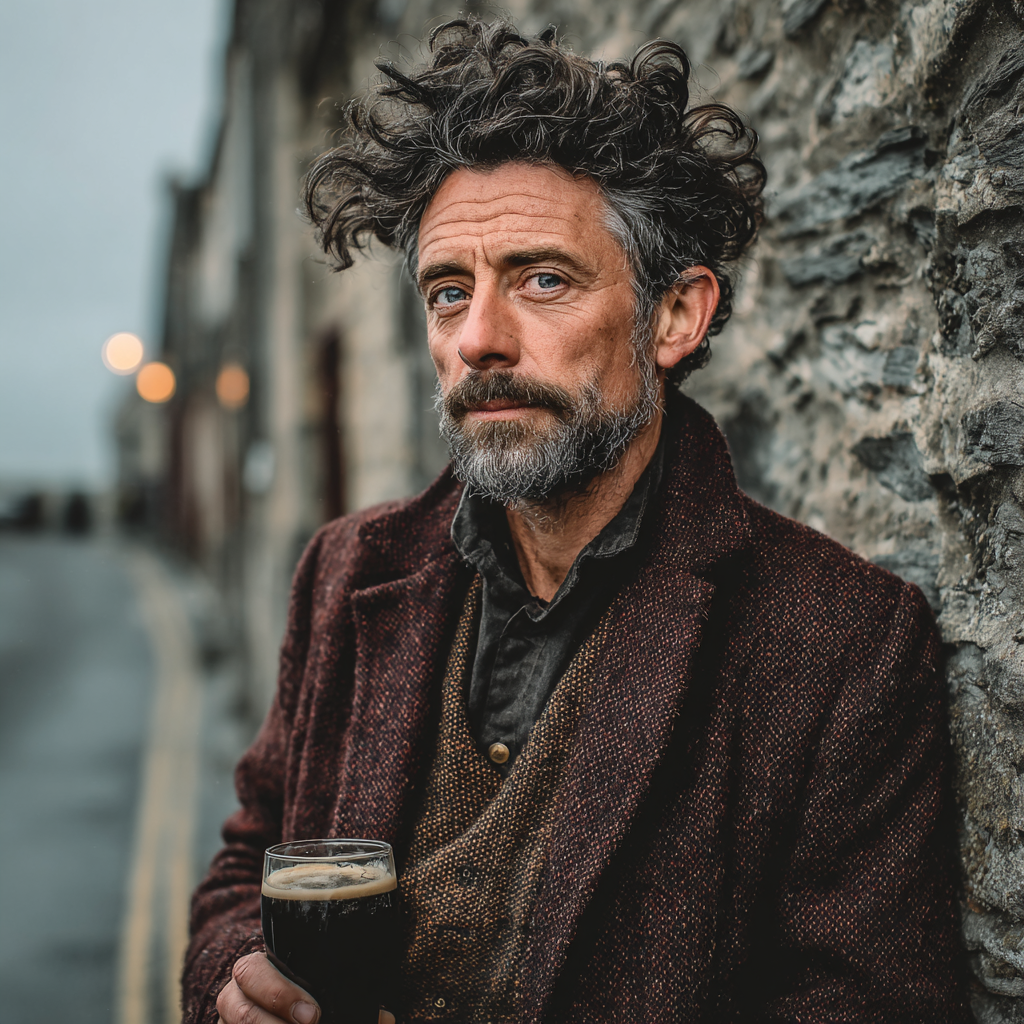
By Finn O'Sullivan
Irish storyteller and folklorist. Finn hunts for the narratives that do not make guidebooks—the pub legends, the family feuds, the neighborhood heroes. He believes every street corner has a story if you know who to ask.