
Houston: The City That Reinvented Itself Five Times — A Guide to the Layers Beneath the Sprawl
Houston sprawls. It doesn't reveal itself like New Orleans or Charleston, where history sits on the surface. You have to dig here, drive thirty minutes between neighborhoods, piece together how a Gulf Coast port became America's fourth-largest city without ever developing a single iconic image. There is no Alamo, no French Quarter. Instead, Houston offers something stranger: a city that reinvented itself five times in 150 years, each layer still visible if you know where to look.
The story starts where Buffalo Bayou meets the ship channel. Before Houston existed, this was Karankawa territory, then Mexican cotton country. In 1836, two real estate speculators — the Allen brothers — bought 6,642 acres of swamp and advertised it as a "great commercial center" despite having no harbor, no railroad, and a reputation for yellow fever. The gamble worked. By 1900, Houston had beaten Galveston for the railroad terminus, then discovered oil at Spindletop. The city grew not through planning but through opportunism, each boom adding a new downtown and abandoning the old one.
This guide is for the curious traveler who wants to understand what Houston actually is, not what the tourism board wishes it were. It's for the person who knows that the best cities reward patience, and that the most interesting stories are often hiding in plain sight.
About This Guide
I'm Elena Vasquez. I'm a historian and travel writer who specializes in American urban history. I've spent fifteen years studying how cities grow, change, and remember — or forget — their pasts. Houston fascinates me because it does everything wrong according to conventional urban planning wisdom, and yet it works. Somehow.
I don't do sanitized history. I do real places with real stories, told honestly. If a neighborhood is struggling, I'll tell you. If a restaurant is overhyped, I'll warn you. If a museum is genuinely extraordinary, I'll explain why. My job isn't to sell you Houston. It's to help you understand it.
The Birth of a City: Allen's Swamp and Yellow Fever
Start where Houston started: Allen's Landing, where Buffalo Bayou meets White Oak Bayou. Today it's a park with a historical marker. In 1836, it was a mosquito-ridden swamp that two brothers from New York convinced people to buy into.
Allen's Landing
- Address: 1001 Commerce Street, Houston, TX 77002
- What to see: The 1847 Kellum-Noble House, Houston's oldest surviving brick building, now moved to Sam Houston Park but originally built near this site.
The Allen brothers — Augustus and John Kirby — printed brochures in New York advertising Houston as "the great interior commercial emporium of Texas." They claimed the city had a healthy climate. It didn't. Yellow fever killed thousands in the 1830s and 1840s. But the Allen brothers had sold enough lots to fund their next venture, and Houston was established.
By 1845, when Texas joined the United States, Houston had 2,000 residents and a serious drainage problem. The solution — raising street levels — created the tunnel system that still exists beneath downtown. Parts of the original city are buried under twelve feet of fill. You can still access some of the original basements and tunnels on specialized tours.
Heritage Society at Sam Houston Park
- Address: 1100 Bagby Street, Houston, TX 77002
- Phone: (713) 655-1912
- Hours: Tuesday–Saturday, 10:00 AM–4:00 PM
- Admission: $10 adults, $8 seniors, $5 students
This is where the Kellum-Noble House ended up, along with nine other historic structures moved from various locations. The 1823 Old Place cabin is the oldest remaining structure in Houston — a dog-trot house built when Texas was still part of Mexico. The 1891 Staiti House shows what oil wealth looked like in Houston's first gilded age.
Freedmen's Town: The History That Almost Disappeared
The greatest concentration of intact history sits east of downtown in the Sixth Ward, also known as Freedmen's Town. This was Houston's first African American neighborhood after emancipation, built by formerly enslaved people who purchased land and constructed shotgun houses from 1865 onward.
What remains is fragile — about thirty original structures, many unmarked, surrounded by new townhomes and townhouses. The neighborhood is fighting for its survival against development pressure that has already swallowed most of the original 40-block settlement.
Bethel Baptist Church
- Address: 801 Andrews Street, Houston, TX 77019
- Founded: 1891
- Note: Still holds regular services. The building is a rare surviving example of African American church architecture from the Jim Crow era.
The Gregory School
- Address: 1300 Victor Street, Houston, TX 77019
- Phone: (713) 655-1912
- Hours: Tuesday–Saturday, 10:00 AM–4:00 PM
- Admission: Free
Built in 1926 as the first public school for Black children in Houston. Now operates as an African American history research center with archives of Freedmen's Town life. The building itself is worth seeing — Classical Revival architecture with a distinctive red brick facade.
Yates-Smith House
- Address: 1318 Victor Street, Houston, TX 77019
- Built: 1870
- Note: Private residence. No plaque, no tours. Built by Jack Yates, an emancipated brick maker who became one of Houston's first Black property owners. You can admire the exterior from the street, but respect that it's someone's home.
Antioch Missionary Baptist Church
- Address: 313 Robin Street, Houston, TX 77002
- Founded: 1866
- Note: The oldest African American church in Houston. The building dates to 1875. Services Sunday at 11:00 AM. Visitors welcome.
The concrete streets are original — poured by Black contractors in the 1910s when the city refused to pave Freedmen's Town. You can still see the handprints and initials workers pressed into the wet concrete. Walk slowly. Look down.
The Second Ward: Where Fajitas Were Born
Houston's Mexican American history runs deeper than most visitors realize. The Second Ward, directly east of downtown, has been Mexican American since the 1910s, when refugees from the Mexican Revolution settled here for railroad and port jobs.
Navigation Boulevard still functions as the commercial spine — not a curated "historic district" but a working corridor where 80-year-old bakeries operate next to new taquerias.
El Bolillo Bakery
- Address: 2421 Navigation Boulevard, Houston, TX 77003
- Phone: (713) 926-4477
- Hours: Daily, 5:00 AM–10:00 PM
- Price: Pan dulce $1–2, specialty cakes $15–40
Making pan dulce from recipes unchanged since 1982. The conchas are the classic choice — sweet, shell-patterned, perfect with coffee. The bakery fills with steam and smell at dawn. If you want the full experience, come at 6:00 AM when the first batch comes out.
The Original Ninfa's on Navigation
- Address: 2704 Navigation Boulevard, Houston, TX 77003
- Phone: (713) 228-1175
- Hours: Monday–Thursday 11:00 AM–9:00 PM, Friday–Saturday 11:00 AM–10:00 PM, Sunday 11:00 AM–9:00 PM
- Price: Fajitas $18–24, enchiladas $14–18, margaritas $8–12
This is where fajitas entered mainstream American cuisine. Mama Ninfa Laurenzo started serving them in 1973 from a struggling tortilla factory. The building still operates as a restaurant, though the chain has long since sold to a corporation. The food is decent, not extraordinary — you're here for the history, not a culinary revelation. Order the original fajitas ($22) and a house margarita ($9).
Casarez (formerly Villa Arcos)
- Address: 3009 Navigation Boulevard, Houston, TX 77003
- Hours: Monday–Saturday 7:00 AM–3:00 PM, Sunday 8:00 AM–2:00 PM
- Price: Tacos $2.50–4, breakfast plates $7–12
Tacos in a 1950s grocery building. The flour tortillas are made in-house, which matters more than you think. Order the carne guisada taco ($3.50) and the barbacoa ($4) if they have it. Cash only.
Our Lady of Guadalupe Catholic Church
- Address: 2409 Navigation Boulevard, Houston, TX 77003
- Phone: (713) 227-4477
- Note: 100-year-old church with archives of Mexican American life in Houston predating World War II. Mass times vary — check the website.
Montrose: Oil Money and Eccentric Taste
The Menil Collection represents a different Houston story — the one built on oil money and eccentric taste. Dominique and John de Menil fled occupied France in 1941, settled in Houston (John ran Schlumberger's worldwide operations), and spent four decades assembling one of the most significant private art collections in America.
The Menil Collection
- Address: 1533 Sul Ross Street, Houston, TX 77006
- Phone: (713) 525-9400
- Hours: Wednesday–Sunday, 11:00 AM–7:00 PM
- Admission: Free
The main museum building, designed by Renzo Piano and opened in 1987, holds 17,000 objects from Paleolithic tools to Warhol portraits. The collection is free, always has been, and reflects the Menils' specific obsessions: Byzantine icons, Surrealism, African masks, and ancient artifacts. The lighting is extraordinary — Piano designed the roof specifically to filter Texas sunlight into something that won't damage the art.
The Rothko Chapel
- Address: 3900 Yupon Street, Houston, TX 77006
- Phone: (713) 524-9839
- Hours: Every day, 10:00 AM–6:00 PM
- Admission: Free
A non-denominational sanctuary fourteen blocks from the Menil containing fourteen dark purple Rothko canvases. The chapel opened in 1971 and functions as sacred space, not museum. Visitors sit in silence. No photography. No talking. The octagonal room absorbs Houston's afternoon light and seems to hold it. I've seen people weep here. I've seen people meditate for hours. It's not for everyone — if abstract art in near-darkness doesn't appeal to you, skip it. But if it does, there's nowhere else like it.
The Cy Twombly Gallery
- Address: 1501 Branard Street, Houston, TX 77006
- Phone: (713) 525-9400
- Hours: Wednesday–Sunday, 11:00 AM–7:00 PM
- Admission: Free
Dedicated to the work of Cy Twombly, the American painter who spent much of his career in Rome. Another Renzo Piano building, another masterclass in natural light. Twombly's massive, gestural works need space, and they get it here.
Space City: The Working Museum
Space Center Houston in Clear Lake operates as both tourist destination and genuine working facility — Johnson Space Center remains the command center for the International Space Station.
Space Center Houston
- Address: 1601 NASA Parkway, Houston, TX 77058
- Phone: (281) 244-2100
- Hours: Monday–Friday 10:00 AM–5:00 PM, Saturday–Sunday 9:00 AM–6:00 PM
- Admission: $29.95 adults, $24.95 children (ages 4–11), free for children 3 and under
The visitor experience mixes historical exhibits with current operations. The actual Apollo 17 command module sits in the main gallery. A Saturn V rocket lies horizontally in its own hangar — it's 363 feet long, and no photo prepares you for the scale. The tram tour passes the original Mission Control room from the Apollo era, restored to its 1969 configuration — ashtrays, green CRT monitors, and all.
Note: The tram tour has limited capacity. Arrive early on weekends, or book the Level 9 Tour ($179.95) for behind-the-scenes access to actual working facilities. This isn't a simulated experience — you're walking through active NASA buildings. Badge checks are real. Security is real.
Mission Control at Johnson Space Center
- Note: The Historic Mission Control Center reopened in 2019 after a $5 million restoration. The consoles, the clocks, the ashtrays — everything is period-accurate to July 1969. Access is via the tram tour only.
The Asian Houston Nobody Shows You
Houston's Asian communities have reshaped the city's eastern suburbs into some of the most concentrated ethnic enclaves in America.
The Mahatma Gandhi District
- Location: Hillcroft Avenue between US-59 and the Westpark Tollway
Houston's Indian and Pakistani commercial core — not a tourist zone but a functioning business district where sari shops, paan vendors, and vegetarian restaurants serve a population of nearly 200,000 South Asian Houstonians.
Himalaya Restaurant
- Address: 6652 Southwest Freeway, Houston, TX 77074
- Phone: (713) 532-2837
- Hours: Tuesday–Sunday 11:00 AM–10:00 PM, closed Monday
- Price: Mains $12–22, lunch specials $10–14
James Beard-nominated Pakistani and Indian food. The Hunter's Beef ($18) — Houston's answer to pastrami — is the signature dish. The brain masala ($16) is for the adventurous. Everything is halal.
Hong Kong City Mall
- Address: 11205 Bellaire Boulevard, Houston, TX 77072
- Hours: Daily, 10:00 AM–9:00 PM
Anchors the Vietnamese community, built in 1999 when Asian business owners were priced out of the original Chinatown near downtown. The complex includes restaurants, a supermarket, jewelry stores, and a Buddhist temple on the second floor. The food court is where you want to be — Vietnamese, Chinese, Korean, and Filipino stalls competing for your attention. A full meal runs $8–12.
Fung's Kitchen
- Address: 7320 Southwest Freeway, Houston, TX 77074
- Phone: (713) 779-2288
- Hours: Daily 9:00 AM–10:00 PM
- Price: Dim sum $3–6 per plate, dinner mains $15–30
The best dim sum in Houston, served from carts on weekends. Come before 11:00 AM on Saturday or Sunday or wait an hour. The har gow (shrimp dumplings) and char siu bao (barbecue pork buns) are consistently excellent.
The Museum District: Nineteen Institutions, One Neighborhood
The Museum District, south of downtown, clusters nineteen institutions within walking distance of each other. You could spend a week here and not see everything.
Museum of Fine Arts, Houston (MFAH)
- Address: 1001 Bissonnet Street, Houston, TX 77005
- Phone: (713) 639-7300
- Hours: Tuesday–Wednesday 11:00 AM–6:00 PM, Thursday 11:00 AM–9:00 PM, Friday–Saturday 11:00 AM–6:00 PM, Sunday 12:30 PM–6:00 PM, closed Monday
- Admission: $19 adults, $16 seniors, $12 students, free for children 12 and under. Free general admission on Thursdays.
The collection spans 6,000 years. The campus grew through acquisitions rather than master planning — the original 1924 building, Mies van der Rohe's 1958 Cullinan Hall, Rafael Moneo's 2000 Beck Building, and Steven Holl's 2012 Glassell School of Art all face each other across a sculpture garden. The Impressionist collection is stronger than you'd expect for a city this young. The Latin American art collection is world-class.
The Contemporary Arts Museum Houston (CAMH)
- Address: 5216 Montrose Boulevard, Houston, TX 77006
- Phone: (713) 284-8250
- Hours: Tuesday–Wednesday 10:00 AM–7:00 PM, Thursday 10:00 AM–9:00 PM, Friday–Saturday 10:00 AM–6:00 PM, Sunday 12:00 PM–6:00 PM
- Admission: Free
No permanent collection — rotating exhibitions in a stainless steel building designed by Gunnar Birkerts in 1972. The shows change every few months, so check what's on. The gift shop is excellent.
Holocaust Museum Houston
- Address: 5401 Caroline Street, Houston, TX 77004
- Phone: (713) 942-8000
- Hours: Tuesday–Saturday 10:00 AM–5:00 PM, Sunday 12:00 PM–5:00 PM, closed Monday
- Admission: $19 adults, $15 seniors, $15 students, free for active military and children under 5
Rebuilt in 2019 with a design that places visitors in a simulated 1940s railcar before opening into galleries of survivor testimony. It's harrowing and necessary. Plan for at least ninety minutes. Not recommended for children under 12.
Buffalo Soldiers National Museum
- Address: 3816 Caroline Street, Houston, TX 77004
- Phone: (713) 942-8920
- Hours: Tuesday–Saturday 10:00 AM–5:00 PM
- Admission: $10 adults, $5 seniors and students, free for children under 5
Housed in the original 1925 Houston Light Guard Armory. Tells the story of the African American soldiers who served in the western frontier regiments after the Civil War. The collection includes original uniforms, weapons, and personal artifacts.
The Heights: Houston's First Suburb
The Heights was Houston's first planned suburb, developed in the 1890s by Oscar Carter. It was its own municipality until 1918, with its own streetcar line, its own rules about alcohol (it was dry until 2017), and its own distinct character.
Today it's a mix of restored Victorian houses, modern townhomes, and the inevitable gentrification tensions. The 19th Street shopping strip is walkable and full of independent shops, restaurants, and bars.
19th Street Shopping District
- Location: 19th Street between Yale and Shepherd
Antique shops, vintage clothing, independent bookstores, and cafes. Walkable on weekends, when the street fills with people. MKT Bar at the Phoenicia specialty grocery store (1001 Austin Street) is good for a casual lunch with Middle Eastern groceries next door.
The Art Car Museum
- Address: 140 Heights Boulevard, Houston, TX 77007
- Phone: (713) 861-5526
- Hours: Wednesday–Sunday 11:00 AM–6:00 PM
- Admission: Free
Showcasing vehicles transformed into mobile sculpture by Houston artists since 1988. It's small, strange, and completely free. The annual Art Car Parade in April is the main event — over 250 decorated vehicles parade through downtown. If you're here in April, go.
Buffalo Bayou Park Cistern
- Address: 105 Sabine Street, Houston, TX 77007
- Phone: (713) 752-0314
- Hours: Wednesday–Friday 10:00 AM–7:00 PM, Saturday–Sunday 10:00 AM–6:00 PM
- Admission: $12 adults, $8 seniors and students
A 1926 underground water reservoir converted into an art space. Ninety minutes of walking through 221 concrete columns in near-darkness, occasionally lit by art installations. The space holds 15 million gallons of — nothing, now. It's empty, cavernous, and strangely beautiful. Reserve tickets online — it sells out, especially on weekends.
Where to Eat: A Houston Food Primer
Houston's food scene is one of the best in America, and nobody outside Texas seems to know it. The city has over 10,000 restaurants representing virtually every cuisine on earth, thanks to the immigrant populations that built the city.
Breakfast Tacos The breakfast taco was reportedly invented in Houston — not Austin — at a now-closed spot called the Donut Shop in the 1970s.
- Tacos Tierra Caliente: 1919 W. Alabama Street, Houston, TX 77098. Food truck. Open daily 7:00 AM–11:00 PM. Tacos $2–4.
- Brothers Taco House: 1604 Dowling Street, Houston, TX 77003. Counter-service since 2005. Open Monday–Saturday 5:00 AM–3:00 PM, Sunday 6:00 AM–2:00 PM. Breakfast tacos $2.50–4.
- Laredo Taqueria: 915 Snover Street, Houston, TX 77007. The barbacoa is the reason to come. Open daily 5:00 AM–3:00 PM. Tacos $3–5.
Tex-Mex and Mexican
- Spanish Village: 4720 Almeda Road, Houston, TX 77004. Operating since 1953. Old-school Tex-Mex with cheese enchiladas in chili gravy. Open Monday–Saturday 11:00 AM–10:00 PM, Sunday 11:00 AM–9:00 PM. Mains $12–18.
- Gatlin's BBQ: 3510 Ella Boulevard, Houston, TX 77018. Greg Gatlin's brisket is smoked for 14 hours. The ribs are excellent. Open Tuesday–Sunday 11:00 AM–8:00 PM. Plate $18–28.
- The Original Ninfa's on Navigation: See Second Ward section above.
Vietnamese
- Crawfish & Noodles: 11385 Bellaire Boulevard, Houston, TX 77072. Cajun-Vietnamese fusion — Houston's signature contribution to American cuisine. The garlic butter crawfish is the dish. Open daily 11:00 AM–10:00 PM. Mains $15–25.
- Pho Binh: 11328 Bellaire Boulevard, Houston, TX 77072. The pho is the best in the city. Open daily 9:00 AM–10:00 PM. Pho $10–14.
Indian and Pakistani
- Himalaya Restaurant: See Asian Houston section above.
Fine Dining
- Oxheart: 1302 Nance Street, Houston, TX 77002. Tasting menu only, $125–175. James Beard Award winner. Book weeks ahead. Dinner Wednesday–Saturday.
- Underbelly: 1100 Westheimer Road, Houston, TX 77006. Chris Shepherd's exploration of Houston's immigrant food cultures. The Korean braised goat dumplings ($16) are famous for a reason. Dinner daily 5:00 PM–10:00 PM.
Where to Stay
Luxury
- The Post Oak Hotel: 1600 West Loop South, Houston, TX 77027. $400–700/night. The best hotel in Houston, full stop. Spa, rooftop pool, three restaurants.
- Hotel Alessandra: 1070 Dallas Street, Houston, TX 77002. $250–450/night. Downtown location, Italian design, excellent bar.
Mid-Range
- The Lancaster Hotel: 701 Texas Avenue, Houston, TX 77002. $150–280/night. Historic hotel in the Theater District. The location is unbeatable for downtown exploring.
- Hotel ZaZa: 5701 Main Street, Houston, TX 77005. $180–320/night. Museum District location, eclectic decor, popular with visitors.
Budget
- HI Houston: 5358 South Congress Avenue, Houston, TX 77004. $35–80/night. Hostel near the Museum District. Clean, safe, social.
- Motel 6 Houston - Downtown: 3910 Irvington Boulevard, Houston, TX 77009. $60–90/night. Basic but functional. Near the METRORail.
What to Skip
The Houston Galleria as a Tourist Destination: It's a shopping mall. A very large, very upscale shopping mall, but still a mall. If you need to shop, fine. If you're looking for Houston culture, this isn't it.
The Downtown Aquarium: Overpriced, underwhelming, and the rides are designed for children. The food is mediocre at best. Skip it and go to the Menil instead.
The Houston Zoo on Summer Weekends: It's a good zoo, but it's packed from 10:00 AM to closing on summer Saturdays. The animals are harder to see, the lines are long, and you'll spend more time navigating crowds than observing wildlife. Come on a Tuesday morning in spring instead.
Tex-Mex Chain Restaurants: Pappasito's, Chuys, El Tiempo — these are fine for a quick meal, but they're not the real thing. Go to the Second Ward. Go to Navigation Boulevard. Eat where the history is.
The "Houston Experience" Helicopter Tours: $200+ for fifteen minutes of flying over traffic. The view isn't that good. Save your money for food.
Driving During Rush Hour: Houston's rush hour runs 6:30 AM–9:30 AM and 3:30 PM–7:00 PM. The freeways become parking lots. Plan your driving around these times, or use the METRORail for downtown trips.
Practical Logistics
Getting Here
- George Bush Intercontinental Airport (IAH): 23 miles north of downtown. The main international airport.
- William P. Hobby Airport (HOU): 11 miles southeast of downtown. Southwest Airlines hub, domestic flights mostly.
- Airport to downtown: SuperShuttle ($25), Uber/Lyft ($35–50 from IAH, $20–30 from HOU), METRO Bus 102 from IAH ($1.25).
Getting Around Houston requires a car. Full stop. The city is 630 square miles. Public transit exists but is limited.
- METRORail: Three lines through the urban core. Red Line: Northline to Texas Medical Center. Green Line: Theatre District to Magnolia Park. Purple Line: Theatre District to Palm Center. $1.25 per ride, $3 day pass.
- Buses: Extensive network but slow. $1.25 per ride.
- Uber/Lyft: Widely available. Budget $15–30 for cross-town trips.
- Car rental: Essential if you want to see more than downtown and the Museum District. Budget $40–60/day.
When to Visit
- Spring (March–May): Best weather, wildflowers along the highways, outdoor festivals. Ideal.
- Fall (September–November): Second-best option. Still hot in September, but cooling by October.
- Summer (June–August): Brutally hot and humid. Temperatures regularly exceed 95°F (35°C) with 80% humidity. Unless you enjoy sweating through your clothes, avoid.
- Winter (December–February): Mild, occasionally rainy. Good for indoor attractions. Some restaurants close for holidays.
Weather Reality
- March: 15–24°C. Occasional cold fronts.
- April: 18–27°C. Best month. Azaleas bloom.
- May: 22–30°C. Getting humid. Hurricane season starts June 1.
Safety Houston is generally safe for tourists, but standard urban precautions apply. Avoid walking alone at night in unfamiliar neighborhoods. Keep valuables out of sight in parked cars — vehicle break-ins are common downtown and in the Museum District.
Essential Contacts
- Emergency: 911
- Non-emergency police: (713) 884-3131
- Houston Visitors Center: (713) 437-5200
- METRO Customer Service: (713) 635-4000
Houston doesn't photograph well. It rewards patience and specific curiosity. The city built itself on commerce, adapted to whatever the market demanded, and never developed the vanity to preserve itself uniformly. What remains is accidental, fought-for, or commercially viable — which means the history that survives has proven its worth.
You won't find Houston's story in a single location. You assemble it across thirty miles of driving, through neighborhoods that don't expect visitors, in buildings that stayed standing because someone found a reason to keep them. That's the point. That's Houston.
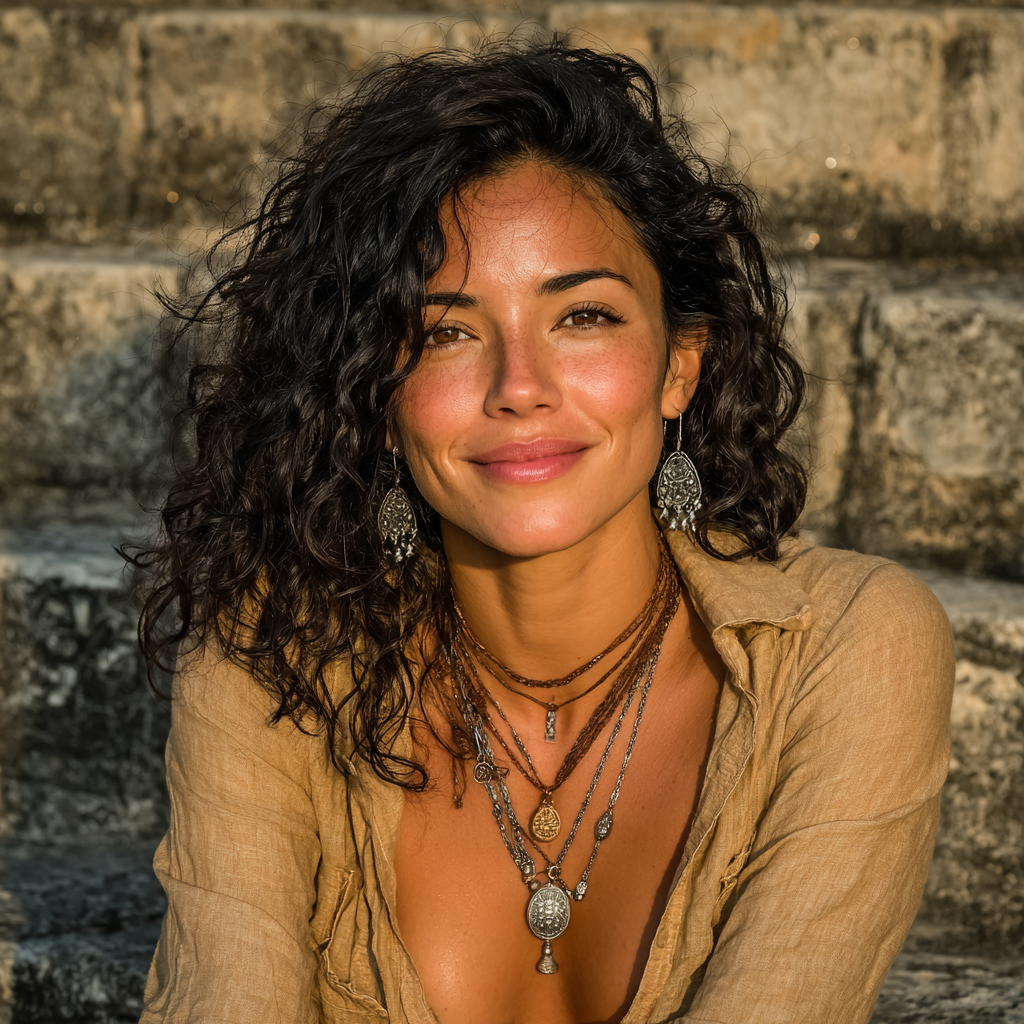
By Elena Vasquez
Cultural anthropologist and culinary storyteller. Elena spent a decade documenting traditional cooking methods across Latin America and the Mediterranean. She holds a PhD in Ethnography from Barcelona University and believes the best way to understand a place is through its kitchens and ancient streets.