
Austin: Where Breakfast Tacos Are Religion, Brisket Lines Start at Dawn, and Nobody Agrees on Anything
The first thing you learn about eating in Austin is that nobody agrees on anything. Ask five locals where to find the best breakfast taco and you will get six answers, each delivered with the absolute conviction of a religious convert. This is not a city that tolerates mediocre food quietly. Austin argues about its restaurants the way other cities argue about sports teams—and the arguments are just as heated, just as tribal, and just as impossible to resolve.
Austin does not do lukewarm. The heat here is literal (summer temperatures regularly hit 105°F) and metaphorical: the food is fiery, the opinions are hotter, and the only thing everyone agrees on is that every other city in Texas is doing it wrong. Dallas thinks it's fancy. Houston thinks it's diverse. Austin knows it's better, and it will tell you so between bites.
What follows is not a day-by-day itinerary. Austin does not work that way. The best food is scattered across neighborhoods that require a car or a rideshare tolerance, and the city operates on its own clock—barbecue joints sell out by early afternoon, food trucks move without warning, and the best tacos are eaten standing up at a counter. Instead, this guide is organized by the city's obsessions: the breakfast taco temples, the barbecue altars, the fine-dining rooms that share ZIP codes with trailer parks, the music venues where the beer is as important as the band, and the coffee shops where the baristas have opinions about your opinions.
Come hungry. Come with cash for the trailers. And whatever you do, do not tell anyone their favorite barbecue joint is overrated unless you are prepared to defend your position for the next hour.
The Author
Sophie Brennan writes about food, culture, and the cities where they collide. She has eaten her way through the taco counters of East Austin, the barbecue pits of Lockhart, and the sushi bars of South Lamar, and she still argues about all of them. She believes the best travel writing comes from specificity—an address, a price, a time of day—and the worst comes from pretending every city is charming. Austin is not charming. It is hot, it is sprawling, and the traffic is a genuine atrocity. But the food is honest, the music is loud, and the arguments are part of the culture. That is what makes it worth visiting.
The Lay of the Land
Austin's food geography is defined by its highways and its heat. The city is long and narrow, stretched along the Colorado River, and the best eating requires movement. Here is how the neighborhoods break down:
- East Austin (East Cesar Chavez, East 6th, East 11th): The historic Mexican-American and African-American heart of the city. This is where the best tacos, the best barbecue, and the most interesting gentrification tensions live side by side.
- South Congress (SoCo) and South Lamar: The tourist strip and the local strip, respectively. South Congress has the Instagram-famous shops and competent restaurants with absurd waits. South Lamar has Uchi, the Continental Club, and some of the best eating in the city.
- Rainey Street: A former residential neighborhood turned nightlife district, where Victorian houses have been converted into bars and food trucks cluster in the yards.
- Downtown/Warehouse District: The live music density is highest here, but the food is generally weaker—designed for visitors, not locals.
- North Austin: Sprawling and residential, but home to some excellent Vietnamese, Korean, and Chinese food that most visitors never see.
You need a car. Public transit exists but does not reliably connect the dots. Rideshares are plentiful but expensive. Budget for transportation as part of your food budget.
Breakfast Tacos: The Non-Negotiable Entry Point
You do not visit Austin without eating breakfast tacos. This is not a suggestion. It is a requirement, enforced by social pressure and enforced more strictly by the fact that once you eat a proper Austin breakfast taco, you will not want anything else until mid-afternoon.
The format is simple: a flour tortilla, eggs, and something else—bacon, chorizo, potato, cheese, avocado, refried beans, or some combination that the taqueria has been refining for twenty years. The tortilla matters. The eggs matter. The salsa matters most of all.
Veracruz All Natural
Address: 2505 Webberville Rd, Austin, TX 78702 (East Austin location; also at 4209 Montopolis Dr and others)
Hours: Daily, 7:00 AM – 3:00 PM
Price: Migas taco, $3.50–$4.50
Veracruz started as a food trailer and now has multiple locations, but the migas taco remains the benchmark. Eggs scrambled with tortilla chips, Monterey Jack, avocado, and pico de gallo on a handmade corn tortilla. It costs around $3.50 and will ruin your appetite for anything else until mid-afternoon. The tortillas are made fresh. The salsas are properly spicy. The line moves fast but is never short. Get there before 9:00 AM on weekends or accept that you will wait.
Torchy's Tacos
Address: 1822 S Congress Ave, Austin, TX 78704 (South 1st Street trailer park location also active)
Hours: Daily, 7:00 AM – 10:00 PM
Price: Tacos, $3.95–$5.50; Trailer Park taco (fried chicken, green chiles, pico, cheese), $5.25
Torchy's built an empire on the "creative" taco—trailer parks, green chile queso, the Democrat with beef barbacoa and avocado. Purists roll their eyes. The trailer on South 1st Street still draws lines at 10:00 AM for a reason. The queso is genuinely good. The fried chicken taco is a guilty pleasure. It is not traditional, and it does not pretend to be. Go early. The line is real.
Juan in a Million
Address: 2300 E Cesar Chavez St, Austin, TX 78702
Hours: Monday–Saturday, 7:00 AM – 3:00 PM; Sunday, 8:00 AM – 3:00 PM
Price: Don Juan taco (potato, bacon, cheese), $6.25; comes with free chips and salsa
Juan in a Million has been serving the Don Juan taco since 1980. It is a potato, bacon, and cheese monstrosity wrapped in a flour tortilla that could double as a sleeping bag. The restaurant is chaos at 9:00 AM on a Saturday. Sit at the counter, order quickly, and do not ask for modifications. The owner, Juan Meza, still works the floor some mornings. The walls are covered in photos of regulars. This is not a tourist trap. This is a functioning community restaurant that happens to be famous.
Barbecue: The Second Pillar, Operating on Its Own Schedule
Texas barbecue is not a meal. It is an event. It requires planning, patience, and a willingness to wait in line for food that might sell out before you reach the counter. Austin's barbecue scene is the most competitive in America, and the locals have strong, immutable opinions about who does it right.
Franklin Barbecue
Address: 900 E 11th St, Austin, TX 78702
Hours: Tuesday–Sunday, 11:00 AM until sold out (usually 2:00–3:00 PM)
Price: Brisket, $42/lb; pork rib, $28/lb; turkey, $32/lb; sandwich, $18
Franklin Barbecue is the most famous barbecue joint in America, which means the line starts forming around 8:00 AM, three hours before the doors open. People bring folding chairs, coolers, and sometimes tents. Aaron Franklin has a James Beard Award. The brisket is genuinely exceptional—smoky, tender, with a bark that shatters between your teeth. It is also expensive and requires a time investment that most meals do not justify. If you go, go on a Tuesday or Wednesday, arrive by 9:00 AM, and bring a book. If the line is already around the block by 9:30, you are not eating brisket today.
La Barbecue
Address: 2407 E Cesar Chavez St, Austin, TX 78702
Hours: Wednesday–Sunday, 11:00 AM until sold out
Price: Brisket, $38/lb; beef rib, $36/lb; pulled pork, $28/lb
If you cannot stomach the Franklin line, La Barbecue on East Cesar Chavez serves brisket and pulled pork that regulars argue is just as good. The wait tops out at an hour on busy days, which by Austin barbecue standards is a walk-in. The beef ribs are enormous. The sausage is made in-house. The sauce is served on the side, as it should be. Get the fatty brisket and do not ruin it with sauce.
Terry Black's Barbecue
Address: 1003 Barton Springs Rd, Austin, TX 78704
Hours: Daily, 11:00 AM – 9:00 PM
Price: Beef rib, $32/lb; brisket, $36/lb; sandwich, $16
Terry Black's has the advantage of a larger dining room and a full bar, which means you can eat beef ribs and drink a local IPA without hovering over a picnic table. The Black family has been smoking meat in Lockhart, Texas, for three generations, and this Austin outpost brings that lineage to a more comfortable setting. The beef rib feeds two people easily and looks like something from a Flintstones cartoon. It is also excellent.
The Salt Lick
Address: 18300 FM 1826, Driftwood, TX 78619 (20 miles southwest of Austin)
Hours: Daily, 11:00 AM – 9:00 PM
Price: All-you-can-eat family style, $28/person; BYOB with no corkage fee
For the full Texas experience, The Salt Lick in Driftwood is twenty miles outside the city. The setting is a massive stone ranch house with open pits and all-you-can-eat family-style service. The brisket is not as refined as Franklin's, but the atmosphere—live music on weekends, BYOB policy (no corkage fee), smoke hanging in the air under oak trees—is what people picture when they imagine Texas barbecue. It is a destination, not a lunch stop. Make a reservation if you are going on a weekend.
The Gap: Where Fine Dining and Trailer Parks Share a ZIP Code
Tacos and barbecue get the headlines, but the real story of Austin food is the gap between fine dining and trailer parks, and how little distance there actually is. This is a city where a James Beard Award winner and a $9 food truck operate within a mile of each other, and both are packed on Friday night.
Uchi
Address: 801 S Lamar Blvd, Austin, TX 78704
Hours: Sunday–Thursday, 4:00 PM – 10:00 PM; Friday–Saturday, 4:00 PM – 11:00 PM
Price: Happy hour (Sake Social), daily 4:00 PM – 6:30 PM; dinner for two without wine, $180–$220; omakase, $95–$165
Uchi is a sushi restaurant run by Tyson Cole, who began his career as a dishwasher at a downtown Austin sushi bar while attending the University of Texas. He never went to culinary school. He trained for six years under chef Takehiko Fuse of Musashino Sushi Dokoro, then opened Uchi in 2003 in a refurbished South Austin bungalow. In 2011, he won the James Beard Award for Best Chef: Southwest.
The menu includes wagyu beef with shishito peppers, yellowtail with ponzu, and the hama chili—yellowtail with Thai chili, orange, and ponzu—that has been on the menu since opening. The daily happy hour, called Sake Social, runs from 4:00 PM to 6:30 PM and offers discounted sushi rolls, sake, and wine. It is the cheapest way to experience the restaurant, and locals treat it as a not-so-secret ritual. Reservations open one month in advance and disappear immediately. Walk-in seating is limited to the sushi bar and subject to significant waits.
A mile away, a trailer on South Congress serves Korean-Mexican fusion out of a window. The price point is $9. Both places are packed on Friday night. This is the Austin equation: excellence without pretension, or at least with a different kind of pretension.
Uchiko
Address: 4200 N Lamar Blvd, Austin, TX 78756
Hours: Sunday–Thursday, 5:00 PM – 10:00 PM; Friday–Saturday, 5:00 PM – 11:00 PM
Price: Similar to Uchi; happy hour 5:00 PM – 6:30 PM with $5 sushi list
Uchiko is Uchi's sister restaurant, opened in 2010, and it is slightly more relaxed. The space is larger, the lighting is better, and the menu has a farmhouse Japanese focus with more cooked dishes. The Yokai berry—salmon with Asian pear, yuzu, and candied quinoa—has been on the menu since opening for good reason. If you cannot get into Uchi, Uchiko is not a consolation prize. It is a different, equally valid experience.
Food Trucks: The Real Kitchens of Austin
The food truck ecosystem is essential to understanding the city. The trucks are not a sideshow. They are where chefs test concepts before opening brick-and-mortar locations. Some never leave the trailer.
Rainey Street, a strip of converted Victorian houses that now function as bars, has a dedicated food truck park behind the main drag. You can eat wood-fired Neapolitan pizza from Via 313, Detroit-style pizza with a caramelized cheese crust, or Thai fried chicken from Dee Dee. The trucks move, so check their Instagram before you go.
South Congress Avenue has its own cluster, including the original Hey Cupcake trailer and a permanent installation of tamales and elotes. On weekends, the Avenue is crowded with tourists and locals, and the trucks are as busy as the restaurants.
Via 313 (multiple locations, including trailer at 1111 E 6th St and brick-and-mortar at 3016 Guadalupe St) serves Detroit-style pizza—square pan, cheese to the edges, crispy crust. The Detroiter, with pepperoni and smoked provolone, is $15 for a small and enough for two people. It is the best pizza in Austin, and it started in a trailer.
Drinking in Austin: Where Music and Alcohol Are the Same Conversation
Drinking in Austin is inseparable from the music. The city calls itself the Live Music Capital of the World, and while that is marketing, the density of venues is real. There are more than 250 music venues in a city of a million people, and on any given night, a hundred bands are playing.
The Continental Club
Address: 1315 S Congress Ave, Austin, TX 78704
Hours: Varies by night; music typically starts at 9:00 PM or 10:00 PM
Price: Cover, $5–$20 depending on the act
The Continental Club has hosted Stevie Ray Vaughan, Robert Plant, Wanda Jackson, and hundreds of regional bands since 1955. It is a narrow room with a low ceiling and a strict no-phone policy near the stage. The sound is perfect. The crowd is serious about music. If you go once, you will understand why Austin's music scene has a reputation that other cities cannot buy.
The White Horse
Address: 500 Comal St, Austin, TX 78702
Hours: Daily, 3:00 PM – 2:00 AM
Price: No cover most nights; drinks, $4–$8
The White Horse on East 6th is a honky-tonk with free dance lessons at 7:00 PM and a taco truck in the parking lot. The dance floor is packed by 9:00 PM with people two-stepping to country and bluegrass bands. The crowd is mixed—old regulars, young hipsters, tourists who wandered in—and the atmosphere is genuinely welcoming. This is not a theme park version of a honky-tonk. It is a functioning bar where people actually dance.
Antone's Nightclub
Address: 305 E 5th St, Austin, TX 78701
Hours: Varies by night; check schedule
Price: Cover, $10–$30
Antone's, founded by Clifford Antone in 1975, is the blues club that launched Stevie Ray Vaughan's career. B.B. King, Muddy Waters, and Albert King have played here. The club still operates downtown with a mix of local and touring acts. The Blue Monday tradition continues. If you care about blues music, this is a pilgrimage site.
Broken Spoke
Address: 3201 S Lamar Blvd, Austin, TX 78704
Hours: Tuesday–Saturday, 6:00 PM – 12:00 AM; closed Sunday–Monday
Price: Cover, $10–$15; dance lessons, $10
Broken Spoke is a dance hall that opened in 1964. The floor is worn smooth by sixty years of two-stepping. They serve chicken fried steak and cold beer. It is not a theme park. It is a functioning bar where people actually dance, and the regulars have been coming since before most visitors were born. If you want to learn to two-step, show up for the lesson at 8:00 PM. If you want to watch masters at work, show up at 10:00 PM.
Rainey Street
Rainey Street is the nightlife district that did not exist fifteen years ago. It is a collection of old houses converted into bars, each with a different personality. Banger's (81 Rainey St) has over a hundred beers on tap and a sausage menu. Icenhauer's (83 Rainey St) serves cocktails in mason jars from a porch. The food is secondary to the atmosphere, which is loud, young, and deliberately unpolished. On weekend nights, the street is shoulder-to-shoulder. Locals avoid it after 10:00 PM, but it is worth walking through once to see what Austin nightlife looks like when it is not trying to be cool.
Draught House Pub
Address: 4112 Medical Parkway, Austin, TX 78756
Hours: Monday–Friday, 11:00 AM – 12:00 AM; Saturday–Sunday, 10:00 AM – 12:00 AM
Price: Pints, $5–$8
For something quieter, Draught House Pub has been pouring local and regional craft beer since 1968. It is a converted house with a beer garden and rotating taps. The bartenders know their inventory and will talk you through the Austin beer scene without condescension. Austin Beerworks, Jester King, and Live Oak Brewing are the local names to know. Live Oak's Hefeweizen is available on draft across the city and has been since 1997. It is a fixture.
Coffee: The Battleground of the Morning
Coffee is another battleground. Austin runs on caffeine, and the local roasters take it seriously. This is a city where coffee culture is local, specific, and slightly hostile to chains.
Houndstooth Coffee
Address: 4200 N Lamar Blvd Ste 120, Austin, TX 78756 (original location; also Downtown, East MLK, Rock Rose, Laurel)
Hours: Monday–Sunday, 6:30 AM – 7:00 PM
Price: Espresso drinks, $3.50–$5.50
Houndstooth serves some of the best espresso in the state. The shops are spacious, filled with natural light, and populated by people working on laptops and arguing about roast profiles. The Tweed Coffee roasts are the house standard. The baristas will judge you for ordering an extra-large vanilla latte. Order a flat white or a cortado and pretend you know what you are doing.
Figure 8 Coffee Purveyors
Address: 1111 Chicon St, Austin, TX 78702
Hours: Monday–Friday, 7:00 AM – 3:00 PM; Saturday–Sunday, 8:00 AM – 3:00 PM
Price: Pour-over, $4–$6; espresso drinks, $3.50–$5
Figure 8 in East Austin roasts in small batches and closes at 3:00 PM. The shop is tiny—about 800 square feet—with a wrap-around copper bar and reclaimed cedar tables. The owners are former Houndstooth and Cenote baristas who struck out on their own. The neighborhood is residential and largely untouched by the gentrification spreading nearby. It feels like a secret, though it is not.
Medici Roasting
Address: 1023 Springdale Road #1A, Austin, TX 78721 (Springdale General, with roasting facility); 1100 South Lamar Blvd Suite 2125, Austin, TX 78704
Hours: Springdale General, Monday–Sunday, 7:00 AM – 7:00 PM; South Lamar, Monday–Sunday, 7:00 AM – 7:00 PM
Price: Espresso drinks, $3.50–$5.50; breakfast burrito with brisket barbacoa, $9
Medici has been an Austin institution since 2008. The Springdale General location houses their roasting facility and a modern cafe with industrial seating and a full food menu. The South Lamar location is smaller and more neighborhood-focused. The flat white is the drink of choice. The breakfast burrito with brisket barbacoa is a legitimate meal. Medici was one of the first specialty coffee shops in Austin, and the baristas carry that legacy with the appropriate seriousness.
What to Skip
Austin has its share of traps. Here is what to avoid:
The restaurants on 6th Street between Congress and IH-35 are designed for bachelor parties and college students. The food is overpriced and underseasoned. The margaritas come from a mix. There are exceptions, but they are rare. Walk through once for the spectacle, then eat elsewhere.
The rooftop bars with views of the Capitol charge $18 for a cocktail that costs $9 three blocks away. The view is not worth the markup, and the crowd is uniformly terrible. If you want a rooftop, go to the Westin or the Fairmont during happy hour, when the prices are slightly less insulting.
South Congress has become a shopping district with restaurants attached. The food is competent but rarely exceptional, and the waits are absurd. If you are going to wait forty-five minutes for a table, do it at Franklin or Uchi, not at a restaurant that exists primarily for its Instagram aesthetic. The exception is Home Slice Pizza (1415 S Congress Ave), which is genuinely good and worth the wait.
The Salt Lick is worth it for the atmosphere but not for the barbecue purist. If you are coming to Austin specifically for brisket, go to Franklin or La Barbecue. The Salt Lick is a destination experience, not a barbecue education.
Chain coffee. Do not order Starbucks in Austin. The local shops are better, cheaper, and part of the city's identity. Walking into a Medici or a Houndstooth with a Starbucks cup is a social error on par with wearing a Cowboys jersey to a Longhorns game.
Practical Logistics
Transportation
You need a car or a tolerance for rideshares. The best food is spread across neighborhoods—East Austin for tacos and barbecue, South Lamar for sushi and pizza, Rainey Street for trucks and bars, Driftwood for The Salt Lick. Public transit exists but does not reliably connect these dots. Parking in East Austin and on South Congress is increasingly difficult. Budget $20–$30 per day for rideshares if you are not renting a car.
Budget
Budget $60–$80 per day for food and drink if you are eating well but not extravagantly. Franklin and Uchi will push that higher. The taco trucks will pull it lower. A breakfast taco is $3.50. A pound of brisket is $36–$42. A sushi dinner is $90–$120 per person. A craft beer is $5–$8. A cocktail on Rainey Street is $12–$15.
When to Go
The best time to eat in Austin is February through May and October through November. The summer heat (June–September) is genuinely punishing—temperatures regularly exceed 100°F, and outdoor dining becomes an endurance sport. Franklin Barbecue is slightly less busy in winter. Uchi's happy hour is easier to get into on weekdays. The White Horse is packed every night regardless of weather.
Tipping
Tipping is standard: 18–20% at restaurants, $1–$2 per drink at bars. Food trucks do not always have tip jars, but if they do, a dollar or two is appreciated.
Cash
Bring cash for the trailers and some of the older taco spots. Most restaurants and bars take cards, but the food trucks and smaller taquerias often prefer cash or charge a card fee.
Reservations
Uchi and Uchiko require reservations made one month in advance. Franklin Barbecue does not take reservations for the main line (except for large groups, which can preorder). The Salt Lick takes reservations for weekends. Everything else is walk-in.
What to Wear
Austin is casual. Shorts and a T-shirt are acceptable almost everywhere, including Uchi. The only place you might want to dress up is Jeffrey's (1204 W Lynn St), which is genuinely fine dining. Everywhere else, come as you are.
The Last Word
Austin is not a pretty city. The architecture is functional, the traffic is brutal, and the summer heat is punishing. But the food is honest, the music is loud, and the arguments about where to eat are part of the culture. This is a city that takes its pleasures seriously and its opinions more seriously still. Show up hungry, bring cash for the trailers, and do not tell anyone their favorite barbecue joint is overrated unless you are prepared to defend your position for the next hour. You will not win the argument. But you will eat exceptionally well while losing it.
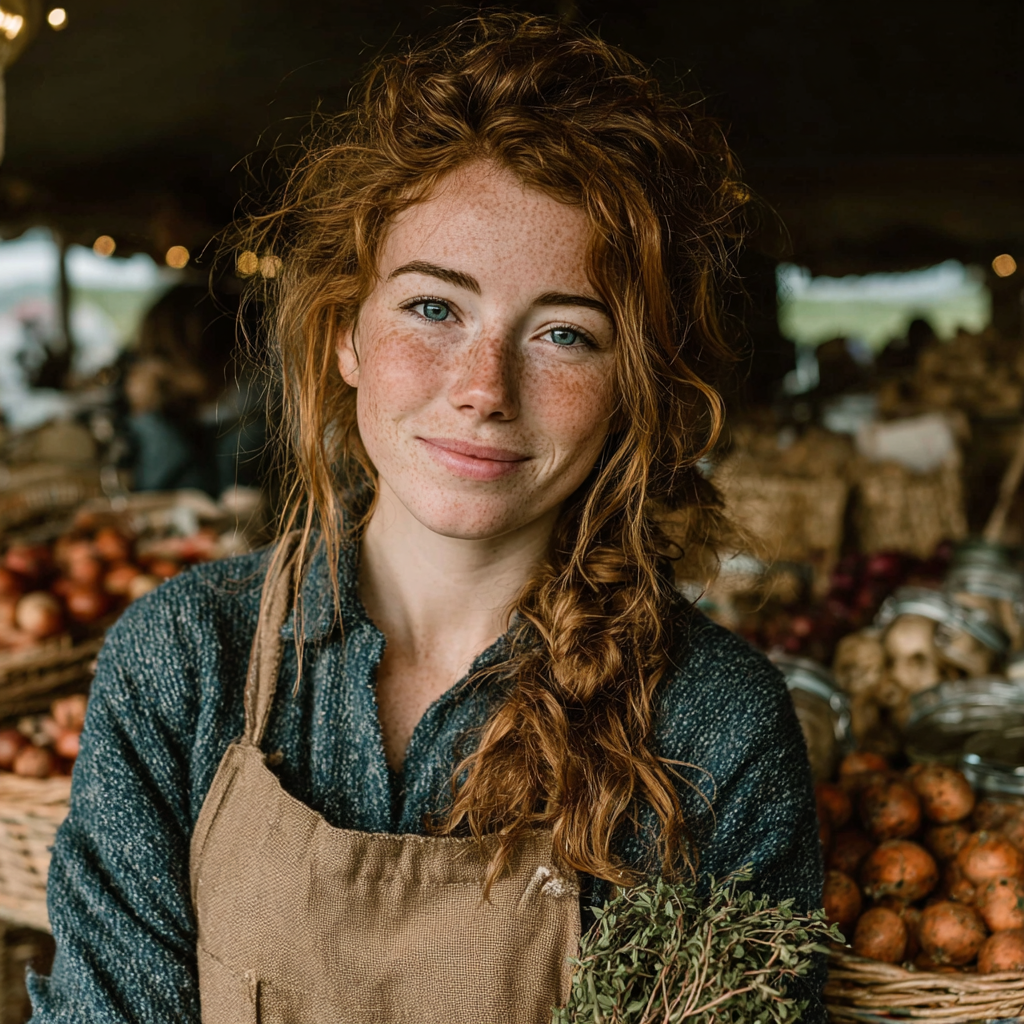
By Sophie Brennan
Irish food writer and historian based in Lisbon. Sophie combines her background in medieval history with a passion for contemporary gastronomy. She has written for Condé Nast Traveller and authored two cookbooks exploring Celtic and Iberian culinary traditions.