
San Francisco: A Food and Drink Guide to the City by the Bay
Written by Sophie Brennan
Food writer, restaurant obsessive, and believer that the best meals happen in unglamorous rooms with plastic chairs.
San Francisco does not care about your diet. The city built its food reputation on sourdough starter that predates the gold rush, Dungeness crab pulled from waters cold enough to hurt, and Mission burritos the size of a newborn. You do not come here to eat light. You come here to eat specific.
What makes San Francisco's food scene different from New York's density or Chicago's meat-heavy confidence is geography. The city sits on a peninsula surrounded by cold Pacific water, with Central Valley farmland two hours east and wine country an hour north. That proximity to ingredients—combined with a culture of experimentation that dates back to the 1960s counterculture—created a dining ecosystem where farm-to-table is not a marketing term but a description of how the produce arrived that morning.
This guide covers the neighborhoods, institutions, and meals that define San Francisco eating. It assumes you are hungry, mobile, and willing to wait in line.
The Mission District: Where the Burrito Became Weaponized
The Mission is ground zero for San Francisco's most consequential food contribution: the Mission-style burrito. Born in the 1960s when taquerias began wrapping overstuffed cylinders in foil for construction workers, the format evolved into something larger, denser, and more opinionated than anything found in Mexico.
La Taqueria at 2889 Mission Street has won every "best burrito in America" poll that matters. The super burrito comes with rice, beans, meat, sour cream, and guacamole wrapped in a foil package that weighs close to a pound. It costs $11.50. The tortillas are pressed fresh throughout the day. The carnitas are cooked in lard until the edges caramelize. The line forms by noon and stretches to the door by 1:00 PM.
El Farolito down the street at 2779 Mission is open until 3:00 AM and serves a similar construction for $9.75. The distinction between them is mostly tribal. Both use freshly pressed tortillas and carnitas cooked in lard. Both will ruin your appetite for the next six hours.
For something different, La Palma Mexicatessen at 2884 24th Street has been making tortillas since 1953. Their burritos are smaller, the masa is ground in-house from dried corn, and the chicharron prensado—pressed pork skin simmered in chile—tastes like what El Farolito's carnitas wish they could be. A burrito here runs $8.50 and leaves room for dessert.
Walk it off at Bi-Rite Creamery at 3692 18th Street, where salted caramel ice cream made from Straus Family Creamery dairy runs $5.25 for a single scoop. The line here is perpetual. The creamery opened in 2006 and helped launch the artisan ice cream movement that spread to every American city with a farmers market. The honey lavender and balsamic strawberry flavors rotate seasonally.
Tartine Bakery at 600 Guerrero Street is the other Mission institution. Chad Robertson's country loaf has a burnished crust and an interior crumb that looks like a coral reef. A whole loaf is $12. The line forms at 10:30 AM and does not thin out until mid-afternoon. Tartine Manufactory nearby serves full meals, but the original bakery is where you understand why San Francisco sourdough became a global standard. The wild yeast here is different from what you get in New York or Paris. The fog, the salt air, and the ambient bacteria from the Bay create a flavor profile that bakers elsewhere spend years trying to reverse-engineer.
The Mission is also home to some of the city's best Salvadoran food. Balompie Cafe at 3349 18th Street serves pupusas—thick corn tortillas stuffed with cheese, beans, or pork—at $3.50 each, with curtido (pickled cabbage slaw) and salsa on the side. The revueltas, stuffed with a mixture of all three, are the move.
Chinatown: The Oldest in North America
San Francisco's Chinatown was established in 1848 and remains the densest neighborhood west of Manhattan. The food here operates on two levels: the restaurants on Grant Avenue that cater to tourists, and the kitchens on Stockton Street and in the alleyways that serve the Chinese community.
The entrance gate on Grant Avenue is a photo stop. The actual eating happens on Stockton Street, where the markets sell live crabs, dried abalone, and durian. Golden Gate Bakery at 1029 Grant Street makes egg tarts with a flaking pastry shell and custard that wobbles like a plate of unset jelly. They bake in batches and sell out by 2:00 PM most days. A single tart is $3.25. The line on weekends extends around the corner. The bakery opens at 8:00 AM, and the first batch comes out around 9:00 AM. Arrive early or accept disappointment.
R&G Lounge at 631 Kearny Street is the Cantonese restaurant locals still admit to liking, despite its fame. The salt-and-pepper Dungeness crab is $48 for a whole crab and feeds two. Order it. The crab is flashed-fried so the shell becomes brittle and edible, then tossed with jalapeños, garlic, and salt. The meat inside stays sweet and intact. They also do a credible Peking duck with advance notice—call at least two hours ahead.
For dim sum, head to Hang Ah Tea Room at 1 Pagoda Place, operating since 1920. Shrimp har gow and pork siu mai run $6.50 to $8.00 per basket. The space is tight and the service is brisk. You share tables. The tea room opens at 10:00 AM and closes at 9:00 PM. For a more contemporary dim sum experience, Dragon Beaux on Geary Boulevard serves truffle siu mai and lava buns with salted egg yolk filling in a dining room that looks like a Versailles fever dream.
In the outer Chinatown, Z&Y Restaurant at 655 Jackson Street specializes in Sichuan cuisine. The chef, Han Lijun, cooked for Chinese consulates before opening this restaurant. The Chongqing chicken—dry-fried with hundreds of red chiles—numbs your mouth in the way proper Sichuan food should. The mapo tofu is $14.95 and arrives in a clay pot still bubbling. The restaurant is open daily from 11:00 AM to 10:00 PM.
The Richmond and Sunset: Where San Francisco's Asian Food Diversity Lives
West of Golden Gate Park, the Richmond and Sunset districts form a contiguous stretch of some of the best and most affordable Asian food in the United States. The demographics here shifted in the 1980s and 1990s as Chinese, Korean, and Russian immigrants moved into the fog-bound neighborhoods that native San Franciscans found too cold and too far from downtown.
Burma Superstar at 309 Clement Street serves tea leaf salad with fermented laphet, fried garlic, and peanuts for $14.95. The wait averages 45 minutes and they do not take reservations. The tea leaf salad is the signature for a reason—the fermented leaves have a tangy, almost pickled quality that no other ingredient duplicates. The samusa soup, a chickpea-thickened broth with Burmese dumplings, is $13.95 and substantial enough for a full meal.
Further north on Geary Boulevard, Korean tofu houses and hand-pulled noodle shops operate at prices ten dollars lower than downtown. My Tofu House at 4627 Geary Boulevard serves sundubu jjigae—soft tofu stew—in a bubbling stone pot for $13.95, with rice and banchan included. The restaurant is open until 10:00 PM and stays busy with students from the nearby university.
San Tung at 1031 Irving Street is a Chinese-Korean restaurant famous for dry-fried chicken wings. The wings are double-fried, then tossed in a sweet-shiny glaze that caramelizes on contact. An order of twelve is $15.95. The wait on weekends can exceed an hour. They do not take reservations. The restaurant closes at 9:30 PM and stops seating new tables at 9:00 PM.
For ramen, Marufuku in Japan Center Mall at 1581 Webster Street serves hakata-style tonkotsu with noodles cooked to your specified firmness. The basic bowl is $14. Add a seasoned egg for $2. The mall itself is a 1960s time capsule of Japanese retail culture, with a kinokuniya bookstore and shops selling ceramic tea sets.
The Seafood Institutions: Dungeness, Sourdough, and Wait Times
San Francisco's relationship with seafood is defined by Dungeness crab, which runs from November through June and arrives at restaurants within hours of being pulled from the Pacific. The crab is sweeter and more delicate than East Coast blue crab, with meat that flakes in thick strands.
Swan Oyster Depot at 1517 Polk Street is a marble counter with twelve stools that has not changed since 1912. The stools fill by 11:00 AM. The menu is on a chalkboard above the fish case. Dungeness crab cocktail is $22.95. The combination salad—crab, shrimp, and prawns with Louie dressing—is $34.50. They do not take reservations. They do not have a phone that gets answered consistently. You stand on the sidewalk and wait. The sourdough bread they serve with every order comes from a bakery across town and tastes better here than anywhere else because it is used to mop up crab juices and horseradish cocktail sauce. Swan opens at 8:00 AM and closes at 5:30 PM, Monday through Saturday. Closed Sunday.
Tadich Grill at 240 California Street is older than Swan, dating to 1849. It claims to be California's oldest restaurant. The cioppino is $38 and arrives in a bowl the size of a hubcap. Tomatoes, white wine, Dungeness crab, clams, mussels, shrimp, and calamari in a broth that stains the tablecloth. The sourdough on the side is free and unlimited. Tadich does not take reservations either. The wait at lunch runs 45 minutes on weekdays. The bar area fills first. Tadich is open Monday through Saturday, 11:00 AM to 9:00 PM. Closed Sunday.
Hog Island Oyster Co. at the Ferry Building shucks Pacific oysters at $3.75 each during happy hour, 5:00 PM to 7:00 PM Monday through Friday. The oysters are from Tomales Bay, an hour north, and vary by season. The Kumamotos are small, sweet, and cupped like a spoon. The Atlantics are brinier and larger. A dozen during happy hour is $22.50. The raw bar opens at 11:00 AM and the happy hour starts promptly at 5:00 PM.
For a more casual seafood experience, Fish in Sausalito (a twenty-minute ferry ride from the Ferry Building) serves fish and chips made with the day's catch on a dock overlooking the marina. The fish taco is $14. The patio fills with locals on sunny weekends. The ferry costs $14.50 each way and runs every hour.
The Ferry Building and the Saturday Farmers Market
The Ferry Building Marketplace at the foot of Market Street is where the city's food logic becomes coherent. The building itself—a Beaux-Arts landmark from 1898—was restored in 2003 and converted into a food hall that functions as both tourist destination and serious grocery for downtown residents.
Acme Bread Company has a permanent stall. Their pain de mie is $6.50 a loaf and disappears by noon. The country levain, a San Francisco sourdough with a chewier crumb than Tartine's, is $8.50. Acme supplies bread to many of the city's best restaurants, and buying directly from the source means you get loaves that are still warm from the oven.
Cowgirl Creamery, which closed its Ferry Building location in 2019, has been replaced by Marin French Cheese and other local producers. Look for Point Reyes Farmstead Cheese's blue cheese, made from the farm's own herd of Holsteins, and Andante Dairy's soft-ripened cheeses from nearby Petaluma.
The Saturday farmers market spreads onto the Embarcadero and includes everything from organic strawberries in April to fresh-caught salmon in October. It runs from 8:00 AM to 2:00 PM and attracts over 10,000 shoppers on warm weekends. Blue Bottle Coffee has a kiosk here, and RoliRoti serves porchetta sandwiches—rotisserie pork with crackling skin and salsa verde on an Acme roll—for $14.
Inside the building, Dandelion Chocolate makes bean-to-bar chocolate in a factory visible from the retail space. A single-origin Madagascar bar is $10. The factory tours run on weekends and cost $15. Book in advance through their website.
Coffee: The Third-Wave Capital
Coffee in San Francisco is not an afterthought. The city helped launch the third-wave coffee movement—the idea that coffee should be treated as an artisanal product, like wine, with attention to origin, processing, and brewing method.
Blue Bottle started here in 2002 at a kiosk in Hayes Valley. The original location at 315 Linden Street is still operating, though the company has since been acquired by Nestlé and expanded nationally. A pour-over of their Three Africas blend is $4.50. The New Orleans-style iced coffee, made with chicory and cane sugar, is $5.00 and dangerously drinkable.
Ritual Coffee Roasters opened on Valencia Street in 2005 and helped define the West Coast third-wave style—light roasts that preserve the bean's origin character, brewed with precision. Their Valencia Street location at 1026 Valencia is the original, with a small roasting operation in back. A single-origin pour-over is $4.75. The sweet tooth latte, with house-made vanilla syrup, is $5.50.
Sightglass Coffee on 7th Street occupies a converted warehouse with a roaster visible from the seating area. A pour-over is $4.50 to $6.00 depending on the bean. The space is cavernous, with exposed brick and long communal tables. It attracts laptop workers and coffee tourists in equal measure. Sightglass roasts daily, and the air inside smells like toasted bread and caramel.
Four Barrel Coffee on Valencia Street grinds in small batches. The line moves slowly because the baristas treat each cup like a chemistry experiment. The Deconstructed Espresso—three single-origin shots served with sparkling water—is $8.00 and illustrates how the same bean tastes different depending on the farm it came from.
The Buena Vista Cafe at 2765 Hyde Street, near the cable car turnaround, occupies a different tradition entirely. They have served Irish coffee since 1952. The story is that the owner reverse-engineered the drink from Shannon Airport after a trip to Ireland. The presentation is theatrical: two sugar cubes, hot coffee, Irish whiskey, and cream aged for 48 hours before floating on top. Each glass is $11.00. They serve hundreds per day. The counter seats fill by 10:00 AM on weekends. The cafe opens at 9:00 AM and closes at 2:00 AM.
Beer, Wine, and Cocktails: Drinking in a City of Excess
For beer, Anchor Brewing on Mariposa Street invented steam beer in 1896. The style uses lager yeast at ale temperatures, producing a crisp, copper-colored beer that became the city's default pour. Their tap room serves pints for $7.00. Tours of the brewery run on weekends and cost $25, including tastings. Anchor Brewing filed for bankruptcy in 2023 and was acquired by new owners who have pledged to continue production. Check their website for current tap room hours, which have been irregular during the transition.
Cellarmaker Brewing on Howard Street specializes in hazy IPAs and experimental small batches. Pints run $8.00 to $10.00 and rotate weekly. The tap room is small and fills quickly after work. They allow outside food, and the nearby Tempest bar serves burgers if you need ballast.
Mikkeller Bar on Mason Street imports Danish craft beer culture with 42 taps and a minimalist design. A flight of four is $16. The bar opens at 11:30 AM and stays open until midnight on weekends. The bottle list includes rare Danish imports and American limited releases.
For wine, you do not need to drive to Napa. The urban winery movement has planted tasting rooms in SOMA and Dogpatch. Bluxome Street Winery at 53 Bluxome Street pours Pinot Noir and Chardonnay from Russian River Valley fruit. Tastings run $25 to $35. These rooms close early, usually by 8:00 PM, so plan an afternoon.
The Interval at Fort Mason is a cocktail bar attached to the Long Now Foundation, a nonprofit dedicated to long-term thinking. The drinks are named after concepts in physics and philosophy. The menu changes seasonally, but the "Rusty Napier"—scotch, lemon, honey, and ginger—has been a mainstay. Cocktails run $14 to $18. The space includes a floor-to-ceiling library and a prototype of a mechanical clock designed to run for 10,000 years.
Fine Dining and the California Cuisine Legacy
San Francisco's contribution to American fine dining is California Cuisine, the movement pioneered by Alice Waters at Chez Panisse in Berkeley that emphasized local, seasonal ingredients prepared simply. The philosophy spread to San Francisco in the 1980s and continues to define the city's upscale restaurants.
State Bird Provisions on Fillmore Street serves dim sum-style small plates from a California pantry. The pancakes with sourdough, sauerkraut, and ricotta are $14. The fried quail is $18. The restaurant opens at 5:30 PM and the queue starts at 4:45 PM. They do not take reservations for parties under six. The format—servers wheeling carts of small plates past your table, dim sum-style—means you eat what looks good in the moment. State Bird opened in 2013 and won a James Beard Award for Best New Restaurant.
Zuni Cafe on Market Street is the classic California bistro. The roast chicken for two, served over bread salad with currants and pine nuts, is $78 and takes an hour. They start serving at 5:00 PM and stop at 10:00 PM. The chicken runs out. Zuni has been open since 1979 and the menu has barely changed. The oysters at the raw bar are shucked to order and served with mignonette. The burger, served only at lunch, is $18 and widely considered one of the best in the city.
Nopa at 560 Divisadero Street serves "urban rustic food"—wood-fired meats, seasonal vegetables, and late-night dining in a loud, energetic room. The pork chop is $34. The flatbread with roasted vegetables is $16. Nopa is open until 1:00 AM and serves full dinner until midnight, making it a refuge for industry workers and night owls. They take reservations thirty days in advance, and prime slots disappear within minutes of release.
What to Skip
Fisherman's Wharf. The crab stands there sell reheated Dungeness at tourist prices. The sourdough bread bowls filled with clam chowder are $12 and exist mostly for photography. The sea lions at Pier 39 are genuine, but the restaurants are not. Walk ten minutes south to the Ferry Building instead.
Boudin Bakery at the Wharf. The sourdough is authentic but the chowder bowls are a gimmick. Buy a loaf at their original bakery on 10th Avenue if you want the history without the performance. Better yet, go to Tartine or Acme.
The "best" lists that rank San Francisco's burritos. Every publication runs one annually, and the rankings shift based on which writer got food poisoning where. La Taqueria and El Farolito are both excellent. The difference is not worth arguing about.
Driving to the restaurant. San Francisco's parking is expensive, scarce, and enforced with religious zeal. Take Muni, walk, or use rideshare. The hills are steep but the food tastes better when you have earned it.
Practical Logistics
Budget: A day of serious eating in San Francisco runs $75 to $120 per person including coffee, one big meal, and snacks. The Mission and Chinatown keep the bill lower. Fine dining pushes it higher. Swan Oyster Depot and Tadich Grill are moderate splurges at $35 to $50 per person. A meal at State Bird Provisions or Nopa runs $60 to $80 per person with drinks.
Transit: The Muni Metro and bus system gets you between neighborhoods for $3.00 per ride. A day pass is $5.00. The historic F-Market streetcar runs along the Embarcadero and connects the Ferry Building to Fisherman's Wharf for the same price. Walking is better. The hills burn off the burritos.
Timing: The Dungeness crab season runs November through June. Come in January if you want the meat at its sweetest and the restaurants at their least crowded. The fog rolls in by 3:00 PM most summer days. It does not affect the food, but it will affect your photos. Eat indoors. Many restaurants do not take reservations; arrive early or accept a wait.
Tipping: Standard is 18 to 20 percent at full-service restaurants. Counter-service spots typically have tip jars but do not expect 20 percent. Some restaurants include a service charge in lieu of tips—read the menu carefully.
Weather: San Francisco is cold in summer. The average high in July is 67°F (19°C), and the fog can drop temperatures into the 50s by afternoon. Bring layers. The neighborhoods west of Twin Peaks are consistently foggier than those to the east.
Reservations: Book fine dining thirty days in advance. For Swan Oyster Depot, Tadich Grill, and El Farolito, reservations are not an option. Arrive early or wait. The waits at popular spots are part of the experience—San Franciscans treat restaurant lines with the patience of religious pilgrims.
About the Author: Sophie Brennan is a food writer based between Lisbon and San Francisco. She has written about restaurants for fifteen years and believes that the best meals happen in unglamorous rooms with plastic chairs. She once ate seven Mission burritos in three days for research. She would do it again.
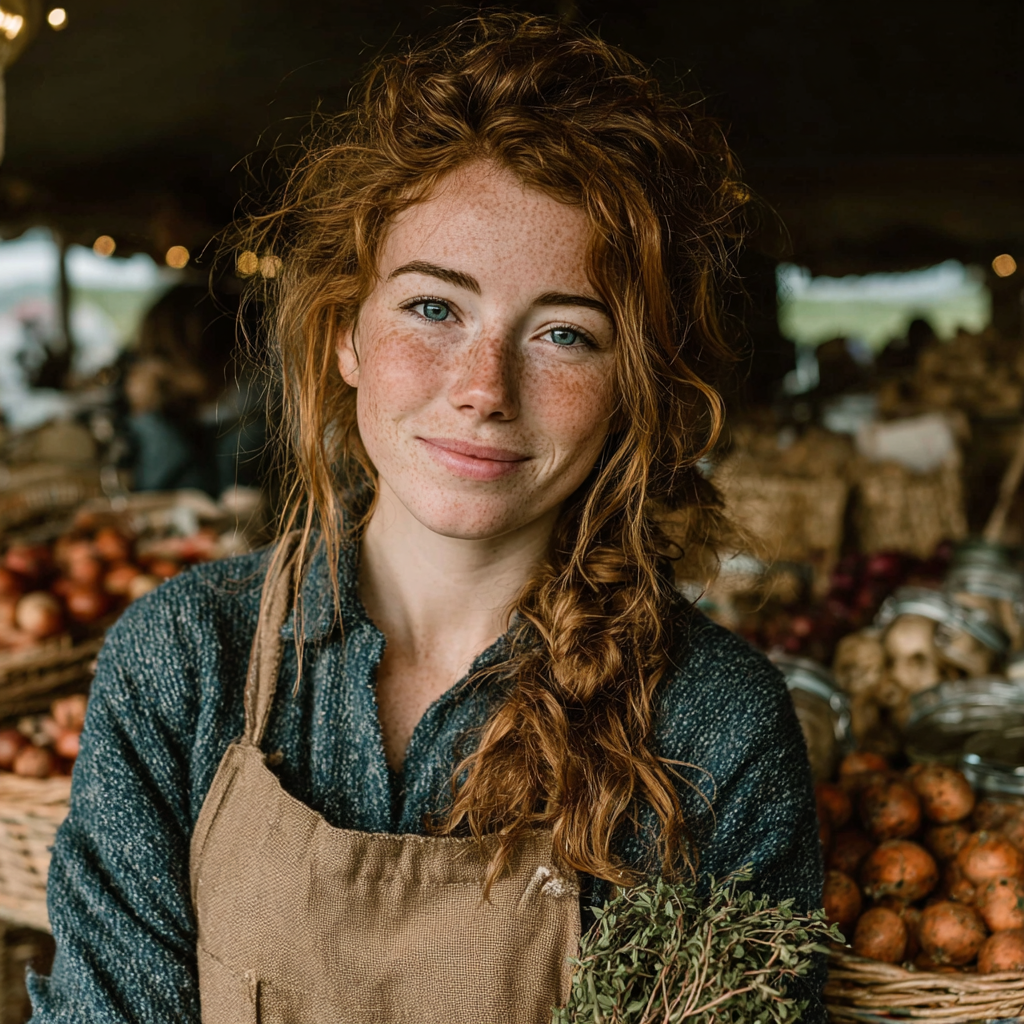
By Sophie Brennan
Irish food writer and historian based in Lisbon. Sophie combines her background in medieval history with a passion for contemporary gastronomy. She has written for Condé Nast Traveller and authored two cookbooks exploring Celtic and Iberian culinary traditions.