
San Diego: America's Best Border City — A Food & Drink Guide
San Diego does not try hard. That is the first thing you need to understand. While Los Angeles performs for the cameras and San Francisco chases the next thing, San Diego simply lives well. The city has 70 miles of coastline, 150-plus craft breweries, and a shared border with Mexico that has shaped its food more than any trend ever could. Residents surf before work, eat fish tacos for lunch, and drink beer that rivals anything from Portland or Denver. The culinary scene here is confident without being loud — and it has been that way long before the rest of America caught on.
This guide is written by someone who has eaten their way from Tijuana to Oceanside and back again. I am not interested in the place that just won a James Beard Award or the restaurant with the most Instagram followers. I care about the taqueria where the owner remembers your order, the brewery where the brewer is still pouring behind the bar, and the market stall where the fisherman tells you exactly which boat caught your dinner. That is the San Diego worth knowing.
The Fish Taco: San Diego's Original Invention
The fish taco is the city's signature dish, and it arrived here by necessity, not fashion. In the 1980s, local fisherman Ralph Rubio encountered battered fish tacos in Baja California and brought the concept north. His first shop opened in Mission Bay in 1983. Today Rubio's Coastal Grill has locations across the country, but the original spirit lives in smaller operations that have refused to scale.
Oscars Mexican Seafood (703 Turquoise St, Pacific Beach; open daily 8am–10pm) is a no-frills counter where the fish taco comes grilled or battered with cabbage, pico de gallo, and a white sauce that has not changed in decades. The fish is local, the tortillas are pressed fresh, and the line moves fast. A single taco costs $4.25. The smoked fish taco at Blue Water Seafood Market & Grill (3667 India St, Mission Hills; Mon–Sat 11am–9pm, Sun 11am–8pm) uses fish smoked in-house over hickory. It tastes like campfires and ocean air. Most tacos here run $5–$7, and the line is consistently 15–20 minutes long. It is worth every second.
For a deeper dive into Baja-style seafood, El Pescador Fish Market (627 Pearl St, La Jolla; Mon–Sat 11am–8pm, Sun 11am–7pm) has been serving fishermen and locals since 1984. The shrimp and scallop tacos are $7.50 each, and the aguachile — raw shrimp cured in lime with serrano and cucumber — is $14. There are no reservations. You order at the counter and hope for a seat on the small patio.
Cali-Baja: A Cuisine Born from the Border
The Cali-Baja movement defines San Diego cooking more than any other trend. This is not fusion for the sake of novelty. It is the natural result of a city where the daily commute crosses an international border. Chef Javier Plascencia has been the movement's most visible advocate, though he would be the first to say the cooking belongs to the region, not to him.
His restaurant Galaxy Taco (2250 Avenida de la Playa, La Jolla; Tue–Thu 5–9pm, Fri–Sat 5–10pm, Sun 5–9pm) applies fine-dining precision to Baja street food. The tortillas are made from heirloom corn nixtamalized on site. The aguachile uses local spot prawns and serrano chiles. Main courses run $18–$32. Reservations are essential on weekends. For something more casual, El Jardin (2645 Liberty Station Rd, Liberty Station; Tue–Thu 5–9pm, Fri–Sat 5–10pm, Sun 5–9pm) serves wood-fired meats and handmade tortillas in a converted naval barracks. The carne asada plate arrives with charred edges and a side of beans cooked with beer. It costs $24 and feeds two people easily.
The neighborhood of Barrio Logan, historically Mexican-American and recently grappling with gentrification, is where Cali-Baja feels most authentic. Las Cuatro Milpas (1857 Logan Ave, Barrio Logan; Mon–Fri 6:30am–3pm, Sat 6:30am–2:30pm, closed Sun) has been making hand-rolled tortillas and pork tamales since 1933. A plate of rolled tacos with rice and beans costs $9. The line stretches down the block by 11:30am, and when they sell out, they close. Salud! (2196 Logan Ave, Barrio Logan; Mon–Thu 11am–9pm, Fri–Sat 11am–10pm, Sun 10am–8pm) offers a more modern take: craft beer, street tacos with house-made tortillas, and a barbacoa quesataco that merges tradition with ambition. Tacos are $4–$5 each.
Little Italy: Beyond the Red Sauce
Little Italy has become the city's most concentrated dining district, though it looks nothing like the Italian neighborhoods of Boston or New York. High-rise condos now overshadow the remaining family-run businesses, and the restaurants cater to a mixed crowd of locals, tourists, and biotech workers from nearby offices. The original Little Italy Mercato farmers market still operates every Saturday morning along West Date Street from 8am to 2pm. Vendors sell avocados, citrus, and locally caught seafood. Arrive before 9am for the best selection.
Mona Lisa Italian Foods (2061 India St, Little Italy; Mon–Sat 9am–8pm, Sun 9am–6pm) has been operating since 1956, making sandwiches with imported mortadella and fresh mozzarella for $10–$12. The line stretches onto the sidewalk by 11am. Bencotto Italian Kitchen (750 W Fir St, Little Italy; Mon–Thu 11:30am–10pm, Fri–Sat 11:30am–11pm, Sun 11:30am–10pm) does handmade pasta with a northern Italian sensibility. The 24-month aged Parmigiano-Reggiano is shaved tableside. A full dinner with wine runs $60–$80 per person. For something lighter, Pappalecco (1602 State St, Little Italy; daily 7am–11pm) serves gelato made fresh daily and espresso that rivals anything in Rome. A double shot and a small gelato cost $7.
Craft Beer: San Diego's Liquid Infrastructure
The craft beer scene in San Diego is not a scene at all. It is infrastructure. The city has more craft breweries per capita than any other American metro area, and the culture predates the national boom. Karl Strauss Brewing Company (1157 Columbia St, Downtown; Mon–Thu 11:30am–10pm, Fri–Sat 11:30am–11pm, Sun 11:30am–9pm) opened in 1989, when most Americans still drank mass-produced lagers. Today the city counts over 150 breweries, ranging from industrial-scale operations to garage setups.
Stone Brewing (1999 Citracado Pkwy, Escondido; daily 11am–9pm), founded in 1996, built its reputation on aggressively hopped West Coast IPAs. Their original location in San Marcos remains open, though the company has expanded to Richmond, Virginia and Berlin. The Escondido location features a bistro with a full menu and a garden that holds 500 people. Tours run $5 and include samples. Modern Times Beer (3725 Greenwood St, Point Loma; Mon–Thu 11am–10pm, Fri–Sat 11am–11pm, Sun 11am–9pm) operates tasting rooms with a distinctly Californian aesthetic: clean lines, natural light, and coffee roasted on site. Their Fortunate Islands wheat ale tastes like grapefruit and pine. A flight of four samples costs $10.
The best way to understand San Diego beer is to visit the source. Mike Hess Brewing (795 J St, Downtown; Mon–Thu 3–10pm, Fri–Sat 12pm–11pm, Sun 12pm–9pm) operates a tasting room with a rotating selection of experimental styles. The Grapefruit Solis IPA delivers exactly what the name promises. At Fall Brewing Company (4542 30th St, North Park; Mon–Thu 3–10pm, Fri–Sat 12pm–11pm, Sun 12pm–9pm), located in a former 1950s-era commercial space, the standards include Plenty for All Pilsner and a saison brewed with coriander and orange peel. Most tasting rooms charge $6–$9 for a flight of four samples. The atmosphere is consistently casual. Children and dogs are common. Food trucks park outside.
North Park has become the unofficial brewery district. Within a one-mile radius you can visit North Park Beer Co. (3038 Univeristy Ave; daily 11am–11pm), Thorn Street Brewery (3176 Thorn St; Mon–Thu 3–10pm, Fri–Sun 11am–11pm), and Eppig Brewing (3052 El Cajon Blvd; Mon–Thu 3–10pm, Fri–Sun 11am–11pm). Plan a Saturday afternoon, hire a designated driver, and walk between them. Each has a distinct personality: North Park Beer Co. leans experimental, Thorn Street is neighborhood-focused, and Eppig specializes in German lagers with a San Diego twist.
The Border Kitchen: Tijuana's Influence on San Diego Plates
The city's relationship with Mexico extends beyond food into daily logistics. Many residents cross into Tijuana for dental work, prescription medications, or weekend dinners. The San Ysidro Port of Entry is the busiest land border crossing in the Western Hemisphere, with over 70,000 vehicles and 20,000 pedestrians daily. This constant movement has created a culinary feedback loop that benefits both sides.
Tijuana-style birria, traditionally made with goat, now appears on San Diego menus. The quesabirria trend, which wraps melted cheese and braised meat in a tortilla fried in consommé fat, reached San Diego before most American cities. Kikos Place (2305 30th St, Grant Hill; daily 10am–4pm or until sold out) is a food truck parked permanently in a residential lot, serving birria tacos with beef braised until the meat falls apart. The consommé is served in small cups for dipping. Three tacos cost $9. The operation has no website and minimal signage. It does not need either. The line forms at opening and persists until the meat runs out, usually by mid-afternoon. Get there before noon.
Aqui Es Texcoco (5202 University Ave, Rolando; Thu–Tue 10am–8pm, closed Wed) specializes in barbacoa de borrego — lamb slow-cooked in maguey leaves, a technique from Hidalgo, Mexico. A half-kilo order with tortillas, salsa, and consommé costs $28 and serves three. The owner, Francisco Perez, learned the recipe from his father in Texcoco, Mexico City. He will tell you the story if you ask. The restaurant has been open since 2005 and looks like a converted fast-food joint. Do not let the exterior fool you.
Seafood: From the Dock to Your Plate
Seafood dominates the coastal neighborhoods in a way that inland visitors rarely understand. The Tuna Harbor Dockside Market (598 Harbor Ln, Downtown; Sat 8am–1pm) operates Saturday mornings downtown, where commercial fishermen sell directly to the public. Yellowfin tuna runs $3–$4 per pound. Local sea urchin, harvested from the kelp beds off Point Loma, costs $18–$25 per pound but tastes like nothing else: cold, briny, and faintly sweet. Bring cash. Wear shoes you do not mind getting wet. Several sushi restaurants in the area, including Sushi Ota (4529 Mission Bay Dr, Pacific Beach; Tue–Sat 5–10:30pm, closed Sun–Mon), buy directly from these docks. A proper omakase here costs $120–$150 and requires reservations two weeks in advance.
Mitch's Seafood (1403 Scott St, Point Loma; Mon–Thu 11am–8pm, Fri–Sat 11am–9pm, Sun 11am–8pm) sits on the working docks of Point Loma and serves whatever came in that morning. The fish and chips — made with local rockfish or yellowtail — cost $16 and come with a view of the harbor. Ironside Fish & Oyster (1654 India St, Little Italy; Mon–Thu 11:30am–10pm, Fri–Sat 11:30am–11pm, Sun 11:30am–9pm) is the city's most polished seafood destination. The raw bar features oysters from Baja, Washington, and Massachusetts. A dozen mixed oysters cost $36. The clam chowder, served in a bread bowl with a hit of smoked paprika, is $14.
The best time to eat seafood is during the local fishing seasons. Spiny lobster runs from late September through March. California halibut peaks in spring and early summer. Local Dungeness crab appears in winter. Restaurants advertising year-round local seafood are stretching the truth. The water is too warm for oysters, so those come from further north or Baja.
Neighborhoods That Still Feel Like California
The neighborhood of Ocean Beach preserves a version of California that has disappeared elsewhere. The main commercial strip along Newport Avenue looks largely as it did in the 1970s. Surf shops, record stores, and organic grocery stores operate in low-rise buildings with hand-painted signs. Hodad's (5010 Newport Ave, Ocean Beach; Mon–Thu 11am–8pm, Fri–Sat 11am–9pm, Sun 11am–8pm), a burger institution since 1969, serves patties the size of salad plates on paper plates. The bacon is precooked in onion rings. A single burger feeds two people and costs $11.95. The walls are covered in surf stickers and photos of visiting musicians. There is always a line. There is always a surfboard leaning against the railing.
For breakfast, the city favors casual over elaborate. The Mission (2801 University Ave, North Park; daily 7am–3pm) is housed in a converted chapel with stained glass windows still intact. The chilaquiles, made with house-fried tortilla chips and two eggs, cost $12.95 and arrive on pottery plates made in nearby Tijuana. Coffee comes from local roasters including Dark Horse and James Coffee Co. Harry's Coffee Shop (750 Grand Ave, Pacific Beach; daily 6am–3pm) has been serving chrome-diner breakfast since 1960. The pancakes are the size of hubcaps. A full breakfast with coffee costs $14.
Cocktails: Beyond the Beach Bar
The cocktail scene has matured significantly in the past decade. Polite Provisions (4693 30th St, Normal Heights; Mon–Thu 4pm–12am, Fri–Sat 2pm–2am, Sun 2pm–12am) operates as both bar and pharmacy-themed retail space. Bartenders serve drinks like the Penicillin, made with scotch, ginger, and honey, alongside house-made syrups and bitters sold in amber bottles. Cocktails run $13–$16. False Idol (675 W Beech St, Little Italy; Tue–Thu 5pm–12am, Fri–Sat 5pm–2am, Sun–Mon 5pm–12am), a tiki bar hidden behind a refrigerator door inside Craft & Commerce restaurant, serves rum-based drinks in ceramic vessels shaped like Easter Island heads. The space has no windows and limited seating. Reservations are not accepted. Arrive at 5pm on a Tuesday if you want a seat.
For mezcal enthusiasts, Casa Mezcal (2302 30th St, South Park; Tue–Thu 5pm–10pm, Fri–Sat 5pm–11pm, Sun 5pm–9pm) stocks over 100 varieties, mostly from Oaxaca and a few from Baja California. The bartenders know the village where each was made and the agave species used. A flight of three costs $22. Raised by Wolves (4303 La Jolla Village Dr, La Jolla; Mon–Thu 11:30am–11pm, Fri–Sat 11:30am–12am, Sun 11:30am–10pm) is a cocktail bar disguised as a liquor store inside the Westfield UTC mall. The entrance is through a rotating bookcase. It is absurd and excellent. Cocktails are $15–$18.
What to Skip
Skip the Gaslamp Quarter for food. It is a nightlife district with the same chain restaurants you will find in any American downtown. The restaurants are overpriced, the crowds are bachelor-party energy, and the best meal you will find is at a hotel bar. If you must eat there, Cafe 21 (802 Fifth Ave; daily 8am–10pm) is an acceptable breakfast option with Turkish eggs and cardamom coffee, but you are better off walking 10 minutes north to Little Italy.
Skip any restaurant advertising "Cal-Mex" or "Baja Fresh" in the name. These are corporate concepts, not local cooking. Skip the San Diego Zoo for dining — the food is overpriced and mediocre. Pack a lunch or eat before you go. Skip dining in La Jolla Shores on weekends unless you have a reservation. The restaurants are fine but the parking and waits are not worth it. Drive 5 minutes to La Jolla Village instead.
Skip any craft brewery with a tour bus parked outside. The tasting room is likely crowded, the staff is overwhelmed, and the beer is no better than what you can find in a quieter location. San Diego has 150 breweries. You do not need to visit the one with a billboard on the freeway.
Practical Logistics
Getting Around: San Diego spreads horizontally across coastal mesas and canyons. Public transit exists but does not efficiently connect neighborhoods. The MTS bus and trolley system covers downtown, Mission Valley, and the border, but a car is practically necessary for exploring beyond a single district. Ride-sharing services operate everywhere but surge pricing applies during events at Petco Park or the Convention Center. If you plan to drink, use the Brewery Circuit shuttle on weekends — it connects North Park, South Park, and Logan Heights breweries for $15 all-day fare.
Budget: The price of dining in San Diego remains reasonable compared to Los Angeles or San Francisco. A substantial lunch runs $12–$20. Dinner at a mid-range restaurant costs $40–$70 per person with drinks. The city's tip culture follows standard American conventions: 18–20 percent for table service, though counter-service establishments often do not expect tips. Many taco shops and food trucks are cash-only. Bring small bills.
Best Time to Visit: September through November is ideal. The summer crowds have thinned, the weather is still warm, and the fall beer releases are hitting taprooms. The San Diego Beer Week in early November is the city's biggest beer event, with tastings, collaborations, and brewery tours across the county. Avoid Comic-Con week in July unless you specifically enjoy lines — restaurant reservations become impossible and hotel prices triple.
Safety: San Diego is generally safe, but the border neighborhoods of San Ysidro and parts of National City require standard urban awareness. Do not leave valuables visible in parked cars, especially in beach neighborhoods. The Tijuana crossing is safe for pedestrians during daylight hours, but cross back before 10pm if you are unfamiliar with the area. The pedestrian crossing typically takes 30–60 minutes to return; the Ready Lane with a passport card moves faster.
Where to Stay: For food-focused travelers, North Park or South Park puts you within walking distance of multiple breweries and taco shops. Little Italy is more polished and closer to downtown attractions. Ocean Beach or Pacific Beach for the full California experience — surf in the morning, tacos in the afternoon, sunset on the sand. Avoid the Hotel Circle area in Mission Valley unless you are on a tight budget. It is a strip of chain hotels with no character and no walkable dining.
One Final Note: San Diego does not reward rushing. The city operates on a different rhythm — slower, sunnier, more patient. The best meal you will have is not at the most famous restaurant. It is at the taco shop where the owner recognizes you on your second visit, the brewery where the bartender pours you something experimental that is not on the menu yet, or the dockside market where the fisherman tells you exactly how to cook the fish you just bought. Give it time. The city will feed you well. It always does.
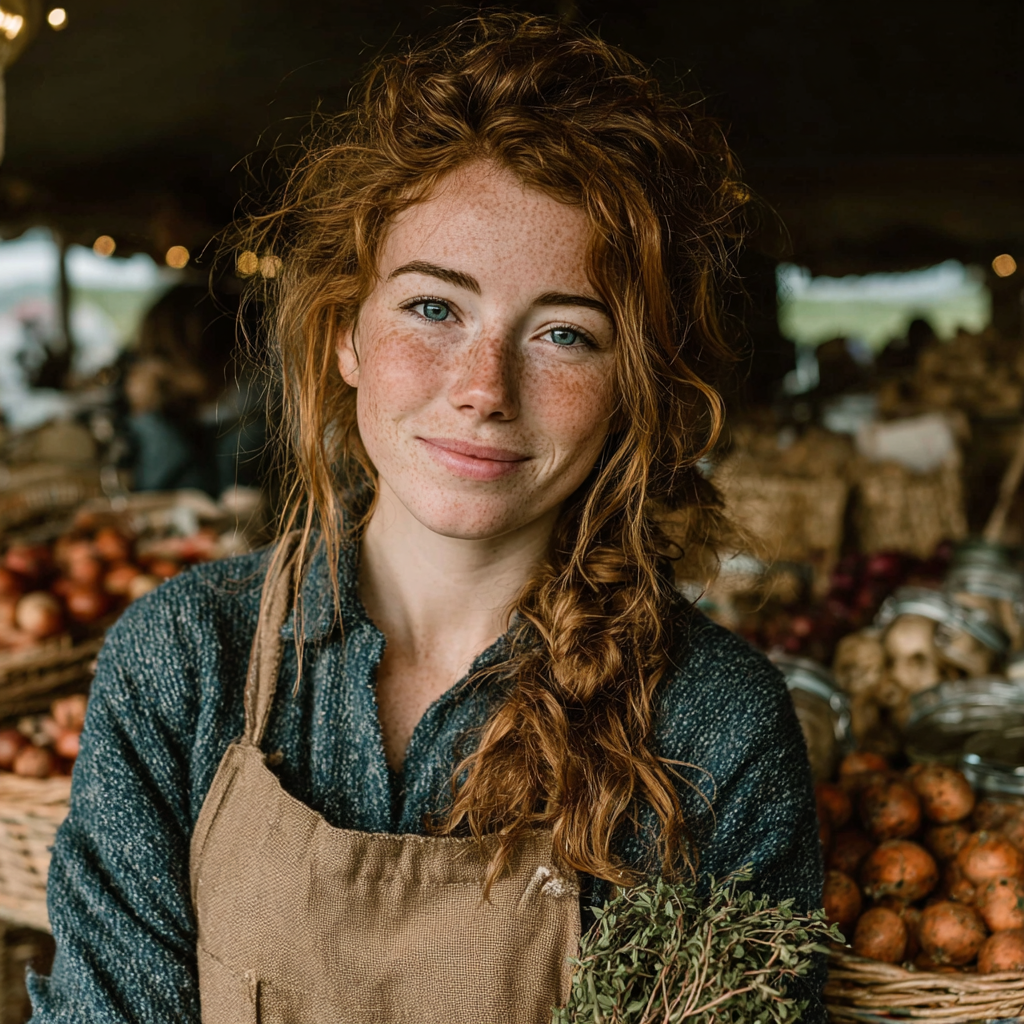
By Sophie Brennan
Irish food writer and historian based in Lisbon. Sophie combines her background in medieval history with a passion for contemporary gastronomy. She has written for Condé Nast Traveller and authored two cookbooks exploring Celtic and Iberian culinary traditions.