
Pittsburgh: Where Rivers, Rails, and Reinvention Built a City That Refused to Die
Meet Your Guide: Elena Vasquez
I came to Pittsburgh in late October, when the hillsides were on fire with maple and oak. I had expected a post-industrial graveyard — rust, decay, boarded windows. What I found was a city that had already mourned its losses and moved on, carrying its history like a scar rather than a shroud. I am a cultural anthropologist and food writer. I have spent fifteen years studying how cities remember themselves through what they eat, build, and celebrate. Pittsburgh is the most honest city I have written about. It does not pretend the steel era was romantic. It does not apologize for what came after. It simply is — complicated, proud, contradictory, and deeply, unexpectedly alive.
My first meal was a capicola sandwich at Primanti Bros. in the Strip District at 2 AM. A truck driver at the next stool told me his grandfather worked at Homestead Mill for forty years, drank Iron City beer every night, and died of black lung at sixty-three. "The city killed him," the trucker said, "and he loved it anyway." That is Pittsburgh.
The Geography of Power
Pittsburgh sits at the confluence of three rivers — the Allegheny, the Monongahela, and the Ohio — and the first thing you notice is that it is not flat. Hills rise steeply from the water, houses cling to slopes, and the downtown skyline appears suddenly around a bend as if the city were hiding. For a century, this geography made Pittsburgh the steel capital of the world. The coal was nearby in Appalachia. The rivers moved it. The hills provided the mills with natural furnaces. Then the mills closed, and everyone wrote the city off. They were wrong.
Point State Park marks where the Allegheny and Monongahela merge into the Ohio. The fountain's water jet shoots 150 feet into the air, and on a clear day you can see why the French and British fought for this spot in the 1750s. The Fort Pitt Museum (101 Commonwealth Place, Pittsburgh, PA 15222; open Wednesday–Sunday 10:00 AM–5:00 PM; adults $8, seniors $7, children $4.50) sits in the park, built on the site of an 18th-century British fort. The exhibits are modest, but the location matters more: this was the gateway to the West, the choke point that determined who controlled the continent.
The Fort Pitt Blockhouse, built in 1764, is the oldest building in the city and one of the few remaining structures from the French and Indian War. It stands near the museum, a squat stone building that has witnessed the transformation of a wilderness outpost into an industrial empire and back again. Entry is free.
Downtown Pittsburgh is compact — roughly 50 square blocks wedged between the rivers and a bluff. The architecture is a mix of Beaux-Arts banks, mid-century modern towers, and old department stores converted to apartments. The Gulf Tower (707 Grant Street) and the Koppers Building (436 Seventh Avenue) are landmarks from the 1930s, when steel money built a skyline to rival any in the country.
But the most striking building is the PPG Place complex (One PPG Place, Pittsburgh, PA 15222), a cluster of six glass towers designed by Philip Johnson and John Burgee in 1984. The neo-Gothic spires are clad in reflective glass, and in winter an ice rink opens in the plaza below. It looks like a modern cathedral, which is fitting for a city that worshipped industry. The complex houses offices, shops, and restaurants. The ice rink typically opens in November; admission is $12–$15 including skate rental.
The Immigrant City: Neighborhoods That Built the Steel
The real story of Pittsburgh is not downtown. It is in the neighborhoods that ring the center, each one built by a different immigrant group and shaped by the mills.
The Strip District
Northeast of downtown, the Strip District was the wholesale produce and industrial supply corridor. Today it is the best place to eat in the city. The streets still feel like a market at dawn — delivery trucks, restaurant workers hauling boxes, the smell of roasted coffee and fresh fish.
Pennsylvania Macaroni Company (2010-2012 Penn Avenue, Pittsburgh, PA 15222; Monday–Saturday 7:30 AM–4:00 PM, Sunday 8:00 AM–2:00 PM) has operated since 1902, selling imported Italian goods from a narrow storefront. The counter workers slice provolone and sopressata to order, and the shelves hold olive oils and pastas you will not find in a standard American grocery. A half-pound of sliced capicola costs about $6.
Across the street, Wholey's Fish Market (1711 Penn Avenue, Pittsburgh, PA 15222; Monday–Saturday 9:00 AM–5:00 PM, Sunday 10:00 AM–3:00 PM) has been here since 1911, selling fresh seafood in a city 300 miles from the ocean. The reason this works is tradition: Pittsburgh's immigrant communities demanded fresh fish on Fridays, and the supply chain never broke. A pound of jumbo lump crabmeat runs $28–$32.
Primanti Bros. (46 18th Street, Pittsburgh, PA 15222; open 24 hours) is the city's most famous food institution, and it began as a truck driver snack in the 1930s. The sandwich comes with coleslaw and french fries stuffed inside the bread, a design choice born of practicality — truckers needed one-handed meals they could eat without leaving their vehicles. The original location in the Strip District is still open 24 hours. A capicola and cheese sandwich costs about $9.50. It is not refined food, but it is honest food, and understanding it requires understanding who ate it.
The Strip District Farmers Market operates every Saturday morning along Smallman Street, with vendors selling pierogies, kielbasa, haluski, and fresh produce. Arrive before 9:00 AM for the best selection.
Polish Hill
North of downtown, Polish Hill was settled by Polish mill workers in the late 1800s. The Immaculate Heart of Mary Church (3058 Braddock Avenue, Pittsburgh, PA 15234), built in 1904, dominates the hilltop with a dome visible from across the city. Mass is celebrated in Polish and English. The church is open for prayer daily 8:00 AM–8:00 PM.
The Polish Falcons of America (97 South 18th Street, Pittsburgh, PA 15203) still hosts Friday fish fries and pierogi dinners. The pierogi — dumplings stuffed with potato, cheese, or sauerkraut — are the city's unofficial dish, sold at church fundraisers, street carts, and even at Pittsburgh Pirates baseball games. A plate of six homemade pierogies at a church hall costs $6–$8.
The South Side
Across the Monongahela River, the South Side was originally German and Eastern European, then Irish, then a mix of everything. Carson Street runs for two miles through the neighborhood, lined with bars that date back to the steel era. Big Jim's in the Run (201 Saline Street, Pittsburgh, PA 15207; Tuesday–Saturday 11:00 AM–10:00 PM, Sunday 11:00 AM–8:00 PM), tucked into a valley below the main street, has been serving mill workers since 1930. The decor is unchanged, the portions are large, and the clientele is a mix of old-timers and newcomers who discovered the place by accident. A fish sandwich with fries costs $10.
Lawrenceville
Northeast of downtown along Butler Street, Lawrenceville represents the new Pittsburgh. The neighborhood was working-class Italian for a century, then declined with the mills. In the 2000s, artists and young professionals moved in, drawn by cheap housing and proximity to downtown. Today Butler Street has independent bookstores, craft cocktail bars, and restaurants that serve pierogies reimagined as fine dining.
Cure (5336 Butler Street, Pittsburgh, PA 15201; Tuesday–Saturday 5:00 PM–10:00 PM) is a James Beard-nominated restaurant that sources ingredients from local farms. A dinner of charcuterie, pasta, and entrees runs $45–$65 per person. Apteka (4606 Liberty Avenue, Pittsburgh, PA 15224; Tuesday–Saturday 5:00 PM–10:00 PM) serves Central and Eastern European cuisine through a modern lens — think fermented vegetables, smoked fish, and house-made breads. Expect $35–$50 per person.
The displacement is real, and longtime residents complain about rising rents, but the street is alive in a way it was not in 1990. The contrast between Lawrenceville and the unchanged bars of Polish Hill or the South Side is the story of Pittsburgh in one drive.
The Fall and the Rise: Carrie Furnace and the Universities
The collapse of the steel industry in the 1980s hit harder here than anywhere else. Between 1979 and 1983, the region lost over 130,000 manufacturing jobs. The Carrie Furnace (Carrie Furnace Boulevard, Rankin, PA 15104; tours by reservation through Rivers of Steel, www.riversofsteel.com; May–October, Thursday–Sunday; adults $25, seniors $22, students $17), a blast furnace in the borough of Swissvale, produced iron from 1907 until 1978. It is now a National Historic Landmark, and tours take visitors through the rusted complex where temperatures once reached 3,000 degrees.
The scale is staggering: the furnace stands 92 feet tall, and the gas stove alone is the size of a small building. The guides are often former steelworkers, and they speak about the work with a matter-of-fact honesty that no museum plaque can match. The heat, the noise, the danger, the pride. The site also hosts metal arts workshops, a strange but appropriate reuse of industrial infrastructure. Wear closed-toe shoes and bring water — the site is largely unshaded.
Pittsburgh's recovery was not inevitable. It happened because of universities and medicine. The University of Pittsburgh and Carnegie Mellon University anchor the Oakland neighborhood, a dense district of Gothic towers, modern research labs, and student housing.
The Cathedral of Learning (4200 Fifth Avenue, Pittsburgh, PA 15260; Monday–Saturday 9:00 AM–2:30 PM, Sunday 11:00 AM–2:30 PM; donations accepted), a 42-story Gothic Revival skyscraper completed in 1934, houses classrooms decorated in the national styles of different countries — the Chinese Room, the Russian Room, the Syrian-Lebanon Room. Thirty-one Nationality Rooms exist, each funded by immigrant communities who wanted their heritage preserved in stone. The building is open to the public, and the elevators still require an operator on weekends.
The Carnegie Museum of Natural History (4400 Forbes Avenue, Pittsburgh, PA 15213; Tuesday–Sunday 10:00 AM–5:00 PM, Thursday until 8:00 PM; adults $20, seniors $17, students $12, children $12), founded by steel baron Andrew Carnegie in 1895, holds one of the finest dinosaur collections in the world, including the first complete Tyrannosaurus rex skeleton ever discovered. The adjacent Carnegie Museum of Art has strong collections of Impressionist and contemporary work. The two museums connect internally, so a single ticket covers both.
Carnegie built the museums, the public library, and the concert hall as part of his gospel of wealth — a conviction that the rich had a duty to give away their fortunes for public benefit. Whether this absolves the labor practices that built the fortune is a question the museums do not answer, but the buildings remain, and the public uses them.
Art, Sports, and the View from Above
Andy Warhol was born here in 1928, the son of Slovak immigrants. The Andy Warhol Museum (117 Sandusky Street, Pittsburgh, PA 15212; Tuesday–Sunday 10:00 AM–5:00 PM, Friday until 10:00 PM; adults $20, seniors $16, students $10, children $10), opened in 1994 in a converted warehouse on the North Shore, holds the largest collection of his work anywhere. Seven floors cover his career from commercial illustration through Pop Art and experimental film. The silver clouds — pillow-shaped metallized plastic balloons — float in a room on the fourth floor, and visitors are invited to bat them around.
It is worth visiting not just for the art but for the context: Warhol left Pittsburgh for New York at age 21 and never moved back, yet the city claims him completely. The museum is a statement about what Pittsburgh produces, even when the product leaves.
The North Shore, where the Warhol Museum sits, is also home to PNC Park (115 Federal Street, Pittsburgh, PA 15212), widely considered the best ballpark in Major League Baseball. The seating bowl is asymmetrical, the views of downtown and the Allegheny River are unobstructed, and the tickets are cheaper than in most cities — upper deck seats start at $15. Even non-baseball fans should walk the riverfront path on a game night, when the lights and crowds create a scene that feels like the old city revived.
For the best view of Pittsburgh, take the Duquesne Incline (1197 West Carson Street, Pittsburgh, PA 15219; daily 5:30 AM–12:45 AM) from the South Side up to Mount Washington. The wooden funicular railway, built in 1877, climbs 400 feet at a 30-degree angle. The cars are original, the mechanism is exposed, and the ride costs $2.50 each way (exact change required). Grandview Avenue at the top runs along the bluff with panoramic views of the three rivers and the skyline. Several restaurants line the street, but the view is free from the overlook platforms. Come at dusk, when the city lights reflect in the water and the PPG Place towers glow.
The Monongahela Incline (73 S. 27th Street, Pittsburgh, PA 15203; daily 5:30 AM–12:45 AM; $2.50 each way) is steeper and faster, connecting Station Square to Mount Washington. Either incline offers spectacular views, but the Duquesne is more atmospheric.
Eating Pittsburgh: From Mill Towns to James Beard
Pittsburgh's food culture is inseparable from its labor history. The dishes that define the city were created by immigrants who worked 12-hour shifts and needed calories, not cuisine. That tradition has evolved into something more sophisticated without losing its honesty.
Essential Dishes and Where to Find Them:
- Primanti Bros. sandwich: Coleslaw and fries inside the bread. Original location at 46 18th Street in the Strip District. Open 24 hours. $8–$12.
- Pierogies: Available at church fundraisers, the Pierogies Plus truck (various locations), and restaurants citywide. The Church of the Transfiguration in Oakland hosts a Friday pierogi sale that locals line up for.
- Kielbasa and haluski: The Bloomfield neighborhood, Pittsburgh's Little Italy, has Del's Bar & Ristorante (4428 Liberty Avenue, Pittsburgh, PA 15224; Monday–Saturday 11:00 AM–10:00 PM, Sunday 4:00 PM–9:00 PM), serving Eastern European comfort food since 1951. A plate of haluski (cabbage and noodles) costs $10.
- Fine dining: Cure, Apteka, and Morcilla (3715 Fifth Avenue, Pittsburgh, PA 15213; Tuesday–Saturday 5:00 PM–10:00 PM) represent Pittsburgh's culinary evolution. Morcilla, named after Spanish blood sausage, serves Basque-inspired small plates. Expect $40–$60 per person.
- Coffee: Commonplace Coffee (multiple locations; Monday–Friday 7:00 AM–7:00 PM, Saturday–Sunday 8:00 AM–6:00 PM) roasts in small batches. A pour-over costs $3.50.
What to Skip
- The Monongahela Incline at rush hour: The view is identical to the Duquesne, but the cars are smaller and the lines are longer. Take the Duquesne instead, or ride the Monongahela after 10:00 AM on a weekday.
- The guided tour at the Cathedral of Learning on weekends: The Nationality Rooms are worth seeing, but weekend guided tours are crowded and rushed. Visit on a weekday morning and explore at your own pace.
- Chain restaurants in Station Square: This riverside entertainment complex was rebuilt for tourists in the 1990s. The bars are overpriced, the food is generic, and the atmosphere is manufactured. Cross the river to the South Side or head to Lawrenceville instead.
- Fallingwater on a holiday weekend: Frank Lloyd Wright's masterpiece (50 miles southeast) is stunning, but holiday crowds destroy the experience. Visit midweek in spring or fall, and book tickets weeks in advance at fallingwater.org ($30 adults, $27 seniors, $18 students).
- The incline on a cloudy day: Mount Washington's views are the reason to ride the funicular. If the weather is socked in, skip it and spend the time in a Strip District market instead.
Practical Logistics
Getting There
Pittsburgh International Airport (PIT) is 15 miles west of downtown. The 28X Airport Flyer bus connects the airport to downtown in 45 minutes ($3.75 exact change). A taxi or rideshare costs $35–$45. The airport is compact and efficient — allow 90 minutes for domestic flights.
Getting Around
Pittsburgh's hills and rivers make a simple grid impossible. The bus system serves most neighborhoods, but frequencies drop outside rush hours. A single ride costs $2.75 (exact change); a day pass is $7. The light rail, called the T, connects downtown to the South Hills and is free within downtown.
Walking is feasible in Oakland, the Strip District, and parts of Lawrenceville, but the hills are steep. A car is useful for reaching Carrie Furnace or Fallingwater. Parking downtown costs $10–$20 per day.
Where to Stay
- Budget: Mansions on Fifth (5105 Fifth Avenue, Pittsburgh, PA 15232; $90–$120/night) — a historic mansion in Oakland, walking distance to the Cathedral of Learning.
- Mid-range: The Oaklander Hotel (5130 Bigelow Boulevard, Pittsburgh, PA 15213; $140–$180/night) — modern, university-adjacent, with a rooftop bar.
- Splurge: The Industrialist Hotel (305 West Seventh Avenue, Pittsburgh, PA 15222; $200–$280/night) — a boutique hotel in a converted 1903 bank building downtown.
Best Time to Visit
- Spring (April–May): Mild weather, blooming hillsides, baseball season begins. Ideal for walking and outdoor exploration.
- Fall (September–October): The foliage is spectacular, temperatures are comfortable, and the Steelers season brings energy to the city. This is the best time to visit.
- Summer (June–August): Hot and humid, but outdoor festivals abound. The Three Rivers Arts Festival in June is the city's largest.
- Winter (November–March): Gray, cold, and snowy. The PPG Place ice rink opens, and hotel prices drop. Come if you want to see Pittsburgh at its most honest.
Money and Safety
Pittsburgh is affordable by American standards. A mid-range traveler spends $120–$180 per day including meals, transport, and activities. Budget travelers can manage on $70–$100 per day.
The city is generally safe, but standard urban precautions apply. The Hill District and parts of the North Side have higher crime rates — consult a local before wandering unfamiliar neighborhoods after dark.
Essential Pittsburgh Vocabulary
- Yinz: The Pittsburgh pronoun for "you all" or "you guys." If someone asks "Where are yinz from?" they are being friendly.
- Jagoff: A mild insult, roughly equivalent to "jerk." Used casually.
- Pop: Soda. Always "pop." Never "soda."
- Slippy: Slippery. As in "The roads are slippy tonight."
- Redd up: To clean or tidy. "Redd up your room."
Final Thoughts
Pittsburgh is not a polished destination. The winters are gray, the infrastructure is aging, and the population is half what it was in 1960. But it is a city that knows what it was, accepts what happened, and keeps moving. The steel is gone. The rivers remain. The bridges still stand — all 446 of them, more than Venice. And the food, the museums, and the neighborhoods built by immigrants who came to make steel are now the reason to visit.
I left Pittsburgh after five days with a pierogi in my bag and a conviction that this is what American cities should aspire to: not perfection, but honesty. Not reinvention that erases the past, but reinvention that carries it forward.
The city does not need your pity. It never asked for it. What it offers instead is something rarer — a place that has been through the fire and come out the other side, still standing, still proud, still feeding anyone who walks through the door.
— Elena Vasquez Cultural Anthropologist & Culinary Storyteller @elenavasquez.travel
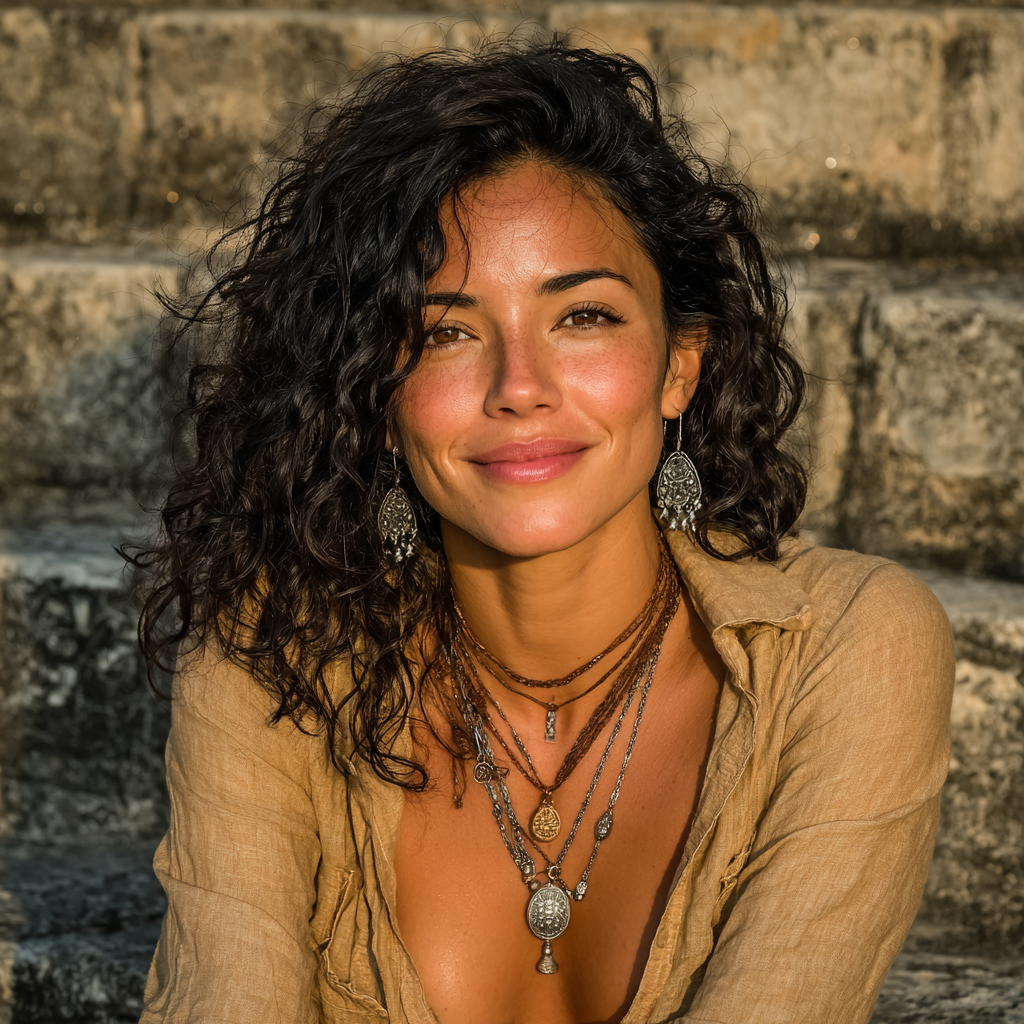
By Elena Vasquez
Cultural anthropologist and culinary storyteller. Elena spent a decade documenting traditional cooking methods across Latin America and the Mediterranean. She holds a PhD in Ethnography from Barcelona University and believes the best way to understand a place is through its kitchens and ancient streets.