
Philadelphia: The Roast Pork Sandwich That Beat the Cheesesteak, a 130-Year-Old Market, and the BYOB Capital of America
The first thing to understand about Philadelphia is that it does not care what you think of it. The city spent two centuries building an identity around working-class practicality, and that pragmatism extends directly to its food. You will not find tasting-menu theater in most neighborhoods. You will find sandwiches that require two hands and a stack of napkins, markets that operate on schedules unchanged since the 1890s, and a brewing tradition that predates American independence.
This is not a city that hides its rough edges. The food scene reflects this tension: old-school Italian-American traditions on one block, James Beard Award-winning modern Israeli on the next. The trick is knowing which version of Philadelphia you are eating in, and when to cross the street.
Meet the Author: Sophie Brennan
Sophie Brennan is an Irish food writer and historian based in Lisbon. She combines her background in medieval history with a passion for contemporary gastronomy, and has spent the last decade mapping the hidden culinary traditions of working-class cities—from the dockyard pubs of Cork to the tascas of Lisbon. She has written for Condé Nast Traveller and authored two cookbooks exploring Celtic and Iberian culinary traditions. Sophie believes the best food stories are found not in Michelin-starred dining rooms but in the places where locals have been eating the same thing for generations, perfected through repetition and pride.
The Cheesesteak: What You Are Actually Looking For
Every guide to Philadelphia starts here, so let us get it over with. The cheesesteak is not a myth. It is also not the best sandwich in the city, a claim that will anger the purists and delight the converts. The core components are simple: thin-shaved ribeye, a long Amoroso roll, and either melted provolone or Cheese Whiz. The arguments about authenticity—Pat's versus Geno's, whiz versus provolone, chopped versus slab—are mostly for tourists.
Pat's King of Steaks, at the intersection of 9th Street and Passyunk Avenue (1237 E Passyunk Ave), has operated 24 hours a day since 1930. The ordering protocol is strict: specify your cheese and whether you want onions before you reach the window, or you will be sent to the back of the line. A standard steak runs around $12. The neon-lit facade and perpetual crowd make it a pilgrimage site, but the sandwich itself is more about history than excellence.
Geno's Steaks sits directly across the intersection at 1219 S 9th Street, lit in aggressive neon orange, equally historic, and equally divisive among locals. The rivalry is genuine but also profitable for both families. The sandwiches are nearly identical. Locals will tell you that the real contest is which line is shorter.
The better move, if you want the sandwich the food writers actually eat, is to leave South Philly and head to Roxborough. Dalessandro's Steaks, at 600 Wendover Street, has won the local poll for best cheesesteak so many times that the competition stopped being fun. They chop the meat fine, load the roll aggressively, and do not accept credit cards. Cash only. Open Tuesday through Saturday, 10 AM to 8 PM. A full-size steak with whiz and onions costs roughly $13 and will keep you full until dinner. The line on Saturday afternoons can stretch thirty minutes.
If you want a different angle, Angelo's Pizzeria at 736 S 9th Street makes a cheesesteak on a house-baked sesame seed roll that has redefined what the sandwich can be. The roll alone—crisp exterior, chewy interior, scattered with sesame seeds—elevates the entire experience. A steak with sharp provolone costs $14. They also make one of the best square Sicilian pizzas in the city, which brings us to a broader point: Philadelphia's Italian-American food culture runs far deeper than the cheesesteak.
The Roast Pork Sandwich: The Secret the City Keeps
If the cheesesteak is Philadelphia's celebrity, the roast pork sandwich is its best friend—the one who does all the work and gets none of the credit. The locals have known this for decades. The sandwich is structurally similar to the cheesesteak (same roll, same provolone option) but the filling is slow-roasted pork shoulder, shaved thin, piled high, and topped with broccoli rabe cooked in garlic and olive oil. The result is sharper, more complex, and infinitely more satisfying than any cheesesteak.
DiNic's Roast Pork, inside Reading Terminal Market at 12th and Arch Streets, has won the "Best Sandwich in America" title from multiple publications for a reason. The combination of slow-roasted pork, sharp provolone, and broccoli rabe on a seeded Sarcone's roll hits harder than any cheesesteak. A large runs about $13. The line during lunch hours, 11:30 AM to 2:00 PM, can stretch twenty minutes. Get there at 10:00 AM when the market opens, or after 2:30 PM when the office lunch rush subsides. They close when they run out of pork, which happens more often than you would expect.
John's Roast Pork, at Snyder Avenue and Weccacoe Street (14 E Snyder Ave), is the other essential stop. They have been operating since 1930, serve only until they run out of pork (usually around 3:00 PM, sometimes earlier), and won a James Beard Award in 2006 as an America's Classic. The building is a cinder block hut with no seating and a gravel parking lot. The sandwich is roughly $12. If they are closed when you arrive, they have sold out. Come earlier tomorrow. This is the sandwich that food writers fly to Philadelphia to eat.
Tony Luke's, at 39 E Oregon Avenue, has been serving both cheesesteaks and roast pork since 1992, but their roast pork is the sleeper hit—juicy, garlicky, and served with the broccoli rabe so tender it barely holds together. Open daily 10 AM to 11 PM. A large roast pork with sharp provolone is $13.50.
The Hoagie: Philadelphia's Other Sandwich Dynasty
If the cheesesteak and roast pork dominate the hot sandwich conversation, the hoagie rules the cold one. The name's origin is disputed—some trace it to "Hog Island," others to the "hoggies" eaten by workers—but the construction is non-negotiable: Italian cold cuts (capicola, salami, prosciutto), provolone cheese, lettuce, tomato, onion, oregano, and oil and vinegar on a long roll. No mayonnaise. Ever.
Sarcone's Deli, at 758 S 9th Street in the Italian Market, has been making hoagies since 1918. They bake their own bread upstairs in Sarcone's Bakery, and the difference is immediate—the roll has a crackling crust and a chewy interior that holds up to the oil and vinegar without dissolving. A full Italian hoagie costs $12 and feeds two people. Open Monday through Saturday, 7 AM to 4 PM. Cash preferred.
Cosmi's Deli, at 1501 S 8th Street, is a neighborhood institution that tourists rarely find. Their Italian hoagie ($11.50) is built on a Liscio's roll with Genoa salami, capicola, and sharp provolone, dressed with just enough oil to make the paper wrapper translucent. Open daily 7 AM to 8 PM.
Reading Terminal Market: The City's Stomach
The market occupies the ground floor of the former Reading Railroad terminal at 12th and Arch Streets. It has operated continuously since 1893, and the current vendor mix includes third-generation butchers, Amish produce stands, and modern stalls that opened within the last five years. This is not a curated food hall. This is a working market where Philadelphians buy their groceries, eat their lunch, and argue about sports.
DiNic's is the headline, but the market rewards wandering. Beiler's Bakery does Dutch-style doughnuts that sell out by noon on Saturdays. A plain cake doughnut is $1.75; the apple fritter, roughly the size of a softball, is $3.50. Hershel's East Side Deli serves corned beef and pastrami sandwiches for roughly $15, stacked to the point of structural instability. The pastrami is hand-sliced, warm, and fatty in the best way.
The Amish vendors operate on their own schedule. Miller's Twist makes soft pretzels in the Pennsylvania Dutch style—thicker, doughier, and less salty than the street pretzels. A pretzel with mustard is $2.50. Fisher's sells baked goods, preserves, and bulk foods on cash-only terms and closes by 4:00 PM on Wednesdays and Saturdays. The rest of the market stays open until 6:00 PM, Monday through Saturday. Closed Sunday.
Bassetts Ice Cream, at the market's center, has occupied the same stall since 1893. They are America's oldest ice cream company, and their Turkish Coffee and Raspberry Truffle flavors have developed cult followings. A single scoop in a cone is $5.75. The counter staff has seen every tourist gimmick and responds with Philadelphia-level indifference.
If you are looking for a breakfast that will anchor you for the day, the Dutch Eating Place serves scrapple, eggs, and pancakes at communal tables starting at 7:30 AM. Scrapple is a Pennsylvania Dutch creation made from pork scraps and cornmeal, sliced thin and fried crisp. It is divisive. Try it once. A full breakfast plate with scrapple, eggs, and home fries costs $10.
Nan Zhou Hand-Drawn Noodle House, a more recent addition, pulls noodles to order behind a glass window. A bowl of beef noodle soup with hand-pulled noodles is $11 and arrives in a portion that could feed two. The noodles have the spring and chew that only fresh pulling produces.
The Italian Market and South 9th Street
The Italian Market, along 9th Street between Washington Avenue and Christian Street, claims to be America's oldest outdoor market. The claim is credible. The street has operated as a commercial corridor since the 1880s, when Italian immigrants began settling in South Philadelphia. Today the vendors are a mix of Italian butchers, Mexican grocers, Vietnamese pho shops, and cheese mongers who have been in the same storefront for forty years.
Sarcone's Bakery, at 758 South 9th Street, has produced sesame-seeded rolls since 1918. They supply half the sandwich shops in the city. The rolls are sold retail for roughly $1.25 each, and they are the standard against which every Philadelphia sandwich is measured. The bakery opens at 7 AM and the best selection is gone by noon. Walk two blocks south to Ralph's Italian Restaurant, operating since 1900 at 760 S 9th Street, for red-sauce classics in a dining room that has not redecorated since 1978. A plate of spaghetti with meatballs costs around $19. The chicken parmigiana, pounded thin and fried crisp, is the size of a dinner plate.
Claudio's, at 930 S 9th Street, is the market's definitive specialty food shop. They import pecorino, prosciutto, and olives directly from Italy, and the staff will let you taste anything before you buy. A quarter-pound of aged pecorino Romano costs roughly $7. They also make their own mozzarella fresh each morning.
The market is at its best on Saturday mornings, 8:00 AM to 1:00 PM, when the sidewalks are crowded, the fishmongers are shouting their prices, and the bargaining is loud. The Mexican grocers along the southern end sell fresh tortillas, dried chiles, and nopales at prices that make supermarket shopping seem foolish.
Chinatown: The Neighborhood Everyone Walks Through and Few Explore
Philadelphia's Chinatown occupies roughly twelve square blocks between 8th and 11th Streets, Vine and Arch Streets. It is one of the oldest Chinese communities on the East Coast, and the density of restaurants is staggering—over seventy in a twelve-block radius.
Dim Sum Garden, at 1020 Race Street, is the entry point. Their soup dumplings (xiao long bao) are made fresh throughout the day, and an order of eight costs $8.95. The pork and crab version is the one to order. The space is cramped, the service is brisk, and the food is among the best Chinese in the city. Open daily 11 AM to 10 PM.
EMei Restaurant, at 915 Arch Street, specializes in Sichuan cuisine. Chef Zhao brings almost four decades of experience to dishes loaded with chili oil and Sichuan peppercorns. The mapo tofu ($14.95) and dry-fried eggplant ($16.95) are benchmarks. The dan dan noodles ($11.95) arrive in a bowl large enough to share. Open daily 11:30 AM to 10:30 PM.
David's Mai Lai Wah, at 1001 Race Street, is where the city's chefs go after their own kitchens close. They serve until 3 AM on weekends, and the salt-and-pepper squid ($14.95) and congee ($8.95) have sustained generations of line cooks through late-night shifts. The decor is unchanged since 1984. That is part of the charm.
BYOB: How Pennsylvania's Insane Liquor Laws Created a Dining Revolution
Pennsylvania's alcohol laws are among the most restrictive in America. A full liquor license can cost upwards of $150,000—if you can find one for sale. The result is a thriving BYOB (Bring Your Own Bottle) culture that defines mid-range dining in Philadelphia. You buy your wine or beer at a state store, carry it into a restaurant with no corkage fee, and drink it with food that costs half what it would in New York or Washington.
This is not a loophole. It is the culture. Philadelphians treat BYOB as a civic right.
Friday Saturday Sunday, at 261 S 21st Street in Rittenhouse, is the finest expression of the form. The upstairs dining room serves an ever-changing tasting menu ($135 per person) in a candlelit townhouse that feels like a dinner party at your most sophisticated friend's house. The downstairs bar accepts walk-ins and serves a more casual menu. Reservations are released thirty days in advance and disappear within minutes. If you can get a table, bring a bottle of Burgundy or Riesling.
Vernick Food & Drink, at 2031 Walnut Street, is Greg Vernick's flagship in a converted Rittenhouse townhouse. While not strictly BYOB, the bar accepts walk-ins and is often the better experience than the dining room. The raw bar is among the best in the city. Oysters run $3.50 to $4.50 each. Entrees in the dining room run $32 to $48.
Little Fish, at 746 S 7th Street in Queen Village, is BYOB and seafood-focused. The menu changes daily depending on what the chef found at the docks that morning. A typical dinner of three courses costs $45 to $55 per person before tip. Bring a crisp white wine.
What Modern Philadelphia Actually Looks Like
The old guard is only half the story. Over the past fifteen years, Philadelphia has developed a restaurant scene that competes with any American city its size, and it has done so without losing its blunt personality.
Zahav, at 237 Saint James Place, is the flagship. Michael Solomonov's modern Israeli restaurant has held a James Beard Award and remains one of the hardest reservations in the city. The tasting menu runs around $90 per person, with a la carte options at the bar for walk-ins. The hummus with lamb ragu and the pomegranate-glazed lamb shoulder are the dishes that define the place. Book three weeks ahead, minimum. The salatim spread—nine small vegetable dishes that arrive before your meal—is worth the reservation alone.
Vetri Cucina, at 1312 Spruce Street, is Marc Vetri's temple of Italian fine dining. The tasting menu ($185 per person) is the most expensive meal in the city and also the most justified. The spinach gnocchi with brown butter and the almond tortellini have been on the menu for over a decade because they are perfect. The wine list is entirely Italian and deep. Reservations open sixty days in advance.
Pizzeria Beddia, at 1313 N Lee Street in Fishtown, was named "Best Pizza in America" by Bon Appétit in 2015, and the hype has not faded. Joe Beddia makes roughly forty pizzas per night, by hand, in a sparse room with no phone and no reservations. You line up at 4 PM, wait two hours, and eat what is arguably the best tomato pie in the country. A whole pizza is $25 and feeds two. They sell out by 8 PM most nights. Cash only. This is Philadelphia in restaurant form: uncompromising, inconvenient, and worth every minute of the wait.
Suraya, at 1528 Frankford Avenue in Fishtown, brings Lebanese flavors to a cavernous space with a bakery, market, and dining room. The shakshuka ($16), chicken kebab with garlic toum ($24), and walnut sticky buns ($5) are the standouts. The outdoor patio, covered in olive trees, is the most beautiful dining space in the city during warm months. Weekend brunch requires reservations two weeks ahead.
For a more casual and idiosyncratic meal, Federal Donuts began as a donut-and-fried-chicken counter in Pennsport and now operates multiple locations across the city. The concept sounds like a gimmick. The chicken—Korean-style, double-fried, glazed in chili-garlic or buttermilk ranch—is not. A half-chicken with a donut and a side costs roughly $15. The donuts themselves, cake-style and still warm if you time it right, are $2.75 each. The original location at 1632 South Street opens at 7:00 AM and usually sells out of chicken by 2:00 PM.
Water Ice, Pretzels, and the Snacks That Define the City
No discussion of Philadelphia food is complete without the snacks that locals consume in quantities that defy medical advice.
Water ice—not "Italian ice," not "slush," water ice—is a Philadelphia invention. It is softer than Italian ice, more flavorful than a snow cone, and consumed by the gallon from May through September. John's Water Ice, at 701 Christian Street since 1945, is the standard-bearer. The lemon and cherry flavors are made fresh daily. A small cup is $3. The line on summer evenings stretches around the block. Open seasonally, roughly April through October, 11 AM to 11 PM.
Rita's Italian Ice, the chain that spread water ice to the suburbs and beyond, started in Philadelphia in 1984. The original location is long gone, but the brand's presence is ubiquitous. A small gelati (water ice layered with frozen custard) is $4.50.
The Philadelphia soft pretzel is a different species from the New York street pretzel. It is larger, doughier, less salty, and often served with mustard rather than melted cheese. Philly Pretzel Factory locations are everywhere, but the best pretzels come from Center City Pretzel Company at 816 Washington Avenue, where they bake thousands daily and sell them warm from the oven for $1.25 each. Open Monday through Saturday, 5 AM to 3 PM.
Beer, Pretzels, and What to Drink
Philadelphia's brewing history dates to the colonial era. William Penn established a brewery in 1683, and by the 19th century the city was one of America's largest beer producers. That tradition collapsed during Prohibition and the mid-century consolidation of American beer, but it has returned with force.
Yards Brewing Company, at 500 Spring Garden Street in Northern Liberties, operates a taproom in a converted warehouse. Their Philadelphia Pale Ale and Brawler English-style mild are the entry points. The tasting flight of eight beers costs $18. The brewery offers tours on Saturday and Sunday afternoons, but the taproom is the reason to visit. It is loud, communal, and populated by a mix of construction workers, medical residents from nearby Temple University, and office refugees from Center City. A pint runs $6 to $8.
Philadelphia Brewing Company, at 2440 Frankford Avenue in Kensington, is smaller and more experimental. They operate in a 19th-century brewery building and focus on German and Belgian styles. A pint runs $6 to $8. The tasting room is cash-only on some nights, so bring bills. Their Kenzinger lager is the definitive session beer for hot Philadelphia summers.
Crime & Punishment Brewing Company, at 2711 W Girard Avenue in Brewerytown, is worth the trip for the name alone. They specialize in Russian-inspired beers—imperial stouts, Baltic porters, and kvass—and the brewpub serves Eastern European food that pairs surprisingly well with dark beer. A pint is $7 to $9.
For cocktails, The Franklin Bar, at 112 South 18th Street, is a speakeasy in the original sense: dim, serious about technique, and expensive. Cocktails run $17 to $22. The bartenders wear vests and measure everything. For something less precious, Tattooed Mom on South Street has served cheap beer in a dive bar decorated like a teenage bedroom since 1998. PBR is $3. The upstairs dance floor hosts punk shows and karaoke nights.
What to Skip
Restaurant Week, held twice yearly, produces menus that are smaller and less representative than the normal offerings. Skip them and pay full price during a regular week. The compressed menus are designed to turn tables quickly, not to showcase what the kitchen can do.
The cheesesteak at the airport and in Old City. Any establishment within three blocks of Independence Hall or the Liberty Bell is selling a souvenir, not a sandwich. The same applies to the airport terminals. Wait until you are in a neighborhood.
Any establishment that advertises "Philly's Best Cheesesteak" on a banner with an eagle on it. This is the equivalent of a restaurant in Rome with a photo menu outside. It is not for you.
The Rocky Steps at the Art Museum as a dining destination. The area around the museum has improved, but the restaurants there cater to tourists and museum-day-trippers. Eat in Center City, Rittenhouse, or South Philly instead.
Cheesesteak-flavored chips, pretzels, or other novelty items. These are manufactured in New Jersey and have nothing to do with Philadelphia food culture. They exist to be photographed and discarded.
Practical Logistics
When to Go: The best time to eat in Philadelphia is September through November, when the summer humidity breaks and the outdoor seating at Zahav, Suraya, and the Italian Market becomes usable. Spring (April through June) is equally pleasant. Winter is underrated: the lines at Dalessandro's and John's Roast Pork shrink, and the pretzel shops keep the ovens running regardless of the temperature. Summer is hot and humid but water ice season is in full swing.
Getting Around: Philadelphia is a walking city. Center City, the Italian Market, Chinatown, and Rittenhouse are all within twenty minutes of each other on foot. The subway and bus system (SEPTA) is functional if not elegant. A single ride is $2.50. Taxis and rideshares are abundant. Parking in Center City is expensive ($20 to $40 per day) and frustrating. Leave the car at the hotel.
Tipping: 20% is standard. Some restaurants add an automatic gratuity for parties of six or more.
Cash: Several essential spots—Dalessandro's, John's Roast Pork, some Amish vendors in Reading Terminal Market—are cash-only or cash-preferred. Carry $50 in small bills.
Reservations: Book Zahav, Friday Saturday Sunday, and Vetri Cucina at least three weeks ahead. Pizzeria Beddia requires showing up in person. Most other spots accept walk-ins or same-day reservations.
Dietary Notes: Vegetarian options are widely available, especially at Zahav, Suraya, and Federal Donuts. Vegan dining is increasingly common but still requires planning. Gluten-free options exist at most modern restaurants. Notify staff of allergies—they are accustomed to accommodating them.
Safety: Philadelphia is a city of stark contrasts. Center City and Rittenhouse are very safe. The Italian Market and South Philly are safe during daylight and early evening. Kensington and parts of North Philadelphia should be avoided by tourists. Use standard urban precautions: keep phones and wallets secure, avoid empty streets late at night, and trust your instincts.
If You Do One Thing
Go to John's Roast Pork on a Wednesday at 11:00 AM. Order the roast pork with sharp provolone and broccoli rabe. Eat it in your car or on the hood. Then walk fifteen minutes north to the Italian Market and buy a pound of imported pecorino from Claudio's. That is the Philadelphia most visitors miss: not the historic sites, not the Rocky steps, but the working-class food tradition that never needed a marketing department to justify its existence.
Last updated: August 2026
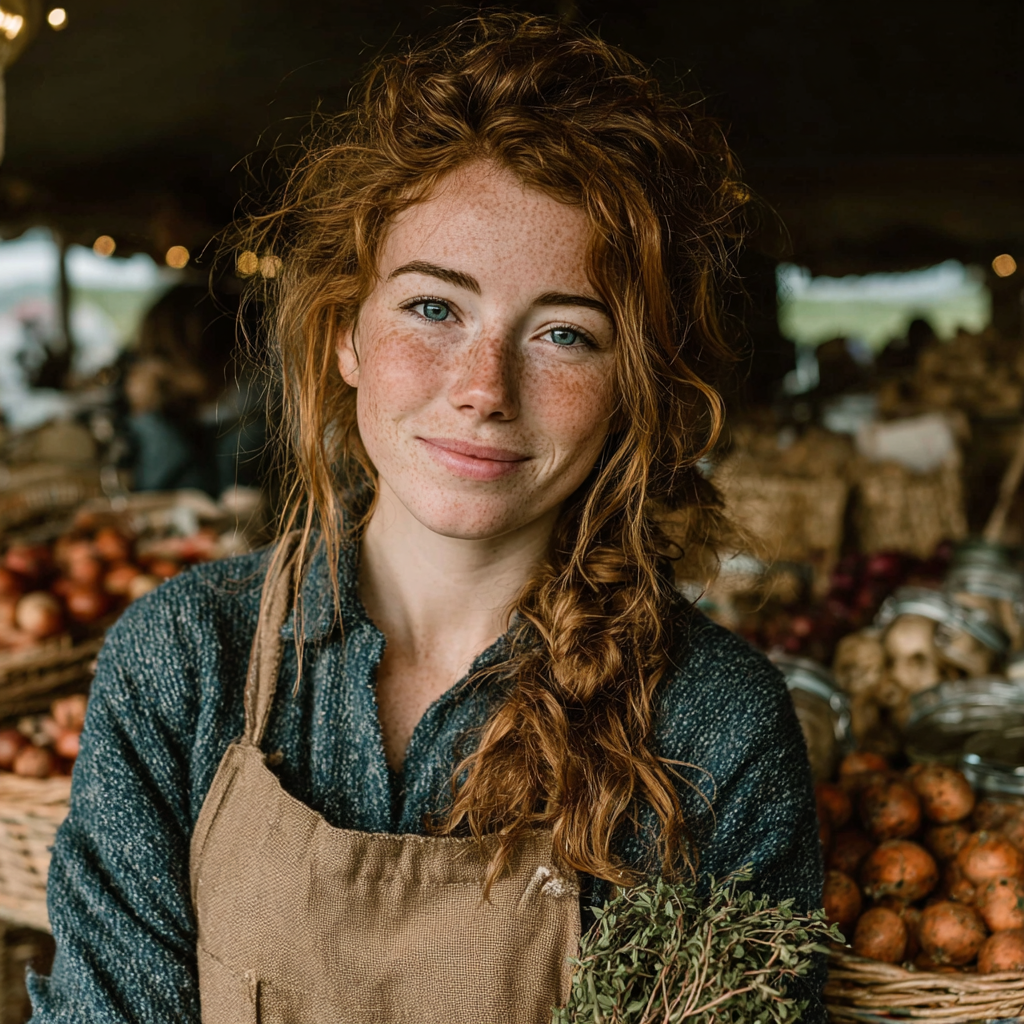
By Sophie Brennan
Irish food writer and historian based in Lisbon. Sophie combines her background in medieval history with a passion for contemporary gastronomy. She has written for Condé Nast Traveller and authored two cookbooks exploring Celtic and Iberian culinary traditions.