
Philadelphia Unpacked: From Revolutionary Halls to Roast Pork Sandwiches and the Neighborhoods That Refuse to Behave
I came to Philadelphia expecting history. I stayed for the arguments.
This city doesn't perform for tourists. It doesn't need to. The Declaration of Independence and the U.S. Constitution were signed here, yes, but Philadelphia's real character lives in the working-class neighborhoods that grew up around those landmarks, in the 4,000 murals covering row house walls, in the cheesesteak rivalries that have outlasted most marriages, and in the working-class ethos that never let this place become a polished theme park version of itself.
Most visitors do the Historic District in a morning, grab a cheesesteak at Pat's or Geno's, and leave thinking they've seen Philadelphia. They haven't. The city rewards patience and a willingness to walk. The grid layout makes navigation simple—numbered streets run north-south, named streets east-west—but the texture changes block by block. What looks like another row of identical brick houses on South Street becomes a stretch of independent boutiques and vintage shops. The industrial corridor along the Delaware River has transformed into parks and restaurants without losing its rough edges.
I'm Finn O'Sullivan. I write about places where history bleeds into the present, where the stories you find between the landmarks matter more than the landmarks themselves. Philadelphia is one of those cities. Let's walk.
Where America Argued With Itself: The Historic District
Independence Hall stands at 520 Chestnut Street, modest and brick, looking more like a provincial government building than the birthplace of a world power. Which is precisely the point. The Declaration of Independence and the U.S. Constitution were drafted in rooms that barely hint at their historical weight. The National Park Service rangers lead 30-minute tours that cover the essentials without overwhelming you. Timed entry tickets are free but required—reserve online at recreation.gov or grab same-day tickets at the Independence Visitor Center at 6th and Market Streets. Tours run daily 9 AM–5 PM (extended to 7 PM in summer).
Across the street, the Liberty Bell Center at 526 Market Street is free to enter, no ticket required. The line moves quickly most mornings. The crack is smaller than you expect. The surrounding exhibit does something rare for historic sites: it acknowledges the contradictions. The bell became an abolitionist symbol while its owners held enslaved people. The exhibit doesn't shy away from that.
Elfreth's Alley, a short walk north at 126 Elfreth's Alley, predates the Revolution. Thirty-two houses line this cobblestone passage, continuously occupied since the early 1700s. It's residential, not a museum, which means you're essentially walking through someone's front yard. The museum house at number 126 opens for tours Thursday through Sunday, 11 AM–4 PM. Admission is $3. But the alley itself is the real attraction—a narrow passage that survived urban renewal and gives you the texture of how Philadelphia's working class actually lived.
The Museum of the American Revolution at 101 South Third Street opened in 2017 and immediately became the city's best history museum. General Washington's actual tent from the Revolutionary War campaigns sits inside, part of a multimedia presentation that brings the era to life. More importantly, the museum tells the story through multiple perspectives—Loyalists, Native Americans, free and enslaved African Americans—without the sanitized version that dominates older sites. Admission: $25 online, $27 walk-up. Seniors (65+), students, teachers, and military pay $21. Youth 6–17 are $14. Open daily 9:30 AM–6 PM. Tickets are valid for two consecutive days.
Christ Church, at 2nd and Market Streets, is where Washington, Franklin, and John Adams worshipped. It's still an active Episcopal parish. You can sit in Washington's pew. Suggested donation $5.
Reading Terminal Market: Where Philadelphia Actually Eats
Reading Terminal Market occupies the ground floor of the former Reading Railroad's terminal building at 12th and Arch Streets. The train platforms are gone, but the market has operated continuously since 1893. This is not a tourist food hall designed to look authentic. It's where Center City office workers grab lunch, where Amish vendors from Lancaster County sell produce and baked goods, and where the city's food traditions remain in daily practice.
DiNic's Roast Pork (stand in the center aisle) claims the best sandwich in America, and the James Beard Foundation agrees—they awarded it "Best Sandwich in America" in 2012. The roast pork with broccoli rabe and sharp provolone surpasses any cheesesteak in the city. A large runs around $12. Beiler's Doughnuts makes them fresh throughout the day—the apple fritter is the size of a softball and costs $4. Termini Bros Bakery has been selling cannoli since 1921, filled to order so the shell stays crisp, $4.50 each.
The Amish vendors occupy the north side of the market, identifiable by their traditional dress. They accept cash only and leave by mid-afternoon on Saturdays. Their soft pretzels, baked according to Pennsylvania Dutch tradition, cost $2 and remind you that Philadelphia's food culture extends far beyond the cheesesteak debate.
Miller's Twist sells pretzel cheesesteaks that somehow work. Herschel's Delicatessen does pastrami sandwiches that would hold their own in New York. The market opens Monday–Saturday 8 AM–6 PM, Sunday 9 AM–5 PM. Go before 11 AM to avoid the lunch crush.
The Cheesesteak Reality: A Field Guide
You will eat a cheesesteak in Philadelphia. The question is where.
Pat's King of Steaks and Geno's Steaks face each other across 9th Street and Passyunk Avenue in South Philadelphia, locked in a rivalry that has outlasted most marriages. Both are open 24 hours. Both attract tourists and locals at 2 AM. Pat's claims to have invented the sandwich in 1933. Geno's opened in 1966 and perfected the neon signage.
The truth: most Philadelphians don't eat at either.
John's Roast Pork, at 14 E. Snyder Avenue, technically in the same neighborhood but tucked under I-95, makes a better sandwich with better meat. It's cash-only, open Monday–Saturday 6:45 AM–3 PM or until they sell out (often by 1 PM). A cheesesteak runs $12–$14. Dalessandro's Steaks, at 600 Wendover Street in Roxborough, a 20-minute drive from Center City, chops their steak finer and offers a more consistent product. Open Monday–Saturday 11 AM–9:30 PM, Sunday 11 AM–8 PM. Steve's Prince of Steaks has multiple locations; the original at 7200 Bustleton Avenue in Northeast Philly focuses on quality over spectacle.
Ordering matters. "Whiz wit" means Cheez Whiz with onions. "Provolone witout" means provolone cheese without onions. Don't hesitate. The person behind the counter has heard every variation and has no patience for indecision. The sandwich should cost between $10 and $14 depending on size and location.
Neighborhoods That Refuse to Behave
The Italian Market and East Passyunk
The Italian Market, along 9th Street from Washington Avenue to Wharton, claims to be America's oldest continuously operating outdoor market. The Italian influence has faded—Vietnamese, Mexican, and Korean vendors now dominate—but the market function remains. Cardenas Oil sells imported olive oils by the liter. Fante's Kitchen Shop has been supplying Philadelphia home cooks since 1906. Vietnamese bakeries sell banh mi for $5 that rival anything in Saigon.
East Passyunk Avenue, the diagonal street that cuts through South Philadelphia, has become one of the city's best dining corridors. Mish Mish (under the giant apricot sign) pairs local ingredients with Middle Eastern flavors—fried sunchokes with Aleppo pepper glaze, fried string cheese that's a must-order. Tesiny, opened in late 2025, serves wagyu buvette and seafood plateaus in a warm, open-kitchen space. El Chingón does cemitas and tacos with braised beef and pork al pastor that have won citywide awards.
South Street and Headhouse Square
South Street runs east-west along what was once Philadelphia's natural southern boundary. In the 1960s, it was slated for demolition to make room for a crosstown expressway. The neighborhood organized, stopped the highway, and turned South Street into the city's counterculture corridor. Today it's tamer but still eclectic—tattoo parlors, vintage clothing stores, music venues, and restaurants that range from excellent to aggressively mediocre. The Lombard-South area around Headhouse Square (2nd and Lombard) has better restaurants and fewer tourists.
Fishtown and Kensington
Fishtown and Kensington, northeast along the Delaware River, have transformed from working-class Irish neighborhoods into the city's most dynamic food and drink scene. The change happened fast—2009 looked very different from 2019—and the tension between old and new residents remains visible. But Frankford Avenue now has some of the best restaurants in the city.
Suraya (1528 Frankford Avenue) serves Lebanese small plates and the knafeh for two that locals won't stop talking about. Kalaya, a James Beard Award winner for Best Chef Mid-Atlantic in 2023, does authentic southern Thai cooking at 4 W. Palmer Street—steamed branzino with lime, tom yum soup that clears your sinuses. Emilia, Greg Vernick's 2026 opening at 1001 Frankford Avenue, books weeks in advance for handmade pastas and wood-fired proteins. Percy does a 70s-rock-vibe brunch with potato latkes and lox and an espresso martini with a Luxardo cherry at the bottom.
The industrial buildings have become studios, breweries, and music venues without the polish of similar transformations in Brooklyn or Portland.
Fairmount
Fairmount, northwest of Center City, clusters around the Philadelphia Museum of Art. The neighborhood feels like a separate village, with brownstones and brick row houses that housed the city's industrial managers a century ago. Fairmount Avenue has the restaurants and bars. Kelliann's does fantastic wings and a nicely poured Guinness. The residential streets offer some of the best-preserved 19th-century architecture in the city.
The Art Museums: Beyond the Rocky Steps
The Philadelphia Museum of Art anchors Benjamin Franklin Parkway at 2600 Benjamin Franklin Parkway, a wide boulevard modeled on Paris's Champs-Élysées. The building looks like a Greek temple, and the collection inside justifies the grandeur. The Impressionist galleries hold works by Cézanne, Van Gogh, and Monet that rival any museum outside Paris. The medieval armor collection spans multiple floors. The Asian art galleries include a complete Japanese teahouse and a Chinese palace hall.
The famous "Rocky Steps" lead up to the entrance. Running them is optional but common. The statue from the movies sits at the bottom right, moved from the top after residents complained about the aesthetic. The view from the top step overlooks the entire city center.
Hours: Wednesday–Monday 10 AM–5 PM, Friday until 8:45 PM. Closed Tuesday. Admission: $25 adults, seniors (65+) $23, students $14, youth 18 and under free. Pay-what-you-wish on the first Sunday of each month and every Friday evening.
The Barnes Foundation at 2025 Benjamin Franklin Parkway moved from its suburban location in 2012 after a controversial legal battle. Dr. Albert Barnes assembled one of the world's finest private art collections—181 Renoirs, 69 Cézannes, multiple Matisse murals—and specified in his will that the works never be moved or rearranged. The new building replicates the original gallery layout exactly. The collection is overwhelming in its density, hung according to Barnes's eccentric theories about visual harmony rather than by artist or period.
Hours: Thursday–Monday 11 AM–5 PM (members enter at 10 AM). Closed Tuesday–Wednesday. Admission: $30 adults. Free on the first Sunday of every month. Use Barnes Focus, a free mobile guide, to explore the galleries.
The Rodin Museum, at 2151 Benjamin Franklin Parkway, holds the largest collection of Auguste Rodin's work outside France. The Beaux-Arts building and garden were designed to evoke Paris. The Thinker greets you at the entrance. Hours: Friday–Monday 10 AM–5 PM. Closed Tuesday–Thursday. Admission: $15 suggested donation for adults, $14 seniors, $7 students, youth 18 and under free.
Calder Gardens, the city's newest cultural complex at 631 Pine Street, opened in September 2025 and is dedicated to the work of Philadelphia-born artist Alexander Calder. Admission: $14.
What to Skip
The Betsy Ross House at 239 Arch Street is small, heavily fictionalized, and charges $10 admission for what amounts to 15 minutes in a reconstructed colonial home. The Betsy Ross flag story has almost no historical evidence. Spend your time at Elfreth's Alley instead—it's free and more authentic.
The Bourse at 111 S. Independence Mall East is a historic building converted into a generic food hall. Nothing here you can't find better elsewhere in the city. Skip it and walk five minutes to Reading Terminal Market.
The Mütter Museum at 19 S. 22nd Street fascinates some visitors and horrifies others—medical specimens, preserved organs, and skeletal displays in a 19th-century medical college. Admission is $20. Know your tolerance for the macabre before paying. If you're traveling with children or have a weak stomach, this is an easy pass.
Hop-on-hop-off bus tours miss the city's texture entirely. Philadelphia rewards walking, and the bus routes stick to the widest avenues. You're better off with a SEPTA day pass ($8) and your own two feet. The city center is compact; you can walk from Independence Hall to the art museums in 30 minutes.
The Rocky Steps as a destination. Run them once for the photo. Then go inside the museum. The art is why you're there.
Practical Matters
Getting Around: Center City Philadelphia is compact and walkable. SEPTA, the regional transit authority, operates buses, subways, and trolleys. A single ride costs $2.50. A day pass is $8. The city has bike share stations throughout Center City and a growing network of protected bike lanes. Trolleys and the Market-Frankford Line (the "El") cover most neighborhoods you'll visit.
Safety: The Historic District and Center City are heavily patrolled and safe by day and night. North Philadelphia and parts of West Philadelphia require more awareness. Fishtown and South Philadelphia are generally safe but have pockets that turn rough after dark. Use standard urban precautions—stay aware, don't display valuables, trust your instincts about empty streets.
When to Visit: The best time to visit is September through November or April through June. Summer brings humidity and crowds around the historic sites. Winter is manageable but gray. Spring and fall offer the most comfortable walking weather. Note: 2026 marks the 250th anniversary of American independence (the "American 250"), so Philadelphia is hosting extended Revolutionary War-themed activities and exhibitions throughout the year. Expect larger crowds and book hotels well in advance.
Where to Stay: Hotels in Center City range from budget chains near the convention center to boutique properties in Rittenhouse Square. The Kimpton Hotel Monaco at 433 Chestnut Street sits right on Independence Square, steps from the historic sites. Aloft Philadelphia Downtown at 440 Chestnut Street offers modern rooms at mid-range prices. Prices spike during conventions and University of Pennsylvania graduation weekends. Booking two weeks ahead saves significant money.
Budget Expectations: A cheesesteak or roast pork sandwich runs $10–$14. A sit-down dinner in Fishtown or East Passyunk costs $25–$45 per person without drinks. Museum admissions range from free (Liberty Bell) to $30 (Barnes). You can eat well on $40–$50 per day if you mix market lunches with one nice dinner.
The Real Philadelphia
The city reveals itself in the details. It's the Mummers Parade on New Year's Day, thousands of costumed performers strutting down Broad Street in a tradition that predates the Mardi Gras krewes. It's the soft pretzel with mustard, sold from carts on every corner for $1.50. It's the murals—over 4,000 of them—that transform blank walls into public art through the Mural Arts Program started in 1984 to combat graffiti.
It's the attitude, what locals call "Philadelphia personality"—direct, skeptical, loyal to the point of irrationality. The sports fans who booed Santa Claus in 1968 and would do it again. The restaurant owners who remember your order from six months ago. The city that signed the Declaration of Independence and has been arguing about what it meant ever since.
Philadelphia doesn't need you to love it. It just needs you to show up, walk around, and pay attention. Do that, and you'll understand why people who leave tend to come back.
Finn O'Sullivan is a writer who believes the best stories live in the spaces between landmarks. He has walked every neighborhood in this guide at least twice, usually in search of a sandwich.
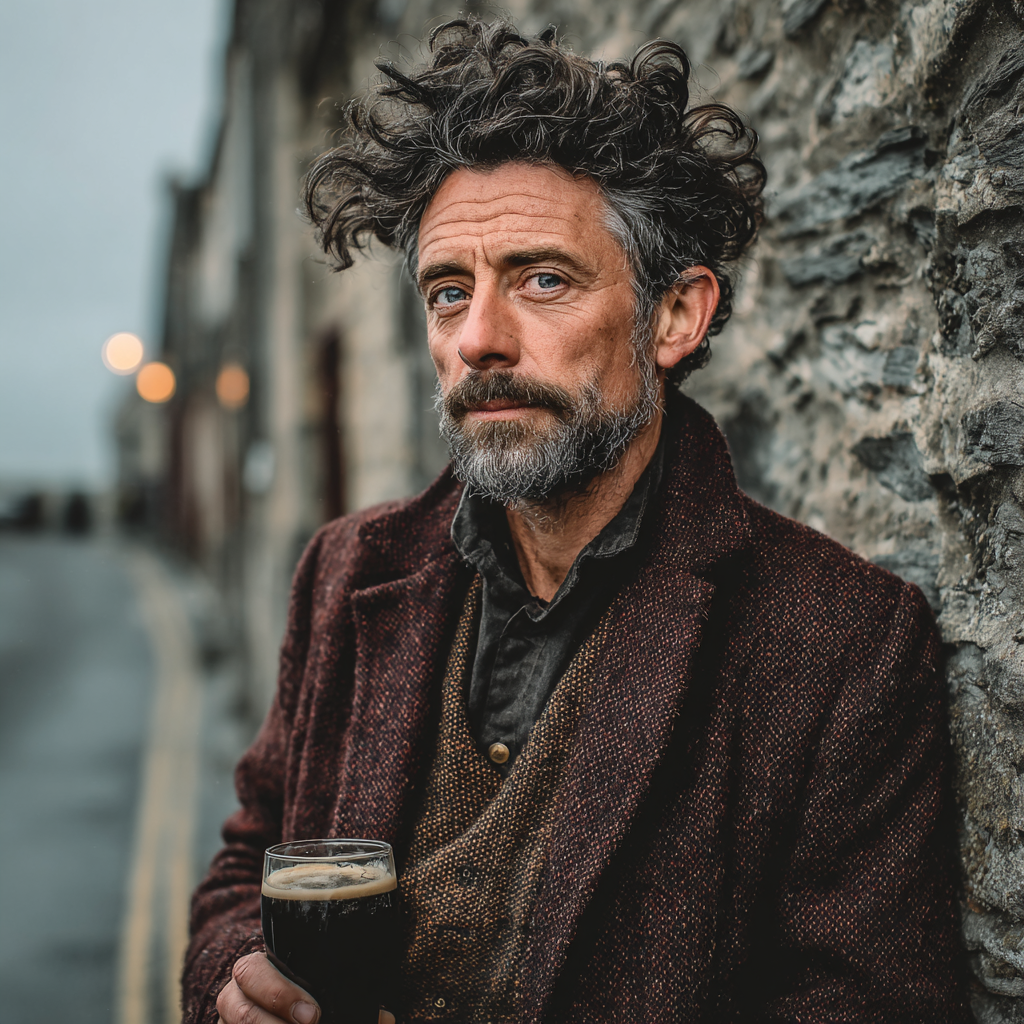
By Finn O'Sullivan
Irish storyteller and folklorist. Finn hunts for the narratives that do not make guidebooks—the pub legends, the family feuds, the neighborhood heroes. He believes every street corner has a story if you know who to ask.