
Orlando: The City That Theme Parks Couldn't Kill — A Local's Guide to Florida's Most Misunderstood Town
Most people land at Orlando International Airport with one thing on mind: mouse ears, roller coasters, and engineered happiness. They shuttle straight to the parks, spend five days on manufactured fun, and leave convinced they've seen the city. They haven't. Not even close. Orlando proper — the actual city of 307,000 people that predates Walt Disney World by nearly a century — has its own stories, neighborhoods, and a food scene that's finally shaking off the chain-restaurant reputation that clung to it like Florida humidity. The parks are here, and they're not going anywhere. But treat Orlando as just a gateway to Magic Kingdom and you miss the city's real character entirely. The locals have a term for visitors who never leave the tourist corridor: "I-Drive people." Don't be an I-Drive person.
The Story: From Citrus Groves to the Kingdom
The story starts in 1838 when the U.S. Army built Fort Gatlin during the Second Seminole War. The settlement that grew around it was originally called Jernigan, after the family who ran a trading post. No one agrees on how it became Orlando — theories range from a Shakespeare enthusiast to a fallen soldier named Orlando Reeves whose grave supposedly sat near what is now Lake Eola. The Shakespeare theory is more likely, but locals prefer the soldier story. It's more Florida.
What mattered was citrus. By the 1870s, Orlando was the center of Florida's orange belt. The railroad arrived in 1880, and the town exploded. By 1890 it was a city, with brick streets and a courthouse square that still anchors downtown. The 1894 freeze that wiped out citrus groves further north made Orlando's relative warmth even more valuable. For decades, this was an agricultural town with a downtown full of department stores and movie palaces. The Chamber of Commerce called it "The City Beautiful" in 1908, and the nickname stuck even as the city grew into something else entirely.
Walt Disney changed everything, of course. When he announced Disney World in 1965, Orlando was a city of 88,000. Ten years later it had nearly tripled. The growth never stopped. But here's what the guidebooks miss: Orlando's downtown never died. While tourists flooded International Drive and Lake Buena Vista, the city center kept evolving. Today it's one of the most interesting urban cores in the American Southeast — walkable, dense with restaurants, and anchored by a lake with an iconic fountain that locals treat like a town square.
Lake Eola: Where Orlando Actually Meets
Lake Eola Park (512 E Washington St, Orlando, FL 32801) is the city's living room. The fountain — officially the Lake Eola Fountain, unofficially "the big swan" — shoots water 100 feet into the air and lights up at night with shows at 8:30 PM and 9:30 PM. The 0.9-mile path around the lake is where Orlando actually meets: dog walkers at dawn, office workers at lunch, couples at sunset. On Sundays from 10 AM to 3 PM, there's a farmers market with local honey, plants, and food trucks that stretches along the southeast shore. The swan-shaped paddle boats look ridiculous and are absolutely worth renting — $15 for 30 minutes, up to five people, with a weight limit of 1,400 pounds. The rental dock is at 195 North Rosalind Avenue (across from Relax Grill), open Tuesday through Sunday, 10 AM to 7 PM (closed Mondays, weather permitting). A wheelchair-accessible boat is available. The lake's real residents are the actual swans — mostly mute swans, plus some black-necked swans and a few whooper swans that the city imported to maintain the population. They've been here since 1922. Feed them lettuce or special pellets, not bread.
The buildings around the lake tell Orlando's story. The Walt Disney Amphitheater hosts free concerts and movie nights — check the city's event calendar for schedules. The Orlando Public Library (101 E Central Blvd), with its brutalist concrete facade, holds the Florida Collection — thousands of documents and photographs from the city's agricultural past. It's open Monday–Thursday 10 AM–8 PM, Friday–Saturday 10 AM–5 PM, Sunday 1–5 PM. The Dr. Phillips Center for Performing Arts (445 S Magnolia Ave), opened in 2014, brought Broadway tours and serious architecture to downtown. Its glass walls and geometric roofline catch the Florida light in ways that make evening walks feel electric. The box office is open Monday–Friday 10 AM–4 PM, Saturday 12–4 PM. The venue's Walt Disney Theater seats 2,711, while the newer Steinmetz Hall seats up to 1,770 and is acclaimed for its acoustics.
Thornton Park: Brick Streets and Real City Life
Thornton Park, just east of Lake Eola, is the neighborhood where Orlando feels most like a real city. Brick streets, bungalows from the 1920s, sidewalk cafes. The intersection of Washington Street and Summerlin Avenue has the highest density of independent restaurants in the city.
Dexter's (808 E Washington St) has been serving New Orleans-style brunch since 1984 — the eggs Sardou with creamed spinach and artichokes is the move. They're open daily: Monday–Thursday 11 AM–10 PM, Friday–Saturday 11 AM–11 PM, Sunday 10 AM–9 PM. Brunch runs until 3 PM on weekends. Across the street, The Imperial Wine Bar & Beer Garden (1800 E Winter Park Rd) is built into a 1920s house with a porch that catches the evening breeze. Open Monday–Thursday 4 PM–12 AM, Friday–Saturday 2 PM–1 AM, Sunday 2 PM–12 AM. For something more casual, Graffiti Junktion (900 E Washington St) does a solid burger and keeps local craft beer on tap. Open daily 11 AM–2 AM, kitchen until 1 AM.
The best time to experience Thornton Park is Thursday evening through Sunday afternoon. Weekday mornings are quiet — good for coffee, bad for atmosphere. Thursday nights, the patios fill with the after-work crowd.
The Milk District: Warehouses, Vinyl, and Craft Beer
The Milk District, about two miles northeast of downtown, is Orlando's most interesting neighborhood right now. Named for the T.G. Lee Dairy plant that still operates here, it's a cluster of warehouses and bungalows that have been converted into breweries, coffee shops, and vintage stores. The district's unofficial anchor is Lineage Coffee Roasting at 1011 E Colonial Dr (their Mills/50 location), open every day 7 AM–7 PM. The baristas know their stuff — order a pour-over and ask about the current Ethiopian single-origin. Their original location at East End Market (3201 Corrine Dr) keeps slightly different hours: Monday–Saturday 8 AM–7 PM, Sunday 8 AM–6 PM.
Next door in the district, The Milk Bar serves cocktails in a space that feels like someone's eccentric living room. The vinyl collection is serious, and the bartenders actually know how to make a proper Old Fashioned. For live music, The Plaza Live (425 N Bumby Ave) hosts everything from indie rock to jazz in a converted 1960s theater.
East End Market: A Bet on What Orlando Could Become
East End Market (3201 Corrine Dr, Orlando, FL 32803) in Audubon Park is a food hall in a converted 1960s warehouse that showcases Central Florida producers. Gideon's Bakehouse sells cookies the size of your face — the peanut butter cold brew cookie is worth the sugar crash. Domu (inside East End Market) does Japanese-influenced ramen with local ingredients. Their hours are Sunday–Thursday 5 PM–10 PM, Friday–Saturday 5 PM–11 PM, with brunch Saturday–Sunday 11 AM–2:30 PM. The "Domu Wings" are twice-fried and tossed in a spicy soy glaze that locals line up for. Upstairs, a working hydroponic farm grows greens for the restaurants downstairs. The whole operation feels like a bet on what Orlando could become, and it's paying off. East End Market itself is generally open daily from around 8 AM–9 PM, though individual vendor hours vary.
Parramore: The Neighborhood the City Tried to Forget
Orlando's oldest neighborhood is Parramore, west of downtown. Founded as an African-American community in the 1880s, it's been through decades of disinvestment and is now the focus of intense development pressure. The historic Wells' Built Museum of African American History and Culture (511 W South St, Orlando, FL 32805) is essential. Built in 1921 by Dr. William Monroe Wells, one of Orlando's first Black physicians, the hotel hosted Ray Charles, Ella Fitzgerald, Count Basie, and Jackie Robinson during segregation, when they couldn't stay in white hotels. The museum is small but powerful — the collection of photos from Orlando's Black business district, destroyed by interstate construction in the 1960s, explains a lot about how the city grew. Hours vary; check ahead before visiting. Admission is typically a small donation. The building was listed on the National Register of Historic Places in 2000.
The Monroe restaurant (448 N Terry Ave, Orlando, FL 32801), in nearby Creative Village, is named for Dr. Wells and serves as a living tribute to his legacy. Open Tuesday–Thursday 9 AM–3 PM and 5–10 PM, Friday–Saturday 9 AM–3 PM and 5–11 PM.
Winter Park: Old Money and World-Class Art
Winter Park, technically a separate city but functionally part of greater Orlando, is where old money meets art museums. The Charles Hosmer Morse Museum of American Art (445 N Park Ave, Winter Park, FL 32789) houses the world's most comprehensive collection of Tiffany glass — Louis Comfort Tiffany's lamps, windows, and even his Long Island estate, which was moved here piece by piece. The collection includes the chapel interior Tiffany designed for the 1893 Chicago World's Fair, now reconstructed in a dedicated gallery. It's unexpected and genuinely world-class. Hours: Tuesday–Saturday 9:30 AM–4 PM, Friday until 8 PM November–April, Sunday 1–4 PM. Closed Monday. Admission: $6 adults, $5 seniors 60+, $1 students with valid ID, free for children under 12. Free admission Friday evenings 4–8 PM, November through April. Park Avenue, the main street, is lined with Mediterranean Revival buildings from the 1920s boom. The wine bar at Prato (124 N Park Ave) serves thin-crust pizzas and natural wines in a space that could be in Brooklyn or Bologna. Open daily 11 AM–11 PM.
Also in Winter Park, the Cornell Fine Arts Museum on the Rollins College campus is free and showcases over 6,000 art pieces from the Renaissance to the Baroque. The Winter Park Scenic Boat Tour (312 E Morse Blvd) offers a relaxed hour-long cruise through the chain of lakes for around $14 per adult — a local secret that's been operating since 1938.
Harry P. Leu Gardens: Where You Forget the Parks Exist
For something completely different, drive twenty minutes east to Harry P. Leu Gardens (1920 N Forest Ave, Orlando, FL 32803). This 50-acre botanical garden sits on the grounds of a 19th-century estate. The camellia collection is one of the largest in the country — over 2,000 plants blooming from November through March. The butterfly garden and rose garden are at their peak in spring. It's the kind of place where you forget Orlando has theme parks at all. Hours: January 5–June 7: 9 AM–5 PM daily; June 8–September 7: 9 AM–6 PM daily (Thursdays until 8 PM). Admission: $15 adults, $10 children 4–17, free for children under 4 and active-duty military. The first Monday of each month is free to all visitors. The historic Leu House Museum offers guided tours Tuesday–Sunday 10 AM–1 PM (closed in July). Closed Christmas Day and Thanksgiving Day.
The Food Scene: Breaking the Chain-Restaurant Curse
Orlando's food scene has evolved dramatically in the last decade. The Ravenous Pig (565 W Fairbanks Ave, Winter Park) helped kick off the craft beer and gastropub movement when it opened in 2007. Their steak frites and house-made charcuterie are still benchmarks. Open daily 11 AM–10 PM, brunch Saturday–Sunday 10 AM–3 PM. Domu (inside East End Market, 3201 Corrine Dr) does ramen with a Central Florida twist. Their Tokyo ramen runs around $16–$18, and the wings are a must-order. In the Mills 50 district, Vietnamese restaurants like Pho 88 (730 N Mills Ave) and Anh Hong (1120 E Colonial Dr) represent one of the largest Vietnamese-American communities in the South. Order the bun bo hue at Pho 88 — the spicy beef noodle soup is the cure for whatever ails you. Pho 88 is open daily 9 AM–10 PM.
For barbecue, 4 Rivers Smokehouse has an original location at 1600 W Fairbanks Ave, Winter Park (opened in 2009 in a former transmission shop) and a UCF location at 11764 University Blvd, Orlando. The burnt ends sell out by 1 PM on weekends. The line moves fast, and the smell of post oak smoke makes the wait tolerable. A brisket plate runs around $16–$20. Most locations open daily 11 AM–9 PM.
Orlando's craft beer scene punches above its weight. Ivanhoe Park Brewing (1300 Alden Rd, Orlando) occupies a 1950s auto body shop and makes excellent IPAs and lagers. The outdoor patio hosts food trucks and feels like a neighborhood block party. Ellipsis Brewing (939 W Central Blvd) experiments with fruited sours and pastry stouts that have developed a cult following. Their "Milkshake IPA" series rotates monthly. Most breweries open around 3–4 PM on weekdays, noon on weekends, and close around 10–11 PM.
What to Skip
- International Drive (I-Drive) after dark: Unless you're specifically going to a restaurant, the strip is a concentrated dose of tourist-trap energy — overpriced chain restaurants, souvenir shops, and traffic that moves slower than the swan boats.
- Orlando's outlet malls as a "cultural experience": The premium outlets are fine for shopping, but they are not a substitute for seeing the actual city. Too many visitors spend their one free afternoon here instead of exploring downtown.
- The Orlando Eye/ICON Park chain restaurants: The observation wheel offers a view, but the surrounding restaurants are mostly national chains you can find in any American suburb. Skip it and eat on Park Avenue or in the Milk District instead.
- Guided "Orlando city tours" from park hotels: These are typically shuttle buses that drive past things without stopping. Rent a car or use LYMMO and explore on your own terms.
- Downtown Orlando during massive conventions: When 70,000 people descend on the Orange County Convention Center, restaurant reservations become impossible and hotel prices triple. Check the convention schedule before booking.
Practical Logistics
Timing: The parks are worst during school breaks — March, June through August, and Christmas week. October through early December is the sweet spot: mild weather, lower crowds, and the parks decked out for Halloween and Christmas. For the city itself, avoid the convention crowds if you can. The Orlando Farmers Market at Lake Eola runs Sundays 10 AM–3 PM year-round and is at its best October through May, when the weather brings out eighty-plus vendors instead of the usual thirty.
Getting Around: Orlando's public transit exists but isn't designed for tourists. LYMMO is a fare-free bus circulator downtown with three routes: the Orange Line (north-south, every 5–7 minutes weekdays, every 15 minutes evenings/weekends), Grapefruit Line (east-west, Parramore to Thornton Park, every 10 minutes weekdays), and Lime Line (northwest downtown, weekdays only). It covers the core but not the tourist corridors. The SunRail commuter train connects downtown to Winter Park and Sanford weekdays, but it's designed for commuters, not tourists. For the city proper, you'll want a car. Rent one, accept that you'll pay for parking, and embrace the highway system. Interstate 4 cuts through the middle of everything and is perpetually under construction. The express lanes charge variable tolls but save significant time during rush hours. Downtown parking garages typically run $2–$5 per hour or $10–$20 for event parking.
Weather: Summer means afternoon thunderstorms that arrive like clockwork at 3 PM, dump rain for thirty minutes, and leave everything steaming. Highs hover in the low 90s°F (33°C) with humidity that feels like a wet blanket. Winter is genuinely pleasant — highs in the 70s°F (21–26°C), lows in the 50s°F (10–15°C), humidity that doesn't punish. This is when the city shows its face. Locals emerge from air-conditioned hiding. Restaurant patios fill up. The farmers market at Lake Eola expands from thirty vendors to over eighty.
Money: Orlando is not a cheap city, but it doesn't have to break the bank. A solid meal at a local restaurant runs $15–$25 per person. Craft beer at a brewery is $7–$9 per pint. Coffee at Lineage is $3–$6 depending on your order. Hotel rates downtown range from $120–$250 per night in normal periods, spiking to $300+ during conventions and peak park seasons. Tipping is standard: 18–20% at restaurants, $1–$2 per drink at bars.
Safety: Downtown Orlando is generally safe, especially around Lake Eola and Thornton Park. Parramore, west of downtown, has historically higher crime rates — visit the Wells' Built Museum during daylight hours and stick to main streets. The tourist corridors (I-Drive, Disney area) are safe but crowded, making them prime territory for pickpockets. Use standard urban awareness.
The Real Orlando
Orlando isn't a perfect city. The sprawl is endless. The traffic on I-4 can crush your spirit. The tourist economy creates weird distortions — service workers commuting an hour because they can't afford to live near their jobs, luxury condos rising next to mobile home parks, a city that built its identity on fantasy sometimes struggling with reality. But the neighborhoods are real, the food is genuinely good, and the people who live here have built something interesting despite the mouse-eared shadow.
If you're visiting for the parks, add an extra day. Skip the character breakfast and have brunch at Dexter's in Thornton Park instead. Skip the hotel bar and try the cocktails at The Milk Bar. Walk around Lake Eola at sunset and watch the fountain light up. You'll still ride Space Mountain and see the castle. But you'll also see the city that exists beyond the turnstiles — a city with nearly two centuries of history, neighborhoods with actual character, and locals who are tired of being treated like they're just park employees. They're not. They're Orlandians, and their city deserves more than a shuttle bus ride through.
The best time to visit the city proper is Sunday morning. The Lake Eola farmers market runs from 10 AM to 3 PM. Grab a coffee from Lineage, walk the lake, browse the stalls, and watch the swans. Then head to Dexter's for brunch or Domu for ramen. This is Orlando when it feels most like itself — not a destination, but a place where people actually live. That's the city worth discovering. And if you find yourself at a bar in the Milk District, talking to someone who moved here for a job at the parks and stayed for the neighborhoods, you'll understand why the locals roll their eyes when you tell them you're "doing Orlando" in four days at Disney. This city was here long before the mouse arrived. It'll be here long after.
— Finn O'Sullivan is a writer and storyteller who believes the best cities hide behind their postcards. He has spent years searching for the real places that survive despite the tourism industry, not because of it.
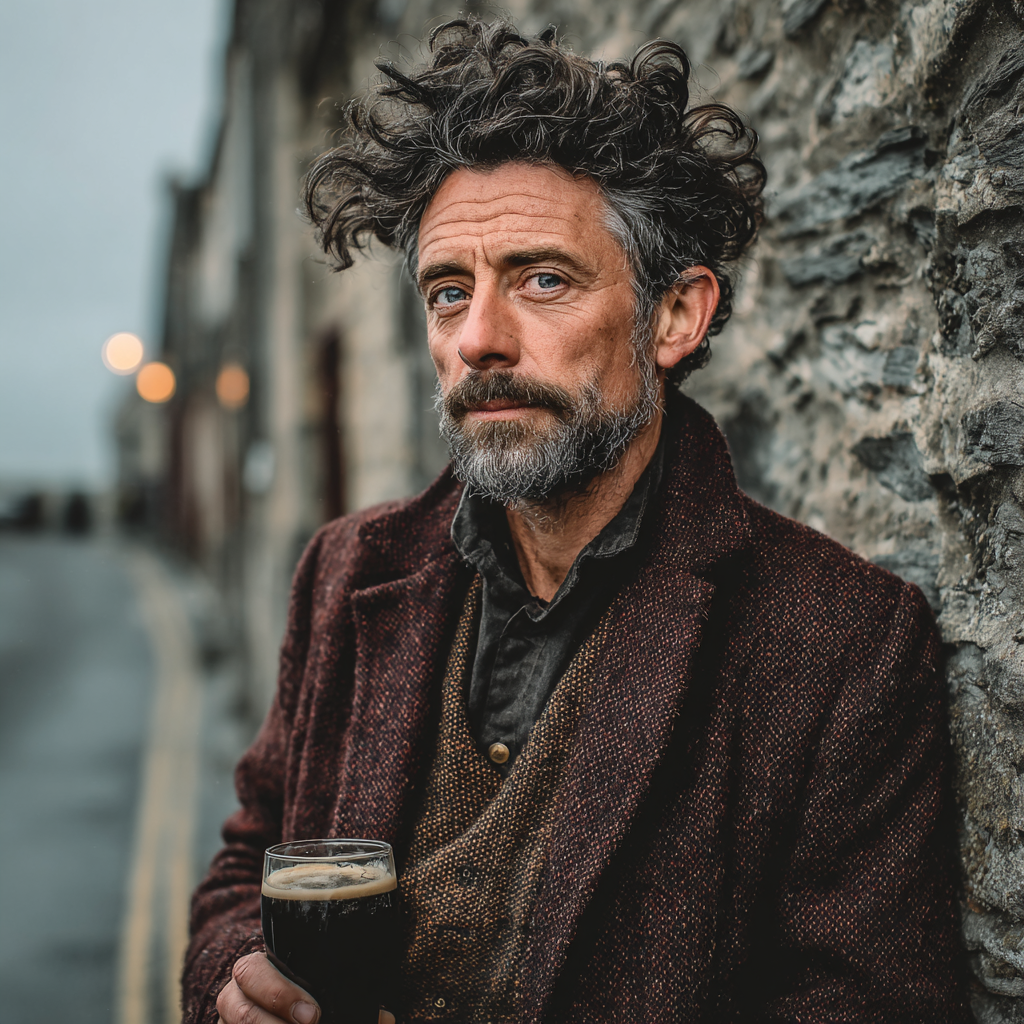
By Finn O'Sullivan
Irish storyteller and folklorist. Finn hunts for the narratives that do not make guidebooks—the pub legends, the family feuds, the neighborhood heroes. He believes every street corner has a story if you know who to ask.