
Gumbo, Fried Chicken, and Sazeracs: Where to Eat in New Orleans Like a Local
The first time I walked into Dooky Chase's, I was wearing the wrong shoes and I knew it. A woman at the host stand looked me up and down, smiled not unkindly, and said, "You're here for the food, not a fashion show. Come on in." That was the moment I understood that New Orleans doesn't perform for tourists—it tolerates them, feeds them, and occasionally, if they're lucky, treats them like family. I'm Sophie Brennan, and I've spent the better part of fifteen years eating my way through this city. What follows isn't a checklist of "best" restaurants according to some algorithm. It's a map of the places that make New Orleans taste like itself.
The food here isn't just sustenance. It's three centuries of history on a plate—French technique, Spanish spice, West African ingredients, Native American knowledge, and Italian immigrant innovation all simmered together until the borders blur. You don't need a culinary degree to appreciate it. You just need an appetite, a tolerance for powdered sugar on your shirt, and the good sense to show up hungry.
The French Quarter: Tourist Central, Good Food Anyway
Yes, it's crowded. Yes, there are restaurants with waiters in paper hats trying to lure you in with frozen daiquiris the color of radiator fluid. Skip those. The Quarter still has places worth your time if you know where to look—and more importantly, where not to look.
Café Du Monde
800 Decatur St, New Orleans, LA 70116 | Open daily 7:15 AM – 11 PM (midnight Fri–Sat) | Cash and cards accepted | Beignets (3): ~$3.50, Cafe au Lait: ~$3.00
This is obligatory and genuinely good. The beignets are hot squares of fried dough buried under a mountain of powdered sugar—light and airy inside, slightly crisp outside. There is no way to eat them without getting powdered sugar everywhere. That is expected and accepted. The coffee is chicory-cut and strong enough to wake the dead, a tradition dating to the Civil War when coffee was scarce and chicory root was used to stretch the supply. The experience of eating powdered sugar in the open air at 7 AM while street cleaners hose down last night's debris is pure New Orleans. Go before 9 AM. The line after that is for tourists who don't know better. The original location is an open-air pavilion adjacent to Jackson Square with a view of the Mississippi River levee. They only close one day a year: Christmas Day.
Camellia Grill
626 S Carrollton Ave, New Orleans, LA 70118 | Open daily 8 AM – 12 AM (1 AM Fri–Sat) | Omelets: ~$12–$16, Chili Cheese Omelet: ~$14
The countermen have been there for decades. They flip plates, banter with regulars, and serve omelets the size of footballs. The chili cheese omelet is the move—don't ask questions, just order it. Around since 1946, and it shows in the best way. This is diner culture as performance art, and the coffee is bottomless.
Killer Poboys
811 Conti St (inside Erin Rose bar), New Orleans, LA 70112 | Open daily 11 AM – 10 PM (11 PM Fri–Sat) | Poboys: ~$12–$18
Hidden in the back of the Erin Rose bar on Conti Street, this is where poboys would make a purist weep with joy. The seared Gulf shrimp with pickled green tomato and sriracha mayo is their signature, but the roasted sweet potato with braised greens and Creole mustard is the sleeper hit. Order at the bar, find a stool, and accept that your shirt will get messy. The Gulf shrimp poboy runs about $16, and it's worth every cent.
Coop's Place
1109 Decatur St, New Orleans, LA 70116 | Open daily 11 AM – 12 AM (2 AM Fri–Sat) | Cash only | Rabbit Jambalaya: ~$16, Fried Chicken: ~$14
On Decatur Street, this is where locals go when they want French Quarter atmosphere without French Quarter prices. The rabbit jambalaya is dark, spicy, and deeply savory. The fried chicken is better than it has any right to be. It's cash-only, loud, and perfect. No reservations. No attitude. Just honest food at honest prices.
Tremé and Marigny: Where the Locals Eat
Cross Esplanade Avenue and the tourists thin out considerably. This is where you find the city's real heartbeat, and where some of the most important food in American history has been served.
Dooky Chase's Restaurant
2301 Orleans Ave, New Orleans, LA 70119 | Tue–Thu 11 AM – 3 PM, Fri 11 AM – 3 PM + 5:30 PM – 9 PM, Sat–Sun dinner 5:30 PM – 9 PM (check current hours) | Lunch: ~$25–$35, Dinner: ~$40–$60 | Business casual, reservations strongly recommended
Non-negotiable. Leah Chase—the "Queen of Creole Cuisine"—fed Civil Rights leaders, presidents, and generations of New Orleans families here until her death in 2019 at age 96. Her family runs it now, and the gumbo z'herbes (green gumbo, traditionally served on Holy Thursday) remains the best in the city. The fried chicken is legendary for good reason. The walls are lined with art that tells the story of Black America, and the dining rooms feel like a museum where you're allowed to eat. Go for lunch, dress decently (no flip-flops), and understand you're eating in a place that matters. The lunch buffet changes daily and features the full range of Creole cooking—gumbo, fried chicken, red beans, and whatever the kitchen decided was perfect that morning. Friday nights feature a special dinner menu that rotates weekly. Note: reservations open two weeks in advance and fill quickly. This is not a place you casually walk into.
Willie Mae's NOLA
898 Baronne St, New Orleans, LA 70113 | Wed–Mon 11 AM – 9 PM, Tue closed | Fried Chicken Plate: ~$18–$24
The original Willie Mae's Scotch House at 2401 St. Ann Street in Tremé—James Beard America's Classics winner, regularly called the best fried chicken in America—closed after a fire in April 2023. Repairs are ongoing. In the meantime, the family opened Willie Mae's NOLA in the downtown Warehouse District at 898 Baronne Street. The fried chicken recipe remains the same: crackling-crisp crust, juicy meat, and a peppery kick that builds. The butter beans and mac and cheese are still essential sides. The new location has a full bar and a slightly more modern feel, but the chicken is still the reason you come. Go on a weekday if possible; weekends mean a wait. This is not a replacement for the original—it's a lifeline until the St. Ann location returns.
Marigny Brasserie
640 Frenchmen St, New Orleans, LA 70116 | Wed–Sun 5 PM – 10 PM (brunch Sat–Sun 10 AM – 3 PM) | Dinner entrees: ~$22–$34
On Frenchmen Street, this is where you eat before catching live music. The shrimp and grits are proper—stone-ground grits, Gulf shrimp, and a sauce that ties it together without drowning it. The duck confit comes with dirty rice that could be a meal on its own. Frenchmen Street is the local alternative to Bourbon Street, and this restaurant has been feeding musicians and music lovers for decades.
Bywater and St. Claude: The New Wave
This is where young chefs and longtime residents coexist, and the food reflects that tension in the best way. The neighborhood feels like Brooklyn circa 2005, but with better humidity and more Catholics.
The Joint
701 Mazant St, New Orleans, LA 70117 | Wed–Sun 11:30 AM – 9 PM (10 PM Fri–Sat) | Mon–Tue closed | BBQ plates: ~$16–$24
Does barbecue that would hold up in Texas or Kansas City. The pulled pork is smoked over pecan wood for fourteen hours. The mac and cheese is made with five cheeses and tastes like childhood if your childhood involved excellent dairy products. The line moves slowly because they're slicing everything to order. This is the real deal in a neighborhood that doesn't tolerate poseurs.
Turkey and the Wolf
739 Jackson Ave, New Orleans, LA 70130 | Wed–Mon 11 AM – 4 PM, Tue closed | Sandwiches: ~$14–$18
In the Lower Garden District, Mason Hereford's sandwich shop has been named one of the best restaurants in America by multiple publications. The collard green melt—collards, Swiss cheese, and Russian dressing on rye—sounds absurd and tastes transcendent. The fried chicken pot pie is a bowl of comfort that will make you rethink what a sandwich shop can do. The space is small, the line is real, and there's nowhere better to understand what modern New Orleans food looks like. This is the place that proves the city's food scene isn't just living in the past.
Elizabeth's Restaurant
601 Gallier St, New Orleans, LA 70117 | Wed–Fri 11 AM – 2 PM + 5:30 PM – 9 PM, Sat–Sun 9 AM – 2 PM | Brunch: ~$14–$22
Has been around since the 90s but feels discovered. The praline bacon—thick-cut bacon coated in brown sugar and pecans—will ruin you for regular bacon forever. The brunch menu rotates, but the redfish hash is a constant for good reason. Get there before 10 AM or prepare to wait on the sidewalk. The Bywater location gives it a neighborhood feel that more central restaurants can't replicate.
Uptown and the Garden District: Neighborhood Institutions
Away from the Quarter, New Orleans settles into its rhythms. These are the places locals guard jealously and tourists rarely find without help.
Cochon
930 Tchoupitoulas St, New Orleans, LA 70130 | Lunch: daily 11 AM – 5:30 PM; Dinner: Sun–Thu 5:30 PM – 10 PM, Fri–Sat 5:30 PM – 11 PM | Small plates: ~$9–$16, Entrees: ~$28–$38 | Reservations recommended
In the Warehouse District, Donald Link and Stephen Stryjewski's restaurant is one of the most important in modern American cuisine. The name means "pig" in French, and pork is everywhere—boudin balls, smoked ham hocks, paneled pork cheeks, and the namesake cochon dish, a traditional Louisiana patty made with shredded pork that's fork-tender and immensely flavorful. The menu is a modern take on Cajun country cooking, using locally sourced pork, fresh Gulf seafood, and traditional methods. The adjacent Cochon Butcher serves house-made charcuterie, sandwiches, and cured meats if you want a more casual experience. This is James Beard Award-winning cooking that never forgets where it came from.
Domilise's Po-Boy & Bar
5240 Annunciation St, New Orleans, LA 70115 | Wed–Sat 10:30 AM – 5:30 PM | Sun–Tue closed | Po'boys: ~$12–$18
Has been making sandwiches since 1924. The walls are covered in photos of regulars, Saints memorabilia, and newspaper clippings. The roast beef po'boy is the reason you came—messy, piled high, dressed with mayonnaise, lettuce, tomato, pickles, and gravy that soaks through the French bread in the best way. Get it "fully dressed" and don't pretend you're staying clean. This is a Uptown institution that looks like a time capsule and tastes like a revelation.
Casamento's
4330 Magazine St, New Orleans, LA 70115 | Wed–Sat 11 AM – 8 PM | Sun–Tue closed | Oysters: ~$16–$24 per dozen, Fried Oyster Loaf: ~$18
On Magazine Street, this place has been serving oysters since 1919. The tile floors, marble counters, and fluorescent lighting haven't changed in decades. The oysters come from Louisiana waters, shucked to order, and served on saltines with hot sauce and horseradish. The fried oyster loaf (their term for a po'boy) is a masterpiece of crispy, briny perfection. Closed in summer months (June through August) when Gulf oysters aren't at their peak—a practice that should tell you everything about their standards. This is the definition of "if it ain't broke, don't fix it."
Commander's Palace
1403 Washington Ave, New Orleans, LA 70130 | Lunch: Mon–Fri 11:30 AM – 1:30 PM, Brunch: Sat 11 AM – 1:30 PM / Sun 10:30 AM – 1:30 PM; Dinner: Mon–Thu 6:30 PM – 9:30 PM, Fri–Sat 6:30 PM – 10 PM, Sun 6:30 PM – 9 PM | Jacket required for men at dinner, business casual at lunch | Lunch: ~$35–$55, Dinner: ~$75–$120 | Reservations essential
In the Garden District since 1893, this is the grand dame of New Orleans dining. The turquoise Victorian exterior is iconic, and inside, the chandeliers, stained glass, and white-jacketed servers create an atmosphere of old-world elegance. The turtle soup is legendary, the 25-cent martinis at lunch are the best deal in fine dining, and the Creole cuisine—under current chef Meg Bickford—honors tradition while innovating with local ingredients. This is where you go for a special occasion, or just to remind yourself that some institutions endure for good reason. The bread pudding soufflé is worth planning your entire trip around.
Pascal's Manale
1838 Napoleon Ave, New Orleans, LA 70115 | Tue–Thu 11 AM – 9 PM, Fri–Sat 11 AM – 10 PM, Sun 11 AM – 9 PM, Mon closed | Barbecue Shrimp: ~$28, Full dinner: ~$45–$65
This restaurant invented barbecue shrimp, and don't let anyone tell you otherwise. The dish is a misnomer—there's no barbecue sauce, no grill. It's whole shrimp sautéed in butter, pepper, and Worcestershire sauce, served with French bread for sopping. You will get messy. You will not care. The restaurant has been a locals' favorite since 1913, and Frank Manale's family still runs it. The Italian-Creole menu extends to oysters Rockefeller, pasta, and Creole-Italian classics that reflect the city's deep Sicilian heritage.
What to Drink
New Orleans has open container laws so liberal they basically don't exist. You can walk the streets with a drink, which changes the city's rhythm entirely. This is a drinking town with a food problem, and both are taken seriously.
The Sazerac
The Sazerac Bar at The Roosevelt Hotel, 130 Roosevelt Way, New Orleans, LA 70112 | Open daily 11 AM – 11 PM | Sazerac: ~$16
The official cocktail of New Orleans, and you should drink one at the source. The room is all Art Deco elegance—mosaic floors, murals by Paul Ninas, and a sense that you've stepped into 1938. The drink itself—rye whiskey, absinthe rinse, Peychaud's bitters, sugar—is balanced and powerful. This is where the cocktail was born, and they still make it right.
French 75
Arnaud's French 75 Bar, 813 Bienville St, New Orleans, LA 70112 | Wed–Sun 5:30 PM – 10 PM | French 75: ~$18
Cognac, lemon, sugar, and champagne in a setting that looks like a private club from another era. The bartenders wear white jackets and know their business. This is the other classic New Orleans cocktail, and this is the definitive place to drink it.
Cane & Table
1113 Decatur St, New Orleans, LA 70116 | Mon–Thu 4 PM – 12 AM, Fri–Sat 4 PM – 1 AM, Sun 11 AM – 12 AM | Cocktails: ~$14–$18
On Decatur, this spot does rum-focused cocktails in a courtyard that feels like Havana circa 1950. The Oaxacan Dead—mezcal, rum, pineapple, lime, and velvet falernum—is their signature for good reason. The food menu is also excellent if you want to make a meal of it.
Pat O'Brien's
718 St Peter St, New Orleans, LA 70116 | Open daily 11 AM – 2 AM | Hurricane: ~$12
Touristy but worth visiting once for the Hurricane—rum, passion fruit, and regret served in a glass shaped like a lamp. The courtyard with its flaming fountain is iconic. Drink one, take a photo, move on. This is a rite of passage, not a destination.
Cure
4905 Freret St, New Orleans, LA 70115 | Mon–Thu 4 PM – 12 AM, Fri–Sat 4 PM – 1 AM, Sun 4 PM – 11 PM | Cocktails: ~$14–$18
On Freret Street, this is arguably the city's defining cocktail den. Neal Bodenheimer and his crew have been making some of the best drinks in America since 2009, and the winter 2026 menu features eleven unique creations. This is where bartenders drink on their nights off, which is all the recommendation you need.
Desserts and Coffee
New Orleans takes sweets seriously, and the coffee culture has evolved far beyond chicory.
Angelo Brocato
214 N Carrollton Ave, New Orleans, LA 70119 | Tue–Thu 10 AM – 10 PM, Fri–Sat 10 AM – 11 PM, Sun 10 AM – 10 PM, Mon closed | Gelato: ~$5–$8
An Italian ice cream parlor that has been operating since 1905. The cannoli are filled to order, the gelato is made in-house daily, and the spumoni is the kind of old-world dessert that makes you understand why Sicilians brought their recipes here. The lemon ice is perfect after a heavy meal.
Morning Call Coffee Stand
City Park, 56 Dreyfous Dr, New Orleans, LA 70119 | Open daily 7 AM – 11 PM | Beignets: ~$3, Cafe au Lait: ~$3
The less-famous alternative to Café Du Monde, located in the beautiful New Orleans City Park. Same beignets, same chicory coffee, but with a view of ancient live oaks and Spanish moss instead of tourist crowds. Open since 1870, and a local secret that tourists rarely find.
Backstreet Cultural Museum
1116 Henriette Delille St, New Orleans, LA 70116 | Tue–Sat 10 AM – 4 PM | Admission: ~$10
Not a food stop, but essential context. This small museum in Tremé holds the largest collection of Mardi Gras Indian costumes in the world, along with extensive documentation of jazz funerals, second lines, and the social aid and pleasure clubs that form the backbone of New Orleans culture. Understanding this history makes the food taste different. The neighborhood around it is where much of what you'll eat was born.
A Note on Crawfish
If you're visiting between February and June, you're in crawfish season. This matters. The proper way to eat them is a social event—piles of boiled crawfish dumped on newspaper-covered tables, eaten with your hands while drinking beer and losing track of time.
Bevi Seafood Co. (6601 Metairie Rd, Metairie, LA 70003 | Tue–Sat 10:30 AM – 6 PM) and Cajun Seafood (1479 N Broad St, New Orleans, LA 70119 | daily 10 AM – 8 PM) are local favorites. Order "a sack" (roughly 30–35 pounds), get them spicy, and don't wear anything you care about. The process is simple: twist the tail, suck the head (where the flavor lives), repeat for several hours. Bring friends. This is not a solo activity. Prices fluctuate with the market but expect roughly $5–$8 per pound during peak season.
What to Skip
Not every famous New Orleans experience is worth your time or money. Here's what to avoid:
- Bourbon Street after 10 PM: Unless you're 22 and actively seeking a stomach pump, the frozen daiquiri bars and chain restaurants on Bourbon Street's upper reaches are a trap. The lower end near Preservation Hall has character, but the middle stretch is where bad decisions go to multiply.
- Any restaurant with a sidewalk barker: If someone is standing outside trying to lure you in with a laminated menu, keep walking. The good places don't need to beg.
- The "jazz brunch" at hotel restaurants: Overpriced, under-seasoned, and the music is usually a trio playing "When the Saints Go Marching In" for the thousandth time. Go to actual jazz clubs on Frenchmen Street instead, then eat somewhere serious.
- The Original Willie Mae's Scotch House (2401 St. Ann St): As of 2026, the original location remains closed due to fire damage from April 2023. Don't make the pilgrimage to Tremé expecting the original experience. The family is running Willie Mae's NOLA at 898 Baronne Street until repairs are complete.
- Airport po'boys: The Louis Armstrong New Orleans International Airport has improved, but airport food is still airport food. Wait until you're in the city. Your first po'boy should not come from a terminal.
- Chain beignets: If the beignets come from a freezer or the cafe has a drive-thru, they are not the real thing. Café Du Monde and Morning Call are the only versions worth your calories.
- "Voodoo" themed restaurants: Voodoo is a real religious practice in New Orleans, and the restaurants that use it as marketing are usually selling overpriced gumbo to tourists who watched too much American Horror Story. Skip them.
Practical Logistics
Getting Around: The French Quarter is walkable, but the neighborhoods that matter for food are spread out. The streetcar lines (St. Charles, Canal, Riverfront) are charming and functional, but rideshare apps are more reliable for restaurant-hopping. A rental car is unnecessary unless you're doing a crawfish boil in the suburbs or driving to Cajun country.
When to Visit: February through June is crawfish season and the best window for Gulf oysters. September through November offers cooler weather, lower hotel rates, and the full range of restaurants operating at full capacity. August is brutal—humidity that makes you feel like you're breathing soup, and some restaurants close for vacation. Mardi Gras (February 17, 2026) and Jazz Fest (late April–early May) are spectacular but require reservations months in advance.
Reservations: At Commander's Palace, Dooky Chase's, and Cochon, reservations matter. Call ahead or use OpenTable. For most neighborhood spots, walk-in is the norm, but arrive before 6:30 PM or after 8:30 PM to avoid the crush.
Tipping: 20% is standard. The service industry runs this town; treat people accordingly. Many restaurant workers are still recovering from the economic devastation of Hurricane Katrina and the pandemic. Your tip matters.
What to Wear: New Orleans is casual, but some places have standards. Dooky Chase's requires business casual—no flip-flops, no shorts, no tank tops. Commander's Palace requires jackets for men at dinner. Everywhere else, clean and comfortable is fine. The humidity will destroy anything delicate, so pack accordingly.
Water: Drink it constantly. The humidity and the alcohol content of everything will dehydrate you faster than you expect. Carry a water bottle and use it.
Cash: Some places are still cash-only (Coop's Place, some po'boy shops). ATMs are everywhere, but carry $40–$60 in cash for emergencies.
Safety: The neighborhoods in this guide are generally safe during daylight and busy evening hours. Standard urban precautions apply—stay aware, don't flash valuables, and trust your instincts. The Tremé neighborhood around Dooky Chase's and the Bywater are gentrifying but still require awareness. Rideshare is safer than walking alone at night in unfamiliar areas.
The Best Meal: The best meal I had in New Orleans wasn't at a restaurant with a James Beard Award or a line around the block. It was at a backyard crawfish boil in the Bywater, sitting on overturned buckets, eating with my hands while someone's uncle explained why this batch was better than last week's. That's the city. The fancy places are good, but the real magic happens when you stop being a tourist and start being a guest. Show up curious, eat with your hands, and don't rush. New Orleans has been feeding people for three centuries. It knows what it's doing.
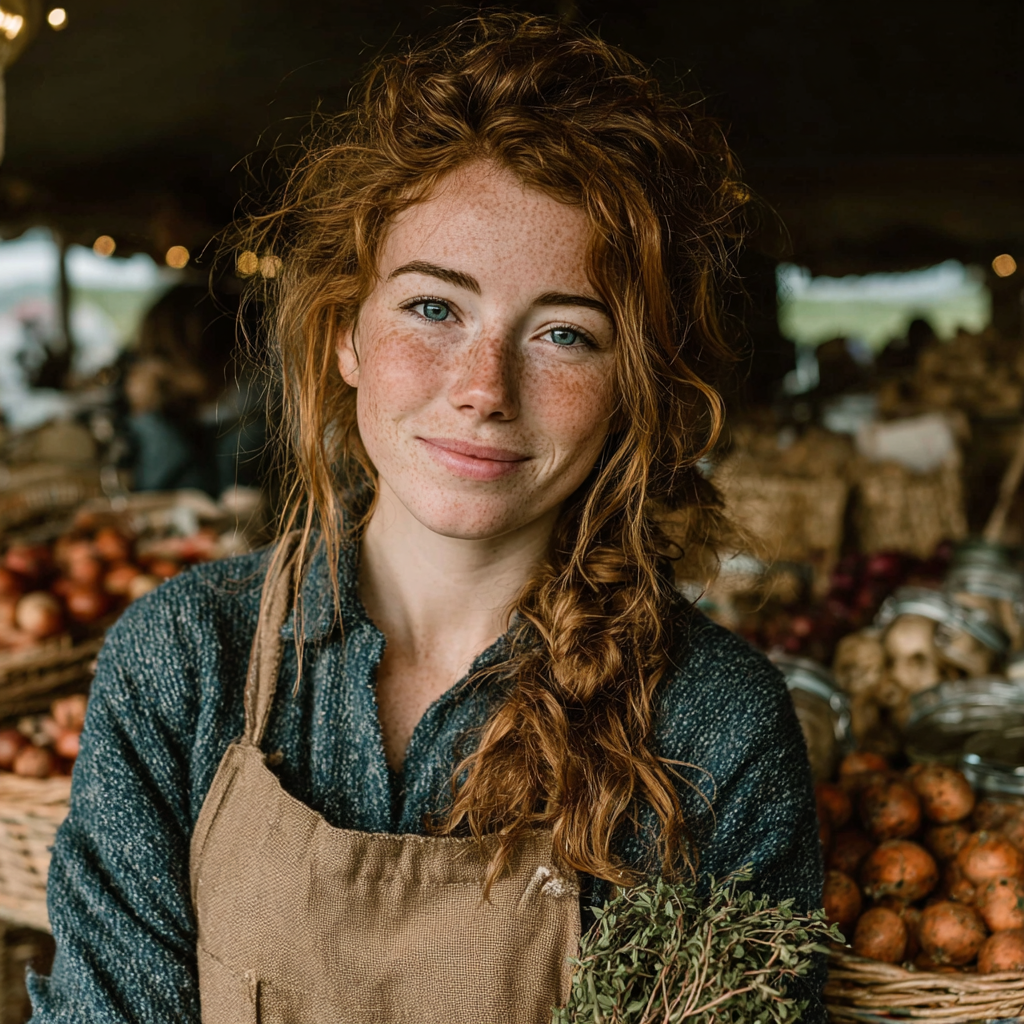
By Sophie Brennan
Irish food writer and historian based in Lisbon. Sophie combines her background in medieval history with a passion for contemporary gastronomy. She has written for Condé Nast Traveller and authored two cookbooks exploring Celtic and Iberian culinary traditions.