
Austin Unpacked: Live Music, Texas Tacos, and the City That Refuses to Be Normal
Austin, Texas, United States | Culture & History Guide By Finn O'Sullivan | Irish storyteller and folklorist. Finn hunts for the narratives that do not make guidebooks—the pub legends, the family feuds, the neighborhood heroes. He believes every street corner has a story if you know who to ask.
The Real Austin: More Than "Keep It Weird"
Austin sells itself as the anti-Texas Texas city. The slogan "Keep Austin Weird" has been stamped on t-shirts and bumper stickers since 2000, but the battle to preserve what makes this place different is older than that. What you're seeing when you walk South Congress Avenue or catch a show at the Continental Club is the result of decades of locals fighting to keep their city from becoming another generic sunbelt boomtown. Sometimes they win. Often they lose. But the fight itself has become part of the character.
This is not a city that reveals itself through landmarks or postcard views. Austin is experienced through sound, taste, and conversation. It is a city where the state government and the counterculture share the same zip code, where barbecue trailers and Michelin-caliber sushi coexist, and where the people who built the city's reputation are increasingly being priced out of it. To understand Austin, you have to understand that tension.
How Austin Became Austin: A Quick History
The city started as a political compromise. When Texas became a republic in 1836, the new government could not decide between Houston and the frontier settlement of Waterloo. They settled on Waterloo, renamed it after Stephen F. Austin, and spent the next century as a quiet state capital surrounded by ranch land. The University of Texas opened in 1883, but Austin remained small — barely 100,000 people in 1950. Then came the tech industry, the music scene, and the influx of newcomers that transformed a sleepy college town into one of America's fastest-growing cities.
The Texas State Capitol sits at the north end of Congress Avenue, a pink granite building that opened in 1888 and remains the largest state capitol in the country by square footage. The dome stands 308 feet tall, and you can tour the building for free. The guides will tell you about the 1882 construction and the 1983 renovation, but they might not mention that the building sits on land the state acquired after the Civil War, part of the systematic displacement that shaped Austin's early growth. The Capitol grounds host protests regularly — this is still a political town, and the state government employs over 40,000 people here.
Capitol Visitors Center: 112 E 11th St, Austin, TX 78701 | Free tours daily, 8:30 AM–4:30 PM | austin.capital.visit
The Music: Austin's True Religion
The Continental Club and the Legacy of Live Music
The music story starts in the 1970s. The Armadillo World Headquarters opened in 1970 in an old National Guard armory at the corner of Barton Springs Road and South First Street. It should not have worked — a hippie music venue in conservative Texas — but it became the crossroads where rednecks and longhairs discovered they both liked Willie Nelson and cheap beer. The Armadillo closed in 1980, but by then the template was set. Austin was where you could play country, blues, rock, and conjunto in the same week and find an audience for all of it.
That reputation solidified in 1975 when the PBS music show Austin City Limits started filming at the University of Texas television studio. The show moved to its permanent home at the Moody Theater in 2011, and you can still attend tapings for free if you enter the online lottery. But the real action happens in the clubs.
The Continental Club on South Congress has hosted steady gigs since 1957 — Stevie Ray Vaughan played here before anyone knew his name, and you can still catch Junior Brown's country guitar mastery on Monday nights. Cover charges range from free to $20 depending on the act. Arrive before 9 PM if you want a seat near the stage.
Continental Club: 1315 S Congress Ave, Austin, TX 78704 | Hours: Mon–Sun, 6 PM–2 AM | continentalclub.com
Antone's on East Fifth helped launch the blues careers of dozens of musicians. Founded by Clifford Antone in 1975, it has moved locations multiple times but remains a cornerstone of the Austin blues scene. The Broken Spoke on South Lamar has hosted dancing couples since 1964, and the floorboards still have the right amount of give for two-stepping. They offer free dance lessons on Wednesdays and Saturdays starting at 7 PM. The chicken-fried steak is worth the trip alone.
Broken Spoke: 3201 S Lamar Blvd, Austin, TX 78704 | Hours: Tue–Sat, 11 AM–midnight | thebrokenspoke.com
Sixth Street: Three Zones, Three Crowds
Sixth Street divides into distinct zones. The western end near Congress Avenue, nicknamed "Dirty Sixth," is where college students and bachelor parties crowd into bars with names like Shakespeare's and The Dizzy Rooster. It's loud, chaotic, and exactly what it looks like. Walk east past I-35 and you hit the East Sixth corridor, where the crowd changes — fewer tank tops, more tattoos, better cocktails.
The White Horse is here, a honky-tonk that opened in 2011 but feels like it's been around forever. They offer free two-step lessons on Wednesdays and Sundays. Cheer Up Charlies across the street has a patio that fills with locals on warm evenings. The drinks are affordable, the crowd is diverse, and the vibe is distinctly un-touristy.
The White Horse: 500 Comal St, Austin, TX 78702 | Hours: Mon–Sun, 4 PM–2 AM | thewhitehorseatexas.com
Cheer Up Charlies: 900 Red River St, Austin, TX 78701 | Hours: Mon–Sun, 4 PM–2 AM | cheerupcharlies.com
East Austin's Hidden Music Venues
The Victory Grill on East 11th Street opened in 1945 as a "Chitlin' Circuit" venue hosting Black musicians who could not perform at white clubs. It's still operating, now as a restaurant and occasional music venue. The history here is palpable — this was where Bobby "Blue" Bland and B.B. King played when segregation kept them out of downtown clubs.
Victory Grill: 1104 E 11th St, Austin, TX 78702 | Hours: Thu–Sun, 11 AM–10 PM | victorygrill.com
The Neighborhoods: Where Austin Lives
South Congress (SoCo): Gentrification in Real Time
South Congress Avenue, or SoCo, was a rundown strip of motels and auto shops in the 1980s. Now it's the city's main commercial drag, and the transformation illustrates both what's great and what's complicated about Austin. Jo's Coffee opened in 1999 and still serves the "Iced Turbo" that locals line up for — a sweet, caffeinated concoction that costs $4.50 and tastes like summer in Austin.
Jo's Coffee: 1300 S Congress Ave, Austin, TX 78704 | Hours: Daily, 7 AM–9 PM | joscoffee.com
The Hotel San José, originally a 1930s motor court, reopened in 2000 as a minimalist boutique hotel that helped gentrify the area. Rooms start at $250 per night, and the courtyard is a reliable spot for people-watching. Allen's Boots has been selling cowboy boots here since 1977 — the kind of place where you can drop $800 on exotic leather or find something functional for $150. The staff knows their stock and will fit you properly without rushing.
Allen's Boots: 1522 S Congress Ave, Austin, TX 78704 | Hours: Mon–Sat, 10 AM–7 PM; Sun, 11 AM–6 PM | allensboots.com
But the vintage shops and food trailers that gave SoCo its character have been pushed out by rising rents. The food trucks at South Congress and Monroe are still there, but the landowners have been trying to evict them for years. The tension between preserving character and maximizing profit is written into every storefront.
East Austin: The Front Line of Change
East Austin tells a different story than the downtown postcard version. This was historically the city's Black and Mexican-American neighborhood, segregated by deliberate city planning decisions in the 1920s. The 1928 city plan designated East Austin as the area where minority residents could access city services, effectively creating a racial boundary that persisted for decades. What followed was classic American urban renewal — the construction of I-35 in the 1960s cut through the neighborhood, displacing families and businesses. Now East Austin is ground zero for gentrification. The old homes sell for half a million dollars.
Franklin Barbecue, which started as a food trailer in 2009, has lines that start forming at 8 AM for brisket that often sells out before noon. The prices — $34 per pound for brisket — tell you who's eating there now. The wait is part of the experience, but it is also a barrier.
Franklin Barbecue: 900 E 11th St, Austin, TX 78702 | Hours: Tue–Sun, 11 AM–sold out | franklinbbq.com
But pockets of the old East Austin remain. Juan in a Million on East Cesar Chavez has been serving breakfast tacos since 1980. The "Don Juan" taco — eggs, bacon, potato, and cheese on a flour tortilla — costs $4.25 and has fueled generations of University of Texas students and hungover musicians. The restaurant opens at 7 AM and closes at 3 PM, and the line on weekend mornings moves fast but is never short.
Juan in a Million: 2300 E Cesar Chavez St, Austin, TX 78702 | Hours: Mon–Sat, 7 AM–3 PM | juaninamillion.com
The University of Texas and North Austin
The University of Texas campus anchors the northern edge of downtown, its 40,000 students providing the city with a permanent youthful energy and a reliable supply of cheap labor for the service industry. The UT Tower, built in 1937, offers an observation deck with views across the city — tickets are $6, and on clear days you can see the Hill Country rising to the west. The campus also houses the Lyndon Baines Johnson Presidential Library, worth visiting for the animatronic LBJ that tells Texas jokes and the extensive archives on the civil rights era.
UT Tower Observation Deck: 110 Inner Campus Drive, Austin, TX 78705 | Hours: Mon–Fri, 9 AM–5 PM; Sat, 10 AM–5 PM | Tickets: $6 | uttower.utexas.edu
LBJ Presidential Library: 2313 Red River St, Austin, TX 78705 | Hours: Daily, 9 AM–5 PM | Admission: $13 adults, $11 seniors, $5 students | lbjlibrary.org
The Food: Tacos, Barbecue, and Everything Else
The Essential Austin Food Experiences
The food scene extends beyond barbecue and tacos, though those remain the essential Austin experiences. Veracruz All Natural started as a food trailer and now has multiple locations serving migas tacos that rival anything in Mexico City. The migas taco — eggs scrambled with tortilla strips, pico de gallo, cheese, and avocado — costs $3.50 and is best eaten standing up at the trailer window.
Veracruz All Natural: Multiple locations; original trailer at 1704 E Cesar Chavez St | Hours: Daily, 7 AM–3 PM | veracruzallnatural.com
Uchi, opened by Tyson Cole in 2003, proved that high-end Japanese cuisine could thrive in Texas. Dinner here runs $150 per person without drinks, and you'll need a reservation weeks in advance. The omakase menu is the way to go if you can afford it — it showcases the best of what the kitchen is doing that night.
Uchi: 801 S Lamar Blvd, Austin, TX 78704 | Hours: Mon–Thu, 5 PM–10 PM; Fri–Sat, 5 PM–11 PM; Sun, 5 PM–10 PM | uchiaustin.com
For cheaper eats, Torchy's Tacos has expanded into a chain across Texas, but the original trailer on South First Street still operates, serving inventive combinations like the "Trailer Park" — fried chicken, green chiles, and queso on a flour tortilla. It is not authentic Mexican food, but it is undeniably Austin.
Torchy's Tacos (Original Trailer): 1822 S Congress Ave, Austin, TX 78704 | Hours: Daily, 7 AM–10 PM | torchystacos.com
Barbecue: The Austin Obsession
Beyond Franklin, Austin has a deep bench of barbecue options. La Barbecue on East Cesar Chavez serves Central Texas-style brisket with a shorter wait than Franklin. The pulled pork and sausage are both excellent, and the sides — particularly the chipotle coleslaw — are better than average. Micklethwait Craft Meats on Rosewood Avenue operates out of a trailer and produces some of the best brisket in the city. The beef rib, available on weekends, is a $35 commitment that feeds two people easily.
La Barbecue: 2401 E Cesar Chavez St, Austin, TX 78702 | Hours: Wed–Sun, 11 AM–sold out | labarbecue.com
Micklethwait Craft Meats: 1309 Rosewood Ave, Austin, TX 78702 | Hours: Wed–Sun, 11 AM–sold out | craftmeatsaustin.com
The Breakfast Taco Economy
Breakfast tacos are the unofficial food of Austin. They are cheap, portable, and available everywhere. Tacos Guadalupe on East 7th serves a solid bacon and egg taco for $2.50. Pueblo Viejo on East Riverside adds refried beans and cheese for $3. The quality varies, but the baseline is high. You are never more than a few blocks from a good breakfast taco in Austin.
Tacos Guadalupe: 1200 E 7th St, Austin, TX 78702 | Hours: Daily, 6 AM–2 PM
The Outdoors: Lady Bird Lake and the Greenbelt
Lady Bird Lake splits the city horizontally, a reservoir on the Colorado River that nobody swims in (the currents are unpredictable and the water quality questionable). Instead, people use the 10-mile Ann and Roy Butler Hike-and-Bike Trail that loops the lake. The trail passes under the Congress Avenue Bridge, home to the world's largest urban bat colony — 1.5 million Mexican free-tailed bats that emerge at dusk during warm months to hunt insects. The spectacle draws crowds, and the local businesses have learned to sell bat-themed merchandise to tourists. The bats are best viewed from March through October, with peak season in July and August.
Barton Springs Pool is a three-acre spring-fed swimming hole in Zilker Park that stays 68 degrees year-round — admission is $5 for residents, $9 for non-residents, and the people-watching is free. The pool is fed by the Edwards Aquifer and has been a gathering place for Austinites since the early 1900s. On summer weekends, it fills with a cross-section of the city: students, families, musicians, and politicians.
Barton Springs Pool: 2201 Barton Springs Rd, Austin, TX 78704 | Hours: Daily, 5 AM–10 PM (closed Thu, 9 AM–7 PM for cleaning) | Admission: $5 residents, $9 non-residents | austintexas.gov/bartonsprings
For a more rugged outdoor experience, the Barton Creek Greenbelt offers 12 miles of trails through limestone bluffs and swimming holes. The water levels vary dramatically depending on rainfall, but when the creek is running, spots like Twin Falls and Sculpture Falls are worth the hike. The main trailhead is at Zilker Park, and the full out-and-back hike is about 14 miles.
Barton Creek Greenbelt Trailhead: 3755 S Capital of Texas Hwy, Austin, TX 78704 | Free access | austintexas.gov/greenbelt
What to Skip: The Austin Tourist Traps
Dirty Sixth Street on weekend nights. The western end of Sixth Street near Congress Avenue is a concentrated zone of binge drinking, chain bars, and noise. If you are over 25 or value your hearing, avoid it after 10 PM on Fridays and Saturdays. The crowd is almost entirely college students and bachelor parties, and the bars are interchangeable.
South by Southwest during the festival weeks. Unless you have industry credentials and a specific agenda, SXSW in March is a nightmare of inflated prices, impossible reservations, and crowds that make normal Austin activities inaccessible. Hotel rates triple. Restaurant reservations disappear. The locals either leave town or hide. If you want to experience Austin, come literally any other time of year.
The "I Love You So Much" mural. The mural on the side of Jo's Coffee on South Congress is a popular photo spot, but it represents the most Instagram-friendly, least authentic version of Austin. Take the photo if you must, but do not mistake it for local culture. The real Austin is happening in the conversations at the coffee counter, not in front of the wall.
Rainey Street during peak hours. Rainey Street has become a dense cluster of bars housed in converted bungalows, and while it has character, it is also a magnet for bachelor parties and out-of-town crowds. The waits are long, the drinks are overpriced, and the atmosphere is more touristy than locals prefer. If you go, arrive before 6 PM or skip it entirely.
Practical Logistics: Getting Around and Staying Comfortable
Transportation
Austin's public transit is limited but functional. CapMetro operates buses and a single rail line that connects downtown to North Austin and Leander. The bus system covers most of the city, but frequencies are low outside the central corridor. A day pass costs $2.50 and is valid on all buses and the rail.
Rideshare services (Uber and Lyft) are widely available and often the most practical option for getting to East Austin or the outskirts. Parking downtown is expensive — expect $20–$40 for event parking near the Capitol or Sixth Street. Street parking is cheaper but competitive, especially on weekends.
Biking is a viable option for central Austin. The city has a bike-share program with stations around downtown and the university area. The Ann and Roy Butler Hike-and-Bike Trail is fully separated from traffic and is the best way to move between South Congress, downtown, and East Austin on a nice day.
Best Time to Visit
March through May and September through November are the sweet spots. Spring brings wildflowers — particularly bluebonnets — and comfortable temperatures. Fall is similarly mild and includes the Austin City Limits Music Festival in October. Summer (June through August) is brutally hot, with temperatures regularly exceeding 100°F and humidity that makes outdoor activity uncomfortable after 10 AM. Winter is mild but unpredictable; ice storms occasionally shut down the city for days.
Accommodation
South Congress puts you in the heart of the action, but prices are high. The Hotel San José ($250+/night) and the Austin Motel ($180+/night) are both characterful options. East Austin offers better value and more local flavor, with boutique options like the Native Hostel ($80–$120 for dorm beds, $200+ for private rooms) and a growing number of Airbnb rentals. Downtown is convenient for nightlife and the Capitol but lacks neighborhood feel.
Budget Notes
Austin is not a cheap city. The median home price crossed $600,000 in 2024, and the cost of living has risen sharply. Budget travelers can survive on breakfast tacos ($2.50–$5), barbecue trailer plates ($12–$18), and free music at the Continental Club on no-cover nights. A moderate budget should plan for $80–$120 per day for food, transit, and activities. Splurge experiences like Uchi or a night at a South Congress hotel will push that higher.
The Author's Take: Why Austin Matters
What complicates the "Keep Austin Weird" narrative is the reality of who can afford to live here anymore. The artists and musicians who built the city's reputation are increasingly pushed to the suburbs or out of the area entirely. South by Southwest, the music and tech festival that started in 1987 as a small industry gathering, now draws hundreds of thousands of visitors and has become a symbol of the city's transformation — equal parts opportunity and exploitation.
Still, there's something real underneath the marketing. You see it at the Continental Club at midnight when a local band plays to a crowd that knows every word. You see it at the Barton Springs Pool, where the water is always 68 degrees and the people-watching is free. You see it in the persistence of places like the Broken Spoke, holding on against the condominium developments that surround it.
Austin is not the weird utopia it claims to be. It's a growing city grappling with the same housing crises, inequality, and traffic problems as every other American boomtown. But the concentration of creative people, the legacy of live music, and the stubborn belief that Texas can accommodate something different — those things are genuine. The city rewards curiosity. Walk past the obvious spots. Talk to the bartenders. Show up early for the music. And bring cash for the taco trucks — many still do not take cards.
Last updated: June 2026
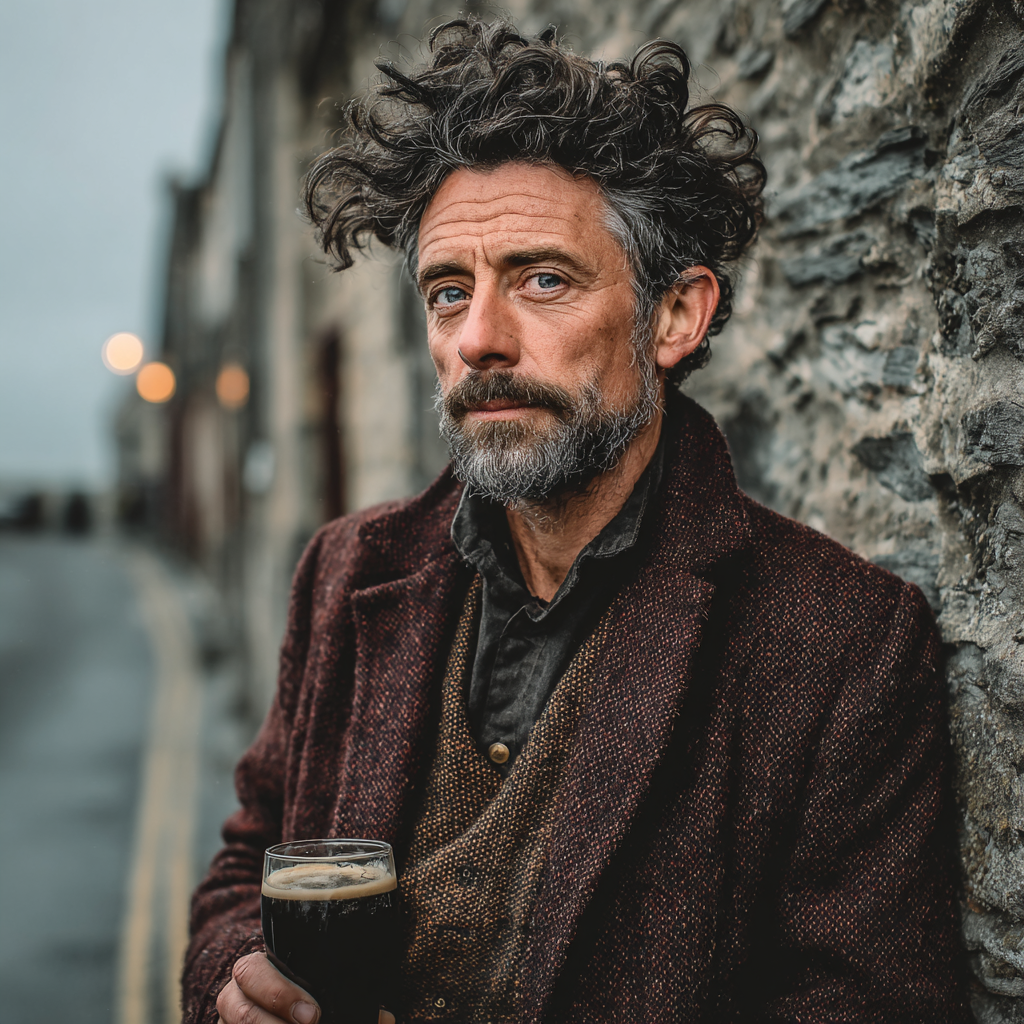
By Finn O'Sullivan
Irish storyteller and folklorist. Finn hunts for the narratives that do not make guidebooks—the pub legends, the family feuds, the neighborhood heroes. He believes every street corner has a story if you know who to ask.