
Denver Beyond the Rockies: Where Cowboy History, Street Art, and Craft Culture Collide
Denver sits exactly one mile above sea level, but altitude is the least interesting thing about it. Most visitors use the city as a launchpad for the Rockies, which is a mistake. The city has its own layered identity—cowboy heritage meets craft beer revolution, Victorian mansions share blocks with industrial-chic art districts, and a 26-mile commercial street carries stories from the 1960s counterculture to today's $16 cocktail bars. What Denver offers is not mountain access alone. It offers a city that figured out how to keep its rough edges while building something genuinely new.
The first thing to understand: Denver is not a mountain town. The Front Range sits 12 to 15 miles west, visible on clear days but separate from the urban grid. What you get instead is a city of neighborhoods, each with a distinct personality forged by different waves of settlers, industries, and reinvention. The trick is knowing which neighborhoods reward exploration and which ones exist mainly to extract tourist dollars.
The Lay of the Land: Understanding Denver's Geography
Denver's downtown grid is compact and walkable. The South Platte River runs through the center, separating LoDo (Lower Downtown) from the Highland neighborhoods to the northwest. The 16th Street Mall, designed by I.M. Pei in 1982, forms the spine of downtown transit. After a $175 million rebuild, the mall fully reopened in October 2025 with new landscaping, lighting, and a quieter pair of electric MallRide shuttles gliding end to end every few minutes. The red, white, and gray granite pattern underfoot—meant to evoke Colorado's geological layers—survived the renovation. Look down occasionally and you'll notice it.
The city's neighborhoods radiate outward from this core. RiNo (River North) lies northeast of downtown, once industrial warehouses, now murals and breweries. Capitol Hill sits southeast, the city's first wealthy neighborhood from the 1880s, then a counterculture hub in the 1960s, now a mix of both. The Highlands, northwest across the river, have become the city's most interesting food corridor. Further out, Berkeley and Regis offer fewer tourists and more locals.
This matters because Denver is a city of microclimates and microcultures. You can walk from a Victorian mansion district to a warehouse art district in twenty minutes, and the transition is abrupt. The city rewards pedestrians who pay attention to these boundaries.
The Neighborhoods: Where Denver's Character Lives
RiNo: From Warehouses to Walls
RiNo (River North Art District) was industrial warehouses until artists started moving in around 2005. Now it's murals, galleries, and some of the most experimental food in the city. The Crush Walls festival, traditionally the first full week of September (dates shift yearly—check crushwalls.org), brings street artists from around the world to paint large-scale pieces on building exteriors. Walk Larimer Street between 27th and 30th to see the concentration. The works rotate—what you see in September might be partially painted over by the following spring, which is part of the point.
The neighborhood's industrial bones are still visible. The Source, a food hall and artisan market at 3350 Brighton Boulevard, occupies a former 1880s ironworks foundry. The exposed brick and steel beams are original. Vendors include a bakery, a butcher, a cheese shop, and a craft brewery. The central communal tables fill quickly on weekends; arrive before 11 AM if you want a seat without hovering.
For a quieter version of RiNo's creative energy, visit on a weekday morning. The streets are nearly empty, the murals unobstructed by pedestrians, and you can photograph the large-scale pieces without competing for angles. The alley behind the Taxi development (3455 Ringsby Court) has some of the most technically impressive pieces.
Capitol Hill: Victorian Grandeur and Counterculture Ghosts
Capitol Hill has a different history. This was the city's first wealthy neighborhood in the 1880s, then a counterculture hub in the 1960s, now a mix of both. The contrast is the point. The Molly Brown House Museum sits at 1340 Pennsylvania Street. Margaret Brown survived the Titanic and became a labor activist and actress. The house is a 7,700-square-foot Queen Anne built in 1889, stocked with original fixtures and the Leadville mining maps from which J.J. Brown struck it rich. Self-guided admission runs $17 ($15 for Colorado residents); guided docent tours, worth the upgrade, are $22. Hours are Tuesday–Saturday 10 AM–5 PM, Sunday noon–4 PM, with extended Thursday hours to 7 PM. Weekends sell out—book online at mollybrown.org. The museum also runs after-hours "1340 Penn" evenings with themed cocktails and deeper storytelling.
Less famous but more alive: the Bluebird Theater on East Colfax Avenue. Built in 1913 as a movie house, it's now a 550-capacity music venue. The sloped floor and original balcony make sightlines surprisingly good. Tickets for most shows run $25-45. The venue is general admission; arrive when doors open if you want a balcony spot. The Colfax corridor itself deserves attention—this is the longest commercial street in America, running 26 miles through the metro area. The section through Denver has a reputation that dates to the 1960s when governor John Love called it "the longest, wickedest street in America." The reality is more complicated. Some blocks are gentrified with breweries and boutiques, others still feel rough. The stretch between York and Monroe has the best concentration of vintage neon signs. The Bluebird, the Ogden Theatre (935 E. Colfax, built 1917), and the Fillmore Auditorium (1510 Clarkson Street, built 1907, originally a roller rink) are all within two miles.
The Highlands: Where Denver's Food Scene Migrated
The Highlands neighborhood, northwest of downtown, has become the city's most interesting food corridor. Old major industry families built mansions here in the 1880s, then the neighborhood declined in the mid-20th century. Revitalization started in the 1990s. Now Tejon Street and 32nd Avenue have the highest concentration of independent restaurants in the city.
Linger occupies a former mortuary at 2030 W. 30th Avenue. The sign out front still says "Olinger." The rooftop bar overlooks downtown and fills completely by 6 PM on summer evenings. The menu is global street food—small plates meant for sharing. The sweet potato falafel has been on the menu since the restaurant opened in 2011. Avanti F&B, at 3200 N. Pecos Street, is a food hall in a former printing plant with a rooftop bar and views of the downtown skyline. Seven rotating vendors operate inside; the lines are longest for the pizza and the bao buns. The rooftop has heat lamps and stays open until 10 PM most nights.
Little Man Ice Cream, at 2620 16th Street, is a Denver landmark housed in a 28-foot-tall milk can. The Salted Oreo flavor is the bestseller. The line on summer evenings routinely stretches around the block. The wait is 15-20 minutes, which locals accept as part of the experience. The shop takes cards, opens daily from late morning, and runs until 11 PM on weekends.
For a different neighborhood experience, try Berkeley and Regis. These northwest neighborhoods have fewer tourists and more locals. The Oriental Theater at 4335 W. 44th Avenue is a 1927 movie palace turned concert venue. The nearby stretch of Tennyson Street has independent bookstores, coffee shops, and the BookBar, which combines a bookstore with a wine bar. The Berkeley Park and Lake loop is 3 miles, popular with runners. On summer evenings, the lake reflects the sunset over the mountains.
Food and Drink: Beyond the Meat-and-Potatoes Reputation
The city's food scene has outgrown its reputation. The 2026 Colorado MICHELIN Guide (released September 2026) counts ten starred restaurants across Denver, Boulder, and Aspen—Denver holds the lion's share, plus dozens of Bib Gourmand and "Selected" picks. Beckon holds a star, as do The Wolf's Tailor (two stars), Alma Fonda Fina, and relative newcomer Milpero. The distribution is neighborhood-based, which means your dining experience depends heavily on where you choose to eat.
Where the Locals Eat
Work & Class in RiNo serves Latin American comfort food at 2336 Larimer Street. The braised beef with roasted potatoes and green chile is the signature dish. The restaurant is small, loud, and doesn't take reservations for parties under six. Arrive at 5 PM when doors open, or expect a 45-minute wait. The green chile is the real thing—New Mexico-style, made with Hatch peppers, not the Texas version with tomatoes.
Root Down in the Highlands occupies a converted 1950s gas station at 1600 W. 33rd Avenue. The menu changes seasonally but the sweet potato falafel has been on there since 2008. The dining room has garage doors that open to a patio with views of downtown. Brunch is served Saturday and Sunday from 9 AM to 2 PM. The wait for brunch routinely exceeds an hour; reservations are essential and release 30 days in advance.
El Taco de Mexico at 714 Santa Fe Drive is a Chicano institution. The chile relleno burrito costs around $11 and has been on the menu since 1985. The dining room is fluorescent-lit and cash-only. The green chile here is milder than Work & Class's version, made for daily eating rather than special occasions. This is the kind of place where construction workers and state legislators share tables at lunch.
For a completely different experience, Beckon in RiNo (2843 Larimer Street) offers a tasting menu-only experience: twenty-odd seats at a counter in a converted warehouse, one seating per evening, roughly $185–200 per person before the optional ~$100 wine pairing. The menu changes with the seasons. Reservations release on Tock a month out and sell out within hours. This is Denver's most sought-after reservation—book it the day it drops.
The Brewery Heritage
Denver's brewery scene is older than most Americans realize. Wynkoop Brewing Company opened in 1988 at 1634 18th Street, before craft beer had a name. Co-founder John Hickenlooper went on to become mayor, then governor, then senator. The brewery occupies a 19th-century warehouse on Wynkoop Street. The Railyard Ale, named for the Union Station rail yards across the street, is still brewed on the original system. The bar opens at 11 AM daily. Pool tables occupy the upstairs mezzanine; the tables are free and fill by 7 PM on weekends.
For something more experimental, Great Divide Brewing Company's Ballpark location at 1812 33rd Street produces their Yeti Imperial Stout, which clocks in at 9.5% ABV and has been their flagship since 2003. The taproom has 16 rotating handles, including experimental small batches available only on-site. Free tours run on weekend afternoons—check the website for current times and arrive 15 minutes early.
Denver Beer Co. at 1695 Platte Street in LoHi is a local favorite with a sprawling patio. The pretzels are made in-house and served with beer cheese. The brewery is dog-friendly and fills with locals on summer evenings. The GABF Gold-winning Pumpkin Ale returns seasonally from September through November.
And about that acronym: the Great American Beer Festival, the industry's flagship event, reinvented itself in 2026—moving from the Colorado Convention Center to Levitt Pavilion at Ruby Hill Park, an outdoor amphitheater format held October 10–11, 2026 with a capacity closer to 7,500 than the old convention-hall sprawl. Smaller, weirder, and very Denver. If you're visiting in October, it's now the marquee event; if you're visiting in fall generally, expect hotel prices to spike that weekend.
Museums and Culture: The City's Complicated Story
The city's museum district sits in Civic Center Park, between the State Capitol and the City and County Building. This area is walkable from downtown and worth a full day.
Denver Art Museum
The Denver Art Museum's Hamilton Building, designed by Daniel Libeskind, opened in 2006. The angular titanium-clad structure looks like it's about to take flight. The collection includes strong Western American art and Oceanic pieces. General admission runs $27–30 for non-resident adults ($22–25 for Colorado residents, slightly higher on peak Friday–Sunday slots), and remains free for visitors 18 and under. The museum is open daily 10 AM–5 PM with extended hours until 8 PM on Tuesdays; during big ticketed shows, Wednesdays can be reduced to the Hamilton Building only—check denverartmuseum.org before you go. The Indigenous Arts of North America galleries are particularly strong—plan at least an hour for this section alone.
The headline of 2026 is DIVA (October 4, 2026–January 31, 2027): 250 years of opera, stage, and screen costume organized by London's V&A, with Denver as the exhibition's only US venue. Céline Dion's crystal Oscars gown, Marilyn Monroe's diamonds, Pedro Almodóvar's film wardrobe—it's a costume-lover's fever dream and a genuinely ambitious get for a mid-size museum. Timed tickets start around $29 for non-members ($7 for members) on top of general admission and will sell out on weekends; book weeks ahead.
Clyfford Still Museum
Next door, the Clyfford Still Museum is dedicated entirely to the Abstract Expressionist painter. The building by Allied Works Architecture uses poured concrete walls that filter natural light. Still's estate donated 95% of his work to the city in 2004, making Denver the world's center for his art. Admission is $18 for non-residents ($15 for Colorado residents), free for visitors 17 and under. The museum is smaller than the DAM—most visitors spend 45 minutes to an hour. It's closed Mondays, open Tuesday–Sunday 10 AM–5 PM. The first Friday of every month is pay-what-you-wish (as little as a penny online), and several SCFD free days run through 2026—check the museum's calendar.
History Colorado Center
The History Colorado Center, a block away at 1200 Broadway, tells a more complicated story. Exhibits cover the Sand Creek Massacre of 1864, when Colorado militia killed 230 Cheyenne and Arapaho people, mostly women and children. The museum doesn't shy away from this history. Admission is $15, open daily 10 AM–5 PM. The "Zoom In" exhibit on the second floor uses artifacts to trace Colorado history from Indigenous peoples through the modern era. Plan 90 minutes for a full visit.
The State Capitol
The nearby State Capitol building offers free tours on weekdays—generally hourly from mid-morning to mid-afternoon; check leg.colorado.gov for the current schedule. Climb to the dome's observation deck—it's 99 steps, but you're already a mile up, so why stop now? The view encompasses the Front Range on clear days. The gold dome was added in 1908; the gold leaf was reapplied in 2013. The "Beulah" marble in the interior comes from a single Colorado quarry and has distinctive red veins.
Outdoor Life: The City Within the Landscape
For outdoor access without leaving city limits, head to Red Rocks Park and Amphitheatre. The amphitheater is a 9,500-seat venue built into natural rock formations 15 miles southwest of downtown. Even without a concert ticket, you can visit during the day. The Trading Post Trail is a 1.4-mile loop through the park's otherworldly red sandstone formations. The elevation gain is minimal, but the rock scrambling keeps it interesting. The amphitheater's visitor center has exhibits on the geology and concert history—The Beatles played here in 1964, Jim Morrison was arrested on stage in 1969. The park opens one hour before sunrise and closes one hour after sunset. Parking is free during non-event days.
The South Platte River Trail, a 40-mile bike path, runs through the city center. Rent a cruiser at Confluence Park, where Cherry Creek meets the Platte. The water quality has improved enough that kayakers practice rolls in the artificial rapids here. The trail connects LoDo to the REI flagship store at 1416 Platte Street, housed in a converted 1901 powerhouse. Even if you're not buying gear, the building is worth seeing—exposed brick, original timber beams, and a 47-foot climbing wall. The store opens at 10 AM daily; the climbing wall opens at noon.
City Park, east of downtown, covers 330 acres and includes the Denver Zoo and the Denver Museum of Nature & Science. The park's Ferril Lake has a 1.5-mile loop popular with joggers. The boathouse rents paddle boats in summer, about $15 per half hour. The park's tree collection includes specimens from every continent except Antarctica.
When to Come: Timing Your Trip
Denver earns its "300 days of sunshine" reputation—more than San Diego or Miami—but the seasons behave differently at 5,280 feet. Summer brings 90°F afternoons, dramatic thunderstorms, and packed patios. Winter dumps snow that usually melts off city streets within 48 hours while the mountains keep it; locals ski weekday mornings and eat lunch outside. The sweet spot for a city-focused visit is September through early November: Crush Walls kicks off the art season in early September, aspens turn gold in the high country late September into early October, the Great American Beer Festival lands October 10–11, and DIVA opens October 4 at the DAM. Shoulder-season hotel rates are friendlier, too. If you come in ski season, know that I-70 to the mountains is a parking lot from 3 PM Friday to 7 PM and again Sunday afternoons—plan around it or don't plan mountains at all.
Visas, Money, and Manners
International visitors need a US visa or ESTA (visa-waiver travelers, ~$21, apply at the official CBP site—beware copycat "ESTA assistance" sites that charge triple). Cards and phone payments are accepted nearly everywhere, including food trucks; you can get through a whole trip cash-free. The surprises hit at the register: Denver's combined sales tax runs just over 9%, prices are listed pre-tax, and restaurant tipping of 18–20% is non-negotiable custom. Alcohol rules are a quirk—grocery stores sell full-strength beer and wine, but spirits only at liquor stores; and legal cannabis is for adults 21+ at licensed dispensaries with public consumption still illegal.
Honest Math: What Denver Costs
Denver is a mid-priced American city. A lean day—breakfast burrito from a counter spot ($8–12), RTD day pass, one paid museum, happy-hour beer, and a green-chile dinner at a counter—runs $120–160 per person excluding lodging. A comfortable day with a big museum day, a nice dinner with drinks, and a rideshare or two lands at $250–350. Add a concert at Red Rocks, a Beckon counter seat, or a splurge hotel and $500+ disappears fast. Lodging runs roughly $50–70 for a hostel bunk or budget room, $150–220 for a solid mid-range hotel (add roughly 15–16% in lodging taxes), and $350–550 for the Crawford or Brown Palace tier. The free ledger is genuinely strong: Red Rocks by day, the State Capitol dome, SCFD free museum days, mural walks, and the Platte River Trail cost nothing.
Practical Logistics: Getting Around and Staying Healthy
Denver International Airport sits 25 miles east of downtown, connected by the A Line commuter train from Union Station. The ride takes 37 minutes and costs $10—the Airport Day Pass covers all RTD trains and buses for the whole day, so don't buy a second ticket for the return leg. Trains run every 15 minutes at peak, every 30 minutes overnight. RTD overhauled its fares in 2024: a local 3-hour pass is $2.75, an all-day local pass $5.50, and riders 19 and under ride free. You can tap a contactless credit card or phone directly at the validators (no app needed)—or use the RTD app. One current quirk: downtown track reconstruction has the D, H, and L light-rail lines suspended through early 2027, with the C Line reinstated and a temporary T Line covering parts of the gap; buses cover the rest. None of this affects the airport line.
Denver's altitude affects some visitors. The air is thinner, which means alcohol hits harder and dehydration comes faster. Drink more water than you think you need. The sun is more intense—SPF 30 minimum, even in winter. The first day at altitude should be low-key; serious hiking or skiing is better left for day two or three.
The city is bike-friendly, with protected lanes on 15th Street, Arapahoe Street, and others. Dockless e-bikes and scooters from Lyft and Lime cover the core; expect $1 to unlock plus per-minute pricing. The South Platte River Trail remains the best route for casual riding—flat, scenic, and well-maintained.
Weather in Denver follows its own logic. Winter temperatures can swing 40 degrees in a single day. Don't fight the forecast—layers. This makes Denver a viable year-round base for outdoor activities. In January, you can ski in the morning and have lunch on a sunny patio.
Accommodation clusters in three areas: LoDo (walking distance to Union Station and nightlife), Capitol Hill (walkable to museums, more character), and the Highlands (quieter, better restaurants). Avoid the cluster of chain hotels along the freeway near the convention center unless you're attending a conference there. The Crawford Hotel in Union Station is expensive ($350-550 per night) but convenient. For budget options, Hostel Fish in LoDo at 1217 20th Street has dorm beds from about $50 and private rooms from about $110, plus a rooftop bar with downtown views.
What to Skip: Tourist Traps and Time Wasters
The 16th Street Mall itself is a mile-long pedestrian transit mall, and even after its 2025 glow-up the street-level retail is mostly chain stores. Look up at the architecture—the D&F Tower (1910), modeled after St. Mark's Campanile in Venice, is worth noticing—but don't spend serious time shopping here. Ride an electric MallRide shuttle end to end once for the orientation, then get off and walk the interesting blocks.
The cluster of chain hotels and chain restaurants along the freeway near the convention center is functional but soulless. If you're not attending a convention, there's no reason to stay or eat in this area. The same brands exist in every American city.
Larimer Square, while historic, has become a concentration of upscale chain restaurants and tourist-oriented bars. The Victorian buildings are beautiful, but the businesses inside are mostly interchangeable with other upscale shopping districts. Walk through for the architecture, then eat elsewhere.
Red Rocks on a concert night is magical. Red Rocks on a weekend afternoon without a concert is crowded with tourists taking selfies on the same rock formations. Visit on a weekday morning for the best experience.
Meow Wolf's Convergence Station, the psychedelic art-installation complex near downtown, is the city's most divisive ticket: around $37 and up for 2–3 hours of maximalist immersion. If interactive art playgrounds are your thing, go early on a weekday. If they aren't, skip it without guilt and put the money toward Beckon or a Red Rocks show.
About the Author
Elena Vasquez writes about culture, history, and food in cities that most guidebooks reduce to checklists. She spent three years in Denver's Highland neighborhood, biking the South Platte River Trail daily and developing opinions about green chile that she will share whether asked or not. She believes the best way to understand a city is to eat where the construction workers eat, then walk enough to justify the next meal. Her work has appeared in publications focusing on urban culture, food systems, and the stories that make cities worth living in.
Final Notes
Denver's best feature is its lack of pretension. This is a city that built a major performing arts complex in cowboy boots and jeans. The dress code is casual everywhere except the most expensive restaurants. People talk to strangers on buses. The outdoor culture means most social plans involve some form of physical activity. Don't fight it—rent the bike, hike the trail, drink the beer. That's why you're here. But don't skip the museums, the murals, and the neighborhoods that tell the city's actual story. The mountains will wait. The city won't stay the same.
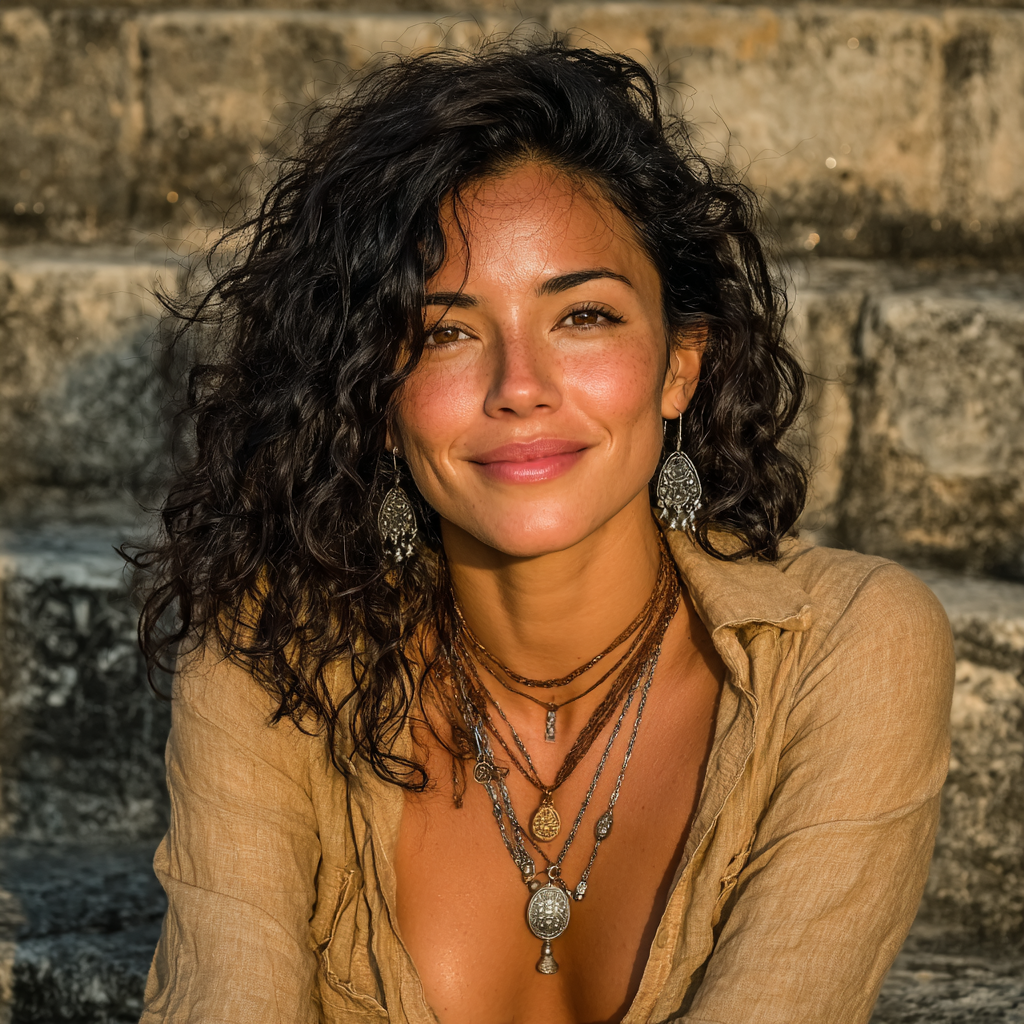
By Elena Vasquez
Cultural anthropologist and culinary storyteller. Elena spent a decade documenting traditional cooking methods across Latin America and the Mediterranean. She holds a PhD in Ethnography from Barcelona University and believes the best way to understand a place is through its kitchens and ancient streets.