
Dallas, Texas: Where JFK, Blues, and Barbecue Collide — A Traveler's Guide to the City That Built Its Own Mythology
By Elena Vasquez — Culture & History Specialist Explore Dallas's defining sites, from Dealey Plaza and the Sixth Floor Museum to the free Dallas Museum of Art, Deep Ellum's blues dens, and the barbecue joints where brisket now costs more than your flight upgrade. The essential 2026 guide to Big D.
I came to Dallas expecting a oversized airport with a city attached. What I found instead was a place that treats its own mythology like a contact sport — a city that rebuilt itself around one terrible minute in 1963, then spent sixty years quietly becoming one of the most interesting cultural hubs in the American South.
Dallas is a city of neighborhoods, each with its own distinct personality. Downtown and the Arts District offer world-class museums and performances. Deep Ellum pulses with live music and street art. Bishop Arts District charms with boutiques and cafes. And everywhere, there's that unmistakable Texas confidence — bigger, bolder, and unapologetically itself.
After multiple visits and countless miles on the Katy Trail, I've mapped out the essential Dallas experience. Whether you're here for the history, the food, or the sheer audacity of the place, this guide will help you navigate a city that rewards the curious traveler.
The Practical Stuff
Getting There and Around: Dallas/Fort Worth International Airport (DFW) is a major hub served by nearly every airline. The DART Orange Line runs straight from Terminal A to downtown for just $3 (about 50 minutes) — buy on the GoPass app or just tap a contactless credit or debit card, because DART now accepts tap-to-pay with fare capping (you'll never pay more than a day pass). The commuter-rail Silver Line reaches Terminal B, and since August 2026 the TRE LINK shuttle connects the TRE commuter line to Terminal B as well. Love Field (DAL) is closer to downtown, served by Southwest and Alaska — a 15-minute rideshare or a bus connection. Once in the city, DART light rail ($3 for a 3-hour pass, $6 local day pass, or $9 regional as of the March 2026 fare simplification) connects major neighborhoods. Downtown, the free M-Line vintage trolley rattles up McKinney Avenue, and the $1 Oak Cliff streetcar links the Bishop Arts area. Honestly? Rideshare is cheap here and the city is sprawling — most visitors mix DART for airport/downtown runs with Uber elsewhere.
When to Come: Spring (March–May) brings wildflowers, patio weather, and the Arboretum's half-million blooms. Fall (September–November) offers State Fair season and football fever. Summer is brutally hot — we're talking 100°F-plus afternoons in July and August — but hotel prices drop and the museums are air-conditioned. Winter is mild with occasional ice storms that shut the city down (locals still talk about the 2021 grid failure).
Weather Reality Check: Dallas weather changes fast. I've experienced 80°F sunshine and a hailstorm within the same weekend. Check forecasts, pack layers, and never trust a clear morning in spring.
Budget Honest Math: Dallas isn't cheap anymore. A backpacker/hostel day runs $120–180, a comfortable mid-range day $220–350 (hotel $150–250, meals $60–80, activities $40–60), and a luxury blowout $500+. Brisket inflation is real — budget $30–45 per person for a proper barbecue lunch. Add ~13% hotel occupancy tax to every room rate. Museum lovers catch a break: the DMA is free, the Nasher is free the first Saturday of each month, and Dealey Plaza itself costs nothing.
Entry Formalities: Domestic travelers need only ID. International visitors: the US requires a visa or ESTA authorization ($21, apply at least 72 hours ahead) for Visa Waiver Program countries. Tipping 18–20% is non-negotiable at restaurants.
Where to Stay
Downtown/Arts District: For first-timers who want to walk to museums and the Sixth Floor. The Joule (1530 Main St) remains the city's design flagship — that cantilevered rooftop pool over Main Street is pure Dallas drama ($350–500/night). The Statler (1914 Commerce St) delivers retro-modern cool with a rooftop pool and some of the best downtown views ($250–400). Both put you steps from Klyde Warren Park and the DMA.
Uptown: Walkable (by Dallas standards), packed with restaurants and the Katy Trail. NYLO Dallas South Side (1325 S Lamar St) offers loft-style rooms around $140–220. It's an easy Uber to everything.
Deep Ellum: For music lovers and night owls. The neighborhood has boutique options and Airbnbs in converted warehouses. You'll hear bass through walls on weekends — embrace it or stay elsewhere.
Budget: HI Dallas (The Door hostel) runs $35–50 for a dorm bed — basic but sociable, with private rooms available. Airbnbs in Oak Cliff or East Dallas offer better value than downtown hotels.
What to Do
Dealey Plaza and the Sixth Floor Museum
Some places earn their weight in history. Dealey Plaza — that modest grassy hollow where Elm Street curves past red-brick warehouses — is one of them. Stand on the Grassy Knoll. Look up at the white X's painted on the roadway that pilgrims still seek out (the city paves over them; someone always puts them back). The whole plaza is free and open, and it remains quietly devastating.
The Sixth Floor Museum at Dealey Plaza (411 Elm St) occupies the former Texas School Book Depository. The exhibit traces November 22, 1963 through photographs, artifacts, and the building's own geometry — you can stand near the corner window and understand, with terrible clarity, how it happened. In 2026: open Wednesday through Sunday, 10 a.m.–5 p.m.; closed Mondays and Tuesdays, last entry 4:15 p.m. Timed tickets strongly recommended at jfk.org — online prices are $24 adult, $22 senior, $20 youth (6–18); buying at the door runs $27/$25/$23, and kids under 6 are free. Budget 90 minutes. The museum handles the assassination with restraint and rigor, which is exactly right.
The Arts District and the Museums That Anchor It
The Dallas Arts District — the largest contiguous urban arts district in the country, 68 acres of it — punches absurdly above its weight.
The Dallas Museum of Art (1717 N Harwood St) is the crown: general admission is free (grab a free timed ticket online), Tuesday–Sunday 11 a.m.–5 p.m., closed Monday. Its collection spans 5,000 years — towering contemporary atrium installations, a stellar pre-Columbian wing, and rotating exhibitions that run $10–25 (ticketed exhibitions are free on the first Sunday of each month, at least through 2026).
Next door, the Nasher Sculpture Center (2001 Flora St) is a Renzo Piano glass box opening onto a tranquil sculpture garden — Matisse, Giacometti, Rodin, Serra — with free admission the first Saturday of every month; otherwise $10 adults. It's my favorite reset button in Dallas: an hour here and the city's swagger softens into something contemplative.
Across Flora Street, the AT&T Performing Arts Center — the Winspear Opera House (that glowing red glass drum) and the Meyerson Symphony Center (acoustics that make orchestras weep with joy) — hosts everything from the Dallas Opera to touring Broadway. Same-day rush and standing-room deals can drop opera tickets to $30 or less; regular performances run $40–150.
And the one the old guide forgot: the Perot Museum of Nature and Science (2201 N Field St) — that cube-shaped building that looks like it's tumbling toward the freeway. Inside: a seismic floor that simulates earthquakes, a genuine T. rex, one of the country's great gem-and-mineral halls, and five more floors of hands-on science. Admission runs about $27 adults, $17 kids 2–12; open Monday and Wednesday–Saturday 10 a.m.–5 p.m., Sunday 11 a.m.–5 p.m., closed Tuesdays (holiday weeks excepted). Two blocks from Akard Station; on-site parking $10. With or without kids, budget three hours.
Between the museums, Klyde Warren Park — a 5-acre deck park built over the Woodall Rodgers Freeway — is free, full of food trucks at lunch, and proof that Dallas occasionally builds something for everyone. The deck-park habit is spreading: Halperin Park opened over I-35E next to the Dallas Zoo in May 2026.
Deep Ellum: Where the Blues Never Left
Deep Ellum is Dallas's living soundtrack. This was the blues' original Texas crossroads — Blind Lemon Jefferson, Lead Belly, and T-Bone Walker all played here in the 1920s — and a century later the neighborhood still runs on live music, murals, and smoked-meat fumes.
By day, walk the streets for the murals (the "Deep Ellum" wings mural at 2601 Main St is the classic selfie), browse indie shops, and eat barbecue. By night, the clubs take over: Sons of Hermann Hall (3414 Elm St) is a century-old fraternal-order hall hosting everything from swing dancing to Texas country, usually $10–15 cover. The Granada Theater (3524 Greenville Ave) books national acts in an ornate 1946 theater. For a weirder night, follow the murals to the neighborhood's cocktail dens and mezcal bars along Main and Elm — most don't charge cover, and the people-watching is free. Deep Ellum's DART station (Green/Orange lines) means you can ride in and out without worrying about parking.
Here's a 2026 twist most visitors miss: Deep Ellum now holds one of Dallas's two Michelin stars. Tatsu (3309 Elm St, in the Continental Gin Building) is a ten-seat omakase counter where chef Tatsuya Sekiguchi serves 14 pieces of Edomae sushi for $185 per person, two seatings a night. It is, improbably, some of the finest sushi in America — inside a Texas blues neighborhood.
Bishop Arts District
Cross the Trinity River into Oak Cliff for Dallas's most charming pocket: the Bishop Arts District, centered on Bishop Avenue and 7th Street. Independent boutiques, the beloved Wild Detectives bookstore-bar (314 W 8th St), and Eno's pizza keep the streets humming. The vibe is unhurried, the architecture is 1920s storefronts, and on the first Friday of each month the shops stay open late. Take the $1 streetcar from downtown — it rattles across the river and drops you at the district's edge.
Reunion Tower and the West End
The glowing orb of Reunion Tower has defined the Dallas skyline since 1978. The GeO-Deck observation level runs roughly $25–28 (cheaper online), and honestly, the sunset views justify it — you can see everything from the Margaret Hunt Hill Bridge's white arch to the prairie flatness that made this city possible. The surrounding West End Historic District is Dallas's first warehouse-conversion neighborhood; it's a bit faded now (more on that in What to Skip), but the brick streets and old railroad depot are worth a stroll if you're nearby.
AT&T Stadium
Dallas's biggest monument to itself isn't in Dallas. AT&T Stadium (1 AT&T Way, Arlington) — "Jerry World," after Cowboys owner Jerry Jones — is a $1.3 billion temple to football with a 160-foot video board that famously hangs over midfield. Even non-fans should experience the self-guided tour ($25–35): the art collection alone (36 pieces, including a Warhol) is worth it. In summer 2026 the stadium hosted nine FIFA World Cup matches, including a semifinal, and the region wore it well. Note: there's no direct public transit — budget $30–40 each way for a rideshare from downtown.
The Great Outdoors, Dallas-Style
This is not a hiking town, but it does green space with Texas excess. The Katy Trail — a 3.5-mile crushed-gravel rail-trail built on an old Missouri-Kansas-Texas line — is Uptown's outdoor living room, packed with joggers, cyclists, and happy-hour refugees from 5 p.m. onward. Rent a bike and ride the full length; the trail's beer gardens (the Katy Trail Ice House at 3107 Routh St is the classic) are the reward.
East of downtown, White Rock Lake offers a 9.3-mile loop trail with the skyline reflected in the water and the Arboretum perched on its eastern shore — locals kayak, paddleboard, and cycle it every weekend. For the postcard view of the whole skyline, walk the Trinity Skyline Trail and the Ronald Kirk pedestrian bridge (opened as the Continental Avenue Bridge; renamed for the former mayor), which crosses the floodway with the skyscrapers dead ahead at golden hour. And when you need real wilderness, Cedar Ridge Preserve (14 miles south, free) has 600 acres of blackland prairie and nine miles of trails that feel a world away from the glass towers.
Fair Park and the State Fair of Texas
For 24 days every fall, Fair Park becomes the most Texan place on Earth. The State Fair of Texas (Sept 25–Oct 18, 2026; roughly $25 at the gate, less online) brings corny dogs, fried everything, livestock shows, and the Texas Star Ferris wheel. But Fair Park rewards a visit any time — it's free to wander on non-event days, and the Art Deco architecture (1936 Texas Centennial) is a national treasure.
And then there's Big Tex, the 55-foot animatronic cowboy who greets fairgoers with a recorded "Howdy, folks!" His biography reads like Dallas itself: destroyed by fire in 2012, rebuilt by 2013. For 2026 he debuted an all-Texas wardrobe — a Cavender's button-down, a 95-gallon Resistol hat, and custom Lucchese boots — after outfitter Dickies moved its headquarters to California. Fair officials framed it as patriotism. Locals framed it as the most Dallas sentence ever spoken.
The Dallas Arboretum
When Dallas wants to show off, it points you to the Dallas Arboretum and Botanical Garden (8525 Garland Rd), 66 acres rolling down to White Rock Lake. General admission runs $21.95 Monday–Thursday and $25.95 Friday–Sunday for adults, $17.95 for kids 3–12 (parking ~$10 extra). Spring brings Dallas Blooms — in 2026 some 350,000 tulips and 150,000 daffodils (late February through mid-April). Autumn brings the Pumpkin Village, an entire small town built from gourds. Even the default gardens, with downtown shimmering across the lake, justify the Uber. Go early; summer afternoons here are shadeless and brutal.
Fort Worth, the Other Half
Dallas and Fort Worth share an airport and little else — Fort Worth is where the West actually begins. The Stockyards (130 E Exchange Ave) stage the world's only twice-daily cattle drive (11:30 a.m. and 4 p.m., free), and honky-tonks like Billy Bob's Texas (2520 Rodeo Plaza) keep two-stepping alive. In October 2026, Fort Worth earned its first-ever Michelin star when Goldee's Bar-B-Q was promoted — proof the barbecue crown is moving west. It's a 45-minute drive or an hour on the TRE commuter rail from EBJ Union Station. Half a day minimum; a full day better.
What to Eat
Barbecue: The New Luxury Good
Texas barbecue has always been democratic — until beef prices rewrote the menu. Come hungry and come funded.
Pecan Lodge (2702 Main St, Deep Ellum) is the essential Dallas joint. The line forms before the 11 a.m. opening and moves brisket by brisket. Order at the counter by the pound: brisket runs $46/lb, pork ribs $36/lb, and the beef rib — a Flintstone slab averaging a pound — goes for $56. Two people sharing a half-pound of brisket, a rib, and sides land at $60–80. The "Hot Mess" (a loaded sweet potato) is the signature side. Closed Mondays; sold out is sold out.
Cattleack Barbeque (1628 Gamma Rd, Farmers Branch) is the connoisseur's choice — a Bib Gourmand in the Michelin Guide — but it keeps bankers' hours: Thursday and Friday, 10:30 a.m. until sold out (usually by 2 p.m.), plus the first Saturday of each month. Arrive by 10:45 or don't bother; the free beer for people in line softens the wait. It's a 20-minute drive north of downtown and worth every mile.
Lockhart Smokehouse (Bishop Arts District) imports the Kreuz Market lineage — sausage by the link, brisket on butcher paper, no forks offered (they consider it a crutch). Around $25–35 per person.
Tex-Mex and Beyond
For the Mambo Taxi — that dangerously smooth frozen margarita-swirl — Mi Cocina (multiple locations) is the Dallas institution. The tacos are solid; the ritual is the point. Meso Maya (1611 McKinney Ave) does interior Mexican with a serious moles-and-margaritas program; lunch $15–20, dinner $20–30.
And the dish that outsells everything: chicken-fried steak — a tenderized steak, breaded, fried, and smothered in pepper gravy. AllGood Café (2934 Main St, Deep Ellum) does the definitive version with live music on weekends (about $20 a plate). It is Texas on a plate, and it will sit with you for the rest of the day.
The 2026 Table
The Michelin Guide's Texas edition — launched in November 2024 and now an annual obsession — has rearranged Dallas's dining map. The city's two one-star restaurants both earned their stars in the November 2025 edition and kept them at the October 8, 2026 ceremony: Tatsu (Deep Ellum omakase, $185, ten seats, reserve weeks out) and Mamani (2681 Howell St, French contemporary from a Joel Robuchon alum — the hottest reservation in town). Bib Gourmands worth your time: Cattleack (above), Mot Hai Ba (6047 Lewis St, Vietnamese-French in East Dallas), Nonna (4115 Loma Alto Dr, handmade-pasta institution), and newcomer Resident Taqueria. None of this is cheap, but after years of "Dallas is a steakhouse town," the guide finally gave the city's chefs their due.
What to Skip
The Sixth Floor at rush: Weekends sell out. Book the first timed slot of the day (10 a.m.) for quiet, or accept crowds and a slower line. If tickets are gone, Dealey Plaza and the Grassy Knoll remain free and open.
The West End's tourist traps: The historic district peaked in the 1990s. Today it's chain restaurants and overpriced souvenir shops. Walk through for the brick streets; eat elsewhere.
Fake cowboy boots: Those "genuine Texas" boot shops downtown mostly sell imported imitations. If you want the real thing, budget $300+ at a proper Western wear store — or skip the boot fantasy entirely.
Downtown chain steakhouses: Dallas invented the upscale steakhouse, but the best ones (Al Biernat's, Nick & Sam's) are in Uptown and the Design District, not inside the convention-center orbit. Do your homework or do barbecue instead.
The Arboretum at 2 p.m. in August: Shadeless lawns and 105°F heat indices. Go at opening (9 a.m.) in summer, or simply pick spring, fall, or a holiday lights evening instead.
Rushing Fort Worth: The Stockyards plus one museum is a half-day tease. Give it a full day, or don't go — a rushed visit misses the whole point of the place.
Driving to Deep Ellum on a Saturday night: Parking is a scam and the streets are chaos. Take DART (Deep Ellum station on Green/Orange) or rideshare, and thank yourself at midnight.
The Final Word
Dallas is a city that understands narrative. It knows you came for the Kennedy story, and it gives you that story with honesty and care. But stay a beat longer and the other narratives emerge — the blues that birthed rock and roll in Deep Ellum, the art collections built by oil fortunes and given away free, the barbecue that now costs like a tasting menu and still draws lines around the block.
Come in spring or fall. Book the Sixth Floor ahead. Eat brisket before noon. Take the free museum day seriously. And let the city talk — Dallas always wants to tell you a story.
Elena Vasquez covers culture and history destinations for RoamGuru, with a soft spot for cities that turn memory into meaning.
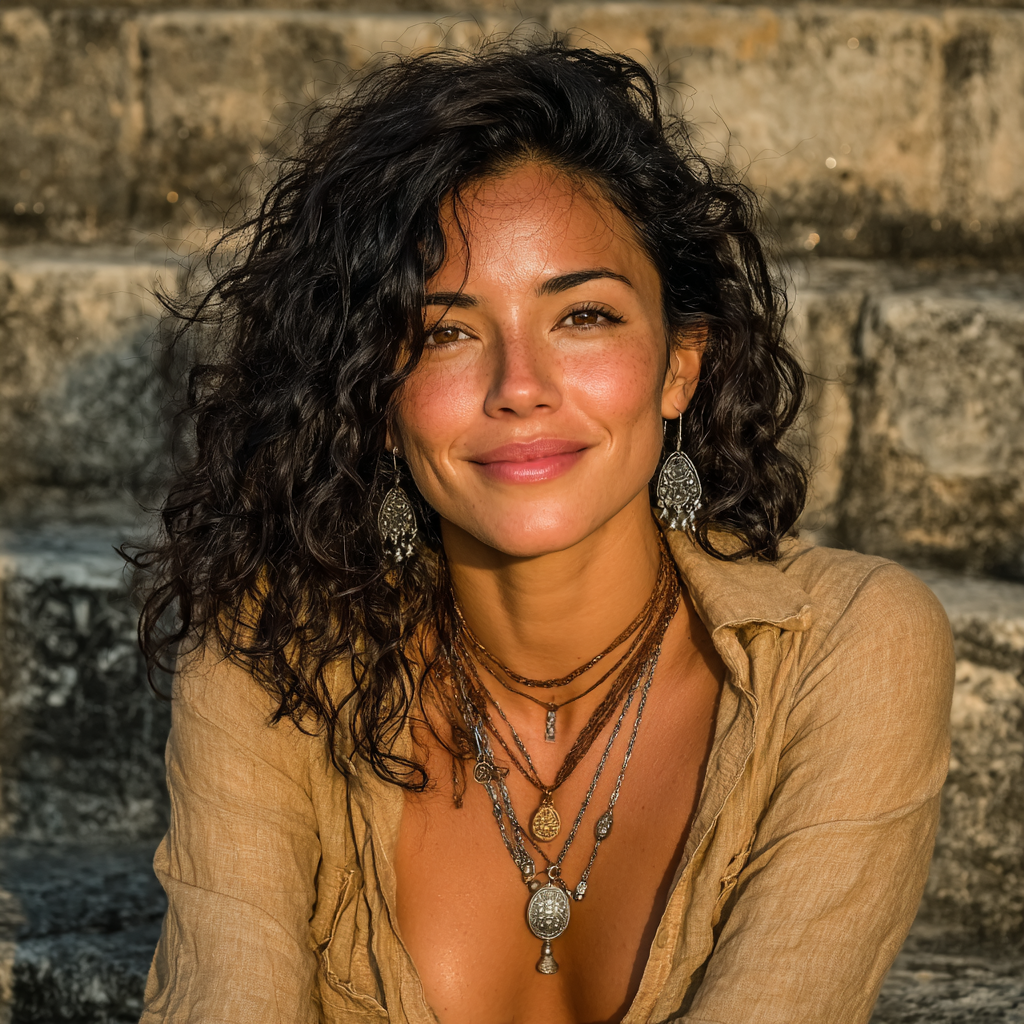
By Elena Vasquez
Cultural anthropologist and culinary storyteller. Elena spent a decade documenting traditional cooking methods across Latin America and the Mediterranean. She holds a PhD in Ethnography from Barcelona University and believes the best way to understand a place is through its kitchens and ancient streets.