
Boston is a city that resists its own mythology. The brochures sell you Samuel Adams and colonial brick, but the locals are more likely to argue about whether the North End still belongs to Italians or to Instagram, and they will absolutely correct you if you pronounce "Hahvard" with only two syllables. The Freedom Trail is real, but so is the attitude. This is a city that threw tea into a harbor over a three-pence tax and never really stopped being annoyed about things. In 2026—America's 250th birthday year—that argument has only gotten louder, and Boston, as usual, has opinions.
I am Finn O'Sullivan, and I have spent years walking these streets at odd hours, listening to the arguments, and reading the plaques most tourists skip. This guide is not a checklist. It is an attempt to understand why Boston matters—not as a museum of American independence, but as a living city that happens to have 400 years of democratic argument baked into its pavement.
The Revolution That Never Ended
The Freedom Trail is the obvious starting point, and it is worth doing once. The red brick line runs 2.5 miles from Boston Common to Bunker Hill, and if you follow it without stopping, you will miss the point entirely. The trail is free to walk. Individual sites charge their own admission.
Start at Boston Common—the oldest public park in the US, established in 1634. It was once used for public hangings, grazing cattle, and Puritan sermons. Today it is mostly dog walkers and office workers eating lunch on benches. The Massachusetts State House sits on the hill above at 24 Beacon Street, its golden dome gilded with real gold leaf in 1874. The dome was originally wood shingled, then copper, then covered in gold paint during World War II to avoid reflecting light that might aid enemy bombers. It was regilded in 1997. Free tours run weekdays from 8:45 AM to 5 PM, excluding holidays, and last about 40 minutes. Advance reservations are recommended; call 617-727-3676. The legislative chambers are open to visitors when the House and Senate are not in session, and the murals in the stair halls tell the state's history with the subtlety of a brick through a window. Look for the Sacred Cod, a wooden fish hanging in the House of Representatives since 1784, symbolizing the importance of the fishing industry to the state economy.
The Granary Burying Ground comes next, on Tremont Street. It is more interesting than it sounds. Paul Revere is buried here, along with Samuel Adams, John Hancock, and the five victims of the Boston Massacre. The stones are crooked, some carved with winged skulls that look more punk rock than pious. The guides in colonial dress give tours that vary wildly in quality—some are genuinely knowledgeable, others just loud. Skip them and read the plaques yourself. Admission is free.
Faneuil Hall still functions as a marketplace, which means tourists buying overpriced clam chowder in bread bowls. The building's significance—where Samuel Adams and others argued for independence—is now surrounded by chain stores and street performers. Go inside the Great Hall on the second floor. The portraits and the architecture matter more than the food court downstairs. The adjacent Old South Meeting House and Old State House charge roughly $15 per adult each. The Old State House, at the corner of Washington and State Streets, is Boston's oldest surviving public building. It was here, from the balcony, that the Declaration of Independence was first read to Bostonians in July 1776. The Boston Massacre happened in the street outside; a circle of cobblestones marks the site.
In 2026, the smartest move on the trail is the Boston 250 Pass ($33), launched for the semiquincentennial. It covers five sites—the Old State House, Old South Meeting House, Old North Church, Paul Revere House, and King's Chapel—and pays for itself if you plan to enter three or more. Buy it at any participating site. If you only want two sites, the Freedom Trail Foundation's 3-in-1 bundle (tour plus two museums) runs about $30.
The North End is where Boston's Italian immigrant history lives. Hanover Street is packed with restaurants claiming to be the best, and locals have fierce loyalties. Paul Revere's House is here at 19 North Square—the oldest building in downtown Boston, built in 1680. It is small, mostly reconstructed, and gives you a sense of how cramped colonial life actually was. The Revere family had 16 children. Stand in the two-room house and do that math. Admission is $6 for adults, $5.50 for seniors and college students, $1 for children ages 5 to 17. It is open daily from 10 AM to 5:15 PM from April 15 through October 31, and from 10 AM to 4:15 PM from November 1 through April 14. Note that it is closed on Mondays during January, February, and March. Cash is preferred; credit cards are accepted with a $10 minimum.
The Old North Church still operates as an Episcopal parish at 193 Salem Street. You can see the window where the lanterns were hung—"one if by land, two if by sea." The basic Discovery Pass runs $10 for adults and $5 for youth and includes the church, the crypt, and the current exhibition; add the bell tower and change-ringing chamber for $15 total. Hours are generally 10 AM to 5 PM, later on Fridays in season—check oldnorth.com for current times. In the crypt below, 1,100 bodies rest in unmarked tombs. The smell of dust and old stone is authentic.
If you follow the trail all the way to Charlestown, you reach the USS Constitution—"Old Ironsides"—and the Bunker Hill Monument. The monument is a 221-foot granite obelisk commemorating the first major battle of the Revolutionary War. Climbing the 294 steps is free but requires stamina; there is no elevator.
Neighborhoods That Refuse to Be Background
Beacon Hill is where the old money lives, and it looks the part. Acorn Street is the most photographed street in the city—a cobblestone lane with gas lamps and brick row houses that have not changed in 150 years. The residents are used to tourists. They are also used to reminding tourists that people actually live there. The neighborhood was built on land reclaimed from the Charles River mudflats in the early 19th century, and the name comes from a beacon that once stood on the hill to warn of invasion. Walk down Charles Street for independent shops and small restaurants, but do not expect bargains.
The South End has changed dramatically in the last thirty years. It was working-class, then it was rough, now it is expensive and full of restaurants. Tremont Street has the highest concentration of dining options. The brownstone architecture is consistent and attractive—this was America's first planned residential district, built in the 1850s with strict design guidelines. The neighborhood has one of the largest surviving Victorian row house districts in the country. Union Park and Worcester Square are particularly handsome. The South End Open Market runs seasonally on Sundays in the parking lot of the Boston Center for the Arts.
For food that is not tourist-facing, head to East Boston. The neighborhood is across the harbor, accessible by the Blue Line or a water taxi. Santarpio's Pizza at 111 Chelsea Street has been here since 1903. The pizza is thin-crust, the atmosphere is a dive bar, and the locals treat it as a community center. Most pies run $18 to $26. They also serve grilled lamb, steak, and sausage skewers over an indoor grill. Hours are roughly 11:30 AM to 10 PM daily. Cash is strongly preferred, though cards are sometimes accepted.
Rino's Place at 258 Saratoga Street makes Northern Italian food in portions that require a nap afterward. The wait for a table can be two hours. They do not take reservations for small parties, and they are cash only. Hours are Monday through Thursday 3 PM to 8:45 PM, Friday 11 AM to 8:45 PM, and Saturday 3 PM to 8:45 PM. Chef Anthony DiCenso, whose parents Rino and Anna opened the restaurant, operates by a simple rule: "It won't be sent out until it's done right." The lobster ravioli and homemade gnocchi are the dishes that built the reputation.
The Seaport District is the newest neighborhood, built on reclaimed land in the last fifteen years. It is full of expensive restaurants, tech offices, and condos. Locals debate whether it has any character or just money. The Institute of Contemporary Art is here at 25 Harbor Shore Drive—a striking glass building cantilevered over the water with rotating exhibitions of modern art. The views of the harbor are better than the art, which is often the point. Admission is $20 for adults, free for visitors 18 and under, and free to all on Thursdays from 5 PM to 9 PM. The museum is open Tuesday, Wednesday, Saturday, and Sunday from 10 AM to 5 PM, and Thursday and Friday from 10 AM to 9 PM. Closed Mondays. In summer, do not miss the ICA Watershed, a free seasonal gallery in an East Boston shipyard at 256 Marginal Street—the water shuttle from the main building is part of the fun. The ICA turned 90 in 2026 and has been programming like it.
Harvard Square in Cambridge operates as its own ecosystem. Street performers, students, tourists, and the occasional unhinged local share the space. The bookstores—Harvard Book Store and Grolier Poetry Bookshop—are worth browsing. The chess players in the square will play you for money. They are better than you. The Harvard Yard is open to the public, and you can walk through it without being a student. The buildings date from the 18th to 21st centuries, a timeline of American academic architecture. The Harvard Art Museums, in a Renzo Piano-designed building at 32 Quincy Street, are excellent—and, thanks to a gift from the Estate of David Rockefeller, admission is now free for everyone, every day. Hours are Tuesday through Sunday, 10 AM to 5 PM; closed Mondays. The last-Thursday-of-the-month evening openings add free music and drinks to the mix.
The Art of Being Boston
The Boston Public Library at Copley Square, 700 Boylston Street, is worth a visit even if you do not care about books. The McKim Building opened in 1895 and was designed to look like a Renaissance palace. The courtyard is Italianate, with a fountain and arcades. The reading rooms have murals by John Singer Sargent and Edwin Austin Abbey. It is free, quiet, and has better WiFi than most cafes. Hours are Monday through Thursday 9 AM to 8 PM, Friday and Saturday 9 AM to 5 PM, and Sunday 11 AM to 5 PM. Free art and architecture tours of the McKim Building run daily; no reservation is required. The Bates Hall reading room, with its barrel-vaulted ceiling and long green-shaded lamps, is one of the most beautiful public spaces in New England.
The Museum of Fine Arts at 465 Huntington Avenue is the city's best museum, and it is massive. The Impressionist collection is particularly strong—Monet, Renoir, Van Gogh. The ancient Egyptian artifacts include mummies and jewelry from 2500 BCE. The Art of the Americas Wing is one of the most significant collections of American art in the world. The Japanese art collection, with over 7,000 objects, is the finest in the Western Hemisphere. Admission is $30 for adults, $14 for youths ages 7 to 17, and free for children 6 and under. The museum is closed on Tuesdays. Saturday through Wednesday hours are 10 AM to 5 PM; Thursday and Friday run 10 AM to 10 PM. Two money-savers: after 5 PM on the third Thursday of each month admission is pay-what-you-wish with a $5 minimum, and Massachusetts residents get in free on four open-house days each year—MLK Day, Memorial Day, Juneteenth, and Indigenous Peoples' Day. Your ticket is valid all day and includes one repeat visit within 10 days, so you can do the Egyptian wing at opening and come back for Sargent after dinner. The John Singer Sargent mural cycle in the rotunda and staircase hall, completed in 1925, is the most ambitious decorative painting commission in American museum history and is included with admission.
The Isabella Stewart Gardner Museum at 25 Evans Way is smaller and stranger. Gardner was a wealthy collector who built a Venetian palace in Boston's Fenway neighborhood and filled it with art from her travels. The museum opened in 1903 with the stipulation that nothing could be moved or changed. When Gardner died in 1924, the collection froze in place. In 1990, thieves stole $500 million worth of art—including a Vermeer and three Rembrandts—in the largest unsolved art heist in history. The empty frames still hang on the walls. The museum is odd, personal, and unlike anywhere else. Admission is $25 for adults, $22 for seniors 65 and up, $15 for students with current ID, and free for visitors 17 and under; show a same-day MFA ticket for a couple of dollars off. Hours are Monday, Wednesday, and Friday 11 AM to 5 PM, Thursday 11 AM to 9 PM, and Saturday and Sunday 10 AM to 5 PM. Closed Tuesdays. Thursday nights are free to all from 5 PM to 9 PM—reserve ahead, because Boston knows a deal. Parties of eight or more are not permitted without advance arrangement. Isabella personally placed every object and included no conventional labels; the museum provides a free audio guide and QR codes in every gallery.
For a different perspective, take the ferry to the Boston Harbor Islands. Spectacle Island has hiking trails and a visitor center. Georges Island has Fort Warren, a Civil War-era fortification with tunnels you can explore. Ferries run from Long Wharf North from mid-May through mid-October—the 2026 season opened May 30 with a free-ferry weekend—and the round-trip fare is typically around $25 for adults. Boston Harbor City Cruises operates the service; buy tickets in advance at bostonharborcitycruises.com and check bostonharborislands.org for island schedules. The islands close in winter.
Sports as Religion
Boston's sports culture is inescapable. The Red Sox play at Fenway Park, the oldest ballpark in Major League Baseball, at 4 Jersey Street. The stadium opened in 1912, and it shows. The seats are narrow, the poles obstruct views, and the Green Monster—the 37-foot left field wall—was built because the street behind it would not allow more space. The lone red seat in section 42 of the right field bleachers commemorates Ted Williams' 502-foot home run in 1946. Games sell out, often months in advance, and even upper bleachers run $50 or more most nights now. If you cannot get tickets, take a stadium tour. The one-hour public tour now runs roughly $45 to $55 per adult—prices have crept up from the old $30—departing hourly; book in advance at mlb.com/redsox/ballpark/tours. On game days, the last tour departs about three hours before first pitch. The guides know the history and the superstitions.
When to Come
Boston's weather is a character in the city. Winters are cold, windy, and long. The wind comes off the harbor and cuts through jackets. January temperatures average 22°F to 36°F. Summers are humid and brief, with July averages of 66°F to 82°F. Fall is the best season—crisp air, clear skies, and foliage in the parks. September and October are ideal. Spring is unpredictable and often disappointing; March and April can bring snow, rain, and 70-degree days in the same week.
The calendar matters more than the thermometer. The Boston Marathon falls on Patriots' Day, the third Monday in April, when the city effectively shuts down for the race. St. Patrick's Day brings the huge South Boston parade. In 2026, the Fourth of July was the centerpiece of America's 250th, and the Harborfest programming around it runs deep into summer. Late October brings the Head of the Charles, the world's biggest rowing regatta, when the river fills with racing shells and the banks fill with spectators. First Night on December 31 closes the year with ice sculptures and fireworks. Hotel prices spike for Marathon weekend, July 4th, and any fall weekend when the leaves peak—book months out or accept the pain.
Getting Around
The city's compactness is its advantage. You can walk from one end of downtown to the other in twenty minutes. The subway—called the T—is $2.40 per ride, and since the fare system was modernized, that is the price whether you tap a credit card, a phone, a CharlieCard, or a CharlieTicket. Contactless tap-to-pay has been live since August 2024, so visitors no longer need to buy anything; just tap and go. A 1-Day LinkPass is $11 and a 7-Day is $22.50. Since September 2026, the T has been piloting free two-hour transfers between subway and bus, which makes zigzag routes cheaper than they used to be. The SL1 Silver Line from Logan Airport to South Station is free—take it. The Blue Line also serves the airport. The Green Line is the oldest subway in North America and also the most unreliable; allow extra time, and note that Symphony station is closed for an accessibility rebuild into 2029. Walking is usually faster than the T for distances under two miles.
Skip driving in downtown Boston if you can avoid it. Traffic is terrible, parking is expensive—expect $25 to $50 for a few hours in a garage—and the street layout was designed by cows, not planners. The T, walking, and rideshares are almost always better options.
Honest Math
Boston is expensive, and the numbers below are per person, per day, before hotel tax—which adds roughly 14.5 percent to your room rate, plus nightly fees.
Bare minimum, $70 to $90: a dorm bed at HI Boston or a similar hostel runs $60 to $80, the Freedom Trail, BPL, and Harvard Art Museums are free, and one decent meal plus a cannoli covers food if you are careful. The $2.40 T ride and pay-what-you-wish MFA third Thursdays keep the floor low.
Comfortable, $200 to $280: a mid-range hotel room at $180 to $250 split two ways, three meals out at $30 to $40 each without drinks, one paid museum or site, and a couple of T rides. This is where most visitors actually land.
High end, $500 and up: a Beacon Hill or Back Bay hotel at $400-plus, dinner tasting menus in the South End, a private Freedom Trail tour, and box seats will take you well past $500 without trying. Fenway on a weekend can do that alone.
What to Eat and Where the Locals Go
The North End is the obvious food destination, but it requires strategy. Mike's Pastry at 300 Hanover Street and Modern Pastry at 257 Hanover Street face each other and have been competing for cannoli supremacy for decades. Mike's is bigger, flashier, and was cash-only for a century. A cannoli costs roughly $7 to $9. Modern is where the neighborhood goes. It is also cash only, and a cannoli will run you $7.50. The real move is to buy one from each and conduct your own taste test while walking to the waterfront. Mike's has more flavors—pistachio, Oreo, hazelnut, limoncello. Modern fills shells to order, which means the ricotta cream is cold and the shell stays crisp.
Beyond the cannoli wars, the North End has serious restaurants, though entrees at the sit-down places now commonly run $24 to $34. Regina Pizzeria at 11 1/2 Thacher Street has been operating since 1926. The original location is small, crowded, and worth the wait. A cheese pizza starts around $15. The North End is also home to some of the best espresso in the city; try Caffè Vittoria on Hanover Street for old-school Italian coffee culture.
The Seaport has expensive restaurants and waterfront views, but for a more grounded meal, head to South Boston—"Southie" to locals. The neighborhood was Irish working-class for generations, and while it is gentrifying, it still has corner bars where the bartender knows everyone's name. Sullivan's Castle Island is a seasonal shack at Fort Independence serving hot dogs, burgers, and fried seafood since 1951. It is not fine dining, but it is perfect after a walk around the fort.
What to Skip
Skip the Boston Duck Tours. The amphibious vehicles are loud, the jokes are scripted, and you will spend more time in traffic than in the water. If you want to see the harbor, take the ferry to the Harbor Islands or walk the Harborwalk.
Skip the Cheers bar at Beacon Street. The exterior was used for the TV show, but the interior does not match, and the food is mediocre at best. It is a photo opportunity, not a destination.
Skip the Faneuil Hall food court for anything other than a quick coffee. The chain restaurants are the same ones you can find in any American mall. The clam chowder in bread bowls is overpriced and usually under-seasoned.
Skip the guided Freedom Trail tours if you are a competent reader. The costumed interpreters vary wildly in quality, and the self-guided experience is free. If you want a guided experience, the National Park Service offers free 60-minute ranger-led tours from the Boston Common Visitor Center at 139 Tremont Street, and the rangers are held to a higher standard than the private operators.
Skip paying full price at multiple Freedom Trail sites without doing the math first. In 2026, the Boston 250 Pass ($33) covers five sites, and buying individual tickets at the door without checking it is how tourists spend $15 three times when they did not have to.
Skip visiting in January or February unless you genuinely enjoy cold. The wind off the harbor is brutal, and the short daylight hours mean most attractions close early. If you must come in winter, the museums are warm and the crowds are thin.
Final Word
Boston's relationship with its history is complicated. The city markets the Revolution aggressively—there is a gift shop at every significant site—but the modern city is more concerned with biotech, universities, and healthcare. Mass General Hospital and Brigham and Women's employ more people than the tourism industry. The contradictions are visible: colonial brick next to glass towers, historical markers next to bank branches. That is what makes the city interesting. It is not a theme park. It is a place where the past is still being argued about, where the locals are prickly because they actually live here, and where the best experiences come from walking slowly and paying attention to the details between the monuments.
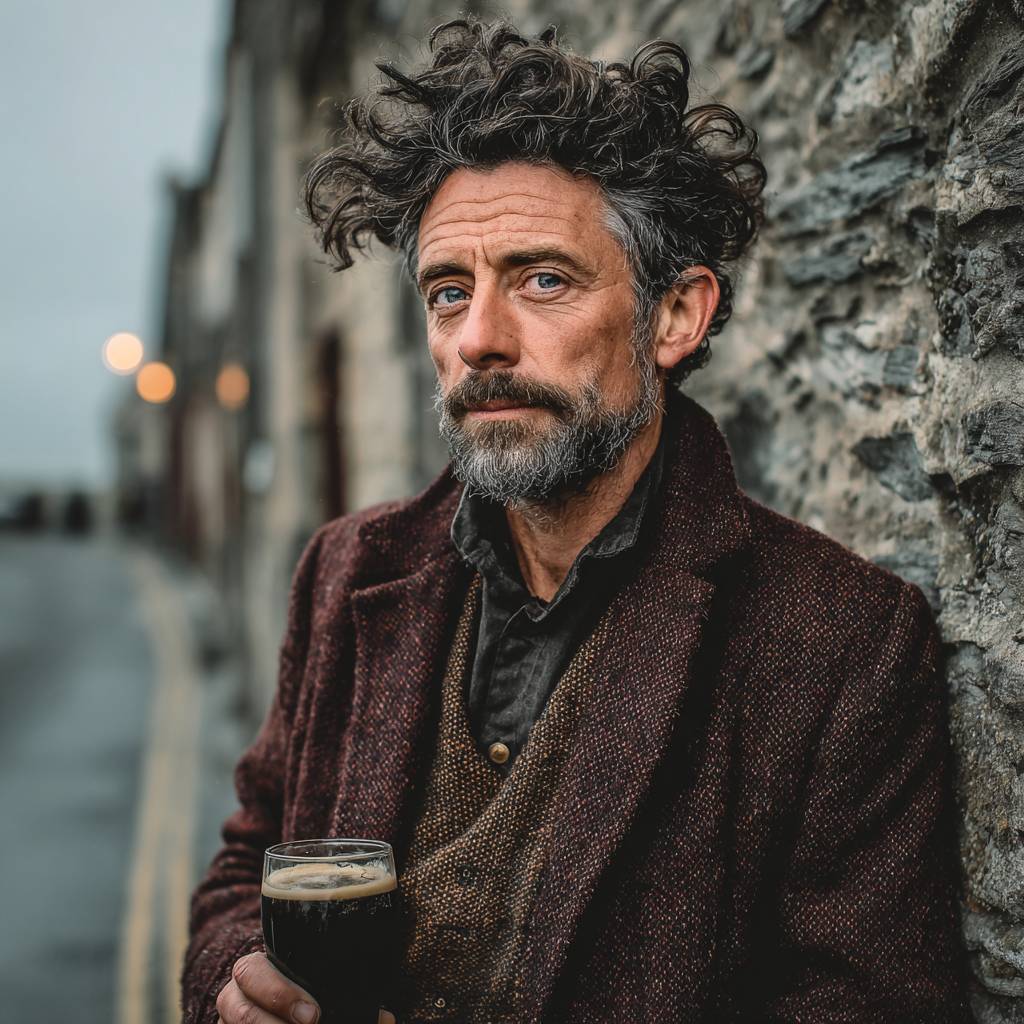
By Finn O'Sullivan
Irish storyteller and folklorist. Finn hunts for the narratives that do not make guidebooks—the pub legends, the family feuds, the neighborhood heroes. He believes every street corner has a story if you know who to ask.