
The first time I stepped off the train at Ribblehead in January, the wind hit me like a door slammed in my face. The viaduct loomed through sleet that fell sideways, and the only other soul on the platform was a collie tied to a bike rack, looking at me with the resigned expression of someone who'd seen this before.
I'd come to the Yorkshire Dales in winter because a landlord in Leeds told me I was missing the point. "Summer's for tourists," he said, pulling a pint of Timothy Taylor's. "Winter's when the Dales actually are."
He was right. What follows isn't an itinerary. It's a conversation about what happens when you stop trying to see everything and start actually being somewhere.
The Truth About Winter Here
Temperature: 0-7°C, though the wind on the tops makes it feel like someone else's problem entirely. Daylight: About 7 hours in December, stretching to 9 by February. It changes how you move through the world.
The Dales in winter isn't picturesque. It's honest. The limestone walls stand out black against snow. The drystone boundaries that divide the landscape into a patchwork become the only geometry in a world turned white. Farmers still move their sheep. The pubs still pull pints. Life doesn't pause for the season—it just moves indoors, closer to the fire, closer to each other.
Getting Around: You'll want a car, preferably one you're not emotionally attached to. The minor roads collect ice in ways that seem personally directed. Keep a blanket, water, and a sense of humor in the boot. The A65 and A59 stay clear enough, but the real Dales happen on the B-roads where you might not see another vehicle for an hour.
The Settle-Carlisle railway is your alternative—heated carriages sliding through snow-covered cuttings, the viaducts even more impossible when you see them from below. Leeds to Settle runs about £15-25. Check the weather though; when the line closes due to snow, it really closes.
Malham: Where the Limestone Does the Talking
54.0714°N, -2.1577°W | Parking: £6 all day at the National Park Centre
Malham Cove isn't pretty in winter. It's present. That curved amphitheatre of limestone, 80 meters high, collects weather like a bowl. When frost comes, the clints and grikes of the pavement above turn treacherous—microspikes in your pack aren't paranoid, they're prudent.
I climbed it on a Tuesday in late January. The car park had four vehicles. A woman in walking boots sat on her tailgate eating a sandwich, watching mist drift across the cove face like stage curtains. We nodded at each other—the winter acknowledgment of people who've deliberately chosen discomfort.
The pavement itself is otherworldly when dusted with frost. Each grike becomes a shadow, each clint a platform. You can see why Tolkien found inspiration in these landscapes. But the real magic happens when you stop, listen, and realize the silence has texture. Wind in bare branches. The occasional croak of a raven. Your own breathing.
Safety note: If ice has formed on the limestone, don't be heroic. The grip disappears, and the hospital is a long drive.
Food:
The Buck Inn (££, 01729 830317) sits in the village proper, and the fire has been burning since approximately the Restoration. The steak and ale pie is heavy enough to require planning permission, and the Timothy Taylor's Landlord tastes like it should—earthy, bitter, properly Yorkshire. The landlord, a man named Geoff who I've met on three separate winter visits, will tell you about the flood of '68 if you let him. Open daily 11 AM–11 PM; food served 12 PM–9 PM.
The Green Dragon (££, 01729 830245) across the road is older—17th century—and the beef stew has been refined across generations. Both are dog-friendly. Both will still be there when everything else has turned to dust. Open Mon–Sat 11 AM–11 PM, Sun 12 PM–10:30 PM; food served 12 PM–8:30 PM.
Gordale Scar and Janet's Foss: The Dramatic Extras
Gordale Scar: 54.0719°N, -2.1314°W | Janet's Foss: 54.0742°N, -2.1414°W
From Malham, you can walk to Gordale Scar in twenty minutes. In summer, it's a scramble up a waterfall. In winter, after rain or freeze-thaw, it becomes something else entirely—the water crashes through with volume that seems to belong to a larger landscape, and ice formations cling to the rock like something deliberately constructed.
I watched a man in climbing gear attempt the upper section in February. He made it three meters before the limestone betrayed him. He landed in six inches of brown water, stood up, and laughed. This is the correct Dales response to adversity.
Janet's Foss, a smaller waterfall in woodland, can freeze entirely in cold snaps. When this happens, locals know before the tourists do. There's no announcement. You just go and find a curtain of ice where water used to fall, and the bare trees create reflections that don't seem possible.
Aysgarth Falls: When the River Shows Off
54.2847°N, -1.9925°W | Parking: £4 all day, free for National Trust members
The Ure runs high in winter. Rain and snowmelt feed the triple flight of falls—Upper, Middle, and Lower—until they thunder. The bare trees that line the riverbank frame the water in ways that summer's leaves obscure. You can see the full architecture of the place.
I walked the 2.5 km trail connecting all three falls on a Thursday morning. The mist hung low enough to soften everything, and I passed exactly two other people: a retired couple with walking poles who'd been coming here for forty years. "Never the same twice," the man said. His wife nodded, though whether she agreed or was just used to him, I couldn't say.
Food:
The Aysgarth Falls Hotel (££, 01969 663231) serves Wensleydale cheese soup that tastes like it was invented specifically for days when your gloves have gone stiff from the cold. Warm up here. The fire is reliable, and the staff won't rush you. Open daily 11 AM–11 PM.
Hawes: The Highest Market Town and Its Cheese
54.3042°N, -2.1964°W
Hawes sits at 850 feet, making it England's highest market town. In winter, this elevation means something. The wind funnels down the main street with genuine hostility, and the stone buildings seem to huddle together for warmth.
The Wensleydale Creamery (open daily 9 AM–5 PM, free entry) is the obvious draw, and it's worth it despite the obviousness. You can watch cheese being made through viewing windows, which is more compelling than it sounds—the process has a meditative quality, and the smell is extraordinary. Then the café serves cheese toasties (£6-8) and hot chocolate (£3.50) that restore sanity.
But the real find in Hawes is the Dales Countryside Museum (£5 entry, open daily 10 AM–4 PM in winter), housed in the old railway station. In winter, when the light fades early and the rain comes horizontal, this becomes essential. The exhibits trace the history of the Dales through farming, mining, and the railway that was supposed to save everything and didn't quite.
Food:
The Stone House (£££, 01969 667392) does slow-roasted lamb shank that falls off the bone with a nudge. Book ahead—they're serious about their food, and winter evenings fill with locals who've earned their dinner. Open Tue–Sat 6 PM–9 PM; closed Sun–Mon.
The White Hart Inn (££, 01969 667321) is more traditional: steak and kidney pie, mulled cider, the kind of pub where farmers still come to talk sheep prices. Open daily 11 AM–11 PM; food served 12 PM–8:30 PM.
Ribblehead Viaduct: The Photograph Everyone Takes, For Good Reason
54.2103°N, -2.3708°W | Parking: Free at the station
Twenty-four arches. 400 meters long. 32 meters high. Built between 1870 and 1874 by navvies who lived and died in temporary settlements that vanished as soon as the railway was done. The viaduct is Victorian ambition made stone, and in winter, when snow covers the moorland or mist drifts between the arches, it becomes something from a different kind of story.
I arrived at dawn on a Saturday. The temperature read -4°C on the dashboard. The viaduct emerged from darkness as the sky lightened from black to grey to a thin, watery blue. No one else was there. The silence had weight to it—you could feel the altitude, the exposure, the sense that this was a place built by men who understood the cost of things.
Steam trains run occasionally in winter. Check the Settle-Carlisle Railway Trust schedule. When one crosses in mist, with the whistle echoing across the moor, you'll understand why people make the pilgrimage.
The walk around the viaduct is 5 km of relatively flat terrain—the moorland here is accessible even when the high fells are buried. In snow, the contrast between the grey stone and white ground makes the structure even more impossible than usual.
Food:
The Station Inn (££, 01524 241246) is the only sensible option, and it's excellent. The Lancashire hotpot is proper—lamb, potatoes, time. The landlady once told me they serve 200 covers on a summer Saturday and 20 on a winter Tuesday. "Prefer the Tuesdays," she said. "People who come in winter actually want to be here." Open daily 11 AM–11 PM; food served 12 PM–8:30 PM.
Dentdale: The Village That Refused to Leave
54.2789°N, -2.4517°W
Dent is the kind of place that doesn't make sense until you understand what happened elsewhere. When the railway came through in the 1870s, it bypassed the village by two miles, following the easier valley bottom. Dent stayed where it was, up a side valley, connected by a winding lane that discourages the casual visitor.
The result is one of the most intact villages in the Dales. Cobbled streets. Stone cottages built to withstand winters that haven't changed much in three centuries. The Heritage Centre (£3, open daily 10:30 AM–4 PM in winter) occupies a former school and tells the story of Dent's knitters—the women who produced gloves and socks for export during the industrial revolution, working in cottages that still stand.
The George & Dragon (££) is the pub you want—ancient, low-ceilinged, serving Dent Brewery ales. The brewery itself has a shop where you can buy bottles to take back to wherever you're staying. Try the Kamikaze, a winter seasonal that tastes like it could fuel central heating. Open daily 12 PM–11 PM.
White Scar Cave: Warmer Underground
54.2008°N, -2.4858°W | £14 adults, £10 children | Open 10 AM – 3 PM winter
Here's a secret: the cave stays 12°C year-round. In winter, when the surface is at or below freezing, walking into White Scar Cave feels like entering a different climate zone. The 1.6 km illuminated trail takes 80 minutes, and during that time, your body remembers what warmth feels like.
The Battlefield Cavern—90 meters long, thousands of stalactites—is the highlight. But I found myself more affected by the smaller details: the way water still drips, still builds, still creates formations that won't be visible for ten thousand years. It puts your own timeline in perspective.
Tours run every hour on the hour. Wear sturdy boots—the surfaces are wet and uneven. No flash photography, but you won't need it. The lighting is deliberate, dramatic, designed.
Horton-in-Ribblesdale: Where the Real Walking Starts
54.1497°N, -2.2972°W | Parking: £4 all day
Horton is famous for the Three Peaks—Pen-y-ghent, Whernside, and Ingleborough. In winter, attempting all three is for the experienced and equipped only. The wind on the tops can knock you sideways. The paths disappear under snow. Every year, mountain rescue gets called out for people who underestimated Yorkshire weather.
But the lower-level walks are accessible and rewarding. The Ribble Way follows the river downstream to Helwith Bridge—8 km round trip, flat enough to manage even after snow, and the river views are constant company. I walked it on a grey Wednesday and saw red grouse on the lower slopes, fieldfares feeding in the fields, a heron standing in the shallows like it was waiting for something.
Pen-y-ghent Café (£, 01729 860333) is the walkers' hub—a refuge with a log burner where bacon sandwiches (£4.50) and hot chocolate (£3) restore people who've been out in conditions that seemed reasonable when they started. The full English breakfast (£9.50) is available all day, which tells you everything about the clientele. Open daily 8 AM–5 PM.
Settle: Market Town, Rain Shelter, Reality
54.0697°N, -2.2822°W
Settle exists because the railway made it necessary. Before 1876, it was a small market town. After, it became a junction, a gateway, a place where the Dales met the outside world. The market still operates Tuesdays (8 AM–3 PM), year-round, with stalls that sell hot food and seasonal produce even when the wind is trying to relocate the awnings.
The Museum of North Craven Life (£4, open Tue–Sun 10 AM–4 PM) occupies The Folly, a 17th-century house on the main street. In winter, when darkness falls at 4 PM and rain is forecast for three days straight, this becomes essential. The exhibits range from geological samples to social history—how people lived, worked, survived in a landscape that doesn't make concessions.
The Talbot Arms (£££, 01729 822200) does a braised beef that requires no teeth and a winter vegetable gratin that actually tastes of vegetables. Book ahead—it's popular with people who've been walking and want to eat somewhere warm. Open daily 11 AM–11 PM; food served 12 PM–9 PM.
Ye Olde Naked Man Café (££, 01729 822771) is older than it sounds—1660s—and the hotpot is a proper Yorkshire version, not the tourist approximation. The name comes from the sign, which once advertised Turkish baths. The baths are gone. The food remains. Open daily 9 AM–5 PM.
Grassington: The Pretty One, But Not Just Pretty
54.0714°N, -1.9978°W | Parking: £5 all day
Grassington is the Dales village that photographs best. The cobbled square. The stone buildings. The way the houses cluster together as if for protection. In December, they commit fully to the Dickensian Festival (first two weekends of December, 10 AM–5 PM)—costumed characters, traditional crafts, carol singing, mulled wine that actually contains alcohol.
But the village is worth visiting even without the festival. The National Park Centre (open daily 10 AM–4:30 PM) has exhibitions and, more importantly, heating. The independent shops sell things you didn't know you needed until you saw them. The square itself is the kind of public space that English villages used to have everywhere and have mostly lost.
The Devonshire Inn (££, 01756 752656) sits on the square and serves beef stew that tastes like it was made by someone who understands that winter is not a season to be endured but to be eaten through. Yorkshire pudding wraps (£8.50) are their specialty—essentially a roast dinner in portable form. Open daily 11 AM–11 PM.
Caffé Cottage (££) on Main Street does hot chocolate with actual cream (£4), and winter fruit cake (£3.50) that reminds you why dried fruit exists. Open daily 9 AM–5 PM.
Burnsall: The Postcard, But Real
54.0494°N, -1.9564°W
If you Google "prettiest village Yorkshire Dales," Burnsall appears. The bridge over the Wharfe. The stone houses. The Red Lion Inn sitting right on the riverbank. In summer, it's crowded with people following the Google results. In winter, you might have it to yourself.
The bridge is the photograph—five arches, stone, perfect. But the reality is better: the sound of the river, the way the light changes as clouds move across the fells, the sense that this view has been essentially the same for centuries.
The Devonshire Fell (££££, 01756 720001) sits above the village with views over Wharfedale that justify the prices. The winter tasting menu (£65) changes with what's available—local game, root vegetables, the kind of cooking that respects ingredients by not doing too much to them. Open Wed–Sun 12 PM–2:30 PM, 6:30 PM–9 PM; closed Mon–Tue.
The Hebden (££££, 01756 730300), a few miles toward Grassington, has a Michelin star and a foraging menu that tastes like the Dales themselves. Book weeks ahead. It's worth it. Open Thu–Sun 6:30 PM–9 PM; closed Mon–Wed.
What to Skip
The Three Peaks Challenge in winter. Unless you're experienced, properly equipped, and have checked the mountain forecast obsessively, attempting Pen-y-ghent, Whernside, and Ingleborough in a single winter day is how search-and-rescue volunteers earn their overtime. The paths disappear, the wind on the tops reaches 60+ mph, and hypothermia sets in faster than you think. Do the lower walks instead—they're just as satisfying and significantly less lethal.
Ingleton Waterfalls Trail in full winter gear. The trail is beautiful, but the £8 entry fee and the 4.5-mile loop become punishing when daylight is scarce and the wooden walkways ice over. If you must go, aim for late February when the days are longer and the ice has had a chance to thaw.
The Dales Highway after dark. The B-roads between villages have no street lighting, no verge, and no forgiveness. Sheep wander. Ice forms in the shadows where the sun hasn't reached. Locals know every bend; you don't. Plan your driving to finish before 4 PM in December, 5 PM by February.
Bolton Abbey on a wet Sunday. It becomes a car park with a monastery attached. The estate is lovely, but the café queues are demoralizing, and the car park (£10) fills by 11 AM. Go on a Tuesday in January instead— you'll have the ruins to yourself and the tea room won't require a reservation.
Generic "Yorkshire pudding wrap" from tourist traps. The real ones come from pubs where the landlord knows the farm that supplied the beef. The mass-produced versions in Grassington square on a Saturday afternoon are a sad approximation. Ask a local where they'd eat—then go there.
What to Pack (The Real List)
Clothing that actually matters:
- Waterproof jacket. Not water-resistant. Waterproof. The kind that rustles.
- Insulated winter coat for when you stop moving.
- Merino wool base layers. Synthetic works, but wool keeps warmth even when wet.
- Winter walking boots with ankle support. The limestone is unforgiving.
- Gaiters. Snow gets into boots without them.
- Two pairs of gloves. One will get wet.
- Hat that covers your ears. The wind finds gaps.
Equipment:
- Walking poles. Essential for icy conditions, useful always.
- Microspikes or light crampons. The limestone pavement demands them.
- Head torch. Darkness arrives at 4 PM in December. You will misjudge timing at least once.
- Power bank. Phone batteries drain fast in cold.
- Map and compass. GPS fails, batteries die, but paper endures.
Car kit:
- Snow shovel. The kind that folds.
- Blanket, water, food, torch. In case you need to wait for rescue.
- Tow rope and jump leads. For when you find someone else stuck.
Safety: The Boring Part That Saves Lives
Winter in the Dales kills people every year. Not many, but some. Usually experienced walkers who made one wrong decision. Usually on the high fells when weather closed in faster than expected.
The rules:
- Check mountain weather separately from valley forecasts. They differ by 20 degrees and hurricane-force winds.
- Tell someone where you're going and when you'll be back. Actually tell them. Text doesn't count.
- Turn back if conditions deteriorate. The cove will still be there next time.
- Carry emergency shelter. A bivvy bag weighs nothing and could save your life.
Hypothermia signs: Uncontrollable shivering, confusion, drowsiness. If someone stops shivering, that's worse, not better.
Emergency: 999, ask for police, then mountain rescue. They'll find you, but they'd prefer not to have to.
The Pub as Infrastructure
Here's something the summer visitors miss: in winter, the pub isn't entertainment. It's infrastructure. It's where you warm up, dry out, refuel, and exchange information about conditions on the tops. The landlords are nodes in a network of local knowledge—who's been where, what's passable, where the ice is.
I spent an evening in the Station Inn at Ribblehead while storm Arwen battered the windows. The power flickered but held. A farmer named Peter told me about the time he dug his Land Rover out of a snowdrift using a dinner plate because that was all he had. A woman who ran a B&B in Hawes discussed the economics of winter—how some places closed, how others offered rates that made extended stays possible, how the visitors who came in January were different from the August crowds.
"August people want the Dales to entertain them," she said. "January people entertain themselves."
This is the distinction that matters. Winter in the Yorkshire Dales isn't a performance. It's a place that continues existing whether you're there or not, and your job is to adapt to it, not the other way around.
Where to Sleep
If you have money:
The Devonshire Fell (Burnsall) - £150-250/night. The views justify it. So does the restaurant.
The Wensleydale Hotel (Leyburn) - £120-200/night. Winter packages available. Cosy in the way that old buildings can be when someone has spent money on the heating.
The Hebden (Hebden, near Grassington) - Check rates, but expect significant. The Michelin star extends to the rooms.
If you don't:
YHA Malham - £15-25/night. Heated throughout. Communal kitchens where you can cook the food you've bought from the village shop.
YHA Hawes - £15-25/night. Same organization, same standard. Both require booking in advance even in winter—they're more popular than you'd expect.
The mid-range:
Beck Hall (Malham) - £60-90/night in winter. Riverside location, proper breakfast, owners who'll lend you maps and advice.
River House (Horton-in-Ribblesdale) - £50-80/night. Basic, clean, warm. Walking distance to Pen-y-ghent Café for morning bacon.
Final Honesty
I'm not going to tell you that winter in the Yorkshire Dales will change your life. It might not. You might arrive during a week of horizontal rain, find the paths muddy and the pubs crowded with locals who look at you with the suspicion reserved for people who've chosen to visit a place designed for leaving.
But if you come with the right expectations—if you understand that "peaceful" sometimes means "empty and slightly threatening," that "picturesque" includes "frozen and difficult," that the best moments happen when you've stopped trying to capture them—then the Dales in winter offers something that summer can't.
Presence. The sense of being somewhere that doesn't care about your Instagram, your itinerary, your need to be entertained. A landscape that was here before you and will be here after, that allows you to visit but never invites you to stay.
The fire in the Buck Inn. The sound of the Ure at Aysgarth. The viaduct emerging from mist. These aren't experiences to be checked off. They're moments that accumulate, that become weight in your memory, that surface unexpectedly months later when you're somewhere else entirely.
That's what winter in the Yorkshire Dales offers. Not comfort, exactly. Not ease. But something more valuable: the real thing, unfiltered, on its own terms.
Pack warm. Bring waterproofs. Leave your expectations at home.
— Finn O'Sullivan, after three winters in the Dales, still not tired of the cold
Practical Quick Reference:
| Essential | Details |
|---|---|
| Best Base | Malham or Grassington for central access; Hawes for Wensleydale |
| Must Book | The Hebden (weeks ahead), The Sandpiper Inn, The Devonshire Fell |
| Emergency | 999 → Police → Mountain Rescue |
| Weather | Met Office Mountain Forecast essential before any high ground |
| Transport | Car recommended; train to Settle-Carlisle line is scenic alternative |
| Total Budget | £80-150/day depending on accommodation and meals |
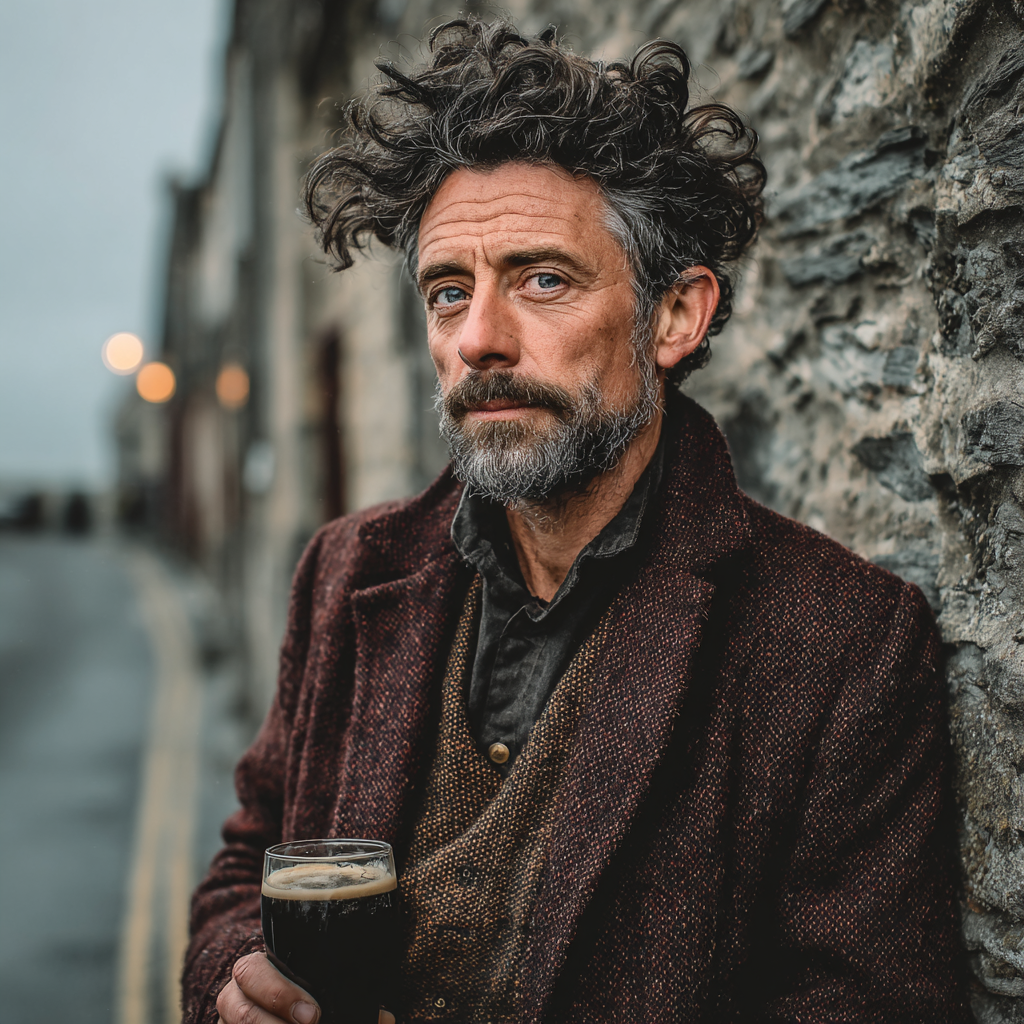
By Finn O'Sullivan
Irish storyteller and folklorist. Finn hunts for the narratives that do not make guidebooks—the pub legends, the family feuds, the neighborhood heroes. He believes every street corner has a story if you know who to ask.