
Liverpool's Unsung Food Revolution: From Scouse Stews to Michelin-Caliber Small Plates
Liverpool does not arrive quietly. You step off the train at Lime Street and the city is already arguing with itself — seagulls overhead, buses grinding past the bombed-out church at the top of Bold Street, someone shouting about the match. Most visitors come for the Beatles or the football and leave with the same photographs everyone takes. The food scene is an afterthought, if it is a thought at all. This is their mistake.
What they miss is one of the most interesting food cities in northern England — a place where industrial heritage, Irish immigration, and maritime trade created a culinary identity that has nothing to do with London and everything to do with the Mersey. Liverpool's restaurants are full of locals, not tourists. Its pubs are full of regulars who will talk to you if you do not annoy them. Its street food halls are full of families eating casually, socially, without ceremony. There is no Michelin star in the city — the nearest are in Manchester — but there is something more useful: a food culture that reflects the people who live here rather than the people who visit.
This guide maps the edible Liverpool that exists beyond the Albert Dock tourist traps. It covers the neighborhoods where the best eating happens, the dishes you cannot find anywhere else, the pubs where history lives in the woodwork, and the practical details that turn a good meal into a great one. Bring a light jacket — even in summer, the wind off the Mersey is cold — and an appetite for honest cooking.
Bold Street: The Edible Spine of the City
Bold Street is where Liverpool's food identity lives. Not because it is pretty — it is not, particularly — but because it has been the city's gastronomic main artery for decades, long before "foodie" became a word people used without wincing. The street runs from the bombed-out St Luke's Church at the top down toward the Ropewalks district, and nearly every building along it contains something worth eating.
At number 91, Maray occupies a narrow, dimly lit room where the Disco Cauliflower has achieved the kind of local fame that makes regulars roll their eyes when tourists order it. The cauliflower is roasted whole, dressed with tahini, pomegranate, and herbs, and it is genuinely good, though the rest of the Middle Eastern-influenced small-plates menu deserves equal attention. The shakshuka, heavy with cumin and served with flatbread, is the sort of breakfast that justifies skipping hotel catering. The falafels are verdant roundels of fragrant, herb-packed joy, and the lamb kofta with smoked paprika tahini anchors the meatier side of the menu. Maray is open Monday to Thursday 12 PM to 9 PM, Friday and Saturday until 10 PM, Sunday until 8 PM. Most plates run £7 to £12. It is crowded every night. Do not expect to walk in on a Saturday without a wait — book ahead, or arrive at opening time and hover.
Across the street at number 85, The Italian Club has been feeding Liverpool since long before the current wave of small-plates restaurants arrived. High ceilings, vintage maps on the walls, and pizza that does not apologize for being straightforward. The Neapolitan-style pies emerge from the oven with the requisite leopard-spotted crust, and the pasta is fresh, unfussy, and properly portioned. It is not trying to reinvent anything. In a city where many new restaurants are trying very hard to be noticed, this consistency is its own virtue. Open Monday to Saturday 10 AM to 10 PM, Sunday 11 AM to 9 PM. Mains hover around £12 to £16. The family-run atmosphere is genuine — linger over an espresso and watch the regulars greet each other by name.
At 105-107 Bold Street, Rudy's Pizza Napoletana has brought Manchester's best-known pizza export to Liverpool with a window seat that overlooks the bombed-out church ruins. The dough is double-fermented, made with Caputo '00' flour, and baked in Stefano Ferrara ovens hand-built in Naples. The result is a perfectly charred, flavourful crust that costs around £8 to £12 per pizza. It is the best value for proper Neapolitan pizza in the city center.
For breakfast or a midday coffee, Bold Street Coffee at number 89 makes toasted brioche breakfast sandwiches that will ruin you for hotel croissants. Their cold brew and flat whites are the default choice for locals who care about provenance. A few doors down at number 54, Backchich — a Lebanese and Moroccan spot that reopened in April 2025 after refurbishment — serves crisp falafel, lemon-heavy hummus, and Lebanese pizzas topped with za'atar, cheese, or minced lamb. The staff treat you like a guest at their table, which is accurate here rather than merely a reviewer's cliché. Monday to Thursday 9 AM to 10 PM, Friday and Saturday until 11 PM, Sunday 10 AM to 10 PM. Most dishes under £10.
Leaf at number 65-67 operates as both an all-day eatery and an art/music hub. Natalie Haywood's menu runs from roasted sweet potato and feta salads to an eight-hour braised ox cheek ragu pasta. Mains from £11.95. The atmosphere is lively, unpretentious, and full of the creative energy that defines this street.
The Baltic Triangle: Where Industrial Grit Meets Culinary Ambition
A ten-minute walk south from Bold Street, the Baltic Triangle is where Liverpool's industrial bones have been repurposed into something more interesting than the usual waterfront regeneration. Former warehouses and factories now house breweries, street food markets, and some of the most ambitious cooking in the city.
Baltic Market, housed in a warehouse on Newquay Street, operates Thursday to Sunday and gathers a rotating cast of street food vendors. Little Furnace makes wood-fired Neapolitan pizza with the elastic, properly blistered crust that only comes from a hot oven and patience. Hafla Hafla does Middle Eastern mezze. La Bistroteca, run by chef Livia Alarcon, serves steak frites and beer-battered fish and chips with proper plates and cutlery, which sounds minor but elevates the experience. Patterson's fried chicken, arepa sandwiches from Venezuelan outfit Noso, and dessert, gin, beer, and coffee bars round out the offering. The market is loud, family-friendly, and not cheap — expect to spend £15 to £20 per person once you factor in drinks — but it is the most honest expression of how Liverpool eats now.
Tucked down Watkinson Street, Manifest is harder to find and worth the search. Opened in 2022 in a former factory building, it is a forty-seat restaurant where chef Paul Durand — who worked at Moor Hall and Edinburgh's 21212 — works with sourdough, fermentation, and whatever is in season. The menu changes regularly, but the approach is consistent: char siu celeriac with burnt apple and hazelnut, cod loin with sea buckthorn and smoked mussel sauce, bread that tastes like someone cared about it. The meat-free dishes are as clever as anything on the menu — torched hispi cabbage with swede, chestnut, and crispy shallots; lightly-charred buttery carrots with pickled beetroot, hazelnuts, and goat's curd. Wednesday to Saturday, lunch 12 PM to 2:45 PM, dinner 5 PM to 9 PM. Closed Sunday to Tuesday. A tasting menu runs around £65 with wine pairings. This is Liverpool's most accomplished cooking right now, and while it is not budget dining, it is not London pricing either.
For craft beer, Love Lane Brewery runs a brewery bar and kitchen out of a converted warehouse. Their house-brewed IPA is the standout, and the burgers and sharing boards are exactly what you want with a pint. It is casual, friendly, and full of people who actually live in Liverpool. Black Lodge, also in the Baltic Triangle, is a next-level craft beer creator whose brewery tap is one of the highlights of the district.
Down the Hatch, a basement hideaway just off Duke Street, has earned cult status for making vegan comfort food gloriously indulgent. Towering seitan burgers, loaded fries, and mac 'n' cheese that could win over even the most committed carnivores. The interiors are stripped back and casual, with fairy lights and mismatched furniture. It is all about big portions, playful takes on junk food classics, and an atmosphere that is as unpretentious as it gets. Address: Basement, 62 Duke Street, Liverpool L1 5AA.
Markets, Halls, and the Social Side of Eating
Liverpool's food halls are not just places to eat. They are social infrastructure — where families gather, where first dates happen, where friends meet after work without committing to a full restaurant experience.
Duke Street Market, in the Ropewalks district just off Bold Street, is an indoor food hall with six kitchens, a bar, and a terrace. Bone and Block serves serious steak — 1kg Galician sharing cuts, properly rested. Barbina does fresh pasta: rigatoni with ox cheek ragu, lobster and crab ravioli. Big Lola's handles tacos and burritos with a laid-back energy. Kelp serves seafood with precision. It is less chaotic than Baltic Market and more grown-up, which is either appealing or not depending on your mood. Open daily from midday, though individual kitchens vary.
On the mezzanine above Duke Street Market, Barnacle is a collaboration between legendary Liverpool chef Paul Askew, Bone and Block's Harry Marquart, and chefs Kieran Gill and Jake Lewis. It captures the energy of the hall below without the chaos of family-style seating. The menu celebrates regional artisan producers — Ormskirk leeks, Field 28 Rainbow Chard, 92 Degrees Coffee — in dishes such as venison terrine with endive and shimeji mushrooms, smoked haddock chowder with cockles and samphire, or Cumbrian ox cheek with cavolo nero and a jus made using Neptune Brewery's Seven Seas of Rye IPA. Two courses from £28.
For those who want the middle ground — better than pub grub, less formal than Manifest — the Pen Factory on Hope Street is a basement space near the Everyman Theatre that has been serving excellent short rib and croquette specials for years. It is relaxed, dark in the way basement restaurants are, and full of people who have just come from a play or are about to go to one. The food is Mediterranean-leaning, the wine list is short and decent, and the atmosphere is what every neighborhood restaurant aspires to. Larger plates from £10.
Historic Pubs and the Drinking Culture That Built the City
Liverpool's pub culture is not decorative. It is functional, historical, and deeply embedded in the city's identity. These are not themed bars designed to look old. They are old, and they happen to serve beer.
The Philharmonic Dining Rooms on Hope Street is a Victorian gin palace that opened in 1898, and it looks like it — marble, mosaic tiles, carved wood, and brass everywhere. The beer is standard cask ale, nothing revolutionary, but the room is one of the finest surviving examples of Victorian pub architecture in England. It is a National Trust property that happens to serve beer. Go for a pint of Timothy Taylor's Landlord or Tetley's and look up at the ceiling. The gents' toilets are famously ornate — marble urinals and mosaic floors that have achieved almost mythical status among architecture enthusiasts.
At the other end of the scale, Ye Cracke on Rice Street is tiny, ancient, and unkempt in the best way. The Beatles drank here when they were students at the art college next door, but that is not the reason to visit. The reason is that it is a proper back-street pub with no television, no music, and regulars who will talk to you if you do not annoy them.
Ma Egerton's Stage Door on Pudsey Street has been around since 1846 and carries serious theatrical heritage — Frank Sinatra, Judy Garland, Charlie Chaplin, and Laurel & Hardy all passed through its doors when Mary Egerton ran the place as a theatrical agent in the mid-twentieth century. The pub serves a classic scouse all week, and on Sundays offers the "Scouse Pud" — the stew served inside a large Yorkshire pudding. It is as Scouse as it gets.
The Baltic Fleet on Wapping, opposite Albert Dock, is a Grade II-listed pub with maritime adventure at its roots and terrific real ales. The scouse here tastes better when you are looking out toward the waterfront, imagining the sailors who ate the same dish two centuries ago. The Ship & Mitre on Dale Street is another essential historic pub with a vast array of beers, wines, and a seriously tasty bowl of scouse with a mustard kick.
For something newer, Buyers Club is hidden off Hardman Street through an archway in Hardman Yard. It is a boho bar-restaurant producing some of the best Italian food in the region — beef shin arancini, cacio e pepe butter beans, whipped ricotta, and fresh handmade pasta. Pappardelle with pork and fennel sausage, or porcini and walnut tagliolini. Mains from around £11. In summer, the yard is a great spot to kick back with a negroni or spritz.
Scouse: The Dish That Names a People
If you want to understand Liverpool's food culture in one dish, find scouse. The stew — lamb or beef, potatoes, carrots, onions, thickened slowly — is the reason Liverpudlians are called Scousers, a nickname derived from the word itself. It was originally a sailor's dish, brought in through the ports via the term "lobscouse," which was eaten by sailors throughout Northern Europe in the eighteenth century. By association, Liverpudlians became Scousers, and the dish became the city's culinary signature.
Recipes vary from household to household — some insist on beef, others on lamb, many use both. Most families claim theirs is the best. The Liverpool Museums' own recipe uses 500g diced beef chuck, 500g lamb mince, onions, carrots, potatoes, leeks, beef stock, tomato puree, black treacle, and wholegrain mustard, simmered for approximately two hours until the potatoes break down and thicken the stew.
Maggie May's on Bold Street was the most famous purveyor, though it closed in 2020. Now you find excellent versions at Ma Boyle's Alehouse & Eatery on The Strand — a historic pub with views of St Nick's church and the Three Graces — where the slow-cooked beef scouse comes with rich gravy and crusty bread. SKAUS in Wavertree, which opened in November 2020, serves their signature scouse in a bread bowl with pickled red cabbage or beetroot and an optional slice of buttered soda bread. The Welsford Bistro inside Liverpool Cathedral serves a hearty version with homemade focaccia and pickled cabbage, allowing you to take in the architecture of one of the city's most beautiful buildings while you eat.
Scouse is not refined. It is not supposed to be. It is hot, filling, and tied to the city's maritime history in a way that no museum exhibition can match. Eat it with pickled red cabbage or beetroot — the debate over which is correct has divided households for generations — and crusty white bread with butter.
Chinatown and Liverpool's Global Palate
The city's Chinatown, centered on Nelson Street, is the oldest in Europe, established in the early nineteenth century when Chinese seamen settled near the docks. The ornate Chinese arch at the entrance — the largest outside mainland China — was shipped from Shanghai in pieces and assembled here in 2000.
The restaurants are a mix of Cantonese classics and newer arrivals. The Imperial Palace and the Chinese Imperial are the established names, but the real finds are the smaller spots where the dumplings are made by hand and the roast duck hangs in the window. Liverpool's Chinese community is older and more integrated than most, and the food reflects that — less performatively "authentic," more quietly consistent.
Etsu, a neat Japanese restaurant, is a favourite with the city's foodies. The panko-crumbed tonkatsu pork, karaage fried chicken, and udon noodle soups are staples, while the lunchtime bento boxes — try the crisp-skinned pan-fried sea bass — are lifted by vibrant pickles and sauces. The bright, citrusy ponzu is a highlight. Meals from £8.95.
Bundobust on Bold Street brings Gujarati street snacks from Leeds to Liverpool in a huge first-floor space decked out in pastel shades. The meat-free bhel puri, scrambled egg bhurji, and tarka dhal are attention-grabbing. If there is a group of you, order the full menu for £105. Individual dishes from £4.
Lunya on Hanover Street is obsessive about Spanish — and particularly Catalan — food. Peter Kinsella's deli-bar-restaurant serves everything from butifarra sausage sandwiches to secreto Iberico, the densely piggy shoulder cut from acorn-fed hogs. Deep-fried goat's cheese Monte Enebro with orange blossom honey, and the mojama (air-dried tuna from southern Spain) are excellent. There is also a second branch, Lunyalita, on the Albert Dock. Tapas from £4.50.
The Outer Neighbourhoods: Where Locals Actually Eat
Beyond the city center, Liverpool's inner suburbs harbour some of its most interesting food. Smithdown Road, the student-heavy artery south of the center, has become a genuine foodie destination.
Belzan at 371 Smithdown Road is worth the taxi for its beautifully presented sharing plates and carefully curated natural wine selection. Stylish yet unpretentious, the restaurant combines polished concrete and white brick with seasonal dishes served on thoughtfully crafted ceramics. Butter beans in beef dashi with parsley crema, lamb rump with feta, peas and strawberries, and a clever "staff dinner" riff on panzanella with charred peppers and fennel. Large plates from £9. The prix fixe menu pairs excellent value with a glass of wine.
Little Furnace on Smithdown Road is a small, busy space with a cosy, friendly feel. The Neapolitan pizza is made with long-fermented bases gorgeously blistered with char from a wood-fired oven, slathered in sweet tomato sauce and topped with impressive ingredients. Pizza from £8.50.
Raggas, further out on Smithdown Road, is a much-loved Caribbean café and takeaway serving brown stew chicken, ackee and saltfish, rice and peas, saltfish fritters, and jerk chicken. It is the kind of place that locals protect like a secret.
The Wild Loaf in Toxteth, just out of the city center, is an amazing bakery-café for organic and heritage grain sourdough loaves, doughnuts, and what may be the best grilled cheese sandwich in the city.
Where to Stay and Getting Around
Liverpool is compact. You can walk from the Baltic Triangle to Bold Street to Hope Street in under twenty minutes. Taxis are cheap, but you will not need them for eating. The city center is flat and easily navigable on foot.
For accommodation, the Hope Street Hotel is the best-located option for food-focused visitors — it sits between the Georgian Quarter and the city center, within walking distance of Bold Street, the Philharmonic, and Manifest. Rooms from around £120 per night. The Titanic Hotel in the Stanley Dock area offers industrial-chic rooms in a converted warehouse, though you will need to travel for the best eating. Budget options cluster around Hanover Street and the Ropewalks.
Getting there: Liverpool Lime Street is the main railway station, with direct trains from London Euston (just over two hours), Manchester (35 minutes), and Birmingham. Liverpool John Lennon Airport has flights from most European destinations. The Mersey Ferry is worth taking at least once — not for the food, but for the view.
When to visit: Spring and early autumn offer the best combination of decent weather and manageable crowds. Summer brings festivals and busy restaurants. Winter is cold and wet, but the pubs are at their cosiest and the scouse tastes even better.
Book in advance: Maray and Manifest require reservations, especially on weekends. Most other places operate on a walk-in basis, though Duke Street Market and Baltic Market can get crowded on Friday and Saturday evenings.
What to Skip
The Albert Dock restaurants that serve fish and chips at twice the price of anywhere else on account of the view. The food is mediocre, the service is rushed, and you are paying for location, not quality. Walk five minutes to Duke Street Market instead.
Anywhere advertising a Beatles-themed menu. The city has better things to eat than nostalgia, and these places exist solely to separate tourists from their money. The same applies to "Yellow Submarine" sandwiches and "Strawberry Fields" desserts.
Chain restaurants on Church Street and the main shopping district. Liverpool's independent food scene is too good to waste a meal on a generic burger chain you could find in any British city.
The "fine dining" options at the big hotels. They are not terrible, but they are not representative of what makes Liverpool's food culture interesting. You are better off at Manifest or Barnacle.
Late-night kebab shops on Seel Street after midnight. The ones that look like they have been there since the 1980s probably have, and not in a good way.
About the Author
Sophie Brennan writes about food and culture with the conviction that the best meals happen in unexpected places. She has eaten her way through the back streets of Palermo, the markets of Mexico City, and the warehouse districts of Manchester, and she believes Liverpool's food scene is one of Britain's most underrated. She lives in the north of England and spends approximately half her income on restaurants.
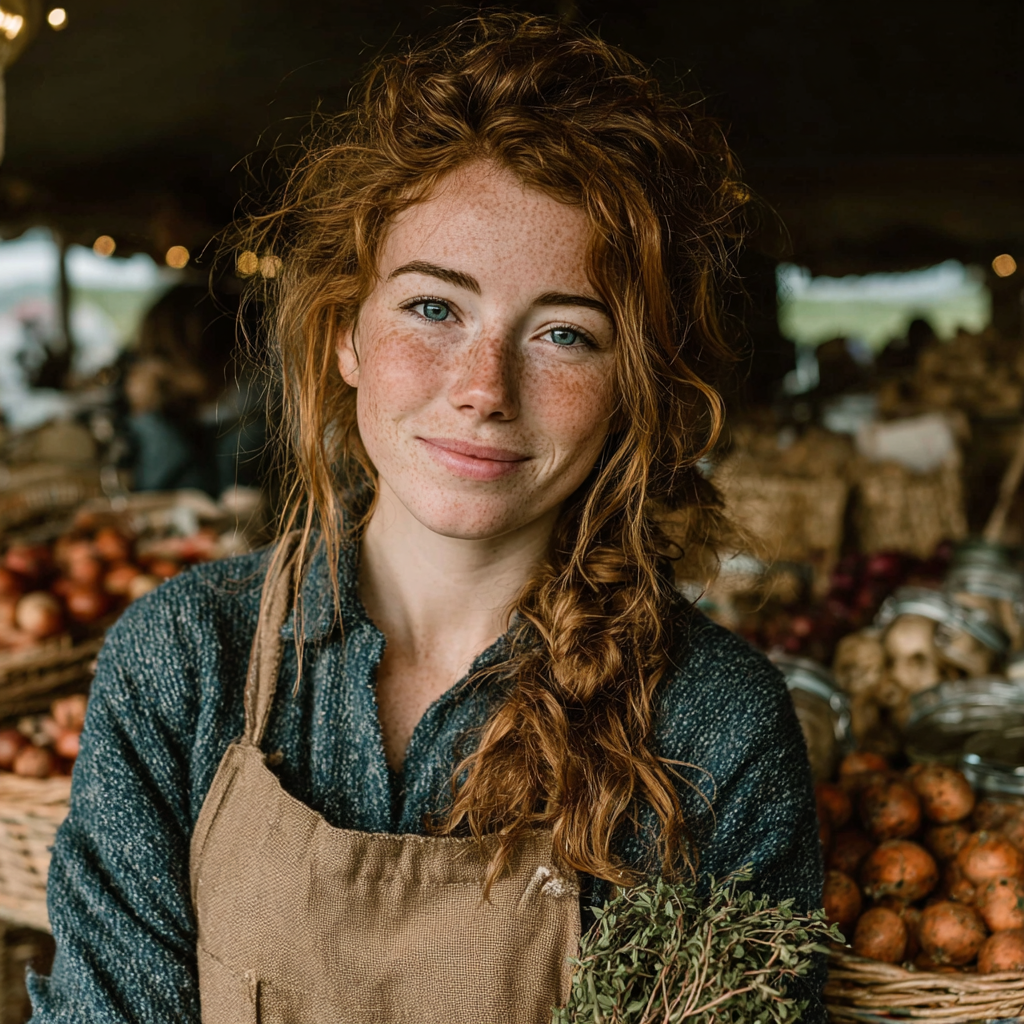
By Sophie Brennan
Irish food writer and historian based in Lisbon. Sophie combines her background in medieval history with a passion for contemporary gastronomy. She has written for Condé Nast Traveller and authored two cookbooks exploring Celtic and Iberian culinary traditions.