
Leeds: Where the North Still Works, and the Beer Still Costs Less Than a Fiver
Finn O'Sullivan grew up in a former mill town in Lancashire. He spent his twenties documenting the industrial towns that rebuilt themselves after the wool and steel left — not as museums, but as places where people actually live. Leeds is his favorite example of what happens when a city doesn't give up.
Leeds is the city that built modern Britain and then had to figure out what to do with itself. For a century it was the heart of the global wool trade, the place where Yorkshire cloth shipped to every continent. When that ended, the city could have hollowed out like its neighbors. Instead it rebuilt around law, finance, digital tech, and a surprisingly robust cultural scene. The result is a northern English city that feels busy and optimistic, with enough of its industrial bones still showing to keep it honest.
This is not a tourist city. It is a working city. You don't come to Leeds for a holiday — you come to see what a functioning British regional city looks like when it has pride, momentum, and a chip on its shoulder. The locals will tell you Manchester gets all the attention, York gets all the tourists, and Sheffield gets all the sympathy. Leeds just gets on with it. That energy is exactly what makes it worth visiting.
The Architecture That Money Built
Leeds Corn Exchange
Start in the city center at Leeds Corn Exchange, Call Lane, Leeds LS1 7BR. The 1864 building looks like a cathedral and functions as a retail space. The elliptical dome was revolutionary engineering for its time — a single span of wrought iron without central support. Cuthbert Brodrick, the same architect who designed Leeds Town Hall, created this space to impress the world with what Leeds could build. It worked. When the exchange opened, the Leeds Mercury called it "the most magnificent building in the kingdom devoted to trade."
Today it houses independent shops and food vendors rather than grain merchants. The architecture matters more than the merchandise, which tends toward vintage clothing, vinyl records, and artisan coffee. Come for the dome, browse if you're inclined. Opening hours: Monday-Wednesday, Friday-Saturday 10:00-18:00; Thursday 10:00-21:00; Sunday 10:00-16:00.
The Victorian Arcades
The Victorian arcades are Leeds' signature feature. Thornton's Arcade, Queens Arcade, County Arcade, and the grand Victoria Quarter form a network of covered shopping streets that date from the 1870s through 1900. The Victoria Quarter is the most elaborate — marble floors, mosaic ceilings, stained glass, and the stained-glass roof that spans Queen Victoria Street. These were built during the boom years when Leeds was the world's largest wool market. The engineering was practical — covered streets meant year-round commerce regardless of Yorkshire weather. Now they mix high-end retail with cafes and bars. The Victoria Quarter is upscale; Thornton's tends toward independent businesses. Walk through at different times of day — morning deliveries, afternoon shoppers, evening drinkers spilling from bars. Victoria Quarter: open daily during shopping hours. Access is free.
Leeds Town Hall
Don't miss Leeds Town Hall, The Headrow, Leeds LS1 3AD. Brodrick's 1858 masterpiece was the largest town hall in the country when it opened. The exterior is a confident statement in Victorian Baronial style — stone, turrets, and a 225-foot clock tower. The interior is even more impressive: the Victoria Hall can seat 1,600 people and has hosted everything from political rallies to concerts by the Rolling Stones. The building is open for public events; exterior viewable at all times.
Where the Old Leeds Still Lives
Kirkgate Market
Kirkgate Market, 34 George Street, Leeds LS2 7HY is where the old Leeds still operates. This is the largest covered market in Europe, in continuous use since 1822. The current building dates from 1904, with a grand hall and elaborate cast-iron columns. The ground floor is food — butchers, fishmongers, greengrocers, the kind of market stalls that are disappearing from British city centers. Upstairs is clothing, household goods, and the 1914 Marks & Spencer "penny bazaar" that's now a heritage display.
The market is busiest on Saturdays but worth visiting any day. Opening hours: Monday-Saturday 8:00-17:30. Closed Sunday. Eat at one of the street food vendors — the Thai counter near the Vicar Lane entrance, the Yorkshire pudding wrap stall (expect to pay £4-6 for a filling wrap), or the Moroccan soup kitchen. Prices are lower than anywhere else in the city center. A full lunch from the market stalls will cost you under £7.
Leeds Industrial Museum at Armley Mills
The Leeds Industrial Museum at Armley Mills, Canal Road, Leeds LS12 2QF occupies a former textile mill on the River Aire, about two miles west of the city center. The mill operated from 1788 through 1969 and has been preserved as a museum of the city's manufacturing heritage. The machinery is the main attraction — working textile looms, printing presses, and engines that demonstrate the processes that made Leeds rich. The museum also covers the social history: the working conditions, the labor movements, the lives of the mill workers. This is the honest side of Victorian prosperity. Admission: £4 for adults, £2 for concessions. Free for Leeds Card holders. Open Tuesday-Sunday 10:00-17:00. Closed Monday. The mill is accessible by bus — take the 15, 42, or 757 from the city center.
Kirkstall Abbey
Just over three miles northwest of the center, Kirkstall Abbey, Abbey Road, Leeds LS5 3EH is one of the most complete Cistercian abbeys in Britain. Founded in 1152, it was dissolved by Henry VIII in 1538 and spent the next four centuries as a quarry and romantic ruin. The stone structure is remarkably intact — you can walk through the nave, the chapter house, and the cloisters. On summer weekends, the abbey hosts outdoor cinema screenings and live music. Admission: free. Open daily during daylight hours. The adjacent Abbey House Museum is open Tuesday-Sunday 10:00-17:00, £4 for adults.
Museums That Earn Their Keep
Royal Armouries Museum
The Royal Armouries Museum, Armouries Drive, Leeds LS10 1LT occupies a purpose-built facility at Clarence Dock, opened in 1996 to house the national collection of arms and armor. The building itself is modern and undistinguished, but the collection is significant — over 8,500 objects spanning every continent and period. The Hall of Steel displays 2,500 pieces of armor arranged in a tower. The War Gallery covers conflict from medieval times through the present. The Oriental Gallery has Japanese samurai armor and Indian elephant armor. The museum is free and can easily fill half a day. It's particularly strong on practical context — how weapons were made, how they were used, what they meant to the people who carried them.
Admission: free. Term-time hours: Tuesday-Sunday 10:00-17:00. School holidays: daily 10:00-17:00. Closed Monday during term time. The museum runs daily combat demonstrations and live interpretation sessions. The Crossbow Challenge costs £8. From the city center, walk 20 minutes along the river, or take the water taxi from Granary Wharf.
Leeds Art Gallery and the Henry Moore Institute
Leeds Art Gallery, The Headrow, Leeds LS1 3AA holds an important collection of 20th-century British art, including works by Henry Moore, Barbara Hepworth, and the only public gallery dedicated to the Yorkshire artist John Atkinson Grimshaw. The building is Victorian, with a 1988 extension that added the sculpture gallery. The Henry Moore Institute, 74 The Headrow, Leeds LS1 3AH, next door, focuses on sculpture and hosts temporary exhibitions. Both are free. Art Gallery: open Monday-Tuesday, Thursday-Saturday 10:00-17:00; Wednesday 10:00-20:00; Sunday 12:00-17:00. Moore Institute: open daily 10:00-17:00, Wednesday until 20:00.
The Tetley
The Tetley, Hunslet Road, Leeds LS10 1JQ is a contemporary art space in the 1930s Art Deco headquarters of the former Tetley Brewery. The exhibitions tend toward experimental and installation work. The building itself is worth the visit — the oak paneling, the tiled floors, the sense of a company that once dominated the region's drinking culture. The on-site restaurant serves decent modern British food. Free admission. Open Wednesday-Sunday 10:00-17:00; Tuesday 10:00-20:00. Closed Monday.
The Country Houses
Temple Newsam
Temple Newsam, Temple Newsam Road, Leeds LS15 0AE sits four miles east of the city center, a Tudor-Jacobean mansion on 1,500 acres of parkland. The house dates from the 1500s and contains over 40 rooms of fine and decorative art. It was the birthplace of Lord Darnley, the ill-fated husband of Mary, Queen of Scots. The estate includes formal gardens, a working rare breed farm with animals you can pet, and walking trails through woodland that feels surprisingly remote given the proximity to the city.
Admission: £10.50 for adults, £8.40 with Leeds Card, family ticket £25.50. House open Tuesday-Sunday 11:00-16:00. Grounds open daily. Farm open daily 10:00-17:00. Reach it by bus 19 or 163 from the city center. This is a full-day excursion, particularly if you walk the estate rather than just touring the house.
Harewood House
Harewood House, Harewood, Leeds LS17 9LQ, eight miles north, is grander still — a Robert Adam mansion from 1759, with interiors by John Carr and furniture by Chippendale. The estate was built with profits from the West Indian slave trade, a fact the current management acknowledges in its interpretation. The house contains important art collections, including works by Turner and El Greco. The grounds were designed by Capability Brown and include a lake, gardens, and a bird garden with exotic species. Harewood is expensive — around £18 for the full estate, £12 for gardens and grounds only. Open daily in summer, reduced hours in winter. The house is typically open Tuesday-Sunday 11:00-16:30. Requires a car or the occasional 36 bus service from Leeds.
The University District: Where the Energy Is
The university district around Woodhouse Moor has a different character. Leeds has two major universities and 60,000 students, and the area around Hyde Park and Headingley feels young and slightly scruffy. Headingley is the student suburb with cheap bars, takeaways, and the famous cricket and rugby ground where Yorkshire plays.
The Hyde Park Picture House, 73 Brudenell Road, Leeds LS6 1HD, opened in 1914, is one of Britain's oldest surviving cinemas, still operating with its original gas lighting and organ. The programming is arthouse and repertory. Tickets £7-9. Open evenings, check schedule online.
The Brudenell Social Club, 33 Queens Road, Leeds LS6 1NY is a working men's club turned music venue, hosting indie bands and experimental acts since 1991. The beer is cheap and the atmosphere is democratic — students mix with older locals who remember when this was their social club. Gigs typically £8-15. The main room and community room operate separately.
The Burley Moor area, between the universities and the city center, is where the creative industries cluster. Small graphic design studios, independent publishers, and coffee shops line the streets. Outlaws Yacht Club on New York Street is a cafe, gallery, and record shop rolled into one.
Eating and Drinking in Leeds
Leeds' food scene has improved significantly in the past decade. The city center has developed clusters of restaurants around Assembly Street, Greek Street, and the Calls.
For fine dining, The Man Behind the Curtain, 68-78 Vicar Lane, Leeds LS1 7JH, Michael O'Hare's restaurant, holds a Michelin star and serves tasting menus that are architectural and occasionally challenging — not comfort food. Tasting menu around £120 per person. Reservations essential. Open Thursday-Sunday evenings.
For less experimental dining, try The Reliance, 76-78 North Street, Leeds LS2 7PN, a gastropub with a serious wine list and seasonal British cooking. Mains £14-22. Open daily from 12:00.
Friends of Ham, 4-8 New Station Street, Leeds LS1 5DL specializes in charcuterie, cheese, and natural wine. The platters are generous and the staff knows what they're talking about. Open daily 12:00-22:00. Plates £8-16.
The Brunswick, 87 North Street, Leeds LS2 7PN is a pub with excellent pizzas and a rooftop terrace. Pizzas £9-14. Open daily.
For drinks, Whitelock's Ale House, Turks Head Yard, Leeds LS1 6HB off Briggate claims to be the oldest pub in Leeds, dating from 1715, with an 1895 refurbishment that created the ornate interior. A pint of real ale costs around £4. North Bar, 6 New Briggate, Leeds LS1 6NU was Leeds' first craft beer bar and still maintains an excellent rotating selection. Pints range from £4.50 to £6.50. Tapped Brew Co., 18-22 Boar Lane, Leeds LS1 5NS serves pizza and house-brewed beer.
The Brewery Tap, 18-24 New Station Street, Leeds LS1 5DL is a Leeds Brewery pub in a converted warehouse. The cask ale is brewed locally and the atmosphere is unpretentious. The Adelphi, 1-3 Hunslet Road, Leeds LS10 1JQ is a Victorian pub with original fittings, a tiled bar, and a reputation for real ale. The Turk's Head, 28-30 Briggate, Leeds LS1 6NT is a classic city center pub with a narrow frontage and a surprisingly large back room.
Live Music and Nightlife
The music scene matters to Leeds' identity. The city produced Gang of Four, the Wedding Present, Soft Cell, Kaiser Chiefs, and Alt-J. The venues range from the 13,500-seat First Direct Arena down to the 200-person capacity of Wharf Chambers Cooperative, 23-25 Wharf Street, Leeds LS2 7EQ.
The Brudenell Social Club remains essential — it's where bands play when they're building reputation, and where established acts return for intimate shows. Leeds Festival, held annually over the August bank holiday at Bramham Park, is one of Britain's largest music festivals, though it actually takes place outside the city.
For nightlife, the Calls area around Call Lane has a concentration of bars and clubs. Revolución de Cuba, 64-68 Call Lane, Leeds LS1 6DT is a reliable cocktail bar in a converted warehouse. The Domino Club, 7 Grand Arcade, Leeds LS1 6PG is a basement jazz bar with live music most nights. The Hifi Club, 2 Central Road, Leeds LS1 6DE hosts DJ nights, live bands, and club events. The Key Club, 66 Merrion Street, Leeds LS2 8NH is the rock and metal venue — loud, sweaty, and committed.
What to Skip
The Trinity Leeds shopping center is a modern mall with the same stores you'll find in every British city. The architecture is undistinguished, the food court is overpriced, and the atmosphere is generic. If you need a Primark or an Apple Store, fine. Otherwise, walk past it.
The observation wheel at Millennium Square was a temporary installation that somehow became permanent. The views are not impressive — Leeds is a low-rise city, and the wheel doesn't go high enough to reveal anything you can't see from the top of the Town Hall steps. It costs £7 for a slow rotation and offers nothing that walking the city center won't provide.
The Leeds City Museum is a perfectly adequate regional museum, but the collections are thin compared to what you can see at the Royal Armouries or the Industrial Museum. It tries to cover everything and ends up covering nothing in depth. If you have limited time, skip it.
The escape rooms and chain restaurants around the Merrion Centre cater to office workers on lunch breaks and tourists who don't know better. The food is mediocre, the experiences are overpriced, and the area has no character. Walk five minutes in any direction and find something local.
Practical Logistics
Getting there: Leeds is on the main East Coast rail line. From London King's Cross, the train takes 2 hours 15 minutes. From Manchester, it's 55 minutes. From Edinburgh, 3 hours. Leeds Bradford Airport is 8 miles northwest with flights to European destinations. The airport bus (757) runs every 30 minutes and takes 40 minutes to the city center. A taxi costs £25-30.
Getting around: The city center is compact enough to walk — from the railway station to the universities is about 30 minutes on foot. The free city bus connects the main sites in a loop. For outer destinations like Temple Newsam and Harewood, buses run regularly but slowly. A car helps for the countryside, though parking in the center is expensive.
Where to stay: The city center has the usual chain hotels. For something with character, look at The Queens Hotel, City Square, Leeds LS1 1PJ — a grand railway hotel from 1937 with Art Deco interiors. The Tetley, the art gallery, has a budget apartment above it. For cheaper options, the university district has basic guesthouses and Airbnb. Expect to pay £80-120 for a decent hotel room in the center, £40-60 for a budget option.
When to visit: Leeds is a year-round city. Summer brings festivals and outdoor events. Autumn is ideal for walking the parks and country estates. Winter is cold and wet but the pubs are warm and the Christmas Market on Millennium Square is decent. Spring sees the parks at their best. Avoid the weekend of Leeds Festival unless you're attending — accommodation is scarce and prices triple.
Budget: Leeds is cheaper than London or Manchester. A pint of real ale costs £3.80-4.50. A meal at a mid-range restaurant is £15-25 per person. Most museums are free. The markets and street food vendors offer meals for under £7. A day exploring the city center, including lunch and a couple of drinks, can be done for under £40.
Leeds doesn't have the obvious attractions of York or Edinburgh. It doesn't have Manchester's music heritage or Liverpool's waterfront. What it has is energy — a city that's still making things happen, that hasn't settled into heritage tourism or pure consumption. The Victorian infrastructure is spectacular. The industrial history is present and acknowledged. The cultural scene is active rather than preserved. You come to Leeds to see what a working British regional city looks like when it's functioning well — busy, imperfect, honest about its past, and engaged with its future. And if you stay long enough to have a conversation in a pub, you'll find the locals agree with all of this and will tell you how it could be even better.
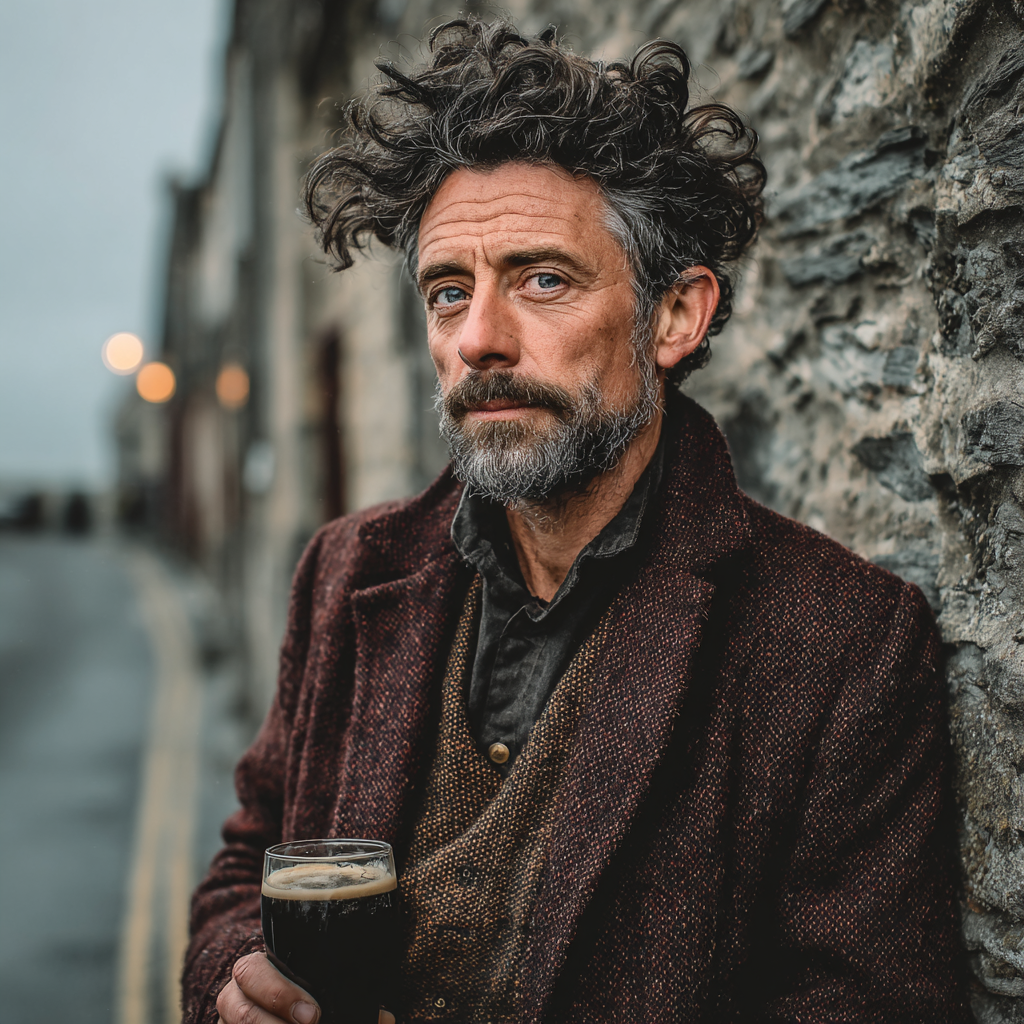
By Finn O'Sullivan
Irish storyteller and folklorist. Finn hunts for the narratives that do not make guidebooks—the pub legends, the family feuds, the neighborhood heroes. He believes every street corner has a story if you know who to ask.