
The center of Edinburgh is compact enough that you can walk from the castle to the sea in under an hour. The pubs are built for people who want to drink alone without feeling alone. The hostels understand that solo travelers are not failed group travelers; they are the main event. After six years of traveling solo through fifty countries, I have a low tolerance for cities that make me work hard to feel comfortable. Edinburgh does not make me work.
Where to Sleep
Solo travel lives or dies on where you sleep. Edinburgh's hostel scene gets this. Castle Rock Hostel, on Johnston Terrace, is literally in the shadow of the castle. The building is old, the stairs creak, and the common room has a fireplace that actually works. Dorms run £18–£28 depending on season, and the female-only dorms are on separate floors with key-card access. The staff organizes pub crawls, but the better move is the walking tour they run every morning at 10 AM. It is free for guests, tips-only, and the guide takes you through closes and courtyards that the paid tours miss.
Kick Ass Hostel on West Register Street is louder, newer, and has a bar on the ground floor that stays open until 2 AM. The name is accurate. If you are twenty-two and want to meet people, this is the move. If you are thirty and want to sleep before midnight, look elsewhere. Dorms are £16–£24. The location is hard to beat—two minutes from Princes Street, ten from Waverley Station.
If hostels are not your scene, the Motel One on Princes Street has single rooms starting at £65 with no single supplement—a policy I actively seek out. Many hotels charge solo travelers the same rate as a couple, which I refuse to reward.
Eating Alone
Solo dining in Edinburgh is normal because the city runs on people who eat alone. Students, lawyers, shift workers, academics—they all sit at bars and counters with a book or a phone and nobody stares.
The Bow Bar on Victoria Street is a standing bar with no tables. You order at the counter, lean against the wood, and drink whisky. They have over 300 whiskies. Ask for something from Campbeltown if you want to sound like you know what you are doing. A dram costs £4–£8. The bar is narrow, so you will end up shoulder-to-shoulder with strangers. This is the point.
For breakfast, Loudons on Fountainbridge has communal tables and a menu that runs from full Scottish breakfast to vegan haggis. A plate costs £8–£12. The coffee is strong enough to matter.
The Elephant House on George IV Bridge is famous for Harry Potter, which is a good reason to avoid it. The line is long, the coffee is average, and the tourists take photos of each other taking photos. For a better solo writing spot, try Lowdown Coffee on George Street. Small, quiet, excellent flat whites, and the counter seating faces the street.
Dinner alone is easiest at pubs with bar seating. The Royal Oak on Infirmary Street has live folk music most nights, bar stools along the wall, and a menu of pies and stews that costs £10–£14. The musicians do not care if you are alone. They care if you are listening. Sit at the bar, order a pint, and let the evening happen.
For something quicker, Oink on Victoria Street sells hog roast rolls—pulled pork, stuffing, applesauce—for £5.50. There is no seating. You eat on the street or on a bench in the Grassmarket. This is also normal.
What to Do Alone
Edinburgh Castle charges £19.50 for advance tickets, £21 at the gate. Go early, before 10 AM, or the crowds make it hard to move. The Crown Room is worth the admission. The Stone of Destiny sits in a box that looks like a shipping crate. I stared at it for five minutes trying to feel something historical and mostly felt confused about why we care so much about rocks.
The National Museum of Scotland on Chambers Street is free. The atrium is a Victorian cathedral of iron and glass, and the rooftop terrace has views over the Old Town. The Dolly the Sheep exhibit is smaller than you expect. The Pictish stones are larger.
Arthur's Seat is free and takes ninety minutes to climb. The summit is windy. Bring a jacket even in July. The view shows you the full scale of the city: the castle to the west, the sea to the east, the Pentlands to the south. I have climbed it at sunrise alone and shared the top with a man walking his dog. We nodded and said nothing. It was perfect.
Greyfriars Kirkyard is free and open until dusk. The Bobby statue is a fiction wrapped in bronze, but the graveyard itself is real. The tombstones lean at angles that suggest they are tired.
Dean Village, twenty minutes' walk from the center, is where the water mills used to grind grain. The Water of Leith walkway continues to Stockbridge, where the Sunday farmers' market has been running since 1999.
Calton Hill is free and takes ten minutes to climb. The unfinished Parthenon—"Scotland's Disgrace"—is there, along with the Nelson Monument. The sunset views are the best in the city.
Meeting People
Solo travel does not mean antisocial travel. Edinburgh makes this easy without forcing it.
The free walking tours that leave from the Royal Mile several times daily are the obvious first move. Sandeman's New Europe runs a tip-based tour at 10 AM and 2 PM that covers the Mile, Grassmarket, and Greyfriars. The guides work for tips and they work hard. Expect to pay £8–£12 if the tour is good. You will not be the only solo traveler. Half the group will be alone, and the other half will be couples who do not want to talk to you anyway.
For evening socializing, the hostels run pub crawls, but I prefer the Meetup groups. "Edinburgh Social" and "Edinburgh Travel Club" have events most weeks—language exchanges, trivia nights, hikes. The language exchange at The Newsroom on Leith Street happens every Tuesday at 7 PM. Order a drink, put a flag sticker on your shirt, and talk to strangers in broken Spanish. It is free except for the drink.
The Jazz Bar on Chambers Street has live music most nights. The basement gets hot. The crowd is local and unpretentious. A ticket costs £8–£12 depending on the act. Sit at the bar and the regulars will assume you belong there. This is half the battle of solo socializing: looking like you meant to be there.
Safety and Practicalities
Edinburgh is safe. I have walked from Leith to the West End at midnight alone and the only danger was the cobblestones. The city center is well-lit and busy until at least 1 AM. The Cowgate, below street level, is darker and narrower. I walk through it quickly at night not because I have been threatened but because I have been to enough cities to know that narrow, dark alleys are where trouble lives if trouble is going to live anywhere.
The trams run from the airport to the city center every seven minutes. The journey takes thirty minutes and costs £6.50 one way. The Airlink 100 bus is cheaper at £4.50 and takes twenty-five minutes. Both drop you at Waverley Bridge, which is the center of everything. A taxi costs £25–£30 and is unnecessary unless you are arriving at 2 AM with three suitcases.
The weather is the real adversary. Rain happens without warning. Wind happens constantly. Layer your clothing and carry a waterproof jacket that actually works, not one that looks good in photos. I learned this the hard way on Arthur's Seat in April. The temperature at the bottom was 12 degrees. At the top, with wind chill, it was 3 degrees. I was wearing a denim jacket. Do not be me.
What to Skip
The Scotch Whisky Experience on the Royal Mile is a conveyor belt of tourism—a barrel ride, a holographic ghost, a branded glass. It costs £17–£25 and you can get a better education at The Bow Bar, The Scotia Bar on Stockbridge, or The Albanach on the High Street. All of them will teach you more for the price of a single dram.
Camera Obscura, near the castle, is £17 for optical illusions and a mirror maze. If you are alone and over the age of sixteen, spend that money on a whisky flight instead.
When to Go
August is the Fringe, which means expensive beds, crowded streets, and the best theater in the world. Book hostels two months in advance or pay £40 for a dorm bed that normally costs £20. December has the Christmas markets and Hogmanay, which is a street party that requires tickets and tolerance for crowds. January and February are cold, dark, and cheap. A dorm bed drops to £14. The museums are empty. The pubs are warm. The locals have time to talk.
My favorite month is May. The days are long—sunset after 9 PM—the gardens are green, and the tourists have not fully arrived. I have sat on Calton Hill at 8:30 PM in May and watched the light fade over the castle while sharing a bench with a retired engineer from Aberdeen who told me about the ship he helped build in 1974. This is why I travel solo. Not for the freedom to do what I want, but for the conversations that happen when you are alone and available.
Edinburgh makes you available. The city is small enough to learn in a day, rich enough to stay for a week, and friendly enough that you will stop noticing you are alone. That is the test of a good solo destination. Edinburgh passes.
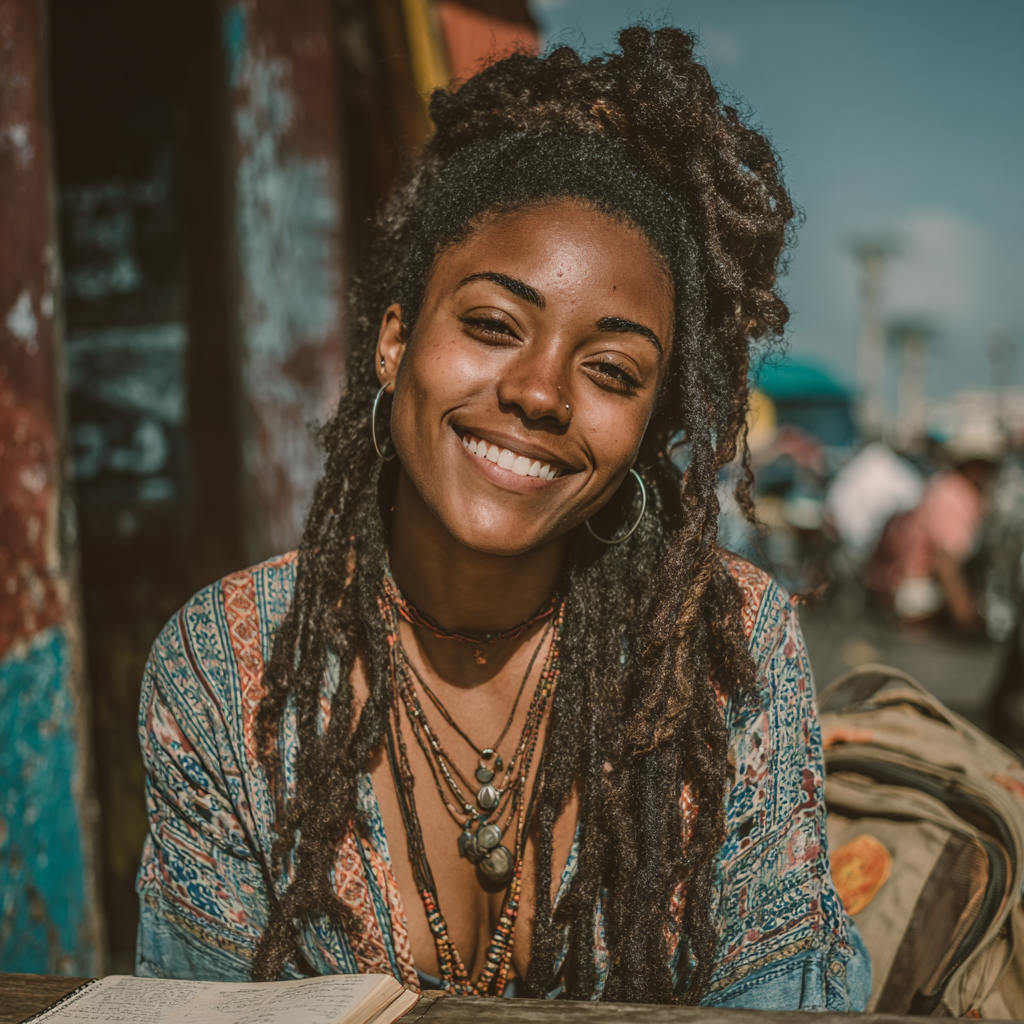
By Maya Johnson
Solo travel evangelist and digital nomad veteran. Maya has spent six years traveling alone across 50+ countries on a freelance writer budget. She writes honest, practical guides for women who want to explore the world independently and safely.