
The Scottish Highlands: Where Geology, Grievance, and Good Whisky Collide
The first time I drove into Glencoe, the clouds were sitting so low on the Three Sisters that I thought someone had pulled a grey wool blanket over the world. I'd been warned about Scottish weather, of course — everyone warns you — but what they don't tell you is that the Highlands don't care about your expectations. They give you what they give you, and you learn to love it.
This isn't an itinerary. It's a guide to standing in places where stories have pooled for centuries, drinking whisky in pubs where climbers have thawed out since Victorian times, and accepting that you will be eaten alive by midges at least once. That's part of the deal.
About This Guide
I'm Finn O'Sullivan, and I write about places where the past hasn't finished speaking yet. The Highlands are that kind of place — a landscape where geological violence, historical grievance, and genuine warmth coexist in a way that feels almost unreasonable. I've been climbing and wandering here for years, and I still get that tightening in my chest when I round the corner into Glencoe.
This guide covers the core Highlands experience: the Isle of Skye, Glencoe, Ben Nevis, and the Great Glen. Everything is open in summer (June-August), the days stretch until nearly 11 PM, and you can climb Britain's highest peak without ice axes. But summer also means midges — tiny biting insects that will test your sanity at dawn and dusk. Wind is your friend; they can't fly above 7 mph. Buy Smidge repellent before you arrive. Temperatures hover around 12-20°C (54-68°F), so pack layers. Always layers.
The Landscape That Shapes Everything
Glencoe: The Valley of Tears
Glencoe is the most dramatic valley in Scotland — and the most tragic. In February 1692, 38 members of the MacDonald clan were murdered here by government troops they'd been hosting for nearly two weeks. The valley's beauty is inseparable from that history. You feel it in the way the clouds sit on the peaks, in the silence of the high corries.
The Three Sisters — Gearr Aonach, Aonach Dubh, and Bidean nam Bian — rise from the valley floor like stone sentinels. The view from the A82 carpark is justifiably famous, but the best summer light hits the faces mid-morning. Walk the Lost Valley (Coire Gabhail), a hidden hanging valley where the MacDonalds supposedly hid their cattle from raiders. The route crosses the River Coe on stepping stones (tricky after rain, impassable in spate), then climbs steeply through woodland into a world of waterfalls and cliffs. It's 4 km round trip with 300 metres of elevation gain, taking 2-3 hours. In summer, wildflowers explode on the floor — orchids, buttercups, and cotton grass.
Buachaille Etive Mòr — "the Herdsman of Etive" — guards the entrance to Glen Etive. It's the most photographed mountain in Scotland, a perfect pyramid of rock and scree. Options range from photographing it from the car park (still worth it) to walking to Lagangarbh hut (1 hour, owned by the Scottish Mountaineering Club) to summiting via the Tourist Path (5-7 hours, only for the experienced). The 12-mile single-track road down Glen Etive to Loch Etive is where they filmed the Skyfall scene with Bond and M. Keep driving to the end — seals haul out on the rocks and otters fish in the shallows.
The Isle of Skye: Geology on a Bender
Skye feels like geology gone rogue. The Cuillin ridge splits the island — the Black Cuillin all jagged basalt and scree, the Red Cuillin gentler, rust-coloured. Then there's the Quiraing, an active landslip still shifting and sliding toward the sea. The road looping around it is repaired regularly because the mountain is literally moving. The 6.8 km loop walk takes 3-4 hours past The Needle (a 37-metre rock spire), The Table (a flat grassy plateau where farmers once hid cattle from Vikings), and The Prison. Stay on the path — cliffs are unstable and mist can roll in faster than you'd believe.
The Old Man of Storr is what's left of an ancient landslip — a 50-metre basalt needle that separated from the main cliff. If you want to experience it without the coach parties, be in the car park by 7 AM. By 9 AM it's full. The walk is 3.8 km round trip with 288 metres of elevation gain, taking 2-3 hours. The £3 parking is honesty box — pay it.
Nearby, Kilt Rock is a sea cliff of basalt columns that genuinely looks like pleated tartan. Mealt Falls plunges 60 metres straight into the sea from the cliff edge. The viewing platform is just off the A855 — park, walk five minutes. When the wind is right, the falls create a constant thunder and spray blows back up the cliff face.
Fairy Glen, near Uig, is a miniature fantasy landscape of cone-shaped hills and tiny lochans. A stone spiral sits at the top — don't walk on it, as locals get annoyed by the damage. Climb Castle Ewen for views over the whole surreal scene. It takes 30-45 minutes to explore.
Ben Nevis: Britain's Rooftop
Ben Nevis is 1,345 metres high. That's not huge by international standards, but it's the highest point in Britain and a serious mountain. People die here every year, usually because they underestimate it.
The Mountain Path is 16 km round trip with 1,345 metres of elevation gain, taking 7-9 hours. It starts innocuously beside a stream, crosses at Red Burn, then begins relentless zig-zags up the western flank. The summit plateau is huge — flat, rocky, about the size of 40 football pitches. In cloud (which is common), you can walk right off the edge of the north face without seeing it coming. Check the Mountain Weather Information Service (mwis.org.uk) before you go. If the forecast is bad, don't go.
What to bring: Waterproof jacket and trousers, warm layers (fleece, hat, gloves — yes, even in summer), 2-3 litres of water, food, map and compass, and a phone for emergency only (signal is patchy). A cheap orange survival bag (£5) could save your life.
Non-climber alternatives: The Glen Nevis valley walk follows the river with no climbing required. Steall Falls at the head of the glen is a spectacular waterfall reached in 3-4 hours on a good path. The Nevis Range gondola takes you up Aonach Mòr for views without the effort (£22.50 return).
The Stories in the Stones
The Glencoe Massacre: History That Refuses to Fade
The history isn't abstract here. At the Glencoe Visitor Centre (PH49 4HX, 9:30 AM — 5:30 PM, £4 adults, NTS members free, 01855 811307), the massacre exhibition lets the historical accounts speak for themselves. Children were killed. An elderly man was shot while trying to warm himself at a fire. The centre doesn't sensationalise, but it doesn't shy away either.
At the Clachaig Inn (PH49 4HX, 01855 811252), the sign outside says "No hawkers, no camp followers, no Clan Campbell." They're not joking — the Campbells were the troops who carried out the massacre. The history is still alive in the walls. The real ales are excellent; try the Clachaig Gold.
Urquhart Castle: A Thousand Years of Conflict
The ruins of Urquhart Castle sit on a promontory jutting into Loch Ness. The castle was deliberately destroyed in 1692 to prevent it falling to Jacobite forces — you can still see the great crack in the wall where the gatehouse was blown up. Grant Tower has panoramic views up and down the loch. Prime Nessie-spotting territory, though in 20 years I've never seen anything more exciting than a wave.
- Location: 57.3242°N, -4.4444°W
- Hours: 9:30 AM — 6 PM (summer)
- Entry: £12 adults, parking £4
- Phone: 01456 450551
The Jacobite Legacy in Fort William
The West Highland Museum in Fort William (Cameron Square, PH33 6AJ, 10 AM — 5 PM, £5 adults, 01397 702169) holds a secret portrait of Bonnie Prince Charlie — painted on fabric, it looks like a blank canvas until viewed from the side, when the prince's face appears. It's a neat trick that saved the artist's neck when government troops searched for rebel memorabilia.
The Water and What Lives There
The Fairy Pools: Beautiful and Besieged
The Fairy Pools at Glenbrittle are stunning, but victims of their own Instagram fame. The car park fills by 10 AM in summer; the £5 fee is an honesty box. The walk is 2.4 km each way on a decent path, taking about 40 minutes. The water is 10-12°C even in summer — I've seen grown men hyperventilate after thirty seconds. The turquoise colour is real, caused by mineral content from the Cuillin hills. The valley can be apocalyptic with midges in calm evenings.
Glenbrittle Beach, five minutes' drive away, is the quiet alternative. White shell sand, views straight up at the Black Cuillin, and usually empty even in July. The water is the Atlantic — cold enough to make you gasp, but on a still day you can float and watch clouds move across the ridge.
Loch Ness: Deeper Than You Think
Loch Ness contains more water than all the lakes in England and Wales combined. The bottom is 230 metres down — deep enough to submerge the London Eye with room to spare. Cruise Loch Ness runs boat trips from Urquhart Castle and Drumnadrochit (£15-20 for an hour), giving you a sense of just how dark and deep the water is.
The Loch Ness Centre and Exhibition in Drumnadrochit (57.3250°N, -4.4833°W, 9:30 AM — 6 PM summer, £7.95 adults, 01456 450573) takes a balanced look at the monster phenomenon. It doesn't mock believers, but presents sonar scans and underwater photography suggesting there's no large unknown animal. Most sightings are probably boat wakes, floating logs, and wishful thinking. But it's fun to wonder.
Dinosaurs at Staffin
At low tide, Staffin Beach reveals 165-million-year-old dinosaur footprints preserved in the rock. Walk down from the car park at An Corran and head toward the rocky outcrops at the north end. The prints are oval depressions, about the size of a dinner plate, left by sauropods walking across what was then a muddy lagoon. Check tide tables — you can only see them at low tide. Staffin Museum (tiny, quirky, £3 entry) has casts if you can't time it right.
The People and the Pubs
Sligachan: The Climbers' Cathedral
The Sligachan Hotel (IV47 8SW, 01478 650204) has hosted every serious mountaineer who's touched Scottish rock since the 1830s. There's a tradition of dipping your face in the river by the old bridge after completing a route — the water comes straight off the Cuillin, approximately the temperature of a broken heart. The walls are covered in climbing memorabilia. Breakfast is £10-16 for the full Scottish: haggis, black pudding, tattie scones — the works.
Talisker: Liquid History
Talisker Distillery in Carbost (IV47 8SR, 57.3000°N, -6.3667°W) has been producing peaty, peppery single malt since 1830. It tastes maritime — unmistakably salty. On a clear day, you can see the Cuillin reflected in Loch Harport through the warehouse windows.
- Standard tour: £15 for an hour
- Tasting tour: £35, includes five drams and is genuinely worth it
- Booking: Essential in summer. Book online or call 01478 614308
Talisker is one of only two Scottish distilleries using worm tub condensers, giving it that distinctive waxy, peppery finish. The other is on Orkney.
Where to Eat
The Scorrybreac in Portree (7 Bosville Terrace, IV51 9DG, 01478 612069) is Skye's best restaurant. Call weeks ahead. The tasting menu runs £40-60 per person — local scallops that were swimming that morning, venison from the island. Chef Calum Montgomery worked at Michelin-starred restaurants before coming home. If it's booked (it usually is), Sea Breezes on Quay Brae does an excellent seafood platter with harbour views.
The Glenbrittle Campsite Café (IV47 8TA, 01478 640404) serves basic sandwiches and hot drinks for £6-12. Not gourmet, but honest food after a cold swim. The ice cream is surprisingly good.
The Staffin Inn (IV51 9JX, 01470 562273, £10-18) is pub food in a local crowd, probably someone speaking Gaelic at the bar. Not fancy, but honest.
The Ferry Inn in Uig (IV51 9XP, 01470 542388, £18-30) does excellent Cullen skink (smoked haddock soup) and proper fish and chips. Uig faces west — in late June, the sun sets around 10 PM. Grab a pint and watch the light change if the midges allow.
The Grog & Gruel in Fort William (66 High Street, PH33 6AD, 01397 705078, £15-25) sounds wrong on paper — Mexican-Scottish fusion — until you try the haggis burrito. The craft beer selection is good and the atmosphere is lively. For something more refined, Crannog Seafood Restaurant on the Town Pier (£35-50) serves fresh seafood with views over Loch Linnhe.
The Mustard Seed in Inverness (16 Fraser Street, IV1 1DW, 01463 220220, £35-50) sources locally and cooks with precision — Highland venison, seafood risotto, whatever's seasonal. For a splurge, Rocpool on Ness Walk (£50-70) is fine dining with an excellent wine list.
The Ben Nevis Inn (Achintee, PH33 6TE, 01397 702295) sits at the foot of the Ben Nevis path. This is where climbers gather after a day on the hill. Real ale and a dram of whisky. If you made the summit, you'll have something to talk about. If you didn't, you'll find sympathetic ears.
What to Skip
The Fairy Pools at midday. By 10 AM the car park is full and you're walking in a conga line of influencers. Go at 8 AM or skip them for Glenbrittle Beach.
Nessie-hunting as a primary activity. The Loch Ness Centre is genuinely interesting, but spending a whole day scanning the water with binoculars is a recipe for disappointment. The loch is deep and dark and the monster, statistically speaking, doesn't exist.
Portree harbour at noon. The pastel houses are photogenic, but every coach tour stops here between 12 PM and 2 PM. Come for dinner or an evening walk instead.
The Old Man of Storr after 9 AM. If you're not in the car park by 7 AM in summer, you're sharing the experience with hundreds of others. The experience degrades exponentially with crowd size.
Neptune's Staircase unless you have time. The eight locks at Banavie are hypnotic, but each takes 15 minutes and the full staircase takes boats 90 minutes. It's a good detour if you're passing, not worth a special trip if you're tight on time.
Tourist trap restaurants in Portree and Fort William. If a place has laminated menus with pictures of the food, walk away. The good places fill up months ahead for summer — that's your indicator.
Practicalities
Getting Around
A car is essential. Public transport exists but doesn't reach many of the places you'll want to go. Rent in Edinburgh or Glasgow. The A82 along Loch Lomond and through Glencoe is one of the world's great drives. Watch for deer on the road, especially at dawn and dusk. Single-track roads on Skye and in Glen Etive require patience — pull into passing places to let faster traffic past, never park in passing places.
Distances:
- Glasgow to Fort William: 2 hours
- Fort William to Portree: 2.5 hours plus ferry (or 3.5 hours via bridge)
- Fort William to Inverness: 1.5 hours
Allow extra time in summer — roads are busy.
What to Pack
- Waterproof jacket and trousers (non-negotiable)
- Warm fleece or down jacket
- Hat and gloves (yes, even in summer)
- Comfortable walking boots, not trainers
- Midge repellent (Smidge is best) and head net for serious walking
- Sun hat, sunglasses, sunscreen (SPF 30+ — sun at 1,000 metres is intense)
- For Ben Nevis: 2-3 litres of water, high-energy snacks, map and compass, whistle (six blasts is the distress signal)
Where to Stay
Isle of Skye:
- The Cuillin Hills Hotel: £180-300/night, Portree. The nicest hotel on the island.
- The Portree Hotel: £120-200/night. Central, comfortable, good restaurant.
- Skye Backpackers: £25-40/night. Friendly, sociable, basic but clean.
Glencoe:
- Glencoe House: £250-400/night. Luxury in a historic mansion.
- The Glencoe Inn: £120-200/night. Comfortable, good restaurant.
- YHA Glencoe: £25-40/night. Hostel in a converted church.
Fort William:
- Inverlochy Castle Hotel: £300-500/night. The best in the area.
- The Imperial Hotel: £100-180/night. Central and convenient.
- Chase The Wild Goose Hostel: £20-35/night. Basic, friendly, popular with walkers.
Inverness:
- Rocpool Reserve: £150-280/night. Boutique with excellent restaurant.
- The Royal Highland Hotel: £90-160/night. Historic, near the station.
- Inverness Youth Hostel: £25-40/night. Clean, modern, well-located.
Money and Costs
Daily budget:
- Budget (hostels, self-catering): £70-100
- Mid-range (B&Bs, restaurants): £140-220
- Luxury (hotels, fine dining): £300+
Typical costs:
- Coffee: £2.50-3.50
- Pub lunch: £10-16
- Restaurant dinner: £25-50
- B&B (summer): £100-180/night
- Hotel: £150-300/night
- Campsite: £15-25/night
- Petrol: £1.50-1.70/litre
Cards are widely accepted. Some rural car parks are cash-only (£2-5), so keep pound coins handy.
Safety
Mountains: Check mwis.org.uk before any hill walk. Tell someone your route and expected return time. Start early — afternoon thunderstorms are common. Turn back if conditions deteriorate. Don't depend on your phone for navigation.
General: Midges can make you miserable. Ticks are present — check yourself after walking through bracken. River crossings can be dangerous after rain.
Emergency: 999 or 112. For mountain rescue, call 999 and ask for police, then mountain rescue.
The Highlands will give you what you put in. Show up with respect, patience, and proper waterproofs, and you'll find something that stays with you long after you've driven away. I've been coming here for years, and I still get that feeling when I round the corner into Glencoe — a sense that I'm small and temporary and that's somehow okay.
The stories are real here. The massacre at Glencoe happened. The climbers at the Sligachan Hotel are part of a tradition going back 150 years. The midges are definitely real. And somewhere, on a still summer evening, someone is standing on the shore of a sea loch watching an otter fish, and they're feeling exactly what you will feel when you do the same.
That's the deal. Go well.
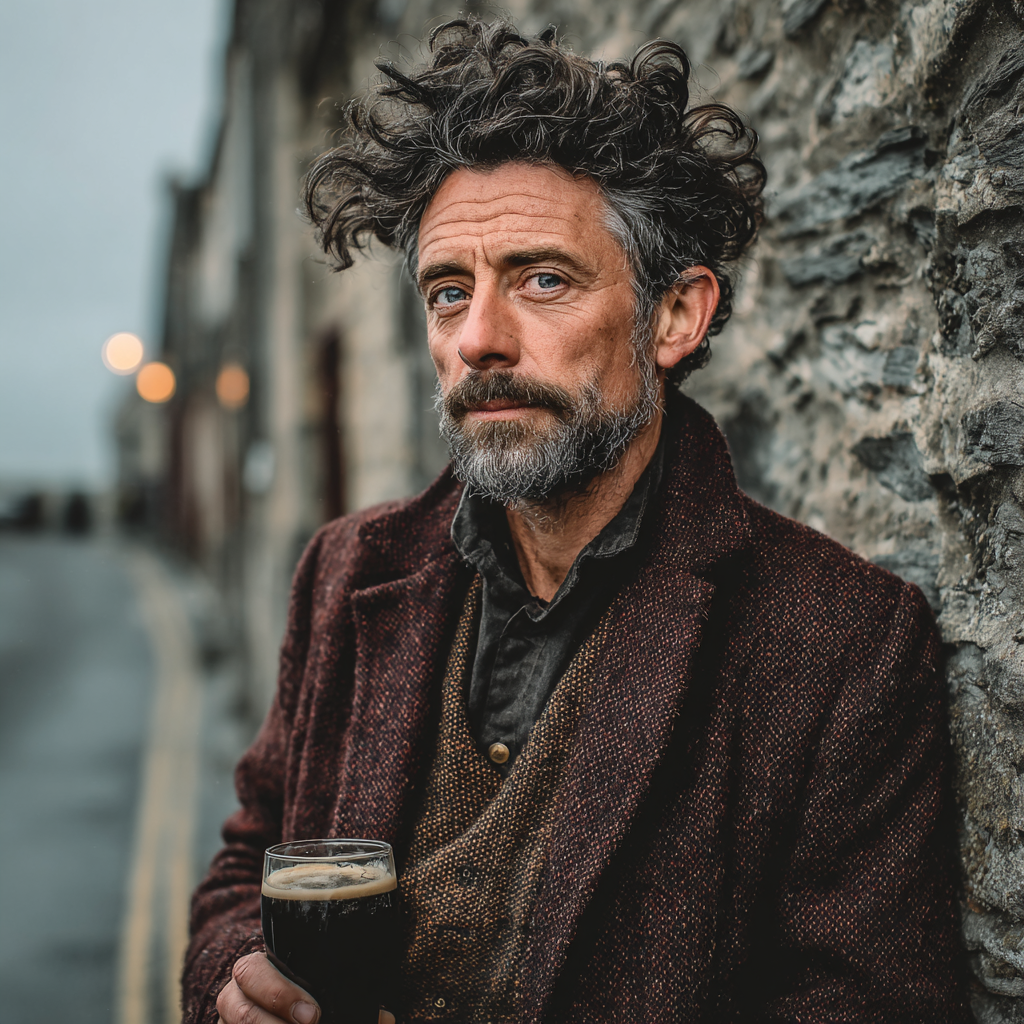
By Finn O'Sullivan
Irish storyteller and folklorist. Finn hunts for the narratives that do not make guidebooks—the pub legends, the family feuds, the neighborhood heroes. He believes every street corner has a story if you know who to ask.