
Oxford: Where the Spires Are Background and the Food Is the Main Event
A food-focused cultural guide to Oxford's pubs, markets, colleges, and meadows, written by someone who has eaten her way through the city for fifteen years. With specific addresses, prices, and what to skip.
On this page
About the Author
Sophie Brennan has been eating her way through Oxford for fifteen years. She arrived as a broke graduate student from Galway with a thesis on medieval literature and a budget that allowed one pub meal per week. She stayed for the food — not the university food, which is famously mediocre, but the food that exists in the cracks between the colleges: the cheese shops that have operated since the 18th century, the pubs that serve trout from the Thames, the market stalls that know your order before you open your mouth. She has written about Oxford for The Guardian, BBC Travel, and Food & Wine, and she still believes the best way to understand the city is through its stomach. She lives in Jericho, within smelling distance of the Phoenix Picturehouse popcorn machine.
---
Oxford is not a city that welcomes you. It tolerates you. The colleges have been here for eight centuries, the pubs for nearly as long, and the students arrive every October convinced they are the main characters in a story the city stopped caring about around 1600. The locals — the ones who have lived here for generations, who work in the shops and drive the buses — have perfected the art of polite indifference. They have seen every type of visitor: the Harry Potter pilgrim, the academic tourist, the Instagrammer who wants the spires at golden hour. They are not rude. They are simply waiting for you to realize that Oxford is not a museum. It is a working city, and the work happens behind walls you cannot see over.
I learned this my second year in Oxford, sitting in the Covered Market at 7 AM, watching a butcher unpack a side of pork while a theologian from Balliol argued with a physicist from Magdalen about free will. The butcher did not look up. Neither did the café owner pulling the first espresso. Oxford contains multitudes, and it does not pause to explain them.
This guide is for the visitor who wants to eat well, drink properly, and understand why the city matters beyond its architecture. It is not a day-by-day itinerary. Oxford does not work that way. It works in themes: morning light on honey-colored stone, the smell of old books in a pub, the particular silence of a meadow that has never been ploughed, the taste of a cheese made twenty miles away and sold by someone who knows the farmer. Come hungry. Come curious. And wear comfortable shoes — the cobbles have been destroying footwear since the Middle Ages, and they have no intention of stopping now.
The Morning: Spires, Coffee, and the Art of Arriving Early
The Radcliffe Camera is Oxford's most photographed building, and the reason is simple: it looks like a dream of what a university should be. The circular dome, the honey-colored stone, the way it catches the morning light — it is architectural propaganda, and it works. But by 10 AM, the square in front of it becomes a mosh pit of tour groups. The solution is to arrive at 8 AM. The light is softer, the stone glows differently, and you can actually hear the city waking up.
You cannot simply walk into the Camera — it is a working library. The one public way in is the Bodleian's 90-minute extended tour (£22.50, book well ahead). Otherwise, the best view is from above: the University Church of St Mary the Virgin at High Street, OX1 4BJ (tower from 9 AM, entry £7). Climb the 127 steps and you will see the view that makes Oxford look like a model village — the Radcliffe Camera directly below, the colleges fanned out around it. Last admission is mid to late afternoon, earlier in winter. If you are claustrophobic, skip it and get your panoramic fix from the Saxon Tower at St Michael at the Northgate (Cornmarket Street, OX1 3EY, less crowded, small charge).
Once you are back on ground level, go to The Vaults & Garden Café in the University Church crypt at OX1 4BJ (phone: 01865 279112). The terrace has views straight onto the Radcliffe Camera. They open early most days. Order the full Oxford breakfast (~£14) or the smashed avocado on sourdough (~£11). Their coffee is excellent — rare for a tourist-facing spot.
If you want something less tourist-facing, walk ten minutes to The Missing Bean on Turl Street, OX1 3DQ. It is where students and post-docs actually go. The flat white is the best in Oxford (~£3.50), and they roast their own beans in the back. Open Monday–Friday from 7:30 AM, weekends from 8:30 AM.
The Pubs: Where Tolkien Drank — and Where to Drink Now
Oxford runs on pubs the way other cities run on coffee shops. The pub is where tutorials happen, where arguments start, where friendships are tested, and where the city's real social life takes place. The colleges have their dining halls, but the dining halls are performances. The pubs are where the truth comes out.
The Eagle and Child at 49 St Giles', OX1 3LU is where Tolkien and C.S. Lewis met with the Inklings on Tuesday lunchtimes — the Rabbit Room at the back hosted readings of The Lord of the Rings before anyone knew what it was. The bad news: the pub has been shuttered since March 2020, bought in 2023 by the Ellison Institute of Technology, and as of late 2026 it sits behind hoardings with a reopening pencilled in for around 2027. Pay your respects to the façade and move on.
Do this instead: walk two minutes up St Giles' to The Lamb & Flag at 12 St Giles', OX1 3JS (phone: 01865 515551). Same landlord as the Eagle and Child — St John's College owns both — and the same literary ghosts. It closed for its own refurbishment in 2021 and reopened in October 2022 with the low beams, uneven floors and real fire intact, plus a much better kitchen. On a winter evening with a pint and the fire going, you will not miss the Rabbit Room. Pub food £14–20, pints £5.50–6.50. It gets busy by 1 PM and again after 6 — arrive early. Open daily; kitchen hours vary, so check the board.
The Old Bookbinders Ale House at 17–18 Victor Street, OX2 6BT (phone: 01865 553549) is a converted 19th-century bookbinding workshop on a Jericho backstreet, run by the Crafty Belle family. It is one of Jericho's few remaining true locals' pubs: real ales, French-bistro-leaning food, dogs under tables, quiz nights. The seasonal salads and ploughman's (£10–14) are honest, and there is a small terrace out front for summer evenings. Open Tuesday–Wednesday from 4 PM, Thursday–Saturday from noon, Sunday from noon; closed Monday.
The Trout Inn at 195 Godstow Road, Wolvercote, OX2 8PN (phone: 01865 510930) dates from 1133. It was here before Oxford University existed. It is accessible by punt (there is a landing stage), by foot (about 45 minutes along the Thames Path and Port Meadow from Jericho), or by taxi (15 minutes from the centre). Now run by Hook Norton Brewery, it does proper country-pub food — mains roughly £16–26, a three-course Sunday set around £36 — and the garden runs down to the Thames, where a stuffed pike named Old Man Trout has watched over drinkers for over a century. It is hard to get a table on summer evenings without booking, and it is a long walk back in the dark — call ahead, and arrange a taxi for the return.
The Market: Oxford's Hidden Food Engine
The Covered Market at Market Street, OX1 3DZ has been here since 1774. It is not glamorous — it is a working market with butcher shops that smell like butcher shops and fishmongers with actual fish on ice. But it is also where you find some of the best food in Oxford. Hours: Monday–Saturday roughly 8:00 AM–5:30 PM, with a smaller Sunday trading line-up 10:00 AM–4:00 PM.
The Oxford Cheese Company occupies a stall near the center. The staff know their affine from their ash-rinded. Try the Oxford Isis (local soft cheese, ~£5 for 200g) or the Oxford Blue (~£6). Ask for tasting samples — they are generous. They also stock local chutneys and crackers that make a perfect picnic assembly.
Ben's Cookies is fresh-baked and absurdly good. The dark chocolate and ginger (~£3) is the one to get. They are huge. Share one or regret it.
Moo-Moo's Milkshakes is legendary among students. The peanut butter chocolate (~£5) is basically a meal. The line moves slowly but it is worth it.
Georgina's Café is hidden upstairs above one of the market stalls. It is cheap, the coffee is good, and there is a balcony overlooking the market. This is where market workers actually eat. The full breakfast costs ~£9 and comes with a view of the chaos below. Open Monday–Saturday, closed Sunday.
Pro tip: Assemble a picnic here. Cheese from Oxford Cheese Company, bread from the bakery stall, strawberries from the fruit vendor in summer. Then take it to Christ Church Meadow or University Parks. The whole picnic will cost £15–18 and beat anything you can buy in a restaurant.
The River: Punting, Pub Gardens, and the Thames Path
Punting is the quintessential Oxford summer activity. It is also harder than it looks. You will see students making it look effortless, gliding past with one hand on the pole, laughing. You will not look like this. You will look like you are fighting with a very long stick. This is normal. Everyone looks like this at first.
Magdalen Bridge Boathouse at High Street, OX1 4AU (phone: 01865 202643) is the classic place to hire. Self-hire punts are £35 per hour for up to five people; the season runs 1 February to 30 November, 9:30 AM until dusk. The basics: stand at the flat end (the "till"), push the pole against the riverbed, trail it behind you to steer. Basic training is offered — take it. Boats returned more than five minutes late are billed in extra 15-minute increments. If you would rather not pole at all, a chauffeured punt is ~£50 for 30 minutes for up to four — blankets, cushions, river lore included — worth booking ahead on a busy weekend.
The mellower alternative is Cherwell Boathouse on Bardwell Road, OX2 6ST (phone: 01865 515978), up near University Parks: £25/hour weekdays, £27/hour weekends, mid-March to mid-October, with a refundable deposit. The river up there is quieter.
Go upstream. From either boathouse, head away from the city toward The Victoria Arms at Mill Lane, Old Marston, OX3 0PZ (phone: 01865 251174) — about 45 minutes each way from Magdalen Bridge. The water meadows are beautiful, you will see herons, and you will feel accomplished. The Victoria Arms is a 17th-century former ferryman's cottage now run by Butcombe Brewery, with huge lawns rolling down to the Cherwell and mooring rings for punts — tie up, order a pint and a plate, and watch other people fall in. Open Monday–Thursday 11 AM–9:30 PM, Friday–Saturday 11 AM–10 PM, Sunday 11 AM–8 PM (kitchen closes earlier: 8 PM, and 7 PM Sundays). It is one of Oxford's great summer experiences.
What to bring punting: Sunscreen, water, a hat — the river reflects sunlight aggressively — and a picnic, since there are no food stops along the way.
If you prefer walking, the Thames Path from Oxford to the Trout Inn takes about 45 minutes and is flat and scenic. The path continues south to The Isis Farmhouse at Haystacks Corner, The Towing Path, Iffley Village, OX4 4EL (phone: 01865 243854) — a 25-to-30-minute walk from Folly Bridge, accessible only by foot, bike, or boat. The riverside garden is idyllic, the homemade cakes and cream teas are the point, and most Sundays bring free live music — famously gipsy jazz from 7 PM. Hours shift with the seasons and can be idiosyncratic, so check their Instagram or theisisfarmhouse.co.uk before you walk. It is worth the legwork.
The Colleges: Paying for Beauty, Finding the Free
Oxford has 39 colleges, and they are not all equal. Some are architectural masterpieces. Some are beautiful gardens with buildings attached. Some are tourist traps that charge £20-plus to see a dining hall and a meadow. The trick is knowing which ones are worth paying for and which ones you can see for free.
Christ Church at St Aldate's, OX1 1DP is expensive and crowded and still worth seeing. Founded by Cardinal Wolsey, re-founded by Henry VIII. The Great Hall inspired the Hogwarts dining hall; the cathedral is the smallest in England; Lewis Carroll lived and worked here. Entry is by timed ticket, released in batches each Friday — typically £20–23 for adults booked online (off-peak slots from around £17), slightly more at the door, and it sells out in summer. Two things to plan around: the Great Hall closes to visitors around midday to 2 PM when the students eat, and the whole college shuts on event and graduation days — check the known-closures page before you build your day around it. The Picture Gallery is included with admission and has Old Masters including a Leonardo and a Michelangelo drawing. Christ Church Meadow, accessed through the Meadow Building, is the real gem — 90 acres of flood meadow with grazing cattle (the longhorns are famous). The meadow is free and open daily from early morning to dusk.
Magdalen College at High Street, OX1 4AU (phone: 01865 276000) is one of Oxford's wealthiest. Admission is around £8 for adults, children free; hours vary by season, so check the porter's lodge board. The 15th-century tower dominates the High Street. The grounds include the Deer Park and Addison's Walk — the circular water-meadow path where Lewis and Tolkien walked discussing mythology, and one of the best 20 minutes in Oxford. The choir is among the finest in the world; evensong is at 6 PM in term. The deer are used to people but keep a respectful distance.
Free alternatives: Worcester College has gardens open to the public that are among the most beautiful in Oxford. St John's College gardens are free. Merton College has a small but stunning medieval chapel. New College has a Harry Potter cloister. Do not pay for everything.
The Meadows: Port Meadow and the Green Escape
Port Meadow is a 400-acre common that has not been ploughed since the Domesday Book. It is grazed by horses and cattle, full of buttercups in summer, and feels like you have left the city entirely. Access from Walton Well Road or Binsey Lane. Free, open 24 hours. Waterproof boots are a good idea outside summer — this is a flood plain and it holds onto its mud with pride.
Follow the Thames Path to Binsey. The Perch at Binsey Lane, Binsey, OX2 0NG (phone: 01865 243261) is a country pub with parts dating to the 17th century, substantially refurbished and now pouring Hook Norton ales. The massive garden spreads under ancient trees — in summer it is sun-dappled and peaceful. The menu is gastropub-solid: mains roughly £18–26, Sunday roast around £18–22. Honestly? Get a ploughman's and a pint and sit in the garden. It is a 40-minute walk from the city centre. Call a taxi for the way back — there is no bus. On the way, if you are on the Godstow Road side, The Bear & Ragged Staff at 273 Godstow Road, Wolvercote, OX2 8PJ (phone: 01865 513061) is a 13th-century thatched pub with flagstone floors and a legendary steak-and-ale pie (~£16). Both are among the oldest licensed premises in England. Sit in a garden that has been serving ale since the Plantagenets, order the pie, and feel the centuries settle over you like a blanket.
The Gardens and Museums: Botanic Garden, Ashmolean, University Parks
The Oxford Botanic Garden at Rose Lane, OX1 4AZ (phone: 01865 286690) was founded in 1621, making it the oldest in Britain. Admission is £9 for adults, £7.20 for concessions, and free for under-16s with a paying adult. Hours: daily, roughly 10 AM–6 PM with last entry around 5:15 PM in the main season, shorter winter hours — check the website before a winter visit. The Walled Garden is the original 17th-century garden. The herbaceous borders are spectacular in July. Look for the yew tree under which Tolkien sat and wrote — it is marked with a plaque. The glasshouses are hot. Visit early or late in the day. This garden features in Philip Pullman's His Dark Materials. They do summer evening openings and concerts.
The Ashmolean Museum at Beaumont Street, OX1 2PH (phone: 01865 278000) was founded in 1683, making it Britain's first public museum. Admission is free (donations welcome). Hours: 10:00 AM–5:00 PM (Thursday until 8:00 PM). The Pre-Raphaelite Gallery has works by Rossetti, Burne-Jones, and Millais. The Egyptian Galleries include the mummy of Djedmaatesankh (c. 900 BC). The European Collection has Titian, Rembrandt, and Turner. The Rooftop Restaurant has good views over Oxford and serves breakfast and lunch on an outdoor terrace in the warm months. Start at the top and work down — most people do the ground floor first. Thursday late openings run until 8 PM with live music and events.
University Parks at Parks Road or Norham Gardens are 70 acres of parkland owned by the University. In summer this is where Oxford lives outdoors — students revising on the grass, families picnicking, cricket at weekends. Free. The circular path takes about 30 minutes; the café in the center serves ice cream and light lunches; university cricket matches most weekends are free to watch. Bring a chair and a picnic.
The Day Trip: Blenheim Palace and Woodstock
Blenheim Palace at Woodstock, Oxfordshire OX20 1PP (phone: 01993 810530) is the birthplace of Winston Churchill. The gardens are by Capability Brown. In summer, it is spectacular. Distance: 8 miles north of Oxford. Admission in 2026 is £41 for adults for palace, park and gardens, or £31 for park and gardens only — and tickets are online-only, timed, and cheaper further ahead. If you arrive by public transport, use the GREEN20 code at checkout for 20% off. The annual pass is included — you can return free for a year.
Getting there: Stagecoach S3 bus from Oxford's Gloucester Green. 30 minutes, roughly £3 each way under England's national single-fare cap. Every 30 minutes. By bicycle: Oxford Canal towpath. Flat, scenic, about 45 minutes.
What to see: The State Rooms include the 55-metre Long Library. The Churchill Exhibition includes the room where he was born. The Formal Gardens — Italian Garden, Water Terraces, Rose Garden (peak June–July) — lead into Capability Brown's park with the Grand Bridge and Column of Victory. Allow 2–3 hours. The Pleasure Gardens have a Butterfly House and Adventure Playground; summer battle proms and outdoor theatre run through July and August.
Lunch in Woodstock:
- The Feathers Hotel at Market Street, Woodstock OX20 1SX (phone: 01993 812291): Historic coaching inn. Mains £18–26.
- The Woodstock Arms at 11 Market Street, Woodstock OX20 1SX (phone: 01993 811370): Gastropub with garden. Mains £16–22.
What to Eat: The Real Restaurants
Gee's Restaurant at 61–63 Banbury Road, OX2 6PE (phone: 01865 553540) is housed in a Victorian glass conservatory — one of Oxford's most beautiful dining rooms, all tiles, brass and greenery. In summer the doors open onto a garden terrace with fairy lights. The kitchen does modern European with Italian leanings: starters £10–20, mains mostly £22–35 — burrata with heritage tomatoes, wood-fired dishes, good negronis. A set lunch menu runs Monday–Friday 12–6 PM. Book ahead, especially for the terrace.
Branca at 110–111 Walton Street, OX2 6AJ (phone: 01865 807745) is Jericho's Italian anchor — a brasserie, deli and café opposite the Phoenix Cinema. The deli and café run daily 8 AM–8 PM; the restaurant serves Wednesday–Friday evenings plus weekends (Sat 12–9, Sun 12–8). Wood-fired pizzas (£13–18), fresh pasta, a proper terrace for warm evenings. On a summer night, half of Jericho ends up here.
The Rickety Press at 67 Cranham Street, OX2 6DE (phone: 01865 316616) is a Jericho gastropub — relaxed, local, with a garden that has covered and open areas. Grilled halloumi with summer vegetables (~£15), burger with Oxfordshire beef (~£17). A reliable, unpretentious dinner.
The Cherwell Boathouse at Bardwell Road, OX2 6ST (phone: 01865 552746) is a converted Victorian boathouse on the Cherwell — one of Oxford's loveliest dining rooms, with the river sliding past the windows. Mains £28–36, worth it for an occasion. Request a terrace-adjacent table in summer and watch punters drift by as the sun goes down. Book ahead; closed Mondays.
What to Skip
The Eagle and Child — until about 2027. The Inklings' pub has been closed since March 2020 and sits behind hoardings while its new owners renovate it. Do not build a Tolkien pilgrimage around it yet. Go to the Lamb & Flag up the road instead, and swing back past the façade for the photo.
The Oxford Story-style scripted coach tours. Large buses with recorded commentary that drive past colleges while you strain to see over the windows. Oxford is a walking city. Its center is compact. The commentary is frequently wrong — I once heard a recorded guide claim Christ Church was founded by Henry VIII, which is wrong by two centuries (Wolsey founded it; Henry re-founded it). Walk. It is free, and the facts are better.
The gift shop at Christ Church. Overpriced merchandise with the crest on it. The postcards are £2.50 each and the same ones are available at the Covered Market for £1. The only thing worth buying here is the guidebook, and even that is available cheaper online.
Punting at midday in July. This is how heatstroke happens. The river has no shade. The sun reflects off the water with aggressive intensity. The traffic jam of punts is barely moving, and at £35 an hour you do not want to spend it queueing. If you must punt in July, go at 9:30 AM or after 6 PM. The light is better, the river is cooler, and you will not have to navigate around twenty other people who also have no idea what they are doing with a pole.
Blenheim Palace on a rainy day. The palace is impressive, but the gardens are the real draw — Capability Brown designed them to be walked in, not stared at through a window. If the weather is bad, skip it and go to the Ashmolean instead.
The Radcliffe Camera at 11 AM. The square is impassable. Tour groups form a dense wall around the building. You cannot see the architecture for the phones. Come at 8 AM or after 6 PM. The building is lit after dark, and the square belongs to the city again.
Driving into the centre. Since 2022 a zero-emission zone charges £2–10 a day for older vehicles in the core, and from September 2026 traffic filters restrict through-traffic at peak hours — miss the permit and the fine is £60. Take the train, the Tube coach, or park at a Park & Ride and ride in for about £3. Your blood pressure will thank you.
Practical Logistics
Getting to Oxford:
- From London by train: Great Western Railway from Paddington, 55–65 minutes; Chiltern Railways from Marylebone, about an hour. Returns £25–55 — book ahead for the cheap ones, as fares crept up again in January 2026.
- From London by coach: the Oxford Tube from Victoria and Marble Arch, about 90 minutes, from £18.50 single / around £28 return, round the clock. Slower than the train but cheaper — and the 24-hour service matters if you are staying out past the last train. (The old X90 competitor is long gone.)
Getting around:
- Walking: The city center is compact. Most attractions are within 15 minutes' walk. Wear comfortable shoes — the cobbles are unforgiving.
- Bus: Oxford Bus Company and Stagecoach. Singles are ~£2–3 (capped at £3 nationally); day tickets ~£5–7. Contactless tap-on is standard.
- Cycling: Bike hire around £15–20/day from Bainton Bikes at 71 Walton Street (plus a central outlet) — the flat towpaths make this a genuinely lovely way to reach the Trout or Blenheim.
- Taxi: Radio Taxis (01865 242424), 001 Taxis (01865 240000). Uber exists but coverage is thin compared to London.
Best months: May through September. July and August are warmest and busiest — daylight until nearly 10 PM, but packed with tourists. May and June are the sweet spot: warm, green, not yet overwhelmed. September is quieter, the students have returned, and the light is golden.
Accommodation (2026 prices):
- Budget: YHA Oxford at 2a Botley Road. Dorms from ~£25, private rooms £80–110. 10-minute walk from center. Book at least two weeks ahead in summer.
- Budget: Oxford Backpackers at 9a Hythe Bridge Street. ~£25–40 per night. Central, basic, social.
- Mid-range: The Buttery Hotel at 11–12 Broad Street. ~£150–220. Opposite the Bodleian. No elevator — stairs are steep.
- Mid-range: Malmaison Oxford at 3 Oxford Castle. ~£180–240. Converted prison — unique, atmospheric.
- Luxury: Graduate by Hilton Oxford (the old Randolph) at Beaumont Street. from ~£200–250. Opposite the Ashmolean. Spa, Morse Bar, afternoon tea. Worth a drink on the terrace even if you do not stay.
- Luxury: Old Parsonage Hotel at 1 Banbury Road. ~£250–400. Jericho. Beautiful garden, excellent restaurant, quiet.
Eating budget:
- Coffee: £3–4.50
- Pub lunch: £14–20
- Restaurant dinner: £30–50
- College admission: £8–23
- Museums: Free (donations welcome)
- Punt hire: £35/hour (split five ways, it is the best value activity in the city)
- Supermarket picnic: £10–14
Tipping: Service is included in restaurant prices. Round up to the nearest pound for good service, or leave 10% if genuinely excellent. Not expected in pubs — just buy another round. Tipping taxi drivers is optional — round up to the nearest pound.
Safety: Oxford is very safe. The main crime is bicycle theft — lock your bike properly, even for five minutes.
What to pack for summer:
- Light layers (temperatures vary, evenings cool even in July)
- Comfortable walking shoes (cobbles will destroy heels)
- Sun hat and sunglasses (the river reflects light aggressively)
- Light rain jacket (this is England)
- Picnic blanket (for meadows and outdoor theatre)
The city's rhythm: Oxford wakes slowly. Coffee shops open at 7 AM. The colleges have breakfast at 8 AM. Shops open at 9:30 AM. The lunch crowd arrives at 12:30 PM. The afternoon is for walking, museums, and gardens. The evening belongs to the pubs — they fill by 6 PM. Dinner happens at 7:30 PM. The city goes quiet by 11 PM, except for the pubs, which stay open late. This is not a nightlife city. It is a city of conversation, of long meals, of walks that take longer than planned because you keep stopping to look at something. The rhythm is medieval: slow, deliberate, and deeply uninterested in your schedule.
Walk slowly. Look up at the gargoyles. Read the inscriptions on the college gates. Sit in a meadow and watch the cattle ignore you. Oxford has been doing this for eight centuries. It does not need your approval. It simply needs you to notice.
---
Word Count: ~4,580 words Last Updated: November 2026 (prices verified for 2026 season)
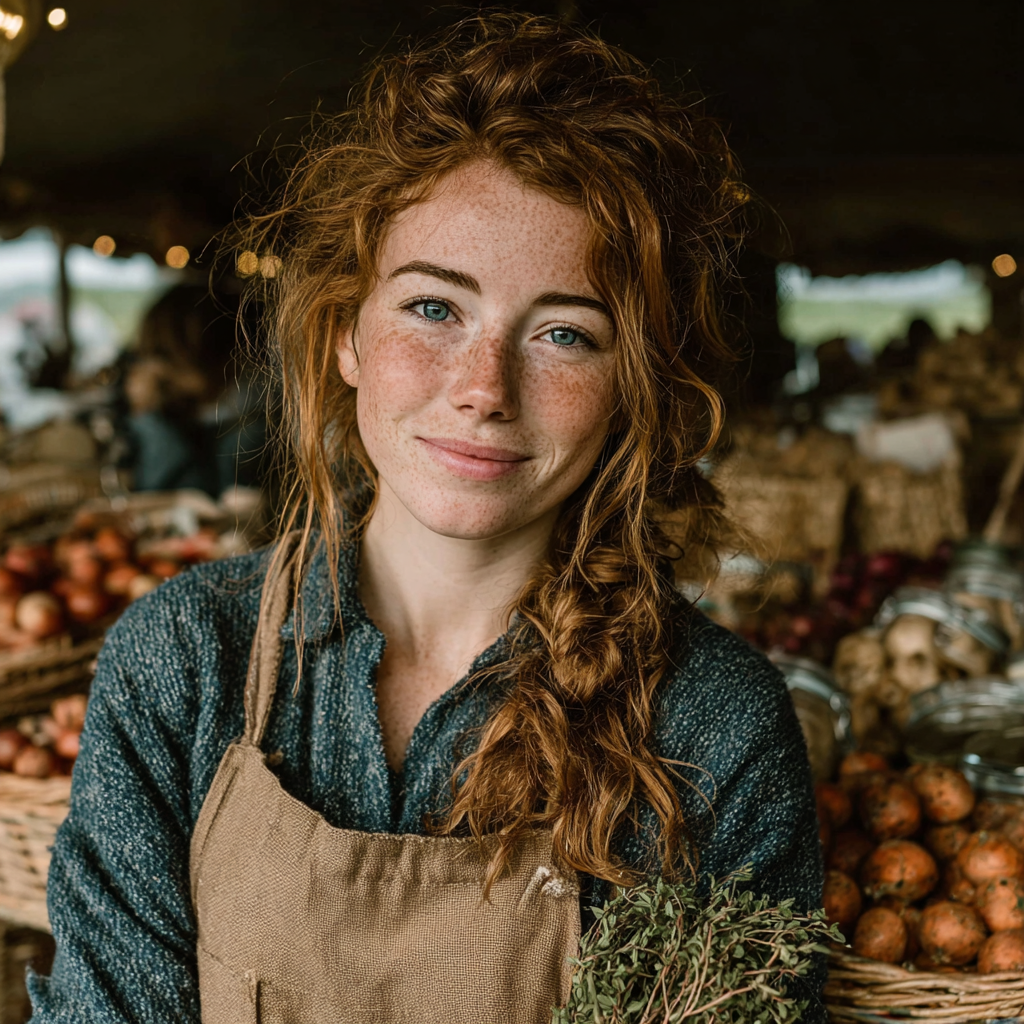
About Sophie Brennan
Irish food writer and historian based in Lisbon. Sophie combines her background in medieval history with a passion for contemporary gastronomy. She has written for Condé Nast Traveller and authored two cookbooks exploring Celtic and Iberian culinary traditions.
More by Sophie Brennan