
York: Where Medieval Streets Hide Britain's Most Rebellious Food Scene
Most visitors to York leave with a bag of fudge and a photograph of crooked timber houses. They eat sticky toffee pudding at a tourist pub, join a ghost tour, and tell their friends the city is "quaint." They have missed everything.
What they didn't see: a natural wine bar pouring skin-contact Trousseau at 11 AM on a Saturday. A 17th-century pub where the steak and ale pie is made with Longhorn beef dry-aged in-house. A micro-roastery supplying Manchester's best cafés. A pastry chef who trained at St. John making Eccles cakes with beef suet and candied peel. York's food scene isn't quaint. It's quietly radical—and it has been for longer than most of England's supposed "food cities" have existed.
I'm Sophie Brennan, and I grew up eating Yorkshire puddings the size of dinner plates at my grandmother's table in Leeds. I've spent fifteen years writing about British food, from the pie shops of London to the fishing villages of Cornwall. York is the city that keeps surprising me. Every time I think I've mapped it, another door opens: a backroom sake bar, a bakery fermenting dough for 48 hours, a butcher who can tell you which field your ribeye grazed in. This guide is what I've found after years of prowling those medieval streets.
The Problem With York's Reputation
York suffers from a curse that has nothing to do with its actual restaurants and everything to do with expectations. The city is Britain's most complete medieval settlement. The Minster dominates the skyline. The city walls—two miles of Roman and medieval stonework—still encircle the center. The Shambles, with its overhanging timber-framed buildings, looks like a film set. Visitors arrive primed for "authentic medieval England," and the tourism industry has spent decades selling them exactly that: ghost tours, Viking reenactments, fudge shops, and tea rooms with doilies.
The food has been collateral damage. For decades, the prevailing assumption was that visitors to York wanted "traditional English food"—which meant sticky toffee pudding, Yorkshire pudding, and roast beef, served in pubs with low beams and laminated menus. Quality didn't matter because the customers weren't coming for the food. They were coming for the atmosphere.
This created a feedback loop. Good chefs left for Leeds, Manchester, or London, where ambitious cooking was rewarded. The pubs that survived did so on volume, not craft. And a generation of visitors grew up thinking York was a culinary dead zone.
That reputation is now roughly ten years out of date. Starting around 2015, a wave of chefs and producers—many of them York natives who had trained elsewhere and returned home—began reclaiming the city's food culture. They opened natural wine bars in medieval townhouses. They revived whole-animal butchery traditions that had been dying out. They sourced ingredients from within Yorkshire's borders and treated them with the same reverence chefs in Copenhagen or San Francisco would. The result is a food scene that is specific, ambitious, and deeply rooted in place. The trick is knowing where to look.
Morning: Coffee, Bread, and the Real York
Start early. York's center is small—everything in this guide is within a twenty-minute walk of the Minster—but the best cafés and bakeries get crowded by 9:30 AM, especially on weekends.
Brew and Brownie
Address: 6 Goodramgate, York YO1 7LQ Hours: Daily 8:30 AM–5 PM (9 AM opening on Sundays) Price: Brunch £9–14, coffee £2.80–3.50
This is the café that local chefs eat at on their days off. The sourdough comes from Haxby Bakehouse, a twenty-minute drive north, where baker Phil Clayton ferments dough for 48 hours using Yorkshire wheat, stoneground on a 1930s mill. The result is a loaf with a crust that shatters and a crumb with enough acidity to cut through rich toppings.
The menu changes seasonally, but the signature dish is sourdough toast with poached eggs, slow-roasted tomatoes, and Yorkshire halloumi-style cheese from Shepherds Purse creamery in Thirsk. The cheese is made from locally sourced cow's milk and has a squeaky, salty intensity that works against the richness of the eggs. In autumn, they add roasted squash and sage. In spring, asparagus from farms in the Vale of York.
The coffee is worth mentioning on its own. They rotate single-origin beans from roasteries across the north, including North Star in Leeds and Manns in Sheffield. The flat whites are consistently well-textured, and the staff can tell you which farm the current Ethiopian Yirgacheffe came from.
Haxby Bakehouse (Direct)
Address: 10 The Village, Haxby, York YO32 3HT Hours: Thursday–Saturday 8 AM–2 PM Price: Sourdough loaves £3.50–5
If you have access to a kitchen—or even just a hotel room with a toaster—buy bread directly from the source. Phil Clayton opened Haxby Bakehouse in 2014 after training at the School of Artisan Food in Nottinghamshire. His sourdough uses a rye-based levain that's been alive for over a decade, and he mills his own flour from Yorkshire-grown wheat varieties like April Bearded and Maris Widgeon.
The Yorkshire Wholemeal is the workhorse loaf: dense, nutty, perfect for cheese. The white sourdough has a more open crumb and a sharper tang. On Saturdays, he makes filled focaccia—recent versions have included roasted garlic and rosemary, and caramelized onion with Lincolnshire Poacher cheese. Arrive before 10 AM or risk finding the shelves empty.
The Perky Peacock
Address: 7 Lendal, York YO1 8AQ Hours: Monday–Saturday 8 AM–5 PM, Sunday 9 AM–4 PM Price: Coffee £2.50–3.80, pastries £2–4
Tucked into a 15th-century stone building on Lendal, this is York's most atmospheric coffee shop. The exposed stone walls and low timber ceilings feel genuinely old—not decorated to look old, but actually old. The coffee is from Brew Lab, a roastery in Edinburgh, and they pull consistently good espresso shots. The cinnamon buns, made in-house, are pillowy and aggressively spiced. A quieter alternative to Brew and Brownie if you want to read or work.
Markets: Where York's Food Culture Actually Lives
If you only do one food-related thing in York, go to the markets. Not the Shambles—the actual markets, where producers sell what they made that week and will tell you how to cook it.
Shambles Market
Address: The Shambles, York YO1 7LX Hours: Daily 7 AM–5 PM (some traders close earlier)
The current Shambles Market opened in 2015, replacing a more ramshackle open-air setup. It's a covered space with around eighty stalls, and the quality varies—there are generic T-shirt sellers and souvenir stands mixed in with serious food producers. You need to know which stalls to head for.
Love Cheese is the first stop. Owner James Grant worked at Neal's Yard Dairy in London for a decade before returning to Yorkshire, and his stall stocks 150+ British varieties. Ask for the Yorkshire Cheddar aged in the caves at Cheddar Gorge—it has a depth and crystalline texture that supermarket cheddar never achieves. The Baron Bigod, a Brie de Meaux-style cheese from Suffolk, is at its best when James says it's "runny in the middle." He also stocks rare finds like the blue cheeses from Martin Gott in Cumbria, which are made with raw sheep's milk and aged on the farm.
The Inkwell operates a tiny wine bar within the market that opens at 11 AM on weekends. They specialize in natural and low-intervention wines—skin-contact whites, unfiltered pét-nats, and cloudy ciders from producers who work without additives. The wine list changes weekly, but recent highlights have included a Trousseau from Domaine de la Borde in the Jura that drinks like Pinot Noir, and an English Bacchus from Dunleavy Vineyards in Somerset with enough texture to stand up to cheese. The small plates menu is written on a blackboard and changes daily: perhaps a terrine of middlewhite pork, or a salad of roasted beets with Yorkshire goat's cheese and hazelnut vinaigrette. There are eight seats at the bar. Arrive early.
Yorkshire Pasta Company sells fresh egg pasta made with Yorkshire durum wheat and free-range eggs. Their pappardelle is wide enough to hold a meat sauce, and their tortellini—filled with roasted squash and ricotta in autumn, wild garlic and pecorino in spring—cooks in three minutes. They'll give you cooking instructions and suggest which local sauce to pair it with.
Malton Market (Day Trip)
Address: Market Place, Malton YO17 7LX Hours: Second Saturday of each month, 9 AM–3 PM Getting there: Coastliner bus from York station, 40 minutes; or train to Malton, 25 minutes
Malton, eighteen miles northeast of York, calls itself "Yorkshire's Food Capital," and while that's tourism-board hyperbole, the monthly market is genuinely the best food market in northern England. The highlight is Ginger Pig—yes, the London butcher with the famous Spitalfields shop—who bring whole carcasses from their Yorkshire farm in the North York Moors.
The butchers will sell you individual cuts, but the real interaction happens when you ask what's available that week. Maybe it's ox cheek from grass-fed Longhorn cattle, which needs four hours of slow braising but rewards you with meat that falls apart into strands. Maybe it's middlewhite pork from rare-breed pigs raised outdoors, with fat that renders into crackling. Maybe it's mutton—yes, mutton, not lamb—from sheep that have grazed on heather in the Moors, giving the meat a complex, almost gamey flavor that works in tagines or slow-cooked curries.
The rest of the market is worth exploring too: Rare Bird sells properly made preserves and chutneys without the excessive sugar of supermarket versions. The Bluebird Bakery brings sourdough and viennoiserie from their shop in nearby Kilburn. Farmstar stocks Yorkshire rapeseed oil, which has a nuttier, more complex flavor than olive oil and is better suited to British cooking.
The Pub Renaissance: Where British Food Still Matters
York has 365 pubs. Maybe ten of them are worth your time. The rest serve the same Greene King ales, the same frozen pies, the same laminated menus promising "traditional fare." The pubs that matter are the ones where the food is cooked from raw ingredients, the beer comes from breweries within fifty miles, and the building's age is a backdrop rather than the main attraction.
The Rattle Owl
Address: 104 Micklegate, York YO1 6JX Hours: Lunch Wednesday–Sunday 12–2:30 PM; Dinner Tuesday–Saturday 5:30–9:30 PM Price: Lunch £18–25, Dinner £35–50 (tasting menu £55) Reservations: Essential for dinner; call 01904 638 444 or book online
This is the best restaurant in York, and it's in a pub—or at least a 17th-century townhouse that used to be one. Chef Josh Overington spent five years at the Pig Hotel group, which pioneered the British country-house-restaurant model, before returning to his hometown and opening The Rattle Owl in 2018.
The menu changes weekly depending on what Josh finds at market: Yorkshire venison loin with fermented wild garlic and smoked bone-marrow sauce; whole roast monkfish for two with brown shrimp butter and samphire; slow-cooked lamb shoulder with harissa and preserved lemon. The cooking is confident without being flashy—technique serves the ingredient, not the other way around.
The wine list is where The Rattle Owl really distinguishes itself. Josh's partner Victoria runs the front of house and has built a list that includes English bottles from Litmus in Surrey, Rathfinny in Sussex, and Dunleavy in Somerset, alongside European classics and natural wines from the Jura and Loire. A recent standout was an English Pinot Noir from Simpsons in Kent that had the earthiness and structure of a good Burgundy at half the price.
The space itself is beautiful: exposed stone walls, oak beams, a fireplace that dates to the 1600s. There are only 28 covers, which means the room never feels crowded but also means you need to book two weeks ahead for weekend tables.
The Blue Bell
Address: 53 Fossgate, York YO1 9TF Hours: Monday–Saturday 11:30 AM–11 PM, Sunday 12–10:30 PM Price: Mains £12–18, pints £3.80–4.50 Reservations: Not accepted; arrive before 7 PM for a table
Built in 1798 and largely unchanged since, The Blue Bell is what tourists think they're getting when they go to a "traditional English pub." The difference is that this one is actually good. The cask ales rotate regularly and include local breweries like Turning Point (based in Kirkbymoorside, 25 miles north, and making some of Yorkshire's most interesting modern beers) and Brew York (a ten-minute walk from the center, with a taproom that's worth visiting in its own right).
The food is straightforward British pub fare, but everything is made from scratch. The steak and ale pie uses beef from the Yorkshire Dales Meat Company, slow-braised in ale until it collapses into a rich, dark filling, then topped with pastry that's rolled fresh each morning. The fish and chips use haddock landed at Whitby, 45 miles northeast, battered to order and served with proper chips—thick-cut, twice-fried, fluffy inside and crisp outside. The scotch eggs are made in-house with pork from rare-breed pigs and eggs from free-range hens.
This is not ambitious cooking, and it doesn't try to be. It is honest food made with good ingredients, served in a room that smells of wood polish and beer. Sometimes that's exactly what you want.
Brew York Taproom
Address: Unit 6, Enterprise Complex, Walmgate, York YO1 9TT Hours: Tuesday–Thursday 4–10 PM, Friday–Saturday 12 PM–12 AM, Sunday 12–8 PM Price: Pints £4–6.50, tasting flights £8–12
If you're interested in beer beyond cask ale, Brew York is essential. Founded in 2016 by two local homebrewers, they've grown into one of Yorkshire's most respected breweries, known for bold, modern styles: hazy New England IPAs, pastry stouts, and fruited sours. The taproom, a ten-minute walk from the center in an industrial unit, has twenty taps and a relaxed, communal atmosphere.
The food is limited—pizza from a wood-fired oven, loaded fries, that kind of thing—but the beer is the point. Ask the staff for recommendations; they're enthusiastic and knowledgeable. Recent standout releases have included a mango and passionfruit sour that tastes like a tropical cocktail, and an imperial stout aged in bourbon barrels with vanilla and coffee.
Meat, Bread, and the Yorkshire Tradition
Yorkshire's identity is tied to its landscape: the Dales, the Moors, the Wolds, the Vale of York. That landscape produces some of England's best meat, and York's butchers and chefs treat it with the reverence it deserves.
Henshelwoods
Address: 4 Goodramgate, York YO1 7LQ Hours: Monday–Saturday 8 AM–5 PM Price: Pork pies £3.50, sausages £4.50/pack, dry-aged steaks £8–15
A butcher shop since 1898, Henshelwoods is the real thing. They still dry-age beef in-house—21 days minimum, sometimes 35 for ribeye—using a temperature-controlled room where the meat develops the deep, almost cheesy flavor that only proper aging produces. The beef comes from farms within 30 miles, mostly Longhorn and Angus cattle raised on grass and finished on local grains.
Their pork pies are the best in York, maybe the best in Yorkshire. The hot water crust pastry is made fresh each morning, rolled thick enough to hold its shape but not so thick it overwhelms the filling. The pork comes from rare-breed pigs raised outdoors in North Yorkshire. The pies are dense, savory, and travel well for picnics on the city walls.
The sausages are made in-house weekly: Yorkshire pork with sage and black pepper; lamb with rosemary and garlic; a weekly special that might be venison with red wine and juniper, or middlewhite pork with apple and cider. Ask the butchers for cooking advice—they'll tell you whether to grill, pan-fry, or braise.
The Hairy Fig
Address: 39 Fossgate, York YO1 9TF Hours: Tuesday–Saturday 10 AM–5 PM Price: Charcuterie £4–8/100g, cheeses £3–7/100g
This tiny deli on Fossgate specializes in British and European charcuterie and cheese, with a focus on producers who work traditionally. The owners, Mark and Sue, have personal relationships with most of their suppliers and can tell you the story behind every product.
The British cheese selection is particularly strong: Baron Bigod from Suffolk, Stichelton (the raw-milk version of Stilton) from Nottinghamshire, Yorkshire Blue from Shepherds Purse. The charcuterie includes bresaola made from Yorkshire beef, air-dried for months until it develops a deep, almost wine-like flavor. They also stock excellent olives, oils, and vinegars, and will assemble a picnic hamper if you ask.
Beyond Sticky Toffee Pudding: York's Dessert Culture
York's reputation for desserts begins and ends with sticky toffee pudding for most visitors. The reality is more interesting—and more varied.
Barton
Address: 11 Walmgate, York YO1 9TX Hours: Wednesday–Saturday 9 AM–5 PM Price: Pastries £2.50–4.50, cakes £4–6
Run by a former baker from St. John in London—Fergus Henderson's temple of nose-to-tail British cooking—Barton applies the same rigorous technique to pastry. The Eccles cakes are the signature: flaky pastry made with beef suet, filled with currants, candied peel, and brown sugar, baked until the edges caramelize and the filling becomes sticky and intense. They are small—two bites each—and best eaten warm.
The treacle tart uses Lyle's Golden Syrup, as tradition demands, but with enough lemon zest and juice to cut the sweetness. The ginger cake is dark, sticky, and aggressively spiced. Everything is made fresh each morning, and when they sell out, they close. Arrive before 2 PM.
Brymor Ice Cream
Address: 45 Gillygate, York YO31 7EA Hours: Daily 10 AM–6 PM (later in summer) Price: Single scoop £3.50, double £5, take-home tubs £6–8
An outpost of the Wensleydale dairy farm, Brymor makes ice cream from the milk of their own Guernsey and Jersey cattle. These heritage breeds produce milk with higher fat content than modern dairy cows, which gives the ice cream a richness and depth that mass-market brands can't match.
The rhubarb crumble flavor is the standout. It uses forced Yorkshire rhubarb from the Wakefield triangle—the same product that appears on the menus at The Fat Duck and Noma—cooked down until it's sharp and jammy, then folded into vanilla ice cream with chunks of oat crumble. The salted caramel is properly salty, not just sweet with a salt sprinkle. In summer, they do a raspberry ripple with fruit from Pickering, 25 miles north.
Evening: Where York Gets Ambitious
Dinner is where York's food scene has changed most dramatically in the past five years. A handful of restaurants are cooking at a level that would hold its own in London or Manchester—and doing so with lower prices and more personal service.
Skosh
Address: 98 Micklegate, York YO1 6JX Hours: Tuesday–Saturday 5:30–9:30 PM (lunch Friday–Saturday 12–2 PM) Price: Small plates £8–16, tasting menu £55 Reservations: Essential; book 2+ weeks ahead at skoshrestaurant.co.uk
Skosh is the restaurant that made the rest of England pay attention to York. Chef Neil Bentinck worked in Japan and at the Michelin-starred The Elephant in Torquay before opening this 28-cover Georgian townhouse restaurant in 2017. The menu is British ingredients through a Japanese lens—not fusion, but a genuine understanding of both traditions.
Yorkshire pork katsu comes with fermented plum sauce and shredded cabbage. Monkfish tempura is served with shiso salt and a yuzu dipping sauce. Whole grilled mackerel—caught off the Yorkshire coast—is glazed with miso and served with pickled ginger and daikon. The technique is precise: the tempura batter is light and crisp, the katsu breading shatters between your teeth, the fish is cooked until just opaque.
The sake list is serious—seven varieties, including unpasteurized nama-zake that must be kept refrigerated and drunk within days of opening. Neil will talk you through pairings if you ask. The space is narrow and intimate: exposed brick, wooden tables, no tablecloths. It feels like a Tokyo izakaya crossed with a Yorkshire front room.
Partisan
Address: 112 Micklegate, York YO1 6JX Hours: Tuesday–Saturday 12–3 PM, 5:30–10 PM; Sunday 12–4 PM Price: Mains £16–26, wines by the glass £6–10
Occupying a former Victorian coffee warehouse, Partisan is cavernous: exposed brick walls, steel beams, a mezzanine that looks down on the main floor. The cooking is Euro-leaning without being tied to any single tradition. Confit duck leg with lentils du Puy. Roasted cod with romesco and calcots (when in season). Whole baked Camembert for the table, bubbling and runny, with sourdough to drag through it.
The wine list is French-heavy and fairly priced—most bottles under £35, many under £25. The staff know their list and will guide you toward something interesting. It's a good option for groups or for when you want a relaxed, communal dinner rather than the intensity of Skosh or The Rattle Owl.
Where to Drink: Beyond the Pub Circuit
Vino Wines
Address: 10 Grape Lane, York YO1 7HU Hours: Tuesday–Saturday 12–10 PM, Sunday 12–6 PM Price: Wines by the glass £5–9, bottles £15–45
A bottle shop with a bar attached, Vino specializes in English wines and low-intervention European bottles. They stock Rathfinny from Sussex, Simpsons from Kent, Dunleavy from Somerset, and Litmus from Surrey, alongside French natural wines and obscure Italian varieties. The bar seats eight; show up at opening (5 PM on weekdays, 12 PM on weekends) to claim a stool.
The staff are genuinely knowledgeable, not just salespeople. Ask them for a recommendation based on what you're eating, and they'll pull something from the shelves and open it. There's no pretension—just a shared enthusiasm for interesting wine.
BORA
Address: 8 Coney Street, York YO1 9NA Hours: Tuesday–Thursday 5 PM–12 AM, Friday–Saturday 4 PM–1 AM, Sunday 4–10 PM Price: Cocktails £9–13
York's best cocktail bar is small, dark, and frequently full. The drinks are built around Yorkshire spirits: Whittaker's Gin from Nidderdale, distilled with botanicals foraged from the Yorkshire Dales; Slingsby Gin from Harrogate; Masons Yorkshire Tea Gin, which is exactly what it sounds like—gin distilled with Yorkshire tea leaves, giving it a tannic, aromatic quality that works in a martini.
The bartenders know their craft. Ask for a recommendation based on your preferences, and they'll build you something bespoke. The space fills quickly after 8 PM, especially on weekends. Arrive early or be prepared to stand.
What to Skip
The York Chocolate Story (£17.50, King's Square) is an interactive museum that manages to make chocolate boring. The "tour" involves watching videos, smelling vials of cocoa, and decorating a single lollipop. For the same money, you could buy seven bars of excellent chocolate from The Hairy Fig.
Bettys Café Tea Rooms (St. Helen's Square) is historically significant—founded in 1919, it's a York institution—but the queue system means 45-minute waits for average scones and tea. The food is fine, but not worth the time investment when Barton and Brew and Brownie are doing more interesting things nearby.
The ghost tours are everywhere. Every other building claims to be "the most haunted in England." They add nothing to the food experience, and the guides are more interested in theatrical jumpscares than history. If you want atmosphere, walk the Shambles at 6 AM when it's empty.
Any pub with a laminated menu promising "traditional English fare." These are the tourist traps: frozen pies, microwaved vegetables, beer from national chains. The real pubs—the Blue Bell, The Rattle Owl—have handwritten menus that change with the seasons.
The Shambles fudge shops. The fudge is mass-produced, overpriced, and aggressively sold by staff who intercept you on the street. If you want sweets, go to Barton for an Eccles cake.
Practical Logistics
Getting there: The train from London King's Cross takes 1 hour 50 minutes. Advance tickets start at £15 each way if booked weeks ahead; walk-up fares can be £80+. The station is a 10-minute walk from the center. From Manchester, it's 1 hour 15 minutes. From Edinburgh, 2.5 hours.
Getting around: York is compact. Everything in this guide is within a twenty-minute walk of the Minster. The city walls make a useful orientation tool: most of the good food is inside the walls or immediately outside Micklegate Bar and Walmgate Bar. Taxis are unnecessary; if you need one, Streamline (01904 656565) is reliable.
When to visit: Avoid August and the Christmas market period (late November through December) if you value being able to book restaurant tables or walk through streets without shoulder-to-shoulder crowds. September and early October are ideal: game season (grouse, partridge, venison) is beginning, forced rhubarb is still available, and the student population hasn't yet returned in full force. April–May is also good: wild garlic season, lamb is at its best, and the gardens are in bloom.
How long to stay: York is worth a full day of eating; stay overnight if you want to try both Skosh and The Rattle Owl, as last orders at most serious kitchens hit by 9:30 PM. A weekend gives you time for the Malton market trip and a more leisurely exploration.
Where to stay: The Grand Hotel (Station Rise) is a converted Victorian railway building with comfortable rooms and a central location. The Churchill Hotel (65 Bootham) is a quieter option near the city walls. For something characterful, The Judge's Lodgings (9 Lendal) is a Georgian townhouse with individually decorated rooms. Budget travelers should look at Safestay York (Micklegate), a well-run hostel in a historic building.
Budget: A day of serious eating in York costs £60–100 per person, including lunch, dinner, coffee, and snacks. Skosh and The Rattle Owl are the splurges (£50–60 per person with wine); everything else is reasonably priced by UK standards. Pints in good pubs are £3.80–4.50. Coffee is £2.50–3.50.
About the Author
Sophie Brennan writes about British food and drink with the conviction that the best meals happen in unexpected places. She grew up in West Yorkshire, trained as a chef in London, and has spent fifteen years exploring the restaurants, markets, and pubs of the British Isles. She believes that every town has a food story worth telling, and that the best guides are written by people who would eat at these places even if they weren't being paid to write about them.
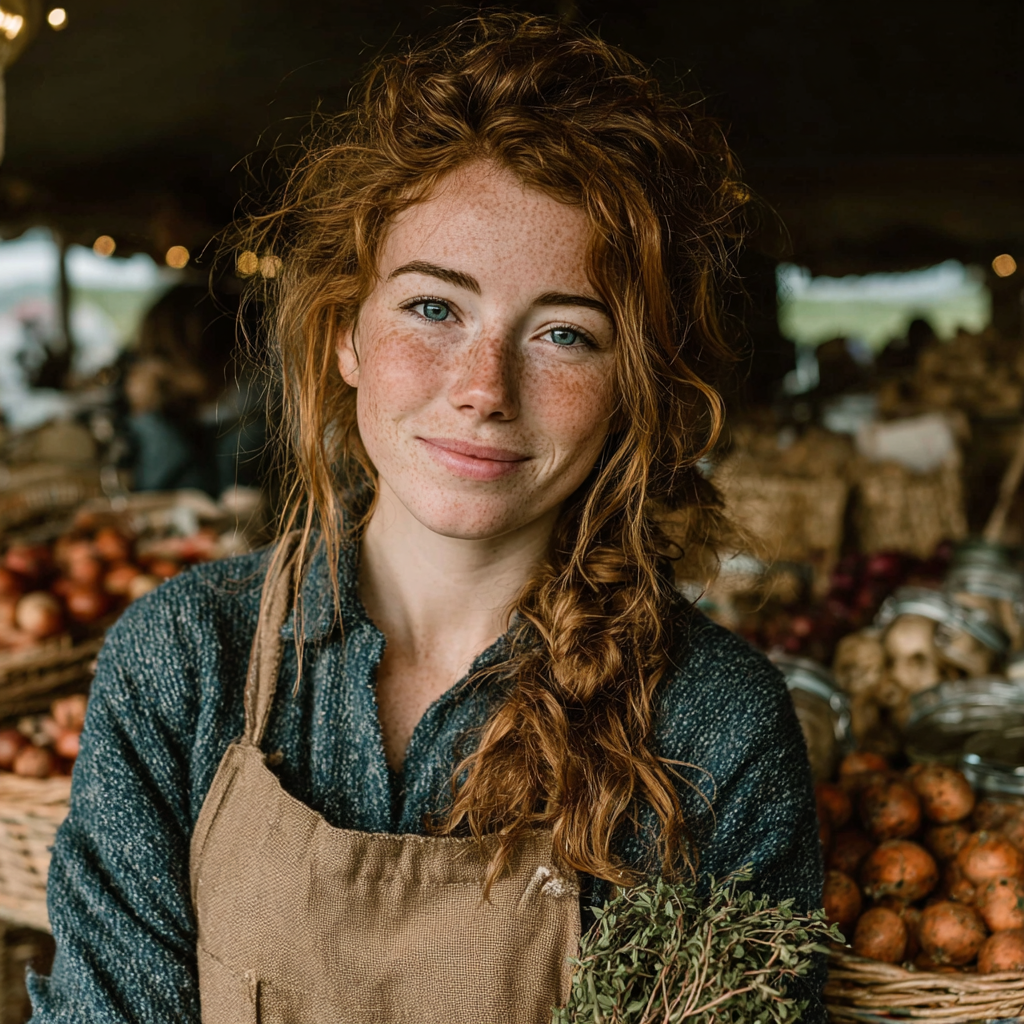
By Sophie Brennan
Irish food writer and historian based in Lisbon. Sophie combines her background in medieval history with a passion for contemporary gastronomy. She has written for Condé Nast Traveller and authored two cookbooks exploring Celtic and Iberian culinary traditions.