
The first thing you notice is the wind. It hits you at Sumburgh Airport like a door swinging open in a storm. The Shetland Islands sit at 60 degrees north, closer to Oslo than to London, and the Norse never really left. They just changed the spelling.
Lerwick is the capital, if you can call a town of 7,500 people a capital. The buildings are stone and slate, the streets are narrow, and the pubs are warm. The Lounge Bar on Mounthooly Street has been serving fishermen since the 19th century. The ceiling is low, the fire is real, and the conversation is about boats and sheep. A pint of 60 North pale ale from the Lerwick Brewing Company costs £4.50. Sullom Voe, the oil terminal 35 miles north, changed the economy in the 1970s, but it did not change the culture. The locals will tell you that.
The Norse DNA is everywhere. Shetland was Norwegian until 1469, when Christian I of Denmark pawned the islands to James III of Scotland as dowry. The pawn was never redeemed. The Shetland dialect is Scots with a Norse skeleton. "Hoose" is house, "kirk" is church, and the place names are pure Old Norse. Lerwick comes from "Leirvik" — muddy bay. Scalloway is "Skálavágr" — bay with the large house. The map reads like a saga: Haroldswick, Norwick, Nesting.
Up Helly Aa is the fire festival that proves the Vikings are still here. It happens on the last Tuesday of January, when daylight lasts less than six hours. The Guizer Jarl leads 900 torch-bearing men in costume through Lerwick in a replica Viking longship. They march to the harbor, sing the song, and burn the galley. The flames light up the Bressay Sound. The pubs stay open until 8 AM. A town hall dance ticket costs £30. The torches are £8 if you want to join the procession. It has been happening since the 1880s. They do not do it for tourists. They do it because January in Shetland is dark and cold and burning a ship feels right.
Jarlshof, on the southern tip of Mainland, is where four thousand years of human habitation are stacked like a layer cake. Bronze Age farmhouse, Iron Age broch, Viking longhouse, medieval farmhouse, 16th-century laird's house — all on the same site. Historic Scotland manages it. Entry is £6.50. Open daily 9:30 AM to 5:30 PM in summer. The visitor center has a model of the Viking longhouse. You can walk the same stones that Vikings walked. The stones are not new.
Mousa Broch is the best-preserved Iron Age tower in Scotland. It stands 13 meters tall, 2,000 years old, and you can still climb the internal staircase to the top. The walls are 5 meters thick at the base. The only way to reach it is by boat from Sandwick, a 15-minute crossing in summer, weather permitting. The broch sits on Mousa island, a national nature reserve. Storm petrels nest in the walls. The boat costs £15 return. The RSPB manages the site. There are no toilets, no cafe, and no phone signal. Bring water and a jacket. The wind on the top is biblical.
Clickimin Broch is a ten-minute walk from Lerwick town center, on a promontory on the Loch of Clickimin. It was a defensive structure, surrounded by a blockhouse and a causeway. The stones are covered in moss. Entry is free. There are no opening hours. It is just there, behind the Tesco.
St. Ninian's Isle is connected to Mainland by a tombolo — a sand bar that is one of the finest in the UK. The walk from the Bigton car park takes 20 minutes. In 1958, a schoolboy named Douglas Coutts found a hoard of 8th-century Pictish silver buried under a cross-marked slab. The treasure is now in the Museum of Scotland in Edinburgh. The island is managed by the Scottish Wildlife Trust. There are no facilities. The tombolo is passable at all tides but can be underwater during spring storms. Do not attempt it in a gale.
Unst is the most northerly inhabited island in the UK, population 600. The ferry from Yell takes 10 minutes. Yell has a population of 1,000 and no main towns. Both ferries are run by SIC Ferries and are free for foot passengers. Car fares are £8-15. On Unst, the Hermaness National Nature Reserve is a cliff-top wilderness of 250,000 seabirds. The gannets are the loudest. The great skuas — called bonxies locally — are the most aggressive. They will dive-bomb you near their nests. The path to the cliffs is 4 kilometers from the car park. The Muckle Flugga lighthouse is the most northerly in the UK. It was built by Robert Louis Stevenson's father and uncles. The walk is boggy. Wear boots. Entry is free.
Sumburgh Head, on the southern tip of Mainland, is an RSPB reserve with puffins, guillemots, razorbills, and fulmars. The puffins arrive in April and leave in August. The best viewing is from the cliff edge, where the birds nest in burrows. The lighthouse was built in 1821. Entry is free. Parking is £5. The puffins are tame. They will walk within feet of you. Do not feed them. The skuas will steal your sandwich.
The Shetland Museum and Archives in Lerwick is free and excellent. It sits on the Hay's Dock, a restored 19th-century fishing station. The museum covers the full history: the Stone Age, the Iron Age, the Norse period, the Hanseatic trade, the whaling era, the World Wars, and the oil boom. The Hanseatic merchants from Bremen and Hamburg had a seasonal trading post in Lerwick until the 19th century. The museum cafe does good seafood chowder. Open Monday to Saturday, 10 AM to 5 PM. Sunday opening in summer.
Scalloway was the capital of Shetland until 1708. The castle was built in 1600 by Patrick Stewart, a tyrant who was eventually executed for treason. The tower is intact. You can climb to the top. The Scalloway Museum tells the story of the Shetland Bus — a Norwegian resistance operation in World War II that used fishing boats to run agents between Shetland and occupied Norway. The crossing was 200 miles. The museum is open in summer. Entry is £4.
What to skip? The tourist shops on Commercial Street selling "genuine Shetland wool" that is imported from New Zealand. The Lerwick cruise ship days in summer, when the town is crowded and the pubs fill with people who will be gone in six hours. The idea of "seeing all the islands" in a week. You cannot. The ferry schedules are weather-dependent. The inter-island roads are single-track. The idea of a beach holiday. Shetland has beaches, but the water is 10 degrees in summer. The wind is constant. Do not expect Mediterranean. Do not expect Scottish Highlands. Shetland is its own thing.
Practical logistics. Fly to Sumburgh from Edinburgh, Glasgow, Aberdeen, Inverness, or Kirkwall. Loganair runs the service. Fares are £150-350 return. The NorthLink ferry from Aberdeen to Lerwick takes 12-14 hours. A cabin berth costs £120-180. A reclining seat costs £45. The bar is open. The sea can be rough. Bring sea sickness pills.
Car hire is essential if you want to leave Lerwick. Bolts Car Hire at the airport charges £45-60 per day. Book in advance. There are only 200 miles of road in Shetland. Petrol is £1.50 per liter. The single-track roads have passing places. Pull into the passing place on your left. If it is on your right, stop opposite it. Do not park in passing places. Sheep are everywhere. They have right of way.
Accommodation is limited. The Shetland Hotel in Lerwick is £120-180 per night. The Gilbrae Head B&B in Sumburgh is £90-120. Self-catering cottages are £600-900 per week. Book months in advance for Up Helly Aa and the folk festival in May.
The weather is the main character. Summer temperatures are 12-15 degrees. Winter temperatures are 3-7 degrees. The wind averages 15 mph. The rain is frequent and horizontal. The midges are not a problem. There are too many midges in Orkney. In Shetland, the wind kills them. The best time to visit is May to September for wildlife and daylight. January is for Up Helly Aa. By June, the daylight lasts 19 hours. The Simmer Dim is the twilight that replaces full darkness. You can read a book outside at midnight.
The Shetland ponies are not a tourist attraction. They are farm animals. You will see them on the roadside. They are small, sturdy, and have been bred here for 4,000 years. Do not feed them. Do not ride them. They are not pets. They are Shetland.
The islands are not for everyone. They are expensive, windy, and remote. The shops close at 5 PM. The nightlife is a pub and a conversation. The landscape is treeless, boggy, and beautiful. The people are direct. They do not do small talk. They do stories. Ask about the wreck of the Bussorah Merchant in 1844. Ask about the last witch burning in 1656. Ask about the Spanish Armada sailor who washed up on Fair Isle and married a local girl. The stories are the reason to come. The stones are just the setting.
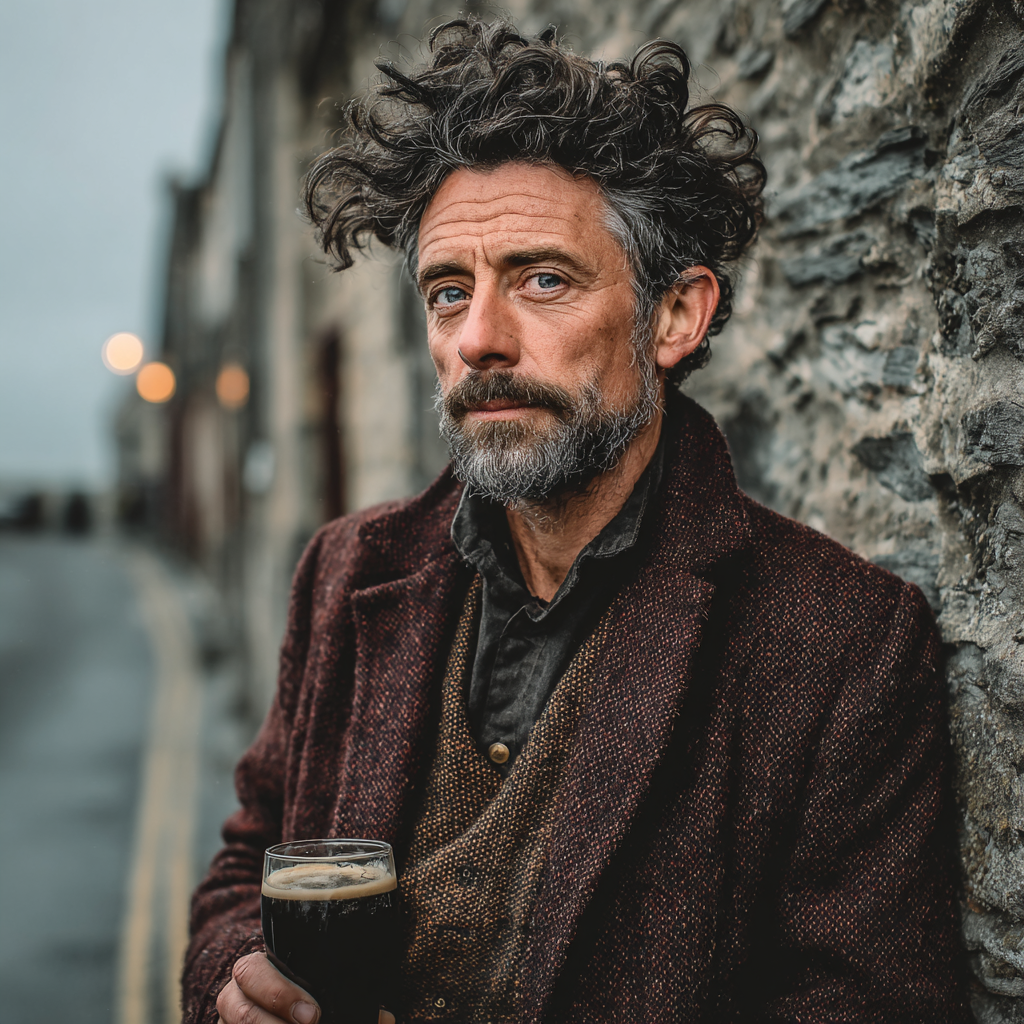
By Finn O'Sullivan
Irish storyteller and folklorist. Finn hunts for the narratives that do not make guidebooks—the pub legends, the family feuds, the neighborhood heroes. He believes every street corner has a story if you know who to ask.