
Inverness: Scotland's Highland Capital — Where Jacobite Ghosts Walk Beside the River Ness
By Finn O'Sullivan
The Author
I'm Finn O'Sullivan, and I grew up in a house where my grandmother kept a framed photograph of Bonnie Prince Charlie above the fireplace. She claimed our family had cousins who fought at Culloden. Whether that's true or wishful thinking, I've been chasing Highland stories since I was old enough to read a road map. I've walked the battlefield at dawn, gotten lost in Leakey's Bookshop for entire afternoons, and argued with bartenders in Inverness about whether the real Macbeth was misunderstood. This guide is what I've learned: not the postcard version, but the city as it actually is — stone, rain, whisky, and memory.
Why Inverness Is Not a Waiting Room
Most visitors treat Inverness like a departure lounge. They land at the airport, check bus times to Loch Ness, and leave before the city has a chance to speak. This is a profound mistake. Inverness has been the capital of the Scottish Highlands since at least the 6th century, when Pictish kings held court where the River Ness meets the Moray Firth. It carries the weight of that history in its red sandstone, its harbor, and its stories — the kind that don't make it onto tour bus scripts.
The city sits at a strategic pinch point: the last navigable reach of the River Ness before it empties into the sea. That location made it a prize for a thousand years. Macbeth is said to have murdered Duncan at a castle on this site in 1040. The real history, as always, is bloodier than Shakespeare's version. The Jacobite army marched through these streets in 1745. Less than a year later, the same clans were being slaughtered on Culloden Moor, six miles east. The ghosts here are not metaphorical.
What Inverness offers is something rarer than scenic views: a city that has been continuously inhabited for over a thousand years and still functions as a working port, a market town, and a gateway to one of the last genuinely wild regions in Europe. The tourists head to Loch Ness and the Highland bus tours. The city itself rewards the ones who stay.
The Castle That Took 800 Years to Open
Start at the Inverness Castle Experience (Castle Wynd, Inverness IV2 3EB), which finally opened to the public in 2024 after decades as a sheriff court. The South Tower viewpoint gives you a 360-degree panorama of the city, the river, and the distant Cairngorms — on a clear day, you can see the Monadhliath Mountains to the southwest. The gardens, bistro, and gift shop are free to enter. The full experience costs £11.50 for adults, £6 for children, and runs immersive exhibitions tracing Highland landscapes and the people who shaped them.
The building itself dates to 1836, constructed in red sandstone after the previous medieval castle was demolished in 1835. The site has been a fortress since at least 1057, when Malcolm III built the first documented structure. Before that, archaeological evidence suggests fortification going back to the Pictish period. The castle grounds are open daily from 10:00 AM; last admission varies seasonally — 6:00 PM in winter, 8:00 PM in summer. Book the tower viewpoint in advance during July and August; it sells out by midday.
Walk down Castle Street and turn onto Church Street. Abertarff House stands at number 71 (71 Church Street, Inverness IV1 1EY), built in 1593 and now the oldest surviving townhouse in Inverness. The projecting turnpike staircase is the giveaway — a feature of 16th-century Scottish domestic architecture that you rarely see intact in a city center. The Frasers of Lovat owned it from 1793, and the National Trust for Scotland took it over in 1963. Entry is free, and it opens from March to October, Tuesday through Saturday, 10:00 AM to 4:00 PM. The interior has been restored to show how a wealthy merchant family lived during the Jacobite era. This is not a grand estate. It is a practical house with walls two feet thick, windows designed for defense as much as light, and a staircase that creaks exactly as it did four centuries ago.
The Bookshop in a Church and the Church in the Rain
At the end of Church Street, Leakey's Bookshop (Church Street, Inverness IV1 1EY) occupies a former Gaelic church built in 1793. It has been Scotland's largest second-hand bookshop since 1979. The spiral staircase leads to a gallery level, and a wood-burning fire runs from October through March. You can lose an afternoon here without trying — and I have, repeatedly. The stock ranges from Highland folklore collections to out-of-print mountaineering journals to first editions of Scottish poetry you won't find online. Prices start at £1 for paperbacks and climb to £200+ for rare volumes.
The shop opens daily from 9:00 AM to 5:30 PM, except Sundays when it closes. The small café inside serves excellent soups and home baking from 10:00 AM to 4:00 PM. The atmosphere is unique: thousands of books, a wood-burning stove, and a peaceful feeling that most cafés would pay good money to recreate.
The building next door is the Old High Church (Church Street, Inverness IV1 1EY), the oldest church in Inverness, with parts dating to the 14th century. The churchyard contains gravestones from the 1600s, and the interior still holds the hourglass stand used to time sermons in the 17th century. The church is open to visitors Monday through Saturday, 10:00 AM to 4:00 PM, with services on Sunday at 11:00 AM. Entry is free, though donations support the maintenance of a building that has seen every major event in Highland history.
Walking the River: Ness Islands and Victorian Engineering
Cross the River Ness via the footbridge and walk upstream to the Ness Islands. These wooded islets in the middle of the river are connected by Victorian suspension bridges and form a public park that locals use daily. The full circuit takes about 45 minutes at a slow pace and costs nothing. You will pass fishermen casting for salmon, runners on the riverside path, and dog walkers who have been coming here for decades. The islands were donated to the city in the 19th century, and the planting reflects Victorian landscaping tastes mixed with native Highland species: oak, birch, rowan, and the occasional monkey puzzle tree someone thought was a good idea in 1890.
Inverness Cathedral (Cathedral Church of Saint Andrew, 15 Ardross Street, Inverness IV3 5NS) sits on the west bank of the River Ness. It was consecrated in 1874 and built from red Tarradale stone. The architect was Alexander Ross, and the building represents the Gothic Revival style at its most earnest — some would say ponderous. The stained glass windows include work by the Ballantine studio of Edinburgh. Admission is free, though donations are accepted. The cathedral is open daily from 9:30 AM to 5:00 PM, with services throughout the week. The spire was never completed due to lack of funds, which gives the building an asymmetric profile that locals either find charming or slightly wrong, depending on who you ask.
Museums, Markets, and the Weight of Objects
The Inverness Museum and Art Gallery (Castle Wynd, Inverness IV2 3EB) sits at the foot of Castle Hill. It covers Highland history from the Picts to the present, with a permanent collection that includes Jacobite memorabilia, Pictish carved stones, and contemporary Highland art. Entry is free, and the museum opens Tuesday through Saturday, 10:00 AM to 5:00 PM. The archaeology section holds finds from Clava Cairns and other local prehistoric sites, including beakers and arrowheads that are 4,000 years old. The art gallery rotates exhibitions of Scottish artists, with a bias toward Highland and Island painters.
For Victorian commercial history, visit the Victorian Market on Academy Street (Academy Street, Inverness IV1 1JN). The iron-and-glass arcade dates to 1890 and houses independent shops, food stalls, and craft vendors under a barrel-vaulted roof. It is open Monday through Saturday, 9:00 AM to 5:30 PM, and provides shelter when the Highland rain arrives — which it does with little warning. The market was damaged by fire in 2015 and reopened after restoration in 2017. The ironwork is original; the glass panels were replaced. Look for the clock mounted above the central arcade — it has been keeping time since 1890 and loses about three minutes a week.
Culloden: Where the Highlands Ended
The real weight of Inverness, however, lies east of the city at Culloden Battlefield (Culloden Moor, Inverness IV2 5EU). The moor where the Jacobite army was destroyed on April 16, 1746, is preserved by the National Trust for Scotland. You can walk the battlefield for free at any time — the site is open dawn to dusk, year-round. The visitor center charges £14 for adults, £12 for concessions, and includes an exhibition, a 360-degree immersive film, and guided tours in summer.
The battlefield itself is marked with red and blue flags showing the Jacobite and government lines. Leanach Cottage, the only surviving structure from the battle, still stands. The Clan Stone memorials were added in 1881 and mark where each clan charged or fell. The experience is somber and specific. This is not romanticized history. The visitor center does not flinch from describing the aftermath: the wounded were bayoneted where they lay, the prisoners were transported or executed, and the Highland way of life was systematically dismantled in the years that followed. The Dress Act of 1746 banned Highland dress. The clan system was broken. The clearances began within a generation.
Drive or take the bus: the Stagecoach service 5 runs from Inverness bus station every 30 minutes, takes 20 minutes, and costs £3.50 single. Allow three hours for a proper visit. The last bus back leaves Culloden at 6:15 PM.
Clava Cairns: 4,000 Years of Silence
Nearby, the Clava Cairns (Balnuaran of Clava, Inverness IV2 5EU) are a Bronze Age cemetery complex that predates Culloden by 3,000 years. Three cairns with surrounding stone circles sit among oak trees. The site is free to visit and open at all hours. The alignment of the passages suggests astronomical observation, possibly tied to the winter solstice. The cairns were partly reconstructed in the 19th century, which means some stones are in their original positions and others were moved by Victorian archaeologists with enthusiastic but imprecise methods.
The Outlander television connection has increased visitor numbers, but the site remains quiet in early morning or late evening. The best time to visit is sunrise in winter, when the low light catches the quartz in the stones and the passage of the northeastern cairn aligns with the winter solstice sunrise. Bring a torch if you're visiting before dawn.
Where to Eat: From Cullen Skink to Fine Dining
Inverness has developed a genuinely good food scene — not Edinburgh or Glasgow levels, but more than enough to eat very well during your stay. These are places I actually send people to.
The Mustard Seed (16 Fraser Street, Inverness IV1 1DW) overlooks the River Ness and has been one of the best restaurants in the city for over two decades. Scottish ingredients, generous portions, a menu that changes with the seasons. The early-bird menu (served before 6:30 PM) is excellent value at £22 for two courses. Mains run £18–28. Window tables with river views are worth requesting when you book. Open Tuesday through Saturday, noon to 2:30 PM and 5:30 PM to 9:00 PM. Book ahead, especially in summer.
Café 1 (75 Castle Street, Inverness IV2 3EA), close to the castle, is run by Norman MacDonald MBE and sources ingredients from his own farm on the Black Isle. The venison steak with black pudding mash is the dish locals order when they want to show off their city. Mains £16–26. Open Monday through Saturday, noon to 2:30 PM and 5:30 PM to 9:30 PM.
Hootananny (67 Church Street, Inverness IV1 1EY) is part live music venue, part restaurant. Scottish food done simply — haggis, cullen skink, venison burgers. The food is honest rather than fancy, but the atmosphere is the real draw. Live traditional music most nights from 9:00 PM. A proper Inverness experience. Worth visiting even if you only have a drink.
Velocity Café (1 Crown Road, Inverness IV2 3AZ) is a quirky, bike-themed café with excellent home baking and light lunches. Soups, sandwiches, cakes — all well made. Great for a casual lunch or afternoon coffee. Open Monday through Saturday, 8:30 AM to 4:30 PM.
For a quick, excellent coffee, The Black Isle Bar (Church Street, Inverness IV1 1EY) serves craft beer from the Black Isle Brewery and decent bar food. Good for a relaxed evening — the kind of place you end up staying longer than planned.
Where to Drink: Whisky, Beer, and Local Character
Inverness has its own drinking tradition, separate from the whisky tourism that dominates Speyside to the east. Uile-bheist (Dores Road, Inverness IV2 6EQ), a brewery and distillery on the banks of the River Ness, opened in 2023 as the first new distillery in Inverness city limits for 130 years. They produce small-batch beer and whisky using local barley and river water. The Discovery tour costs £31.50 per person for 90 minutes including tastings. Tours run daily at 11:00 AM, 1:00 PM, and 3:00 PM, and must be booked in advance through their website. The bar serves their own brews alongside local gins. It is a ten-minute walk from the city center.
MacGregor's (67 Castle Street, Inverness IV2 3EA) runs the Highland Malt Whisky Experience five nights a week between April and October. £43 for 90 minutes including five tastings of whiskies from local Highland distilleries. They also have live traditional music most nights.
The Castle Tavern (25 Castle Street, Inverness IV2 3DU) is where locals drink. No pretension, good beer selection, and the kind of bar staff who will argue with you about football, politics, or whether the Loch Ness Monster is a eel.
Practical Logistics
Getting There: Inverness Airport (INV) has flights to London (Gatwick, Luton, Heathrow), Amsterdam, Dublin, and the Scottish islands. The airport is 13 km east of the city; the Stagecoach Jet 11 bus runs every 30 minutes and costs £4.50 single. The train station (Inverness) connects to Edinburgh in 3.5 hours, Glasgow in 3 hours, and Thurso at the northern tip in 4 hours. Advance fares to Edinburgh start at £20.
Getting Around: The city is compact enough to walk end to end in under an hour. Local buses are operated by Stagecoach; a day ticket costs £4.20. Taxis are plentiful and reasonably priced — expect £6–8 for any journey within the city center.
Weather: Rain is frequent but rarely prolonged. Summer temperatures peak around 18°C (64°F). Winter brings short days and occasional snow that rarely settles for long. The best light for photography is in late autumn, when the birch and rowan trees along the river turn gold. Pack layers and a waterproof jacket regardless of season. The Highland saying applies: "If you don't like the weather, wait five minutes."
When to Visit: May through September for the best weather and longest days. July and August are busiest — book accommodation and restaurants well in advance. October offers spectacular autumn color and fewer tourists. November through March is quiet, with some attractions on reduced hours, but the city has a melancholic beauty in winter mist.
Accommodation: The city center has options from hostels (£25/night) to boutique hotels (£150+/night). The Royal Highland Hotel (18 Academy Street, Inverness IV1 1LG) is a Victorian railway hotel with character and reasonable rates. For something more modern, the Mercure Inverness Hotel (Church Street, Inverness IV1 1DX) is central and reliable.
What to Skip
Skip the Loch Ness boat tours that depart from the city center. They are overpriced, overcrowded, and rely on scripted monster stories that were tired in 1970. Instead, take the bus to Dores (£3.50, 20 minutes) on the northeastern shore, walk the pebble beach, and look south across the water. The view is better, the crowds are thinner, and you will not have to listen to a recorded voice telling you about sonar readings.
Skip the tartan shops on High Street. They sell the same mass-produced scarves and shortbread that you can buy in Edinburgh, Glasgow, or online. If you want authentic Highland crafts, visit the Victorian Market or drive to Beauly (20 minutes west) where independent artisans sell hand-woven tweed and carved wooden goods.
Skip the "official" Loch Ness Monster exhibitions. They are designed for children and the easily impressed. If you want the real story of the loch, read Ronald Binns' The Loch Ness Mystery Solved — a skeptical, thoroughly researched account by a former researcher who concluded the whole thing was a combination of hoaxes, misidentifications, and wishful thinking.
Skip eating on the main tourist drag of High Street after 6:00 PM. The restaurants there cater to tour groups and cruise ship passengers. Walk five minutes in any direction and you'll find better food at lower prices.
The Real Inverness
Inverness does not try to impress you. It is too old and too wet for that. What it offers is something rarer than scenic views or monster stories: a city that has been continuously inhabited for over a thousand years, that has survived Pictish kings and Jacobite rebellions and Victorian planners, and that still functions as a working port, a market town, and a gateway to one of the last genuinely wild regions in Europe.
The tourists head to Loch Ness and the Highland bus tours. They take their photographs and buy their tartan and leave. The city itself rewards the ones who stay — the ones who walk the river at dusk, who spend an afternoon in a bookshop that used to be a church, who stand on Culloden Moor in the rain and try to imagine what it sounded like.
The real history of the Highlands is in the stone, the rain, and the silence. Inverness has all three in abundance. You just have to be willing to listen.
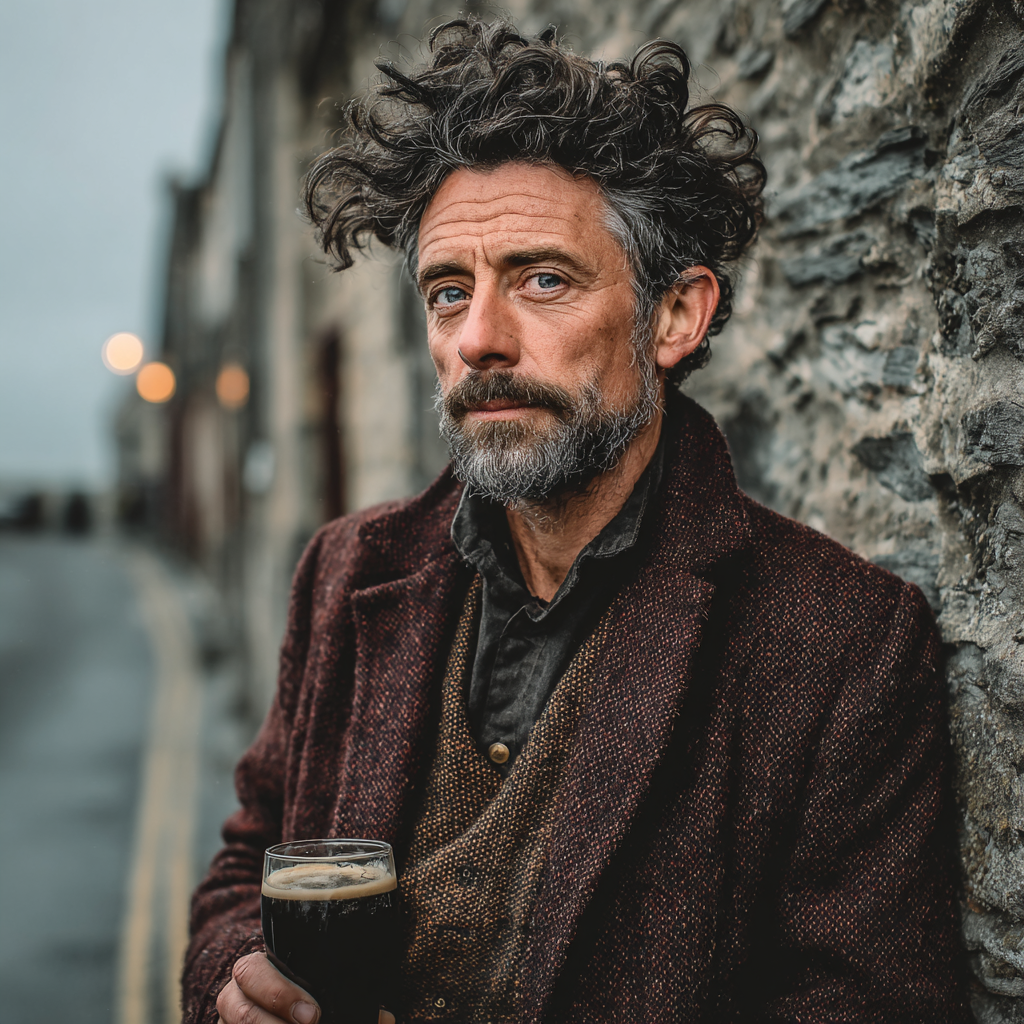
By Finn O'Sullivan
Irish storyteller and folklorist. Finn hunts for the narratives that do not make guidebooks—the pub legends, the family feuds, the neighborhood heroes. He believes every street corner has a story if you know who to ask.