
Yorkshire in winter is not gentle. The wind has teeth. The moors turn the color of old bruises—purple heather giving way to brown earth, then to frost-whitened stone. The villages huddle in valleys as if trying to hide from the weather that carved them into existence. This is not the England of tea shops and cottage gardens. This is the England that built an empire on wool and stubbornness.
I spent a week driving the back roads of North Yorkshire in January, when the tourists have fled and the locals reclaim their landscape. What I found was a region that doesn't perform for visitors—it simply exists, magnificent and indifferent, offering its beauty to those willing to endure the conditions that shaped it.
This guide is for travelers who want more than postcard England. The Yorkshire I'll show you requires waterproof boots, a tolerance for mud, and the ability to appreciate a pub fire as the miracle it is. The rewards are substantial: empty medieval streets, walks where your only company is wind and curlews, food that understands winter demands calories, and conversations with people who haven't yet learned to treat strangers as customers.
The Yorkshire Dales: Limestone and Persistence
Malham and the Drama of Stone
Malham Cove rises 260 feet from the valley floor, a limestone cliff that looks like a giant took a bite out of the landscape. The Pennine Way long-distance footpath climbs its left flank via stone steps worn smooth by two centuries of boots. In winter, water freezes in the cracks, expanding, working constantly to bring the whole thing down. The cove is still standing. Yorkshire limestone is patient.
The walk from Malham village takes forty minutes on a good day, an hour when the path is slick with ice. The reward is the view from the top: a limestone pavement of clints and grikes—blocks and fissures—stretching toward the horizon like a ruined city. In summer, this area is crowded with hikers. In January, I shared it with three other people and a raven that followed me for half a mile, apparently hoping I would die and become lunch.
Getting there: Malham is 45 minutes from Skipton by bus (the 72 service runs twice daily in winter—departures at 9:15 AM and 2:45 PM from Skipton bus station) or 20 minutes by car. The village has a pay-and-display car park on Malham Road (BD23 4DA, £4 for the day) that fills by 10 AM on weekends but remains half-empty on weekdays in winter.
The Victoria, Malham's pub at BD23 4DA, dates to the seventeenth century and serves Timothy Taylor's Landlord bitter straight from the cask. The landlord, David, has worked there for thirty years and knows the weather patterns better than the Met Office. Ask him about walking conditions; he'll give you an honest assessment that might save your life. A pint of Landlord is £4.20, and the steak and ale pie (£14.95) is the kind of meal that makes you understand why people stayed in this valley for centuries.
Settle and the Railway That Shouldn't Exist
The Settle-Carlisle Railway crosses Ribblehead Viaduct on twenty-four stone arches, each forty-five feet high, built by Victorian navvies who lived in shanty towns and died in numbers that would shut down a modern construction project. The line survives because campaigners fought British Rail's attempt to close it in the 1980s. Now it carries passengers through some of the most dramatic landscape in England.
Train times: Two-hour journey from Leeds to Carlisle, with stops at Settle, Horton-in-Ribblesdale, and Ribblehead. Winter schedules reduce service to four trains daily each way (departures from Leeds at 7:45 AM, 10:45 AM, 1:45 PM, and 4:45 PM). Check nationalrail.co.uk—weather closures are common between December and March. A return ticket from Leeds to Carlisle costs £38.50, or £25.60 with a Railcard.
Settle itself is a market town that time forgot in the best way. The House of Settle café at 7 Duke Street, BD24 9DU, serves curries that have no business being this good in a town of two thousand people. The owner, Raj, learned his recipes in Bradford's curry houses and brought them to the Dales. His lamb karahi (£12.50) would compete in any city. The café is open 11 AM to 3 PM weekdays, 10 AM to 4 PM weekends, closed Tuesdays in January.
Horton-in-Ribblesdale is the starting point for the Three Peaks Challenge—climbing Pen-y-ghent, Whernside, and Ingleborough in twelve hours. In winter, this is attempted only by the experienced and the foolish. The local mountain rescue team averages one callout per week between November and March. If you attempt this without proper equipment, you are contributing to their overtime. The Pen-y-ghent Café at the trailhead (BD24 0HE) opens at 7 AM for the sanity-check coffee you'll need before deciding whether to turn back.
The North York Moors: Heather and History
Whitby: The Town That Bram Stoker Ruined
Whitby has been inhabited since the seventh century, when Abbess Hilda founded a monastery on the cliff top and supposedly turned snakes into stone (the ammonite fossils found in local rock). It became a whaling port, then a resort, then a setting for Dracula after Stoker visited in 1890. The Gothic connection now dominates the town's identity in ways that locals tolerate with varying degrees of patience.
The ruined abbey on East Cliff is genuinely spectacular—thirteenth-century Benedictine architecture exposed to North Sea winds for five hundred years. English Heritage maintains the site (adult admission £9, concessions £5.40, family ticket £23.40). Winter hours are 10 AM to 4 PM, last entry 3:30 PM, and the low January sun creates shadows that no amount of vampire tourism can cheapen. The site closes entirely in high winds—call ahead on 01947 603568 if the forecast is rough.
The Magpie Café at 14 Pier Road, YO21 3PU, serves fish and chips that attract queues stretching down the street in summer. In January, you can walk straight in. The haddock (£14.95) is beer-battered, the chips are proper—twice-fried, fluffy inside, crisp out—and the portions require either hunger or help. The café has been family-run since 1937. The current owner's grandfather started the business after returning from the Great War. Open 11:30 AM to 8 PM daily in winter, closed Wednesdays in January.
Whitby Jet—fossilized wood turned black by compression under the sea—is sold in shops throughout the town. Real jet is lightweight and warm to the touch; plastic imitations are cold and heavy. W. Hamond at 7 Church Street, YO21 3DE, has been selling it since 1860 and will educate you on the difference without pressuring a sale. A simple jet pendant starts at £35; elaborate Victorian-style pieces run to £200+. The shop opens 10 AM to 5 PM daily in winter.
Goathland and the Railway to Nowhere
The North Yorkshire Moors Railway runs steam trains from Pickering to Whitby from March to November. In winter, the line is closed, and Goathland—a village better known as Aidensfield from the television series Heartbeat—returns to its actual population of four hundred people.
This is when to visit. The village pub, the Mallyan Spout Hotel at YO22 5AN, has a fire that burns continuously from October to April. The rooms (£85-120/night in winter, breakfast included) are decorated in a style that might be called "country house comfortable"—floral patterns, heavy furniture, no pretense of minimalism. The food is traditional: game pie (£16.95), Yorkshire pudding the size of a dinner plate, sticky toffee pudding (£7.50) that will require a walk afterward. Dinner is served 6:30 PM to 8:30 PM; book ahead on 01947 896486 as winter weekends fill with locals escaping the cities.
The Mallyan Spout waterfall is a mile's walk from the village, down a track that becomes a stream after heavy rain. In winter, it freezes into a column of ice that local children dare each other to touch. The round trip takes ninety minutes; proper boots are essential. The waterfall is unmarked by signage—locals prefer it that way—but the path begins at the churchyard gate and follows the stream.
The Moors Proper
The North York Moors cover five hundred square miles of heather moorland, the largest expanse in England. In August, the heather blooms purple and the tourists arrive in convoys. In January, the color palette reduces to brown, grey, and the white of frost that lingers in the hollows until noon.
Walking the moors in winter requires preparation. The weather changes within minutes; I've experienced sunshine, hail, and horizontal rain in a single afternoon. The Cleveland Way long-distance path crosses the moors on its 109-mile route from Helmsley to Filey. Day walks are possible from multiple access points:
- Sutton Bank: National Park visitor center (YO62 7TZ) open 10 AM to 4 PM year-round, walks ranging from one to six miles. The view from the escarpment—described by James Herriot as "the finest in England"—is worth the climb even in winter gloom. The visitor center café serves surprisingly good soup (£5.50) and has a real fire.
- Rievaulx Terrace: Woodland walks with views over the ruined abbey in the valley below. National Trust property (adult £6.50, child £3.25, family £16.25). Open 10 AM to 4 PM, closed Tuesdays in winter. The terrace itself is a half-mile walk from the car park, down a gravel path that can be icy.
- Hole of Horcum: A natural amphitheater carved by glacial action, accessible from the A169. Legend claims it was created by a giant scooping up earth to throw at his wife. Geology is less romantic but equally impressive. The Lockton car park (YO18 7NR) has no facilities but offers immediate access to the rim walk—a two-mile circuit with views that explain why painters kept returning here.
York: The City That Survived Itself
The Minster and the Weight of Stone
York Minster is the largest Gothic cathedral in northern Europe. Construction began in 1220 and continued for 250 years. The central tower rises 235 feet; the stained glass of the Great East Window covers an area the size of a tennis court. In winter, with low light streaming through medieval glass, the interior achieves a color that no photograph captures accurately.
Admission: Free to enter the main body; £12 to access the tower and undercroft (combined ticket, £9 concessions). The tower climb is 275 steps, narrow, one-way. Not recommended for the claustrophobic or those with knee conditions. The undercroft is open 10 AM to 4:30 PM in winter; the tower closes 30 minutes earlier. The Minster's Little Shop of Horrors—actually a charming gift shop near the south transept—sells replicas of the medieval glass at prices that make you understand why the original took centuries to fund.
The undercroft contains Roman foundations—the minster sits on the site of the Roman basilica—and the remains of earlier Norman cathedrals. Archaeologists found these during emergency repairs in 1967 when the central tower threatened to collapse. The concrete and steel that now hold the building together are hidden behind medieval stone. Engineering meets faith.
The Shambles and the Persistence of Commerce
The Shambles is York's most photographed street: timber-framed buildings that lean toward each other until their roofs nearly touch, creating a tunnel effect that medieval butchers would recognize. The name comes from the Old English fleshammels—meat shelves. Animal carcasses were displayed on hooks outside shops; the channel in the center of the street carried away blood.
Today it sells fudge, souvenirs, and Harry Potter merchandise (the street supposedly inspired Diagon Alley, though Rowling has never confirmed this). In summer, you shuffle through in a crowd. In winter, you can actually look at the architecture. The earliest buildings date to the fourteenth century; the overhangs were designed to protect meat from sun and rain.
The Golden Fleece at 16 Pavement, YO1 9UP, claims to be York's most haunted pub. Whether you believe in ghosts, the building is genuinely old—sixteenth century with later additions—and the staff maintain the atmosphere with appropriate seriousness. The Ghost Hunt Experience (£15) runs most evenings at 7:30 PM and combines local history with theatrical storytelling. A pint of local ale is £4.80, and the pub stays open until 11 PM on weekends.
Bettys and the Ritual of Tea
Bettys Café Tea Rooms at 6-8 St Helen's Square, YO1 8QP, opened in 1936 and maintains a commitment to quality that borders on obsessive. The Yorkshire Fat Rascal—a fruit scone the size of a small cake—is their signature creation. The afternoon tea (£25-35 depending on selection, reservations essential) involves multiple tiers of sandwiches, cakes, and scones, served by staff in white uniforms who have mastered the art of efficient politeness.
The queue in summer extends around the block. In January, you might wait ten minutes. The downstairs rooms are less crowded than upstairs; request a table there when booking. The tea selection includes over fifty varieties; the Yorkshire Gold is appropriately regional. Winter opening hours are 9 AM to 6 PM, though they close at 5 PM on Sundays.
Budget alternative: Brew & Brownie at 5 Museum Street, YO1 7DT, serves excellent cake (£4-6) and coffee in less formal surroundings. No queues, no uniforms, no Fat Rascals, but the lemon drizzle cake is superior to Bettys' version. Open 8:30 AM to 5 PM, closed Mondays.
The Coast: Bracing, the Euphemism
Robin Hood's Bay: Smugglers and Steep Hills
Despite the name, Robin Hood has no connection to this village. The legend attached itself in the Victorian era when tourism began and romanticism trumped accuracy. The bay's actual history involves smuggling: the narrow streets and hidden cellars were perfect for landing contraband while customs officers waited at the cliff top.
The village cascades down a steep hill to the sea—so steep that cars are actively discouraged. Park at the top in the Station Car Park (YO22 4SJ, £6 all day, £3 for two hours) and walk down. The Bay Hotel at Fisherhead, YO22 4SJ, at the bottom has a fire, real ale, and views of the North Sea that explain why people have lived here despite the impracticality. A pint is £4.50 and the seafood chowder (£13.95) is made with fish landed that morning in Whitby, twelve miles north.
The Cleveland Way passes through the village on its coastal section. Walking north toward Whitby takes four hours; south toward Scarborough is a full day's hike. The path clings to cliffs that are eroding at rates measured in meters per year. Sections are periodically closed by landslips. Check the National Trail website (nationaltrail.co.uk/cleveland-way) for current conditions before setting out.
Saltburn-by-the-Sea: The Pier That Remains
Saltburn's pleasure pier is the last remaining on the Yorkshire coast. Built in 1869, it stretches 208 meters into the North Sea, offering views that are either magnificent or intimidating depending on the weather. The cliff lift—a water-balanced funicular railway—carries passengers from the cliff top to the beach for £1.20 single, £2 return. It has been operating since 1884 and runs 11 AM to 4 PM in winter, weather permitting. The attendant will tell you it has broken down twice in forty years, both times during storms that would have closed any modern elevator.
The Victoria pub at 9 Albion Terrace, TS12 1JW, serves food that understands its purpose: to warm people who have been walking on a beach in January. The fish pie (£14.50) involves three types of fish in a sauce that requires bread for mopping. The local ale, Saltburn Blonde, is brewed three miles away at the Saltburn Brewery and tastes of the water that runs off the moors. The pub opens 12 PM to 11 PM daily, with food served until 8:30 PM.
What to Skip
Whitby in October. The Bram Stoker Film Festival and Goth Weekend transform the town into a costume parade that has nothing to do with the town's actual character. If you want the real Whitby, come in January when the Goths have gone home and the fishermen are the only ones in black.
The Shambles on a Saturday afternoon. Even in winter, the narrow street becomes a shoulder-to-shoulder shuffle of people buying identical fudge. Visit at 8 AM on a Tuesday and you'll have the medieval architecture to yourself.
The Three Peaks in December. Unless you have winter mountaineering experience, proper ice equipment, and a written will, this is not the season. The mountain rescue team has better things to do than haul unprepared tourists off Whernside in a blizzard. Try the lower-level walks around Malham instead.
Any restaurant with a "Gastropub" sign and a chalkboard menu written in copperplate. Yorkshire has some genuinely excellent food, but it is not, and never will be, the Cotswolds. The best meals come in places where the menu is laminated and the landlord knows the regulars by name.
Driving the B1257 across the Moors in fog. This road is beautiful and dangerous. In winter fog, it becomes a single-lane death trap with no visibility and no passing places. Check the weather, wait for clear conditions, or take the safer A170 route from Helmsley to Pickering.
Bettys on a bank holiday weekend. The queue can stretch to 90 minutes. The Fat Rascal is excellent, but no scone is worth frostbite. Book a table online at least two weeks ahead, or simply go to Brew & Brownie and accept that your Instagram will survive without the uniformed waiters.
Practical Matters
Getting Around
Car: Essential for the Dales and Moors. Roads are narrow, often single-track with passing places. Winter brings ice, fog, and occasional snow closures. The B1257 across the Moors from Helmsley to Pickering is particularly beautiful and particularly treacherous in winter conditions. Check the North Yorkshire County Council website (northyorks.gov.uk) for road closure updates before setting out.
Train: Leeds to York (25 minutes, £12.50 return), Leeds to Skipton (40 minutes, £14.20 return), York to Scarborough (50 minutes, £16.80 return). The Esk Valley Line from Middlesbrough to Whitby (£18.40 return) is one of England's most scenic railway journeys, running through moorland where roads don't go. The line is single-track in places and delays are common, but the views from the carriage window justify the inconvenience.
Bus: Services exist but are infrequent in rural areas. The DalesBus network operates Sunday services in summer only. Winter requires careful planning around limited schedules. The Coastliner service 840 from Leeds to Whitby runs hourly in winter and offers one of the cheapest scenic routes in the county (£12 day pass).
Where to Stay
York: The city is expensive year-round. The Fort Boutique Hostel at 1 Little Stonegate, YO1 8AX, (from £25/night dorm, £70 private room, breakfast £5 extra) offers location over luxury. The Grange at 1 Clifton, YO30 6AA, (from £120/night) is a converted town house with excellent breakfasts and parking that costs £10/night but saves you from York's labyrinthine parking regulations.
Dales: The Traddock in Austwick, BD24 0AH, (from £140/night) is a country house hotel with a Michelin-listed restaurant. The winter dinner menu (£65 for three courses) features local venison and Wensleydale cheese in ways that would surprise anyone who thinks British food is an oxymoron. The Gamekeeper's Inn at Threshfield, BD23 5NBA, (from £95/night) offers pub accommodation with walking access to the Dales and a beer garden that is optimistic in its naming but excellent in its summer incarnation.
Moors: The Feathers in Helmsley, YO62 5BH, (from £110/night) is a coaching inn with four hundred years of history and a restaurant that serves local grouse in season. YHA Whitby at East Cliff, YO21 3HA, (from £20/night dorm, £55 private room) occupies a Gothic mansion with views over the harbor and a breakfast buffet that is basic but fueling.
Food Worth Seeking
Wensleydale Cheese: The real thing is produced in Hawes and has PDO status. The creamy version is for eating; the aged version is for crumbling onto dishes. The Wensleydale Creamery at Gayle Lane, Hawes, DL8 3RN, offers tastings (£8 for a guided session including five cheeses and a history lecture) and a museum that explains how monks made cheese in the twelfth century. Open 9 AM to 5 PM daily, 10 AM to 4 PM in winter.
Yorkshire Pudding: Not the side dish of Sunday roast but a proper filled pudding—sausage, onion gravy, the batter acting as both container and carbohydrate delivery system. The York Roast Co. at 17 Stonegate, YO1 8AN, serves them for £6.50. The queue moves fast and the portions are generous enough to fuel a morning of Minster climbing.
Rhubarb: The "rhubarb triangle" between Leeds, Wakefield, and Bradford produces forced rhubarb in winter, grown in darkened sheds and harvested by candlelight. The flavor is delicate, the color shocking pink. The Old Vicarage in Ridgeway, Sheffield, S12 3XW, serves it in February and March as a fool with custard (£8.50) that tastes like childhood distilled.
Weather Reality
Temperature: January averages 1-6°C (34-43°F). Frost is common; snow is possible but rarely lasts more than a few days at low altitudes. The Moors can hold snow for weeks at higher elevations. Pack layers—a thermal base, a fleece mid-layer, and a waterproof shell is the standard uniform.
Daylight: 8 AM to 4 PM in December, extending to 7 AM to 5:30 PM by February. Plan outdoor activities for the middle of the day. The gloom is real but not unmanageable—bring a headlamp for late afternoon walks and accept that 4:30 PM is now pub time.
Rain: Expect precipitation on half the days. Waterproof jacket and trousers are essential for walking. The phrase "soft day" is Yorkshire euphemism for rain that isn't heavy but will soak you thoroughly given time. The locals have a hundred words for rain, each more specific than the last. Learn "mizzling" (fine, persistent drizzle) and "pishing down" (the opposite).
Final Honest Thoughts
Yorkshire in winter requires a particular kind of traveler. You won't get tan. You won't eat al fresco. Your photographs will feature grey skies and muddy boots. What you will get is a region that hasn't adjusted itself for your comfort—a landscape that demands effort and rewards that effort with moments of profound beauty experienced in solitude.
The Yorkshire I found in January was not the sanitized version of tourism brochures. It was harder, colder, and more magnificent than I expected. The pubs were warmer for the weather outside. The walks were emptier for the conditions required. The food tasted better for the calories burned staying warm.
This is England's largest county, and in winter, it feels like it. The distances between places are real. The hills are steep. The weather enforces its own schedule. But for those willing to work with rather than against these conditions, Yorkshire offers something increasingly rare: a place that remains itself regardless of who's watching.
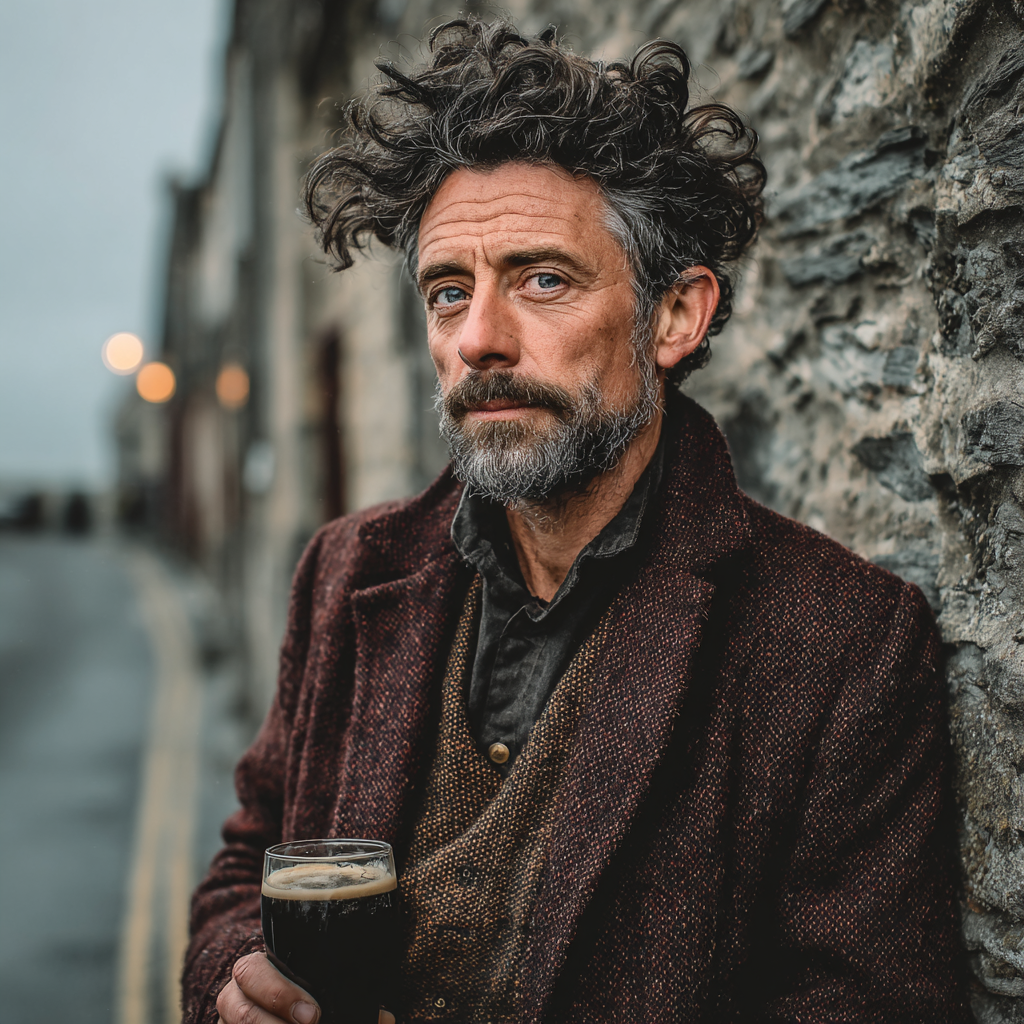
By Finn O'Sullivan
Irish storyteller and folklorist. Finn hunts for the narratives that do not make guidebooks—the pub legends, the family feuds, the neighborhood heroes. He believes every street corner has a story if you know who to ask.