
I used to think London winters were something to endure. Then one December evening, I found myself in the Dove on Upper Mall, a Hammersmith pub that's been serving drinkers since 1778. The fire was spitting, the mulled cider was sharp with actual cinnamon rather than syrup, and an elderly man at the bar was explaining to anyone who'd listen why the Thames used to freeze solid enough for frost fairs. "1814," he said, jabbing his finger at the dark river outside. "Elephants walked on that water."
That was the moment I fell for London in winter. Not the Instagram lights or the ice rinks, but the city retreating into itself—into pubs with low ceilings and centuries of smoke in the walls, into museums where you can spend three hours without seeing another soul, into streets where the only sound is your own boots on wet pavement.
This is not about "magical winter wonderlands." It is about what London actually is from December through February: quieter, cheaper, and more itself than any other time of year.
The Hard Truth About Winter in London
Temperature: 2°C to 8°C (35°F to 46°F). It rarely snows meaningfully. It often rains lightly. The wind finds gaps in your coat you didn't know existed.
Daylight: The sun rises around 8:00 AM and sets near 4:00 PM at the winter solstice. This is not a bug—it is the feature. London's architecture was built for gaslight and shadow. The city looks wrong in bright sunshine.
What You're Actually Getting:
- Theatre tickets at prices that won't make you wince
- Museum galleries where you can stand in front of the Rosetta Stone without being elbowed by tour groups
- Pubs with actual fires, not the gas ones they wheel out for atmosphere
- Hotel rates that drop 30-40% from summer peaks
- The Christmas lights on Regent Street, which are genuinely spectacular despite what cynics claim
What You're Giving Up:
- Al fresco dining (though heated terraces have changed this)
- Park picnics
- The illusion that London is a cheerful place
Where the Warmth Lives: London's Best Winter Pubs
Winter in London demands pub time. Not gastro pubs with restaurant aspirations, but proper pubs with carpet that smells of decades of spilled beer and fires that actually burn wood.
The Dove (19 Upper Mall, Hammersmith, W6 9TA, 51.4919°N, -0.2319°W) The smallest bar room in Britain, allegedly. The fire is real. The mulled cider (£5.50) is not from concentrate. The terrace has benches where you can watch the Thames in December and pretend you're hardy.
The Lamb & Flag (33 Rose Street, Covent Garden, WC2E 9EB, 51.5114°N, -0.1247°W) Dating from 1772, once called "The Bucket of Blood" due to bare-knuckle prize fights in the alley. Narrow, multi-room layout with ceilings low enough to remind you that people used to be shorter. Real ales rotate frequently—ask what's on. Around £5-6 a pint.
The Harp (47 Chandos Place, WC2N 4HS, 51.5094°N, -0.1247°W) CAMRA National Pub of the Year 2010. Serious cider selection, independent brewery real ales. Gets crowded after 5:00 PM with post-work drinkers who know what they're doing.
The Coal Hole (91-92 Strand, WC2R 0DW, 51.5089°N, -0.1208°W) Former coal cellar for the Savoy Hotel, established 1903. Grand Victorian interior, theatrical connections—the Savoy Theatre is next door. Sunday roasts are substantial, around £16-18.
The Churchill Arms (119 Kensington Church Street, W8 7LN, 51.5065°N, -0.1935°W) One of London's most photographed pubs, covered in flowers even in winter (ivy and winter plants replace the summer blooms). Inside, Churchill memorabilia covers every surface. Upstairs, they serve surprisingly good Thai food—green curry for £14, proper spice level. Booking recommended.
The Anglesea Arms (15 Selwood Terrace, South Kensington, SW7 3QG, 51.4940°N, -0.1756°W) A neighborhood gastropub with no pretension and excellent food. Mains £18-28. The fire is real. The crowd is local. This is where I'd want my last London dinner—somewhere that feels like it belongs to the city rather than to the tourism industry.
Museums as Refuge: Where to Hide from the Cold
Winter mornings at London's museums are a revelation. In July, you queue for twenty minutes and then fight through tour groups. In January, you walk straight in and have the place to yourself.
The British Museum (Great Russell Street, WC1B 3DG, 51.5194°N, -0.1270°W) Free entry (suggested £5 donation). Open 10:00 AM - 5:00 PM, Fridays until 8:30 PM. The Friday late opening is underappreciated—fewer visitors, and the Great Court's glass roof is spectacular lit from within after dark.
Efficient route for winter mornings: Start with the Rosetta Stone (Room 4, ground floor) before the crowds arrive. Then the Parthenon Marbles (Room 18, level 1)—the controversy signage is almost as interesting as the sculptures. Then Egyptian Mummies (Rooms 62-63, level 3), which include CT scan images showing what was inside. Finish with Sutton Hoo Treasure (Room 41, level 1), the Anglo-Saxon ship burial artifacts.
Time required: Two hours minimum, three if you want to do it properly. The café in the Great Court serves adequate food at inflated prices, but the location makes it worthwhile.
The National Gallery (Trafalgar Square, WC2N 5DN, 51.5089°N, -0.1283°W) Free admission. Open 10:00 AM - 6:00 PM daily, Fridays until 9:00 PM. The Sainsbury Wing galleries are modern, warm, and well-lit—ideal winter refuge.
Essential paintings: Van Gogh's "Sunflowers" (Room 43), always crowded but winter mornings are more manageable. Turner's "The Fighting Temeraire" (Room 34)—the most British painting in the most British museum. Botticelli's "Venus and Mars" (Room 58), smaller than you expect. Van Eyck's "Arnolfini Portrait" (Room 63), where the detail rewards close inspection.
Tate Modern (Bankside, SE1 9TG, 51.5076°N, -0.0994°W) The former Bankside Power Station is the perfect winter refuge. The Turbine Hall's cathedral-scale space traps heat surprisingly well, and the Switch House extension has a viewing terrace on Level 10 that offers panoramic views of the city in its winter grey.
Free for the permanent collection. Special exhibitions £15-22. Hours: 10:00 AM - 6:00 PM Sunday-Thursday, until 10:00 PM Friday-Saturday. The late Friday/Saturday hours are a gift in winter—escape the cold, see some art, have a drink at the Level 6 café while the city lights twinkle through the rain.
Don't miss the Rothko Seagram murals in their dedicated room, or the Viewing Level for photos of St Paul's across the river, particularly atmospheric in winter mist.
Victoria and Albert Museum (Cromwell Road, SW7 2RL, 51.4966°N, -0.1722°W) The world's largest museum of decorative arts, and winter afternoons were invented for this place. You can spend three hours here and not see the same gallery twice.
Free for the permanent collection. Special exhibitions £15-20. Hours: Wednesday-Sunday 10:00 AM - 5:00 PM, Friday until 9:00 PM. Closed Monday-Tuesday.
Essential galleries: The Cast Courts—Victorian plaster casts of famous sculptures, including Michelangelo's David (full size, without the crowds of Florence). The Jewelry Gallery—3,000 years of human adornment, including the ridiculous and the sublime. The Fashion Gallery—historical and contemporary clothing, including McQueen and Westwood. The British Galleries—1500-1900 decorative arts, the best introduction to British design history.
The V&A Café is the world's oldest museum restaurant, opened 1868. Three period rooms (Gamble, Poynter, Morris), each distinct. Light lunch £12-18, cakes £4-6. Have tea here even if you're not hungry. The Morris Room's wallpaper alone is worth the visit.
Westminster Abbey (20 Deans Yard, SW1P 3PA, 51.4994°N, -0.1273°W) Arrive at 9:30 AM when the doors open. The Abbey in winter morning light is a different creature than the tourist-swamped afternoon version. The stone absorbs what little sunlight filters through the stained glass, and the nave feels like a cathedral should feel—slightly too big for comfort, designed to remind you of your insignificance.
£27 for adults, £24 for seniors, £12 for children. The audio guide is included and actually worth using, particularly the sections on the Poets' Corner memorials. Dickens, Austen, and Shakespeare never chose to be buried here; the Abbey claimed them posthumously.
Don't miss the Coronation Chair, which looks like something you'd find in a shed rather than the throne used for every coronation since 1308. The Lady Chapel's fan vaulting appears impossibly delicate until you learn it's structural. The stone interior is genuinely cold—wear layers you can remove when you escape to the heated café afterward.
Eating Well in the Dark Months
Rules Restaurant (35 Maiden Lane, Covent Garden, WC2E 7LB, 51.5108°N, -0.1214°W) London's oldest restaurant, founded in 1798. This is not hyperbole—you can feel the history in the wood-paneled walls. The dining rooms have hosted everyone from Charles Dickens to Graham Greene. The current management understands they're running a museum that happens to serve food.
Order the steak and kidney pudding (£24), traditional, heavy, perfect for winter. The roast grouse (£32, in season only) is game birds done properly. The sticky toffee pudding (£9) is worth the calories. Pre-theatre menu: £35 for two courses, available until 6:30 PM.
Booking is essential, always. This is not a place for spontaneous dining. Phone: 020 7836 5314.
Dishoom (12 Upper St Martin's Lane, WC2H 9FB) Bombay Irani café food done exceptionally well. The no-reservations policy for lunch means queues, but it moves quickly and the waiting area has seats.
Order the bacon naan roll (£4.90), their signature, worth the hype. The black daal (£8.50) is cooked for 24 hours—order it. The chicken ruby (£12.50) is the curry that converts curry skeptics. Arrive before 12:00 PM or after 2:00 PM to minimize queuing. Phone: 020 7420 9320.
The Anchor & Hope (36 The Cut, SE1 8LP, 51.5025°N, -0.1067°W) Near the Old Vic, this gastropub serves food that actually matches the description on the menu. The menu changes daily depending on what their suppliers bring in, which means they take food seriously enough to not promise what they can't deliver.
Order the braised lamb shoulder if it's available (£18-22). The venison pie in game season (£16-20). The Sunday roast, if it's Sunday—beef with Yorkshire pudding that doesn't collapse when you look at it (£19). The mulled wine (£6) actually tastes of wine rather than hot cordial.
Call ahead for lunch, especially weekends: 020 7928 9898. They accept walk-ins at the bar, but you'll be eating standing up.
Borough Market (8 Southwark Street, SE1 1TL, 51.5055°N, -0.0904°W) London's oldest food market, operating in some form since the 12th century. The current Victorian covered halls provide shelter from winter rain while the smell of roasting chestnuts and mulled wine fills the air.
Hours: Wednesday-Thursday 10:00 AM - 5:00 PM, Friday 10:00 AM - 6:00 PM, Saturday 8:00 AM - 5:00 PM, Sunday closed.
Vendors worth your money: Bread Ahead for vanilla custard doughnut (£3.50), fresh, dangerously good (Three Crown Square). Richard Haward's Oysters for half dozen Essex oysters (£10-14), shucked in front of you (Stoney Street). Kappacasein for raclette over potatoes (£7)—the cheese pull is worth the Instagram (Three Crown Square). The Ginger Pig for pork pie (£4.50), proper British picnic food, or sausage roll (£3.50), flaky pastry, actual meat inside (Stoney Street).
Market strategy: Arrive before noon for best selection and fewer crowds. Bring cash—some vendors prefer it, and card machines fail in cold weather.
Winter Lights, Markets, and the Thames
Regent Street and Oxford Street Start at 8:00 AM. The Christmas lights are still on, but the crowds haven't arrived yet. The 2025/2026 theme is "Spirits of Christmas," which means 300,000 LED bulbs stretching from Piccadilly Circus to Oxford Circus.
The route: Start at Piccadilly Circus, walk north on Regent Street to Oxford Circus, turn west on Oxford Street toward Marble Arch. The 5,000 star lights suspended across Oxford Street are genuinely impressive. The shops beneath them are the same ones you'll find in any major city. The crowds from 11:00 AM onward are oppressive.
Photography: Blue hour—just after sunset—offers the best light balance. Weekend mornings are quieter than weekdays, counterintuitively.
Carnaby Street (W1F, 51.5131°N, -0.1389°W) Carnaby Street's decorations are always the most interesting in London. The pedestrianized area features independent shops beneath whatever creative concept they've deployed this year—past themes have included underwater worlds, Bohemian Rhapsody, and sustainable ocean plastics.
Coffee at Monmouth Coffee (27 Monmouth Street, £3-4). Note: No laptops allowed. This is coffee for drinking, not working.
Southbank Centre Winter Market (Belvedere Road, SE1 8XX, 51.5061°N, -0.1164°W) From late November through December 23rd, wooden chalets line the riverside walkway. It's a Christmas market, which means it will be crowded and slightly overpriced. But the location—right on the Thames, with the Royal Festival Hall behind you and the Houses of Parliament across the river—justifies the mulled wine markup.
German bratwurst (£7) is actually quite good. Raclette (£8) is worth it for the spectacle of the melted cheese scrape. Mulled wine (£6-8) will warm your hands if not your soul. Hours: 11:00 AM - 11:00 PM daily during the season.
Hyde Park Winter Wonderland (Hyde Park, W2 2UH, 51.5080°N, -0.1640°W) I have complicated feelings about Winter Wonderland. It's crowded, overpriced, and undeniably touristy. It's also spectacular in its scale and ambition, and there's something genuinely moving about thousands of people choosing to stand outside in the cold to drink mulled wine and pretend they're having a good time.
Entry: Free before 2:00 PM on weekdays. £5-7.50 after 2:00 PM and all day weekends.
Attractions: Ice skating £15-20 for one hour—the rink is decent quality, but book online or queue for an hour. The Giant Wheel £8—views are good on clear days. Bavarian Village—free entry, food and drink extra, the most atmospheric area. Magical Ice Kingdom £7-9—sculpted ice attractions, essentially a walk-through freezer. Bar Ice £16-20 including cocktail in ice glass. The glass melts. This is the point.
Food reality: German sausages (£6-8) are adequate. Mulled wine (£6-8) is hot and alcoholic. Churros (£5) are churros. Roasted chestnuts (£3-4) smell better than they taste.
Strategy: Go on a weekday morning. Dress for arctic conditions. Accept that you're participating in a commercial enterprise rather than an authentic cultural experience. Have fun anyway.
Theatre: The Reason You Came Indoors
Winter is the best time for West End theatre. The summer tourists have gone, the Christmas shows are running, and you can often get day-of tickets at reasonable prices.
Ticket Strategies:
- TKTS Booth at Leicester Square offers same-day discounts, up to 50% off. Cash and card accepted. Queue forms around 10:00 AM for evening performances.
- TodayTix App: Digital lottery and rush tickets for many shows.
- Box Office Direct: Sometimes cheaper than the apps once fees are included.
Winter 2026 Recommendations:
- The Mousetrap at St Martin's Theatre. World's longest-running play, perfect for a cold night. Tickets £25-65.
- The Lion King at Lyceum Theatre. Still spectacular after all these years. £40-150.
- Hamilton at Victoria Palace Theatre. If you can get tickets. £40-200.
- Les Misérables at Sondheim Theatre. The classic for a reason. £30-120.
Pre-theatre Dinner: J Sheekey (28-32 St Martin's Court) offers a £28 pre-theatre menu (two courses, until 6:30 PM). Specialty: Seafood, oysters. Phone: 020 7240 2565.
The Tower and the Thames Path
Tower of London (EC3N 4AB, 51.5081°N, -0.0759°W) The Tower in winter is atmospheric in ways the summer version can't match. The stone walls hold the cold. The ravens look more convincingly ominous. The Crown Jewels exhibition provides necessary indoor warmth.
Entry: £33.60 online, £37 on the day. Buy ahead. Hours: Tuesday-Saturday 9:00 AM - 4:30 PM, Sunday-Monday 10:00 AM - 4:30 PM. Last entry 3:30 PM.
What to see: The Crown Jewels—allow 45 minutes including the travelator queues. The actual crowns are impressive; the experience is efficiently managed. The White Tower—Norman architecture, armour collections, stairs that remind you of your fitness level. The ravens—seven ravens live here. Legend says the kingdom will fall if they leave. Their wings are clipped. This is presented as normal. Yeoman Warder tours are included in admission, every 30 minutes. The Beefeaters have perfected their patter over centuries.
Tower Bridge: Walk across for free. The glass floor walkway and exhibition cost £12.30 if you want the full experience.
The Thames Path Walk The walk from Westminster to London Bridge takes about 45 minutes and is worth doing once. You pass the Southbank Centre, the Tate Modern, Shakespeare's Globe (reconstructed), and eventually reach London Bridge with the Shard towering above it. In winter, the low sun creates long shadows and illuminates Parliament from the side rather than overhead. The view toward Big Ben (officially the Elizabeth Tower, though no Londoner calls it that) is the one you've seen on a thousand postcards, but the winter version has sharper contrast—grey stone against grey sky, the Thames the color of old tea.
Photography tip: The south side of Westminster Bridge offers better angles. Ignore the people selling wooden Big Ben models. They've been there since the 1970s.
Getting There and Getting Around
Heathrow (LHR):
- Heathrow Express: 15 minutes to Paddington, £25. Fast but expensive.
- Elizabeth Line: 30-40 minutes to central London, £12.80. The sensible choice.
- Piccadilly Line: 50-60 minutes, £6.30. Cheap but cramped.
Gatwick (LGW):
- Gatwick Express: 30 minutes to Victoria, £19.90
- Southern/Thameslink: 30-50 minutes, £10-15. Often faster and cheaper than the Express.
Stansted (STN) and Luton (LTN): Further out. Budget airlines use these. Factor in 60-90 minutes to central London.
Eurostar: Arrives at St Pancras. Two hours fifteen minutes from Paris. The most civilized route if you're coming from the continent.
Getting Around: Oyster Card / Contactless: Use your phone or contactless card. Same price as Oyster. Daily cap of £8.50 for Zones 1-2.
Tube: Fast but hot and crowded. In winter, the contrast between freezing platforms and overheated carriages is extreme.
Buses: £1.75 per journey, hopper fare allows multiple buses within one hour. Slower but you see the city.
Walking: Central London is compact. Many major sights are within 30 minutes' walk of each other. In winter, walking keeps you warm.
Taxis: Black cabs are metered and expensive (£10-20 for central journeys). Uber is often cheaper but requires app booking.
What to Pack for Winter
Essential:
- Waterproof jacket with hood. London rain is rarely heavy but frequently present.
- Warm coat. Wool or down. The wind cuts through thin layers.
- Waterproof walking boots. Pavements are slippery when wet, which is often.
- Layers. Merino wool base layers if you have them. Indoor heating is aggressive.
Useful:
- Umbrella. Compact, wind-resistant. You'll lose it, so don't bring your best.
- Hat and gloves. The wind chill is real.
- Camera with spare batteries. Cold drains them faster.
Unnecessary:
- Heavy snow gear. It doesn't snow meaningfully in London.
Daily Budgets (Per Person)
Budget (£60-80/day):
- Hostel: £25-40
- Food: Supermarket and casual £20-25
- Transport: £8-10
- Attractions: Free museums plus one paid £10-15
Mid-Range (£120-180/day):
- 3-star hotel: £80-120
- Food: Pub lunch £15, restaurant dinner £30-40
- Transport: £8-10
- Attractions: £20-30
Luxury (£300+/day):
- 4-5 star hotel: £200-400
- Food: Fine dining £80-150
- Transport: Taxis £30-50
- Attractions: Private tours £100+
Where to Stay
Budget: YHA London Central (104-108 Bolsover Street): £25-50/night, proper hostel with private rooms available. Generator London (37 Tavistock Place): £20-45/night, stylish but still a hostel.
Mid-Range: The Z Hotel Covent Garden (31-32 Bedford Street): £100-180/night, compact rooms, excellent location. Hotel Indigo (1 Leicester Square): £150-250/night, theatre district, themed rooms.
Luxury: The Savoy (Strand): £400-800/night, historic, Thames views. The Connaught (Carlos Place): £600-1,200/night, Mayfair, Michelin-starred dining.
Final Advice
Book theatre tickets in advance. Winter shows sell out, especially the Christmas spectaculars.
Carry a reusable water bottle. Tap water is free and safe. The winter heating is dehydrating.
Don't believe the "hidden gem" articles. If it's in a guidebook, it's not hidden. The real hidden places are the pubs between the famous ones, the cafés on side streets, the parks at 8:00 AM.
Accept the weather. London in winter is grey and damp. It's also quieter, cheaper, and more authentic than the summer version. The city wasn't built for sunshine.
Talk to people. Londoners have a reputation for coldness that's undeserved. Ask for recommendations in pubs. Complain about the weather to strangers at bus stops. You'll be surprised how quickly the city opens up.
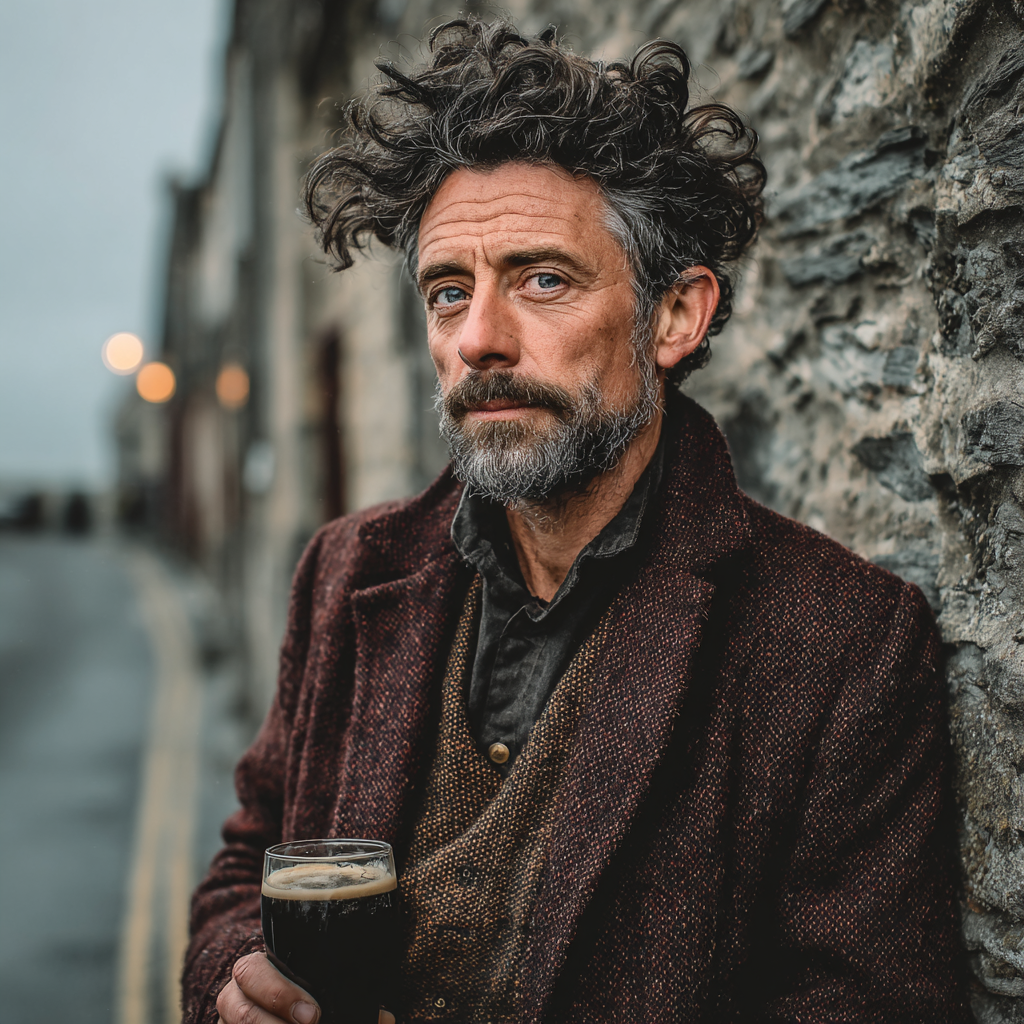
By Finn O'Sullivan
Irish storyteller and folklorist. Finn hunts for the narratives that do not make guidebooks—the pub legends, the family feuds, the neighborhood heroes. He believes every street corner has a story if you know who to ask.