
The Lake District in Winter: A Pub-to-Fell Guide for the Skeptical Romantic
By Finn O'Sullivan. I came to the Lake District in winter fifteen years ago by accident—a broken relationship and cheaper off-season rates aligned—and I keep returning because this is when the place shows you who it really is. The fells turn the color of old boots. The rain comes horizontal. Your phone dies in the cold just when you need the map. But then you push through a pub door in Borrowdale, steam rising from your jacket, and the landlord pours you a pint without asking because he saw you coming up the road ten minutes ago. That's the Lake District. That's why you're here.
The Lake District doesn't do winter gracefully. It does it honestly. In December through February, the daylight hours are short—sunrise around 8:15 AM, sunset near 4:00 PM in mid-January—but the darkness is part of the deal. You need to embrace it.
This is 912 square miles of mountains, lakes, and approximately 3 million sheep. It became a UNESCO World Heritage Site in 2017, and it contains England's highest peak, deepest lake, and wettest weather. In winter, the tourist boats are mothballed, the B&Bs are half-empty, and the only thing moving on Windermere is the wind. If you are looking for guaranteed sunshine, go to Spain. If you are looking for pubs that know your name before you give it and fells that will teach you humility, keep reading.
When to Go (And When to Absolutely Not)
Go: The last two weeks of January. The Christmas crowds have fled. The locals have recovered. Hotel prices drop by 40%. And if the Atlantic delivers the right combination of cold air and precipitation, you'll get snow on the fells while the valleys stay clear enough to walk.
Avoid: The week between Christmas and New Year unless you enjoy paying £200/night for rooms that cost £80 in January and sharing footpaths with people in inappropriate footwear. Keswick is gridlocked. Windermere is chaos.
Temperature reality check: 0-7°C in the valleys, colder with wind chill on the tops. Wet cold penetrates. Pack like you mean it.
Getting There Without Losing Your Mind
Critical winter warning: Kirkstone Pass (the 'Struggle'), Honister Pass, and Hardknott Pass are often closed from November through March. Don't trust your satnav. Check the Cumbria County Council road closures before setting out. I've seen a BMW X5 abandoned in a Borrowdale snowdrift because the driver believed his navigation system over the reality of 15% gradients on ice.
By train: Oxenholme Lake District is the main station, with a branch line to Windermere. Penrith gets you to the northern lakes, then a 40-minute bus to Keswick. The train from Manchester to Oxenholme takes an hour. From London, 2.5-3 hours on Avanti West Coast. Book ahead—walk-up fares can exceed £100 one way.
Parking strategy: Most Lake District car parks operate on honesty boxes or Pay-and-Display in winter. Rates drop significantly—Bowness Bay Marina is £6 all day in winter versus £12 in August. Many town centre car parks in Keswick and Ambleside are free after 6 PM and all day Sunday from November to March.
Essential Gear (Or: How to Avoid Being Miserable)
The Lake District in winter will expose poor preparation mercilessly. I've seen grown adults crying on the slopes of Catbells because they wore trainers and a 'water-resistant' jacket from Primark.
Non-negotiable:
- Waterproof jacket with hood: Gore-Tex or equivalent. Not water-resistant. Waterproof.
- Waterproof trousers: Essential. Put them on before you need them.
- Walking boots with ankle support: B1 rated minimum. Trail running shoes are for trail running, not winter Lakeland walking.
- Microspikes: Kahtoola MICROspikes or similar. £40 that could save your hip on ice.
- Headtorch with fresh batteries: Sunset at 4 PM means you're walking in darkness by 4:45. Carry spares—cold kills batteries.
- Map and compass: OS OL7 (South-Eastern Lakes) and OL4 (Northern Lakes). Learn to use them. Phone GPS will fail when you need it most.
Nice to have:
- Walking poles: I resisted these for years. Then I tried them on a descent from Helvellyn in frozen conditions. Now I don't walk without them in winter.
- Thermos flask: A hot drink at the right moment is worth more than any energy gel. I carry a 750ml Stanley filled with strong tea.
- Buff or neck gaiter: Wind coming off the Irish Sea has teeth.
The Southern Lakes: Windermere and Ambleside
Windermere: The Gateway That Isn't
Most people treat Windermere as a staging post. They're missing something. Yes, Bowness is touristy. Yes, the World of Beatrix Potter exists (I have opinions). But the lake itself, in winter, with the tourist boats mothballed and the water the color of slate, has a melancholy beauty that rewards patience.
Where to stay:
- The Lamplighter Dining Rooms (High Street, Windermere LA23 1AF, 015394 43274, £85/night in January). Rooms above the restaurant. Simple but clean. The bar serves Hawkshead Bitter on cask.
- YHA Windermere (High Cross, Bridge Lane, Troutbeck LA23 1LA, 0345 371 9025, dorm £22, private £60). A converted mansion house with lake views. The lounge has a proper fire.
- The Ambleside Inn (Market Place, Ambleside LA22 9BU, 015394 32227, from £65/night). A Wetherspoons hotel—clean, comfortable, and a pint of local ale for under £3.
- The Drunken Duck Inn (Barngates, Ambleside LA22 0NG, 015394 36347, from £140/night). A 17th-century inn with its own microbrewery and a restaurant serving Cumbrian beef from farms they can name.
Orrest Head: Wainwright's First Love
Start: Orrest Head car park (54.3801°N, -2.9078°W), free parking Distance: 2.5 miles round trip Time: 1.5-2 hours Difficulty: Easy, but can be icy
Alfred Wainwright's first Lakeland fell. The path climbs through woodland before opening onto a summit with views that encompass the full length of Windermere, the Coniston fells, and—on exceptional winter days—the mountains of Wales and Scotland.
When to go: Late afternoon in January. The low winter sun turns the lake metallic. Take the time to sit on the summit bench (erected in Wainwright's memory) and watch the light fade.
After the walk: The Albert (19 Ash Street, Bowness LA23 3EB, 015394 46201). Victorian pub with a real coal fire and Hawkshead Bitter kept properly. The steak and ale pie (£14.50) is proper pastry, not a puff-pastry lid on stew.
The Windermere Jetty Museum: A Secret Worth Finding
Windermere Jetty Museum (Rayrigg Road, Bowness LA23 1BN, 015394 45565, £9 adults, £5 children, open 10:00-17:00, last entry 16:00). Housed in a beautiful modern building on the water's edge, it tells 200 years of boats on the lake. In winter, you'll likely have the place almost to yourself. The steamboat Tern is in dry dock for maintenance, but you can walk right up to her.
Lunch nearby: Homeground Coffee (6 Ash Street, Bowness LA23 3EB, 015394 88009, open 8:30-16:00, closed Wed). Community-focused café with a log burner and coffee roasted in Kendal. The hot chocolate (£3.80) is properly rich.
Stock Ghyll Force: When the Rain Becomes the Point
Start: Ambleside town centre Distance: 2 miles round trip Time: 1-1.5 hours Difficulty: Easy-moderate
Stock Ghyll is a 70-foot waterfall that most tourists miss because they're driving past on the A591. In winter, after heavy rain, it becomes a thundering spectacle. The volume of water can be double that of summer, and the spray freezes on the surrounding rocks.
The path: Well-marked from the top of Ambleside (follow signs from the Salutation Hotel). The viewing platform can be icy—use the handrails.
The pub after: The Golden Rule (Smithy Brow, Ambleside LA22 9AS, 015394 32272, open 12:00-23:00, food noon-14:30, 18:00-20:30). No music. No televisions. Just conversation, coal fires, and Timothy Taylor's Landlord on cask. The landlord, Pete, has been pulling pints here for 20 years. Ask him about winter conditions on the high fells—he'll tell you straight.
The Central Lakes: Grasmere and Rydal
Grasmere: Wordsworth's Village
Dove Cottage (Town End, Grasmere LA22 9SH, 015394 35544, £12.50 admission). Worth visiting despite the crowds, especially in winter when you might get a moment of quiet. The 20-minute guided tour is informative, and the museum has original manuscripts.
Winter hours: Thursday-Monday only (closed Tuesday-Wednesday), 10:00-16:00. Last tour 15:30.
Allan Bank (Grasmere LA22 9QB, 015394 35143, £8 non-members, free for National Trust). Wordsworth thought it was ugly, but it's now a relaxed house where you can make coffee in the kitchen and look out at fells that haven't changed since 1800.
The Walk Everyone Should Do: Grasmere to Rydal Mount
Start: Grasmere village centre Distance: 3 miles one way, 6 miles round trip Time: 2-3 hours one way, 4-5 hours round trip Difficulty: Easy-moderate
This low-level route follows the valley floor, avoiding the snow and ice that can make higher paths treacherous. It passes through Rydal Woods—ancient oak and birch that take on particular beauty in winter when the structure of the trees is visible.
Rydal Mount (Rydal, Ambleside LA22 9LU, 015394 33002): Wordsworth's home from 1813 until his death. The garden is the real draw—Wordsworth designed it himself, and in winter you can see the layout without summer foliage. The tea room serves excellent soup.
The practical option: Take the 555 bus from Grasmere to Rydal (10 minutes, £3.50), walk through the garden, and catch the bus back.
Where to Eat in Grasmere
The Jumble Room (Langdale Road, Grasmere LA22 9SU, 015394 35188, £45-60 per person with wine, booking essential). Small, intimate, genuinely excellent. Winter menu: venison from nearby fells, Cumbrian beef, root vegetables treated with respect.
The Tweedies Bar (Dale End, Grasmere LA22 9SF, 015394 35258). The Cumberland sausage (£13.50 with mash and onion gravy) is proper—coarse-cut, herby, made locally.
Sarah Nelson's Grasmere Gingerbread (Church Cottage, Grasmere LA22 9SW, £4.50 a packet, open 9:00-17:30). Not gingerbread as most understand it—dense, slightly sticky, unique to this village. Made to the same recipe since 1854.
The Northern Lakes: Keswick and Derwentwater
Keswick: The Town That Actually Functions in Winter
Keswick is the Lake District's most practical northern base. Proper supermarkets, an excellent outdoor shop, a cinema, and enough pubs that you can find one that suits your mood.
Where to stay:
- The Keswick Country House Hotel (Station Road, Keswick CA12 4NQ, 017687 72500, from £95/night). Victorian pile with indoor pool and lounge fires. Five minutes from town centre and the lake.
- YHA Keswick (Station Road, Keswick CA12 5LH, 0345 371 9019, dorm £22, private £55). Former shooting lodge with views of Skiddaw. The drying room is essential in winter.
The Dog & Gun: A Love Letter
The Dog & Gun (2 Lake Road, Keswick CA12 5DQ, 017687 73443, open 11:00-23:00, food noon-21:00). Small pub on a back street, easy to miss, serving the best Cumberland sausage in the Lake District. Made by a local butcher to the pub's specification—coarse-cut, properly seasoned, served with creamy mash and red onion gravy with depth and sweetness.
The practicalities: Arrive before 12:30 for lunch or after 14:00, or you'll queue. No bookings for lunch. Dog-friendly. The sausage and mash is £13.50. A pint of Jennings Cumberland Ale is £3.80. This is value.
Friar's Crag: The View That Justifies Everything
Start: Keswick Launch landings (54.6006°N, -3.1364°W) Distance: 2 miles round trip Time: 1-1.5 hours Difficulty: Easy
Friar's Crag juts into Derwentwater offering what John Ruskin called "one of the three most beautiful views in England." In winter, with snow on the fells and the lake steel-grey under storm clouds, it's properly dramatic.
When to go: Late afternoon, when the light slants across the water and turns the western fells gold.
The Keswick Launch: Still runs in winter, weather permitting, with a reduced schedule. A round-the-lake ticket (£12.50) lets you hop on and off. Check the winter timetable at the landing—services are limited on weekdays in January.
Catbells: The Fell That Tricks People
Start: Hawse End (54.5756°N, -3.1834°W) or Grange (54.5411°N, -3.1522°W) Distance: 3.5 miles from Hawse End, 6 miles from Grange Time: 3-4 hours Difficulty: Moderate (but often underestimated)
Catbells is famous for being "easy." This is a lie. It's a short fell—451 meters—but the ascent is steep, the path is eroded, and in winter it can be icy near the summit. Don't attempt without microspikes if there's been frost.
Why do it anyway: The views from the top are exceptional. Continue north to Hawse End rather than returning the way you came. Catch the launch back to Keswick if timing works (£6.50 one way).
The Royal Oak: Keswick's Other Pub
The Royal Oak (36 Main Street, Keswick CA12 5DY, 017687 75824). Traditional town pub with real fires and Jennings beers kept well. The steak and kidney pudding (£14.00) is steamed, not microwaved, with proper suet pastry. In winter, that's what you want.
The Western Valleys: Borrowdale and Buttermere
Borrowdale: The End of the Road
Borrowdale feels like the end of the world because, in a sense, it is. The valley runs west from Keswick, narrowing until the road ends at Seathwaite—the wettest inhabited place in England (3 meters of rain annually). Beyond that, there are only fells.
Getting there: The 78 bus runs from Keswick to Seatoller four times daily in winter. Alternatively, drive, but the road is narrow and can be icy. The Honister Pass beyond Seatoller is often closed in winter.
The Langstrath Country Inn: Worth the Journey
The Langstrath Country Inn (Stonethwaite, Borrowdale CA12 5XG, 017687 77239). Sits at the head of Langstrath valley, accessible only by a single-track road or a long walk. One of the most remote pubs in the Lake District. 16th-century building, low-ceilinged, with slate floors and walls thick enough to withstand the weather.
The practicalities: Check they're open before making the journey—hours reduce in January. If walking, it's 3 miles from Stonethwaite village. The game pie, lamb shank, and sticky toffee pudding are hearty mountain fare. The beer is Jennings, kept properly.
Castle Crag: The Small Mountain
Start: Rosthwaite village (54.5278°N, -3.1478°W) Distance: 3 miles round trip Time: 2-3 hours Difficulty: Moderate
Castle Crag is the smallest of Wainwright's 214 fells, but perfectly formed—a miniature mountain with disproportionate views. Only attempt in settled weather with microspikes. The summit is exposed and the descent is steep enough to be problematic if iced.
The alternative: If conditions aren't right, walk to the Bowder Stone instead—a massive 30-foot boulder balanced improbably on one corner. Accessible via a gentle, level path.
The Buttermere Circuit: The Perfect Winter Walk
Start: Buttermere village car park (54.5439°N, -3.2756°W), £3 all day (honesty box) Distance: 4.5 miles Time: 2.5-3 hours Difficulty: Easy
The best low-level winter walk in the Lake District. The path circles Buttermere lake on relatively level ground, passing beneath the dramatic crags of Haystacks and Fleetwith Pike. The famous 'tunnel' beneath Hassness—a section where the path passes through a natural rock arch—is just as magical in winter, with icicles sometimes forming on the rock walls.
The Fish Inn (Buttermere, Cockermouth CA13 9XA, 017687 70253). At the end of the walk, warmth, beer, and pie. The landlord, John, has been here for decades. He knows every weather pattern the valley produces.
What to Skip
- Windermere in the week between Christmas and New Year: Hotel prices double, the crowds are oppressive, and the footpaths are full of people in trainers. Come in mid-January instead. The same pubs are open. The same fells exist. But the rooms cost £80 instead of £200.
- The World of Beatrix Potter in Bowness: A theme-park-style attraction that has nothing to do with the actual Lake District. If you want to understand Potter's connection to the landscape, go to Hill Top Farm near Sawrey or read her journals. This place is for children and the easily entertained.
- Walking the high fells without microspikes in icy conditions: I have seen confident walkers retreat from Catbells because they didn't bring traction aids. Microspikes cost £40. A broken hip costs significantly more. Put them in your bag. Use them when needed.
- Relying on phone GPS as your sole navigation: Phone batteries die in the cold. Reception disappears in valleys. GPS signals fail in bad weather. Carry a map and compass. Learn to use them. The OS OL7 and OL4 maps are essential. Your phone is a backup, not a primary tool.
- Wearing cotton or jeans in winter: Cotton loses its insulating properties when wet and can lead to hypothermia. Jeans are cotton. They are dangerous in winter mountain conditions. Wear merino wool base layers and proper walking trousers. This is not fashion advice. It is survival advice.
- Driving the high passes without checking closures first: Kirkstone, Honister, and Hardknott passes are frequently closed from November through March. Your sat-nav will not know this. Check the Cumbria County Council website before you set out. Getting stranded in a snowdrift is not an adventure. It is an expensive mistake.
- Attempting too much in short winter days: Sunset is around 4:00 PM in mid-January. A "short" walk that takes 3 hours in summer can take 4.5 in winter due to icy paths and shorter daylight. Plan conservatively. Start early. Turn back if you're pushing against the light. The summit will still be there tomorrow.
- Ignoring the weather forecast: The Met Office Mountain Forecast and Mountain Weather Information Service (MWIS) exist for a reason. If the forecast says "severe" or "gale force winds," stay low or stay indoors. Mountain Rescue is staffed by volunteers who have jobs and families. Don't make them leave their dinner because you thought you knew better than the Met Office.
- Grasmere gingerbread at peak times: Sarah Nelson's shop is tiny. At 11:00 AM on a Saturday, the queue stretches down the churchyard path. Go at 9:00 AM when they open, or at 17:00 when the day-trippers have left. The gingerbread is the same. Your patience is not.
- Walking without telling someone your route: This is not optional. Leave a note at your accommodation, or text a friend with your planned route and expected return time. The Cumbria Constabulary recommend registering your plans. If you don't return, someone needs to know where to look.
Safety: The Rules That Keep You Alive
Winter in the Lake District is unforgiving if you're unprepared. Every year, Mountain Rescue teams are called out to people who underestimated the conditions.
The non-negotiables:
- Check the weather: The Met Office Mountain Forecast and MWIS are essential. If the forecast says "severe," stay low or stay indoors.
- Tell someone your plans: Route, expected return time, and what to do if you don't check in.
- Know when to turn back: The summit will still be there tomorrow. Your ego isn't worth a broken ankle in a blizzard.
- Carry emergency shelter: A survival bag weighs 200g and could save your life.
- Don't rely on phone signal: It disappears when you need it most.
Emergency contacts:
- Mountain Rescue: Dial 999 or 112. Ask for Police, then Mountain Rescue.
- Keswick Mountain Rescue: 017687 72565 (non-emergency)
- Patterdale Mountain Rescue: 017684 82222 (non-emergency)
The Winter Pubs: A Personal Canon
After fifteen winters in the Lakes, these are the pubs I return to:
The Golden Rule, Ambleside: For authenticity. No frills. Just conversation and proper beer.
The Dog & Gun, Keswick: For the sausage. And the atmosphere. And the knowledge that some things don't change.
The Langstrath, Borrowdale: For remoteness. For the journey required to reach it. For the fire after a day on the fells.
The Drunken Duck, Barngates: For the beer (their own brew). For the food. For the fact that it exists at all.
The Albert, Bowness: For continuity. It's been there since 1869. It will outlast us all.
Final Thoughts: Why Winter Matters
The Lake District in summer is beautiful. It's also crowded, expensive, and occasionally feels like a theme park. Winter strips all that away.
In winter, you earn your views. You appreciate your pubs. You understand why the people who live here stay, despite the rain and the isolation. Because when the light is right—when the low sun turns the fells gold and the only sound is the wind and your own breathing—there's nowhere else you'd rather be.
Come prepared. Come respectful. And come to the Dog & Gun hungry—the sausage is waiting.
Finn O'Sullivan has been writing about the Lake District for fifteen years. He lives in Manchester but escapes north whenever the weather and work allow. His favorite season is winter, his favorite pub is whichever one has the fire lit and the beer kept properly, and his favorite fell is whichever one he's walking today.
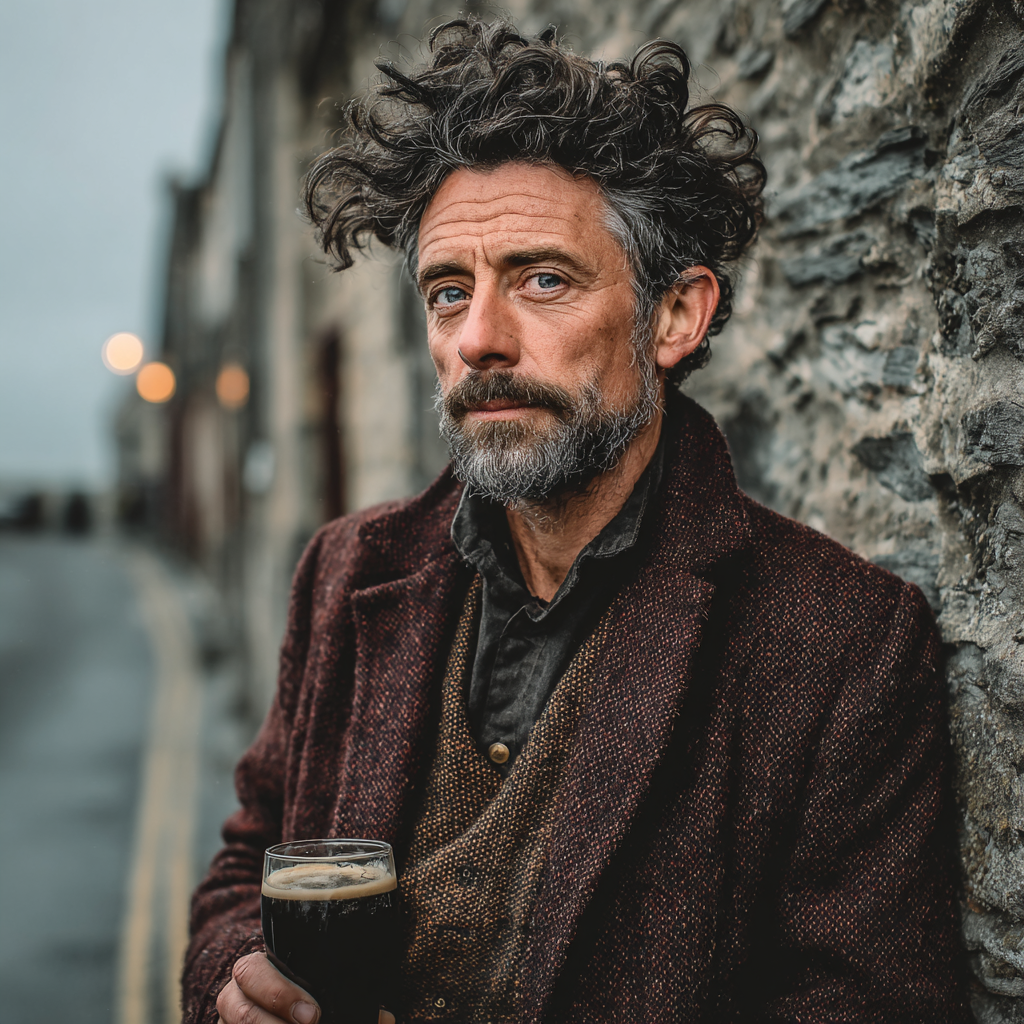
By Finn O'Sullivan
Irish storyteller and folklorist. Finn hunts for the narratives that do not make guidebooks—the pub legends, the family feuds, the neighborhood heroes. He believes every street corner has a story if you know who to ask.