
Lake District in Autumn: Britain's Wettest, Most Beautiful Corner — A Local's Guide to Fell Walking, Real Ale, and the Light That Ruins You for Anywhere Else
By Finn O'Sullivan
I was nursing a pint of Old Peculier in the Kirkstile Inn when a man from Manchester told me he'd "done" the Lake District in a weekend. "Ticked off the big lakes," he said, like he was reading a shopping list. I didn't have the heart to tell him he'd barely scratched the surface of what the locals call simply "Lakeland."
You don't "do" the Lake District. You surrender to it.
Autumn is when this place reveals its true character. The summer coach parties have gone home, the midges have finally died off, and the fells put on their annual show—bracken turning bronze, larch forests blazing yellow against slate-grey crags. It's wet, often cold, and the daylight disappears faster than a free round at closing time. But if you're willing to get muddy, to walk through rain that comes sideways, to accept that your "waterproof" jacket probably isn't—the Lake District in autumn will ruin you for anywhere else.
I've been coming here for twenty years. This guide isn't about ticking boxes. It's about experiencing what makes this place singular: the pub where they still serve ale from the cask, the valley where red squirrels still hold out against the greys, the waterfall that Wordsworth walked past without mentioning because he was too busy complaining about the weather.
Pack your stoutest boots. Bring a sense of humor about the rain. And prepare to understand why generations of poets, painters, and ordinary wanderers have been unable to leave this place alone.
The Valleys That Matter: Where Autumn Turns to Gold
Borrowdale: England's Finest Autumn Road
The Borrowdale Valley is the Lake District's autumn masterpiece. This narrow valley, flanked by crags that rise almost vertically from the valley floor, contains some of England's finest ancient oak woodland. In October, the trees create a tunnel of gold that has to be seen to be believed.
The route: Keswick → Grange → Rosthwaite → Seatoller → Honister Pass. Fifteen miles, three hours with stops.
Stop at Grange-in-Borrowdale (4 miles from Keswick) for the double-arched bridge. The surrounding oak trees are spectacular, and the small river is often lined with fallen leaves that create natural still-lifes.
Rosthwaite (6 miles) is a tiny village surrounded by color. The National Trust car park is the starting point for walks into the surrounding woodland. The village shop sells homemade cakes and hot drinks—essential fuel for an autumn afternoon.
The Bowder Stone, just past Rosthwaite, is a 2,000-ton boulder that sits improbably in a clearing surrounded by autumn woodland. A ladder allows you to climb to the top for views of the canopy.
Seatoller (8 miles) marks the transition from woodland to open fell. The views back down the valley, with the patchwork of autumn colors, are spectacular. This is also the turn-off for Honister Pass, a dramatic mountain road that's not for nervous drivers.
Scafell Hotel for dinner: Address: Rosthwaite, Borrowdale, Keswick CA12 5XB. Phone: 017687 77208. Price: Mains £22-32. Hours: Dinner 6:30pm-9:00pm. Booking: Essential. The venison loin with blackberry sauce and celeriac purée is the standout.
Tarn Hows: The Poster Child (But Go Early)
Location: Near Coniston LA21 8DN. Parking: £5 for non-National Trust members. Hours: Dawn to dusk. Best time: 7:00-9:00am, when the mist still clings to the water.
Tarn Hows is the Lake District's autumn poster child, which means it suffers from its own beauty. By 10am on an October weekend, the car park is full, the circular path is a conga line of walkers, and the tranquility that makes this place special has evaporated. The solution is simple: go early.
This isn't a natural landscape. Tarn Hows was created in the 19th century by a wealthy industrialist named James Marshall, who dammed three small tarns and planted the surrounding woodland specifically for aesthetic effect. The larch, oak, and beech were chosen for their autumn performance. It's landscape as theater, and in October, the show is spectacular.
The circular walk takes 45 minutes if you're walking, two hours if you're photographing. The path is level, suitable for anyone who can manage a stroll. Bring a tripod—the light at dawn is too low for hand-held shots.
Buttermere and Crummock Water: The Quiet Valleys
The western valleys feel different. They're farther from the main roads, less visited, more exposed to the weather that comes in from the Irish Sea. This is Herdwick country—the distinctive grey sheep that have grazed these fells for centuries, that have shaped the landscape as much as glaciers and rain.
Parking: National Trust car park, Buttermere village. Best light: Within an hour of sunrise, when the valley is often filled with mist.
The Buttermere Circuit is 4.5 miles, 2-3 hours, easy to moderate. The path stays close to the water's edge throughout, passing through woodland and open meadows with constant views of the surrounding fells. Burtness Wood, on the eastern shore, is ancient oak woodland with spectacular autumn color. The Tunnels are rock overhangs where the path cuts through cliffs, creating dramatic lighting effects.
Crummock Water sits adjacent to Buttermere, larger and wilder and often completely deserted. The western shore offers excellent walking with spectacular views of Mellbreak and Grasmoor. Scale Force is a worthwhile detour—a 2-mile walk from Buttermere village to the Lake District's highest waterfall, a dramatic 170-foot drop that's particularly impressive after autumn rains.
Photography tip: The view from the shore of Crummock Water back toward Buttermere, with the autumn fells reflected in the still water, is one of the Lake District's finest autumn scenes. Bring a polarizing filter to cut through any glare.
Derwentwater: The Soul of the Lake District
If Windermere is the Lake District's commercial heart, Derwentwater is its soul. This is the landscape that launched a thousand postcards, that inspired Wordsworth and Coleridge and every other poet who ever stood on a crag and felt something they couldn't articulate.
Surprise View isn't really a surprise anymore. It's been photographed into ubiquity. But there's a reason for that: it might be the most beautiful view in England. Location: Above Ashness Bridge, Borrowdale CA12 5UR. Parking: Limited spaces—arrive 30 minutes before sunrise. GPS: 54.5682°N, -3.1478°W.
The full length of Derwentwater stretches below, island-dotted and surrounded by fells, with the high peaks of Scafell visible in the distance. In autumn, golden oak trees frame the scene, and on lucky mornings, the valley fills with mist that makes the lake disappear entirely, the fells floating above a white sea.
After photographing Surprise View, walk down to Ashness Bridge itself. This small packhorse bridge, with its distinctive humpback profile, is another Lake District icon. The stone is worn smooth by centuries of hooves and boots.
The walk to Keswick along the Cumbria Way is four miles of the best scenery in England. It stays close to the water's edge, passing through oak woodland, open meadows, and rocky outcrops. Friar's Crag is the highlight—a rocky promontory jutting into the lake that John Ruskin called "one of the three or four most beautiful views in Europe." Watch for red squirrels in the oak woods along the path. In autumn, they're gathering food for winter, caching acorns and beech mast.
The Pubs That Matter: Real Ale, Real Fires, Real Lake District
The Drunken Duck: Where to Drink Your Dinner
Address: Barngates, Ambleside LA22 0NG. Phone: 015394 36347. Website: drunkenduckinn.co.uk. Price: Dinner mains £18-28. Hours: Food served 12:00pm-2:30pm, 6:00pm-9:00pm. Booking: Essential. Call at least a week ahead for weekend tables.
The name comes from a 19th-century incident involving a duck, a spilled beer barrel, and a farmer who apparently found the bird stumbling around his yard. The pub still keeps ducks, though they seem better supervised now.
This is the best pub in the Lake District. Multiple open fires, beams so low you'll crack your head if you're over six feet, and a beer list that reads like a manifesto for proper British brewing. They make their own ales in a microbrewery across the yard—the "Barngates" autumn seasonal is worth the trip by itself, dark and malty with notes of treacle.
Order the venison. It comes from the surrounding fells, roasted with blackberries that grow wild on the hillsides. The menu changes with what's available—autumn brings wild mushrooms, the first Herdwick lamb, game birds—but the venison is the constant, and it's the reason you came.
The Kirkstile Inn: The Real Lake District
Address: Loweswater, Cockermouth CA13 0RU. Phone: 01900 85219. Price: £12-20 for mains. Hours: Food served 12:00pm-2:30pm, 6:00pm-8:30pm.
The Kirkstile has been serving the Loweswater valley since the 16th century. This is what a Lake District pub should be: stone floors worn down by centuries of boots, open fires that actually heat the room, local ales brewed within sight of the front door, and food that doesn't try too hard because it doesn't need to.
They brew their own beers here—the Grasmoor bitter is the standout, dark and complex with a bitterness that lingers pleasantly. The food is straightforward Cumbrian fare: game pie in autumn, made with venison and pheasant from the surrounding fells; Herdwick lamb slow-cooked until it falls apart; sticky toffee pudding for those who need it.
The Black Bull: Beer as It Should Be
Address: Yewdale Road, Coniston LA21 8DU. Phone: 015394 41335. Price: £12-18 for mains. Hours: 11:00am-11:00pm, food until 9:00pm.
The Black Bull is home to Coniston Brewing Company, which makes Bluebird Bitter—named after Donald Campbell's speedboat—among other excellent ales. This is a proper pub: stone floors, wooden benches worn smooth by generations of backsides, a fire that actually throws heat. The food is solid—steak and ale pie made with their own beer, Cumbrian sausages, fish and chips—but you're here for the atmosphere and the ale.
Two pints is my limit if I'm walking in the afternoon. The Old Man of Coniston has claimed too many overconfident walkers who started with "just one more."
The Dog & Gun: Keswick's Worst-Kept Secret
Address: 2 Lake Road, Keswick CA12 5DQ. Phone: 017687 73443. Price: £10-16 for mains. Hours: 11:00am-11:00pm, food served 12:00pm-9:00pm.
The Dog & Gun doesn't look like much from the outside—just another stone building on another Lake District street. Inside, it's a proper local pub: low ceilings, worn carpets, a fire that's always lit in autumn, and a menu that includes a Kashmiri curry that's inexplicably excellent for a Cumbrian pub. The Sunday roast is the real draw—Herdwick lamb, Yorkshire pudding, roast potatoes that have achieved the perfect crispy/fluffy ratio.
The Apple Pie: Ambleside's Worst-Kept Secret
Address: 1-3 Church Street, Ambleside LA22 0BU. Phone: 015394 33033. Price: £8-14 for lunch items. Hours: 9:00am-5:00pm. Reality check: There will be a queue. It moves fast, but there will be a queue.
The Apple Pie has been operating since 1976, which in Lake District restaurant years makes it practically medieval. The lunch menu is straightforward—soups, sandwiches, quiches—but you're here for the bakery counter. Their apple pie is the obvious choice, served warm with proper vanilla custard, but in autumn they also do a spiced pumpkin scone and a cinnamon roll that will make you reconsider your relationship with carbohydrates.
Honest assessment: The food is good but not life-changing. The atmosphere—stone walls, worn wooden tables, the smell of baking—compensates for any culinary limitations.
The Villages That Time Remembered
Ambleside: The Town That Tourism Built
Parking: Rydal Road car park fills by 10am on weekends; Waterhead is your backup.
Ambleside exists because Victorian tourists needed somewhere to buy mackintoshes and postcards. But it's evolved into something more interesting than its souvenir-shop façade suggests. The buildings are genuinely old—many from the 17th century, when this was a mill town processing wool from the surrounding fells. Look up above the outdoor-gear storefronts and you'll see the original stone mullions, the slate roofs, the architectural DNA of working Lakeland.
Bridge House is the town's most-photographed building for good reason. This tiny stone house, built in the 17th century to straddle Stock Ghyll beck, shouldn't exist according to any sensible building code. In autumn, with the beech trees behind it turning gold and the stream running full after rain, it looks like a fairy-tale illustration. The story goes that it was built to avoid land tax—the owners constructed it over the water, where no one could claim jurisdiction.
Stop in at G. H. Hurt & Son if you need a souvenir that isn't embarrassing. They've been weaving woolens here since 1912, and their throws and scarves are genuinely beautiful—warm enough for a Cumbrian winter, attractive enough for a London flat. Not cheap, but you're paying for something made properly.
Stagshaw Gardens is also worth a stop: Address: Ambleside Road, Ambleside LA22 0HE. Managed by: National Trust. Admission: Free. Hours: Dawn to dusk. Best window: Third week of October, when the Japanese maples catch fire. A local plantsman named John Higginson created it in the 1950s, collecting Japanese maples and American nyssas with obsessive focus.
Coniston: The Village That Time Remembered
Coniston is what Ambleside would be if tourism hadn't quite taken over. It's a working village that happens to have a famous lake, a famous mountain (the Old Man of Coniston), and a famous former resident (John Ruskin). The stone cottages, the village shop that sells actual groceries rather than postcards, the pubs that serve locals rather than just visitors—it feels like a place where people live year-round.
The Ruskin Museum is worth an hour of your time, less for Ruskin's art criticism than for the poignant display about Donald Campbell, who died on Coniston Water in 1967 attempting the water speed record. Campbell's body wasn't recovered until 2001. The museum has his helmet, his goggles, the remains of his speedboat Bluebird. It's a sobering counterpoint to the Lake District's usual narrative of Wordsworthian beauty.
Brantwood is Ruskin's former home: Getting there: Take the Coniston Launch from the pier (£8.50, 25 minutes). Address: Brantwood, Coniston LA21 8AD. Admission: £9.50. Hours: 10:30am-5:00pm. John Ruskin bought Brantwood in 1871 and spent the rest of his life here. The house is preserved much as he left it—his furniture, his art collection, his books with his own marginalia. But the real attraction is the garden. Ruskin designed it specifically for autumn, choosing trees that would peak as the year declined. From the terrace, the view across Coniston Water to the fells beyond is one of the Lake District's finest.
Ullswater: Wordsworth's Lake
Ullswater is the Lake District's second-largest lake and, according to many locals, its most beautiful. Wordsworth called it "the happiest combination of beauty and grandeur," and while Wordsworth had a tendency to gush, in this case he was accurate.
The Ullswater Steamers have operated on this lake since 1859. Departure: Glenridding Pier CA11 0US. Return fare: £14.50. Duration: 35 minutes each way. Schedule: Reduced in autumn—check times before you go. The autumn cruise is essential. The boats are diesel-powered these days, but the route takes you the length of the lake, passing the dramatic outline of Place Fell and the autumn woodlands of Gowbarrow Park.
Disembark at Howtown and walk back to Glenridding along the famous lakeside path. This is one of the Lake District's most beautiful walks—seven miles, 3-4 hours, moderate difficulty. Gowbarrow Park is the highlight—ancient woodland with spectacular autumn color and, if you're lucky, red squirrels. Glencoyne Bay is where Wordsworth saw the daffodils that inspired his most famous poem.
Aira Force is a worthwhile detour: Location: Near Watermillock, Ullswater CA11 0JS. Parking: £5.00 (National Trust members free). Walking time: 1-2 hours for full circuit. One of the Lake District's most spectacular waterfalls, and in autumn the surrounding woodland is a kaleidoscope of color. The volume of water is impressive after autumn rains, and the 300-year-old Wellingtonia trees are spectacular in any season. The upper bridge offers the classic view, with the waterfall framed by autumn trees.
What to Skip
Windermere as a destination. Use it as a launchpad, not a destination. It's the Lake District's biggest tourist hub—where the train terminates, where the biggest car parks are, where the outdoor shops cluster like shivering sheep. The town itself is functional rather than beautiful. Get in, get what you need, get out to the real valleys.
Tarn Hows after 10am. By mid-morning on an October weekend, the car park is full, the circular path is a conga line of walkers, and the tranquility has evaporated. If you can't make it for dawn, skip it and go to Buttermere instead—the western valleys are quieter and, to my mind, more beautiful.
The Windermere tourist cruise. Yes, the view from the water is worth seeing. But the standard £25-30 cruise packages are overpriced and crowded. Take the Windermere Ferry from Waterhead Pier instead—£12.50 return, 30 minutes each way, and you get the same views without the commentary and the gift shop.
The "Swallows and Amazons" trail as a standalone activity. If you loved the books, by all means visit Bank Ground Farm (where the film was shot). But don't build a day around it unless you're traveling with children who are obsessed. There are better ways to spend an afternoon in the fells.
Any restaurant with a laminated menu featuring photographs of the food. This is a reliable indicator of mediocrity in the Lake District. If the menu has pictures, walk out. The good places—the Drunken Duck, the Kirkstile, the Scafell Hotel—don't need to show you what their food looks like.
The Wrynose and Hardknott passes in autumn if you're not a confident driver. These are the Lake District's most dramatic mountain roads, but they're also narrow, steep, and frequently icy from October onward. If you're not comfortable with single-track roads, steep drops, and the possibility of meeting a sheep around a blind corner, take the longer route via Keswick.
Practicalities: The Boring but Essential Stuff
Getting Here
By car: The Lake District is accessible from the M6. From the south, take Junction 36 for Windermere. From the north, Junction 40 for Keswick and Ullswater. Journey times: London 5-6 hours, Manchester 1.5 hours, Edinburgh 2.5 hours.
Autumn driving warning: High passes (Kirkstone, Honister, Wrynose, Hardknott) may be affected by early snow from October onward. Check conditions before attempting high-level routes.
By train: The nearest mainline station is Oxenholme Lake District, with connections to Windermere on a 20-minute branch line. Penrith, on the West Coast Main Line, has bus connections to Keswick and Ullswater.
By bus: The 555/556 service runs Lancaster to Keswick via Windermere and Ambleside. The Cumbria Day Ranger (£15.00) offers unlimited bus travel throughout the county.
What to Pack
Essential clothing:
- Waterproof jacket (Gore-Tex or equivalent—this is non-negotiable)
- Waterproof trousers (you will need these)
- Walking boots with ankle support
- Warm layers (fleece, thermal base layers, warm hat)
- Gloves (essential for photography and general comfort)
Daypack contents:
- Map and compass (do not rely on phone GPS—batteries die, signals fail)
- First aid kit including blister plasters
- At least 1 liter of water per person
- Torch or headlamp (essential as daylight hours shorten)
- Whistle (for emergencies: six blasts, pause, repeat)
Photography gear:
- Tripod (essential for low-light autumn photography)
- Polarizing filter (reduces glare on water and wet leaves, enhances colors)
- Graduated ND filter (balances bright skies with darker foregrounds)
- Spare batteries (cold weather drains them quickly)
- Lens cloth (for cleaning spray from waterfall shots)
Weather and Safety
The Lake District mountains create their own weather, which can be dramatically different from conditions in the valleys. Always check the Lake District Weatherline (lakedistrictweatherline.co.uk) before heading to the fells.
Autumn-specific hazards:
- Early snow can occur on high fells from October onward
- Fallen leaves make paths slippery, especially on rocks
- Days are short—plan walks carefully to avoid being caught out after dark
- Red deer stags can be aggressive during the autumn rut (September-October)
Emergency contacts:
- Emergency services: 999 or 112
- Mountain Rescue: Dial 999 and ask for police, then mountain rescue
Where to Stay
Budget:
- YHA Ambleside (£25-45) — Stunning lakeside location, the best budget option in the area
Mid-range:
- The Churchill Inn (£120-180) — Traditional inn with a proper fire, decent food, no pretensions
- The Coniston Inn (£140-220) — Historic inn with spectacular views, the terrace at sunset is worth the room rate
- Bank Ground Farm (£100-160) — The actual farmhouse from the "Swallows and Amazons" film, B&B on the lake shore
- Bridge Hotel (£130-200) — Traditional lakeside hotel with stunning views
Higher-end:
- Rothay Manor Hotel (£180-320) — Michelin-recommended restaurant, gardens with autumn color
- The Inn on the Lake (£180-320) — Lakeside hotel with direct Ullswater access
- Glenridding House (£200-400) — Elegant country house B&B with just six rooms and exceptional service
Money Matters
The Lake District isn't cheap. Expect to pay:
- Accommodation: £100-300/night for mid-range, £25-45 for hostels
- Dinner: £15-30 for mains in pubs, £25-40 in restaurants
- Parking: £2-3/hour or £6-8/day in towns
- National Trust parking: Free for members, £5-7 for non-members
Cash is useful in rural areas—some pubs and car parks don't accept cards.
Final Thoughts: Why Autumn, Why Here
The Lake District in autumn isn't comfortable. It's wet, frequently cold, and the daylight disappears faster than you'd like. The paths are muddy, the weather changes without warning, and you'll spend more money than you planned on pub lunches and drying your clothes.
But.
There's a moment—usually on the third or fourth day, usually in the late afternoon when the low sun breaks through cloud and illuminates a hillside of golden larch—that you'll understand why this place has obsessed poets and painters for centuries. It's not the individual elements—the lake, the mountain, the tree—that matter. It's the combination, the way they relate to each other, the sense that you're looking at something that has been arranged just so, even though you know it's entirely natural.
The Lake District is England's landscape at its most dramatic. In autumn, with the color and the mist and the quality of light, it's as beautiful as anywhere on earth. Come prepared for discomfort. Leave prepared to return.
"The still, sad music of humanity, nor harsh nor grating, though of ample power to chasten and subdue." — Wordsworth, who got it right sometimes.
Finn O'Sullivan has been walking in the Lake District for twenty years and still gets lost occasionally. He writes about place, memory, and the peculiarities of British pub culture.
Last updated: June 2026. Prices and opening hours subject to change—always verify before traveling.
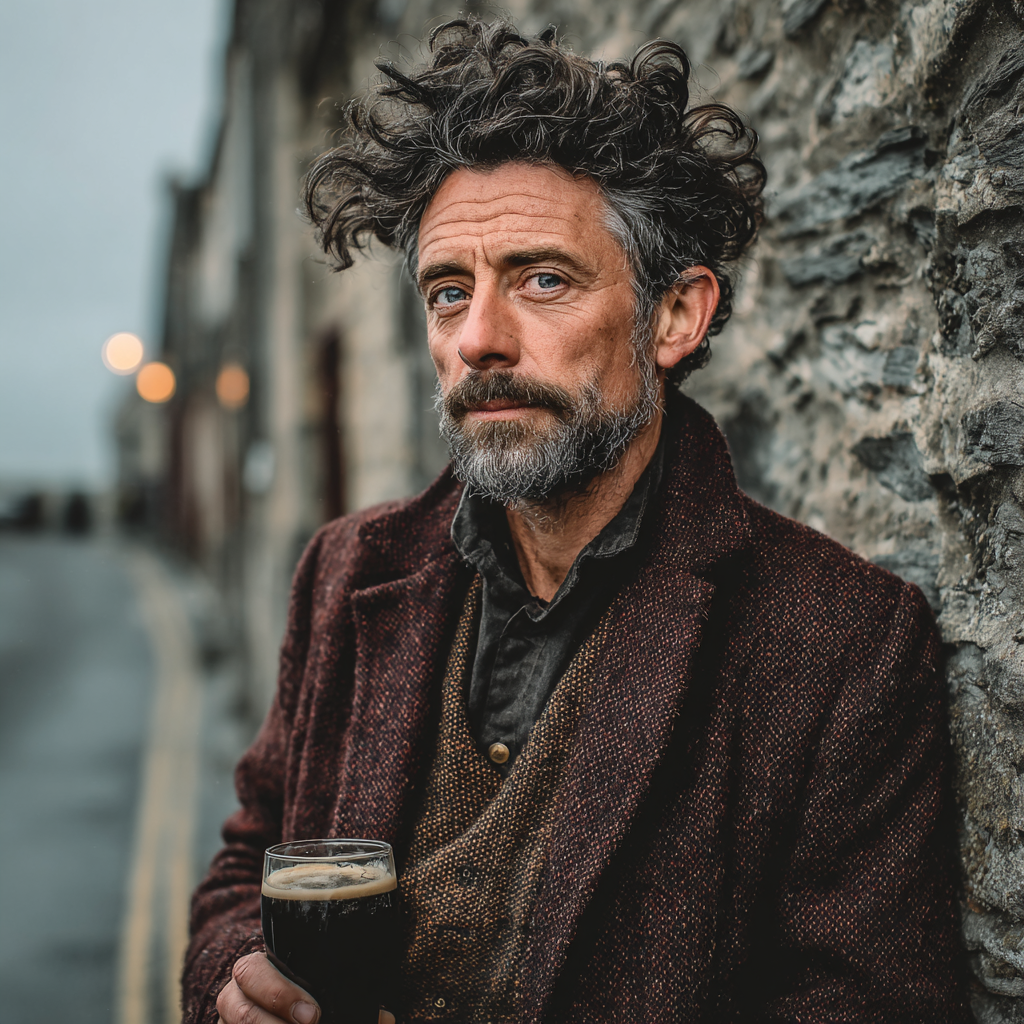
By Finn O'Sullivan
Irish storyteller and folklorist. Finn hunts for the narratives that do not make guidebooks—the pub legends, the family feuds, the neighborhood heroes. He believes every street corner has a story if you know who to ask.