
Inverness: The Highland Capital Where the Seafood Never Sleeps and the Whisky Bars Remember Your Name
By Sophie Brennan | Last Updated: September 6, 2026
I'm a food writer based between Edinburgh and Lisbon. I spend roughly a third of every year in Scotland, and I have eaten my way through every significant food city from Shetland to the Borders. Inverness is the one that surprises people. They arrive expecting a petrol stop on the way to Skye and leave talking about langoustines they will remember for years. I first came in 2017 for a whisky festival and have returned every year since. The city has changed. The tourists have found it. But the quality has held, mostly because the ingredients were never a trend — they were simply what was here.
Why Inverness Matters
Inverness is not a city that announces itself. It sits at the mouth of the River Ness where the water runs cold and fast, and most travelers pass through it on their way to Loch Ness or the Isle of Skye. That is their mistake. The city has the best seafood in mainland Scotland, a cluster of whisky bars that predate the tourism boom by centuries, and a breakfast culture that understands the value of a proper black pudding.
The fishing boats dock at Inverness Harbour around 6 AM. By midday, langoustines from the Moray Firth are on plates at restaurants within walking distance of the quay. That proximity matters. It means the scallops are sweeter, the haddock firmer, and the salmon less traveled than anything you will find in Edinburgh or Glasgow.
The city is small — roughly 47,000 people — but its food scene punches well above its weight. The reasons are geographic: the Black Isle to the north produces some of Scotland's finest vegetables and beef. The Moray Firth delivers shellfish that London restaurants pay a premium to air-freight. The Cairngorms supply venison, grouse, and wild mushrooms. And the Speyside whisky region begins less than an hour's drive east, which means the bars here get allocations that never make it to the Central Belt.
This is not a city that needs to import its identity. It has been eating well since before "foodie" was a word.
Breakfast: The Full Scottish and Nothing Less
Start at the Rendezvous Café (14 Church Street, Inverness IV1 1EA). It opens at 7 AM and fills quickly with locals who know that the Full Scottish breakfast here is the real thing: black pudding from Stornoway, tattie scones, eggs from Highland farms, and haggis that does not come from a tin. The portions are generous and the coffee is adequate. Order the smoked haddock kedgeree if you want something lighter, but do not expect light. This is a city that feeds people who work outside. A breakfast costs £9 to £13.
Must order: The Full Scottish (£11.50), black pudding side (£3), smoked haddock kedgeree (£10.50).
For something more contemporary, The Castle Restaurant ( Castle Street, Inverness IV2 3EA) does a refined breakfast with local smoked salmon, poached eggs, and sourdough from a bakery in Nairn. It is pricier at £14 to £18, but the room is quiet and the coffee is significantly better. Open 8 AM to 10:30 AM daily.
If you are up particularly early — perhaps jet-lagged, perhaps still on Edinburgh time — Café 1 (75 Castle Street, Inverness IV2 3EA) opens at 7:30 AM and does the best coffee in the city center. They use beans from Inverness-based roaster Highland Coffee Roasters, and the flat white is the closest thing to Antipodean standards you will find this far north. A coffee and pastry costs around £6.50.
Morning: Markets, Smoke, and Cullen Skink
For a mid-morning walk, head to the Inverness Victorian Market on Academy Street. The building dates to 1890 and the food hall inside is a collection of stalls that open around 10 AM. The Redshank serves Cullen skink, the smoked haddock and potato soup that is a northeast Scotland staple. It is thick, smoky, and warming in a way that makes sense only when you have felt a Highland wind. A bowl costs £6.
Bad Girl Bakery is across the aisle for cake afterward. Their millionaire shortbread and empire biscuits are the kind of baking that makes you understand why Scottish grandmothers are feared. The market also houses Namaste Inbhir Nis for Indian street food, though you are here for Scottish ingredients, not curry.
The Highland Food and Drink Trail sets up along Ness Walk on the west bank of the river beside the cathedral, usually Thursday through Saturday from 11 AM to 3 PM, May through September. Local trucks sell fish and chips, pork pies, and wood-fired pizzas. The quality is uneven, but the setting is not. Take your food to the picnic tables in the churchyard or find a bench along the river. It is the cheapest way to eat well in a city where dinner prices have climbed sharply since 2023. Expect to pay £7 to £12 for a main.
If the weather is poor — and in the Highlands, that is a reasonable assumption — head to Leakey's Bookshop (Church Street) first. It is Scotland's largest secondhand bookshop, housed in a former Gaelic church, and the wood-burning stove in the center makes it the warmest place in Inverness on a cold morning. You do not need to buy a book. The staff do not mind if you simply stand by the fire and thaw. But you will probably buy a book.
Lunch: The Seafood Restaurants That Matter
For seafood at proper tables, The Riverhouse (4 Bank Street, Inverness IV1 1QY) is the most reliable option in the center. The menu changes with what the boats bring in, but langoustines are almost always available, simply boiled and served with lemon and garlic butter. The scallops are seared hard and fast, left barely cooked in the center, which is the only way to do them. Main courses run £18 to £28. A three-course dinner with wine costs around £65 per person.
Must order: Langoustines (£26), seared scallops (£24), fish and chips with mushy peas (£16.50).
Rocpool (1 Ness Walk, Inverness IV3 5NE) is the finer-dining alternative. It opened in 2007 and has kept its standards consistent while other restaurants in the city have come and gone. The tasting menu is £75 and focuses on Highland ingredients: venison loin, halibut from Peterhead, wild mushrooms from the surrounding forests. The wine list is better than it needs to be for a city this size. Book at least a week ahead in summer. Open Tuesday to Saturday, 6 PM to 9:30 PM.
Must order: Tasting menu (£75), venison loin (£32), halibut with wild mushrooms (£28).
The Mustard Seed (16 Fraser Street, Inverness IV1 1DW) occupies a converted church on the River Ness and has been one of the best restaurants in Inverness since the 1990s. The menu is upscale Scottish: venison, duck, lamb from the Black Isle, and salmon that is local enough to have a provenance. The haggis starter here is worth ordering even if you think you dislike haggis. It is properly seasoned, properly cooked, and served with a whisky cream sauce that does not apologize for itself. Mains are £22 to £32.
Must order: Haggis starter with whisky cream (£12), Black Isle lamb (£28), salmon with dill butter (£26).
McBain's By the River (40 Huntly Street, Inverness IV3 5HR) is smaller, family-run, and less polished, which is part of the appeal. The venison steak is the dish to order, served with roasted root vegetables and a red wine reduction that tastes like someone in the kitchen actually reduced it. The salmon is grilled simply, with dill butter, and the sticky toffee pudding is made in-house. Dinner for two with a bottle of wine costs around £90. Open Tuesday to Sunday, 5:30 PM to 9:30 PM; Sunday lunch 12 PM to 3 PM.
Must order: Venison steak (£27), sticky toffee pudding (£8).
For a more casual lunch, The Castle Tavern (1 Castle Road, Inverness IV2 3EA) is a real ale pub with outdoor seating that faces Inverness Castle. The cask beer rotates regularly and the pub grub is proper: steak pie, fish and chips, haggis bonbons. It is the best option for lunch near the castle if you do not want a full sit-down meal. Lunch mains are £11 to £16. Open daily 11 AM to 11 PM; food served 12 PM to 9 PM.
Must order: Haggis bonbons (£8), steak pie (£13.50), cask ale (£4.80).
Afternoon: Pizza, Beer Gardens, and the River
For a more casual afternoon, Black Isle Bar (4 Church Street, Inverness IV1 1EH) makes wood-fired pizzas with local ingredients. The venison salami pizza is the standout, spicy and lean, with a sourdough base that holds up to the toppings. They brew their own beer on the Black Isle, north of the city, and the Goldeneye IPA is crisp enough to cut through the richness of the venison. A pizza and a pint costs around £18.
Must order: Venison salami pizza (£14.50), Goldeneye IPA (£4.20).
Uilebheist Distillery and Brewery (28 Huntly Street, Inverness IV3 5PR) opened in 2023 on the River Ness, the first new distillery in Inverness since 1892. It is a working brewery and a whisky distillery with tours that run Tuesday through Sunday, £15 per person, including tastings of their craft beers and a preview of their whisky, which will be ready in 2026. The beer garden faces the river and is the best place in the city center for an afternoon pint. Their Goldeneye lager and IPA are brewed on-site. Open Tuesday to Sunday, 11 AM to 10 PM; tours at 2 PM and 4 PM.
Must order: Tour and tasting (£15), Goldeneye lager (£4.50), whisky preview tasting (£8).
Dinner: Traditional, Modern, and Everything Between
Urquhart's (4 Queensgate, Inverness IV1 1DJ) is a family-owned restaurant that looks unremarkable from the outside. Inside, it serves the most traditional Scottish cooking in Inverness. The haggis, neeps, and tatties are the real test: if this dish is done well here, the kitchen understands its job. It is. The Cullen skink is also excellent, thicker than the market version and more heavily smoked. Prices are reasonable: mains from £14 to £20. Open Monday to Saturday, 5 PM to 9:30 PM.
Must order: Haggis, neeps, and tatties (£15), Cullen skink (£7.50), cranachan (£7).
Fig & Thistle (5 Stephen's Street, Inverness IV2 3JP) is the newcomer that serious eaters are talking about. Chef Marcus Reid — formerly of The Kitchin in Edinburgh — opened this small bistro in 2024 and it has become the hardest reservation in Inverness. The menu is modern Scottish with Japanese technique: Highland venison tartare with shiso, Moray Firth scallops with yuzu dashi, black pudding croquettes with kimchi mayo. It is not fusion for the sake of it. Reid understands that Japanese and Scottish cuisines share an obsession with the quality of the raw ingredient. Tasting menu £68. Open Wednesday to Saturday, 6 PM to 9:30 PM. Book two weeks ahead in summer.
Must order: Tasting menu (£68), venison tartare (£16), scallops with yuzu dashi (£18).
The Drinking Culture: Pubs That Serve as Community Halls
The drinking culture in Inverness is inseparable from the food. This is a city where pubs serve as meeting halls, music venues, and warming stations.
The Malt Room (6B Castle Wynd, Inverness IV2 3EU) is the best whisky bar in Inverness. It is small, serious, and staffed by people who can explain the difference between a Speyside and an Islay pour without condescension. Tasting flights start at £18 for three drams, and the selection runs to over 200 bottles. Ask for something from the Highlands if you want to stay regional: Glenmorangie, Dalmore, or Old Pulteney from Wick, 80 miles north. Open Monday to Saturday, 4 PM to midnight; Sunday 4 PM to 11 PM.
Must order: Highland flight (£18), Old Pulteney 12-year (£8), Dalmore 15-year (£12).
The Gellions ( 54 Bridge Street, Inverness IV1 1QF) has been open since 1841. It is a traditional boozer with a regular lineup of live folk music. The local duo Schiehallion plays most weekends in the early evening. The beer selection is standard, but the atmosphere is not. This is where you come for a pint and a conversation, not a cocktail and a photograph. A pint of cask ale costs £4.50 to £5.20. Open daily 11 AM to midnight; live music most Fridays and Saturdays from 8 PM.
Hootananny ( 67 Church Street, Inverness IV1 1EH) has two stages and the best live music in the city. The downstairs stage hosts traditional Scottish sessions most nights; the upstairs stage books indie rock, hip-hop, and whatever else the programmers feel like. The bar stocks a solid range of Scottish craft beers and the whisky pours are generous. Entry is usually free before 9 PM, £5 after. Open daily 11 AM to 3 AM; live music from 9 PM.
Johnny Foxes ( 26 Bank Street, Inverness IV1 1QY) on the riverside is casual, loud, and full of locals. The beer is cold, the bar staff are friendly, and the live music runs most nights. It is not a place for quiet contemplation. It is a place for a pint after dinner and maybe another one after that. Open daily 11 AM to 1 AM.
What to Skip
The seafood restaurants on the tourist strip along the river that advertise "fresh catch" without specifying where it came from. The haggis served in pubs that buy it pre-made from industrial suppliers. The whisky flights in hotel bars that charge £25 for three anonymous drams. Inverness is not a cheap city anymore, and the tourist markup is real. Ask where the fish was caught. If the server does not know, order the burger.
Nessie-themed restaurants. The Loch Ness Monster is 20 minutes south. The restaurants in Inverness that trade on it are universally mediocre. You are here for langoustines, not novelty.
Hotel bars for whisky. The best selection is at The Malt Room, The Gellions, and Uilebheist. Hotel bars charge premium prices for standard pours and the staff rarely know what they are pouring.
Chain restaurants on the High Street. Inverness has a Pret, a Costa, and a Nando's. They are fine if you need Wi-Fi. They are not why you came.
The "authentic Highland experience" dinner shows. The ones that promise haggis, neeps, tatties, and a bagpiper for £45. The food is pre-made and the bagpiper is tired. Go to Urquhart's for the real thing and Hootananny for the music. Separately, they are better. Together, they are cheaper.
Practical Logistics
Getting There
- By air: Inverness Airport (INV) is 9 miles east of the city. Direct flights from London (Gatwick, Luton, Heathrow), Amsterdam, Dublin, Bristol, and Manchester. The Stagecoach 11 bus runs every 30 minutes and takes 25 minutes to the city center (£4.50 single). A taxi costs £20 to £25 and takes 15 minutes.
- By train: The Highland Main Line connects Inverness to Perth (2 hours) and Edinburgh (3.5 hours). The Caledonian Sleeper runs overnight from London Euston (arriving around 8 AM). Book the Sleeper well in advance — it sells out in summer. Standard advance fares from Edinburgh start at £25.
- By bus: Scottish Citylink and Megabus connect Inverness to Glasgow, Edinburgh, and Aberdeen. The journey from Edinburgh takes roughly 4 hours and costs £15 to £30.
- By car: The A9 from Perth is the main route. It is a scenic drive but can be slow — allow 3.5 hours from Edinburgh. The A82 from Fort William along Loch Ness is one of Scotland's most beautiful drives, but single-track sections require patience.
Getting Around
Inverness city center is compact and walkable. Everything in this guide is within a 15-minute walk of the castle. For trips further out — to the Black Isle, Loch Ness, or Cromarty — you will need a car. Local buses are operated by Stagecoach and cover the surrounding area. The city does not have a metro or tram system.
When to Visit
- May through September: The best weather and the longest days. June and July have daylight until 10:30 PM. This is also when the Highland Food and Drink Trail operates and when the seafood is at its peak. Accommodation prices peak in July and August.
- October and November: The autumn colors in the surrounding Highlands are spectacular. The tourist crowds thin out. Restaurant reservations become easier. The weather turns colder and wetter, but the whisky tastes better for it.
- December through February: Short days (sunset around 3:30 PM) and cold temperatures, but Christmas markets and Hogmanay celebrations bring warmth. This is the quietest time for restaurants — you can often walk into places that require bookings in summer.
- March and April: The "shoulder season." Prices are lower, the days are lengthening, and the landscape is coming alive. A good compromise if you want reasonable weather without the crowds.
Money and Tipping
- Scotland uses the British pound (£). Credit cards are accepted everywhere.
- Tipping is not mandatory but 10% is standard in restaurants. Some places add a service charge automatically for groups of 6 or more.
- Pubs do not expect tips for drinks, though rounding up is appreciated.
Language
- English is universal. Gaelic is spoken by a small percentage of the older population and is visible on bilingual road signs. You do not need Gaelic, but "madainn mhath" (good morning) and "slàinte" (cheers) are appreciated.
Budget Reality
- Breakfast: £9 to £13
- Lunch: £11 to £20
- Dinner (mid-range): £22 to £35
- Dinner (fine dining): £65 to £90
- A pint of cask ale: £4.50 to £5.20
- Whisky flight: £18 to £35
- Coffee and pastry: £5 to £7
A three-day food-focused trip to Inverness will cost roughly £400 to £600 per person, excluding accommodation and transport.
For a city of 47,000 people, Inverness punches above its weight. The seafood is genuinely local, the pubs are genuinely old, and the whisky bars know their stock. The best strategy is to eat breakfast early, walk the Victorian Market at mid-morning, have a long seafood lunch, and spend the evening moving between pubs with live music. The cold air outside makes the whisky taste better. That is not romance. That is physics.
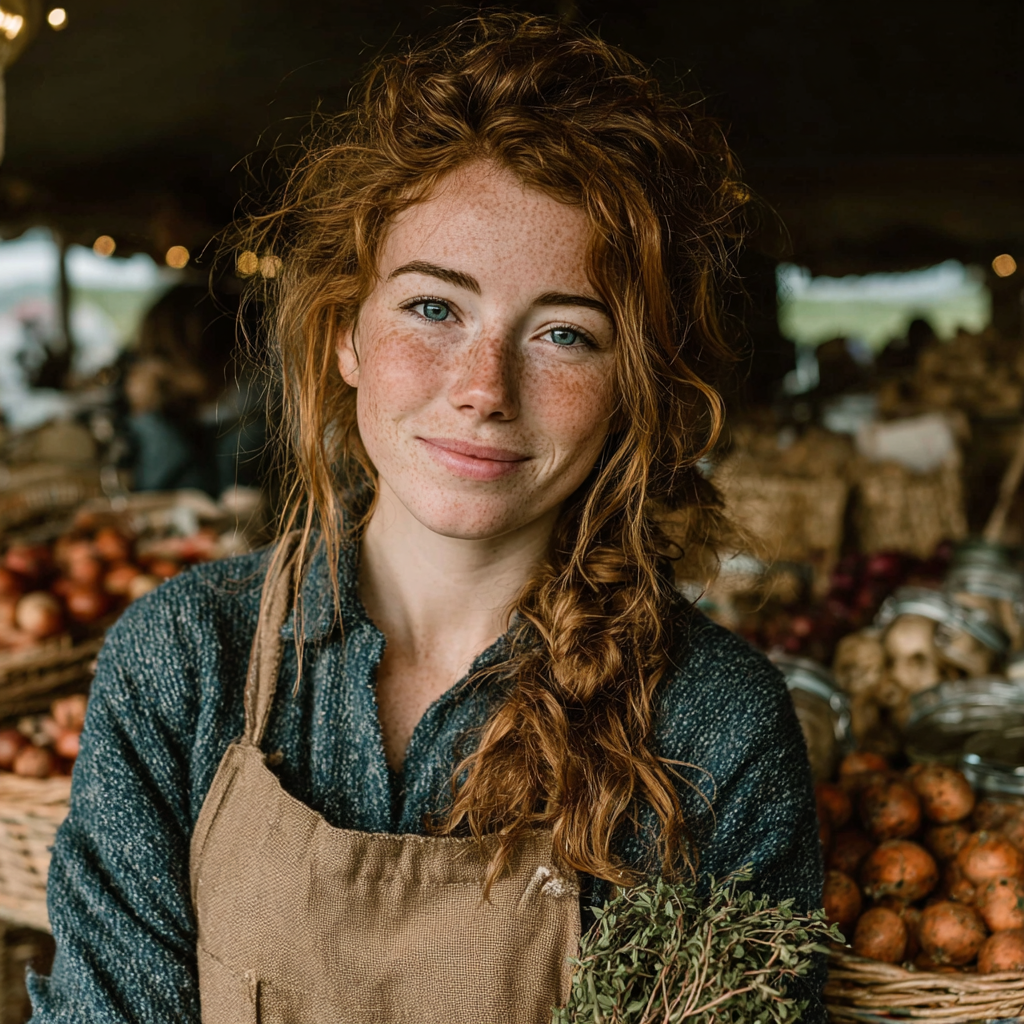
By Sophie Brennan
Irish food writer and historian based in Lisbon. Sophie combines her background in medieval history with a passion for contemporary gastronomy. She has written for Condé Nast Traveller and authored two cookbooks exploring Celtic and Iberian culinary traditions.