
The Cotswolds in Autumn: Pheasant, Pub Fires, and the Most Delicious Season in England
I used to think the Cotswolds was just honey-stone villages and coach tours. Then I spent a week there in October, eating my way through game season, getting lost in beech woods, and drinking in pubs where the landlord knows everyone's business. Now I get it. This place isn't just pretty—it's a working landscape with real food, real people, and a particular kind of English magic that only happens when the leaves turn.
The light is different here in autumn. Lower, gold-tinged, catching the limestone cottages at an angle that makes them glow like they've been lit from within. Morning mist hangs in the valleys until ten. The beech woods turn copper and rust. And everywhere, there's the smell of woodsmoke and the promise of something roasting.
This isn't a checklist itinerary. It's a guide to experiencing the Cotswolds as it actually is in autumn—a harvest landscape where you can eat pheasant shot that morning, buy apples from the orchard they grew in, and sit by a fire with a pint while the rain taps against leaded windows. Come with an appetite, waterproof boots, and a willingness to get lost. The rest will take care of itself.
About This Guide
Written by Sophie Brennan, food writer and recovering Londoner. I travel for restaurants that don't have websites, markets where farmers still sell their own produce, and the kind of pubs where you learn more from the bar than from the menu. The Cotswolds in autumn is my idea of a perfect trip.
When to Go: The Real Autumn Window
September is technically autumn, but it's really late summer with better light. The schools go back, the crowds thin, and you get warm days that feel like stolen time. October is the main event—peak colour, game season in full swing, harvest festivals, and that particular crispness in the air that makes walking feel like a moral good. November is quieter, darker, frostier. The leaves are down, the tourists have gone home, and the pubs become properly cozy.
I've done all three. October is best if you want the full autumn experience. November if you want the Cotswolds to yourself and don't mind packing a torch.
Weather-wise, expect anything. I've had 18°C and sunshine in mid-October, and I've had three days of horizontal rain. The key is layers and waterproof boots. The walking here is glorious, but the paths get muddy. Proper walking boots aren't a fashion statement—they're essential.
Getting There (And Getting Around)
The Cotswolds spans two counties—Gloucestershire and Oxfordshire—and there's no single "there" to arrive at. It's a patchwork of villages, market towns, and farmland stitched together by narrow lanes with grass growing up the middle.
By car is easiest. From London, take the M40 to Oxford, then the A40 west. You'll hit the Cotswolds edge around Burford. From Birmingham, the M5 south to the A46. From Bristol, the M4 east to the A46 north. The drive itself is part of the experience—once you're off the main roads, you're on lanes barely wide enough for two cars, passing through villages where the houses seem to lean toward each other like they're sharing secrets.
If you're train-dependent, Moreton-in-Marsh is your best hub—direct from London Paddington in about 90 minutes. Kemble is closer to the southern Cotswolds. Cheltenham Spa works for the north. But you'll need to arrange local transport or stick to places within walking distance of stations.
Buses exist but they're sparse. Stagecoach runs routes between the bigger towns, and Pulhams covers some rural connections, but you're looking at a bus every hour or two, not every ten minutes. Cycling is excellent if you're fit—the hills are real, and autumn leaves can make lanes slippery.
My advice: rent a car, drive slowly, and embrace getting lost. The best discoveries happen when you take a wrong turn and find a village that isn't in any guidebook.
Where to Base Yourself
The Cotswolds is small enough that you can see a lot from one base, but different areas have different characters.
The North Cotswolds (around Chipping Campden, Broadway, Stow-on-the-Wold) is the classic Cotswolds of your imagination—wide yellow-stone high streets, wool churches, rolling hills. It's also the busiest.
The Central Cotswolds (Bourton-on-the-Water, the Slaughters, Northleach) is chocolate-box territory. Bourton is famously crowded, but the surrounding area is lovely.
The South Cotswolds (around Tetbury, Malmesbury) is quieter, leafier, and home to Westonbirt Arboretum—the autumn colour destination that justifies the trip on its own.
The East Cotswolds (Burford, Bibury) is where London weekenders go. Bibury's Arlington Row is the most photographed street in England for good reason, but it gets packed.
I like Stow-on-the-Wold as a base. It's the highest town in the Cotswolds (literally—it's on a hill), has good pubs, proper shops, and you're equidistant to most things. Bibury is beautiful but isolated. Bourton is overrun. Chipping Campden is gorgeous but sleepy after 6pm.
For accommodation, you've got options at every price. The Youth Hostel in Stow is in a historic building on the Square and costs £20-30 a night. The Porch House in Stow claims to be England's oldest inn (parts date to 947 AD) and has rooms from £130. The Wild Rabbit in Kingham is the fancy option—organic everything, Michelin-listed food, rooms from £180. The Swan at Bibury sits right on the River Coln and is worth the splurge for the location alone.
What to Eat: A Harvest Season Menu
Here's where the Cotswolds justifies the journey. This is farming country, and autumn is when it all comes together. The game season opens in August and hits full stride by October. The orchards are heavy with apples. Root vegetables come into their own. And every pub worth its salt is serving food that matches the weather outside.
Game
The Cotswolds is shooting country. On any autumn morning, you'll hear the guns from nearby estates. What this means for you: pheasant, partridge, venison, and rabbit on every menu, often shot within miles of the kitchen.
At The Ebrington Arms in Ebrington (near Chipping Campden), the wild mushroom risotto comes with game when it's available. The venison is local, the mushrooms are foraged from the nearby woods, and the whole thing tastes like the landscape outside. This is a proper village pub—dogs by the fire, locals at the bar, no pretension despite the awards on the wall. Book ahead. The Ebrington Arms, Burnt Norton, Ebrington, Chipping Campden GL55 6NQ. 01386 593223. Open daily, food served 12-2:30pm and 6-9:30pm. Main courses £18-24.
The Swan at Swinbrook (near Burford) serves a game pie that's been on the menu for years because it would cause a riot if they took it off. The pastry is proper—made with lard, not butter—and the filling is whatever's in season. In October, that's usually pheasant and venison in a rich gravy. The pub itself sits on the River Windrush, and there's a table by the window where you can watch the light fade while you eat. The Swan at Swinbrook, Swinbrook, Burford OX18 4DY. 01993 774441. Open daily 12-11pm, food 12-2:30pm and 6:30-9pm. Main courses £16-22.
Local Produce
Daylesford Organic Farm, near Kingham, is the spiritual home of posh Cotswolds living. It's a working farm with a shop, café, bakery, creamery, and more pumpkins than you've ever seen in one place. In autumn, they're harvesting apples, pears, squash, and root vegetables. The farm shop is expensive but excellent—the kind of place where you buy a jar of chutney and then treasure it for months. The café does a cream tea with spiced apple cake that's worth the trip. Daylesford Organic, Daylesford, Near Kingham, Gloucestershire GL56 0YG. 01608 731700. Open 8am-6pm daily. Parking is £5, redeemable against purchases.
For a less polished experience, find a village farmers' market. Stow-on-the-Wold has regular markets in the Square—check the town website for dates. Moreton-in-Marsh has a famous Tuesday market that's been running since the 13th century. You'll find local apples, orchard-fresh juices, cheeses from nearby farms, and the kind of cakes that grandmothers make.
Pub Food Done Right
The Cotswolds has no shortage of pubs with low beams and log fires. The trick is finding the ones where the food matches the atmosphere.
The Porch House in Stow-on-the-Wold has been serving food since before the Norman Conquest (parts of the building, anyway). The beef and ale pie is what you want on a rainy November evening—chunks of slow-cooked beef in thick gravy under a proper suet crust, served with mash and greens. Eat it in the bar by the fire, not the restaurant. The Porch House, Digbeth Street, Stow-on-the-Wold GL54 1BN. 01451 870048. Open daily, food served 12-2:30pm and 6-9:30pm. Main courses £18-26.
The Wheatsheaf Inn in Northleach is a coaching inn that's been given a stylish makeover without losing its soul. The menu changes with what's available, but in autumn expect local game, roasted root vegetables, and sticky toffee pudding made with dates. The rooms are good too—stylish without being precious. The Wheatsheaf Inn, West End, Northleach GL54 3EZ. 01451 860244. Open daily, food served 12-2:30pm and 6:30-9:30pm. Main courses £17-25. Rooms from £120.
Cheese
This is cheese country. Single Gloucester is the local one—a mild, semi-hard cheese that's been made here for centuries. You can buy it at any farm shop, or try it at The Old Butchers in Stow, where it might appear on a cheese board after your main. That restaurant, by the way, is the special-occasion option in the Cotswolds—tasting menus, proper wine, the works. Book well ahead. The Old Butchers, 7 Park Street, Stow-on-the-Wold GL54 1AG. 01451 831700. Open Wednesday-Sunday, dinner only. Tasting menu £65.
What to Do: Beyond the Picture-Postcard
Yes, the Cotswolds is beautiful. But there's more to do here than take photos of pretty cottages.
Westonbirt Arboretum
If you do one thing in autumn, make it this. Westonbirt is England's premier arboretum, 600 acres planted with 15,000 trees from around the world. In mid-October, it becomes a firework display of colour—Japanese maples in crimson and gold, beech trees in copper, oaks in rust.
The Acer Glade is the famous spot—a collection of Japanese maples that turn shades of red you didn't know existed in nature. Go early on a weekday if you can. Peak weekends in October are busy—arrive before 9:30am or you'll queue for parking.
The Tree Top Walkway gets you up into the canopy for views across the autumn colours. There's a cafe that does decent soup and cake. And the shop sells trees—you can buy a Japanese maple to take home, though good luck getting it through airport security.
Westonbirt, The National Arboretum, Westonbirt, Tetbury GL8 8QS. 0300 067 4890. Open 9am-5pm in autumn. Entry is £12 for adults, £4.20 for children. Peak autumn rates apply October-November. The Silk Wood car park is best for autumn colour access.
Walking
The Cotswolds has over 3,000 miles of footpaths, and autumn is when they're at their best. The summer crowds have gone, the colours are spectacular, and the cooler temperatures mean you can walk all day without wilting.
The Cotswold Way is the long-distance trail—102 miles from Chipping Campden to Bath. You don't have to do it all. The section from Chipping Campden to Broadway takes you past Broadway Tower and offers panoramic views across the coloured countryside. It's about 6 miles, moderate difficulty, and takes 3-4 hours. Start from the market hall in Chipping Campden and follow the acorn signs.
For something gentler, the walk from Bibury to Coln St. Aldwyns follows the River Coln through beech woods. In autumn, the trees are golden, the river is full, and you might spot a kingfisher if you're lucky. It's about 3 miles, mostly flat, and ends at a pub.
The walk from Bourton-on-the-Water to Lower Slaughter follows the Wardens' Way through woodland and along the river. Lower Slaughter is impossibly pretty—a mill stream runs through the village centre, and the Old Mill has a tea room where you can warm up afterwards. The walk is about 2 miles and takes about 45 minutes.
Bring waterproof boots. The paths get muddy after rain, and rain is likely.
Village Exploring
Bibury is the famous one—Arlington Row, the weavers' cottages, the trout farm. It's worth seeing, but arrive early (before 9am) or it's packed with tour buses. The trout farm is genuinely interesting—one of Britain's oldest, established in 1902. You can feed the trout and buy smoked trout from the shop. Bibury Trout Farm, Clapton Road, Bibury GL7 5NL. 01285 740215. Open 9am-4pm daily in autumn. £5.50 entry.
Bourton-on-the-Water is known as "the Venice of the Cotswolds" because of its low stone bridges over the River Windrush. It's pretty but crowded. The Birdland park is worth it if you like penguins—there's a colony here, and they do feeding times throughout the day. Birdland, Rissington Road, Bourton-on-the-Water GL54 2BN. 01451 820480. Open 10am-4pm in autumn. £11.95 entry, £8.95 for children.
Chipping Campden has the most beautiful high street in the Cotswolds—terraced stone houses rising up a hill, ending at the Market Hall. The church is called the "Cathedral of the Cotswolds" and deserves the title. The Cotswold Way starts here, marked by a stone marker on the high street.
Stow-on-the-Wold is less immediately pretty but more interesting. It's a proper town with antique shops, art galleries, and good places to eat. The church has a north door flanked by ancient yew trees—apparently Tolkien was inspired by it for the Doors of Durin, though scholars debate this.
The Less-Visited Spots
If you want to escape the crowds, head to the Coln Valley. The villages here—Coln St. Aldwyns, Coln Rogers, Eastleach—see a fraction of the visitors that Bibury gets. They're smaller, sleepier, and feel more like real places where people live rather than tourist destinations.
Swinbrook, near Burford, is tiny but has two claims to fame: the Fettiplace monuments in the church (extraordinary carved stone memorials to a local family) and the Mitford sisters, who lived here and wrote about it. The pub, The Swan, is excellent. Swinbrook Church is open daily 9am-5pm, free entry.
Churches
The Cotswolds is wool country, and the medieval wool trade built the churches here. They're called "wool churches"—larger and grander than villages this size would normally warrant. St. James in Chipping Campden, St. John the Baptist in Burford, and St. Mary's in Fairford are all worth visiting. In autumn, many have harvest festival displays—arrangements of dahlias, chrysanthemums, berries, and vegetables that make the interiors smell of earth and apples. Most are open daily 9am-5pm, free entry (donations appreciated).
Broadway Tower
This Capability Brown-designed folly sits on top of Broadway Hill and offers 360-degree views across the Cotswolds. In autumn, you can see the patchwork of colours stretching for miles. There's a red deer park nearby, and October is rutting season—you might hear the stags bellowing.
The tower itself is open 10:30am-4pm in autumn. Entry is £7.50. The grounds are free to explore and offer excellent walking. Broadway Tower, Middle Hill, Broadway WR12 7LB. 01386 852390.
What to Skip
The model village in Bourton-on-the-Water. It's a miniature version of the village, and it's exactly what it sounds like—a tourist trap that takes 15 minutes to walk around and charges £8.50 for the privilege. The real village is outside, and it's free.
Bibury after 10am on any weekend in October. Arlington Row is genuinely beautiful, but by mid-morning it's packed with tour groups taking selfies. Go at 7:30am when the light is better and the village is yours. Trust me on this—it's a completely different experience.
Any restaurant that claims to be "authentic Cotswolds dining" and has a laminated menu in six languages. The real food here is in pubs with chalkboards, not restaurants with uniformed staff. If there's a laminated menu with pictures, walk away.
Coach tour itineraries that hit three villages in four hours. The Cotswolds rewards slow travel. You cannot "do" the Cotswolds in a day any more than you can "do" a good meal by swallowing it whole. The best moments happen when you're not moving.
The Christmas market in Stow-on-the-Wold if you're visiting in late November. It draws crowds from Oxfordshire and Gloucestershire, and the town becomes a parking nightmare. Go in October instead, or if you must visit in late November, stay outside the town centre.
Practical Details
Weather
September: 12-18°C. Often warm and settled. Daylight 12-14 hours. October: 9-15°C. Variable, can be wet. Peak colour. Daylight 10-12 hours. November: 6-11°C. Cooler, shorter days. Frost possible. Daylight 8-10 hours.
Rain is always possible. Waterproof jacket essential. Waterproof boots strongly recommended.
Money
Currency is British Pound Sterling (£). Cards are widely accepted, but carry cash for small purchases and parking meters. ATMs exist in all towns, fewer in villages.
Typical costs:
- Lunch: £12-20
- Dinner: £25-50
- Coffee: £2.50-3.50
- Pint of local ale: £4-5
- Attraction entry: £8-16
- Mid-range hotel: £100-160/night
- Budget hostel: £20-30/night
Tipping is 10-12.5% in restaurants if service isn't included. Not expected in pubs.
Emergency Contacts
Emergency: 999 or 112 Non-emergency police: 101 NHS medical advice: 111
Tourist information:
- Cirencester: 01285 654180
- Stow-on-the-Wold: 01451 831855
- Bourton-on-the-Water: 01451 820211
A Final Word
The Cotswolds in autumn rewards the slow traveler. This isn't a place for ticking off sights and moving on. It's for walking until your legs ache, then finding a pub with a fire and a pint of local ale. It's for eating game that's been shot that morning, apples that grew in the orchard down the road, and cheese made with milk from cows you can see from the window. It's for misty mornings, golden afternoons, and evenings where the only sound is the rain against the window and the murmur of conversation from the bar.
Come with time, an appetite, and waterproof boots. The rest will take care of itself.
— Sophie Brennan
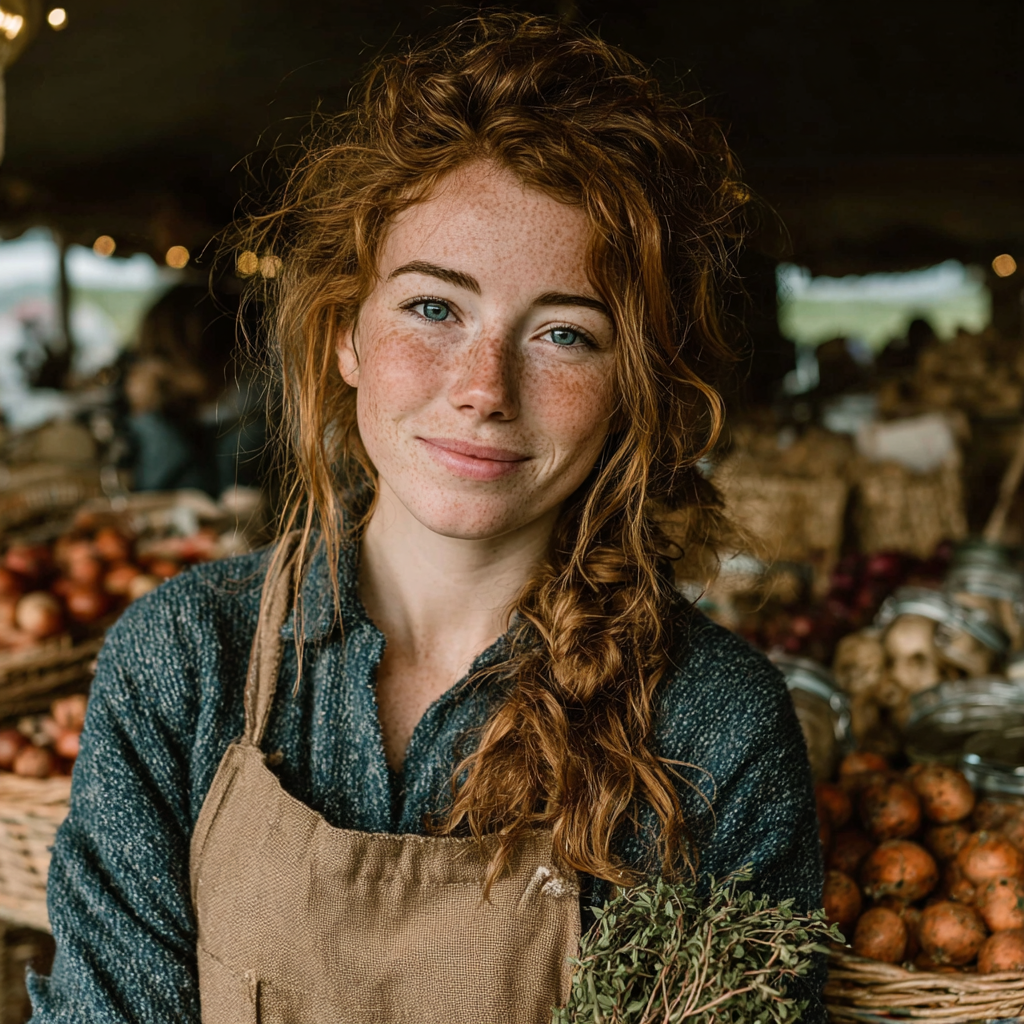
By Sophie Brennan
Irish food writer and historian based in Lisbon. Sophie combines her background in medieval history with a passion for contemporary gastronomy. She has written for Condé Nast Traveller and authored two cookbooks exploring Celtic and Iberian culinary traditions.