
Bristol in Spring: A Guide to the City That Refuses to Behave
I arrived in Bristol on a drizzly Thursday in late March, expecting the polite, pretty city the tourist board sells you. What I found was something else entirely: a place where a fourteen-foot puppet of a protesting teddy bear throwing a Molotov cocktail at riot police passes for public art, where the cider is strong enough to strip paint, and where locals will argue for hours about whether the Suspension Bridge looks better from Clifton or Leigh Woods.
Bristol doesn't do quaint. It does complicated. This is a city built on the profits of the transatlantic slave trade that now hosts Europe's most progressive street art scene. A city that gave the world both Isambard Kingdom Brunel and the trip-hop sound of Massive Attack. A city where you can eat a Michelin-starred tasting menu for lunch and a £4 falafel wrap for dinner, and both will be excellent.
Spring is when Bristol shakes off its winter coat and remembers it's alive. The harbourside cafes drag their tables outside with a kind of desperate optimism. The cherry trees along the Avon Gorge burst into pink against the grey limestone. The cider starts flowing with a vengeance at pubs that have been keeping it cool in cellars since October. And the city—messy, contradictory, utterly unapologetic—opens its arms to anyone willing to look past the postcard version and see what's actually there.
This isn't an itinerary. It's a conversation with a city that talks back.
About the Author
Sophie Brennan is a food and travel writer who has spent fifteen years eating her way through British cities with a notebook in one hand and a fork in the other. She writes about places where food tells a story—where the menu reveals history, politics, and the stubborn individuality of a city. Her work has appeared in The Guardian, Waitrose Food, and National Geographic Traveller. She lives in Bristol part-time, which she insists is not a conflict of interest but field research.
When to Come (And What You're Getting Into)
March through May, but come prepared for weather that can't make up its mind. I've seen hail in April followed by sunshine warm enough for a harbourside pint without a coat. The Bristol microclimate is real and unpredictable—rain in the city centre can mean blue skies in Clifton, and vice versa.
March is raw. The daffodils are out in Brandon Hill Park, but so is a wind that comes straight off the Atlantic and doesn't care about your hair. April softens. The cherry blossoms arrive in Clifton Village like pink clouds against the Georgian stone. May is the sweet spot—long evenings, the food festivals start, and there's a collective sense that summer might actually happen this year.
Pack layers. Always layers. A waterproof that actually keeps water out (the cheap ones surrender after twenty minutes of Bristol drizzle). Comfortable shoes with grip for the hills—Park Street will test your calves, and the cobbles around the Christmas Steps are ankle-breakers in the wrong footwear. And an empty stomach. You're going to need it.
Getting Your Bearings (Without a Map)
Bristol is small enough to walk across in an hour, but confusing enough that you'll get lost anyway. The Floating Harbour cuts through the middle, creating dead ends and sudden vistas that make no logical sense. Streets change names halfway along. The road you want is probably up a flight of steps or through an alley that isn't on Google Maps.
Learn the neighbourhoods. Clifton is the wealthy aunt—elegant Georgian terraces, garden squares, the Suspension Bridge looming over everything like a Victorian fantasy. The harbourside is where the action is—restaurants, bars, the SS Great Britain sitting in her dry dock like a rust-red ghost. Stokes Croft is the rebel cousin—street art, independent shops, the constant smell of coffee and possibility. The Old City is compact, walkable, hiding medieval alleys between modern shop fronts.
Hove isn't Bristol at all—it's technically a separate city—but locals treat it as the sensible sibling across the water. Ignore it for now. You've got enough to deal with.
The Suspension Bridge: Engineering, Madness, and the Best Views in England
Everyone goes to the Clifton Suspension Bridge. You should too, but not for the obvious reasons. Yes, it's beautiful. Yes, it's one of Brunel's masterpieces (though he died before it was finished). But the real story is in the details.
Clifton Suspension Bridge
- Address: Bridge Road, Leigh Woods, Bristol BS8 3PA
- Free to walk across (£1 vehicle toll)
- Open 24 hours daily
- Visitor Centre: open 10am–5pm daily, free entry
- Website: cliftonbridge.org.uk
Walk across it first thing in the morning, before the coaches arrive. The deck sways slightly underfoot—just enough to remind you that you're suspended 245 feet above the Avon Gorge. Look down through the gaps between the planks (if you dare) to see the river far below. Read the plaques bolted to the towers: they tell the story of Sarah Ann Henley, who jumped from the bridge in 1885 and survived because her voluminous Victorian skirts acted as a parachute.
The Visitor Centre is free and worth fifteen minutes for the engineering history, but the real experience is standing on the Clifton side at sunset, watching the light fade over the gorge while the bridge's lamps flicker on one by one. The White Lion Bar at the Avon Gorge Hotel (Sion Hill, BS8 4LD) has a terrace with the best evening views—order a pint of Butcombe and watch the bridge turn orange, then gold, then disappear into the dark.
If you're feeling energetic, walk down the zigzag path to the Clifton Observatory (£5 entry, open 10am–5pm daily, cliftonobservatory.com), then continue to the Giant's Cave, which tunnels through the cliff face and opens onto a viewing platform halfway down the gorge. It's spectacular and slightly terrifying. The Camera Obscura at the observatory projects a live image of the bridge onto a viewing table—one of only three in the UK open to the public.
Harbourside: Where Bristol Actually Lives
The Floating Harbour is the city's heart, and it beats differently depending on the time of day. Morning is for the runners and dog walkers, the coffee drinkers at Spoke & Stringer watching the rowers slice through the water. Afternoon brings the tourists to the SS Great Britain, the families feeding ducks, the street performers setting up outside the M Shed.
But evening is when the harbourside becomes something else entirely. The outdoor tables at The Apple—a converted Dutch barge serving cider so strong it should come with a warning—fill with people watching the light fade over the water. The Wapping Wharf cargo containers glow with warm light from Root, Box-E, and the other restaurants that have colonised the former dockyard. The Matthew, a replica of Cabot's 15th-century ship, sits at her mooring like a reminder that Bristol has always looked outward, always been a port in both senses of the word.
SS Great Britain
- Address: Great Western Dockyard, Gas Ferry Road, Bristol BS1 6TY
- Admission: £19 adults, £10.50 children, £17 seniors
- Open: 10am–4:30pm (last entry 3:30pm)
- Website: ssgreatbritain.org
Brunel's iron-hulled, propeller-driven liner changed maritime history, and the museum has restored her with such care that you can walk the decks, peer into first-class cabins, and stand in the engine room feeling the scale of 19th-century ambition. The "Being Brunel" museum nearby adds context about the man himself—brilliant, difficult, driven. Plan for half a day.
Don't miss Underfall Yard (open 10am–5pm, free entry, underfallyard.co.uk), the working boatyard at the western end of the harbour. The visitor centre explains how Bristol's unique tidal harbour system works—essentially a series of locks and sluices that keep the water level constant while the river outside rises and falls twelve meters with the tide. The heavy engineering is oddly beautiful: Victorian cast iron, massive timber beams, the smell of tar and river mud.
Stokes Croft: The Street Art Capital of the UK
If Clifton represents Bristol's respectable face, Stokes Croft is the city after three pints—loud, opinionated, and absolutely certain it's right about everything. This is where Banksy painted "Mild Mild West" in 1999, the teddy bear with the Molotov cocktail that became a symbol of Bristol's resistance to gentrification long before anyone cared about gentrification.
The street art here isn't decoration—it's conversation. Walk Jamaica Street early on a spring morning, before the shops open, and you'll see fresh pieces that weren't there the night before. Phlegm's intricate fantasy creatures. Inkie's colourful tribal patterns. Works by artists whose names I don't recognise because they appeared last week and will be painted over next month.
The Canteen at Hamilton House (Stokes Croft, BS1 3QY) is ground zero for Stokes Croft culture—a community-owned cafe, music venue, and gathering space with ever-changing art on the walls and a menu that changes with what's available. Their breakfast is excellent, but you're here for the atmosphere: locals arguing about politics, musicians tuning up for evening gigs, the sense that something important is happening even if you're not sure what.
The People's Republic of Stokes Croft (PRSC) (Jamaica Street, BS2 8JP) sells prints by local artists and runs weekend street art tours (£15, Saturdays and Sundays at 11am, book at prsc.org.uk). The Gallimaufry on Gloucester Road does vintage clothing without the London price tags. The Full Moon hostel and gig venue (Stokes Croft, BS1 3PR) has a courtyard that's perfect for spring evenings, often with street food vendors and always with a crowd that looks like they've stepped out of a music video.
Eat at Rice and Things on Jamaica Street (BS2 8JP)—authentic Jamaican food from a family who've been cooking it for decades. The jerk chicken is properly spicy, the curry goat falls off the bone, and the rice and peas taste like they've been cooking since morning. Cash only, no reservations, get there early or wait. Open Tuesday–Saturday, 12pm–9pm.
Eating Well: From Michelin Stars to Market Stalls
Bristol's food scene punches well above its weight. The city has two Michelin-starred restaurants (Wilsons and Bulrush), but the real joy is in the mid-range places where chefs are doing interesting things without the star-chasing price tag.
Adelina Yard on Welsh Back (BS1 4SB) is my splurge recommendation. The tasting menu (£75, £110 with wine pairing) changes daily based on what the kitchen has sourced that morning. I've eaten scallops there caught off the Devon coast that morning, served with foraged sea vegetables and a sauce that took three days to make. It's serious food without the stiff atmosphere—chef Jamie still comes out to explain dishes, and the room feels like a dinner party at a friend's waterfront apartment. Open Wednesday–Saturday, 6pm–10pm; Sunday lunch 12pm–3pm. Book essential: adelinayard.co.uk.
Root in the Wapping Wharf Cargo containers (BS1 6WP) does vegetable-focused small plates that will convert even dedicated carnivores. The menu is entirely seasonal—spring means asparagus from the Wye Valley, forced rhubarb, new potatoes so sweet they taste like they've been buttered already. Order the celeriac shawarma, the roast cauliflower with tahini, and whatever vegetable dish the server looks most excited about. Open Tuesday–Saturday, 12pm–2:30pm and 5pm–9pm; Sunday 12pm–4pm. Mains £14–£22. rootbristol.co.uk.
Poco on Jamaica Street (BS2 8JP) won awards for sustainability before anyone else was talking about it. The tapas-style small plates are designed for sharing, though you won't want to. The slow-cooked lamb shoulder with smoky aubergine is the dish that brings me back every time. Open Tuesday–Saturday, 6pm–10pm. Book ahead—always book ahead. tapasbristol.co.uk.
For cheaper eats, St Nicholas Market on Corn Street (BS1 1JQ) is a lunchtime institution. Open Monday–Saturday, 9:30am–5pm. The market building itself is beautiful—18th-century with a glass roof—but you're here for the food stalls. Matina does Middle Eastern wraps with falafel so fresh it crumbles when you bite. Eat a Pitta has a queue that moves fast and hummus that tastes of actual chickpeas rather than tahini-flavoured wallpaper paste. Pieminister, born in Bristol, does gourmet pies that have spread across the UK but taste best in their hometown. £5–£8 per portion.
The Clifton Lido (Oakfield Place, BS8 2BJ) is expensive (£25–£35 for mains) but worth it for the setting—a restored Victorian swimming pool, now a restaurant and spa, with an outdoor terrace that's the best place in the city for a long lunch in spring. Order the wood-fired pizza and a bottle of something chilled, and watch Clifton go by in all its well-heeled glory. Open daily 7am–10pm. lidobristol.com.
The Pubs: Where Bristol's Soul Lives
You can't understand Bristol without spending time in its pubs. Not the bars on King Street selling cocktails to tourists—the proper pubs, with carpets that smell of decades of spilled beer, where the fire has been burning since October and the regulars have their own seats.
The Llandoger Trow on King Street (BS1 4EP) claims to be the inspiration for the Admiral Benbow in Treasure Island. Whether Stevenson actually drank here is disputed, but the atmosphere is pure piratical Bristol—low beams, uneven floors, a ghost (allegedly) in the upper rooms. The harbourside location means it's busy, but find a corner seat and settle in with a pint of Butcombe Original. Open Monday–Saturday 11am–11pm; Sunday 12pm–10:30pm.
The Old Duke on King Street (BS1 4EP) is for jazz lovers. Live music every night, no cover charge, a crowd that skews older and knows the difference between trad jazz and bebop. The beer is decent, the atmosphere is timeless, and the late-night sessions can run until the small hours. Open daily from midday.
The Apple on Welsh Back (BS1 4SB) isn't a pub in the traditional sense—it's a converted Dutch barge serving cider so strong it should be regulated. The selection changes constantly, from dry Kingston Black to sweet farmhouse scrumpy to experimental keg ciders that taste of pineapple or coffee or things cider shouldn't taste of but somehow works. Sit on the deck with a flight of tasters (£7 for five) and watch the harbourside life go by. Open Monday–Thursday 12pm–11pm; Friday–Saturday 12pm–12am; Sunday 12pm–10:30pm. theapplebristol.com.
The Kensington Arms in Clifton—locally known as "The Kenny" (35 Kensington Place, BS8 4AA)—is what gastropubs should be but rarely are. The food is excellent (seasonal game, local ales, proper Sunday roasts), but it's still a pub. Locals at the bar. Dogs welcome. A fire in winter, a garden in summer, and in spring, that transitional period where both are in use depending on which way the wind is blowing. Open Monday–Saturday 12pm–11pm; Sunday 12pm–10:30pm. Food served until 9pm. thekenny.co.uk.
Day Trips: When You Need to Escape
Sometimes Bristol gets intense—the hills, the crowds, the constant creative energy that can exhaust as much as it inspires. When that happens, cross the Suspension Bridge to Leigh Woods.
Leigh Woods (National Trust, free entry, nationaltrust.org.uk) covers 500 acres of woodland on the Somerset side of the gorge. In spring, the bluebells turn the forest floor purple, and the wild garlic smells so strong you can taste it. There are trails for every fitness level: the Purple Trail is an easy mile, the Red Trail climbs to viewpoints over the gorge, and serious mountain bikers tackle the technical Blue Trail. Bring boots—the paths get muddy after rain. Open dawn to dusk daily.
Ashton Court Estate (Long Ashton, BS41 9JN) is technically still Bristol but feels like countryside. The 850-acre park has red and fallow deer that are particularly active in spring, two golf courses, and the historic Ashton Court Mansion (exterior only, but impressive). The mountain bike trails are world-class. Parking is £1–2, but if you walk or cycle in, it's free. Open dawn to dusk.
Bath is fifteen minutes by train from Bristol Temple Meads (£8–12 return, greatwesternrailway.com) and a completely different city—elegant where Bristol is scruffy, contained where Bristol sprawls. The Roman Baths (£20.50, open 9am–6pm daily, romanbaths.co.uk) are genuinely remarkable, the Georgian architecture is textbook perfect, and Sally Lunn's Historic Eating House (4 North Parade Passage, BA1 1NX) serves the famous bun that's been a local speciality since the 17th century. But after a day of Bath's politeness, you'll be relieved to get back to Bristol's glorious mess.
What to Skip
Not everything in Bristol is worth your time. Here are the things I'd actively avoid:
The Bristol Zoo in Clifton closed in 2022, but guides still mention it. Don't waste time looking for it—the site is being redeveloped.
The chain restaurants on Cabot Circus serve the same food you can get anywhere in the UK. You're in one of Britain's most exciting food cities. Don't waste a meal on a branded burger.
The Banksy walking tour buses are overpriced and soul-destroying. The street art is best discovered on foot, at your own pace, with your own eyes. If you need a guide, book the PRSC walking tour in Stokes Croft instead.
Cabot Tower (in Brandon Hill Park) has a nice view, but the climb is narrow and claustrophobic, and the view from the Suspension Bridge is better. If you're short on time, skip it.
The fake "Bristolian" souvenirs on the harbourside—mass-produced tea towels and mugs with generic slogans. The real Bristol souvenirs are found in the independent shops on Gloucester Road and Stokes Croft: prints by local artists, vinyl from the music shops, a bottle of something strong from The Apple.
Practical Matters (The Boring But Necessary Stuff)
Getting here: Trains from London Paddington take 1 hour 40 minutes and run every half hour (£35–£80 return, depending on when you book). Book at least two weeks in advance for the best prices—walk-up fares can be eye-watering. From Bristol Airport, the Airport Flyer bus (£9 return, every 10 minutes) takes thirty minutes to the city centre. bristolairport.co.uk.
Getting around: Walk. The city centre is compact, and the hills are good for you (or so I tell myself). Buses are frequent but expensive—day tickets are £4.50. The Bristol Ferry boat service (£1–2 per journey, bristolferry.com) is the most pleasant way to travel along the harbourside. Taxis are plentiful but unnecessary for the centre.
Where to stay: Harbourside for convenience, Clifton for elegance, Stokes Croft for atmosphere. The Bristol Hotel on Prince Street (BS1 4QF) is reliably good and central, from £120/night. The YHA on Narrow Quay (BS1 4QA) is in a beautiful building right on the water, from £25/night for dorms. For something different, Brooks Guesthouse (St Nicholas Street, BS1 1UB) has rooftop caravans—sleep in a vintage trailer under the stars, from £85/night. brooksguesthouse.com.
Weather: It will rain. This is not a possibility but a certainty. The trick is not to care—Bristol's best experiences (pubs, museums, long restaurant lunches) are all indoor activities. And when the sun breaks through after a spring shower, the light on the Georgian stone is worth every damp minute. Average spring temperatures: March 6–12°C, April 7–14°C, May 10–17°C. Pack a waterproof jacket, a warm jumper, and something you can wear in the sun. You'll need all three, possibly on the same day.
Budget: Bristol is cheaper than London but not cheap. A day of eating, drinking, and modest sightseeing will cost £60–£100 per person. Lunch at a market stall: £6–£10. Dinner at a mid-range restaurant: £25–£40. Pint of local ale: £4.50–£5.50. Coffee: £2.50–£3.50. Museum entry (SS Great Britain): £19. The Clifton Observatory: £5. Walking around Stokes Croft looking at street art: free. Standing on the Suspension Bridge at sunset: free. Talking to a Bristolian about why their city is better than London: priceless, and unavoidable.
The Real Bristol
I came to Bristol expecting a pleasant spring weekend in a nice English city. What I found was something rarer: a place with a distinct personality, a city that knows exactly what it is and makes no apologies for it. Bristol is complicated. Its wealth was built on slavery, and it doesn't hide from that history—the Colston statue was pulled down in 2020 and the city is still reckoning with what replaces it. It's fiercely independent, historically radical, creatively explosive.
This isn't a city that performs for tourists. It just exists, doing its thing, and if you want to join in, the door is open. Eat the food. Drink the cider. Walk the harbourside at dawn when the mist rises off the water. Argue with locals about whether the Suspension Bridge is better at sunrise or sunset. Get lost down alleys that aren't on maps. Find a pub with a fire and a pint of something local and stay longer than you planned.
Bristol in spring isn't a curated experience. It's a conversation. And like all good conversations, it leaves you changed.
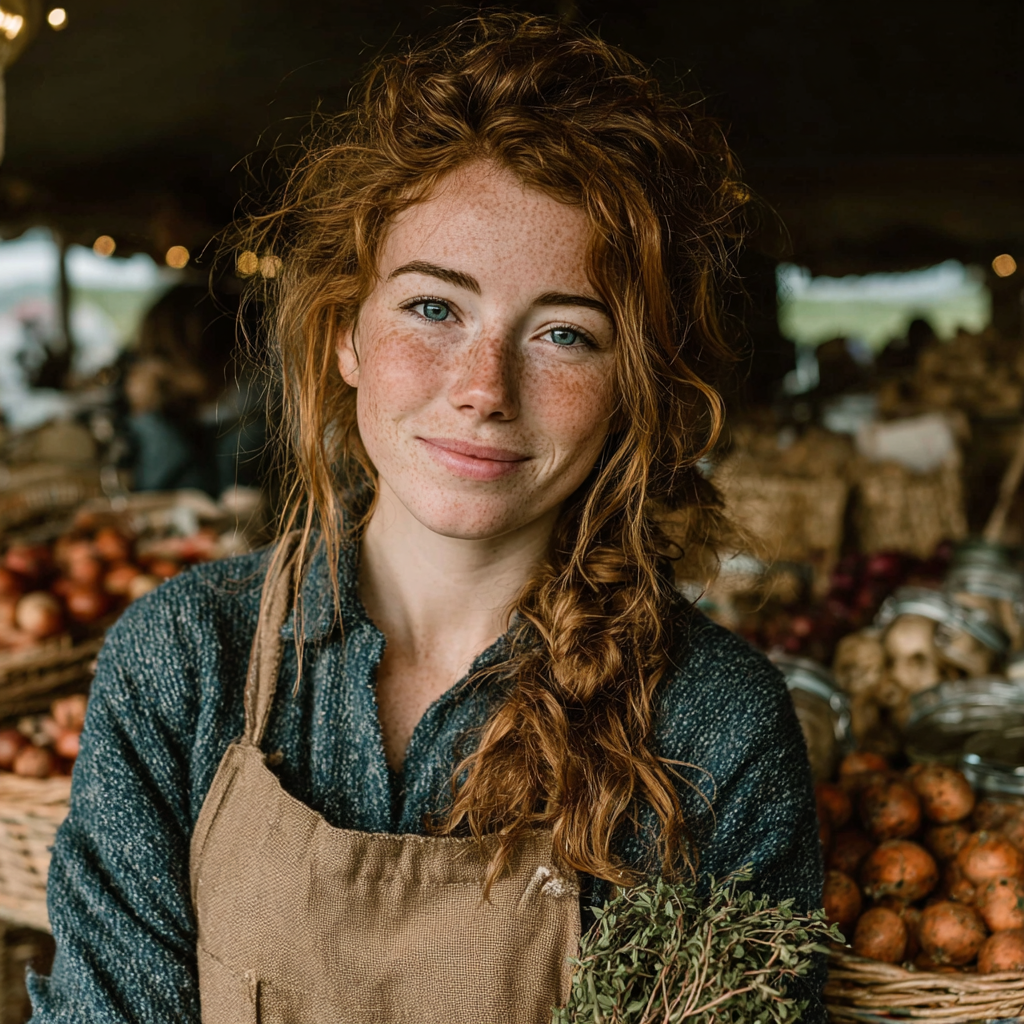
By Sophie Brennan
Irish food writer and historian based in Lisbon. Sophie combines her background in medieval history with a passion for contemporary gastronomy. She has written for Condé Nast Traveller and authored two cookbooks exploring Celtic and Iberian culinary traditions.