
Bristol: A Storyteller's Guide to England's Most Unruly City
Why Bristol Will Steal Your Heart (And Surprise You)
The first time I got properly lost in Bristol, I was three pints deep at the Llandoger Trow and convinced the alley behind King Street was a shortcut back to my mate's flat in Bedminster. It wasn't. I ended up in a conversation with a bloke named Gaz who claimed his grandfather helped build the Suspension Bridge, and by the time I found my way out, I'd learned more about this city than any guidebook could teach me.
That's Bristol for you. It's not a city you tick off a list. It's a city that ambles up, buys you a cider, and tells you stories you didn't know you needed to hear.
Bristol doesn't boast about its maritime history like Liverpool does. It doesn't wear its street art like Berlin, all cool and self-conscious. It just is – a messy, brilliant collision of Georgian terraces and graffiti, Brunel's engineering and Banksy's mischief, slave-trade guilt and modern rebellion. The locals call it "Brizzle" or "the Briz" and they'll defend it against anyone who dares call it "basically London's southwest suburb." It's not. It's its own thing entirely.
This isn't a day-by-day itinerary because honestly, that does Bristol a disservice. This is a collection of the places I keep coming back to, the stories I've collected over too many visits, and the practical truths nobody puts on Instagram.
When to Go (And When to Avoid)
Best months: September through mid-October, when the chestnut trees on Brandon Hill turn copper and the harbourside mornings carry that particular crispness that makes you want to duck into a pub for a "quick one." The summer crowds have buggered off back to London, the students haven't yet descended into chaos, and you can actually get a table at the good restaurants without booking three weeks ahead.
Late April through May is decent too — everyone emerges from hibernation and the terraces start filling up. The Bristol Food Connections festival usually runs in early June, worth timing for.
Avoid: July and August unless you enjoy queuing for everything and paying £200 a night for a Travelodge. Winter (January-February) can be grim — Bristol doesn't do picturesque snow; it does grey drizzle and prematurely dark afternoons.
Pro tip: If you can, visit during the Bristol International Balloon Fiesta (usually mid-August, Ashton Court). It's spectacular but crowded — book accommodation months ahead.
Getting There and Getting Around
By train: Bristol Temple Meads is your main target. Trains from London Paddington take about 80 minutes if you catch the fast Great Western Railway service. Book in advance at trainline.com or gwr.com and you might get a return for £35-£45. Walk-ups pay £80+ and deserve the pain. From Cardiff: 45 minutes, from £20 return. From Birmingham: 1h 20m, from £30 return.
By air: Bristol Airport (BRS) is 20 minutes south, connected by the Airport Flyer bus (£9 return, every 10 minutes, 24 hours). Don't bother with taxis unless you're arriving at 3am — they'll rinse you for £40-£50. The airport is small and efficient; budget airlines like easyJet and Ryanair dominate.
Getting around: Walk. The city centre's compact enough that you can get most places in 20 minutes, and you'll miss half the good stuff if you're underground on the bus. For the bits further out — Ashton Court, the airport — First Bus runs the show. Download their app; day tickets are £4.80 and cover you for 24 hours. The Bristol Ferry (bristolferry.com) operates from Temple Meads to the harbourside — a scenic alternative, £7.50 day pass.
Cycling: The Bristol to Bath Railway Path is brilliant — 13 miles of traffic-free tarmac following an old railway line, takes you through proper countryside without ever leaving the city. You can hire bikes at Bristol Bike Hire near Temple Meads (from £20/day) or Halfords does decent day rates.
Where to Stay (Honestly)
The really good option: Brooks Guesthouse, 24 St Nicholas Street. Central, properly done, and they have actual vintage Airstream caravans on the roof if you fancy something weird. £85-£120 a night. You're stumbling distance from King Street's pubs. Book at brooksguesthousebristol.com.
The sensible option: Premier Inn at Haymarket. I know, I know. But it's £60-£90, reliably clean, and two minutes from the station. Sometimes you just want a Travelodge breakfast and zero surprises.
The "full Brizzle experience": Rock n Bowl, 22 Nelson Street. Hostel built into a bowling alley with a live music venue underneath. Dorms from £18, private rooms £50. You'll meet interesting people. You might not sleep. rocknbowl.co.uk.
The boutique option: Number 38 Clifton, 38 Upper Belgrave Road. Elegant Victorian townhouse in Clifton, five rooms, excellent breakfast. £130-£180. number38clifton.com. Perfect if you want Georgian Bristol charm with modern comfort.
Avoid: Anything calling itself "luxury" near Cabot Circus. It's not luxury. It's overpriced chain hotels surrounded by shopping centres.
The Essential Bristol: Four Walks That Actually Matter
Walk 1: Clifton Without the Tourists
Everyone goes to Clifton to see the Suspension Bridge. Fair enough — it's extraordinary, especially at sunset when the sun drops behind the gorge and the whole thing glows. But the real Clifton is in the backstreets.
Start at the Clifton Village pay-and-display on The Mall (£1.50/hour, or use the Portway Park & Ride for £3 all day). Walk up Boyce's Avenue and duck into the Clifton Arcade — it's Victorian, it's full of independent shops that change every few months, and there's a coffee shop in there that does excellent flat whites.
Royal York Crescent is worth the detour. One of Europe's finest Georgian terraces, and at the west end you get your first proper view of the bridge through the trees. The locals walking their dogs will pretend you're not there. Let them.
Here's the thing about the Suspension Bridge: everyone stands on the Clifton side taking the same photo. Cross it. Walk down the zig-zag path on the Leigh Woods side and look back. That's the view. The visitor centre is free and genuinely interesting — Brunel was a genius and a nightmare, and the exhibition doesn't shy away from either. Bridge toll is £1 each way for pedestrians; free after 6pm.
The Clifton Observatory (£5 entry, open daily 10:00-17:00) is worth it for the Camera Obscura alone. One of only three in the UK open to the public, and on a clear day you can watch climbers on the gorge walls like they're tiny insects. The Giant's Cave below is properly atmospheric — you look out through a hole in the cliff face straight down to the bridge.
For lunch, skip the Ivy (overpriced, full of Londoners) and go to the Clifton Lido instead. Victorian swimming pool turned restaurant, wood-fired oven, excellent pizzas around £12-15. You can swim too if you're brave — the outdoor pool's heated to 24°C year-round. Open 07:00-22:00 daily. cliftonlido.com.
Evening: The White Lion at the Avon Gorge Hotel has the best terrace view of the bridge, but it's touristy. Better bet is The Portcullis on Wellington Terrace — proper pub, real fire, locals who've been drinking there since the 1980s. Ales £4-£5.
Walk 2: The Harbourside, Properly
Bristol's harbour was the city's reason for existing — the slave trade, tobacco, sugar, all of it flowed through these docks. Now it's flats and restaurants, but the history hasn't been scrubbed clean.
Start at Pero's Bridge, named after Pero Jones, an enslaved African who lived in Bristol in the 18th century. The bridge has horn-shaped counterweights; locals call it the horny bridge. The contrast between the slavery memorial and the joke name tells you everything about Bristol's complicated relationship with its past.
Walk west along the harbourside. You'll pass Millennium Square (big screen, often showing sport), the M Shed museum (free, open Tue-Sun 10:00-17:00, worth an hour), and eventually reach Underfall Yard. It's a working boatyard where they still maintain the historic harbour machinery. The visitor centre is volunteer-run and the people there actually know things — ask about the sluice gates and you'll get a 20-minute explanation of Victorian engineering. Open Thu-Sun 10:00-16:00; free.
The SS Great Britain is the big ticket item — £19 entry (£10.50 for kids, £17 for seniors). Open daily 10:00-16:30. It's worth it. Brunel's iron ship, launched in 1843, rescued from the Falklands in 1970 and restored here. You can go below the waterline where they've built a glass sea, walk the decks, explore the cabins. It takes a good two hours if you do it properly. ssgreatbritain.org.
Lunch at The Olive Shed on Princes Wharf — Mediterranean, mezze platters around £8-12, good wine selection. Open daily 11:00-22:00. Or if it's cider weather (it usually is), go to The Apple on Welsh Back. It's a converted Dutch barge, cash only, and they serve proper Somerset cider — try the farmhouse rough stuff, not the fizzy sweet nonsense. Ploughman's £8, hot spiced cider £4.50. Open Mon-Sat 12:00-23:00, Sun 12:00-22:00.
King Street in the evening. The Llandoger Trow is the famous one — 17th-century timber-framed pub, supposedly the model for the Admiral Benbow in Treasure Island. It's touristy but the building's extraordinary. Better for a pint is The Old Duke opposite — live jazz most nights, free entry, proper atmosphere. Music from 20:00, get there by 19:30 for a seat. The Beer Emporium is worth knowing about too — underground bar with dozens of craft beers, accessible through a nondescript doorway at 41 King Street.
Walk 3: Stokes Croft and the Real Bristol
Stokes Croft is where Bristol's reputation for street art comes from. This is the Cultural Quarter, which means it's got galleries, independent shops, and more murals than you can count. It's also a bit rough around the edges, which is why it's interesting.
Start at Turbo Island — not an actual island, just a patch of ground on Jamaica Street that's been covered in street art for decades. The name comes from the strong cider that used to be sold there. It's Bristol mythology; ask three locals and you'll get three different origin stories.
Walk down Jamaica Street. The Carriageworks is on your right — a massive Victorian factory now full of artists' studios. You can't just wander in, but they do open studios a few times a year. The "Mild Mild West" mural by Banksy is on the side of the Canteen building: teddy bear throwing a Molotov cocktail at riot police. It's been there since 1999 and nobody's dared paint over it.
The Canteen itself is worth a stop — community-owned cafe, music venue, constantly changing art on the walls. Coffee's good, food's decent, and the crowd is a proper cross-section of Stokes Croft life. Open daily 09:00-23:00.
Gloucester Road runs north from here, and locals claim it's the longest stretch of independent shops in Europe. I don't know if that's true, but it's a hell of a walk. The Gallimaufry for vintage clothes, Plastic Wax for records, Scoopaway for wholefoods, The Better Food Company for organic everything. No Starbucks, no Tesco, no chains.
Lunch at Rice and Things, 55 Jamaica Street — family-run Jamaican, proper jerk chicken, curry goat, rice and peas. £8-12 for a plate that'll keep you going all day. Open Tue-Sat 12:00-21:00, Sun 14:00-19:00.
Evening: The Full Moon on North Street combines a pub, hostel, and gig venue. The courtyard has heaters for when it gets cold, there's often street food, and the crowd is exactly what you'd expect from a Stokes Croft institution. Lakota is the legendary club — warehouse space, drum and bass, house, techno, been running since the 90s. Check lakota.co.uk for listings; entry £5-£15.
Cultural note: Stokes Croft was the centre of the 2011 riots after Tesco tried to open a store here. The community fought back. That tension between corporate Britain and Bristol's independent spirit is still palpable. Walk around with your eyes open.
Walk 4: Ashton Court and Leigh Woods (The Escape)
Sometimes you need to get out of the city without actually leaving. Ashton Court Estate is 850 acres of parkland five minutes from the centre, and in autumn it's extraordinary.
There's a deer park — red and fallow deer, and if you visit in October you might catch the rutting season, when the stags bellow at each other and clash antlers. The mansion is 15th-century, mostly closed to the public but the exterior's impressive enough. Mountain bikers love the trails here; there's a skills area if you want to watch people falling off bikes. Open dawn to dusk; free entry.
But the real magic is across the Suspension Bridge in Leigh Woods. National Trust property, ancient woodland, and in October the beech trees turn so golden it looks like the whole forest's on fire. The Purple Trail is an easy mile loop, the Red Trail is three miles with views down the gorge, and if you're feeling ambitious the Blue Trail is for proper mountain bikers. Free entry; National Trust members park free, otherwise £3 at the Leigh Woods car park.
There's a café in the woods near the entrance — basic but decent coffee, cake, toilets. The perfect spot to warm up after a misty morning walk. Open 10:00-16:00, weekends only in winter.
The Sea Walls viewpoint is worth the drive (or a long walk) — best sunset view of the Suspension Bridge and the gorge. In autumn, with the low sun lighting up the trees, it's genuinely hard to believe you're still in a city.
Where to Eat (The Real List)
Poco — 45 Jamaica Street. This is the one. Sustainable tapas, seasonal ingredients, the menu changes weekly depending on what they've sourced. The vegetable dishes are extraordinary — they'll make you reconsider your relationship with root vegetables. Small plates £6-12, you'll want 3-4 per person. Book ahead at pocotapas.com or queue. Open Tue-Sat 12:00-14:30, 18:00-22:00.
Root — Cargo 2, Wapping Wharf. Vegetable-focused small plates in a shipping container. Sounds pretentious, isn't. The squash dishes in autumn are properly memorable, and the natural wine list is excellent. Similar prices to Poco. rootbristol.co.uk. Open Wed-Sat 12:00-14:30, 17:30-21:30; Sun 12:00-15:00.
Box-E — Cargo 1, Wapping Wharf. The fancy one. Modern British fine dining in a shipping container, because Bristol. Tasting menu around £65, and it's genuinely special. Local game in autumn, West Country produce, impeccable technique. Book weeks ahead at box-e.co.uk. Open Wed-Sat evenings.
The Apple — Welsh Back. Already mentioned, but it bears repeating. Cider boat, cash only, no nonsense. Ploughman's lunch £8, hot spiced cider £4.50, sit on the deck and watch the harbour.
St Nicholas Market — Corn Street, Mon-Sat 09:30-17:00. Street food paradise. Matina does Middle Eastern wraps that'll ruin you for other wraps. Eat a Pitta is the best falafel in the city. Pieminister started here — the pies are still excellent, especially on cold days. Cash recommended for some stalls.
Rice and Things — 55 Jamaica Street. Already mentioned, but seriously. Jamaican food done by people who know what they're doing. Jerk chicken that'll clear your sinuses, curry goat that falls off the bone, proper rice and peas.
The Kensington Arms — 35 Kensington Place, Clifton. Known locally as "The Kenny." Gastro pub done right — seasonal game in autumn, wild mushrooms, local ales. Not cheap (£15-25 for mains) but worth it. thekensingtonarms.co.uk. Open daily 12:00-23:00; food served 12:00-14:30, 18:00-21:00.
Bravas — 7 Cotham Hill. Spanish tapas, Basque-style pintxos, excellent sherry selection. Small, loud, brilliant. £20-30 per person. Open Tue-Sat 17:00-23:00. No reservations — turn up and queue.
Where to Drink (The Important Section)
Bristol drinks. It's a fact. The city has 30-odd breweries and more pubs than you could visit in a month. Here's where to start.
The Llandoger Trow — King Street. Yes, it's touristy. Yes, it's extraordinary. 17th-century timber framing, three stories of black-and-white architecture, supposedly where Stevenson imagined the Admiral Benbow. One pint for the history, then move on. Open daily 11:00-23:00.
The Old Duke — King Street. Opposite the Llandoger, live jazz seven nights a week, free entry, packed by 21:00. The music's genuine — local musicians who've been playing here for decades. Ales £4-£5. theoldduke.co.uk.
The Beer Emporium — 41 King Street. Downstairs from street level, dozens of taps, knowledgeable staff, quiet corners for proper conversation. Open daily 12:00-23:00.
The Apple — Welsh Back. Cider. Proper Somerset cider. Rough, cloudy, alcoholic. They do tastings if you're not sure what you like. Cash only.
The Milk Thistle — Quay Head. Cocktails. Hidden entrance, speakeasy vibe, expensive (£12-15 a drink) but genuinely excellent. The autumn menu uses seasonal ingredients — think spiced rum, apple, cinnamon. Open Wed-Sat 17:00-01:00. themilkthistle.com.
The White Lion — Avon Gorge Hotel. For the view. Terrace overlooking the Suspension Bridge, especially good at sunset. The drinks are standard hotel bar fare, but that view...
Small Bar — King Street. Craft beer specialists, constantly rotating taps, staff who actually care about beer. Good for trying local brews without committing to a whole pint. smallbar.co.uk.
The Famous Royal Navy Volunteer — King Street. Traditional pub, good selection of ales, proper pub atmosphere without the hipster nonsense. The "Navy Vol" to locals. Open daily 12:00-23:00.
Motion — 74-78 Avon Street. If you want proper clubbing, this is it. Warehouse venue, international DJs, Bristol's electronic music scene in full force. Check motionbristol.com for listings. Entry £10-£25.
What to Skip
The official tourist information centre — Bristolians don't use it, and neither should you. The staff are well-meaning but the recommendations are generic. Ask at your accommodation, or just ask in a pub. Bristolians love telling you what to do.
Cabot Circus shopping centre — It's a mall. You have malls at home. The only reason to go near it is if you're staying at one of the chain hotels, and even then, walk further.
The Bristol Zoo — Closed in 2022 and moved to the Wild Place Project outside the city. Not worth the trek unless you've got kids who specifically need to see giraffes.
The "Banksy tours" — The organised ones are overpriced and take you to murals you can find yourself. The Mild Mild West is on Jamaica Street; the Girl with the Pierced Eardrum is on Bedminster. Just walk around Stokes Croft and Bedminster — you'll find plenty.
The Clifton Suspension Bridge at midday on a Saturday — You'll be fighting selfie sticks and coach parties. Go at dawn or dusk. Cross to the Leigh Woods side. That's the move.
Any restaurant on the harbourside with a laminated menu in six languages — If they need to translate "fish and chips" into Mandarin, they're not cooking for locals. Walk five minutes inland and eat better for less.
The Day Trip: Westonbirt Arboretum
If you're here in autumn, you need to do this. Westonbirt is 30 minutes from Bristol by car (bus 69 from the city centre to Tetbury, then taxi, or hire a car for the day).
It's a national arboretum — 15,000 trees from around the world, and in October it explodes with colour. The Japanese Maple Avenue is the famous bit — reds and oranges so intense they look fake. But the whole place is extraordinary. The treetop walkway lets you walk through the canopy at eye level with the autumn leaves.
Entry is £12 for adults (£5 for kids, free for National Trust members). Open daily 09:00-17:00 in summer, 10:00-16:00 in winter. Bring walking boots and a camera. Allow a full day — it's vast, and you'll want to walk slowly. forestryengland.uk/westonbirt.
The town of Tetbury is nearby — Cotswold stone, antique shops, The Close Hotel does a decent lunch if you want to make a proper day of it.
Practical Stuff Nobody Tells You
Weather: Bristol weather is changeable. Even in September, bring a waterproof. The harbourside is particularly exposed — that breeze coming off the water can be biting. Average temperatures: September 15°C, October 12°C, May 14°C.
Phone signal: Patchy in the Avon Gorge and Leigh Woods. Download offline maps before you go.
Cash: Some places are still cash-only (The Apple, some street food stalls, the laundromat at Turbo Island). Bring £20-30 in notes.
Tipping: 10-12.5% in restaurants if service isn't included. Not expected in pubs for drinks. Some places add service automatically for groups of 6+.
Safety: Bristol's generally safe, but Stokes Croft at 2am can get lively. Normal city precautions apply. Don't flash valuables in the Bearpit (the underpass near Stokes Croft).
The B word: Bristol has a complicated relationship with Edward Colston, the slave trader whose statue got thrown in the harbour in 2020. The M Shed has an exhibition on this. Locals have opinions. Listen more than you speak.
The best view: From the Suspension Bridge at sunset, from the Leigh Woods side, looking back at Clifton. You'll know why when you see it.
Parking: Clifton Village is a nightmare. Use the Portway Park & Ride (£3 all day) or the Trenchard Street car park near the centre. On-street parking in the centre is £1.50-£2/hour, maximum 2 hours.
Final Thoughts
Bristol isn't a city you "do" in a weekend. It's a city that unfolds slowly, over multiple visits, over too many pints in too many pubs. I've been coming here for years and I'm still finding corners I didn't know existed.
The guidebooks will tell you about the Suspension Bridge, the SS Great Britain, Banksy. They're not wrong. But the real Bristol is in the conversation you have with a stranger at the bar of the Old Duke, the alleyway you accidentally discover in Stokes Croft, the sunset you watch from Leigh Woods when the whole gorge turns gold.
Give it time. Bristol rewards the curious and the patient. And the thirsty.
The Essentials
Emergency: 999
Non-emergency police: 101
NHS 111: Medical advice
Bristol Royal Infirmary: 0117 923 0000 (Marlborough Street, BS2 8HW)
Useful Apps:
- First Bus (tickets and times)
- Bristol Ferry (harbour boats)
- Maps.me (offline maps)
Taxi numbers:
- Uber (available citywide)
- V Cars: 0117 925 2727
Tourist information:
- Don't bother with the official centre. Ask at your accommodation, or just ask in a pub. Bristolians love telling you what to do.
About the Author:
Finn O'Sullivan is an Irish storyteller and folklorist who hunts for the narratives that do not make guidebooks — the pub legends, the family feuds, the neighbourhood heroes. He believes every street corner has a story if you know who to ask. He has been visiting Bristol since 2014 and still gets lost on King Street.
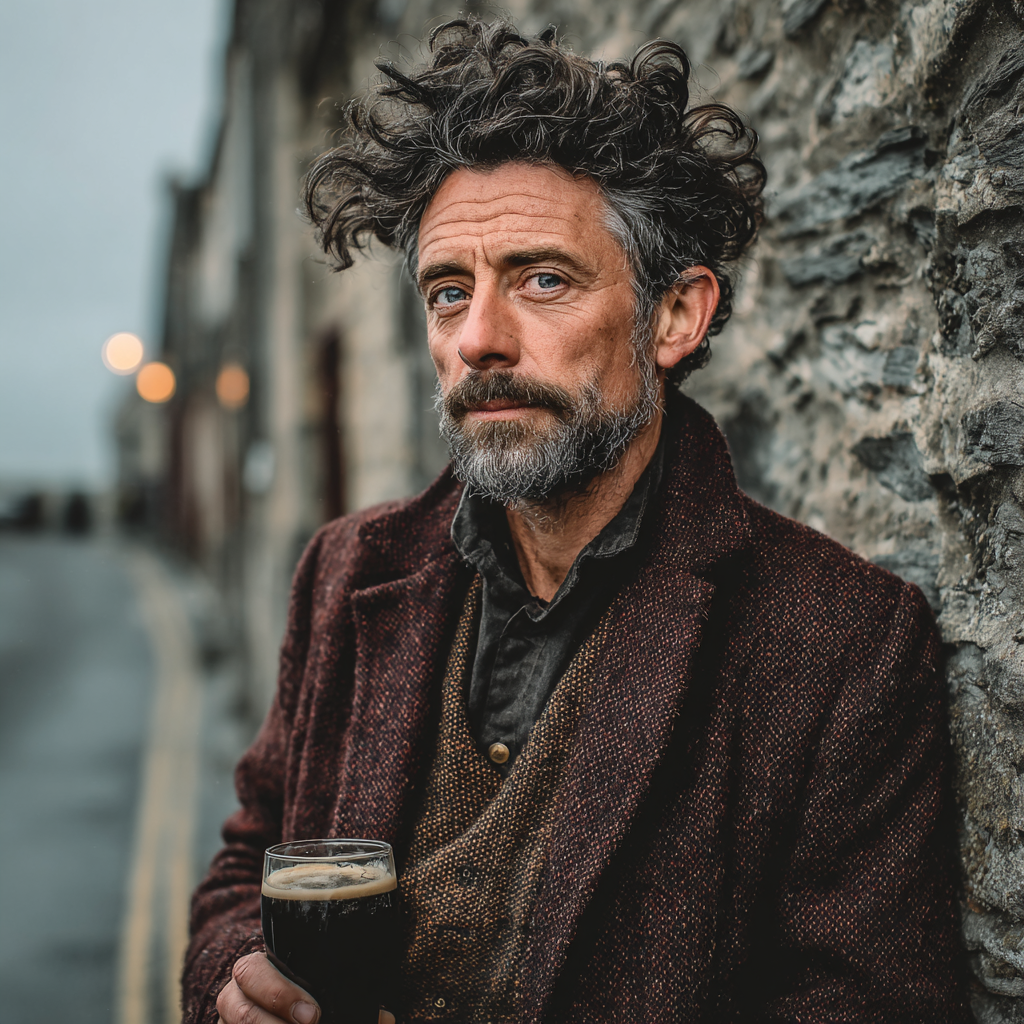
By Finn O'Sullivan
Irish storyteller and folklorist. Finn hunts for the narratives that do not make guidebooks—the pub legends, the family feuds, the neighborhood heroes. He believes every street corner has a story if you know who to ask.