
Belfast in Winter: A City That Doesn't Apologise for the Cold
By Finn O'Sullivan
The first thing you need to understand about Belfast in winter is that nobody here is pretending. The locals aren't trying to sell you on some fantasy of a "magical winter wonderland." It's cold. It's wet. The daylight packs up and leaves by half past four. And yet—here's the thing—Belfast is somehow at its best when the weather is at its worst.
I've spent enough January evenings in this city's pubs to know that the warmth here isn't meteorological. It's the kind that comes from a barman who remembers your order from three years ago, from strangers who'll argue politics with you for an hour then insist on buying you a pint, from a city that's been through hell and emerged with its sense of humour intact.
This isn't a checklist itinerary. You won't find "Day 3: Morning Activity" nonsense here. What follows is how to actually experience Belfast in winter—the places that matter, the people you'll meet, and the honest truth about what to expect.
The Reality Check: What You're Getting Into
Temperature: 1-8°C, which sounds manageable until you factor in the wind coming off Belfast Lough. Then it feels like someone left a freezer door open somewhere.
Daylight: About eight hours, sunrise around 8:30 AM, sunset near 4:15 PM in December. By February, you're getting another hour and a half, and the whole city acts like they've won the lottery.
Rain: It doesn't pour. It mists, it spits, it persists. Bring a proper waterproof jacket with a hood. Umbrellas are for tourists and optimists.
The Upside: No queues. No tour buses blocking the pavement. You can walk into Titanic Belfast at 10 AM and have the Shipyard Ride practically to yourself. The pubs are full but never packed. And there's something about the quality of winter light here—low, pale, bouncing off wet cobblestones—that makes the city look like a film set.
Getting Your Bearings: The Lay of the Land
Belfast city centre is small enough to walk across in twenty minutes, but don't let that fool you. The city spills out in all directions, and some of its best bits are a bus ride or a decent hike away.
The Golden Triangle: City Hall, Queen's University, and Botanic Gardens form the tourist heart. It's where you'll find the grand Victorian architecture, the main shopping streets, and the university crowd.
The Cathedral Quarter: North of the centre, this is where Belfast's creative energy lives. Cobbled streets, street art, the best bars, and the kind of restaurants that don't bother with websites because they don't need to.
West Belfast: The Falls and Shankill roads. This is where the political murals are, where the peace walls still stand, and where you'll find some of the most compelling—and uncomfortable—history. Don't come here for the photo ops. Come here to listen.
South Belfast: Leafy suburbs, the Lisburn Road with its independent shops, and the road out to the Mourne Mountains if you're feeling ambitious.
North Belfast: Cave Hill looms over everything here. The castle, the zoo, and some of the city's most dramatic views.
The Essential Winter Toolkit
Before you do anything else:
Footwear: Waterproof boots with grip. The pavement on Royal Avenue after rain is basically an ice rink. I've seen people in trainers slide halfway to Donegall Place.
Layers: Pubs are hot. Outside is not. You'll be peeling off and putting on all day.
A Portable Charger: Cold kills phone batteries faster than you'd think.
Cash: Some of the best places—the Dock Café, certain market stalls—are cash-only or honesty box.
An Appetite for Conversation: Belfast people talk to strangers. It's not weird here. The person next to you at the bar will ask where you're from, what you think of the place, and whether you've been to the Giant's Causeway yet. They genuinely want to know.
Titanic Belfast: The Elephant in the Room
Let's get this out of the way. Yes, you should go. No, it's not tacky or exploitative—it's actually extraordinary. The building itself, shaped like the ship's prow, rises from the docklands like something from another world.
The Practical Stuff:
- Where: 1 Olympic Way, Queen's Road, BT3 9EP (GPS: 54.6080°N, -5.9100°W)
- When: Opens 10:00 AM, last entry 3:20 PM in winter
- How Much: £24.95 if you book online, £26.95 at the door
- How Long: Three hours minimum. Anyone who tells you they did it in an hour either ran or missed half of it.
The Winter Advantage: In July, this place is a zoo. In January, you can stand in the gallery where they project the underwater footage of the wreck and actually hear the audio. You can take your time with the Shipyard Ride without someone breathing down your neck. The final gallery, with the list of every passenger and their fate, is devastating in the quiet.
Afterwards: Walk five minutes to the SS Nomadic, included in your ticket. She's the last surviving White Star Line ship, the tender that carried passengers to Titanic. She's heated inside, beautifully restored, and there's something haunting about standing on her deck in winter weather not unlike what passengers faced that April morning.
Local Tip: The café in Titanic Belfast is overpriced and underwhelming. Walk fifteen minutes back toward town to The Dock Café instead (4 Pilot Street, BT1 1AN). It's an honesty-box operation in a heritage building near the docks. The soup is whatever they made that morning, the cake is homemade, and the money goes back into the community. Open Thursday to Tuesday, 10:00 AM to 4:00 PM. Drop a fiver in the box and don't be stingy.
The Pub Pilgrimage: Where Belfast Actually Lives
If you only do one thing in Belfast, make it this: spend an evening moving between pubs. Not clubs. Not trendy cocktail bars with mixologists. Pubs. The kind with carpet that smells like fifty years of spilled stout, where the barman pulls your pint and tells you about his dog, where someone might start singing without warning.
The Crown Liquor Saloon (46 Great Victoria Street, BT2 7BA)
This is the famous one. National Trust property, Victorian gin palace, gas lights, tiled walls, carved wooden snugs. It's beautiful, no question. It's also always busy with tourists taking photos of the ceiling.
Here's how to do it properly: go at opening time (11:30 AM) or late evening after 9:00 PM. Order a hot whiskey (Jameson's, cloves, lemon, hot water) if it's actually cold out, or a pint of Hilden Ale if it's just damp. Find a snug—the little enclosed booths—and close the door. The point isn't the architecture, it's the feeling of being enclosed in that space while the weather does whatever it wants outside.
The Duke of York (7-11 Commercial Court, BT1 2NB)
This is where the locals go when they want to feel like tourists in their own city. The alleyway outside has one of the most photographed murals in Belfast—a black and white collage of old newspaper ads. Inside, it's a labyrinth of rooms, every surface covered in whiskey memorabilia, mirrors, and vintage signs.
The beer garden is heated and covered in winter, and there's almost always someone playing traditional music in the back room. It's the kind of place where you come for one pint and leave three hours later with three new friends and a recommendation for a restaurant that doesn't exist on Google Maps.
The John Hewitt (51 Donegall Street, BT1 2FG)
Named after the Belfast poet, this is a social enterprise that supports local arts. It's quieter than the Duke of York, with an excellent whiskey selection and an open fire that actually warms the room. They host traditional music sessions—check their website for dates—but even on quiet nights, it's the sort of pub where conversation happens.
The Dirty Onion (3 Hill Street, BT1 2LA)
A converted warehouse with rough-hewn tables and actual open fires. It's younger, louder, and more likely to have live bands than traditional sessions. Good for later in the evening when you want energy rather than contemplation.
The Harp Bar (35 Hill Street, BT1 2LB)
Next door to the Dirty Onion, more traditional, more likely to have someone with a guitar singing songs everyone knows. The kind of place where the whole pub joins in on the chorus.
The Political History: Don't Look Away
Belfast's recent history is heavy. The Troubles killed thousands, divided communities, and left scars that are still visible. You can't understand this city without engaging with that history, but you need to do it respectfully.
The Black Taxi Tours
This is the best way to see the murals and understand what they mean. You book a black taxi—literally, one of the city's distinctive black cabs—and a driver takes you through the Falls Road and Shankill Road, explaining the history, the politics, and the personal stories.
The Practical Stuff:
- Cost: £30-35 per person if you're sharing with strangers, £90-120 for a private taxi (fits up to 3)
- Duration: About 90 minutes to 2 hours
- Who: Cab Tours Belfast or Belfast Black Taxi Tours both have good reputations
What You'll See: The International Wall on Falls Road, where murals change regularly to reflect current global politics. The Bobby Sands mural. The Republican memorial garden. Then across to the Shankill, the Loyalist murals, the peace walls that still separate Catholic and Protestant communities.
The Winter Advantage: You're in a heated car. The drivers are more talkative when there are fewer tourists competing for attention. And seeing those murals against grey winter skies, with fewer people around, somehow makes the history feel more present.
Important: This isn't a photo safari. These are real communities, real grief, real ongoing tension. Listen more than you photograph. Ask questions if you have them, but respect that some people don't want to be your educational experience.
Crumlin Road Gaol (53-55 Crumlin Road, BT14 6ST)
If the taxi tour is about the street-level experience of the Troubles, the Crum is about where people disappeared. This Victorian prison operated from 1846 to 1996 and held Republican and Loyalist prisoners during the conflict.
The guided tour takes you through the underground tunnel to the courthouse, the execution chamber where 17 men were hanged, and the cells that held figures like Ian Paisley and Martin McGuinness. The heating is minimal—keep your coat on. The stone corridors feel colder than the outside air.
When: Daily 10:00 AM to 5:00 PM, last tour 3:30 PM How Much: £15.50 online, £16.50 at the door
It's not easy, but it's necessary if you want to understand what this city has been through.
The Cathedral Quarter: Where Belfast Is Going
If the political murals represent Belfast's past, the Cathedral Quarter is its present and future. This small district north of the city centre has transformed from derelict warehouses to the city's cultural heart.
The MAC (Metropolitan Arts Centre, 10 Exchange Street West, BT1 2NJ)
Three galleries of contemporary art in a building that looks like several glass boxes stacked by a child. Free entry, and the exhibitions rotate regularly. The café on the mezzanine overlooks the atrium and is a good spot to warm up with coffee while pretending to be cultured.
The Street Art
The Cathedral Quarter has some of Belfast's best murals, but these are different from the political ones in West Belfast. These are artistic, commissioned, sometimes whimsical. The most famous is the "Salvador Dalí elephant" on Hill Street, but the smaller pieces in the entries (alleyways) are worth exploring. Commercial Court, beside the Duke of York, is basically an outdoor gallery.
The Restaurants
This is where Belfast's food scene lives. A few standouts:
OX (1 Oxford Street, BT1 3LA): The Michelin-starred big deal. Chef Stephen Toman does modern Irish food with precision and heart. Tasting menu is £95, with wine pairing another £65. It's a splurge, but it's the real deal. Book weeks ahead.
The Muddlers Club (1 Warehouse Lane, BT1 2DX): Named after a secret society that met here in the 18th century. Modern Irish cooking, less formal than OX but equally serious about ingredients. Mains £20-30, tasting menu £75.
Home Restaurant (22 Wellington Place, BT1 6GE): Comfort food done well. Excellent mac and cheese, proper burgers, the kind of place you go when you've had enough sophistication. Mains £12-18.
Mourne Seafood Bar (34-36 Bank Street, BT1 1HL): Fish and chips, oysters, seafood chowder. The seafood comes from their own shellfish beds in Carlingford Lough. Mains £12-18.
Cave Hill: Belfast's Dramatic Backdrop
On a clear winter day—and they do happen, despite everything—there's no better view of Belfast than from the top of Cave Hill. The castle sits halfway up, but the real reward is Napoleon's Nose, a basalt outcrop that looks (if you squint and have had enough whiskey) like the emperor's profile.
The Castle (Belfast Castle, Antrim Road, BT15 5GR)
Scottish Baronial style, built in the 1860s, sitting 400 feet above sea level. The cellar restaurant does a decent Ulster fry and a respectable Guinness stew. Free to wander the grounds, £6 for a guided tour of the interior if you're interested in the architecture.
The Hill Itself
From the castle, trails lead up through Cave Hill Country Park. The full hike to McArt's Fort at the top is about four miles round trip, with some steep sections. In winter, the bare trees reveal views that summer hides. If there's been frost—or better yet, snow—the landscape transforms into something from a Victorian painting.
Winter Reality Check: The upper trails can be icy. Proper hiking boots are essential. In poor visibility, stick to the lower paths. The weather changes quickly up here. But on a clear day, you can see across Belfast Lough to the Mourne Mountains, and it's worth every slippery step.
Alternative: If the weather's foul, Belfast Zoo is on the same road (028 9077 6277). Open 9:00 AM to 4:00 PM in winter. The animals are often more active in cooler temperatures, and there's something satisfying about watching penguins while you can see your own breath.
St George's Market: The Real Belfast
There's a market. Of course there's a market. Every city worth its salt has one, but St George's is special. Victorian cast iron and red brick, dating from the 1890s, and the last surviving covered market in Belfast.
When:
- Friday 8:00 AM to 2:00 PM (Variety Market—antiques, books, hardware, chaos)
- Saturday 9:00 AM to 3:00 PM (Food and Craft Market—the main event)
- Sunday 10:00 AM to 3:00 PM (Sunday Market—a bit of both)
What to Expect: Over 300 stalls. Local producers selling Abernethy butter, Broighter Gold rapeseed oil, Suki Tea (Belfast-based, excellent). Street food vendors serving Irish stew, seafood chowder, Portuguese peri-peri, and Dutch pancakes. Craft stalls with Belfast-themed prints and locally made jewellery. Live music on Sundays.
The Winter Advantage: It's covered. It's heated. You can spend hours here while it rains outside, grazing from stall to stall, chatting with vendors who'll tell you the stories behind their products. The hot food vendors become lifelines on cold mornings.
What to Buy: Suki Tea's Belfast Brew (robust, malty, perfect for winter). Abernethy butter (made by hand in small batches). A print from one of the local artists. Eat the chowder from the seafood stall near the back.
The Giant's Causeway: Worth the Trip (But Know What You're Getting Into)
Everyone will ask if you're going. The answer should probably be yes, but with caveats.
The Reality: It's 60 miles from Belfast, about 90 minutes by car or 2.5 hours by tour bus. In winter, the tour buses run less frequently, and some coastal attractions (like the Carrick-a-Rede rope bridge) are closed for safety.
What It Is: 40,000 hexagonal basalt columns formed by ancient volcanic activity. Or by the giant Finn MacCumhail, depending on who you ask. UNESCO World Heritage Site. Dramatic. Photogenic. Extremely windy.
The Practical Stuff:
- Where: 44 Causeway Road, Bushmills, BT57 8SU (GPS: 55.2408°N, -6.5116°W)
- When: Winter hours 9:00 AM to 5:00 PM
- How Much: £11 online, £12.50 at the door, plus £10 for parking unless you're a National Trust member
The Winter Experience: Storms rolling off the Atlantic create spectacular wave displays. The dark basalt against grey skies is photographer catnip. The visitor centre is warm and has a café. The stones are slippery when wet—which is always—so proper footwear is essential.
The Other Stops: If you're making the trip, add:
- The Dark Hedges: Bregagh Road, Stranocum. Free. The beech tree avenue from Game of Thrones. Bare branches in winter create a Gothic tunnel effect. Park at the Hedges Hotel and walk—it's pedestrianised now.
- Bushmills Distillery: 2 Distillery Road, Bushmills. The world's oldest licensed distillery (since 1608). Tours from £15, including tastings. Open 10:00 AM to 5:00 PM in winter. The perfect way to warm up after the coast.
Tour vs. Self-Drive: The tours (McComb's, Irish Tour Tickets) are convenient but rushed. Self-driving gives you flexibility but means navigating narrow coastal roads in potentially poor weather. Your call.
The Honest Truth About Belfast Food
Belfast won't win any global culinary awards except at the very top end (OX, Deanes EIPIC), but what it does, it does well.
What Belfast Does Well:
- Fish and chips: Fresh from the boats, properly fried. Mourne Seafood Bar is the sit-down option; John Long's (39 Athol Street, BT12 4GX) is the chip shop that's been here since 1914.
- Ulster fry: The full breakfast with soda bread and potato bread. Maggie Mays (78 Botanic Avenue, BT7 1JR) does portions that will see you through to dinner. The "Maggie May's Fry" is a Belfast institution.
- Seafood: Strangford Lough oysters, Mourne lamb, Carlingford Lough mussels. It doesn't travel far.
- Pub grub: Hearty, unpretentious, designed to absorb alcohol.
What Belfast Does Less Well:
- International cuisine: There's good stuff if you hunt, but the baseline is lower than London or Manchester.
- Vegan options: Improving rapidly, but still not the default.
- Fine dining outside the top tier: The gap between "excellent" and "good" is wide.
Budget Reality: You can eat well for £30-40 per day if you're strategic. A fry at Maggie Mays (£8-10), soup and bread at the Dock Café (£5 donation), fish and chips at Mourne (£15-18), a few pints (£4-5 each). Splurge once at OX or the Muddlers Club if you can afford it.
What to Skip
Not everything in Belfast deserves your time, especially in winter when daylight is precious and warmth is currency.
Skip the hop-on-hop-off bus. Belfast city centre is walkable end-to-end in twenty minutes. The bus misses the city's best quality: the conversations that happen when you're on foot. Walk. Get lost. Ask directions.
Skip Victoria Square's "shopping experience." It's a generic mall with the same chains you'll find in any UK city. The only reason to go is the glass dome viewing platform, and even that's only worth it on a clear day.
Skip the tourist-trap Irish pubs in the city centre. The ones with shamrocks on the window and "authentic Irish experience" signage. They're not authentic. They're not Irish. They're just expensive. Walk five minutes to the Cathedral Quarter and find the real thing.
Skip driving to the Giant's Causeway if the forecast is poor. Narrow coastal roads, Atlantic storms, and limited visibility make it a white-knuckle experience that isn't worth the stress. Wait for a clear day or take a tour bus and let someone else worry about the driving.
Skip the guided tour of Belfast City Hall unless you're genuinely interested in civic architecture. The building is beautiful from the outside and worth a photograph. The interior tour is 45 minutes of marble and municipal history that most visitors forget immediately.
Skip any restaurant with a laminated menu in six languages. This rule applies everywhere, but especially here. If the menu has pictures, keep walking.
Where to Sleep
The Merchant Hotel (16 Skipper Street, BT1 2DZ): The fancy option. Five-star in a former bank building. The Great Room restaurant is under a glass dome and worth seeing even if you're not staying. From £180/night.
The Flint (48 Howard Street, BT1 6PA): Apartment-style rooms with kitchenettes. Central, modern, good for longer stays. From £90/night.
Ten Square Hotel (10 Donegall Square South, BT1 5JD): Modern, opposite City Hall, reliable. From £75/night.
Vagabonds Belfast (9 University Road, BT7 1NA): Award-winning hostel with private rooms available. Social, clean, good for solo travellers. Dorms from £18/night, private rooms from £45.
My Honest Pick: The Flint if you want independence, Vagabonds if you want to meet people, The Merchant if someone else is paying.
The Conversations You'll Have
Belfast people talk. It's one of the city's defining characteristics. Here are some conversations you might find yourself in:
In the pub: "Where are you from? What do you think of the place? Have you been to the Causeway yet?"
At the market: "Try this cheese. It's made by my brother-in-law. Here, have a sample. No, have a bigger sample."
On the black taxi tour: "I was here when it happened. Let me tell you what I saw."
With the barman: "You're drinking that? Try this instead. Trust me."
These aren't performative. People genuinely want to know what you think, genuinely want to share their city. The best thing you can do is engage honestly. Say what you liked. Ask questions if you're confused. Admit if something surprised you.
A Note on the "Craic"
You'll hear this word. It rhymes with "crack" and it means... well, it means fun, conversation, good times, the general atmosphere of enjoyment. "Good craic" means you had fun. "What's the craic?" means "What's happening?" or "What's the news?"
Belfast runs on craic. It's the currency of social interaction. You don't need to force it or perform it. Just show up, be present, and let it happen. It will.
When to Call It a Day
Belfast isn't a city that rewards rushing. The best days here involve long pub lunches, aimless walks through the Cathedral Quarter, conversations that stretch across multiple rounds. Don't try to tick everything off. Don't feel guilty about sleeping in and missing a morning of sightseeing. The city will still be there.
Winter in Belfast isn't about the weather. It's about finding warmth in unexpected places—a stranger's conversation, a perfectly pulled pint, a bowl of soup in a market stall while rain hammers the roof above. It's about a city that knows its own history, owns its scars, and still manages to laugh at itself.
Come prepared for the cold. Leave surprised by the warmth.
Quick Reference: The Essentials
Emergency: 999 or 112 Non-emergency police: 101 NHS advice: 111 Tourist info: Visit Belfast Welcome Centre, 8 Donegall Square North
Transport:
- City Airport (BHD): 15 minutes by taxi (£12-15)
- International (BFS): Airport Express 300 from Europa Bus Centre (£8), or taxi (£35-40)
- Dublin Airport: Aircoach from Europa Bus Centre (2 hours)
Money: Cards accepted most places, but carry cash for markets, some pubs, and the Dock Café.
Tipping: 10-15% in restaurants if service was good. Not expected in pubs unless you're getting table service.
Finn O'Sullivan is a travel writer based in Dublin who specialises in Irish cities, pub culture, and the stories that happen when you stop rushing and start listening. He has spent approximately 147 more evenings in Belfast pubs than his liver would prefer.
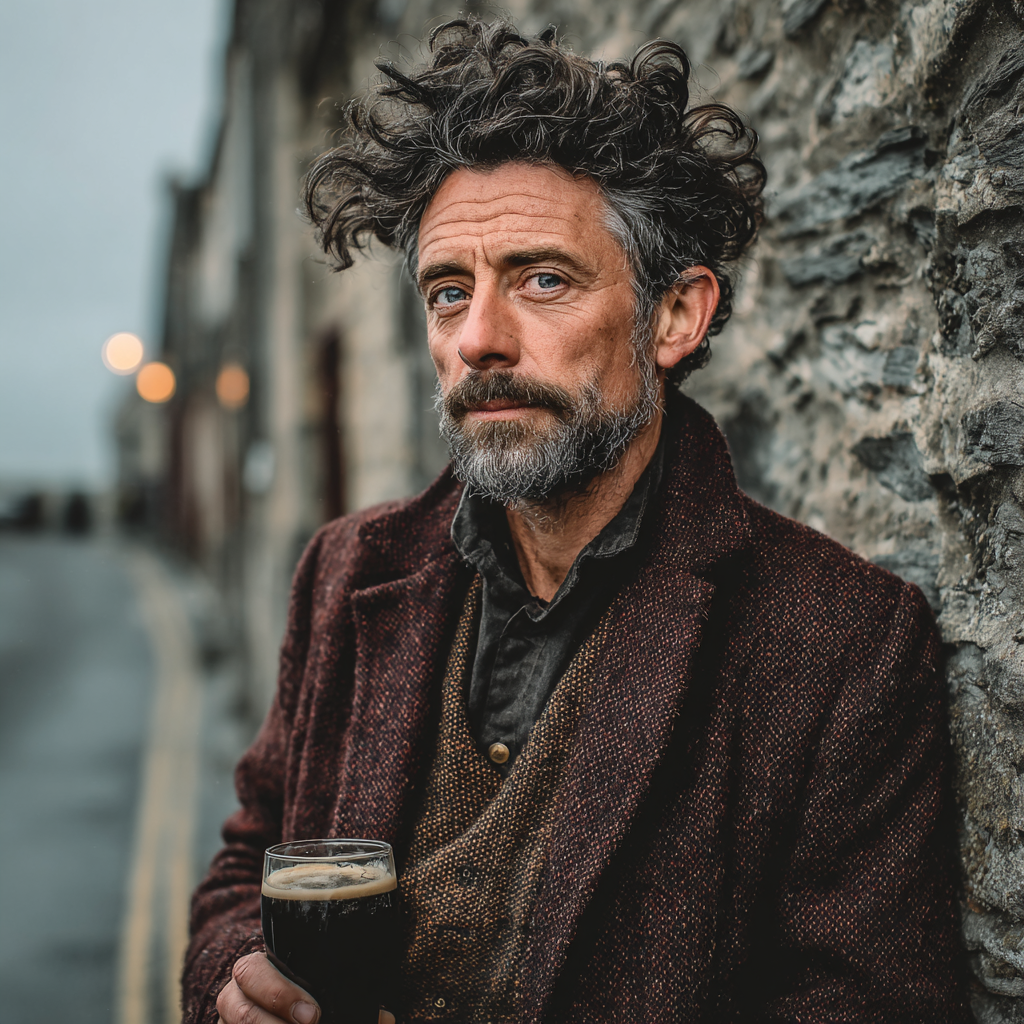
By Finn O'Sullivan
Irish storyteller and folklorist. Finn hunts for the narratives that do not make guidebooks—the pub legends, the family feuds, the neighborhood heroes. He believes every street corner has a story if you know who to ask.