
Belfast in Autumn: Smoke, Stone, and Stories by the Fire
I spent three wet October days in Belfast last year, holed up in a pub on the Ormeau Road while the rain lashed against stained glass windows older than my grandfather. A man named Gerry—retired shipyard worker, though he called himself "redundant"—taught me to play 45s while his brother argued with the barman about Linfield's defensive line. I learned more about this city in those three days than I had in a dozen previous visits ticking off Titanic exhibits and photographing murals.
That's the thing about Belfast in autumn. The summer tourists have gone home. The cruise ship crowds have cleared out. What's left is the city itself: blunt, funny, self-deprecating, and surprisingly gentle when you stop trying to squeeze it into an itinerary.
This guide won't give you a day-by-day schedule. Belfast doesn't work that way. Instead, here are the places, stories, and experiences that matter—organized by how you'll actually move through the city, not by what some travel blogger thinks you should do before lunch.
When to Go (And What to Pack)
Late October through November is the sweet spot. The International Arts Festival runs mid-October to early November, bringing theatre and music to venues across the city. The Halloween parade in West Belfast (Féile an Phobail, usually the last Friday of October) is genuinely unhinged—thousands of people in homemade costumes, fireworks over the Falls, kids with faces painted like skulls running through streets that used to be no-go zones after dark.
Weather reality check: It will rain. Not romantic Irish mist—proper, soaking rain that finds the gap in your coat collar. Pack a waterproof that actually works, not a "shower-resistant" fashion jacket. Temperatures hover between 8-15°C, but the wind coming off Belfast Lough can make it feel colder. Layers. Always layers.
What you're actually looking at:
- Rain: 15 days out of 30 in October
- Daylight: Sunrise around 8:00 AM, sunset 4:45 PM by late October
- Advantages: Accommodation 20-30% cheaper than summer, no queues at Titanic Belfast, actual locals in the pubs instead of tour groups
Getting Your Bearings
Belfast is small. You can walk from the university quarter to the docks in forty minutes. The city center is compact and mostly flat, bounded by the River Lagan to the east and the motorway to the west. Most visitors never venture far from the Cathedral Quarter and Titanic Quarter, which is like going to Dublin and only seeing Temple Bar.
The neighborhoods that matter:
The Cathedral Quarter is where the hotels want you to stay. Cobblestone streets, street art, expensive cocktail bars. It's nice enough, but it's been polished for visitors. Good for an evening, but don't live there.
South Belfast (Ormeau Road, Lisburn Road) is where the young professionals and students live. Better pubs, better coffee, actual grocery stores. The Ormeau Road in particular has become interesting in recent years—artisan bakeries next to traditional butchers, that sort of cultural collision.
West Belfast (Falls Road, Shankill Road) is essential. This is where the Troubles played out most visibly, and where the peace walls still stand. Don't treat it like a museum. People live here. The black taxi tours (more on these later) are valuable, but get out of the taxi and walk a bit. Go to the community centers. Talk to people—most are happy to explain their history to genuinely interested visitors.
East Belfast is more residential, less visited. The shipyards, the C.S. Lewis connection (he grew up here), and some excellent parks.
North Belfast has Cave Hill and Belfast Castle, plus some of the city's most deprived and most resilient communities.
The Titanic Quarter: Beyond the Obvious
Everyone goes to Titanic Belfast. It's worth it—the building itself is extraordinary, designed to look like ship hulls, all angles and aluminum. The exhibits are genuinely moving, particularly the room where you can see the wreck footage and hear the stories of passengers. Go early (opens 9:00 AM, but arrive at 8:45 to beat the small crowds that exist even in autumn). The Shipyard Ride is genuinely excellent—a dark ride through the riveting sheds that gives you some sense of the industrial scale.
Titanic Belfast, 1 Olympic Way, Queen's Road:
- Hours: 9:00 AM – 6:00 PM daily (last entry 4:30 PM). November hours: 10:00 AM – 5:00 PM (last entry 3:30 PM)
- Admission: £24.95 adults, £21.50 seniors/students, £11 children 5-16, under 5 free. Family ticket (2 adults + 2 children): £68
- Tip: Book online for a 10% discount. Allow 2.5–3 hours minimum
But here's what most people miss:
The slipways outside the museum are where Titanic and Olympic were actually built and launched. Stand on them. Look at the size of the gantries drawn on the pavement. The Harland & Wolff Drawing Offices, where Thomas Andrews designed the ship, are nearby—beautiful Victorian brick buildings that are being restored for events and tours.
SS Nomadic, Titanic's tender ship, is moored in Hamilton Dock. It's included in your Titanic Belfast ticket. Go. It's the last surviving White Star Line vessel, restored to its 1911 condition. The mahogany, the brass, the sense of what first-class travel actually meant—it's all there. Most visitors skip it. Don't.
HMS Caroline, a World War I cruiser and the last surviving ship from the Battle of Jutland, is in Alexandra Dock. It's £12.50 to board, and it's worth it if you're interested in naval history, but more than that, it's worth it for the engine rooms and the radio room and the sense of how cramped naval life was. The crew slept in hammocks. Picture that in rough seas.
HMS Caroline, Alexandra Dock:
- Hours: 10:00 AM – 5:00 PM, Wednesday–Sunday (closed Monday–Tuesday). November: 10:00 AM – 4:00 PM
- Admission: £12.50 adults, £10 seniors/students, £7 children, under 5 free
- Tip: Combined ticket with Titanic Belfast available for £32
Where to eat nearby: The Dock Café in the Thompson Dock pump house does excellent soup and sandwiches. It's a social enterprise, pay-what-you-can. The building itself is extraordinary—a Victorian industrial cathedral. Open 10:00 AM – 4:00 PM, Tuesday–Sunday.
The Murals and the Troubles: How to Engage Properly
You can't understand modern Belfast without understanding the Troubles—the thirty-year conflict that killed over 3,500 people and left deep divisions that haven't healed, just been managed.
The black taxi tours are the standard way in. They're good. Expect to pay £35–45 per person for a 90-minute tour. The drivers are mostly former combatants or people who lived through it all. They'll take you to the Shankill (Loyalist/Protestant), the Falls (Republican/Catholic), and the peace walls. They'll explain the murals—the paramilitary portraits, the memorials, the political statements painted on gable ends.
But here's how to do it better:
Take the tour, yes, but then get out and walk. The Cultúrlann on the Falls Road is an Irish-language cultural center with a café, bookshop, and gallery. It's warm, welcoming, and gives you a sense of how Irish language and culture have been maintained despite everything.
Cultúrlann McAdam Ó Fiaich, 216 Falls Road:
- Hours: 9:00 AM – 9:00 PM, Monday–Saturday; 11:00 AM – 4:00 PM Sunday
- Café: 9:30 AM – 4:00 PM weekdays, 11:00 AM – 4:00 PM weekends
- Admission: Free. Irish language classes available for £8/session
The Shankill Estate has its own stories. The Spectrum Centre runs community programs. If you're there on a Friday, the Falls Road Library has local history archives.
The peace walls are still there—25-foot barriers of concrete and steel separating communities. You can sign them. People do. But think about what you're writing. This isn't a quirky tourist attraction. These walls exist because people were killing each other. They're a symbol of failure, not triumph.
Crumlin Road Gaol is worth a visit. It's a Victorian prison that held everyone from suffragettes to hunger strikers. The tour is 90 minutes and takes you through the tunnel under the road to the courthouse (where prisoners were taken for trial), the execution chamber (17 men were hanged here), and the cells. In late October, they run paranormal tours if you're into that sort of thing, but the real horror is human enough.
Crumlin Road Gaol, 53–55 Crumlin Road:
- Hours: 10:00 AM – 5:30 PM daily (last tour 4:00 PM). November: 10:00 AM – 4:30 PM (last tour 3:00 PM)
- Admission: £14 adults, £12 seniors/students, £9.50 children, under 5 free
- Paranormal tours: £20, Friday and Saturday evenings in October
- Tip: Book the tour online in advance—walk-up availability is limited, especially on weekends
Pubs: Where Belfast Actually Happens
Forget the Cathedral Quarter cocktail bars with their £12 mojitos. Here are the pubs where you'll actually meet Belfast:
The John Hewitt (51 Donegall Street): Named after the Belfast poet, this Cathedral Quarter pub is the exception to my "avoid the Cathedral Quarter" rule. It's a social enterprise, so profits go back into the arts community. The beer selection is excellent, the staff know what they're talking about, and there are trad music sessions most nights around 9 PM. The walls are covered with political prints and local art. Order a pint of Hilden ale and settle in.
- Hours: 12:00 PM – 11:00 PM, Monday–Saturday; 12:00 PM – 10:00 PM Sunday
- Music: Trad sessions Tuesday, Thursday, Friday, Saturday from 9:00 PM
- Prices: Pints £4.50–5.50. Whiskey flights from £12
The Duke of York (Commercial Court): Yes, it's in the Cathedral Quarter. Yes, it's touristy. But it's also genuinely old—parts of the building date to 1710—and the whiskey selection is encyclopedic. The alley outside (Commercial Court) has the famous umbrella installation overhead. Go once, take the photo, then find somewhere more authentic.
- Hours: 11:30 AM – 1:00 AM daily
- Prices: Pints £5–6. Whiskey from £4.50 a measure
The Crown Liquor Saloon (46 Great Victoria Street): This is a National Trust property and the most ornate pub in Northern Ireland. Victorian tiles, stained glass, private snugs with doors you can close. It's beautiful. It's also always busy. Go at opening (11:30 AM) for a quiet pint and beef and Guinness stew (£14.95). It's worth seeing, even if it feels a bit like a museum—which, technically, it is.
- Hours: 11:30 AM – 11:00 PM, Monday–Saturday; 12:30 PM – 10:00 PM Sunday
- Food: Served 12:00 PM – 8:00 PM daily. Stew £14.95, fish and chips £15.95
- Tip: Ask for a snug if you're a group of 2–4. They're first-come, first-served
The Sunflower (65 Union Street): A proper local. This was a men-only pub until the 1970s, and the security cage at the door dates from the Troubles—customers were searched for weapons on entry. Now it's a friendly, unpretentious spot with excellent beer and regular live music. The cage is still there, painted yellow with a sunflower. It's become the pub's symbol.
- Hours: 12:00 PM – 11:00 PM, Monday–Saturday; 12:30 PM – 9:00 PM Sunday
- Music: Live most nights from 9:00 PM. No cover charge
- Prices: Pints £4–5. G&T £3.50
The Errigle Inn (320 Ormeau Road): South Belfast institution. Huge Victorian pub with multiple rooms, a beer garden, and a proper locals' atmosphere. Quiz nights, live sport, decent food. This is where you go to understand contemporary Belfast—the post-Troubles, post-agreement city where people are just trying to live.
- Hours: 11:30 AM – 11:00 PM, Monday–Saturday; 12:30 PM – 10:00 PM Sunday
- Quiz: Tuesday nights, 8:30 PM. £1 entry, cash prize
- Prices: Pints £4.20–5. Sunday roast £13.95
Kelly's Cellars (30 Bank Street): Claimed to be Belfast's oldest pub (1720), though that's disputed. Low ceilings, uneven floors, traditional music sessions. It was a meeting place for United Irishmen in 1798. History hangs heavy here.
- Hours: 11:30 AM – 11:00 PM, Monday–Saturday; 12:30 PM – 9:00 PM Sunday
- Music: Trad sessions Thursday and Sunday from 8:00 PM
- Prices: Pints £4.50. Irish stew £12.95
Food: Better Than Its Reputation
Northern Irish cuisine used to be a punchline. It's not anymore. Belfast has proper restaurants now, and a food scene that respects local ingredients while moving beyond "traditional" fare.
Serious dining:
The Muddlers Club (1 Warehouse Lane, Cathedral Quarter): Michelin-starred, tasting menu £75–95. Named after an 18th-century secret society. The food is extraordinary—local venison, foraged herbs, wild mushrooms. Book weeks ahead.
- Hours: Tuesday–Saturday, 5:30 PM – 9:00 PM. Lunch: Friday–Saturday, 12:00 PM – 2:00 PM
- Tasting menu: £75 (5 courses), £95 (7 courses). Wine pairing: £45–65
- Booking: Essential. Book online at least 2–3 weeks ahead
Deanes EIPIC (28–40 Howard Street): Another Michelin star. More formal, classical technique. Around £85 for the tasting menu.
- Hours: Tuesday–Saturday, 5:00 PM – 10:00 PM. Sunday lunch: 12:30 PM – 3:00 PM
- Tasting menu: £85. À la carte mains £28–38
Mourne Seafood Bar (34–36 Bank Street): Belfast's best seafood restaurant. The Mourne family runs their own shellfish beds in County Down, so the oysters and mussels come from just down the coast. The seafood chowder (£9.50) is the best in the city. Pan-seared scallops (£24) are the thing to order.
- Hours: Monday–Saturday, 12:00 PM – 2:30 PM and 5:00 PM – 10:00 PM. Sunday: 12:30 PM – 8:00 PM
- Prices: Starters £7–12, mains £18–28. Oyster happy hour: 5:00 PM – 6:30 PM, £1.50 per oyster
- Tip: Book for dinner. Walk-ins possible at lunch
Ox (1 Oxford Street): Michelin-starred, but more relaxed than the others. Open kitchen, seasonal menu, around £70 for dinner. Hard to book.
- Hours: Tuesday–Saturday, 5:30 PM – 9:00 PM. Lunch: Friday–Saturday, 12:00 PM – 2:00 PM
- Tasting menu: £70. À la carte: mains £26–32
- Booking: 2–4 weeks ahead online
Everyday eating:
St. George's Market (East Bridge Street): Victorian covered market, open Friday–Sunday. Friday is the Variety Market—antiques, books, random objects. Saturday and Sunday are food-focused. The Belfast Bap (floury roll with sausages, bacon, and eggs, around £4.50) is essential hangover food. Look for Armagh apples, Comber potatoes, and game from local estates in autumn.
- Hours: Friday: 6:00 AM – 2:00 PM (Variety Market). Saturday: 9:00 AM – 3:00 PM. Sunday: 10:00 AM – 4:00 PM
- Prices: Breakfast bap £4.50. Coffee £2.50. Most stalls cash and card
- Tip: Go before 10:00 AM on Saturday for the best selection. The hot food stalls sell out by 1:00 PM
Barking Dog (33–35 Malone Road): Gastropub with excellent Sunday roasts. Comfort food done well. Mains £14–22.
- Hours: Monday–Saturday, 12:00 PM – 10:00 PM. Sunday: 12:00 PM – 9:00 PM
- Sunday roast: £16.95. Served 12:00 PM – 7:00 PM
Home Restaurant (22 Wellington Place): "Honest food" is their tagline, and it's accurate. Good ingredients, straightforward preparation, reasonable prices.
- Hours: Monday–Saturday, 12:00 PM – 9:00 PM. Sunday: 12:00 PM – 8:00 PM
- Prices: Mains £12–20. Lunch set menu: £15 for 2 courses
Coffee:
Root & Branch (10–12 Ormeau Road): The best coffee in Belfast. Period. They roast their own beans. The Ormeau Road location is the original.
- Hours: 7:30 AM – 5:00 PM, Monday–Saturday. 9:00 AM – 5:00 PM Sunday
- Prices: Espresso £2.50. Pour-over £3.50. Pastries £2–3.50
- Tip: Buy a bag of beans to take home. The Ethiopian single origin is exceptional
General Merchants (47 Ormeau Road): Also excellent coffee, plus a full brunch menu. Gets busy on weekends.
- Hours: 8:00 AM – 4:00 PM daily
- Brunch: Served until 3:00 PM. Full Irish £12. Avocado toast £9.50
- Tip: Weekend queue starts at 9:30 AM. Go at 8:00 AM or after 2:00 PM
Day Trips: The Causeway Coast
You should go. Everyone goes. It's an hour's drive north, or there are tour buses that leave from City Hall around 9 AM and return by 7 PM (£25–35). The tour hits Carrickfergus Castle (photo stop), Carrick-a-Rede rope bridge (£12 extra, skip it if you're afraid of heights or it's windy), the Giant's Causeway (the main event), and the Dark Hedges (Game of Thrones trees).
The Giant's Causeway is genuinely extraordinary—40,000 hexagonal basalt columns formed by ancient volcanic activity, or built by a giant named Finn MacCumhail, depending on which story you prefer. UNESCO World Heritage site. Free to walk on, £13.50 for the visitor centre (which has good exhibits and coffee but isn't essential). Go early if you're driving yourself—before 10 AM or after 4 PM for fewer crowds.
Giant's Causeway Visitor Centre:
- Hours: 9:00 AM – 6:00 PM daily (October). 9:00 AM – 5:00 PM (November–March)
- Admission: £13.50 adults, £12.50 seniors, £6.75 children. Audio guide £3.50 extra
- Tip: The visitor centre is not essential. The stones themselves are free and always open
Autumn advantage: The low sun creates dramatic lighting. The hedges at the Dark Hedges are beech trees that glow gold in October light. The whole coast feels more atmospheric when the weather's a bit wild.
Alternative: If you have a car, drive the coast yourself. Stop at Ballintoy Harbour, Whitepark Bay, Dunluce Castle (ruined castle on cliffs, spectacular). Take your time. The tour buses are efficient but rushed.
Museums and Culture (The Other Ones)
Ulster Museum (Botanic Gardens): Free. Excellent Irish archaeology collection, an Egyptian mummy named Takabuti, and a serious Troubles gallery that gives context you won't get elsewhere. The building itself is a striking piece of 1960s modernism.
- Hours: 10:00 AM – 5:00 PM, Tuesday–Sunday. Closed Monday
- Admission: Free. Special exhibitions: £5–8
- Tip: The Troubles gallery is on the third floor. Give it at least 45 minutes
The MAC (Metropolitan Arts Centre, St. Anne's Square): Free contemporary art exhibitions. The building is beautiful—black basalt and glass. Check what's on; they host serious international work.
- Hours: 10:00 AM – 6:00 PM, Tuesday–Sunday. Closed Monday
- Admission: Free. Café open until 4:00 PM
- Tip: The ground floor café has excellent cake and quiet corners
Linen Hall Library (17 Donegall Square North): Free. Victorian library with incredible collections of Irish literature and history. A warm, quiet place to escape the rain. They have a significant Troubles archive that's available to browse.
- Hours: 9:30 AM – 5:00 PM, Monday–Friday. 10:00 AM – 4:00 PM Saturday. Closed Sunday
- Admission: Free. Photo ID required for archive access
- Tip: The reading room on the second floor is a hidden gem. Bring a notebook
Belfast Exposed (23 Donegall Street): Photography gallery with a focus on documentary and social issues. Worth checking what's on.
- Hours: 10:00 AM – 5:00 PM, Tuesday–Saturday. Closed Sunday–Monday
- Admission: Free
- Tip: Their bookshop is excellent for photography and Irish studies titles
Parks and Outdoor Space
Botanic Gardens: Victorian park next to Queen's University. The Palm House (free, 10:00 AM–4:30 PM) is a cast-iron glasshouse from 1840. The Tropical Ravine (free, closed Mondays) is a recently restored Victorian structure with a sunken ravine of tropical plants. Both are warm escapes from autumn weather. The gardens themselves are beautiful in autumn—Japanese maples, copper beech, sweet gum.
- Hours: Gardens open daily, 7:30 AM until sunset. Palm House: 10:00 AM – 4:00 PM. Tropical Ravine: 10:00 AM – 4:00 PM, closed Monday
- Admission: Free
Cave Hill Country Park: North Belfast. The hill rises 368 meters above the city, with beech and oak woodlands that turn gold and crimson in October. The walk to the top (McArt's Fort) takes 2–3 hours round trip. You can see the Mourne Mountains and Scotland on clear days. Belfast Castle is here too—Scottish Baronial mansion, free to enter, overpriced café, but the view is worth it.
- Belfast Castle, Antrim Road:
- Hours: 9:00 AM – 5:00 PM daily. Café: 9:00 AM – 4:00 PM
- Admission: Free. Parking £1.50/hour
- Cave Hill walks: Multiple trails from 1 hour to 3 hours. Maps available at the castle entrance
Lagan Towpath: Flat walking/cycling route along the river. 11 miles from the city center to Lisburn. Good for clearing your head.
- Access: Multiple entry points. City centre access from Lanyon Place
- Surface: Paved, wheelchair and bike friendly
- Tip: The stretch from Stranmillis to Shaw's Bridge (3 miles) is the most scenic
What to Skip
The Belfast City Sightseeing bus: It's a hop-on, hop-off loop that takes you past the murals, the university, and the shipyards while a recorded voice tells you facts you could read on Wikipedia. At £20, it's a poor substitute for walking, talking to locals, and taking a black taxi tour when you actually want to see West Belfast. The city is small enough to walk, and the best discoveries happen between the stops.
The Big Fish statue: It's a salmon covered in ceramic tiles near the Lagan Weir. Everyone takes a photo. No one can explain why. There are better things to do with your time.
The Cathedral Quarter at midnight on a Saturday: Unless you're 22 and looking for a fight. The cobblestones look romantic in the daylight, but by midnight they're slick with spilled beer and aggression. The locals have mostly migrated south to the Ormeau Road or east to Ballyhackamore. Follow them.
Most hotel restaurants: With the exception of The Merchant and The Titanic Hotel, hotel restaurants in Belfast are overpriced and underwhelming. The city has too many good independent restaurants to waste a meal on a hotel burger.
The " Troubles souvenir shops" in the city centre: Plastic leprechauns, "Irish blessing" tea towels, and anything claiming to be "authentic Celtic." If you want a real souvenir, buy a book from the Linen Hall Library, a bottle of Poitín from the Belfast Distillery, or a print from a local artist at the MAC.
Belfast Zoo at 3:00 PM in November: It's up a hill, it's cold, and half the animals have gone inside. If you must go, go early and bring a thermos. Better yet, skip it entirely and walk Cave Hill for free.
Practical Matters
Getting around: Walk. The city center is compact. For longer distances, the Glider bus (G1 and G2 routes) is efficient and cheap (£2.10 single). Black taxis are everywhere (£3.50 base fare). Uber operates but black taxis are more reliable and the drivers know the city better.
Safety: Belfast is safe. The Troubles are over. The sectarian violence that made headlines is largely confined to specific areas and specific occasions (like the 12th of July). Exercise normal city caution—don't leave phones on tables, don't wander drunk through unfamiliar housing estates at 3 AM—but you're not in danger as a tourist.
Money: Cards accepted almost everywhere. Carry some cash for small market vendors and tips.
Tipping: 10–12% in restaurants if service was good. Not expected in pubs unless you're getting table service.
Where to stay:
- The Merchant Hotel (Skipper Street): Five-star Victorian grandeur. From £250/night. Beautiful but expensive. The Great Room Restaurant is worth the splurge for afternoon tea.
- The Titanic Hotel (Queen's Road): Maritime-themed, in the old Harland & Wolff offices. From £180/night. The Drawing Office Two bar is genuinely stunning.
- Ten Square Hotel (Donegall Square South): Boutique, opposite City Hall. From £120/night. Good location, decent rooms.
- Vagabonds Hostel (University Road): Social, good for meeting people. From £18/night. Dorms and private rooms available.
- The Harrison (18 Harrison Street): A beautifully restored Victorian townhouse with character and a proper breakfast. From £90/night. More intimate than the big hotels.
A few last tips:
- Phone signal: 4G everywhere in the city. Free Wi-Fi in most cafés and pubs
- Laundry: The Laundrette on the Ormeau Road does wash-and-fold for £8 per load. Same-day service if you drop off before 9:00 AM
- Pharmacy: Boots on Donegall Place is open until 8:00 PM weekdays, 6:00 PM Saturday, 5:00 PM Sunday. Late-night pharmacy at Royal Victoria Hospital A&E
- Post office: Main branch at 12–16 Bridge Street. Open 9:00 AM – 5:30 PM weekdays, 9:00 AM – 12:30 PM Saturday
A Final Story
On my last night in Belfast, I was in a pub near the university when a man started singing. No microphone, no warning—just stood up and sang "The Town I Loved So Well" a cappella. It's a song about Derry, not Belfast, but it's about the Troubles, about what was lost, about the place that remains beneath the politics. The whole pub went quiet. When he finished, no one clapped. Someone bought him a drink. Someone else started a different song.
That's Belfast in autumn. Not the polished tourist version, but the real thing—raw, musical, complicated, warm. Bring a good coat. Bring an open mind. Leave your checklist at home.
Finn O'Sullivan has been writing about Ireland and Britain for fifteen years. He still doesn't fully understand the rules of Gaelic football, but he's learned to appreciate a good pint of stout and a proper trad session. He believes the best travel writing happens in the gaps between the guidebook entries.
Last updated: July 2026. Prices and hours subject to change—verify before travel.
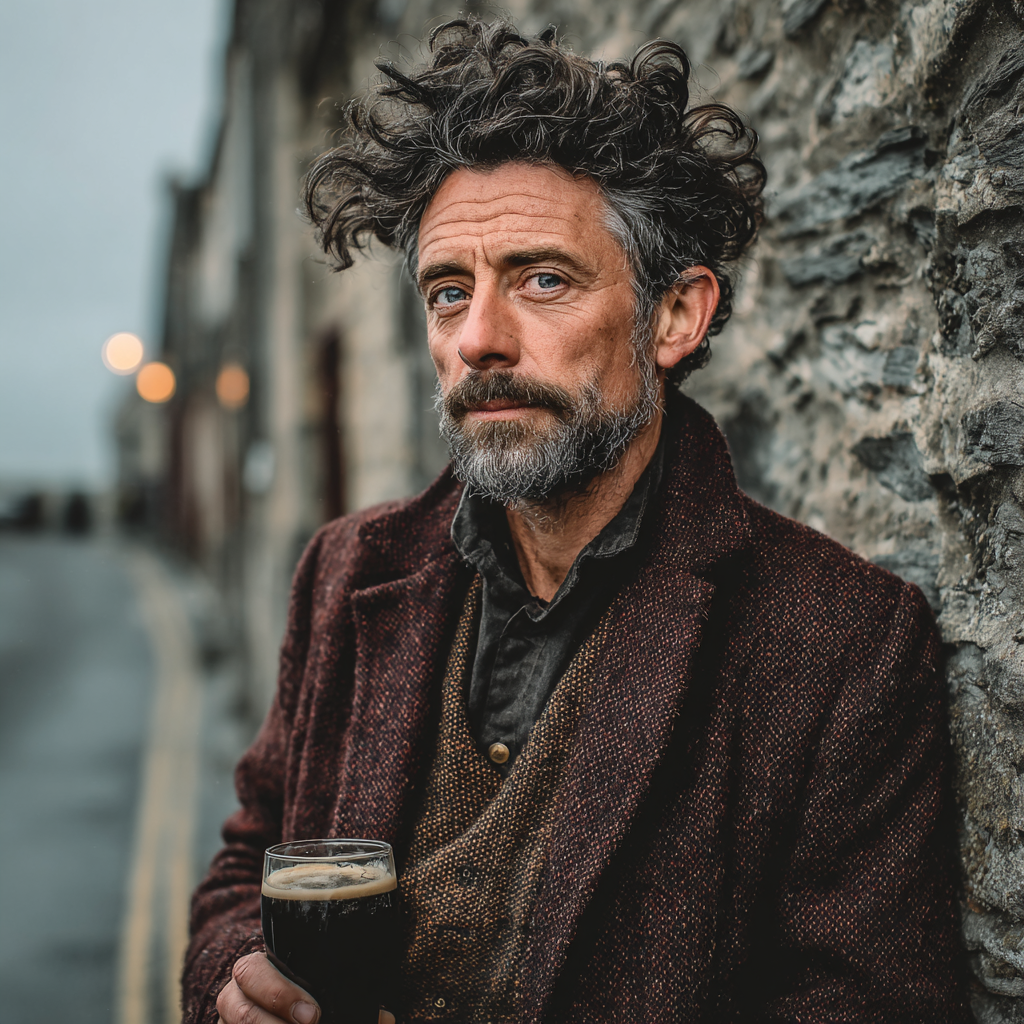
By Finn O'Sullivan
Irish storyteller and folklorist. Finn hunts for the narratives that do not make guidebooks—the pub legends, the family feuds, the neighborhood heroes. He believes every street corner has a story if you know who to ask.