
Abu Dhabi Travel Guide: The Capital That Chose Culture Over Skyscrapers
Most travelers treat Abu Dhabi as a day trip from Dubai. They speed down the E11 highway, snap photos of the Sheikh Zayed Grand Mosque, maybe walk through the Louvre, and return before sunset. This misses the point entirely. The capital of the UAE operates on different rhythms than its flashier neighbor—slower, more deliberate, shaped by the pearl trade long before oil transformed everything. I have photographed architecture across four continents, and Abu Dhabi is one of the few cities where the buildings tell a coherent story: not about wealth for its own sake, but about a young nation trying to build an identity in marble, shadow, and light.
The city sits on an island in the Persian Gulf, connected to the mainland by three bridges. This geography defined its first economy. From the 18th century through the 1930s, Abu Dhabi's divers harvested pearls from the waters offshore, selling them to merchants who shipped them to Bombay and Paris. The industry collapsed during the Great Depression when Japanese cultured pearls flooded the market, but the memory persists in the city's maritime museums and the older neighborhoods where wooden dhows still moor. Everything changed in 1958 when geologists struck oil at Umm Shaif. The first commercial exports began in 1962, and Sheikh Zayed bin Sultan Al Nahyan became ruler in 1966. When the British withdrew from the region in 1971, Zayed united seven emirates into the UAE, with Abu Dhabi as its capital. The transformation was absolute—where 200 palm-frond huts stood in the 1960s, a planned city of boulevards and government ministries emerged.
That history matters because Abu Dhabi is not Dubai. It does not want to be Dubai. Where Dubai built the tallest tower and the biggest mall, Abu Dhabi built museums, universities, and institutions designed to outlast the oil era. The result is a capital with a deliberate cultural fabric—arranged on a grid of shaded streets and waterfront promenades that reward the traveler who stays longer than a few hours.
The Architecture of Ambition
Sheikh Zayed Grand Mosque
The Sheikh Zayed Grand Mosque deserves its reputation, but the key is timing. Visit at 9:00 AM when the doors open to avoid the tour buses. The white marble structure accommodates 40,000 worshippers and features 82 domes, 1,096 exterior columns, and the world's largest hand-knotted carpet in the main prayer hall. The 24-carat gold-plated chandeliers weigh up to 12 tons each. The marble itself came from Macedonia, Italy, China, and India, and the floral inlay work used semi-precious stones—lapis lazuli, red agate, amethyst, abalone shell.
For photographers, the western arcade provides the best symmetrical shot of the main courtyard without tourists. The reflection pools in front of the mosque create mirror images at sunrise when the wind is still. The new Diya experience, launched in late 2025, lets visitors climb to a higher viewing platform for 25 AED—bookable online no more than one month in advance. Free for people of determination, anyone over 60, and under 18.
Practicalities: Located on Sheikh Rashid Bin Saeed Street, 20–30 minutes from downtown by taxi (25–40 AED). Free entry. Open Saturday–Thursday 9:00 AM–10:00 PM, Friday 4:30 PM–10:00 PM. Closed to tourists during Friday morning prayers. Last entry 30 minutes before closing. Non-Muslims may enter all areas except the main prayer hall during prayer times. Dress code is strictly enforced—women must cover hair, arms, and legs; men must wear long trousers. The mosque provides abayas and kanduras if needed, but bringing your own scarf saves time. Bus routes 032, 054, and 094 stop nearby (2–4 AED). Free parking on-site.
Qasr Al Watan (Presidential Palace)
Qasr Al Watan opened to the public in 2019 and remains one of the most underrated sites in the Gulf. The working palace where the Federal Supreme Council meets, it reveals the UAE's self-conception through architecture and exhibitions. The Great Hall's central dome is 37 meters in diameter and features a mirror room that reflects the geometry infinitely. The House of Knowledge displays rare manuscripts and artifacts from the Islamic Golden Age, including a 10th-century Iraqi astronomer's brass astrolabe.
Evening visits include the Palace in Motion sound-and-light show projected onto the palace facade at 7:45 PM (English version). The show traces the UAE's formation and is worth planning around. The on-site café is surprisingly affordable—macarons are cheaper here than at most city cafés, and the food menu is solid if you need a break.
Practicalities: Located at Al Ras Al Akhdar, Corniche Road. Open daily 11:00 AM–7:00 PM; last entry 5:30 PM. Hours may vary during state events. Tickets: 65 AED adults, 25 AED garden only. Children under 4 free. Dress code: covered shoulders, arms, and legs below the knee. Women do not need to cover hair. Free parking at the Visitor Centre. Wheelchair-friendly with shuttle service included. Photography allowed in most public areas; no flash, tripods, or commercial filming.
Louvre Abu Dhabi
The Louvre Abu Dhabi on Saadiyat Island represents a different kind of cultural investment—a 30-year agreement with France allowing use of the Louvre name and loans from French museums. Jean Nouvel's dome creates a "rain of light" effect through 7,850 aluminum stars arranged in eight geometric layers. The dome weighs 7,500 tons and is supported by four piers hidden within the museum buildings. The light filters through in patterns that shift every hour, making the building itself a kinetic sculpture.
The collection spans prehistory to contemporary, organized thematically rather than chronologically. Highlights include a Bactrian princess from 3rd-century BCE Central Asia, a Mondrian composition, and Leonardo da Vinci's "La Belle Ferronnière" (on long-term loan). The museum also holds a Cy Twombly ceiling painting and a dedicated gallery for Islamic art that includes a 9th-century Quran from Kairouan.
Practicalities: Located on Saadiyat Island. Open Tuesday–Thursday 10:00 AM–6:30 PM (last entry 6:00 PM), Friday–Sunday 10:00 AM–8:30 PM (last entry 8:00 PM). Closed Monday. The dome remains open until midnight; last entry 11:00 PM. General admission: 63 AED. Free for under 18, over 60 (UAE nationals/residents), members with one guest, ICOM/ICOMOS card holders, journalists, and people of determination with one companion. Public bus Line 94 stops at the museum. The Yas Express Orange Route connects Saadiyat hotels and Yas Island hotels with the Louvre. The Museums Pass covers Louvre + Natural History Museum or Louvre + Zayed National Museum when it opens.
Saadiyat Island's Cultural District (The Future)
The Guggenheim Abu Dhabi, designed by Frank Gehry, and the Zayed National Museum, designed by Foster + Partners, are under construction and expected to open in phases through 2026–2027. The Guggenheim will feature cone-shaped galleries and a 350-seat theater. The Zayed National Museum will be shaped like five golden feathers, each housing a different gallery, with a central atrium inspired by a date palm oasis. Even if they are not yet open, the Cultural District is worth a drive to see the scale of what Abu Dhabi is building. The Saadiyat Beach nearby is one of the city's cleanest, with free public access and paid sections (10–15 AED) that include loungers and umbrellas.
The Soul of the Old Capital
Qasr Al Hosn
Qasr Al Hosn provides the city's deepest historical roots. Built in the 1790s as a watchtower guarding the freshwater well that gave Abu Dhabi its name (literally "Father of the Gazelle"), it became the ruling family's permanent residence and the seat of government until the 1960s. After a decade of restoration, it reopened in 2018 as a museum documenting the emirate's transformation from pearl-diving settlement to modern capital.
The contrast between the 18th-century fort and the 1940s palace extension illustrates the gradual nature of change before oil accelerated everything. The inner courtyard's stone walls are original—touching them connects you directly to the pre-oil era. The exhibition includes pearl-diving equipment, a reconstructed souk, and oral history recordings from elders who remember the transition.
Practicalities: Located on Sheikh Zayed the First Street, near the Corniche. Open Saturday–Thursday 9:00 AM–7:00 PM, Friday 2:00 PM–7:00 PM. Entry: 30 AED. Free for under 18 and people of determination. Allow 90 minutes.
Al Ain
Al Ain, 160 kilometers inland, offers a different face of the emirate. The oasis city where Sheikh Zayed was born contains UNESCO World Heritage sites including the Hafit tombs (4,000-year-old beehive-shaped burial chambers from the Bronze Age), the Al Ain Oasis with its 147,000 date palms and traditional falaj irrigation system, and the restored Al Jahili Fort (built in 1891 to protect the oasis). The Al Ain National Museum displays artifacts from the Hafit period through the Islamic era, including a 4,000-year-old golden pectoral.
Public buses run from Abu Dhabi bus station every 30 minutes (25 AED one-way). The journey takes about two hours. Alternatively, hire a driver for the day (approximately 400–500 AED) or rent a car. The Al Ain Zoo is one of the region's best, with a focus on Arabian oryx and desert species. If you have time, Jebel Hafit mountain offers a steep drive to the summit with views across the Oman border.
Mina Zayed and the Working Harbor
Mina Zayed, the dhow harbor near the port, preserves working maritime culture. Wooden cargo boats still sail to Iran, Somalia, and Yemen, loading and unloading goods in a rhythm unchanged for decades. The Fish Market moved to a modern facility in 2017, but the adjacent Dates Market remains, with vendors offering varieties from Khalas to Fard, priced at 20–50 AED per kilogram depending on quality. The area around the harbor includes South Asian restaurants serving Pakistani and Indian meals for 15–30 AED. This is not a polished tourist zone—it is functional, gritty, and real. The dhows are photogenic at sunrise when the light catches their wooden hulls.
Heritage Village
Heritage Village, a reconstructed traditional oasis settlement near the Corniche, demonstrates pre-oil life with demonstrations of metalwork, pottery, and weaving. It is tourist-oriented but provides context for understanding the rapidity of transformation. The site includes a small museum and a shop selling crafts from the Emirates. The best time to visit is during the cooler months when the outdoor demonstrations are active. Entry is free; most visitors spend 45 minutes.
The Water's Edge
The Corniche
The Corniche, the waterfront promenade stretching eight kilometers along the city's northwest shore, functions as Abu Dhabi's public living room. Sections are divided by use—families gather between Mina Port and the Marina Mall breakwater; exercisers dominate the central stretch near the Heritage Village; the eastern end near the Emirates Palace hotel attracts tourists photographing the gold-vending machines. The beach sections charge 10 AED entry (free on certain weekdays); the walking and cycling paths are always free. Sunset views toward Lulu Island are worth timing your visit. The Corniche is best experienced on foot or by renting a bicycle from the Careem bike stations (20 AED per hour).
Jubail Mangrove Park
The mangrove forests along the eastern shore, protected as Jubail Mangrove Park, offer kayaking through tidal channels where herons, flamingos, and juvenile fish shelter. The mangroves are a critical ecosystem—some trees are over 50 years old and serve as nurseries for fish species that sustain the Gulf's fishing industry. Guided tours last two hours and cost 160 AED; self-guided kayak rental is 120 AED for two hours. The boardwalk through the mangroves is accessible without booking (50 AED) and includes observation platforms and educational signage. High tide provides the best paddling conditions—check tide tables before booking. The park is located on Jubail Island, accessible by taxi or car (approximately 30 minutes from the city center). Open daily 7:00 AM–7:00 PM.
Beaches
Saadiyat Beach is the best public beach, with turquoise water and occasional dolphin sightings. The public section is free; the Soul Beach section charges 50 AED on weekdays and 75 AED on weekends for access to loungers and umbrellas. Corniche Beach has designated family sections and single-person sections, with entry fees of 10 AED for the paid zones. The free zones are perfectly adequate. Yas Beach on Yas Island charges 50 AED and is more resort-style, with a pool and bar.
Where to Eat
Abu Dhabi's food scene has matured far beyond hotel buffets. The city now offers genuine Emirati cuisine, excellent Lebanese, and a growing independent restaurant sector.
Erth (Al Qana, Rabdan Area) — Modern Emirati cuisine in a striking waterfront location. The restaurant reinterprets traditional dishes using local ingredients. The jisheed (shredded wheat with fish) and the maqamat (saffron-infused rice with lamb) are standouts. Expect to pay 150–200 AED per person. Open daily 12:00 PM–11:00 PM. Reservations recommended on weekends.
Al Fanar Restaurant & Cafe (Ground Level, Cascade Dining, Yas Mall, Yas Island) — The most authentic Emirati restaurant in the capital, serving machboos (spiced rice with meat), harees (wheat porridge with meat), balaleet (sweet vermicelli with egg omelet), and luqaimat (fried dough balls with date syrup). The décor recreates a 1960s Abu Dhabi village. Average cost for two: 225 AED. Open 9:00 AM–11:00 PM. Reservations recommended.
Meylas (Al Mina area, near the port) — A casual, local-favorite Emirati café serving breakfast and lunch. The chebab (Emirati pancakes) and the regag (thin bread with cheese or fish) are excellent. Main dishes 30–60 AED. Open 8:00 AM–3:00 PM, closed Sundays.
Li Beirut (At the Jumeirah at Etihad Towers, Tower 2) — Lebanese fine dining with panoramic city views. The mezze spread and grilled meats are exceptional. The tasting menu is 350 AED; à la carte runs 150–250 AED per person. Open daily 12:30 PM–3:30 PM, 7:00 PM–11:30 PM.
Hakkasan (At Emirates Palace Mandarin Oriental) — The Abu Dhabi outpost of the London-based Chinese restaurant. The dim sum lunch (168 AED for a set menu) is one of the best-value fine-dining experiences in the city. Open daily 12:00 PM–3:00 PM, 6:00 PM–12:00 AM.
Al Mrzab (Al Karamah area) — Michelin-recognized Emirati restaurant serving traditional dishes in a modest setting. The thareed (bread stew) and the madrooba (rice and fish porridge) are authentic. Expect 40–70 AED per person. Open 8:00 AM–10:00 PM.
For casual eating, the Al Mina area near the port has Lebanese and Syrian restaurants where shawarma costs 8 AED and a full mezze spread runs 40–60 AED per person. The Ethiopian restaurants in the Al Zahiyah area serve excellent injera and wat for 30–50 AED.
What to Skip
Emirates Palace Hotel — The gold-vending machines and the gold-leaf cappuccino are Instagram bait, not experiences. The hotel's public areas are open to visitors, but unless you are staying there or dining at one of the restaurants, there is little to do beyond taking the same photo everyone else takes. The afternoon tea costs 350 AED and is underwhelming for the price. If you want luxury, the Jumeirah at Etihad Towers has better views and better food.
Yas Island (for most travelers) — Ferrari World, Yas Waterworld, and Warner Bros. World are polished, expensive theme parks that could be anywhere in the world. If you are traveling with children, they serve a purpose. If you are an adult interested in Abu Dhabi's culture, skip them entirely. The Yas Marina circuit is only interesting during the Formula 1 race weekend; otherwise, it is a generic shopping and entertainment complex.
The Dubai Day Trip — If you have more than two days in Abu Dhabi, resist the pressure to "do Dubai." The two cities are different countries in spirit. Splitting your time means missing the depth of both. Abu Dhabi rewards three full days. Dubai rewards five. Do not try to combine them into one rushed itinerary.
The Desert Safari — The dune-bashing, belly-dancing, buffet-dinner desert safari packages are tourist factories. The camps are crowded, the food is mediocre, and the "cultural" elements are staged. If you want the desert, rent a car and drive to the Liwa Oasis (three hours south) or book a stay at Qasr Al Sarab Desert Resort. The Empty Quarter is one of the world's most dramatic landscapes; do not reduce it to a two-hour bus tour with a barbecue buffet.
Practical Logistics
Getting Around — The airport sits 30 kilometers east of the city center. Taxis to the Corniche cost 80–100 AED; the A1 bus runs every 40 minutes (4 AED). The city has no metro; taxis are metered and plentiful. Careem and Uber both operate. The hop-on/hop-off bus tour (240 AED for 24 hours) covers major sites efficiently for short visits. Renting a car is useful if you plan to visit Al Ain or the desert; otherwise, taxis are sufficient.
Friday Hours — Friday mornings see reduced hours for attractions due to prayers. Museums typically open at 2:00 PM. Restaurants and cafés open after prayers around 1:00 PM. Plan accordingly.
Weather — The best weather runs November through March, when temperatures stay below 30°C and humidity is manageable. Summer (June–September) exceeds 40°C with humidity that makes outdoor exploration genuinely uncomfortable. If you visit in summer, schedule all outdoor activities for early morning or after sunset. The mosques and museums are heavily air-conditioned and provide refuge.
Dress Code — Modest dress is required throughout the city, not just at religious sites. Shoulders and knees should be covered in public spaces. Beachwear is acceptable only on beaches and in hotel pools. At the Sheikh Zayed Grand Mosque, women must cover hair, arms, and legs; men must wear long trousers.
Costs — Abu Dhabi is not a budget destination, but it is cheaper than Dubai. A mid-range traveler should budget 400–600 AED per day excluding accommodation. Meals range from 15 AED at a South Asian café to 250 AED at a fine-dining restaurant. Taxis are metered and affordable; a cross-city ride rarely exceeds 50 AED. Museum tickets are reasonably priced (30–65 AED). The free attractions—the Corniche, the beaches, Heritage Village, and the Grand Mosque—balance the paid ones.
Language — English is widely spoken. Arabic is appreciated but not required. Road signs and menus are bilingual.
Safety — Abu Dhabi is one of the safest cities in the world. Crime is virtually nonexistent. The main risks are sun exposure and dehydration.
Author Note: Yuki Tanaka
I am an architect by training and a photographer by obsession. I came to Abu Dhabi expecting a sterile capital of government buildings and hotel lobbies. I found a city trying to figure out what it means to be a nation, building museums that will outlast the oil, and preserving a harbor where wooden boats still load cargo for Somalia. The architecture here is not perfect—the planning is sometimes too rigid, the shopping malls too numerous—but the ambition is real. Abu Dhabi does not want to entertain you. It wants to convince you that it has something worth keeping. After three visits, I am starting to believe it does.
My first trip was in July, which was a mistake. The heat was oppressive, and I spent most of my time moving from one air-conditioned building to another. My second trip was in February, and that is when I understood the city. The light was soft, the Corniche was full of families walking at sunset, and the Louvre's dome cast shadows that shifted every hour. I returned a third time specifically to photograph Qasr Al Hosn at dawn, when the stone walls turn gold and the modern city behind them disappears into the haze. That is the Abu Dhabi I want you to see: the one that exists at 6:00 AM, before the tour buses arrive, when the mosque is empty and the harbor is waking up.
Recommended Gear: A wide-angle lens (14–24mm) for the mosque's interior and the Louvre's dome. A polarizing filter for the reflection pools. Comfortable walking shoes with good grip—the marble floors are slippery. A scarf for women (even if you do not need it everywhere, you will need it at the mosque, and having your own is more comfortable than borrowing an abaya).
Best Photo Spots:
- The western arcade of the Sheikh Zayed Grand Mosque at 9:00 AM (symmetrical, empty)
- The reflection pool in front of the mosque at sunrise
- The Great Hall of Qasr Al Watan from the mezzanine level
- The "rain of light" under the Louvre dome at 2:00 PM (when the sun is directly overhead)
- The dhows at Mina Zayed at sunrise
- The Al Ain Oasis date palm alleys at golden hour
How to Use This Guide: Read it before you book anything. Abu Dhabi is not a city you can see in a day. If you have 48 hours, focus on the mosque, the Louvre, and the Corniche. If you have 72 hours, add Qasr Al Watan, Qasr Al Hosn, and Al Ain. If you have five days, you can slow down enough to notice the details—the way the light moves through the Louvre dome, the sound of the call to prayer echoing across the water, the smell of dates and cardamom in the Al Mina cafés. That is when Abu Dhabi stops being a checklist and becomes a place you remember.
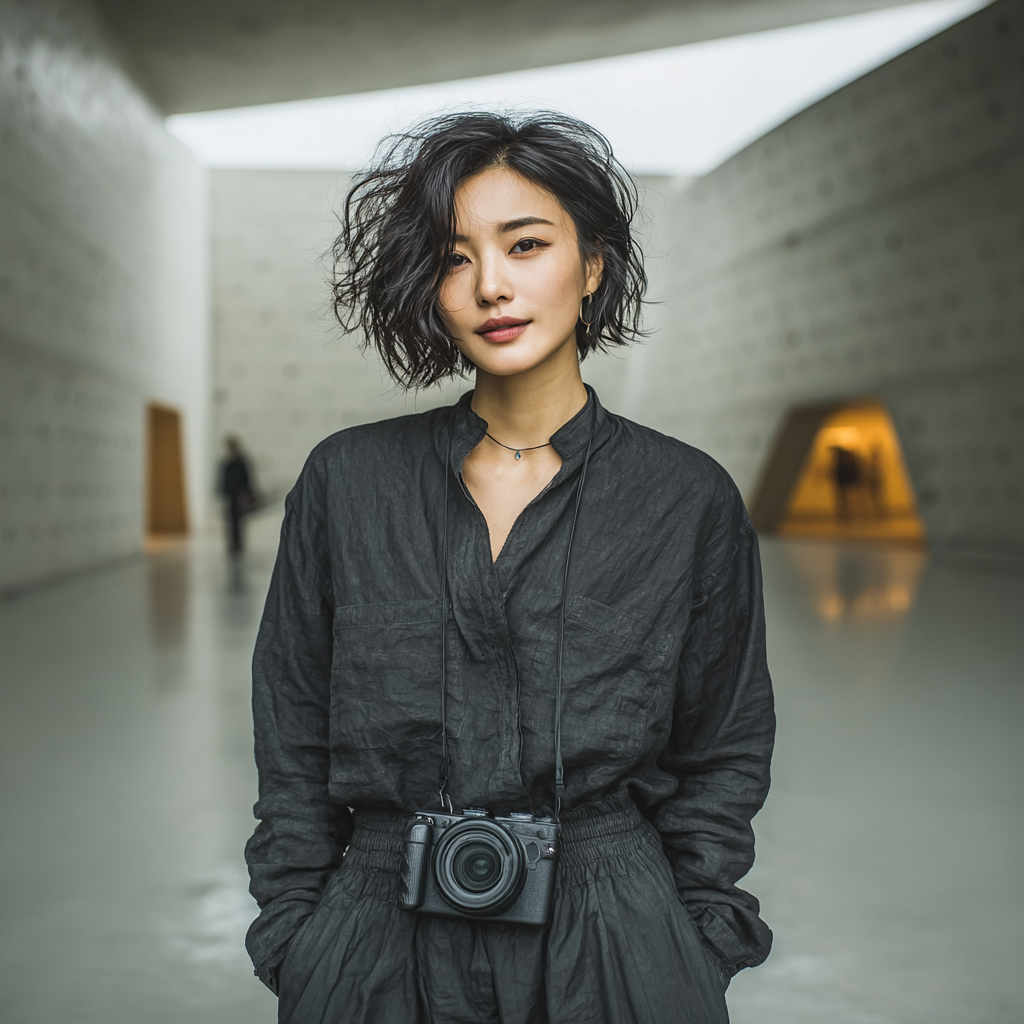
By Yuki Tanaka
Architectural photographer based in Tokyo. Yuki captures the dialogue between ancient structures and modern design across Asia and Europe. Her work has been featured in Monocle, Dezeen, and Wallpaper. She sees buildings as frozen stories waiting to be told.