
The first thing you notice about Koh Samui is the smell. Not the beach. Not the diesel from the songthaews. The coconuts. The island was a coconut plantation before it was anything else, and that oil-and-sap scent still hangs in the humid air, mixing with frangipani and the herbal steam from roadside massage shacks. It is a smell that tells you people have been extracting things from this island for a long time. Now they extract wellness.
Koh Samui did not stumble into the wellness industry. It built it deliberately. Long before Bali's Ubud became the Instagram capital of yoga, Samahita Retreat opened on the island's quiet southern tip in 2003. It is still there, still run by the same founders, still serving the kind of food that makes guests ask for recipes they will never replicate at home. The retreat sits on Laem Sor beach, a stretch of sand where the water is shallow and the fishermen still pull their boats up in the afternoon. Mornings start at 7:30 AM with breathwork and yoga in an open-air shala that faces the sea. The teachers are not the kind who discovered yoga last Tuesday. Paul Dallaghan, who runs the breathwork and pranayama programs, has been teaching since the 1990s. The 200-hour teacher training costs around $2,500 and runs for three weeks. Drop-in guests can book the Total Self-Care package, which includes daily yoga, two massages, a body scrub, a float tank session, and a Reiki treatment. Prices start at roughly $890 for five nights. The food is worth mentioning separately: the kitchen team has been there since the opening, and the executive chef, Anthony Fossani, cooks with stable fats, no seed oils, and ingredients that are local and organic when the island's supply chain allows. Breakfast is at 10:00 AM after practice, lunch flows into the afternoon, and dinner is early by Thai standards, around 6:30 PM. The rhythm is built around digestion and sleep, not socializing.
Absolute Sanctuary sits on a hill above the northeast coast, near Choeng Mon beach. It looks like a Moroccan riad that got lost in the tropics. The architecture is deliberate: white walls, blue tiles, archways that frame the greenery. This is where you go if you want metrics. The wellness consultation starts with a bio-impedance analysis that measures body composition, hydration, and cellular health. The programs are specific and numerous. There are 21 of them across 17 categories, from detox and weight management to immune boosting and women's holistic health. The signature program runs 12 days and costs approximately $2,200 including full-board accommodation, all treatments, and unlimited access to group yoga, Pilates, and fitness classes. The Pilates reformer studio is one of the few in Thailand equipped to teacher-training standard. The fitness center has proper free weights, not the hotel-gym rubber dumbbells that stop at 15 kilos. The herbal steam room and five hydrotherapy rooms are included in most packages. What separates Absolute Sanctuary from the resort-spa experience is the personalization. You get an initial fitness assessment and a final one, with a take-home program designed by an actual trainer, not an algorithm.
Vikasa Yoga Retreat is on the rocky headland between Chaweng and Lamai. The yoga shalas are open-air and face the Gulf of Thailand. The infinity pool is exactly where you would put it if you were building a retreat for photographs, but the teaching is solid. Vikasa means evolution in Sanskrit, and the place attracts people who want to transform something specific. The 10-day Vikation signature program costs around $1,580 and includes accommodation, two meals, and unlimited yoga. The food at Vikasa Life Cafe is vegetarian and vegan, designed by a Berlin chef and a Parisian chef who both decided that coconut milk and Thai herbs were more interesting than Michelin stars. The Tiramisu is famous among guests. The Pink Burger is made with beetroot and quinoa. The cafe is open to non-guests, so you can eat there without committing to a retreat. Drop-in yoga classes cost 500 baht, roughly $15.
Not everyone needs a full retreat. Some people just need a massage that is not in a shopping mall. Tamarind Springs, in the forest above Lamai, is built into the tropical interior. The spa rooms are open-sided, and the treatments use herbs from the garden. A traditional Thai massage costs 1,200 baht, about $35, and lasts two hours. The forest setting is the point. You can hear birds and insects during the treatment. They also offer yoga classes and a healthy menu if you want to make a day of it. For something more accessible, Shahda Yoga runs classes in Bo Phut and will send a teacher to your villa for private sessions. The lead teacher, Eranur Shadha, trained in Singapore and moved to Samui specifically for the wellness community. A private session costs around 1,500 baht, or $45.
The wellness culture on Koh Samui is not only about stillness. The island has a serious fitness infrastructure that most visitors ignore. Samui International Stadium hosts live Muay Thai fights three nights a week: Tuesday, Friday, and Sunday. The fights start at 8:00 PM and tickets cost 1,000 to 1,500 baht depending on how close you want to sit to the blood. The training camps are open to beginners. A week of Muay Thai training, two sessions per day, costs around 6,000 to 8,000 baht including accommodation. The zip-line through the jungle canopy near Lamai is 1,200 meters long and includes a view of the Tan Rua waterfall. It costs 2,500 baht with hotel pickup. The point is that Koh Samui allows you to exhaust your body properly before you try to heal it. This is not an accident. The best wellness programs on the island include fitness deliberately, not as an afterthought.
The food scene supports the wellness culture without being preachy. Vikasa Life Cafe is the best-known vegetarian option, but Greenlight Cafe in Fisherman's Village serves macrobiotic bowls and kombucha that is actually fermented on-site, not imported from Bangkok. The night market in Lamai has stalls that sell fresh coconut for 40 baht, sugarcane juice for 30 baht, and papaya salad made without the usual overload of fish sauce and chili if you ask. The local Tesco Lotus and Macro supermarkets stock organic vegetables and imported health foods, which is how the long-term wellness residents survive between retreat meals.
What to skip: the hotel spas that charge resort prices for treatments you can get better and cheaper at a proper center. The generic wellness packages at large beach hotels that include one yoga class and a 30-minute massage and call it a retreat. The detox programs that do not have medical supervision. The juice fasts that promise to cure conditions they cannot name. The wellness influencers who photograph themselves in headstands at sunset and have never attended a class at the retreat they are tagging. And the full moon parties on nearby Koh Phangan, which are exactly as destructive as you imagine and which the serious wellness community on Samui treats like a weather system to be avoided.
Getting to Koh Samui requires accepting that Bangkok Airways has a monopoly on the airport. Flights from Bangkok cost 3,000 to 6,000 baht one way depending on the season. The alternative is to fly to Surat Thani on the mainland and take a ferry, which costs 1,500 to 2,000 baht total but adds four hours to the journey. The island has no public buses. Songthaews, the converted pickup trucks, run fixed routes for 50 to 100 baht. Motorcycles rent for 200 to 300 baht per day. Taxis are expensive and unmetered. Negotiate the price before you get in, or use Grab, which works in the main tourist areas but not everywhere.
The best time to visit is November to April, when the Gulf of Thailand is calm and the humidity is manageable. October and November are the wettest months. The rainy season is June to September, which brings lower prices and empty beaches but also daily afternoon storms that can interrupt outdoor yoga. Most retreats offer indoor shalas for this reason, but the open-air classes are the point.
Koh Samui is not a spiritual destination in the way that Rishikesh or Dharamshala are. It is a working wellness economy. The practitioners are serious. The programs are structured. The food is calibrated for digestion and energy, not pleasure, though it often manages both. The island does not promise enlightenment. It promises better sleep, a stronger body, and a liver that functions properly. For most people, that is enough. My final advice: book the massage first. Everything else is easier to decide after you have had two hours of proper Thai pressure therapy in a forest. You will know whether you want to stay for a week or a month. The island has been doing this long enough to let you figure it out at your own pace.
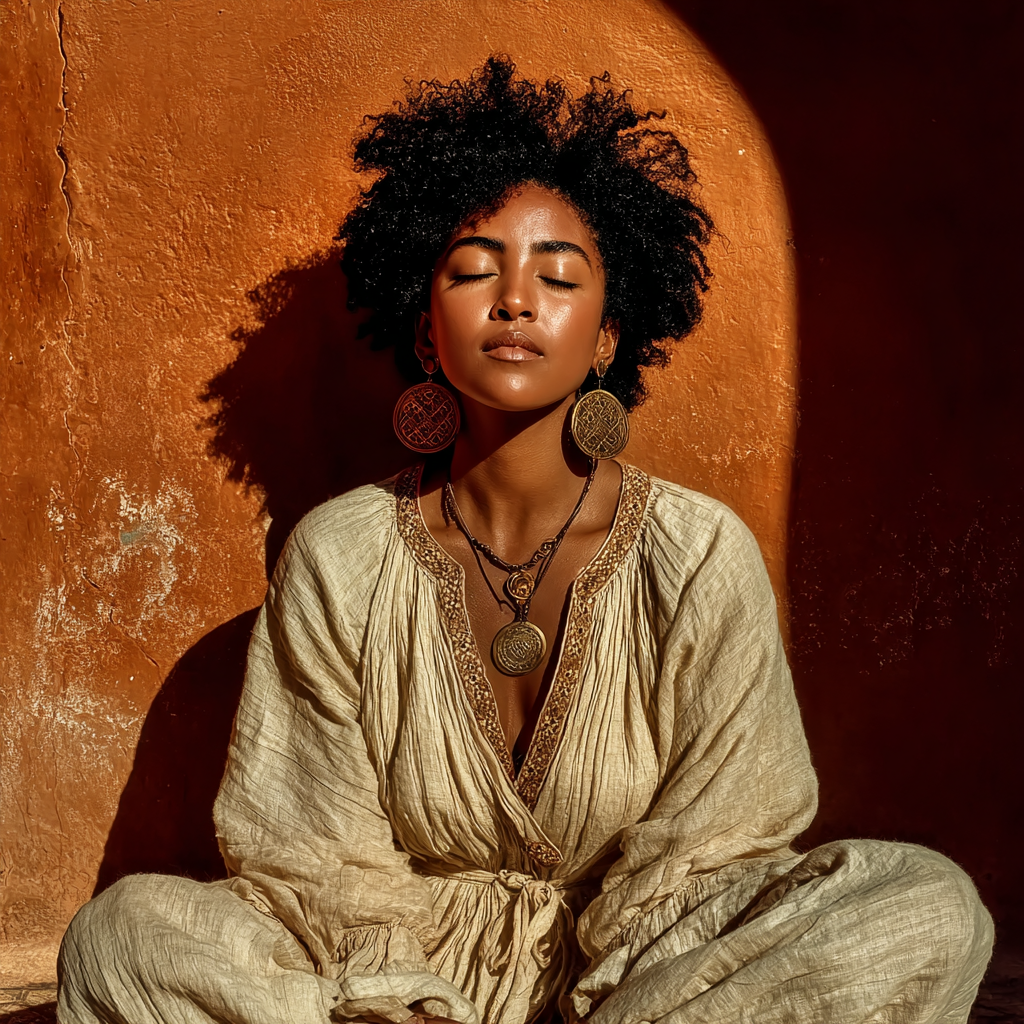
By Amara Okafor
Nigerian-British wellness practitioner and cultural historian. Amara specializes in traditional healing practices and spiritual tourism. Certified yoga instructor and Ayurvedic consultant who writes about finding inner peace through cultural immersion.