
Phuket's Secret Kitchens: The Hokkien Noodle Shops That Outlasted the Tin Mines, the Dessert That Only Exists Here, and Where Locals Actually Eat
I came to Phuket for the beaches. Everyone does. But I stayed for the food—the kind that does not photograph well, that you eat on plastic stools while mopeds scream past, that makes you understand why the Peranakan Chinese who built this island's kitchens refused to let their recipes die.
Phuket's culinary identity was forged in the tin mining boom of the 19th century, when Hokkien laborers from Fujian province arrived by the thousands. They married local Thai women, created a Baba-Nyonya (Peranakan) culture, and built a food tradition that is distinctly Phuket. Add Malay influences from across the Andaman Sea, fresh seafood pulled from waters that shift from turquoise to ink-blue, and the Thai classics everyone expects, and you have one of Southeast Asia's most layered food destinations.
This is not a checklist guide. I will not tell you to eat pad thai on Patong Beach. I will tell you where taxi drivers eat breakfast at 6 AM, which dessert shop has been making the same banana-seaweed jelly since 1946, and why the best bowl of noodles on the island comes from a restaurant that closes by 4 PM.
I am Sophie Brennan. I write about food because it is the fastest way to understand who people are and what they have survived. I have eaten my way through Lisbon's tascas, Galway's pubs, and Barcelona's mercats. Phuket surprised me more than all of them.
The Six Dishes That Define Phuket
Hokkien Mee: The Noodle That Built an Island
Thick yellow wheat noodles, stir-fried with egg, pork, shrimp, and greens in a dark soy sauce. It is comforting, savory, and completely different from the rice noodles that dominate elsewhere in Thailand. The wok hei—that breath of smoke from a properly seasoned wok—is non-negotiable.
Mee Ao Gea (48/1 Thepkasattri Road, Talat Yai, Phuket Town)
The place locals send you when they want you to understand. Operating since 1965 in a shophouse that looks like it has not changed a lightbulb since then. Metal stools, ceiling fans that barely move the humid air, and a cook who works a wok the size of a satellite dish. The noodles have that perfect chew—thick, eggy, slightly charred at the edges. Order it with a soft-boiled egg cracked over the top. The yolk breaks and becomes part of the sauce.
- Hokkien mee with egg: 50–70 THB
- Moo satay (pork satay): 60 THB
- Open: 7 AM–4 PM, closed Sundays
- Cash only. No English menu, but pointing works.
Mee Ton Poe (Corner of Phuket Road and Deebook Road, across from the Suriyadet Circle, Phuket Town)
Claims to be the original—operating since 1946. The tiled floors, metal tables, and ceiling fans are part of the time-capsule charm. The Hokkien mee here has a slight char from the wok that adds depth you do not get at newer spots. The satay is also excellent—pork marinated in coriander and turmeric, grilled over charcoal at the door.
- Hokkien mee: 60–80 THB
- Satay: 60 THB for 10 skewers
- Open: 7 AM–5 PM daily
- Phone: 076 216 293
Mee Sapam (Mueang Phuket District, on the edge of Phuket Town)
Fifty years old and Michelin-recognized, which normally makes me suspicious. But this place earned it honestly. Their mee sapam—stir-fried rice noodles with seafood—is the signature, but the Hokkien mee is also excellent. The hor mok poo (steamed crab curry in banana leaf) is worth the trip alone.
- Mee sapam: 80–120 THB
- Hor mok poo: 150 THB
- Hoi tod sapam (fried oysters): 120 THB
- Open: 9 AM–5:30 PM daily
- Phone: 076 212 106
Moo Hong: The Dish That Demands Extra Rice
Braised pork belly in soy sauce, garlic, and black peppercorns. Tender, unctuous, deeply savory—the kind of dish that makes you order extra rice before you have finished the first bowl. Pure Hokkien comfort food, and every family has their own version.
Go Benz (Corner of Phang Nga Road and Yaowarat Road, Phuket Town)
A local institution since 1960, famous for rice porridge (khao tom) with fish. But the moo hong here—slow-braised until the fat turns translucent and the meat falls apart with chopstick pressure—is the sleeper hit. The khao tom is excellent too: fish, pork, or mixed, with a raw egg cracked in at the end.
- Moo hong: 80 THB
- Khao tom with fish: 60–100 THB
- Open: 5 PM–2 AM daily
- This is a late-night spot, but locals eat the porridge for breakfast too.
One Chun Cafe and Restaurant (48/1 Thepkasattri Road, Phuket Town)
Michelin Bib Gourmand since 2019, and deservedly so. The moo hong here is the best on the island—slow-braised for hours until it melts into the rice. The crab curry with rice noodles (kanom jeen) is also excellent. This is refined Phuket comfort food in a beautifully restored Sino-Portuguese shophouse.
- Moo hong: 180 THB
- Kanom jeen with crab curry: 120 THB
- Steamed squid with lime: 200 THB
- Open: 10 AM–10 PM daily
- Cash only. Expect a queue between 12 PM and 2 PM.
Raya Restaurant (48 Dibuk Road, Phuket Town)
Another Michelin-recognized spot in a 130-year-old house. The gaeng som pla (sour fish curry) and moo hong are standouts. The atmosphere—antique furniture, old photographs, traditional floor seating on the upper level—adds to the experience without feeling like a museum.
- Moo hong: 200 THB
- Gaeng som pla: 180 THB
- Pad thai: 150 THB
- Open: 10 AM–10 PM daily
O-Aew: The Dessert That Only Exists on This Island
Phuket's signature dessert, and you will not find it done right anywhere else in Thailand. Shaved ice, jelly made from banana and seaweed, topped with red syrup, palm seeds, and sometimes fresh fruit. On a hot afternoon—and every afternoon in Phuket is hot—there is nothing better.
O-Aew Po Bang (Yaowarat Road, near the intersection with Phang Nga Road, Phuket Town)
Making o-aew since 1946. The jelly has a texture unlike anything else—firm but yielding, slightly elastic, with a clean, mineral sweetness from the seaweed. The red syrup is made in-house. It is not too sweet, which is the trap lesser places fall into.
- O-aew: 25–40 THB depending on toppings
- Open: 11 AM–9 PM daily
Nam Prik Kung Siap: The Dip That Separates Tourists from Locals
A spicy shrimp paste dip served with raw vegetables—long beans, cucumber, cabbage. The shrimp are smoked before being pounded into the paste, giving it a depth you do not get from regular nam prik. Every restaurant makes their own version, and the quality varies wildly.
Where to find it: One Chun and Raya both do excellent versions. Outside of those, look for it at local rice-curry stalls (khao gaeng) on Phang Nga Road around lunch. 30–50 THB as a side.
Oh Tao: The Oyster Omelette Nobody Talks About
A Phuket specialty that predates Instagram by decades. Small oysters are stir-fried with cubes of taro, egg, garlic, and a flour batter in a hot wok. The result is starchy, savory, and completely addictive. It is the dish locals order when they think no tourists are watching.
Lock Tien Food Court (Phang Nga Road, between Yaowarat and Thalang Roads, Phuket Town)
The best oh tao in Phuket Town. Multiple stalls in a local food court serving Hokkien mee, o-aew, and this hidden gem. The taro cubes give it a sweetness that balances the brine of the oysters.
- Oh tao: 60–80 THB
- Hokkien mee: 50–70 THB
- O-aew: 30 THB
- Open: 9 AM–8 PM daily
Kanom Jeen: The Breakfast Locals Guard
Fermented rice noodles with curry—the classic Thai breakfast, but Phuket's version comes with crab curry (kanom jeen pu) that uses fresh blue swimmer crabs from the Andaman Sea. The noodles have a subtle tang from the fermentation, and the crab curry is richer and sweeter than Bangkok versions.
Kanom Jeen Saphan Hin (Saphan Hin Park area, Phuket Town)
Near the park, this spot does it right with multiple curries to choose from and all the fresh vegetables and herbs you can pile on. The gaeng tai pla (southern-style curry with fermented fish) is for adventurous eaters. The nam ya pu (fish curry with crab) is for everyone.
- Kanom jeen with curry: 40–60 THB
- Open: 6 AM–12 PM daily
- Come early. The best curries sell out by 10 AM.
Where to Eat: The Real Places
Old Town Heritage Restaurants
Phuket's Old Town is where the island's culinary history lives. The Sino-Portuguese shophouses along Thalang, Phang Nga, and Dibuk Roads have been serving the same dishes for generations.
Kopitiam by Wilai (16 Thalang Road, Phuket Town)
A breakfast institution in a heritage shophouse that feels like stepping into 1960s Penang. The kaya toast—coconut jam on thick-cut bread with cold butter—is perfect with strong kopi. The massaman curry here is also exceptional, slow-cooked with cinnamon and star anise in the traditional way.
- Kaya toast set: 80 THB
- Kopi: 40 THB
- Massaman curry with rice: 120 THB
- Open: 7 AM–6 PM, closed Sundays
Boonrat Dim Sum (Phang Nga Road, near the morning market, Phuket Town)
A morning-only spot where old men read Chinese newspapers and eat shrimp dumplings from bamboo steamers. The har gow (shrimp dumplings) and siu mai (pork dumplings) are handmade daily. The cheong fun (rice noodle rolls) with shrimp are silky and perfect.
- Dim sum baskets: 30–50 THB each
- Open: 6 AM–11 AM daily
- Come before 9 AM or the best items sell out.
Seafood by the Sea (Without Getting Ripped Off)
Phuket is surrounded by water, and the seafood is exceptional. The challenge is finding it without paying tourist prices.
Kan Eang at Pier (Chalong Pier, Chalong Bay)
At Chalong Pier, this is where locals go for seafood. The menu is extensive—grilled fish, pepper crab, tom yum goong—but the freshness is the point. Fish is priced by weight; ask before ordering. The setting is spectacular at sunset.
- Grilled fish with lime and garlic (pla neung manao): 400–800 THB depending on size
- Black pepper crab: 600–1,200 THB
- Tom yum goong: 250 THB
- Open: 10 AM–11 PM daily
Laem Hin Seafood (Coconut Island access road, east coast)
On the east coast, this open-air restaurant on stilts over the water is an experience. The seafood is fresh, the setting is spectacular at sunset, and the prices are reasonable for what you get. The fried squid with garlic is a must.
- Steamed fish with lime and garlic: 500–900 THB
- Fried squid with garlic: 250 THB
- Open: 10 AM–10 PM daily
Rawai Seafood Market (Wiset Road, Rawai Beach)
Here is how this works: you buy fresh seafood from the market stalls—fish, crab, lobster, prawns—then take it to one of the restaurants across the street who will cook it for you. The cooking fee is minimal, and the freshness is unbeatable.
- Market prices vary by catch, but expect 30–50% less than restaurant prices
- Cooking fee: 100 THB per kilogram
- Open: 10 AM–9 PM daily
Street Food and Markets
Phuket Weekend Market (Naka Market) (Chao Fa West Road, Kathu)
Saturday and Sunday nights, this market explodes with food stalls. Everything from grilled squid to mango sticky rice to fried insects. It is chaotic, hot, and completely worth it. The volcano ribs—pork ribs in a spicy, sour broth—are a must.
- Grilled seafood skewers: 20–80 THB
- Pad thai: 40–60 THB
- Fresh fruit shakes: 30–50 THB
- Volcano ribs: 150–250 THB
- Open: 4 PM–10 PM, Saturday–Sunday only
Chillva Market (Ratchada Road, near Phuket Town)
A younger, hipper night market. Live music, craft beer, and excellent street food. The vibe is more local student than tourist, which means the food is better and the prices are honest.
- Craft beer: 150–200 THB
- Street food plates: 60–120 THB
- Open: 5 PM–11 PM, Wednesday–Sunday
Sunday Walking Street (Lard Yai) (Thalang Road, Phuket Old Town)
The most atmospheric night market on the island. Thalang Road closes to traffic, the Sino-Portuguese shophouses light up, and food stalls line the street. This is where you find the best o-aew, the freshest kanom jeen, and the most interesting Peranakan snacks.
- Street food: 30–80 THB
- Local desserts: 20–50 THB
- Open: 4 PM–10 PM, Sundays only
Coffee Culture
Phuket's coffee scene has exploded, particularly in Old Town where heritage shophouses have been converted into cafes.
Torry's Ice Cream (Soi Romanee, off Thalang Road, Phuket Town)
Technically an ice cream shop, but the coffee is excellent too. The building is a beautifully preserved Sino-Portuguese shophouse, and the ice cream flavors—salty lime, Thai tea, coconut—are creative without being gimmicky. The salty lime sorbet is a revelation.
- Ice cream: 80–120 THB
- Coffee: 60–100 THB
- Open: 11 AM–10 PM, closed Tuesdays
Doubrew Coffee (Yaowarat Road, near the Old Town center)
Specialty coffee in a minimalist space. The baristas know what they are doing, and the beans are sourced from Thai highland farms—Chiang Rai and Doi Chang. The pour-overs are exceptional.
- Espresso drinks: 60–100 THB
- Pour-over: 120–150 THB
- Open: 7:30 AM–6 PM daily
Campus Coffee (Dibuk Road, in a converted school building, Phuket Town)
In a converted school building, this cafe serves excellent pour-over coffee in a unique setting. The courtyard is perfect for escaping the midday heat. The Thai milk tea is also excellent—strong, sweet, and properly orange.
- Pour-over: 100–150 THB
- Thai milk tea: 60 THB
- Open: 8 AM–6 PM daily
What to Drink
Kopi: The Fuel That Powers the Island
Phuket's traditional coffee is strong, sweet, and mixed with condensed milk. It is called kopi in the Hokkien tradition, and it is the fuel that powers Phuket.
- Kopi-O: Black coffee with sugar—40 THB
- Kopi: Coffee with condensed milk—40 THB
- Kopi-C: Coffee with evaporated milk and sugar—40 THB
Order it at any kopitiam. Kopitiam by Wilai does it best.
Chalong Bay Rum: The Island's Spirit
Distilled on the island from organic sugarcane, this rum has become the base for Phuket's cocktail scene. The distillery offers tours and tastings.
- Distillery tour: 450 THB including tasting
- Cocktails at beach bars: 150–300 THB
- Open: 11 AM–6 PM daily
Fresh Juice and Shakes
Every market and street corner has blenders running. The fruit is fresh, the ice is questionable (stick to places that look busy), and the combinations are endless.
- Watermelon shake: 30–40 THB
- Mango sticky rice smoothie: 50–70 THB
- Fresh coconut: 30–50 THB
What to Skip
Patong Beach seafood restaurants with translated menus: The markup is 200–300% over local prices, and the food is cooked for tourists who want mild flavors. Drive 20 minutes to Chalong or Rawai instead.
Any "Phuket Vegetarian Festival" experience outside of September/October: The festival is extraordinary—nine days of strict vegetarian eating, fire-walking, and ritual—but outside those dates, the jay (vegetarian) signs mean nothing special.
The floating market tours: They are staged for tourists, the food is mediocre, and the prices are double what you will pay at Naka Market.
Mai Phet at every street stall: Learn the spice scale. Mai phet (not spicy) will get you food cooked for children. Phet nit noy (a little spicy) is the sweet spot. Phet mak (very spicy) is for people who have lived here long enough to grow new taste buds.
Fruit shakes from stalls with no customers: The ice is the risk. Busy stalls turn over ice fast. Empty stalls do not.
"Authentic Thai cooking classes" on Patong Beach Road: They teach pad thai and green curry, which you can learn anywhere. If you want real Phuket cooking, find a class that teaches moo hong or Hokkien mee.
The restaurants in Jungceylon Mall: They exist because tourists are afraid of street food. The prices are Bangkok-level, and the flavors are Bangkok-bland.
Pre-packaged nam prik from souvenir shops: The real thing is made fresh daily by aunties who have been pounding shrimp paste since they were teenagers. Buy it from a market or do not buy it at all.
Practical Logistics
Getting There
- Phuket International Airport (HKT) is 32 km north of Phuket Town. Taxis to Old Town cost 500–800 THB. The airport bus to Phuket Town is 100 THB and takes 90 minutes.
- From Bangkok: Flights are 1 hour 20 minutes and cost 1,500–4,000 THB depending on season. Buses are 12 hours and cost 800–1,200 THB. Trains run to Surat Thani, then a 4-hour bus transfer.
Getting Around
- Songthaews (shared trucks) run fixed routes for 20–40 THB. The blue ones go to beaches. The pink ones stay in town.
- Motorbike taxis are 30–100 THB for short trips. Negotiate before you get on.
- Grab works but is banned at the airport. Use it in town.
- Renting a scooter is 200–350 THB/day. You need an international driving permit. Police checkpoints are common, and fines are 500 THB.
Where to Stay for Food
- Old Town (Phuket Town): Stay here if food is your priority. You can walk to every restaurant in this guide. Boutique guesthouses in Sino-Portuguese shophouses run 800–2,000 THB/night.
- Kata/Karon: Better beaches, but you will need transport to reach the real food. Hotels run 1,200–3,500 THB/night.
- Patong: Convenient for nightlife, terrible for authentic food. Avoid if you are serious about eating.
Money and Tipping
- Cash is king in Phuket Town. Most heritage restaurants and street stalls do not take cards.
- ATMs charge 220 THB per foreign withdrawal. Bring cash or use a card with fee reimbursement.
- Tipping: Not expected at street stalls. Round up at restaurants. 10% is generous.
- Daily food budget: 250–450 THB if you eat like a local. 1,000–2,000 THB if you mix street food with seafood dinners.
Language
- English is spoken at tourist restaurants. In Old Town, many older vendors speak Hokkien Chinese or limited English. Pointing and smiling works.
- Learn these phrases: Mai phet (not spicy), Phet nit noy (a little spicy), Aroi (delicious), Khop khun (thank you).
Water and Health
- Do not drink from the tap. Bottled water is 10–20 THB everywhere.
- Ice at busy stalls is generally safe. Ice at empty stalls is not.
- Mosquitoes are aggressive at dusk. Bring repellent.
Best Time to Visit for Food
- November–February: Cool, dry, perfect for exploring. Peak season means higher accommodation prices.
- March–May: Hot and humid, but the mangoes are at their peak. Mango sticky rice is transcendent.
- June–October: Monsoon season. Fewer tourists, lower prices, and the rain usually comes in short afternoon bursts. Many street food stalls close early if the rain is heavy.
- September/October: The Vegetarian Festival. If you are here during this period, the food landscape changes completely—yellow flags appear outside restaurants, and the offerings are extraordinary.
The Bottom Line
Phuket's food rewards curiosity. The best meals I had here were not at the famous places—they were at plastic tables on sidewalks, in markets that smelled like fish and diesel, at stalls where the owner did not speak English and we pointed at what looked good.
That is the thing about this island. The beaches get the postcards, but the food gets the memories.
— Sophie Brennan
"I will remember the wok smoke, the banana-seaweed jelly, and the old man at Mee Ao Gea who laughed when I asked for 'not spicy.' He knew better. So do I, now."
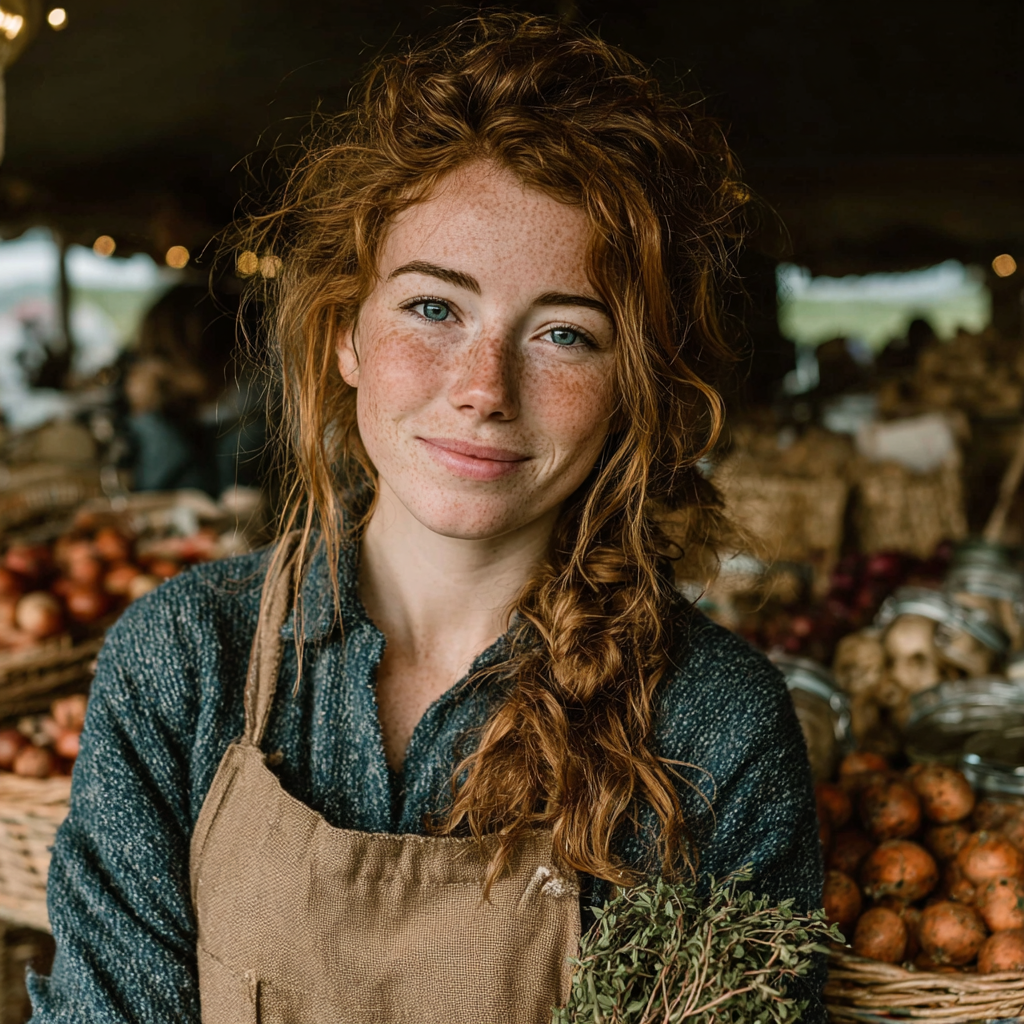
By Sophie Brennan
Irish food writer and historian based in Lisbon. Sophie combines her background in medieval history with a passion for contemporary gastronomy. She has written for Condé Nast Traveller and authored two cookbooks exploring Celtic and Iberian culinary traditions.