
Bangkok Uncovered: Canals, Coups, and the City That Refuses to Behave
Bangkok doesn't reveal itself easily. The first impression is heat, traffic, and the persistent smell of fish sauce and exhaust. But underneath the sensory assault is a city with more layers than a Thai dessert—each one telling a different story about how this place became what it is.
I've spent enough time here to know that Bangkok's history isn't in museums. It's in the canal that still carries produce to market at 4 AM. It's in the temple walls where graffiti from the 1973 student uprising was never painted over. It's in the way old Chinese shop houses sit next to glass towers, neither apologizing for existing.
This isn't a tidy city. There is no Old Town and New Town, no clear historical progression. Everything is layered, contradictory, happening at once. The only way to understand it is to accept that you won't. Just observe, eat, and let the city reveal what it wants to reveal.
The River That Built Everything
Before Bangkok: Ayutthaya and the Chao Phraya
Long before Bangkok existed, the Chao Phraya River was already the region's highway. The old capital, Ayutthaya, sat 85 kilometers upstream, a trading empire that welcomed Portuguese, Dutch, Japanese, and Persian merchants from the 14th to 18th centuries.
When Burmese armies sacked Ayutthaya in 1767, the kingdom collapsed. General Taksin established a temporary capital at Thonburi, on the river's west bank. But it was Taksin's successor, Rama I, who in 1782 crossed the river and founded Bangkok—Krung Thep, the City of Angels.
Wat Arun: The Temple That Started a Capital
Wat Arun (Temple of Dawn) 158 Wang Doem Road, Wat Arun, Bangkok Yai Entry: ฿200 Hours: 8 AM–6 PM daily
This was the first temple built in the new capital. The central prang (Khmer-style tower) rises 82 meters, decorated with millions of pieces of Chinese porcelain—ballast dumped by trading ships. Climb the steep stairs for views across the river to the Grand Palace. Go at sunrise when the temple lives up to its name.
The best approach is by ferry from Tha Tien Pier (N8) on the east bank. The crossing costs ฿5 and takes two minutes. The view from the water as the prang rises above the river is one of Bangkok's defining moments.
The Venice of the East (That Actually Had Canals)
Bangkok's nickname wasn't marketing. The city was built on water. Canals (khlongs) were streets. Boats were cars. Houses sat on stilts. The floating markets weren't tourist attractions—they were how people bought groceries.
Khlong Bang Luang Soi Wat Kamphaeng Bangchak, Phasi Charoen Take the ferry from Phra Athit Pier (฿20), then walk the canal-side path past wooden houses, small temples, and the occasional monitor lizard. The Artist's House (Baan Silapin) at the end has free traditional puppet shows at 2 PM on weekends.
Khlong Lat Mayom Bang Ramat Road, Taling Chan A floating market that locals actually use. Take a taxi from central Bangkok (฿150–200), then hire a longtail boat (฿100–150 per person) to explore the canal network. You'll pass orchid farms, Buddhist temples, and houses where people still fish from their back porches. Best on Saturday and Sunday mornings.
Most of Bangkok's canals were filled in during the 20th century to make roads. The traffic jams are the result. There's a lesson there somewhere.
The Grand Palace and the Buddha That Keeps Moving
The Grand Palace Phra Borom Maha Ratchawang, Phra Nakhon Entry: ฿500 Hours: 8:30 AM–3:30 PM daily Dress code: Strict—covered shoulders and knees, no tight or see-through clothing. If you're underdressed, vendors outside sell sarongs and pants for ฿100–200.
The palace complex is overwhelming. Temples, throne halls, golden chedis, and the Temple of the Emerald Buddha (Wat Phra Kaew). The Emerald Buddha itself is small—just 66 centimeters—but it's the most sacred object in Thailand.
Here's the thing about the Emerald Buddha: it's not emerald. It's green jade or jasper—nobody's entirely sure. And it has a history of moving. Discovered in Chiang Rai in 1434, it spent time in Laos, then Chiang Mai, then finally arrived in Bangkok in 1779. Rama I built Wat Phra Kaew specifically to house it.
The Buddha has three sets of gold costumes that the King changes personally three times a year—hot season, rainy season, and cool season. It's a ceremony that still happens. When COVID-19 hit and the King was in Germany, there was genuine concern about who would change the Buddha's clothes.
The Grand Palace ticket also includes the Queen Sirikit Museum of Textiles, housed in the former Royal Apartment building. Most visitors rush past it. Don't. The collection of royal Thai textiles and costumes is extraordinary, and the space is one of the least crowded in the entire complex.
Wat Pho: Where Massage Began
Wat Pho (Temple of the Reclining Buddha) 2 Sanam Chai Road, Phra Nakhon Entry: ฿300 Hours: 8 AM–6:30 PM daily
Just south of the Grand Palace, Wat Pho predates Bangkok itself. The 46-meter reclining Buddha is the main attraction—feet inlaid with mother-of-pearl showing the 108 auspicious symbols. But the real treasure is the temple's role as Thailand's first university and the birthplace of traditional Thai massage.
The massage school still operates. A one-hour massage costs ฿420—more expensive than street massages, but you're supporting the tradition's preservation. The Wat Pho massage is harder, more therapeutic, less spa-like. They'll find knots you didn't know existed.
Jim Thompson: The American Who Disappeared
Jim Thompson House 6 Kasem San 2 Alley, Wang Mai, Pathum Wan Entry: ฿250 (adults), ฿150 (ages 10–21), free under 10 Hours: 10 AM–5 PM daily (last guided tour at 5 PM) Getting there: BTS National Stadium Station, Exit 1, then a 5-minute walk
Jim Thompson was an American architect and OSS officer who came to Thailand after World War II, fell in love with Thai silk, and single-handedly revived the industry. He built this house in 1959 from six traditional Thai wooden structures he discovered during his travels, dismantled, transported to Bangkok, and reassembled.
The house is a masterclass in tropical design—dark teak, open walkways, lush gardens, and a canal running behind the property. But the real story is Thompson's disappearance. In 1967, at age 61, he went for a walk in Malaysia's Cameron Highlands and vanished. No body was ever found. Theories range from a tiger attack to CIA involvement to a deliberate escape.
The museum does not sell tickets online—purchase only at the ticket office. Guided tours in English, French, Japanese, Chinese, and Thai are included with admission. The Jim Thompson Art Center next door hosts contemporary exhibitions and has a rooftop garden with canal views. Admission to the Art Center is ฿50.
Chinatown: The Immigrant Story
Yaowarat Road Phra Nakhon / Samphanthawong districts
Bangkok's Chinatown started in 1782 when Rama I moved the capital across the river. Chinese traders were already established on the east bank; rather than relocate them, he designated the area for Chinese settlement. It became the commercial heart of the city.
The Chinese who came weren't a monolith. Teochew, Hokkien, Hakka, Cantonese—each group settled in different areas, spoke different dialects, and dominated different trades. Teochew controlled rice milling. Hokkien ran banks. Cantonese opened restaurants.
Wat Traimit (Temple of the Golden Buddha) 661 Charoen Krung Road, Talat Noi Entry: ฿40 for the Buddha, ฿100 including museum Hours: 8 AM–5 PM daily
The 5.5-ton solid gold Buddha sat in a plaster cast for nearly 200 years, its true nature forgotten. In 1955, workers moving it dropped the statue. The plaster cracked. Gold shone through. The theory is that monks covered it in the 18th century to prevent theft during the Burmese wars.
The museum upstairs tells the story of Bangkok's Chinese community—immigration, discrimination, assimilation, and the uneasy relationship between Thai identity and Chinese heritage that still plays out in politics today.
Sampeng Lane Runs parallel to Yaowarat between Soi Wanit 1 and Ratchawong Road The narrow market lane running parallel to Yaowarat. During the day, it's wholesale everything—textiles, beads, plastic flowers, religious supplies. At night, the street food takes over. This is where you find the old Chinese medicinal shops with jars of dried seahorses and ginseng roots that look like human figures.
Talat Noi: Bangkok's Creative Underbelly
Just south of Yaowarat, Talat Noi is where Chinatown's industrial past meets Bangkok's creative future. Century-old shophouses now host galleries, cocktail bars, and experimental dining. The warehouses along Song Wat Road store antique car parts during the day and host pop-up art markets at night.
Warehouse 30 52–60 Charoen Krung Road, Bang Rak A cluster of World War II-era warehouses converted into galleries, cafes, and design shops. Free entry. Events happen almost every weekend.
The Canals That Remain
Damnoen Saduak gets all the tourists, but it's a circus. The real floating markets require earlier mornings and more effort.
Tha Kha Floating Market Samut Songkhram Province, about 90 minutes from Bangkok Hours: 6 AM–2 PM, weekends only Farmers paddle in with coconuts, bananas, and fresh vegetables. Hire a boat (฿300–500) to explore the canal network, stopping at orchid farms and temples.
Amphawa Evening Market Samut Songkhram Province Hours: 3 PM–10 PM, Friday–Sunday The afternoon-to-evening alternative. The market lines the canal, and as darkness falls, you can hire a boat (฿60–100) to look for fireflies in the mangroves. The seafood restaurants on stilts are genuinely good—try the grilled prawns (฿250–400 per plate).
Modern Bangkok: Coups, Protests, and Street Art
The Democracy Monument and Its Irony
Democracy Monument 322 Thanon Ratchadamnoen Klang, Phra Nakhon Built in 1939 to commemorate the 1932 revolution that ended absolute monarchy and established a constitutional government. The design is striking—four wings representing the military, the people, the economy, and the constitution.
The irony is that Thailand has had 20 constitutions and 13 successful coups since then. The monument has been the center of pro-democracy protests in 1973, 1992, 2010, and 2013–2014. Each time, the military or government eventually dispersed the crowds.
In 2020–2021, a new generation of protesters gathered here, openly criticizing the monarchy for the first time—a taboo that could mean 15 years in prison under lese-majeste laws. The protests were eventually crushed, but something shifted. The conversation about Thailand's power structures is now public in ways it wasn't before.
Street Art as Resistance
Chalermla Park (Graffiti Park) Soi Charoen Krung 32, Khlong Toei Under an expressway in the Khlong Toei neighborhood, this wall became famous in 2021 when a street artist painted a large mural of a yellow duck—the symbol of the pro-democracy protests. The authorities painted over it. The artist returned. This happened multiple times. Eventually, the park became a sanctioned space for street art.
The art here changes constantly. Some pieces are political. Others are purely aesthetic. The fact that it exists at all is a small miracle in a country where public criticism of power is dangerous.
Charoen Krung Soi 32 and the Creative District Bang Rak district The Creative District around Charoen Krung—Bangkok's oldest road—has become the city's street art hub. Galleries, cafes, and massive murals cover the old shophouses. The Bukruk festival brought international artists in 2013 and 2016, and the area has kept evolving.
Look for work by Alex Face (the blue rabbit-child, visible on multiple walls), Portuguese artist Vhils (whose carved portrait of a Thai face adorns a warehouse wall near Soi 30), and Thai collective Mamafaka. The Jam Factory, a riverside complex of cafes, bookshops, and design studios, anchors the district's northern end.
Religion in Daily Life
Spirit Houses and the Unseen World
Every building in Bangkok has a spirit house—a miniature temple on a pedestal, usually near the entrance. These aren't Buddhist; they're Brahmin/Hindu traditions that predate Buddhism in Thailand.
The spirit house is for the land's original inhabitants—the spirits who were there before humans built anything. You keep them happy with offerings: flowers, incense, food, Fanta (usually red or orange, never seen anyone explain why). If you neglect the spirits, bad luck follows. Construction accidents. Business failures. Strange illnesses.
Walk any street and you'll see these offerings. Fresh ones in the morning, wilted by afternoon, replaced the next day. It's a constant negotiation with the unseen world that runs parallel to the visible one.
Erawan Shrine: Hindu Worship in the Heart of Capitalism
Erawan Shrine Ratchadamri Road, at the Ratchaprasong Intersection, Pathum Wan Entry: Free (donations welcome) Hours: 6 AM–10 PM daily
In the shadow of the Grand Hyatt Erawan and surrounded by shopping malls, this Hindu shrine houses a golden Brahma statue that has become one of Bangkok's most visited religious sites. Built in 1956 to counter bad luck during the hotel's construction (workers kept dying), the shrine now receives constant offerings from devotees seeking blessings for business, love, and health.
Traditional Thai dance performances are offered by devotees daily—dancers in gold headdresses and silk costumes move in precise, flowing gestures while musicians play the ranat ek (wooden xylophone) and pi nai (oboe). The performances are commissioned by worshippers as thanks for answered prayers.
Visit early morning or after sunset for a more peaceful experience. BTS Chit Lom Station is a 5-minute walk.
Amulet Markets and Sacred Commerce
Amulet Market at Wat Mahathat 3 Maharat Road, Phra Nakhon Hours: 7 AM–5 PM, Wednesday–Sunday
Thai Buddhism includes a complex system of protective amulets—small Buddha images worn around the neck. Some are mass-produced and cost ฿50. Others are rare, blessed by famous monks, and sell for millions of baht.
The market near Wat Mahathat is where collectors gather. Dealers examine amulets with jeweler's loupes, looking for signs of authenticity. Forgeries are common. Stories of miraculous protection—surviving car crashes, bullets stopping mid-air—are currency here.
Even skeptical Thais often wear amulets. Why not? The cost is small, the potential benefit large, and the cultural pressure to participate is real.
The Food as Culture
Bangkok's food scene isn't just about taste—it's about identity, class, and history.
Royal Thai Cuisine (Aharn Chao Wang) developed in the palace kitchens, emphasizing elaborate presentation and complex flavors. It's rarely spicy—heat was considered vulgar. Restaurants serving it, like Thanying (10 Pramuan Road, Silom, mains ฿400–800) or Blue Elephant (233 South Sathorn Road, tasting menus from ฿2,500), charge premium prices. You're paying for the labor and the heritage.
Street Food is working-class food. Quick, cheap, flavorful. The best vendors often specialize in one dish, perfected over decades. Jay Fai—now Michelin-starred and charging ฿1,000 for crab omelettes—started as a stall on Mahachai Road. Her wok skills are undeniable, but there's debate about whether the price is worth it when similar dishes cost ฿100 nearby.
Isan Food from Thailand's northeast has taken over Bangkok. Som tam (papaya salad, ฿50–80), gai yang (grilled chicken, ฿60–100), and sticky rice are now standard. This reflects migration patterns—Isan is the poorest region, and millions have moved to Bangkok for work. Their food followed.
Thai-Chinese cuisine dominates in Chinatown and old commercial districts. Hokkien noodles, Teochew-style braises, and adaptations like khao man gai (Thai chicken rice, derived from Hainanese origins, ฿50–80) are staples at places like Go Ang Pratunam (960–962 Phetchaburi Road, open 5 AM–3 PM), where the rice is cooked in chicken fat and the dipping sauce is a secret family recipe.
What to Skip
Damnoen Saduak Floating Market Unless you enjoy being paddled past stalls selling the same souvenirs to a soundtrack of other tourists' cameras, skip this entirely. The market exists for tourists, not locals. Every photo you've seen was taken at 6 AM before the tour buses arrived.
Khao San Road If you're over 22 and not looking for bucket cocktails and counterfeit ID cards, avoid it. The street has become a parody of itself—a backpacker ghetto where the only Thais are the ones selling you scorpion-on-a-stick for Instagram.
The "Grand Palace is Closed" Scam Tuk-tuk drivers near the palace will tell you it's closed for a royal ceremony and offer to take you to gem shops and tailors instead. It is never closed to tourists except for announced royal ceremonies. Walk past them.
Tiger Temples and Animal Shows Any attraction promising photo opportunities with tigers, elephants, or monkeys involves animal abuse. The famous "Tiger Temple" in Kanchanaburi was shut down in 2016 for wildlife trafficking. Don't support the successors.
Practical Logistics
Getting Around
BTS Skytrain is the most reliable way to move through central Bangkok. Fares run ฿16–65 depending on distance. Buy a Rabbit Card at any station (฿200 including ฿100 credit) to avoid queuing for single-journey tokens.
MRT Subway connects the BTS lines and reaches areas the Skytrain doesn't. Fares are similar.
Chao Phraya Express Boat is the most enjoyable way to travel along the river. The orange-flag boat (฿16) stops at major piers including Tha Tien (Wat Pho/Wat Arun), Tha Chang (Grand Palace), and Sathorn (BTS connection).
Taxis are cheap when the meter is on. Flag fall is ฿35. Always insist on the meter. If the driver refuses, get out and take the next one. There are thousands.
Grab works well and eliminates haggling, but costs 30–50% more than a metered taxi. Essential during rain or rush hour when flagging a taxi becomes impossible.
Tuk-tuks are for the experience, not transport. Negotiate the fare before getting in (฿100–200 for short trips). They have no meter.
Best Time to Visit
November to February is the cool season—relatively dry, temperatures around 25–30°C. This is peak tourist season. March to May is brutally hot (35–40°C). June to October is the monsoon—daily downpours that last an hour then clear. The monsoon has fewer tourists and lower hotel prices.
Where to Stay
Riverside (near Tha Tien or Saphan Taksin) puts you close to the old city temples. Silom/Sathorn is the business district with excellent restaurants and nightlife. Sukhumvit (Nana to Thong Lor) is modern Bangkok—malls, cafes, and international dining. Old City (Khao San area) is budget-friendly and walking distance to temples, but isolated from the rest of the city.
Money and Safety
ATMs are everywhere. Most charge a ฿220 fee for foreign cards. Bangkok Bank and Krungsri sometimes waive this. Credit cards are accepted at hotels and mid-to-high-end restaurants. Street food and taxis are cash only.
Bangkok is generally safe. The main risks are motorbike taxi accidents, dehydration, and food poisoning from improperly stored seafood. Tap water is technically treated but nobody drinks it. Bottled water costs ฿6–12.
About the Author
Finn O'Sullivan is a writer and historian who believes the best way to understand a city is through its contradictions. He has spent months at a time in Bangkok, wandering the khlongs, eating at street stalls, and talking to taxi drivers about politics they probably shouldn't discuss with foreigners. His work focuses on how places remember what their governments would rather forget.
The city that refuses to behave. Good. Behaving cities are boring.
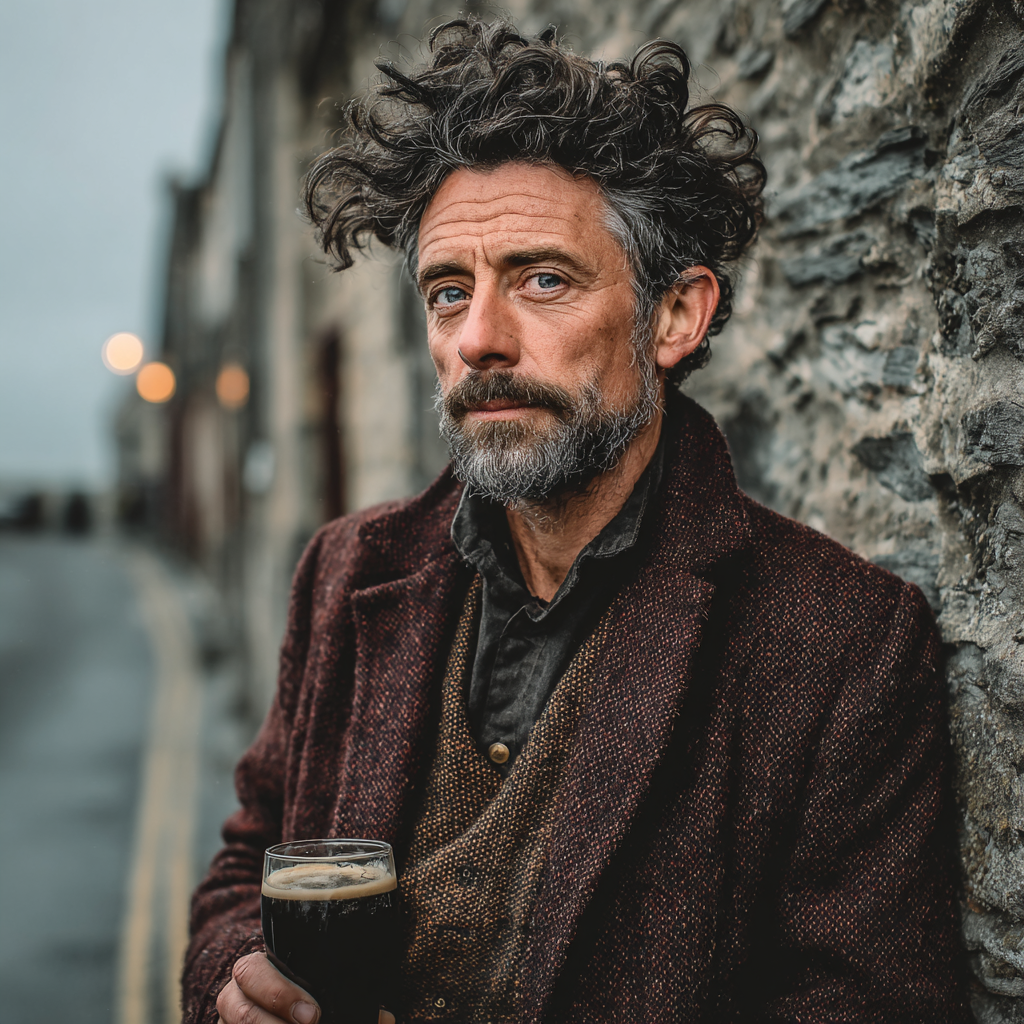
By Finn O'Sullivan
Irish storyteller and folklorist. Finn hunts for the narratives that do not make guidebooks—the pub legends, the family feuds, the neighborhood heroes. He believes every street corner has a story if you know who to ask.