
Bangkok Unpacked: Where Street Food Meets Sacred Gold
By James Wright, Budget Travel Expert
I've been coming to Bangkok for fifteen years, and the city still surprises me. Not the temples—you expect those. Not the traffic—you brace for that. What gets me is the sheer improbability of the place: a Michelin-starred stall serving $3 noodles next to a 200-year-old temple where monks scroll TikTok between prayers. A city of ten million that still feels like a collection of villages, each with its own rhythm, its own smells, its own rules.
This isn't a checklist guide. You won't find "Day 1: Do This, Day 2: Do That" here. Bangkok doesn't work that way. What follows is how I actually spend my time in the city—the neighborhoods I return to, the stalls I eat at twice in one day, the temples I visit not for the architecture but for the ten minutes of quiet I can steal in a corner of the courtyard. Everything here costs money, but nothing here requires much of it. That's the Bangkok I know.
The Old City: Where Bangkok Began
The Rattanakosin district is where the city took shape in 1782, and it remains the spiritual and administrative heart. You can't understand Bangkok without walking these streets, but most people do it wrong—they rush from the Grand Palace to Wat Pho to Wat Arun in a blur of gold and sweat, then declare themselves "templed out." Give this area a full day. Move slowly. Let the heat slow you down.
Grand Palace and Wat Phra Kaew
The Grand Palace complex opens at 8:30 AM, and you want to be there by 8:15, waiting at the gate. By 9:30 the tour buses arrive in waves, and by 10:00 the compound becomes a sauna of selfie sticks and matching hats.
Address: Na Phra Lan Road, Phra Nakhon
GPS: 13.7501° N, 100.4922° E
Hours: 8:30 AM – 3:30 PM daily
Admission: 500 THB (~$14 USD)
Dress code: Shoulders and knees fully covered. No exceptions.
The 500 baht fee feels steep until you remember this was the official residence of Thai kings from 1782 to 1925. The compound covers 218,000 square meters. Wear comfortable shoes—no exceptions.
Head straight for Wat Phra Kaew (Temple of the Emerald Buddha). The statue is smaller than you expect—just 66 centimeters tall, carved from a single block of jade. But the temple surrounding it is overwhelming: gold-leafed chedis, mosaic-encrusted pillars, the kind of detail that makes your eyes hurt if you stare too long. The murals along the cloister walls depict the entire Ramakien epic (the Thai version of the Ramayana), and you could spend an hour just tracing one panel.
Pro tip: The free guided tours in English start at 10:00 AM, 10:30 AM, 1:00 PM, and 1:30 PM near the ticket booth. They're actually good—knowledgeable, not scripted.
Wat Pho: The Birthplace of Thai Massage
Walk ten minutes south from the Grand Palace. Wat Pho is open from 8:00 AM to 6:30 PM, admission 200 THB (~$5.50 USD).
GPS: 13.7466° N, 100.4933° E
This is the temple with the Reclining Buddha—that 46-meter-long golden figure that fills an entire hall. The feet alone are 5 meters high, inlaid with mother-of-pearl showing the 108 auspicious symbols of Buddha. But don't just see the big statue and leave.
Wat Pho is considered the birthplace of traditional Thai massage, and the temple grounds are a maze of chedis, cloisters, and quiet corners where you can actually sit and breathe. I always stop at the Wat Pho Thai Traditional Massage School inside the temple complex. A one-hour traditional Thai massage costs 420 THB (~$12 USD). It's not a luxury spa experience—think hospital beds in an open room—but the practitioners are trained to a standard that most tourist spas can't match. The school also offers 30-minute foot massages for 280 THB if you're short on time.
Address: 392/25-28 Maharat Road, Phra Nakhon
Hours: 8:00 AM – 6:00 PM
Book ahead: Not required, but arrive before 3:00 PM to avoid waiting.
Wat Arun: The Temple of Dawn at Dusk
Cross the river from Tha Tien Pier to Wat Arun. The ferry costs 4 THB—yes, four baht, about 11 cents—and takes three minutes.
Address: 158 Thanon Wang Doem, Wat Arun
GPS: 13.7437° N, 100.4889° E
Hours: 8:00 AM – 6:00 PM
Admission: 100 THB (~$2.80 USD)
Wat Arun is best seen in late afternoon light, when the sun hits the porcelain tiles and the whole structure seems to glow. The central prang is 79 meters tall, and you can climb the steep stairs for views across the river. The climb is not for the faint-hearted—the steps are narrow and the descent is worse than the ascent. Go at 5:00 PM, when the tour groups have left and the light turns golden.
Lunch Break: Tha Maharaj
By now it's 1:00 PM and you need air conditioning. Walk 15 minutes to Tha Maharaj, a riverside mall with a food court that won't insult your intelligence.
Address: 1/11 Trok Mahathat, Maharaj Road
GPS: 13.7561° N, 100.4903° E
Hours: 10:00 AM – 9:00 PM
Look for the stall doing khao soi—that northern Thai curry noodle soup that's somehow both coconutty and spicy. A bowl runs 80-120 THB ($2-3.50 USD). The food court also has solid pad thai (60 THB) and fresh coconut water (40 THB) if you need to rehydrate.
Chinatown (Yaowarat): Bangkok's Best Street Eats After Dark
Yaowarat Road transforms at sunset. The street food stalls that were shuttered at noon flicker to life, propane burners roar, and the whole neighborhood becomes an open-air restaurant. I've eaten my way through this street dozens of times, and I still find new stalls every visit.
Where to Eat
Nai Mong Hoi Tod (539 Phlap Phla Chai Road, GPS: 13.7431° N, 100.5086° E) — Crispy oyster omelet, 80 THB. Open 5:00 PM – 11:00 PM, closed Mondays. The uncle here has been making these for 30 years, and the omelet has a texture I've never replicated anywhere else: crispy edges, custardy center, briny oysters that still taste of the sea.
Lim Lao Ngow (299 Yaowarat Road) — Fishball noodles in a broth that's been simmering since before you were born, 60 THB. Open 10:00 AM – 9:00 PM daily. The fishballs are made in-house daily, and the broth has a depth that only comes from decades of refinement.
Jek Pui (Mangkon Road, GPS: 13.7425° N, 100.5097° E) — Curry over rice from metal pots on a cart. The pork curry is 50 THB. There's no seating—just stools along the street—and the uncle running it has been there for 40 years. Hours are unpredictable (roughly 4:00 PM – 10:00 PM), but if you see the pots steaming, stop.
Tep Bar (69-71 Yaowarat Road, GPS: 13.7428° N, 100.5099° E) — Thai herbal cocktails and live traditional music starting around 9:00 PM. Drinks run 250-350 THB. The ya dong (Thai herbal whiskey) flight is 380 THB and worth it if you want to understand traditional Thai drinking culture. Open 6:00 PM – 2:00 AM, closed Sundays.
Thonburi: The Bangkok Most Tourists Never See
Thonburi was the capital before Bangkok, from 1767 to 1782, and it still feels different—slower, more residential, more canal than street. Most tourists never cross to the west bank of the Chao Phraya. They're wrong.
Wat Kalayanamit
Take the Chao Phraya Express Boat to Wat Kalayanamit Pier. The orange flag boat costs 16 THB.
Address: 371 Arun Amarin Road, Wat Kalayanamit
GPS: 13.7413° N, 100.4881° E
Hours: 8:00 AM – 5:00 PM
Admission: Free
Wat Kalayanamit is massive and largely empty of tourists. The main hall houses a 15-meter-tall Buddha—so large it barely fits in the building. The temple was founded in 1825 by a Thai nobleman of Chinese descent, and the mix of Thai and Chinese architectural elements creates something that feels alive in a way that tourist-heavy temples don't. On weekday mornings you'll see locals making offerings, monks chanting, and the occasional school group. That's it.
Kudi Jeen: Bangkok's Portuguese Soul
Walk ten minutes from Wat Kalayanamit to Kudi Jeen, Bangkok's oldest Portuguese settlement. The community dates to 1511, when Portugal became the first European power to establish relations with Siam.
GPS: 13.7406° N, 100.4897° E
The Santa Cruz Church (GPS: 13.7403° N, 100.4894° E) dominates the neighborhood—a cream-colored neoclassical structure built in 1916. But the real reason to come is Thanusingha Bakery (GPS: 13.7405° N, 100.4896° E), a fourth-generation bakery that makes khanom farang kudi jeen—Portuguese-Thai cupcakes with a texture unlike anything else. They're 10 THB each, and you should buy at least four. The bakery opens at 7:00 AM and usually sells out by 2:00 PM.
Walk the narrow alleys. The houses here are wooden, elevated, built before modern Bangkok's concrete obsession. It's the closest you'll get to old Bangkok without leaving the city.
Talat Wang Lang: A Market Built for Hospital Workers
Take the ferry from Kudi Jeen to Wang Lang Pier—3.50 THB. Talat Wang Lang is a market built for the nearby Siriraj Hospital, which means the food is cheap, fast, and designed for people who need to get back to work.
Address: Wang Lang Pier, Siriraj Subdistrict
GPS: 13.7567° N, 100.4856° E
Hours: 10:00 AM – 4:00 PM (closed Sundays)
Look for Moo Satun—grilled pork skewers with a sweet glaze, 10 THB each. Or khao mok gai—Thai-style biryani with tender chicken and fragrant rice, 50 THB. The market is crowded, chaotic, and deeply satisfying. Come hungry, leave stuffed for under 100 THB.
Bang Krachao: The Green Lung
Take a taxi or Grab to the Bang Krachao ferry pier at Klong Toey. The ferry to Bang Krachao costs 10 THB and takes you to Bangkok's last remaining mangrove forest.
Ferry GPS: 13.6961° N, 100.5403° E
Ferry hours: 6:00 AM – 9:00 PM (every 15 minutes)
Bang Krachao is an artificial island in the Chao Phraya, created by a canal dug in the 19th century. It's been protected from development, and today it's a network of elevated bike paths through jungle, past stilt houses, around Buddhist temples that seem to emerge from the green.
Rent a bicycle at the pier—50 THB for the day—and just ride. The feeling of being in wilderness while surrounded by a city of 10 million is disorienting in the best way.
Stop at Bang Namphueng Floating Market (GPS: 13.6925° N, 100.5436° E) for coconut ice cream (30 THB) and grilled river prawns (120 THB). Or find Sri Nakhon Khuean Khan Park (GPS: 13.6939° N, 100.5389° E) and watch the sunset over the water. The park is open 5:00 AM – 7:00 PM, admission free.
Markets, Cafes, and Creative Corners
Chatuchak Weekend Market
This only works if it's Saturday or Sunday. Chatuchak is the largest weekend market in the world—15,000 stalls covering 35 acres.
Address: Kamphaeng Phet 2 Road, Chatuchak
GPS: 13.7999° N, 100.5504° E
Hours: 9:00 AM – 6:00 PM (Saturday-Sunday)
Admission: Free
Take the BTS Skytrain to Mo Chit Station or the MRT subway to Chatuchak Park Station. The market is organized into sections: clothing, antiques, pets, plants, food. But the organization is theoretical at best. You'll get lost. Embrace it.
Eat breakfast here. Look for khanom krok—small coconut griddle cakes, 20 THB for a half-dozen. Or find a stall doing moo ping—grilled pork skewers with sticky rice, 40 THB.
If you need a break from the chaos, Or Tor Kor Market (GPS: 13.7974° N, 100.5476° E) sits across the street. The mango sticky rice here—80 THB—justifies the trip alone.
Ari Neighborhood
Take the BTS from Mo Chit to Ari Station (two stops south). Ari is what happens when Bangkok's creative class colonizes a residential neighborhood.
Salt (GPS: 13.7789° N, 100.5426° E) — A cafe in a converted shophouse that does excellent coffee—80-120 THB. Open 8:00 AM – 6:00 PM daily. Then wander Soi Ari 1 and Soi Ari 2, where you'll find vintage clothing stores and street art that changes monthly.
For lunch, Lay Lao (65 Phahon Yothin 7, GPS: 13.7792° N, 100.5428° E) does refined Thai food in a space that feels like someone's stylish grandmother's house. The mee krob—crispy noodles with tamarind sauce—is 180 THB. Open 11:00 AM – 2:30 PM, 5:00 PM – 10:00 PM. Closed Mondays.
Jim Thompson House
Take the BTS to National Stadium Station. The Jim Thompson House is a museum dedicated to the American who revived the Thai silk industry and then vanished in Malaysia's Cameron Highlands in 1967.
Address: 6 Soi Kasemsan 2, Rama 1 Road
GPS: 13.7496° N, 100.5282° E
Hours: 10:00 AM – 6:00 PM
Admission: 200 THB ($5.50 USD), includes guided tour
The house is a collection of six traditional Thai structures Thompson dismantled and reassembled in Bangkok. The tour guides are knowledgeable, the gardens are peaceful, and the silk shop at the exit will test your willpower. Tours run every 20 minutes in English, and the last admission is at 5:00 PM.
Night Bangkok: Rooftops, Speakeasies, and Street-Level Energy
Sukhumvit Soi 11
Take the BTS to Nana Station. Soi 11 is Bangkok's expat playground—restaurants, bars, clubs, and the particular energy that comes from mixing business travelers and locals.
Above Eleven (GPS: 13.7439° N, 100.5556° E) — A rooftop bar on the 33rd floor with Peruvian-Japanese fusion and views that justify the 400-600 THB mains. Open 6:00 PM – 2:00 AM. Reservations recommended for sunset slots (6:00 PM – 7:30 PM).
Or go street-level at Baan Phadthai (21 Soi 11), where the namesake dish costs 120 THB. Open 11:00 AM – 11:00 PM daily.
If you want to keep going, Levels and Sugar are the main clubs, with covers around 300-400 THB. But honestly? After a full day of Bangkok intensity, you might prefer a nightcap at Havana Social (1/1 Soi 11), a speakeasy behind a phone booth in a laundromat. Cocktails run 300-400 THB. Open 6:00 PM – 2:00 AM.
Lhong Tou Cafe
Lhong Tou Cafe (538 Yaowarat Road, GPS: 13.7430° N, 100.5085° E) is a two-story shophouse where you climb ladders to seating platforms suspended from the ceiling. The coffee is good—80-120 THB—but you're here for the absurdity of drinking flat whites while perched above a Chinatown street. Open 8:00 AM – 10:00 PM daily.
The Deck by Arun Residence
End where the Old City began, but this time from the outside. The Deck by Arun Residence (GPS: 13.7432° N, 100.4897° E) has a direct view of Wat Arun across the river. Cocktails are 300-400 THB, and the sunset view is worth every baht. Open 11:00 AM – 11:00 PM. Arrive by 5:30 PM to secure a river-view table without a reservation.
What to Skip
Khao San Road — Unless you're 22 and looking for bucket cocktails with strangers, there's no reason to come here. The street has been sanitized into a theme park version of backpacker culture. The food is overpriced, the bars are loud, and nothing here represents the Bangkok that exists three blocks in any direction.
Patpong Night Market — A shadow of what it once was, now mostly selling knockoff watches and overpriced souvenirs to tourists who don't know better. The adjacent go-go bars are a dated spectacle that feels more sad than shocking.
Siam Paragon and IconSiam (for shopping) — These are beautiful malls, but unless you're actively buying luxury goods, they're interchangeable with any high-end shopping center in Dubai, Singapore, or London. Spend that time in a neighborhood instead.
Floating Market Tours — The famous ones (Damnoen Saduak, Amphawa) are 90 minutes outside the city and have devolved into tourist traps where vendors sell the same overpriced trinkets to busloads of visitors. If you want a real floating market experience, go to Bang Namphueng in Bang Krachao or Khlong Lat Mayom (GPS: 13.6956° N, 100.4594° E, open 8:00 AM – 4:00 PM on weekends), both of which are actually used by locals.
Tiger Temples or Animal "Sanctuaries" — Any attraction offering photo ops with drugged tigers, elephant rides, or dancing monkeys is contributing to animal cruelty. Full stop. If you want ethical wildlife experiences, head to Khao Yai National Park (3 hours from Bangkok) where you might see wild elephants, gibbons, and hornbills in their actual habitat.
Practical Logistics
Getting Around
The BTS Skytrain and MRT subway are the most reliable ways to get around. Buy a Rabbit Card (BTS) or stored value card (MRT) to avoid queuing for single-journey tokens.
- BTS Rabbit Card: 100 THB deposit + stored value
- MRT stored value card: 80 THB deposit + stored value
- Single journey BTS: 17-62 THB depending on distance
- Single journey MRT: 17-42 THB depending on distance
Taxis are cheap but traffic is unpredictable. A metered taxi from Sukhumvit to the Old City runs 100-150 THB in light traffic, 200+ THB in heavy traffic. Always insist on the meter—"meter, please"—or use Grab for transparent pricing.
Tuk-tuks are for the experience, not transportation. Negotiate the price before getting in. A short ride should cost 80-150 THB.
The Chao Phraya Express Boat is the most pleasant way to travel north-south. The orange flag line costs 16 THB per journey. The tourist boat (blue flag) costs 60 THB but has fewer stops and less chaos. Both run 6:00 AM – 7:00 PM.
Money
Thailand is still largely cash-based. Carry small bills—100s and 500s—for street food and taxis. ATMs charge 220 THB per foreign withdrawal, so take out larger amounts less frequently. Most 7-Elevens accept cards, but street stalls and markets are cash only.
Etiquette
- Remove shoes before entering temples and some shops
- Don't point your feet at Buddha images or other people
- The wai (palms together, slight bow) is appreciated but not required from foreigners
- Dress modestly at religious sites—shoulders and knees covered
- The king and royal family are deeply respected—avoid any disrespectful comments
- Never touch someone's head (considered the most sacred part of the body)
Safety
Bangkok is generally safe, but:
- Watch for pickpockets in crowded markets and on public transport (especially the BTS during rush hour)
- Avoid unlicensed taxis—use Grab or insist on the meter
- Don't buy gems or participate in "lucky" gambling schemes (classic Bangkok scam)
- Drink bottled water—tap water is not potable
- Use mosquito repellent, especially at dawn and dusk (dengue is present year-round)
- Stay hydrated. The heat is no joke, and dehydration hits faster than you expect.
When to Visit
- November to February: Cool and dry—relatively speaking. Best weather, highest prices, biggest crowds.
- March to May: Brutally hot. Daytime temperatures regularly hit 38°C (100°F). But hotel prices drop and the city empties of tour groups.
- June to October: Monsoon season. Sudden, torrential downpours—usually in the afternoon—but also fewer tourists, lower prices, and the city is at its greenest. I actually prefer Bangkok in the rain; the streets steam, the temples glisten, and the crowds thin out.
Final Thoughts
Bangkok isn't a city you conquer or complete. It's a city you visit, leave, and find yourself thinking about months later—wondering when you can go back. The contradictions don't resolve themselves: the golden temples next to glass towers, the street food carts outside Michelin-starred restaurants, the monks with smartphones. They just coexist, loudly, humidly, impossibly.
I've spent probably six months of my life in Bangkok, spread across fifteen years, and I've never felt like I "did" it. That's the point. Bangkok rewards the repeat visitor. The uncle at Jek Pui remembers you after two visits. The monk at Wat Kalayanamit nods in recognition. The city doesn't get easier—it just gets more familiar, more layered, more worth the effort.
Go. Get lost. Eat something you can't identify. Take the wrong ferry and end up somewhere unexpected. That's when Bangkok stops being a destination and starts being something else entirely.
Last updated: May 2026
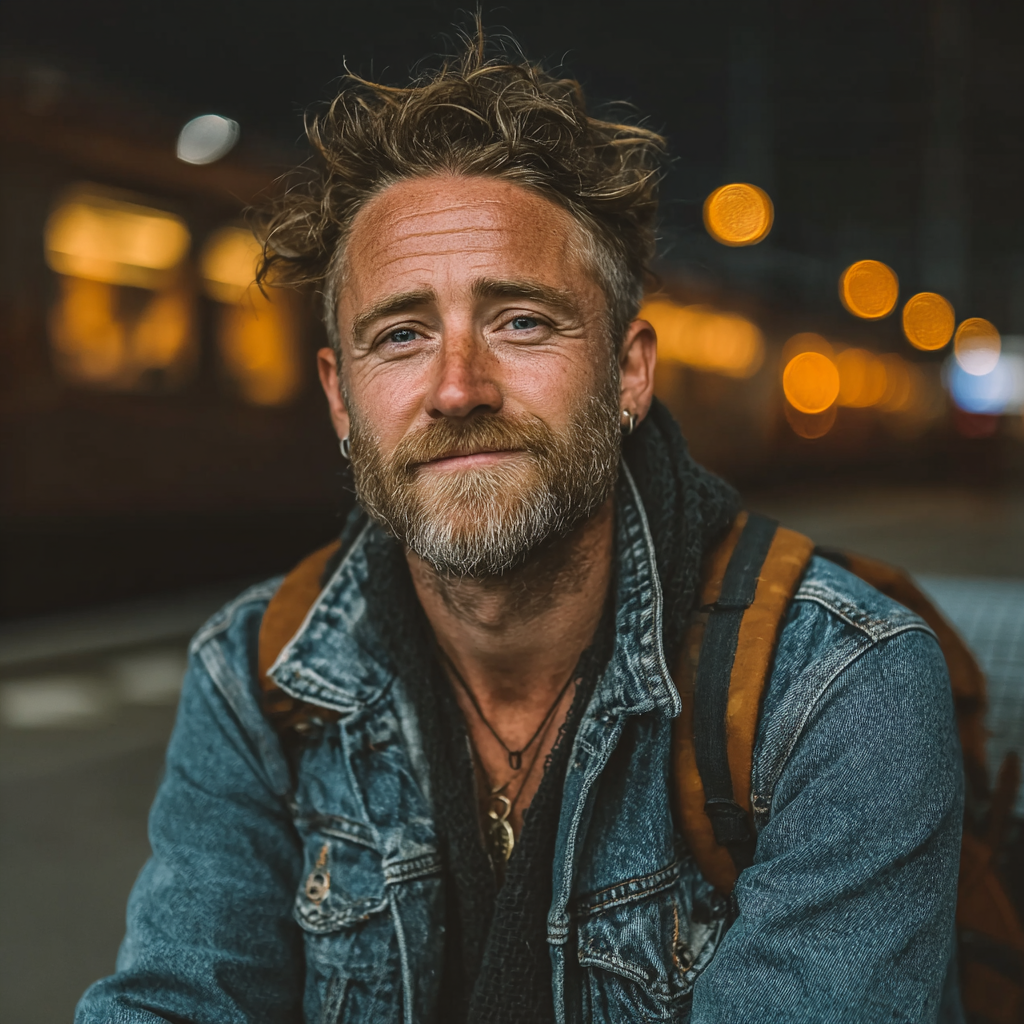
By James Wright
Budget travel expert and former backpacker hostel owner. James has visited 70+ countries on shoestring budgets, mastering the art of authentic travel without breaking the bank. His mantra: "Expensive does not mean better—it just means different."