
Sophie Brennan is a food writer who has eaten her way through the markets of Mombasa, Kochi, and Penang. She came to Stone Town for three days and stayed for ten.
Stone Town does not look like a place that cares about your appetite. The alleys are too narrow, the humidity too heavy, and the UNESCO plaques too busy congratulating themselves. But the food here is the island's real heritage site. In the nineteenth century, Zanzibar supplied roughly three-quarters of the world's cloves, and the archipelago's kitchens have spent centuries figuring out what to do with them. Arab traders brought biryani and cardamom. Indian merchants brought chapati and samosas. Portuguese explorers left behind cassava and coconut. The Swahili coast added octopus, turmeric, and tamarind. The result is not fusion in the trendy sense. It is survival cuisine from a port city that had to feed sailors, spice merchants, and enslaved people on the same streets. The cloves are still here — most now grow on Pemba, Zanzibar's quieter sister island, since the mainland and Madagascar took over global production — but the flavor logic never left.
Forodhani Gardens: The Night Market That Runs on Bargaining
Every evening at sunset, the waterfront park beside the Old Fort transforms into an open-air kitchen. Dozens of stalls light lamps, fire up flat griddles, and arrange seafood on ice. This is the most democratic food experience in Zanzibar. Locals eat here. Tourists eat here. The cats definitely eat here.
The famous Zanzibar pizza is not pizza. It is a thin sheet of dough stretched onto a hot griddle, filled with chopped meat or fish, raw egg, chopped vegetables, and mayonnaise, then folded into a square and fried in butter until the edges crisp. A vendor cooks it in front of you in about three minutes. The savory version costs 3,000 to 5,000 Tanzanian shillings — roughly $1.20 to $2 at the 2026 rate of about 2,600 shillings to the dollar. The sweet version, stuffed with banana and Nutella, costs about the same and is a genuine local invention, not a tourist concession. Longtime visitors point newcomers to the stall run by Mr. Mango, one of the market's most consistent operators.
Urojo, also called Zanzibar mix, is a tangy soup of mango and turmeric that arrives topped with chickpea fritters, boiled egg, cassava chips, and hot chutney. A bowl now runs 2,500 to 5,000 shillings, around $1 to $2. It is filling, messy, and best eaten standing up. Mshikaki, marinated meat skewers grilled over charcoal, are another staple at 2,000 to 4,000 shillings per skewer; seafood skewers of tuna, octopus, or prawns run 3,000 to 6,000 depending on your bargaining skill. Sugar cane juice, pressed fresh through a hand-cranked mill with ginger and lime, is the standard drink at about 1,000 to 2,000 shillings.
The market opens around 6 PM and peaks at 8 PM. Go earlier for the freshest seafood. Go later for the atmosphere. Haggle — the first price is never the real price. Pick stalls that are busy and where the fish sits on ice rather than exposed to the humid air. During Ramadan, the whole rhythm shifts: the market stays relatively quiet through the day, then erupts at iftar as the whole city breaks the fast together. If your dates line up, it is the single best night of the year to be there.
Darajani Market: Where the Day Starts at 5 AM
If Forodhani is the show, Darajani is the engine. This covered market in the northeast of Stone Town is where the island's restaurants buy their fish, their spices, and their produce. The fish section opens at dawn. Tuna, red snapper, marlin, and octopus arrive by foot from the harbor, often carried in plastic tubs on men's heads. By 7 AM, the best cuts are gone. By 9 AM, the vendors are already hosing down the floors.
Upstairs, the spice section sells what the island actually grows. Cloves, obviously, but also cinnamon bark, black pepper, nutmeg, cardamom pods, and vanilla. The vendors sell by weight and will bundle selections into small paper cones for a few thousand shillings. This is the cheapest place to buy spices, and the quality is higher than what gets packaged for the airport souvenir shops. The market also has a section for local produce: breadfruit, cassava, plantains, and the small, intensely sweet Zanzibar bananas.
Darajani is functional, not photogenic. The floors are wet. The smell of fish and cloves competes with diesel from the buses that idle outside. It winds down by early afternoon, so go in the morning. This is also where you buy the live lobster that some guesthouses will cook for you — expect 15,000 to 25,000 shillings for a decent specimen, a fraction of restaurant prices.
Lukmaan: Where Zanzibar Actually Eats Lunch
Lukmaan sits on Gizenga Street near the former slave market on the Mkunazini edge of Stone Town, and it is the rare place where the clientele is majority Zanzibari. The setup is cafeteria-style. You point at trays of pilau rice, coconut fish curry, spinach in peanut sauce, and grilled chicken, and a server loads a plate. A full meal with protein, starch, and vegetable runs about 10,000 to 15,000 shillings — $4 to $6 — and the fresh lemonade, made with real squeezed fruit, costs about 2,000.
The pilau is the standout: spiced with clove, cumin, and cinnamon, then studded with chunks of beef or fish. The coconut curry is thinner than its Indian cousin and relies more on tamarind sourness than cream. The food is served warm rather than piping hot, because it has been sitting in trays since the lunch rush. This is not a flaw. This is how local lunch works. Come before 2 PM — the good trays empty early, and dinner service is a quieter echo of lunch. Hours run roughly 8 AM to 9 PM. There is no alcohol.
There is also a reason beyond the food to eat here. Research on Zanzibar's tourism economy has found that Zanzibaris hold the overwhelming majority of the island's restaurant jobs but a small fraction of its management positions — money spent at locally owned kitchens like this one stays on the island. Lukmaan is the easiest and most enjoyable way to act on that.
Jaws Corner: Coffee, Politics, and Peanut Brittle
In a small courtyard off the main alleyways, Jaws Corner is a collection of plastic stools around a single coffee vendor. Men gather here to drink traditional Arabic-style coffee, heavily infused with ginger, and play board games. The coffee is dark, bitter, and served in small ceramic cups that are rinsed in a bucket of water between customers. A cup with a piece of peanut brittle, called kashata, costs a few hundred shillings. The hygiene is questionable. The experience is not.
Jaws Corner is active in the morning and late afternoon. It is not a place for dinner. It is a place to understand that coffee in Zanzibar is not a caffeine delivery system. It is a social ritual that predates the Italian espresso machines in the newer cafes.
Zanzibar Coffee House: The Upscale Alternative
For coffee that is actually filtered and served in clean cups, the Zanzibar Coffee House at Mkunazini Street 1563/64 is the best option. The building is one of the oldest Arab houses in Stone Town, and the coffee is grown on the owner's estate in the Tanzanian highlands. A proper cappuccino or filtered brew costs 3,000 to 5,000 shillings. Light breakfasts and lunches are also served, and tins of ground coffee make better souvenirs than the generic spice blends at the airport.
The Indian Layer: Silk Route and the Biryani Tradition
Indian migration to Zanzibar is centuries old, and the food is not an afterthought. Silk Route, just off Kenyatta Road near the Old Fort, serves tandoori dishes, biryanis, and curries across three floors, with a breezy rooftop close to Forodhani Gardens. A chicken korma with garlic naan and rice costs around 20,000 to 30,000 shillings for a portion that feeds two. Opening hours have been erratic in recent seasons, so it is worth checking the same day — if it is closed, the newer Lazuli Cafe on the same stretch does a respectable casual lunch.
The biryani in Zanzibar is distinct from its Indian parent. It uses more clove and coconut milk, and the rice is often stickier. Many local Swahili households make their own version for Friday lunch, and smaller cafes around the Darajani area sell it by the scoop for 5,000 to 8,000 shillings.
The New Café Wave
Stone Town's café scene has quietly modernized. Cafe PUZZLE, on the Kenyatta Road strip, pours proper espresso and does good juices and light lunches in an air-conditioned room that feels a world away from the alleys. The Book Cafe nearby doubles as a book exchange. These are not destinations in themselves, but they are where you will end up working, rehydrating, and escaping the midday heat between market runs.
The Spice Tours: Seeing Where the Food Starts
A half-day spice tour to a plantation in the interior is worth the time, not as a cooking class but as context. You will see nutmeg fruit hanging like apricots, vanilla orchids climbing palm trunks, and cinnamon bark peeled in curls. Group tours run $10 to $20 per person and usually include a lunch of spiced rice, coconut-based sauces, and fresh fruit eaten under mango trees — basic food, better backdrop. Private and comprehensive versions run $30 to $50. Tours depart Stone Town in the morning and return by early afternoon. Book directly with a local operator rather than through your hotel, which typically adds a 20 to 40 percent markup. The large-group tours are crowded. The smaller ones, capped at six people, are worth the extra few dollars. Avoid any operator whose tour is functionally a gift-shop visit with a greenhouse attached.
Seafood: The Real Currency of the Coast
Zanzibar's seafood is the main event. Octopus, caught by women who walk the reef at low tide with spears, appears in curries, on grills, and in coconut stews — and on the east coast around Matemwe, those women have led some of Africa's most successful community octopus-closure projects, giving the reefs months to recover and the catches time to grow. Tuna is sold as steaks, in samosas, and raw as sashimi in the Japanese-influenced restaurants near the water. Lobster and prawns are common but expensive, running 30,000 to 60,000 shillings at mid-range restaurants.
The best way to eat seafood is to follow the supply chain. If the restaurant is near the harbor and the menu lists the daily catch, the fish is probably fresh. If the menu lists lobster thermidor and beef wellington, the seafood has been frozen and the kitchen is cooking for an audience that does not know better.
Three places worth the splurge. The Rock, at Michamvi Pingwe on the southeast coast, sits on a rock in the lagoon — you walk out at low tide, they boat you at high tide, and the Italian-leaning seafood menu runs $40 to $70 per person with the setting doing half the work. Book ahead; it is a 45- to 60-minute drive from Stone Town. In town, Emerson on Hurumzi serves a set Swahili dinner on its rooftop with live taarab music — a full evening, not just a meal, at roughly $40 to $50 per person; reserve a day or two out. And 6 Degrees South, on Shangani Street by the water, is where you go for a sunset cocktail and a plate of grilled catch while the dhows slide past — mains in the $15 to $30 range. Up in Nungwi, the beachfront grills do whole fish and lobster straight off the boats at a fraction of Stone Town prices.
When to Come
June through October is the dry season: clear skies, low humidity by local standards, and the best walking weather. February brings Sauti za Busara, Stone Town's African music festival, which fills the Old Fort with sound. July delivers a double header — the Zanzibar International Film Festival and Mwaka Kogwa, the Shirazi new-year festival at Makunduchi village in the south, where mock battles and banana-stalk burning mark the start of the year. November sees the short rains; April and May the long ones, when some beach lodges close but Stone Town stays open and quietly cheap.
One 2026 reality check: Tanzania's national elections in late October 2025 brought unrest and curfews on the mainland and a tense, closely watched vote in Zanzibar itself. By 2026 daily life and tourism have returned to normal, but Western governments still advise avoiding political gatherings and demonstrations, and internet restrictions are possible during periods of unrest. This is a real but manageable caveat — check your government's advisory a week before you fly, stay away from any rally, and you are unlikely to notice anything but the food.
Entry and Money in 2026
Every visitor needs a Tanzanian visa: $50 for most nationalities, $100 for US citizens (multiple entry, twelve months), applied for online at the Tanzania Immigration portal ideally two weeks ahead, or on arrival at Zanzibar Airport if you must. Since October 2024 there is also a mandatory Zanzibar Insurance Corporation policy — $44 per adult, $22 per child — purchased online through the Visit Zanzibar portal before you land. Skip it and you will be buying it at the airport queue. Hotels add a small nightly tax of $2 to $5.
Work on roughly 2,600 shillings to the US dollar. Carry both currencies: dollars for hotels, tours, and drivers; shillings for street food, markets, and small shops, where prices soften when you pay local. ATMs dispense shillings with a per-transaction cap around 400,000, and card payments attract a 3 to 5 percent surcharge. Bring crisp, newer-dated bills — vendors reject worn dollars. Drink bottled or filtered water; tap water is not reliably safe. Ice at busy juice stalls is generally fine, but use judgment at quiet ones.
The Honest Math
A realistic food day in Stone Town: breakfast at Zanzibar Coffee House (6,000 to 10,000 shillings), lunch at Lukmaan (10,000 to 15,000), sugarcane juice and a market snack (3,000), dinner at Forodhani with pizza, urojo, and a skewer (10,000 to 15,000). Call it 30,000 to 43,000 shillings — $12 to $17 — eating very well. Add one sit-down seafood dinner with a view and the day lands near $40 to $50 all-in. Island-wide, budget travelers manage on $40 to $90 a day including a simple room; mid-range runs $120 to $250.
What to Skip
The waterfront restaurants along the main seafront promenade are designed for cruise passengers. The menus are identical, the prices are inflated, the octopus has often been frozen. Walk two streets inland and the prices drop by half.
The "spice tours" that operate exclusively as shopping trips — a guide, a greenhouse, a gift shop — are a waste of a morning. Book with an operator who advertises a working farm and a home-cooked lunch.
The airport souvenir spice packs. They are overpriced, often stale, and Darajani Market sells the same spices fresher for a third of the price.
The Rock at high tide without a reservation. You will pay for the boat, wait for a table, and eat in a rush. Book ahead, go at low tide, walk across the sand.
Zanzibar beer exists and is decent, but many establishments, particularly local ones, do not serve alcohol. Do not expect a wine list at Lukmaan, and do not bring your own bottle expecting corkage.
The "Swahili feast" buffet nights at the big resort hotels. They are competent catering, not cuisine — the same flavors executed worse than the places on this list, at triple the price.
A Closing Thought
Zanzibar's food is not refined. It is not plated with tweezers. It is the product of a trading post that had to feed everyone who washed up on its shores, and it carries that history in every bite. The cloves are real. The octopus was swimming this morning. The pizza is not pizza, and that is the point.
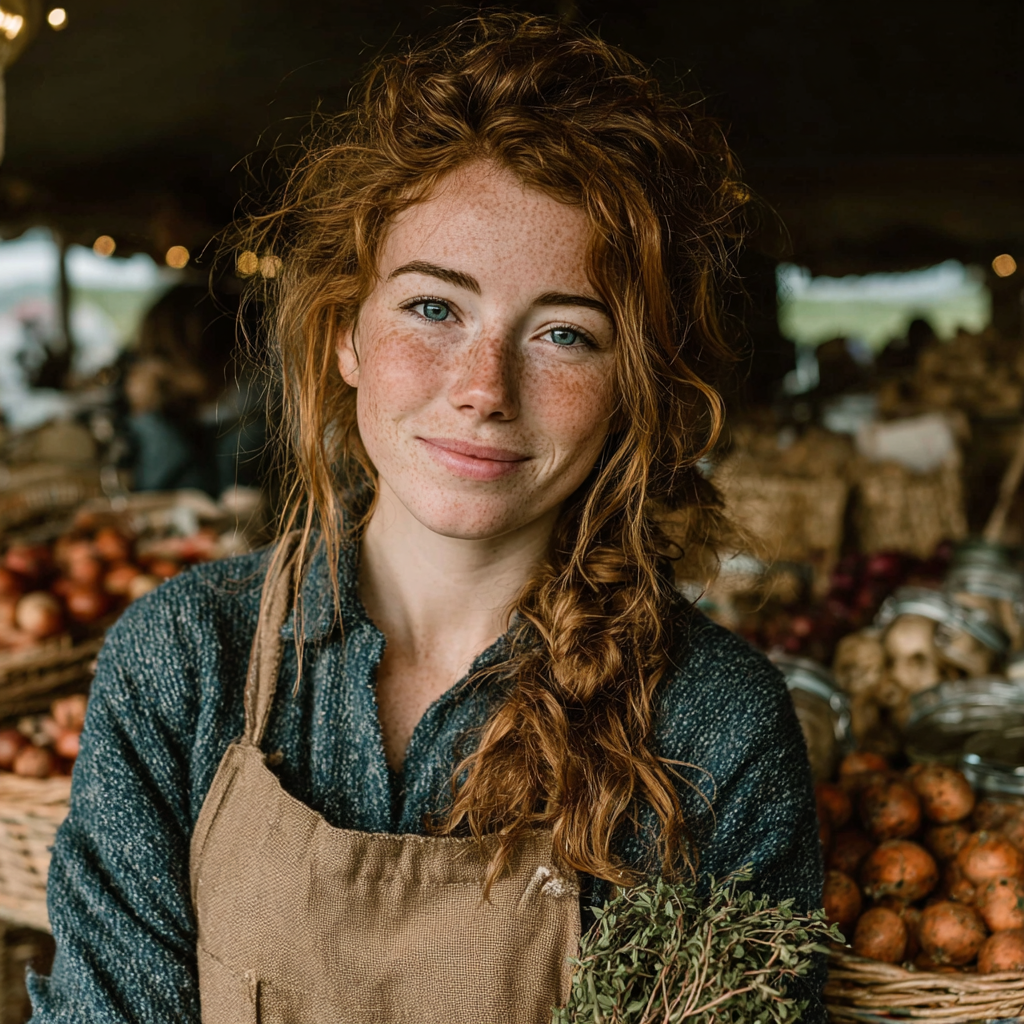
By Sophie Brennan
Irish food writer and historian based in Lisbon. Sophie combines her background in medieval history with a passion for contemporary gastronomy. She has written for Condé Nast Traveller and authored two cookbooks exploring Celtic and Iberian culinary traditions.