
Geneva: Where Calvin's Ghost, Diplomatic Silence, and Watchmaking Precision Built the World's Most Expensive Quiet
By Elena Vasquez | Cultural Anthropologist
I have spent twenty years studying cities that do not perform for tourists. Geneva is the most extreme case I have found. It does not want your affection. It wants your respect. This is a city built on precision, neutrality, and the quiet business of keeping the world from falling apart. There are no mountains rising directly from the lake like in Lucerne, no medieval fairytale old town like in Bern. What Geneva offers is something harder to photograph and more difficult to love: the accumulated weight of international compromise, Calvinist discipline, and watchmaking obsession that has shaped this city for five centuries. If you come looking for charm, you will leave disappointed and poorer. If you come looking for a functioning city where serious people do important work with quiet competence, Geneva opens slowly, on its own terms, and only to those who pay attention.
The Lake and the Jet: Geography as Psychology
Lake Geneva is 582 square kilometers of cold, clear water fed by the Rhône River. The Jet d'Eau shoots 140 meters into the air from a pump that moves 500 liters per second, located at Quai Gustave-Ador. It was not built for tourists. In 1886, it was a safety valve for a hydraulic power network. The city kept it because it worked. Now it is the most photographed thing in a city that does not otherwise photograph well. Access is free. Buses 2 and 6 stop at "Jet d'Eau." Check the wind direction before walking onto the jetty, or you will receive an unexpected shower.
The lake defines Geneva's geography and psychology. On clear days, you can see Mont Blanc 90 kilometers to the southeast. More often, the mountains disappear behind a gray ceiling that locals call "la grisaille." The water stays cold year-round, rarely exceeding 20 degrees Celsius even in August. Swimming is possible at the Bains des Pâquis, Quai du Mont-Blanc 30, a public bathing complex on a pier that has served Genevans since 1932. Entry costs 2 Swiss francs for adults. The wooden changing cabins are original. The sauna and hammam complex is open year-round, with a restaurant serving fondue in winter (December–March, approximately 28 CHF per person) and grilled fish in summer. Regulars arrive at 6:30 AM for the first swim. In the restaurant, the fondue moitié-moitié comes with a view of the Jet d'Eau across the water. In December, book a table two weeks in advance. The rest of the year, walk in before noon.
The Mouettes Genevoises, yellow shuttle boats, cross the lake between the right bank (Rive) and the left bank (Pâquis). A single crossing costs 2.50 francs, but if you hold the Geneva Transport Card (provided free by hotels to guests), the crossing is included. Lines M1 and M2 run roughly every 15 minutes. The views of the fountain and city skyline from the water justify the trip even if you have no destination in mind.
The Old Town and Calvin's Ghost: Where Protestantism Became Urban Planning
The Cathédrale Saint-Pierre sits at the highest point of Geneva's old town at Place de la Taconnerie. Construction began in the 12th century. The interior was stripped white during the Protestant Reformation in the 1530s. John Calvin preached here from 1536 until his death in 1564. His wooden chair is still on display. The archaeological site beneath the cathedral reveals a Roman temple, a 4th-century basilica, and layers of medieval construction. Entry to the archaeological site costs 8 francs. The tower climb costs 7 francs and involves 157 steps. The view from the top encompasses the city, the lake, and the Salève mountain across the French border. The cathedral itself is free to enter. Hours vary by season, but generally the towers are open 10:00 AM–5:30 PM (October–March) and 9:00 AM–6:30 PM (April–September). The archaeological site closes one hour earlier.
Calvin's influence on Geneva cannot be overstated. He transformed a minor Catholic bishopric into the "Rome of Protestantism." His Institutes of the Christian Religion were published here. The Geneva Academy, founded in 1559, trained Protestant ministers from across Europe. This legacy of moral seriousness still shapes the city. Shops close on Sunday. Public drunkenness is rare. The work ethic is palpable. In the Parc des Bastions, the Reformation Wall (Monument International de la Réformation) commemorates Calvin, Farel, Beza, and Knox with 15-meter-high stone statues. The park also contains the world's longest wooden bench—120 meters along the Promenade des Bastions. The Espace Rousseau, at Grand-Rue 40, occupies the house where Jean-Jacques Rousseau was born in 1712. Entry is 8 CHF, and it traces the philosopher's complex relationship with the city that expelled him.
The Maison Tavel on Rue du Puits-Saint-Pierre 6 is Geneva's oldest house, built in the 12th century and rebuilt after a fire in 1334. It now houses the Museum of Old Geneva. Entry is free. The collection includes the model of Geneva made in 1850 by Auguste and Louis Magnin, showing every building in the city at 1:200 scale. The detail is obsessive. Individual trees are represented. The model took 18 months to complete. The museum is open Tuesday–Sunday, 11:00 AM–6:00 PM.
Walk the old town's streets and notice the names: Rue du Purgatoire, Rue d'Enfer, Rue de la Croix d'Or, Rue de Toutes Âmes. These are not tourist inventions. They are the geographic memory of a city that once organized itself around salvation and damnation. The Molard Tower, built in 1591 at the exit of Place du Molard, decorated with weapons from Geneva's history, anchors the old town's lower edge. The daily flower market at Place du Molard is worth a glance, but do not linger.
International Geneva: The City That Keeps the World From Collapsing
The Palais des Nations, Avenue de la Paix 14, was built between 1929 and 1936 as the headquarters of the League of Nations. It became UN property in 1946. The building contains 34 conference rooms and 2,800 offices. The Assembly Hall seats 1,800 people. The art collection includes works donated by every member state, resulting in a curious aesthetic patchwork that mirrors the UN itself. Guided tours run daily at 10:30 AM, 12:00 PM, 2:00 PM, and 3:00 PM in multiple languages. Admission is 15 CHF for adults, 10 CHF for students, 7 CHF for children. The tour takes you through the Council Chamber, where the League of Nations failed to prevent World War II, and the Human Rights and Alliance of Civilizations Room, decorated by Spanish artist Miquel Barceló in 2008. The ceiling resembles a cave with stalactites. It cost 23 million francs. Some diplomats find it distracting during long meetings. Book tours in advance online, especially in summer when seats fill quickly.
Directly outside, on Place des Nations, the Broken Chair sculpture stands 12 meters tall. It represents opposition to land mines and cluster bombs. It has become a cliché photo opportunity. Everyone takes the same picture. I have seen hundreds. They are identical.
The International Red Cross and Red Crescent Museum, Avenue de la Paix 17, opened in its current form in 2013. The permanent exhibition focuses on three themes: defending human dignity, restoring family links, and reducing natural risks. The personal stories are genuinely affecting. Visitors receive an audio guide that activates automatically as they move through the space. Allow 90 minutes. Admission is 15 CHF. Hours are 10:00 AM–6:00 PM (October–March) and 9:00 AM–6:00 PM (April–September). The museum is closed Mondays from October through March.
The World Health Organization, International Labour Organization, and over 200 international organizations maintain offices in Geneva. This concentration shapes the city's demographics. Almost half the population holds a foreign passport. English is widely spoken. Restaurants cater to diplomatic expense accounts. The result is a city that feels international without feeling particularly Swiss.
For those with a scientific bent, CERN (European Organization for Nuclear Research) lies outside the city center in Meyrin. Take Tram 18 directly to the "CERN" stop; the journey takes 20–25 minutes from Gare Cornavin. Guided tours are free but must be booked weeks or months in advance through their website. The Universe of Particles exhibition and the Microcosm display are open to the public without reservation. The Globe of Science and Innovation, a 27-meter wooden sphere, is an architectural landmark visible from the tram.
Watchmaking and the Rue du Rhône: Where Time Became Currency
Geneva's watchmaking tradition began in the 16th century when Calvin banned the wearing of jewelry. Goldsmiths pivoted to watches. By the 18th century, Geneva was producing timepieces for European royalty. The Patek Philippe Museum, Rue des Vieux-Grenadiers 7, traces this history. The collection includes the first Swiss wristwatch, made in 1868, and complicated pieces with perpetual calendars, minute repeaters, and astronomical displays. The star exhibit is a watch made in 1933 that sold at auction in 2014 for 24 million francs. Museum admission is 10 CHF. Photography is forbidden. The museum is open Tuesday–Saturday, 2:00 PM–6:00 PM. Take Tram 15 to the "Cirque" stop.
The Rue du Rhône runs parallel to the river and contains the highest concentration of luxury watch boutiques in the world. Patek Philippe, Vacheron Constantin, Cartier, and Rolex maintain flagship stores here. Even during economic downturns, these shops survive on Chinese, Middle Eastern, and American buyers. The street also contains Switzerland's oldest chocolate shop, Auer, Rue de la Confédération 4, founded in 1819, and Arn, Rue du Rhône, founded in 1896. Both still make chocolate on-site using traditional methods. A small box costs 15–25 francs. If you are looking for a souvenir that justifies Geneva's prices, buy chocolate here, not at the airport.
The Musée d'Art et d'Histoire, Rue Charles-Galland 2, is Geneva's largest museum. The permanent collection is free. It houses works by Rembrandt, Renoir, and Cézanne, plus an extensive applied arts collection. Hours are Tuesday–Sunday, 11:00 AM–6:00 PM (Wednesday until 9:00 PM). The Ariana Museum, Avenue de la Paix 10, dedicated to ceramics and glass, is also free and occupies a beautiful 19th-century building between the UN and the lake.
Carouge: The Mediterranean Quarter That Escaped Calvin
Cross the Arve River via Pont de Carouge or Pont de la Fontenette to reach Carouge, a neighborhood built in the 18th century by Italian architects from Turin. The streets are wider than in the old town. The buildings are painted in ochre and terracotta. The cafés feel Mediterranean. This is where Genevans go when they want to escape the pressure of their own city. Tram 12 or 18 connects the old town to Carouge in 8–12 minutes. Walking along the riverbank takes roughly 20 minutes.
The Marché de Carouge operates Wednesday and Saturday mornings, 6:00 AM–1:00 PM, on Place du Marché. Farmers from the surrounding countryside sell cheese, wine, and vegetables. The prices are lower than in central Geneva. The atmosphere is less formal. This is the best place in the city to buy génépi, a herbal liqueur made from Alpine flowers that tastes like liquid mountain air. On the first Saturday of each month, the Marché aux Puces (flea market) takes over the same square. Independent galleries, ceramicists, leather workers, and independent jewelers operate from courtyard studios between Rue Saint-Joseph and Rue Ancienne. The Théâtre de Carouge, a 600-seat regional theater, stages 12 productions per season. The annual Fête de Carouge in June draws 50,000 visitors over three days with live music, street art, and food stalls.
The MAH Carouge, a branch of the Museum of Art and History, opened in 2022 in a former factory at Rue de l'Église 44. It focuses on contemporary art from Geneva and the surrounding region. Entry is free. Hours are Tuesday–Sunday, 2:00 PM–6:00 PM.
Carouge has become Geneva's artistic quarter. It leads the city in plant-based dining, Middle Eastern street food, and natural wine bars. Café du Marché offers a two-course lunch for 22 CHF. Restaurant mains average 28–48 CHF compared to 45–85 CHF in the old town. The neighborhood extends past midnight on Fridays and Saturdays, concentrated around Place du Marché. If you are staying in Geneva for more than two nights, consider staying here. Boutique hotels and apart-hotels average 165 CHF/night compared to 280 CHF/night in the old town. Airbnb listings average 120 CHF/night for a one-bedroom, roughly 30% cheaper than equivalent old town listings.
Parks, Markets, and the Geneva Between Cracks
The Jardin Anglais (English Garden) sits along the lakefront and contains the Flower Clock (L'Horloge Fleurie). It is a clock made of flowers. It tells the time accurately. That is all. Walk past it and keep going.
Far better is the Jardin Botanique (Botanical Garden) at Chemin de l'Impératrice 1, which is free and serves as a major botanical research center. It contains over 16,000 plant species, greenhouses, and a small animal park. It is open year-round. Hours are 8:00 AM–7:30 PM (April–September) and 8:00 AM–5:00 PM (October–March). The Parc La Grange and Parc des Eaux-Vives, neighboring each other in the Eaux-Vives district, offer lakeside lawns, rose gardens, and views across the water without the tourist density of the Jardin Anglais. Both are free and open 7:00 AM–9:00 PM (summer) and 7:00 AM–7:00 PM (winter).
The Plainpalais neighborhood, south of the old town, hosts Geneva's largest flea market on Wednesdays and Saturdays, 8:00 AM–6:00 PM, covering the vast Place de Plainpalais. It is chaotic, dusty, and occasionally revelatory. You will find vintage watches, antique books, and questionable electronics. Bargain in French. The Place de la Fusterie, near the old town, hosts a smaller crafts and regional market on Thursdays, 9:00 AM–6:00 PM.
The Jonction, where the Rhône and Arve rivers meet, is an industrial corner turned creative hub. The water colors are visibly different—milky blue-gray from the Arve's glacier sediment meeting the clearer Rhône. The Bâtiment d'Art Contemporain and street art around Rue de la Coulouvrenière make this worth a tram ride on line 15 or 18.
Eating in Geneva: A City Where Dinner Punishes the Unprepared
Geneva is expensive even by Swiss standards. A coffee costs 4–5 francs in Carouge, 6.50 francs in the old town. A basic restaurant meal runs 25–40 francs. The city's response to tourist complaints is indifference. Geneva does not need your money. It has banking. But if you know where to go, you can eat well without sponsoring a diplomat's expense report.
For fondue, the two legitimate choices are Café du Soleil, Place du Petit-Saconnex 6, and Les Armures, Rue du Puits-Saint-Pierre 1. Café du Soleil is a neighborhood institution in the Petit-Saconnex district, west of the old town. It allows two people to share one pot, which is unheard of elsewhere. The fondue moitié-moitié runs approximately 28 CHF per person (or 42 CHF for two sharing). Les Armures is in the old town near the cathedral, pricier and more atmospheric, with medieval stone walls and a fondue at 32 CHF per person. It is genuinely excellent but you are paying for the stone. Both require reservations, especially on weekends.
Bains des Pâquis serves fondue in winter only (December–March) with views of the lake and fountain. The quality is decent; the setting is unbeatable. Restaurant Edelweiss, Place de la Navigation 2, near the Paquis district, offers a Swiss folk music program every evening with yodeling and alphorn. The food is competent but the experience is theatrical. Go once for the absurdity, then never again.
For Italian, Ristorante Boccadasse in the Paquis area specializes in Ligurian cuisine—basil pesto, basil cream sauces, fresh pasta. For budget meals, L'Age d'Or, Rue Cornavin 11, serves pizza and pasta in the 15–25 CHF range. Brasserie de l'Hôtel de Ville and Chez Papon, both in the old town, serve reliable French-Swiss dishes in the 30–45 CHF range for lunch. Relais de l'Entrecôte, on Rue du Rhône, serves steak frites with a secret sauce for around 38 CHF. There is no menu. You choose your steak temperature and they bring the rest.
For breakfast or a light lunch, the Parc des Bastions café has a nice terrace and reasonable sandwiches. Café des Négociants, on Tram 12 in Carouge, is a spin-off of a Michelin-starred restaurant and offers a bistrot menu at 24–30 CHF.
L'Usine, Place des Volontaires 4, is an alternative cultural center in a converted factory near the Rhône. It houses a club, concert venue, and a cheap café serving simple meals under 15 CHF. It is the closest thing Geneva has to a student hangout. Open until 2:00 AM on weekends.
What to Skip
The Flower Clock in the English Garden is underwhelming. It is a clock made of flowers. It tells the time accurately. That is all. The United Nations photo opportunity with the Broken Chair has become a cliché. The sculpture represents opposition to land mines and cluster bombs. It is 12 meters tall. Everyone takes the same photo. I have seen them all.
The restaurants around Gare Cornavin (the train station) cater to business travelers with expense accounts. The food is adequate and overpriced. Walk 10 minutes in any direction for better options. The tourist boats on the lake charge 20–30 CHF for a one-hour cruise. The public Mouettes boats offer similar views for 2.50 CHF or free with your transport card.
Do not attempt to visit CERN without a reservation. The guided tours are free but booked weeks or months in advance. The public exhibitions are interesting but do not justify a 25-minute tram ride if you expected to see the Large Hadron Collider.
Shopping for watches on Rue du Rhône as a cultural experience is a mistake. These are jewelry stores, not museums. If you are not buying, the staff will detect it immediately and you will feel the cold Geneva silence.
Dining within 200 meters of the Jet d'Eau is a trap. The lakefront restaurants charge 30–50% premiums for the view. The fondue is worse than at Bains des Pâquis. The wine is marked up. Walk inland.
CityLife and other modern business districts are generic glass-and-steel developments that could be in any European capital. They contain nothing you cannot see in London or Frankfurt, and they cost more.
Practical Geneva: How to Survive the Prices
Transport: Public transport works. Trams and buses cover the city and suburbs. If you are staying in a hotel, hostel, or registered Airbnb, you receive the Geneva Transport Card upon check-in, covering all buses, trams, trains within the canton, and the Mouettes boats for the duration of your stay. Many hotels email a digital version a day before arrival. If you do not have the card, a single ticket (valid 1 hour, unlimited transfers) costs 3 CHF. A day pass costs 8 CHF (or 10.60 CHF depending on the zone). Buy tickets from machines at every tram stop, which accept coins and credit cards, or via the TPG mobile app. Validate your ticket before boarding. Fines for fare evasion are 80 CHF and inspectors are humorless.
From the airport, trains to the city center take 6 minutes and run every 12–20 minutes. If you do not yet have your hotel transport card, collect a free 80-minute ticket from machines near the Customs area. Taxis to the city center cost 35–50 CHF. Avoid them unless you are splitting the fare.
Arrival and lodging: The old town is compact and walkable but expensive. Hotels average 280 CHF/night for a standard double in mid-season. Budget options are scarce—the closest hostel is Geneva Hostel at 55 CHF/bed. Carouge offers significantly better value at 165 CHF/night for boutique hotels and 90 CHF/night for guesthouses. The Paquis district, near the train station and lake, is cheaper and more diverse, with a significant North African and Middle Eastern population. It is also where the red-light district operates, concentrated on Rue de Berne. This is not dangerous—Geneva is among Europe's safest cities—but it is loud at night.
Food budget: Breakfast under 10 CHF is possible at bakeries. Lunch plat du jour menus at brasseries run 24–30 CHF. Dinner at a mid-range restaurant will cost 45–75 CHF per person without wine. A supermarket dinner from Migros or Coop costs 8–15 CHF. Water from the fountain is free and safe. Geneva's public fountains run constantly with Alpine water better than most bottled brands.
Weather and timing: Geneva empties on weekends. Residents with money go to their chalets. Those without go to France, 10 minutes away, where groceries cost half as much. The city center becomes quiet. This is the best time to visit museums and walk the old town streets without the weekday crowds of diplomats and bankers.
Summer temperatures range from 15 to 30 degrees Celsius. Thunderstorms build over the Jura mountains and break suddenly. Winters are gray and cold, with temperatures hovering near freezing. Spring arrives late. May is often disappointingly chilly. September offers the best combination of weather and fewer tourists. Mont Salève, across the French border, offers the best panoramic view of the city. Take Bus 8 to Veyrier-Douane, then the Téléphérique du Salève (15 CHF round trip). Bring your passport, even for a simple hike.
Money: Geneva remains largely cash-friendly. Small restaurants and market vendors prefer cash. Credit cards are accepted at hotels, museums, and major restaurants. Tipping is not expected; service is included. Round up or leave 5–10% for exceptional service.
Language: French is the official language. English is widely spoken in international organizations, hotels, and restaurants. Attempting basic French—"bonjour," "merci," "s'il vous plaît"—is appreciated. The Genevan accent is slow and precise, matching the city's temperament.
The Verdict
Geneva rewards patience and punishes expectations. It is not charming in the conventional sense. It will not sweep you off your feet. What it offers is something rarer: a functioning city where serious people do important work with quiet competence. The watchmakers still file gears by hand. The chocolatiers temper chocolate in copper kettles. The diplomats negotiate compromises that prevent worse outcomes. The city empties on weekends and leaves its streets to those who remained.
This is Calvin's city. It believes in work, precision, and modesty. If you can accept those values, Geneva opens slowly. The café at the Bains des Pâquis at dawn, when the lake is still and the Jet d'Eau is the only sound. The Magnin model's obsessive detail. The archaeological layers beneath the cathedral. The watchmaker's loupe revealing gears that fit together perfectly. The contrast between the Rhône and Arve at the Jonction, two colors of water meeting but not mixing. These are small revelations, not grand epiphanies. Geneva offers the satisfaction of understanding how things work when they work well.
Word Count: 3,487
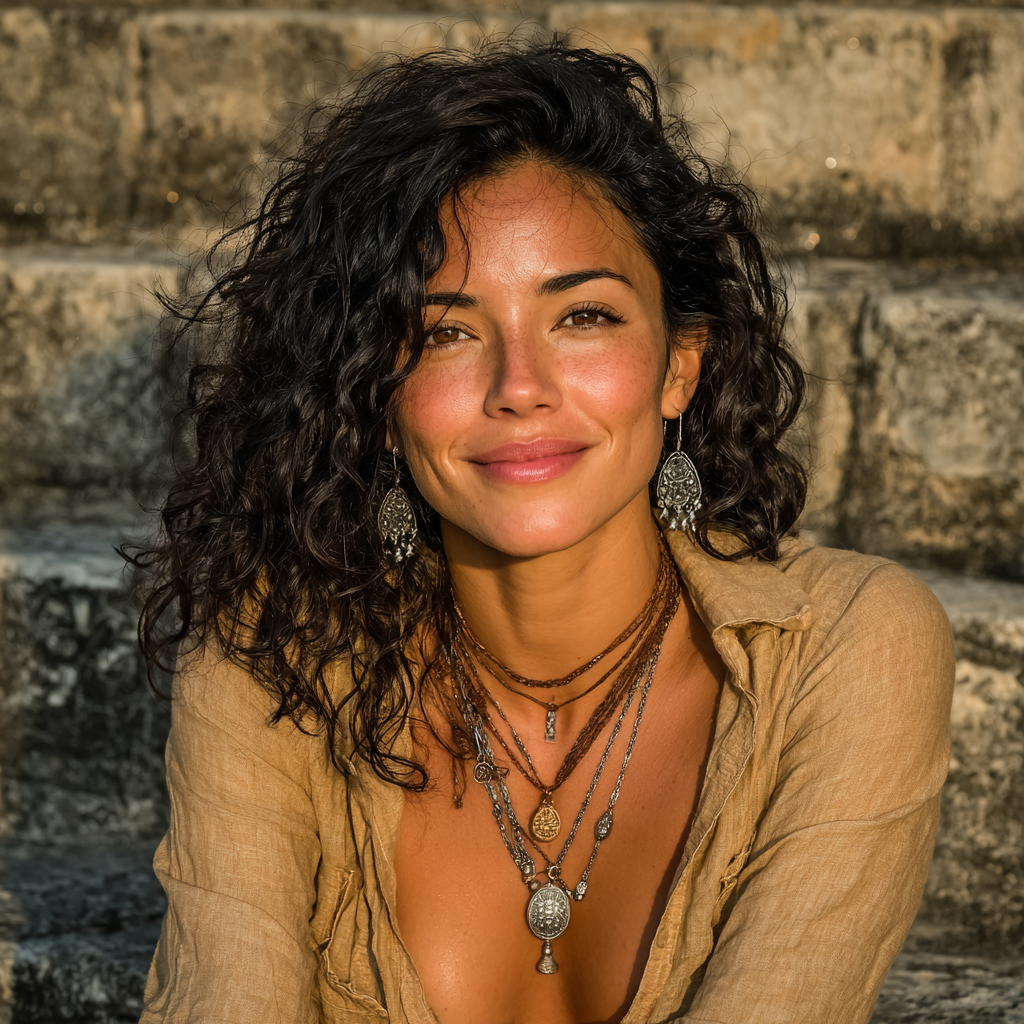
By Elena Vasquez
Cultural anthropologist and culinary storyteller. Elena spent a decade documenting traditional cooking methods across Latin America and the Mediterranean. She holds a PhD in Ethnography from Barcelona University and believes the best way to understand a place is through its kitchens and ancient streets.