
Gothenburg's Best Bites: Where to Eat in Sweden's Seafood Capital (And What to Skip)
By Sophie Brennan, Food & Drink Writer
I'm the kind of traveler who plans a trip around lunch. When I first landed in Gothenburg, I had one mission: to understand why this compact city on Sweden's west coast punches so far above its weight in culinary reputation. What I found wasn't just excellent seafood—though there's plenty of that. It was a city that treats eating with the same reverence other places reserve for cathedrals. From Michelin-starred temples to a food truck serving fried herring on a plastic plate, Gothenburg has quietly built one of Scandinavia's most compelling food scenes.
The city sits where the Göta River meets the North Sea, and that geography has dictated everything about how Gothenburgers eat. The archipelago stretches west like a string of pearls—over 20 islands within an hour's ferry ride—supplying oysters, langoustines, and shrimp that arrive at the city's kitchens still twitching. But Gothenburg isn't a one-note seafood town. It's a university city with a young population, a thriving design scene, and enough international influence to produce everything from world-class natural wine bars to Japanese-Scandinavian fusion that actually makes sense.
This guide is organized by experience, not by day. Because the best way to eat in Gothenburg is to follow your appetite—and your budget—through a landscape that rewards both the spontaneous wanderer and the meticulous planner.
The Michelin Trail: Where Gothenburg Earns Its Stars
Gothenburg has more Michelin-starred restaurants per capita than any city in Sweden, and the concentration is remarkable for a place of just 600,000 people. The star holders here don't chase trends; they cook the west coast with precision and restraint.
Koka is the anchor. Located at Viktoriagatan 12, 411 25 Göteborg (+46 31 701 79 79), this single-star restaurant occupies a quiet corner in the city center and has been defining Nordic fine dining since 2014, when it was named Sweden's Restaurant of the Year. Chefs Johan Björkman and Jonas Larsson, under owner Björn Persson, have maintained a tasting menu that evolves with the seasons—heavier in autumn and winter with root vegetables and game, lighter in spring and summer with an emphasis on plant-led dishes. What distinguishes Koka is that every single course on the tasting menu is available in a vegetarian version, and the kitchen treats those versions with the same rigor as the meat and fish.
Hours: Monday–Thursday, 6 PM–midnight; Friday–Saturday, 5 PM–midnight. Closed Sunday. Pricing: The tasting menu runs approximately 1,250 SEK with wine pairings pushing the total to around 2,500 SEK. The lunch menu, available on weekdays, is a relative bargain at 495 SEK for three courses. Reservations are essential and should be made well in advance through their website.
The restaurant's philosophy is straightforward: source from the region, cook with technique, and let the ingredients speak. Björkman and Larsson have a particular talent for fish—expect North Sea langoustines, Grebbestad oysters, and seasonal herring preparations that elevate the humble fish into something worth traveling for. The dining room is understated: white walls, simple table settings, no distractions from the plate.
Project at Södra Vägen 45 offers a slightly different approach to the same territory. It holds a Michelin star and operates with both a set menu and à la carte options, making it more accessible for those who want to experience the precision without committing to a full tasting menu. The kitchen, led by a rotating team of young chefs, experiments with fermentation and preservation techniques while keeping the flavors rooted in Scandinavian tradition. The space is modern industrial—concrete, steel, and warm lighting that makes the dining room feel like a stage set for the food.
For travelers who want to understand Gothenburg's culinary ambition, these two restaurants are the starting point. They represent the city's conviction that fine dining doesn't need to be fussy or French-influenced to be world-class.
The Fish Church Reborn: Feskekörka and Its New Era
No food lover should visit Gothenburg without stepping inside Feskekörka, the Fish Church at Rosenlundsvägen. This isn't just a market—it's a building with a personality. Designed in 1874 by architect Victor von Gorgen (who reportedly modeled it after Norwegian stave churches and Gothic stone cathedrals), the structure has a steep, pitched roof and exposed wooden beams that make it feel like you've entered a shrine to seafood.
The market had a complicated few years. After a renovation that began in 2020, it reopened in 2024 with a complete overhaul that won the Dezeen Awards 2025 for Best Heritage Project. The renovation preserved the building's distinctive silhouette while modernizing the interior with new stalls, better ventilation, and—crucially—a complete rethinking of the food offerings upstairs.
Here's what changed: Restaurant Gabriel, which had been the market's flagship dining room for two generations, closed permanently. The Malm family's legacy ended with the renovation, and the space that once served some of the city's most celebrated seafood platters now houses a different set of concepts.
What's there now:
- Victor von G (upstairs): The new flagship restaurant, named ironically after the building's original architect. The menu blends Nordic techniques with global flavors—think Korean-spiced herring, ceviche with west coast shrimp, and whole roasted fish for sharing. The space is lighter and more casual than Gabriel was, with long communal tables and a view down into the market hall.
- Lilla Åstols Rökeri: A smokehouse operation run by a family from the island of Åstol in the archipelago. They sell hot-smoked salmon, mackerel, and shrimp, and the smell alone is worth the visit.
- Haldis Kök: A food market stall serving street food-style seafood—fish tacos, clam chowder, and fried fish sandwiches that you can eat standing at high tables.
- Ekmans: A small bar pouring local craft beers and aquavit, with a short menu of raw-bar oysters and shrimp.
- Flåtens Fiskhandel and Ebbes Fångst: The traditional fishmonger stalls, still the heart of the market. These are where locals buy their Friday cod and where you should go if you want to understand what's actually in season. The staff will clean, fillet, and pack fish for travel if you're staying somewhere with a kitchen.
- Pråmen: A new outdoor terrace on the canal, open during summer months, serving wine and simple seafood plates. It's the best seat in the house on a warm evening.
Hours: The market generally operates Monday–Friday, 10 AM–6 PM; Saturday, 10 AM–3 PM. Closed Sunday. Individual restaurant hours within the building vary, with most upstairs concepts open for lunch and dinner.
The experience of Feskekörka has changed with the renovation. It's no longer the hushed, white-tablecloth temple that Gabriel made it. It's livelier, more democratic, and arguably more interesting for travelers who want to see how contemporary Gothenburg is reimagining its culinary heritage. But if you were expecting the old Gabriel experience—white-jacketed service, perfectly composed seafood platters, and the sense of eating in a cathedral—you'll need to adjust your expectations. The building still looks like a church. The food inside is now closer to a festival.
Fika and Bakeries: The Sacred Coffee Break
Sweden runs on fika—the daily coffee break, usually accompanied by something sweet and always accompanied by conversation. In Gothenburg, fika is taken seriously, and the city has developed a café culture that rivals its restaurant scene for quality and character.
Café Husaren at Haga Nygata 28 is the most famous fika spot in the city, and for one reason: the hagabullen. This is a cinnamon bun scaled up to architectural proportions—roughly the size of a dinner plate, spiraled with cardamom and cinnamon, and topped with pearl sugar. It's the kind of pastry that requires strategy to eat without covering yourself in sticky glaze. The café itself is a Haga institution, with a classic Swedish interior of dark wood, brass fixtures, and small marble-topped tables that fill quickly on weekends. Hours: Daily, 9 AM–8 PM. A hagabullen costs around 45 SEK; coffee is 35 SEK.
Da Matteo has multiple locations, but the original at Södra Larmgatan 14, in Victoriapassagen is the one to visit. This is where Gothenburg's coffee obsession began. The roastery, visible through glass walls in the back, produces some of the best coffee in Sweden. The Victoriapassagen location is a courtyard oasis—step through the passage off the busy shopping street and find yourself in a quiet glass-roofed atrium with potted plants and wooden benches. The pastries are excellent, the sourdough sandwiches are substantial, and the atmosphere is genuinely local. You'll see freelancers on laptops, mothers with strollers, and old men reading newspapers, all nursing the same meticulously brewed cups. Hours: Monday–Friday, 7:30 AM–7 PM; Saturday–Sunday, 9 AM–6 PM. Coffee: 38–45 SEK. Pastries: 35–55 SEK.
Berzelii Choklad at Magasinsgatan 12 is a small chocolate shop and café that operates with the precision of a Swiss watch. The hot chocolate here is made from single-origin cacao and is thick enough to require a spoon. The pralines, displayed in glass cases like jewelry, are worth buying as souvenirs—if they survive the trip. The owner, a former pastry chef, opens the shop at 10 AM and closes at 6 PM, Monday through Saturday. Closed Sunday. A hot chocolate is 65 SEK; individual pralines are 18–25 SEK.
Kafé Magasinet at Tredje Långgatan 9 is the best-designed café in the city. The space is split into two personalities: one side is a raw industrial warehouse with concrete floors and steel beams, the other is a bright conservatory with a glass ceiling, hanging plants, and soft seating. It's the kind of place that makes you want to stay for three hours. The coffee is strong, the lunch menu (soups, salads, open sandwiches) is fresh and well-executed, and the crowd is a mix of design students and remote workers. Hours: Monday–Friday, 8 AM–6 PM; Saturday–Sunday, 9 AM–5 PM. Lunch: 120–150 SEK.
Bar Centro at Kyrkogatan 31 is a different kind of café—Italian-influenced, compact, and serious about espresso. In the morning, it's full of creatives grabbing a quick caffeine fix before heading to studios and offices. In the evening, the same space transforms into a wine bar serving small plates. The interior feels like it was teleported from Milan: terrazzo floors, marble bar, vintage light fixtures. Hours: Coffee, 7:30 AM–4 PM; Wine bar, 5 PM–11 PM. Closed Sunday. Coffee: 35 SEK. Evening wines: 95–120 SEK per glass.
For a neighborhood fika experience, cross the river to Llama Lloyd at Väderkvarnsgatan 16a in Hisingen. The coffee is excellent (served in bright yellow cups against a black-and-white interior), and if you arrive on a bicycle, you get 10% off. It's quirky, local, and exactly the kind of place you'd never find without a tip. Hours: Tuesday–Friday, 8 AM–4 PM; Saturday, 10 AM–4 PM. Closed Sunday and Monday.
Street Food and Casual Eating: The Democratization of Good Taste
Gothenburg's most democratic food experiences happen at the lowest price points. The city has a surprising street food culture for a place with Sweden's reputation for high prices.
Strömmingsluckan—literally "the herring hatch"—is a black food truck that parks at Magasinsgatan 17 and has been serving the same two dishes for over a decade. This is fried Baltic herring, either with a traditional topping of parsley butter, mashed potato, and lingonberry sauce, or with a Dijon mustard and horseradish cream. Both plates cost under 70 SEK, which makes this one of the best-value meals in the city. The herring is wild-caught, not farmed, and fried to order while you wait. The owner, Thomas, works the fryer with the efficiency of someone who has made thousands of these plates and still believes each one matters.
Hours: Monday–Friday, 11 AM–3 PM; Saturday, noon–4 PM. Closed during winter months (roughly November–March, depending on weather) and closed Sunday. The food truck is unmarked except for a queue of locals—follow the line.
The proper way to eat this is to take your paper plate across the small bridge just south of the truck and eat on the grass slope beside the canal. In summer, this is one of the best lunches in Scandinavia. In winter, the truck is gone, and you have to settle for memory.
Jinx, a neighboring food truck at the same Magasinsgatan location, serves Asian-fusion small plates. The braised pork belly bao buns are the standout—soft, fatty, and seasoned with the confidence of a kitchen that knows exactly what it's doing. Prices range from 60–90 SEK per item.
Beijing 8 at Magasinsgatan 3 is a small chain doing traditional Chinese dumplings in a fast-casual format. The lunch special—eight dumplings and a soup—is 120 SEK and fills a hole when you need something warm and fast. Hours: Monday–Friday, 11 AM–9 PM; Saturday, 12 PM–9 PM. Closed Sunday.
Hello Monkey at Magasinsgatan 26 offers Asian fusion sharing menus with excellent dim sum. The space is small and fills quickly, so arrive early or book ahead. The crispy duck rolls and steamed shrimp dumplings are the best dishes on the menu. Hours: Tuesday–Saturday, 5 PM–10 PM. Closed Sunday and Monday. Sharing menus: 250–350 SEK per person.
The Barn at Kyrkogatan 11 serves the best burgers in the city. The concept is simple—quality beef, proper buns, and a short menu that doesn't pretend to be anything other than a burger joint. The interior is styled like a barn, which sounds kitschy but works. A burger and fries will cost around 160–190 SEK. Hours: Daily, 11:30 AM–10 PM.
Hos Pelle at Djupedalsgatan 2 is a neighborhood restaurant in Majorna serving traditional Swedish husmanskost (home cooking) with passion. The menu changes daily depending on what the kitchen can source, and the atmosphere is genuinely cozy—wood-paneled walls, checkered tablecloths, and a clientele that has been coming for years. Expect meatballs, fried herring, and hearty stews. Main courses: 120–180 SEK. Hours: Tuesday–Saturday, 11:30 AM–2:30 PM and 5 PM–9 PM. Closed Sunday and Monday.
Ölstugan is a pub chain with multiple locations around Gothenburg that serves affordable Swedish comfort food and exclusively Swedish beer. The beer selection is enormous (craft, traditional, and regional), and a pint starts at around 40 SEK. Food is simple—meatballs, sausage with mash, fish soup—but it's honest and cheap. Locations include Tredje Långgatan and Haga. Hours: Vary by location, but generally 11 AM–midnight.
Drinks: Natural Wine, Craft Beer, and Aquavit
Gothenburg's drinking scene is as layered as its food. The city has embraced natural wine with the enthusiasm of a place that discovered it early, and the craft beer movement here is older and more established than in most Scandinavian cities.
Dugges Bryggeri is one of Sweden's most successful craft breweries, and their Plantagegatan 3A taproom in the city center is where you taste what they're doing. Ten taps pour Dugges beers and a rotating selection of guest brews. The food menu is designed to pair with a crisp lager—seafood-forward, with blue and green plates representing the ocean and Swedish farmland. Hours: Wednesday–Saturday, 1 PM–10 PM. Closed Sunday, Monday, and Tuesday. Beer: 55–85 SEK per glass. Food plates: 120–180 SEK.
The natural wine bar scene is concentrated in the city center and along Tredje Långgatan. Bar Centro (mentioned in the Fika section) transitions into wine mode at 5 PM, pouring a curated list of low-intervention wines from Europe. Kale'i Kaffebar at Kyrkogatan 13 has a small but excellent wine selection and a shared outdoor patio that's perfect for summer evenings. Hours: Wine service, 5 PM–11 PM. Glasses: 95–130 SEK.
For a traditional Swedish drinking experience, any restaurant worth its salt will offer aquavit (spiced vodka, typically dill- or caraway-flavored) alongside herring. At Feskekörka, the new Ekmans bar is the best place to try it alongside fresh oysters. A shot of house aquavit is 65 SEK; oysters are 25–35 SEK each.
Tacos & Tequila at Tredje Långgatan 9 is a Mexican restaurant with a serious drinks program. The tequila and mezcal selection is extensive, and the margaritas are properly made with fresh lime juice. The lunch set menu (different every day) includes dishes not on the regular menu. Hours: Monday–Thursday, 11:30 AM–10 PM; Friday–Saturday, 11:30 AM–11 PM. Sunday, 12 PM–9 PM. Cocktails: 110–140 SEK. Lunch: 135 SEK.
Neighborhoods: Where to Eat, Where to Walk
Gothenburg's food geography is walkable and distinct. Understanding the neighborhoods helps you plan meals that flow naturally from one part of the day to the next.
Haga is the city's oldest suburb and its most charming neighborhood for food walking. The main street, Haga Nygata, is lined with cafés, independent shops, and restaurants. Café Husaren is the anchor, but the entire street rewards slow exploration. The wooden houses, many dating to the 19th century, have been converted into bakeries, chocolate shops, and vintage stores. Sjöbaren at Haga Nygata 25 (+46 31 711 97 80) is a 100-year-old fish and seafood restaurant with purse-friendly prices and a relaxed atmosphere. It's where locals take visitors who want traditional Swedish seafood without the Michelin prices. Main courses: 180–280 SEK. Hours: Daily, 11:30 AM–10 PM.
Magasinsgatan and the surrounding blocks are the design district, but they're also a food destination. The food trucks at Magasinsgatan 17, the chocolate at Berzelii, and the shopping (Artilleriet at Magasinsgatan 19, Grandpa at Vallgatan 3) create a natural circuit: browse, eat, browse, fika. This is the best area for a self-directed food afternoon.
Tredje Långgatan is the regenerated street that has become the city's hottest restaurant strip. Kafé Magasinet, Tacos & Tequila, and several other bars and restaurants pack into a short stretch. The crowd is young, the atmosphere is casual, and the food is consistently good. This is where you eat on your second night, after you've done the traditional seafood and want to see what contemporary Gothenburg looks like.
Linnéstaden and Majorna are the neighborhoods south of the city center where locals actually live. Hos Pelle in Majorna is the best reason to make the trip, but the area also has Luckans Fisk—a combined fishmonger and deli that serves excellent lunches. This is where you go when you want to see the city without the tourist overlay.
Practical Logistics: Getting There, Getting Around, and When to Eat
Getting to Gothenburg: Landvetter Airport (GOT) is 25 km east of the city. The Flygbussarna airport bus runs every 15–20 minutes and takes 30 minutes to reach the central station. Cost: 105 SEK one-way. Taxis are 450–550 SEK and take 20–25 minutes. The city is also reachable by train from Stockholm (3.5 hours) and Copenhagen (3.5 hours), with regular Öresundståg and SJ services.
Getting around: The city center is compact and walkable. Most restaurants in this guide are within a 20-minute walk of each other. For longer trips, the tram system (Västtrafik) is efficient and covers the city and surrounding areas. A single ticket costs 35 SEK and is valid for 90 minutes. A 24-hour pass is 115 SEK, 3-day pass is 230 SEK. Buy tickets via the Västtrafik To Go app or at any tram stop. The ferries to the archipelago (Styrsöbolaget) depart from Saltholmen and are included in the Västtrafik pass.
Best time to visit for food: May through September is the optimal window. The herring truck operates, outdoor terraces are open, and the archipelago is accessible. July is peak tourist season—book restaurants in advance. August is harvest season for local vegetables and berries. September is when the mushroom season begins, and restaurants like Koka adjust their menus accordingly. Winter (November–March) has its own charm—cozy cafés, Christmas markets, and hearty stews—but the outdoor food experiences are limited.
Tipping: Not expected in Sweden. Service staff are paid fair wages. If you received exceptional service, rounding up or leaving 5–10% is appreciated but never required.
Payment: Cards are accepted everywhere. Sweden is nearly cashless. Bring a Visa or Mastercard; American Express is accepted less frequently.
Language: English is spoken fluently by virtually everyone in the service industry. Menus are typically available in English, especially at restaurants that cater to international visitors.
Reservations: For Koka and Project, book at least 2–4 weeks in advance. For Feskekörka's upstairs restaurants, a few days' notice is usually sufficient. For cafés and casual restaurants, no reservations are needed except for weekend brunch.
What to Skip: The Tourist Traps and Overrated Spots
Restaurant Gabriel is the most obvious entry here—not because the food was bad, but because it no longer exists. The Malm family's flagship inside Feskekörka closed permanently during the 2020–2024 renovation. If you see old guidebooks or blog posts recommending Gabriel, they're outdated. The new Victor von G occupies the space, but it's a different restaurant with a different philosophy. Don't arrive expecting the old Gabriel experience.
The main square food stalls (Kungsportsplatsen area) are generally underwhelming. The kebab shops and fast-food outlets around the central square cater to nightlife crowds, not to discerning eaters. You're better off walking ten minutes to Magasinsgatan or Tredje Långgatan.
Generic "Swedish buffet" restaurants in the city center. These are the places with laminated menus in six languages offering "traditional Swedish meatballs" as a predictable plate with lingonberry sauce and mash. The food is technically correct but spiritually dead. For the same price, Hos Pelle or Ölstugan will give you something authentic.
The fanciest restaurants on Liseberg amusement park. If you're visiting the park (and you should—it's an excellent amusement park), eat the simple park food or wait until you leave. The sit-down restaurants inside are overpriced and underwhelming compared to what's available in the city.
Surströmming (fermented herring) tastings aimed at tourists. This is the famously pungent fermented herring from northern Sweden. Some tour operators in Gothenburg offer it as a "authentic Swedish experience." It's not a Gothenburg tradition—it's from the High Coast, 500 km north. If you want to try it, go to the right region. In Gothenburg, stick to fresh fried herring at Strömmingsluckan.
Dugges Pils (the original Södra Larmgatan location) closed in December 2024. Their current taproom is at Plantagegatan 3A. Don't follow old addresses.
The Last Word: Why Gothenburg Rewards the Hungry Traveler
Gothenburg doesn't announce itself. It doesn't have the global fame of Copenhagen or Stockholm, and that's precisely what makes it special. The city is small enough to walk across in an afternoon, but its food scene is deep enough to reward a week of exploration.
The key is to match your appetite to the city's rhythms. Start with fika in Haga, move to the herring truck for lunch, explore the archipelago in the afternoon, and return for a Michelin-starred dinner that evening. Or do the reverse: begin with Koka's tasting menu, walk it off along the canals, and end with a late-night beer at Dugges.
What unites the best experiences here is a respect for ingredients. The cold, clean waters of the west coast produce fish with a sweetness that warmer waters can't replicate. The long winters mean that when summer arrives, Gothenburgers treat every outdoor meal as a celebration. The city's size means that chefs know their suppliers personally, and that relationship shows on the plate.
I've eaten in cities with more restaurants, more stars, and more hype. But few places offer the combination of accessibility, quality, and genuine character that Gothenburg does. The Michelin-starred meal costs less than a mediocre dinner in London. The herring truck serves wild-caught fish for less than a fast-food burger. The fika culture means that even your coffee break is an event worth remembering.
That's the Gothenburg food story. It's not about showmanship. It's about substance, seasonality, and the quiet confidence of a city that knows exactly what it is.
Sophie Brennan is a food and travel writer based in Lisbon. She writes about the intersection of place and plate, with a particular focus on coastal cities and the food traditions that define them. When she's not eating, she's usually walking—slowly, toward the next meal.
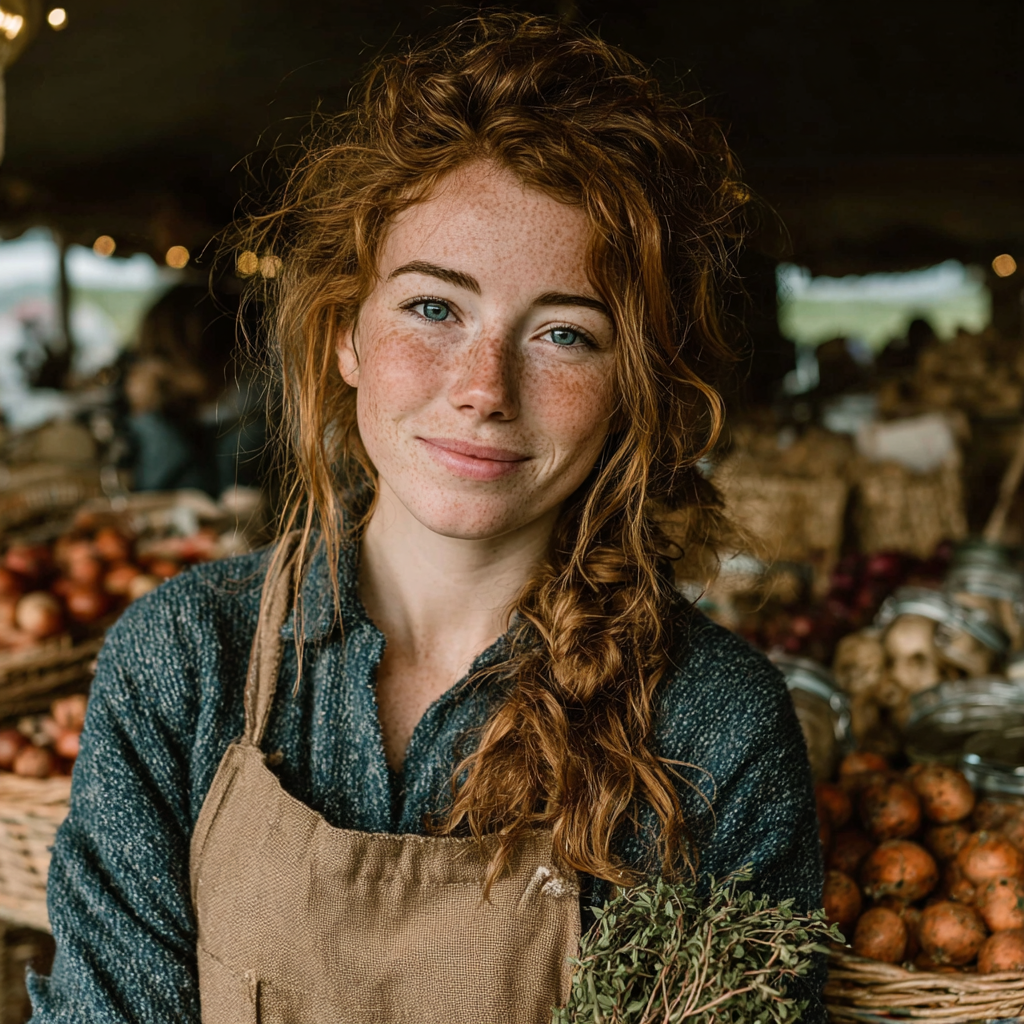
By Sophie Brennan
Irish food writer and historian based in Lisbon. Sophie combines her background in medieval history with a passion for contemporary gastronomy. She has written for Condé Nast Traveller and authored two cookbooks exploring Celtic and Iberian culinary traditions.