
Stockholm's Food Rebellion: How a City of 14 Islands Quietly Rewrote Nordic Cuisine
Stockholm has a complicated relationship with its own food. For decades, the city's culinary reputation abroad started and ended with meatballs, herring, and that IKEA cafeteria aesthetic. Meanwhile, locals were quietly eating something else entirely. Then the New Nordic movement happened, and suddenly Stockholm became a pilgrimage site for chefs and food journalists. The truth is somewhere between these poles—and a lot more interesting than either extreme.
Yes, the city punches absurdly above its weight in Michelin stars—more than most capitals twice its size. But it's also a place where office workers queue at 11:45 AM for a specific shrimp sandwich at a specific counter, where the coffee break is constitutionally protected social infrastructure, and where the best meal you eat might cost 120 kronor from a market stall. This is a city where Syrian bakers share neighborhoods with third-generation seafood mongers, where natural wine bars operate next to 120-year-old husmanskost halls, and where the state alcohol monopoly has shaped a food culture that doesn't revolve around drinking—it revolves around eating well.
The Stockholm food scene is fundamentally democratic. High and low coexist without tension. A four-star chef might eat lunch at the same food hall counter as a taxi driver. The princess cake at a 1928 bakery is as fiercely defended as the tasting menu at a Michelin-starred restaurant. Understanding this is the key to understanding Stockholm: it's not about chasing the new or preserving the old. It's about a culture that treats eating as a serious, daily pleasure, available to everyone.
The Morning Ritual: Where Stockholmers Actually Shop and Eat
Östermalms Saluhall: The Cathedral of Swedish Food
Start your food education at Östermalms Saluhall (Östermalmstorg, Humlegårdsgatan 1, Östermalm). This is not a curated food hall for tourists. It's an operating market since 1888 where actual Stockholmers buy actual ingredients. The building itself—a red-brick cathedral of commerce with cast-iron columns and vaulted glass—was completely restored and reopened in 2020 after a meticulous renovation. The market is now housed in a bright, modern space that retains the original building's character while adding natural light and improved facilities.
Hours: Monday–Friday 9:30 AM–7 PM, Saturday 9:30 AM–5 PM. Closed Sunday. The restaurants inside with street entrances often stay open later. Metro: Östermalmstorg.
Lisa Elmqvist has been selling seafood here since 1926. Their toast skagen—shrimp salad on buttered bread with roe and dill—costs around 250 kronor these days (counter classics span roughly 145–325 kronor) and comes with a lemon wedge and a view of the market floor. The shrimp are hand-peeled, the mayonnaise is house-made, and the bread comes from a bakery in Södermalm that delivers twice daily. Eat at the counter. Watch the regulars order in rapid Swedish. This is Stockholm's food culture in its essential form: quality ingredients, treated simply, eaten without ceremony. Open Monday–Friday 9:30 AM–7 PM, Saturday 9:30 AM–5 PM, mirroring the hall's hours.
Across the hall, Meats has been butchering and curing since 1971. Their reindeer carpaccio is sliced paper-thin and dressed with nothing but good oil and arugula. The venison sausages sell out by early afternoon. If you're building a picnic, this is where you get the protein component. The staff will slice everything to order and wrap it for travel.
Hötorgshallen: Stockholm's Multicultural Underground
For a completely different market experience, descend into Hötorgshallen (Hötorget, Norrmalm). This indoor market beneath the Filmstaden cinema is Stockholm at its most multicultural—stalls selling Nordic seafood sit next to Lebanese hummus, Persian teas, and Ethiopian spices. It's where the city's immigrant communities have shopped for generations, and the energy is completely different from the polished Östermalms Saluhall.
Hours: Monday–Thursday 10 AM–6 PM, Friday 10 AM–6:30 PM, Saturday 10 AM–4 PM. Closed Sunday. Metro: Hötorget.
The legendary Kajsas Fisk serves a massive bowl of fisksoppa (fish stew) with aioli for around 140 kronor—pricey for a food hall, but it includes one free refill plus free crisp bread, butter, and a help-yourself salad bar. This is working-class Stockholm food—hearty, unpretentious, deeply satisfying. The space is tiny, the line is long, and the stew is worth every minute of waiting. Eat standing at the counter or take it to the nearby park. Demand is such that a second branch was due to open in the rebuilt Söderhallarna by late 2026.
Breakfast Beyond the Hotel Buffet
Swedish breakfast is often treated as a hotel amenity rather than a meal worth seeking out. That's a mistake. Vete-Katten (Kungsgatan 55, Norrmalm) has been operating since 1928 in a warren of rooms near Hötorget. While famous for fika, their breakfast—fresh bread, cheese, ham, and a soft-boiled egg—is served from 7:30 AM and offers a window into how Stockholmers actually start their day. The atmosphere of faded elegance and the reliability of the coffee make this a genuine institution. Open Monday–Friday 7:30 AM–7 PM, Saturday–Sunday 9:30 AM–6 PM.
For a more contemporary breakfast, Fabrique (multiple locations, original at Rosenlundsgatan 4, Södermalm) bakes sourdough cardamom buns in the basement and sells them from the ground floor. A bun and filter coffee costs 65 kronor. The cardamom is ground fresh daily. The original location opens at 7 AM on weekdays and is filled with locals grabbing breakfast before work.
Fika: The Structural Pillar of Swedish Life
Fika is not a coffee break. That's the wrong way to think about it. Fika is a social institution, a moment of mandated pause, a daily assertion that work does not consume all of life. The word functions as both noun and verb. You don't "have" a fika. You fika. And you do it with others—fika alone is considered slightly sad.
The quality of fika varies enormously, and Stockholmers have strong opinions about where to do it properly.
Vete-Katten (Kungsgatan 55) is the grand old dame. The princess cake—green marzipan dome hiding whipped cream and raspberry jam—is the signature, but locals come for the atmosphere of faded elegance and the reliability of the coffee. It's where grandparents take grandchildren, where book clubs meet, where the same waiters have worked for thirty years. The princess cake costs 85 kronor. A coffee and cake fika costs around 120 kronor total.
More contemporary but equally serious is Fabrique (Rosenlundsgatan 4, Södermalm). Their kardemummabullar have a crackly caramelized exterior and a soft, fragrant interior. The sourdough cinnamon buns—kanelbullar—are equally excellent. The original location still bakes in the basement and sells from the ground floor. A bun and a filter coffee costs 65 kronor.
For a third option that bridges old and new, Lillebror (Rörstrandsgatan 12, Vasastan) is a bakery that opened next to the wine bar Nektar and has become a destination in itself. Their sourdough cinnamon buns and seasonal fruit tarts have a sourdough base that gives everything a deeper, more complex flavor. Open Tuesday–Saturday from 8 AM. A pastry and coffee costs 75–90 kronor.
Fika hours are typically 10–11 AM and 3–4 PM, though these are flexible. The key is that fika is a break from whatever you're doing. Trying to schedule a meeting during fika is a minor social transgression. Showing up with a coffee from 7-Eleven is a major one.
Lunch: The Secret Weapon of Stockholm Dining
The city's relationship with alcohol deserves mention because it shapes when and how people eat. Systembolaget, the state alcohol monopoly, closes at 6 PM on weekdays (3 PM on Saturdays) and isn't open Sundays. Restaurants can serve alcohol, but at prices that encourage moderation. The result is a food culture that doesn't revolve around drinking. You eat because the food is worth eating, not because you're drinking and need accompaniment.
This is particularly evident at lunch, when the dagens rätt—daily special—becomes the primary way Stockholmers experience restaurant food.
The dagens rätt tradition is Stockholm's best food value and least-known secret. Between 11 AM and 2 PM, most restaurants offer a fixed lunch menu that typically includes a main, salad, bread, coffee, and sometimes a small dessert for 100–130 kronor. The quality varies, but at established places, it represents extraordinary value. This is how Stockholmers eat at restaurants regularly—by taking advantage of lunch.
At Prinsen (Mäster Samuelsgatan 4, Norrmalm), an Art Nouveau institution since 1897, the weekday lunch might be fried herring with mashed potatoes or a lamb stew that has been simmering since morning. The room is filled with regulars who treat the place as an extension of their dining rooms. The dagens rätt costs roughly 150–165 kronor and includes salad, bread, and coffee. Hours: Monday–Friday 11:30 AM–2 PM for lunch, 5 PM–11 PM for dinner. Closed Saturday–Sunday.
For a more modern lunch experience, Urban Deli (Nytorget 4, Södermalm, and other locations) operates hybrid restaurant-market-bar spaces. Their Södermalm location, in a former industrial building, has a 200-seat dining room, a full market, and a rooftop terrace. The lunch buffet—salad, soup, bread, coffee—costs around 155 kronor and draws a mix of office workers and freelancers working on laptops. Hours: Monday–Friday 11 AM–2 PM for the buffet. The restaurant stays open until 11 PM.
For a quick, high-quality lunch near the market, Lisa Elmqvist in Östermalms Saluhall offers a seafood lunch plate—typically grilled fish with potatoes and a light sauce—for 185 kronor. It's standing-room only at the counter, but the fish is impeccably fresh and the preparation is simple and precise. This is the kind of lunch that reminds you Stockholm is a city built on water, surrounded by Baltic herring and archipelago salmon.
New Nordic and Its Discontents: Where Tradition Meets Innovation
The New Nordic movement that put Stockholm on the global food map began here, at restaurants that treated Swedish ingredients with the reverence previously reserved for French or Italian imports. The manifesto—signed in 2004 by chefs including René Redzepi—emphasized purity, freshness, seasonality, and ethical sourcing. What started as a radical movement has become mainstream, and in Stockholm, you can now eat "New Nordic" at everything from a food truck to a three-star restaurant.
Frantzén (Klara Norra Kyrkogata 26, Norrmalm) remains the apex predator of this ecosystem—three Michelin stars, fewer than two dozen seats, and a kitchen that applies almost intimidating precision to reindeer, cloudberries, and fermented everything. Mind the address: the restaurant left Gamla Stan for a discreet brick townhouse near Hötorget back in 2017, and the old Lilla Nygatan premises now house an unrelated bistro. The tasting menu runs roughly 5,000–5,500 kronor before wine—an experience, unquestionably, but also the most expensive meal in Sweden, with tables releasing months ahead. Hours: Tuesday–Saturday, dinner only. Reservations essential.
The alumni network is the real story of 2026. Björn Frantzén's flame-grilled Emberlin (Stureplan 8, Östermalm) opened in early 2026 with a live-fire kitchen and a serious cocktail bar—buzzy, bookable, and "only" a few thousand kronor for two with drinks. And the master's precision now ripples through the city's newest Michelin one-stars, both opened by ex-Frantzén chefs in 2024 and both confirmed in the 2026 guide: ergo. (chef Petter Johansson) and Persona (Louis Céspedes and Jonatan Nyström). They are the gentler-price proof that Stockholm's fine-dining gene pool keeps regenerating.
Consider Pelikan (Blekingegatan 40, Södermalm) instead. Operating since 1904 in a vast, high-ceilinged hall, Pelikan serves traditional Swedish husmanskost—home cooking—in portions that suggest the kitchen is feeding farmhands rather than city office workers. The meatballs are the main event: veal and pork, bound with cream, served in a lake of brown gravy with lingonberries and pickled cucumber. A full plate with potatoes costs around 275 kronor these days—up notably from a few years ago, but the portions still defeat most appetites, and the weekday dagens lunch (11:30 AM–1:30 PM) remains a steal at roughly 110 kronor. The beer is cheap, the service is efficient bordering on brusque, and the room fills with regulars who have been coming for decades. This is New Nordic's ideological foundation—an insistence that Swedish food traditions are worthy of respect and preservation. Hours: Open daily from 11:30 AM until around 1 AM. If Pelikan is full, Meatballs for the People (Nytorgsgatan 30, Södermalm) does the modern, game-meat version—moose, venison, and wild boar balls for around 175–245 kronor—with equal conviction.
For a more contemporary take, visit Restaurant Etoile (Södra Esplanaden 1, Vasastan). Chef Jonas Lundgren applies fine-dining technique to humble ingredients without the fine-dining price tag or pretension. The menu changes weekly based on what Swedish farmers and fishermen deliver. In autumn, you might find wild mushrooms from forests outside Uppsala, served simply with egg yolk and crispy rye. In winter, it's Baltic herring prepared three ways, each preparation honoring a different regional tradition. A three-course dinner costs around 650 kronor. The wine list focuses on natural and biodynamic producers from across Europe. Hours: Tuesday–Saturday 5 PM–late.
Bar Agrikultur (Skånegatan 79, Södermalm) is the new face of accessible Nordic dining. With 24 seats and no reservations, it serves mid-sized dishes at prices that don't require a special occasion. The pickled cucumber with smetana and honey became a viral hit for a reason—it's simple, surprising, and perfectly executed. Expect to pay 650–850 kronor per person for a handful of dishes to share and two glasses of wine. The petit choux cheese balls and matchstick fries are classics that can't be removed from the menu. Hours: Open daily from 5 PM; kitchen until 10 PM (11 PM Friday–Saturday). It holds a Michelin Bib Gourmand in the 2026 guide. Chef Filip Fastén's comeback, Krog Agrikultur (Franska bukten 10, beneath the Guldbron bridge at Slussen), reopened in October 2025 and is the grown-up sibling worth booking.
For something genuinely unusual, Brutalisten—from artist Carsten Höller, with chef Coen Dieleman ex-Geranium—builds every dish around a single ingredient, the "brutalist" philosophy in edible form. It's more art project than restaurant, and that's exactly the point.
The Immigrant Influence: Stockholm's Other Food Story
Stockholm's immigrant communities have fundamentally shaped its food landscape, though this influence is often underreported in foreign coverage focused on Nordic purity. The suburb of Rinkeby—rarely visited by tourists—has some of the best Somali food in Europe. The city center has absorbed these influences more slowly, but they're everywhere once you know where to look.
Söderhallarna (Medborgarplatsen, Södermalm) houses vendors representing thirty different cuisines. Källarhalvan, the basement level, has been operating since 1952 and still features a Finnish vendor selling lihapiirakka—meat-filled pastries—that sustained the Finnish dockworkers who built modern Stockholm. The market is open Monday–Friday 10 AM–7 PM, Saturday 10 AM–5 PM, Sunday 11 AM–5 PM—though with the complex mid-rebuild for years now, check what's actually operating before planning around it; the full reopening as a food-and-market destination is slated for late 2026.
For Middle Eastern food, the strip of Odengatan near Odenplan offers concentrated quality. Falafelköket (Odengatan 28, Vasastan) has been frying falafel since 1992, long before chickpea balls became a global fast-casual staple. Their secret is the spice blend—cumin, coriander, and a touch of cinnamon—mixed fresh weekly by the owner's mother. The falafel sandwich costs 85 kronor and feeds two people. Hours: Monday–Friday 10 AM–9 PM, Saturday–Sunday 11 AM–9 PM.
Next door, Damascus Bakery (Odengatan 30, Vasastan) makes mana'eesh—flatbread topped with za'atar or cheese—in a wood-fired oven visible from the street. The baker, Ahmad, learned the craft in Aleppo and has been making bread in Stockholm for fifteen years. A mana'eesh costs 45–65 kronor depending on toppings. Hours: Daily 8 AM–8 PM.
For Thai food that hasn't been adapted for Swedish tastes, Thongwiset (Hornsgatan 85, Södermalm) is a small, family-run restaurant opened in 2015 by the food-loving couple Lee and Janne. Walk-ins only. The pad thai wrapped in an omelette is a signature, and the laab with minced pork, herbs, and lime juice is authentically spicy. Expect to pay under 200 kronor per person, or around 130 kronor at lunch. Hours: Daily with varying hours—check their Instagram for updates.
For Japanese that goes beyond sushi, Miyakodori (Upplandsgatan 7, Vasastan) is a celebrated izakaya run by three experienced chefs with backgrounds at restaurants like Frantzén. The yakitori skewers from the charcoal grill are smoky and caramelized with tare glaze. The sake selection is thoughtful, and the staff are happy to guide you. Expect to pay 500–700 kronor per person including drinks and sake. Hours: Wednesday–Thursday 5 PM–12 AM, Friday–Saturday 5 PM–1 AM, Sunday 5 PM–11 PM.
Dinner by Neighborhood: Where to Eat After Dark
Södermalm: The Island of Contradictions
Södermalm has the highest concentration of interesting restaurants at moderate prices. Hornstull, at the island's western edge, has transformed from working-class docks to restaurant row in two decades.
Barbro (Hornsgatan 99, Södermalm) is a cinema-restaurant hybrid that serves excellent Japanese-Swedish fusion—think herring prepared as sashimi, or Swedish venison with miso—in a room that screens art films on one wall. A full dinner costs around 400 kronor. Hours: Open daily for dinner, plus brunch on weekends.
Nearby, Linje Tio (Hornstulls Strand 4, Södermalm) focuses on natural wine and small plates that change daily based on what the chef finds at the market. The wine list is adventurous, the food is unpretentious, and the atmosphere is exactly what you want from a neighborhood wine bar. Small plates cost 85–150 kronor each. Hours: Tuesday–Saturday 5 PM–late.
Tjoget (Hornstulls Strand 13, Södermalm) is a restaurant, wine bar, and beer café all in one. The bar has been named one of the best in the world more than once, and the restaurant serves Mediterranean-influenced small plates in a lively, crowded room. Expect to pay 500–700 kronor per person for dinner with drinks. Hours: Open daily from 5 PM.
Slussen: The New Waterfront Dining Strip
Stockholm's biggest dining story of 2026 is the transformation of the Slussen waterfront, under and around the golden Guldbron bridge linking Södermalm to Gamla Stan. After a decade of construction chaos, the area has suddenly become the city's hottest dining address.
Krog Agrikultur (Franska bukten 10, literally beneath Guldbron) is chef Filip Fastén's return after his first Agrikultur lost its Michelin star to a 2022 closure—same ingredient-driven ethos, same precision, bigger room. Slussporten, steps away in the same under-bridge complex, is a sprawling 2026 opening from the Nobis group: brasserie-leaning menu, long bar, and the sense that this is where Stockholmers will drink for the next decade. Along the water, the Mälarterrassen development is rolling out in stages through 2026—Restaurang Liv from chef Tommy Myllymäki opened in May 2026, with Brasserie Astrid and Villa Valentina following. In summer, this strip offers the best combination of food, water views, and people-watching in the city.
Gamla Stan: The Old Town's Hidden Gems
Gamla Stan is touristy, but it also contains some of Stockholm's most atmospheric restaurants. The key is knowing which ones are genuine institutions and which are tourist traps.
Bistro Zissou (Lilla Nygatan 21, Gamla Stan) is a family-run restaurant that feels like stepping into a warm hug. Restaurateur Emma Skerfe runs it with her husband and chef Kalle Lindborg. The food leans French, and the menu is easy to navigate: three choices each for starter, main, and dessert. The chicken with truffle duxelles, morels, and pilaf rice is a standout. Expect to pay 800–1,000 kronor for three courses and two glasses of wine. Hours: Wednesday–Saturday evenings.
Leijontornet (Lilla Nygatan 5, Gamla Stan) reopened in autumn 2023 in an entire house filled with different rooms, hidden corners, and winding passageways. After passing the lively bar at the entrance, you're led up a narrow staircase and through a corridor before the space suddenly opens into a magnificent courtyard under the open sky. The food is Italian- and southern European-inspired, and the wine list is among the best in the country. Portions are generous, but save room for the oversized dessert bowls. Hours: Tuesday–Saturday evenings.
Östermalm: Elegance and Tradition
Teatergrillen (Nybrogatan 3, Östermalm) is one of Stockholm's most iconic restaurants, opened in 1945 by legendary chef Tore Wretman, often called the father of Swedish cuisine. The interior, designed in 1968 and largely untouched since, is one of the country's best preserved, with red velvet, theatrical décor, and a mural running around the dining room. The only table for two in the dining room was Ingmar Bergman's favorite and is now known as the Bergman table. Expect to pay 700–1,000 kronor per person. Hours: Monday–Friday 11:30 AM–2 PM and 5 PM–11 PM, Saturday 5 PM–11 PM.
PA&Co (Riddargatan 8, Östermalm) is a legendary neighborhood restaurant opened in 1986. It's a go-to spot for Stockholm's creative and cultural crowd. The burger was named one of the world's five best by the Financial Times, and the signature dessert Gino—with fruit, white chocolate, and ice cream—was invented here and remains one of Stockholm's best desserts. Expect to pay 400–600 kronor per person with drinks. Hours: Tuesday–Saturday 5 PM–12 AM.
The Smörgåsbord Question
No Stockholm food guide is complete without addressing the smörgåsbord—the parade of herring, gravlax, cold cuts, warm dishes, and cheese that Swedes claim, correctly, is not a buffet but a ritual. Your serious options are Operakällaren (in the Opera House at Kungsträdgården, holding one Michelin star through multiple generations of chefs) and the Veranda at the Grand Hôtel (Södra Blasieholmshamnen 8), whose waterfront smörgåsbord has been an institution for over a century. Budget roughly 600–900 kronor per person, go hungry, and observe the proper sequence: herring first, then cold fish, then warm dishes, then cheese. Arguing about whether you did it right is half the fun.
Drinking in Stockholm: Aquavit, Natural Wine, and Everything Between
The state alcohol monopoly, Systembolaget, has created a drinking culture that's fundamentally different from the rest of Europe. You can't buy wine or spirits after 6 PM on weekdays, after 3 PM on Saturday, or at all on Sunday. Restaurants can serve alcohol, but at prices that make moderation the default. The result is a city that drinks less but drinks better—a focus on quality over quantity, and on cocktails that are worth the price.
The Classic Bars
Cadierbaren (Södra Blasieholmshamnen 8, Norrmalm), inside the Grand Hôtel, is Stockholm's most glamorous bar. With views of the water and the Royal Palace, it serves classic cocktails in a room that feels like a set from a 1950s film. The bartenders are world-class, and the atmosphere is both refined and welcoming. A cocktail costs 185–220 kronor. Hours: Open daily from late morning until 1 AM.
Röda Huset (Malmskillnadsgatan 9, Norrmalm) is a cocktail bar in a red building overlooking Sergels Torg. The drink menu, designed by award-winning bartender Hampus Thunholm, incorporates local flavors from Sweden like carrots, plums, and raspberries. A cocktail costs 165–195 kronor. Hours: Tuesday–Saturday 5 PM–late.
The New Wave
A bar called Gemma (Grev Turegatan 30, Östermalm) is a cozy retreat known for creative yet balanced drinks. The signature cocktail with gin, sake, pistachio, ginger, and citrus should not be missed. It was named third-best cocktail bar in Europe in 2020 by Big 7 Travel. A cocktail costs 175–210 kronor. Hours: Tuesday–Saturday evenings.
Brännerian (Arvid Nilssons Allé 7, Södermalm) is the small bar belonging to local distillery Stockholms Bränneri. Their aim is to produce all the spirits they serve on site. The cocktails are inventive, the atmosphere is intimate, and the small bar menu features simple dishes like pie, grilled cheese, and oysters. Hours: Thursday–Saturday 5 PM–late.
G.A.T. (Gustav Adolfs torg 16, Norrmalm), opened in January 2026 by the team behind Tjoget and Liebling, is a New York–inflected bistro-bar hybrid that has been packed since day one. Come for the martini service and dressed oysters, stay for the late-night energy.
For aquavit specifically, the Spritmuseum (Galärvarvsvägen 2, Djurgården) is part museum, part tasting room, with flights of Sweden's defining spirit and exhibits on the nation's complicated relationship with alcohol. Tastings run a few hundred kronor and pair surprisingly well with the museum's waterfront restaurant. It's the one place where the monopoly's history becomes the entertainment rather than the obstacle.
Natural Wine Bars
Linje Tio (Hornstulls Strand 4, Södermalm) has one of the city's best natural wine lists. The bartenders are knowledgeable without being pretentious, and the selection changes constantly based on what's interesting and available. Glasses cost 120–165 kronor. Hours: Tuesday–Saturday 5 PM–late.
Nektar (Rörstrandsgatan 12, Vasastan) is technically a wine bar, but the food demands as much attention. The menu is dynamic, and the wine list is eclectic and adventurous. Expect to pay 600–800 kronor for two to three dishes and two glasses of wine. Hours: Tuesday–Saturday evenings, plus daytime on Saturdays.
What to Skip
The Ice Bar (Vasaplan 4, Norrmalm). Yes, it's made of ice. Yes, you get a thermal poncho. No, it's not worth 200 kronor for a drink in a freezer. Stockholm has approximately 1,000 better places to drink, and this is a tourist trap that even most tourists regret.
Gamla Stan restaurants with multilingual menus displayed on the sidewalk. If the menu is in six languages and features photos of the food, walk away. The Old Town has excellent restaurants—Bistro Zissou and Leijontornet are proof—but the ones with sidewalk barkers are uniformly mediocre and overpriced.
The Stockholm Archipelago dinner cruise. The food is buffet-quality at best, the "gourmet" marketing is misleading, and you're better off taking a daytime ferry to Vaxholm and eating at a local restaurant there. If you want a special meal near the water, Aira (Biskopsvägen 9, Djurgården) holds two Michelin stars in a striking dark-timber waterfront building. Or skip the boat entirely and eat at one of the waterfront terraces at Slussen or Hornstull with actual views. (If an older guide sends you to Oaxen on Beckholmsvägen, note that it closed in December 2022—the building now houses the unrelated Slipen.)
Systembolaget on Saturday afternoon. The state alcohol monopoly closes at 3 PM on Saturdays and is closed all day Sunday. If you want wine for your hotel room or apartment, shop before Saturday afternoon. Plan ahead, or embrace Stockholm's alcohol-moderate culture and drink at restaurants instead.
Fika at Starbucks. This is not a joke. Fika is a social institution, and doing it at a global chain is considered a minor cultural betrayal. Stockholm has dozens of excellent independent coffee shops and bakeries. Use them.
The Author
Sophie Brennan writes about food, culture, and the places where they intersect. She has spent the last fifteen years traveling between Lisbon, Tokyo, and Stockholm, studying how cities build food cultures that resist globalization. She believes the best restaurant review is written by a taxi driver, and the best meal is usually the one you weren't planning to have.
Her Stockholm research involves approximately three fika per day, extensive conversations with fishmongers, and a growing conviction that the Swedish coffee break is the most civilized social institution in Europe. She owns seven cardigans and is not embarrassed about any of them.
Practical Notes
Cash is essentially extinct. Sweden is the most cashless society on earth. Some places don't accept cash at all. Bring a card with no foreign transaction fees.
Many restaurants close for several weeks in July when Stockholmers flee to summer houses. Always check hours before visiting, especially in midsummer.
Tipping is not expected but rounding up is appreciated for good service. At restaurants, 5–10% is generous. At bars, rounding to the nearest 10 kronor is sufficient.
The subway and bus system is efficient and reliable. As of 2026 a single 75-minute ticket costs 43 kronor, a 24-hour pass runs 180 kronor, and a 72-hour pass 360 kronor, with discounts for under-20s and seniors. You can now tap a contactless bank card directly at the gates—no app needed—though the SL app remains the easiest way to manage passes and discounted fares.
Reservation culture varies. High-end restaurants require booking weeks or months ahead. Mid-range restaurants often accept walk-ins, but booking a day ahead is wise, especially on weekends. The most popular no-reservation spots—Bar Agrikultur, Thongwiset—require arriving early or waiting.
Alcohol purchasing hours at Systembolaget: Monday–Wednesday 10 AM–6 PM, Thursday–Friday 10 AM–7 PM, Saturday 10 AM–3 PM. Closed Sunday. Plan accordingly if you want to buy wine for your accommodation.
The Stockholm Card or Go City Stockholm Pass can save money if you're visiting multiple museums and attractions, but do the math first. Many of the city's best experiences—walking through neighborhoods, window shopping at markets, fika at a local bakery—cost nothing.
Weather matters. Stockholm in July is magical—long, light evenings, outdoor terraces, food trucks in the parks. Stockholm in January is challenging—short days, early restaurant closures, a city that retreats indoors. The food is good year-round, but the experience changes dramatically with the season.
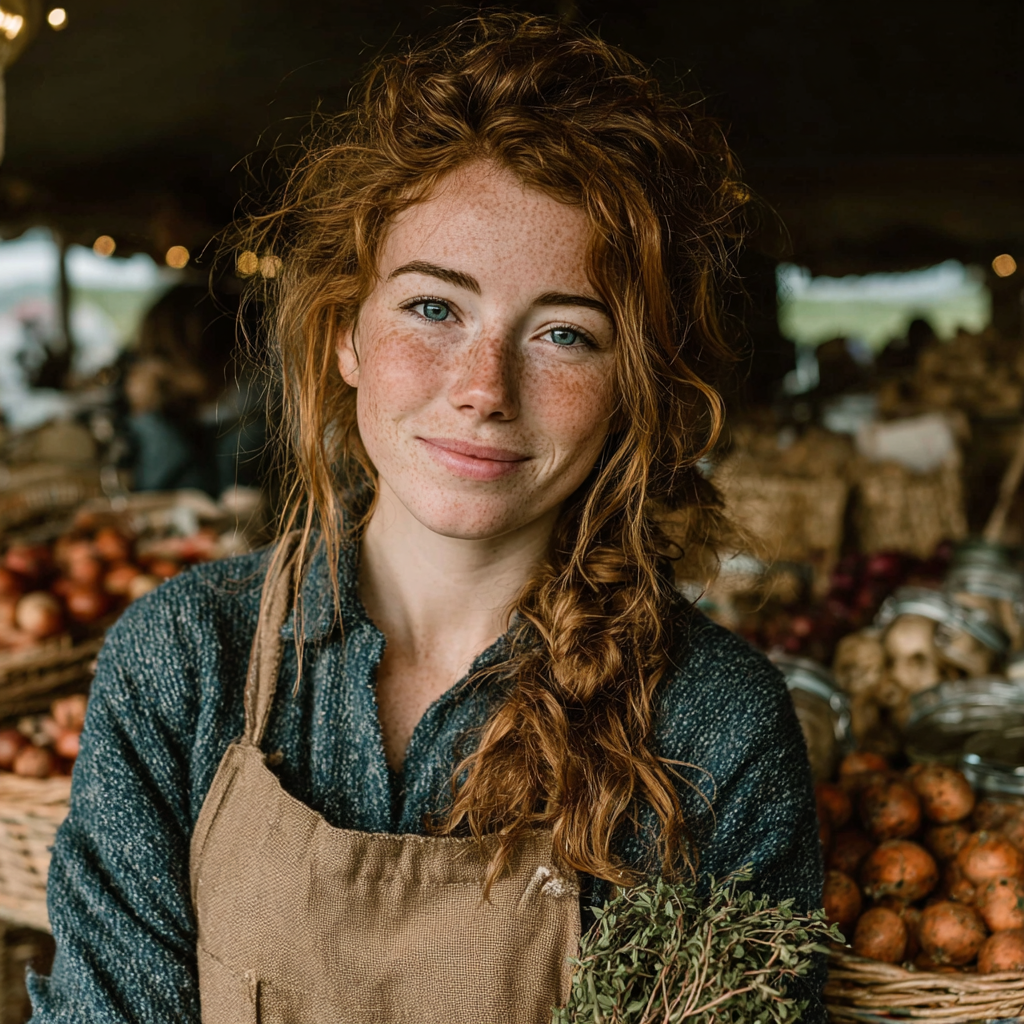
By Sophie Brennan
Irish food writer and historian based in Lisbon. Sophie combines her background in medieval history with a passion for contemporary gastronomy. She has written for Condé Nast Traveller and authored two cookbooks exploring Celtic and Iberian culinary traditions.