
Stockholm has a complicated relationship with its own food. For decades, the city's culinary reputation abroad started and ended with meatballs, herring, and that IKEA cafeteria aesthetic. Meanwhile, locals were quietly eating something else entirely. Then the New Nordic movement happened, and suddenly Stockholm became a pilgrimage site for chefs and food journalists. The truth is somewhere between these poles. Yes, the city has more Michelin stars than the rest of Scandinavia combined. But it's also a place where office workers queue at 11:45 AM for a specific shrimp sandwich at a specific counter, where the coffee break is constitutionally protected social infrastructure, and where the best meal you eat might cost 120 kronor from a market stall.
The Markets: Where Stockholmers Actually Shop
Start your orientation in Östermalms Saluhall. This is not a curated food hall for tourists. It's an operating market since 1888 where actual Stockholmers buy actual ingredients. The building itself is a red-brick cathedral of commerce, all cast-iron columns and vaulted glass. But you're here for the food counters.
Lisa Elmqvist has been selling seafood here since 1926. Their toast skagen — shrimp salad on buttered bread with roe and dill — is the benchmark against which all others are measured. It costs 165 kronor and comes with a lemon wedge and a view of the market floor. The shrimp are hand-peeled, the mayonnaise is house-made, and the bread comes from a bakery in Södermalm that delivers twice daily. Eat at the counter. Watch the regulars order in rapid Swedish. This is Stockholm's food culture in its essential form: quality ingredients, treated simply, eaten without ceremony.
Across the hall, Meats has been butchering and curing since 1971. Their reindeer carpaccio is sliced paper-thin and dressed with nothing but good oil and arugula. The venison sausages sell out by early afternoon. If you're building a picnic, this is where you get the protein component. The staff will slice everything to order and wrap it for travel.
Fika: The Sacred Coffee Break
For fika — the Swedish coffee break that is less a pause in the day than a structural pillar of it — you have options that range from institutional to intimate.
Vete-Katten is the grand old dame, operating since 1928 in a warren of rooms near Hötorget. The princess cake — green marzipan dome hiding whipped cream and raspberry jam — is the signature, but locals come for the atmosphere of faded elegance and the reliability of the coffee. It's where grandparents take grandchildren, where book clubs meet, where the same waiters have worked for thirty years.
More contemporary but equally serious is Fabrique, a bakery chain that doesn't feel like one. Their sourdough cardamom buns — kardemummabullar — have a crackly caramelized exterior and a soft, fragrant interior. The original location on Rosenlundsgatan in Södermalm still bakes in the basement and sells from the ground floor. A bun and a filter coffee costs 65 kronor. The cardamom is ground fresh daily.
New Nordic: From Movement to Mainstream
The New Nordic movement that put Stockholm on the global food map began here, at restaurants that treated Swedish ingredients with the reverence previously reserved for French or Italian imports.
Frantzén remains the apex predator of this ecosystem — three Michelin stars, twelve seats, a chef who trained in Tokyo and applies that precision to reindeer and cloudberries. The tasting menu costs 4,200 kronor before wine. It's an experience, unquestionably, but it's not the only way to eat New Nordic.
Consider Pelikan instead. Operating since 1904 in a vast, high-ceilinged hall in Södermalm, Pelikan serves traditional Swedish husmanskost — home cooking — in portions that suggest the kitchen is feeding farmhands rather than city office workers. The meatballs are the main event: veal and pork, bound with cream, served in a lake of brown gravy with lingonberries and pickled cucumber. A full plate with potatoes costs 195 kronor. The beer is cheap, the service is efficient bordering on brusque, and the room fills with regulars who have been coming for decades. This is New Nordic's ideological foundation — an insistence that Swedish food traditions are worthy of respect and preservation.
For a more contemporary take, visit Restaurant Etoile in the Vasastan neighborhood. Chef Jonas Lundgren applies fine-dining technique to humble ingredients without the fine-dining price tag or pretension. The menu changes weekly based on what Swedish farmers and fishermen deliver. In autumn, you might find wild mushrooms from forests outside Uppsala, served simply with egg yolk and crispy rye. In winter, it's Baltic herring prepared three ways, each preparation honoring a different regional tradition. A three-course dinner costs around 650 kronor. The wine list focuses on natural and biodynamic producers from across Europe.
The Immigrant Influence: Stockholm's Other Food Story
Stockholm's immigrant communities have fundamentally shaped its food landscape, though this influence is often underreported in foreign coverage focused on Nordic purity. The suburb of Rinkeby — rarely visited by tourists — has some of the best Somali food in Europe.
In the city center, Söderhallarna market in Södermalm houses vendors representing thirty different cuisines. Källarhalvan, the basement level, has been operating since 1952 and still features a Finnish vendor selling lihapiirakka — meat-filled pastries — that sustained the Finnish dockworkers who built modern Stockholm.
For Middle Eastern food, the strip of Odengatan near Odenplan offers concentrated quality. Falafelköket has been frying falafel since 1992, long before chickpea balls became a global fast-casual staple. Their secret is the spice blend — cumin, coriander, and a touch of cinnamon — mixed fresh weekly by the owner's mother. The falafel sandwich costs 85 kronor and feeds two people.
Next door, Damascus Bakery makes mana'eesh — flatbread topped with za'atar or cheese — in a wood-fired oven visible from the street. The baker, Ahmad, learned the craft in Aleppo and has been making bread in Stockholm for fifteen years.
Lunch: The Best Food Value in the City
The city's relationship with alcohol deserves mention because it shapes when and how people eat. Systembolaget, the state alcohol monopoly, closes early and isn't open Sundays. Restaurants can serve alcohol, but at prices that encourage moderation. The result is a food culture that doesn't revolve around drinking. You eat because the food is worth eating, not because you're drinking and need accompaniment.
This is particularly evident at lunch, when the dagens rätt — daily special — becomes the primary way Stockholmers experience restaurant food.
The dagens rätt tradition is Stockholm's best food value and least-known secret. Between 11 AM and 2 PM, most restaurants offer a fixed lunch menu that typically includes a main, salad, bread, coffee, and sometimes a small dessert for 100-130 kronor. The quality varies, but at established places, it represents extraordinary value.
At Prinsen, an Art Nouveau institution since 1897, the weekday lunch might be fried herring with mashed potatoes or a lamb stew that has been simmering since morning. The room is filled with regulars who treat the place as an extension of their dining rooms.
For a more modern lunch experience, Urban Deli operates three locations across the city that function as hybrid restaurant-market-bar spaces. Their Södermalm location, in a former industrial building, has a 200-seat dining room, a full market, and a rooftop terrace. The lunch buffet — salad, soup, bread, coffee — costs 145 kronor and draws a mix of office workers and freelancers working on laptops.
Seafood: The Baltic on Your Plate
Seafood is the through-line of Stockholm cuisine, which makes sense for a city built on fourteen islands where the Baltic meets Lake Mälaren. Beyond the market halls, specialized restaurants focus on specific preparations.
Wedholms Fisk, operating since 1985 in a quiet corner of Östermalm, serves classical Swedish fish cookery in a room that feels like a private club. The toast skagen is excellent — this is where the dish was popularized in the 1950s — but the real draw is the daily catch simply grilled or poached. The herring buffet, available at lunch, offers twenty preparations ranging from traditional mustard sauce to contemporary combinations with ginger and chili. It costs 295 kronor and requires advance booking.
For a more casual seafood experience, the food trucks and stalls at Kungsträdgården during summer months offer grilled herring and new potatoes, served on paper plates with dill and butter. It costs 85 kronor and you eat standing up, watching office workers play beach volleyball in the park. This is Stockholm in July: earnest, slightly absurd, determined to extract maximum pleasure from a brief summer.
Bread and Baking Beyond Fika
The city's baking tradition extends beyond fika. Sourdough bread, once nearly extinct in Sweden, has been revived by a generation of bakers trained in France but committed to Swedish grains.
Organic Bakery in Gamla Stan makes a rye bread — rågbröd — using a starter maintained since 1998. The bread is dense, sour, and substantial in a way that makes industrial loaves seem like air. A full loaf costs 65 kronor and stays fresh for a week.
Dinner in Södermalm
For dinner, the neighborhood of Södermalm offers the highest concentration of interesting restaurants at moderate prices. Hornstull, at the island's western edge, has transformed from working-class docks to restaurant row in two decades.
Barbro, a cinema-restaurant hybrid, serves excellent Japanese-Swedish fusion — think herring prepared as sashimi, or Swedish venison with miso — in a room that screens art films on one wall. A full dinner costs around 400 kronor.
Nearby, Linje Tio focuses on natural wine and small plates that change daily based on what the chef finds at the market.
The Essential Stockholm Food Experience
The end of your food day in Stockholm should involve a cinnamon bun and a final coffee, consumed while watching the light change over the water. The city is at its most beautiful in the hour before sunset, when the light hits the buildings on Södermalm and turns them gold.
Find a bench along Monteliusvägen, the elevated path that offers the classic Stockholm view, and eat your bun while the city settles into evening. The coffee is good, the bun is better, and the view costs nothing. This is Stockholm's essential food insight: the best experiences often come unplated, unpriced, and unexpectedly sweet.
Practical Notes
Many restaurants close for several weeks in July when Stockholmers flee to summer houses. Always check hours before visiting. Cash is rarely accepted — Sweden is essentially cashless. Tipping is not expected but rounding up is appreciated for good service. The subway and bus system is efficient; buy a 24-hour pass for 165 kronor if you plan to explore multiple neighborhoods.
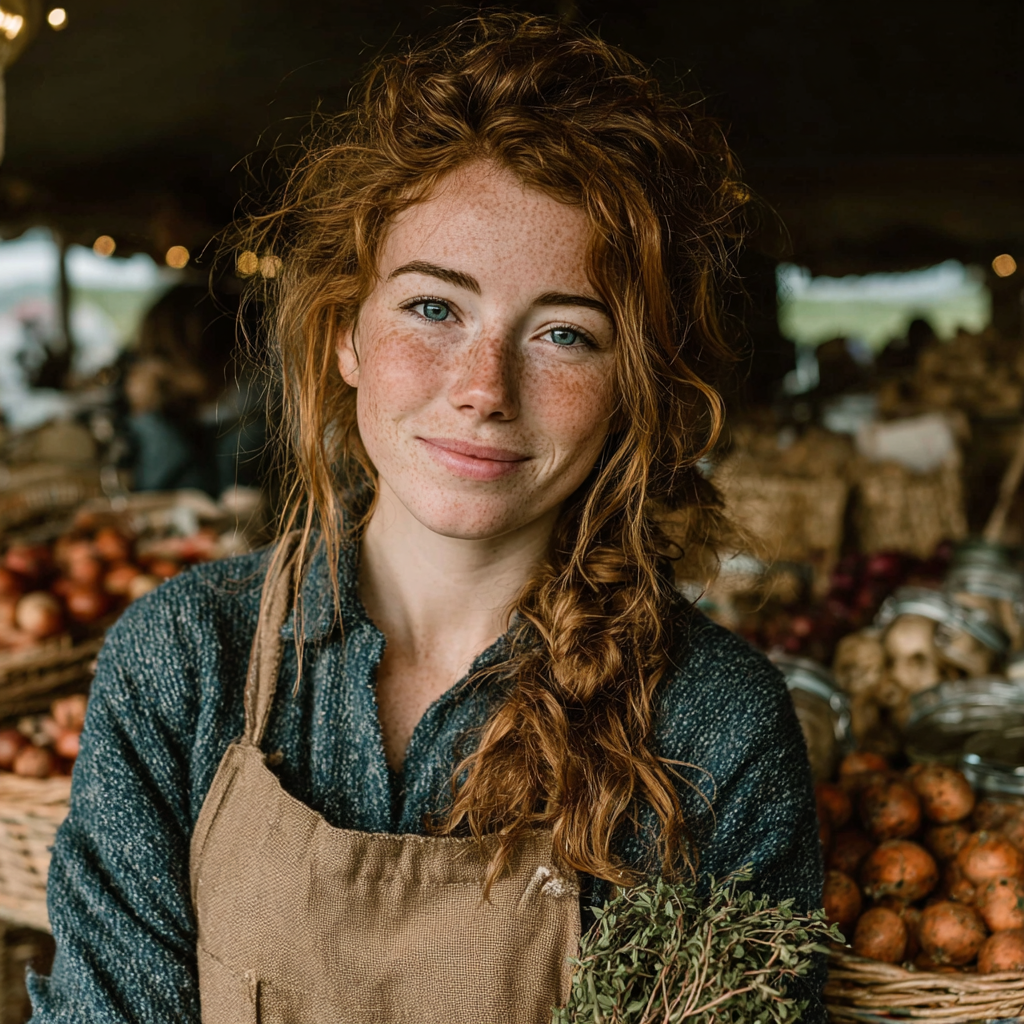
By Sophie Brennan
Irish food writer and historian based in Lisbon. Sophie combines her background in medieval history with a passion for contemporary gastronomy. She has written for Condé Nast Traveller and authored two cookbooks exploring Celtic and Iberian culinary traditions.