
The Kandy to Ella train is why most people know this town exists. For years, travelers rode six hours through tea plantations and misty valleys, hung from open doorways for photos, and arrived in Ella believing the journey was the destination. Then Cyclone Dithwa hit Sri Lanka in late November 2025, washed out tracks, collapsed embankments, and shut the line. As of May 2026, the full Kandy to Ella route is still not running. A partial tourist service operates between Ambewela and Badulla via Ella, but the classic arrival from Kandy remains broken. This is the reality you need to know before you book, because Ella without that train requires a different kind of planning. It also means fewer day-trippers and a town that has reverted to what it was before the Instagram era: a small hill-country settlement where backpackers stay for days, hikers leave at dawn, and the social life happens in hostel common rooms over $3 plates of curry.
Ella sits at 1,041 meters in Sri Lanka's Uva Province, surrounded by the tea estates that built the colonial economy. The climate is the main attraction. After the coastal heat and humidity, the mountain air here feels like compensation. Days are warm, evenings drop to 15 or 16 degrees Celsius, and mornings can be misty enough to hide the hills entirely. December through April delivers the clearest skies. May and October bring monsoon rains that turn hiking trails to mudslides. June through September is usable but expect afternoon cloud cover.
Getting to Ella now means road transport. From Kandy, a private taxi costs 20,000 to 26,000 LKR ($65 to $85) and takes four and a half to five and a half hours. Shared tourist vans run the same route for roughly 3,000 to 4,000 LKR ($10 to $13) per seat. Public buses exist but require transfers via Badulla or Bandarawela and can stretch to six or eight hours. From Colombo, budget six to seven hours and 28,000 to 35,000 LKR ($90 to $115) for a taxi. The cheapest option from anywhere is the public bus network, but you pay in time and discomfort. Download offline maps before you leave. Mobile signal drops between the mountains.
The hostel scene is why solo travelers, especially women, keep extending their stays. Ceylon Backpackers Hostel charges $6 for a dorm bed and provides free filtered water, tea, coffee, and a kitchen. Ella Hostel Rawan has dorms from $3.61. Downtown Hostel runs $13.77 with private balconies and a garden. Wild Bee Hostel, 200 meters from the railway station, charges $23.50 and gets a 9.4 rating for a reason. Dream Ville offers dorms at $10 with a rooftop terrace and mountain views. Most hostels organize group hikes, cooking classes, and nightly communal dinners. The social atmosphere is genuine. You will meet other solo travelers within an hour of checking in, and the town is small enough that you keep running into the same people at Cafe Chill or on the trail to Little Adam's Peak.
The hikes are the real reason to come. Little Adam's Peak is the accessible option. From Ella town, walk twenty minutes toward the tea fields, pass the Ravana Pool Club, and start climbing. The trail takes thirty to forty-five minutes, is well-maintained, and offers panoramic views of Ella Gap, the surrounding valleys, and the tea plantations that blanket every slope. Go at sunrise. The light is better, the temperature is cooler, and you avoid the tour groups that arrive by 9 AM. The Ella Rock hike is the serious one. Ten kilometers round trip, three to four hours, and the trail is not always obvious. It crosses railway tracks, cuts through tea estates, and climbs forest paths to the summit at 1,041 meters. Hire a local guide. The route is confusing in places, and solo hikers have gotten lost. The view from the top is a 360-degree panorama of the hill country. Start by 6 AM to beat the heat and the afternoon mist that can erase the landscape entirely.
The Nine Arch Bridge is Ella's most photographed landmark, and it is worth seeing despite the crowds. The bridge spans 91 meters at a height of 24 meters, built entirely of stone, brick, and cement without steel. Reach it by walking through tea plantations from Ella town, or take a tuk-tuk for 200 to 300 LKR ($0.65 to $1). The best times are early morning, around 6:30 to 8:30 AM, when mist hangs between the arches and the tour buses have not arrived. If you want the train-crossing photo, the current partial service from Ambewela means fewer trains pass, but morning services around 9:30 AM and afternoon runs around 3:30 PM still cross. Cafe Soul Ella and Asanka Cafe sit above the bridge and offer the elevated angles for photos. The lower viewpoint, in the tea bushes beneath the bridge, gives you the full span without the Instagram crowd blocking the frame.
Ravana Falls drops in three tiers ten minutes from town by tuk-tuk. The pool at the base is swimmable in dry season but turns to a brown torrent during monsoon. Ravana Ella Cave, two kilometers outside town at 1,370 meters elevation, is a small cave with local legend attached. The Rawana Waterfalls, a ten-minute drive from Ella, are less visited and worth the trip if you have a scooter. Scooter rental costs 1,000 to 1,500 LKR ($3 to $5) per day from most hostels. The roads around Ella are winding and steep. If you have not ridden in mountain traffic before, stick to tuk-tuks.
The food is cheap, carb-heavy, and exactly what you need after a hike. Matey Hut, near the one-lane tunnel, serves a curry rice set with four vegetarian curries, rice, and a poppadom for under 300 LKR ($1). Add chicken curry for another 150 LKR. The pumpkin and banana curries are the best of the vegetable options. The mango and onion curries are an acquired taste. Cafe Fruity Coco and Raha Hoppers serve hoppers, the bowl-shaped rice flour pancakes with egg, for breakfast. Mr Rotti makes the stuffed rotis that will carry you through a morning hike. For dinner, Little Restaurant and Cafe One Love serve lamprais, the Dutch-influenced rice dish baked in a banana leaf with curry, frikkadels, and sambol. Kiri Kopi makes the best coffee in town and has a sandpit bar that doubles as a social hub. Barista Cafe is a franchise. Skip it. Meeriki sells frozen buffalo curd with kithul honey. It costs less than 200 LKR and tastes like tart, grainy frozen yogurt. A realistic daily food budget is $8 to $12 if you eat local. Double that if you insist on Western breakfast and dinner.
Cooking classes have become a staple activity in Ella, and they are worth the time. Most hostels and local operators offer half-day classes for 2,500 to 4,000 LKR ($8 to $13). You learn to make dhal curry, coconut sambol, and the spice blends that define Sri Lankan food. The classes are hands-on, not demonstration-only, and you eat what you cook. For solo travelers, they also function as social events. You will be paired with other travelers, and the shared meal afterward is often the start of travel friendships that last weeks.
For women traveling alone, Ella is one of the safer destinations in South Asia. The town is small, walkable, and built around tourism. Violent crime is rare. The main issues are the usual ones: petty theft in crowded areas, overcharging by tuk-tuk drivers, and the occasional persistent vendor. Walking back to your hostel at night is generally safe, though the hill roads are poorly lit and can be slippery after rain. The prolonged stares from locals that you might encounter in rural Sri Lanka are curiosity, not hostility. A smile gets a smile back. The hostel culture provides built-in community. You are rarely actually alone unless you choose to be.
The town has downsides, and you should know them. Ella is no longer undiscovered. The main road is a continuous line of guesthouses, cafes, and souvenir shops. Construction noise starts early. The Nine Arch Bridge is crowded by mid-morning. Ella Rock has seen incidents of solo hikers being overcharged or misled by unofficial guides. The Rawana Pool Club and the Bali-style swing at the Little Adam's Peak trailhead are pure Instagram infrastructure. They cost money and deliver exactly the photo you have already seen a hundred times. The zipline and waterfall abseiling operations are overpriced for what they are. If you want adventure, hike. If you want a pool with a view, book a hostel that has one.
Budget realistically. A dorm bed runs $4 to $25 depending on amenities. Meals are $1 to $5 each. Tuk-tuks around town are 200 to 500 LKR. A guided Ella Rock hike costs 2,000 to 3,000 LKR ($6.50 to $10) for the group. A cooking class is $8 to $13. Scooter rental is $3 to $5 per day. A realistic daily budget for a solo traveler in Ella is $25 to $40 including accommodation, food, local transport, and one activity. This is not expensive by global standards, but it is not the $10-a-day Sri Lanka of a decade ago either. Prices have risen post-crisis, and they are still rising.
The best thing you can do in Ella is slow down. Stay four or five days, not two. Do Little Adam's Peak one morning, Ella Rock the next, the Nine Arch Bridge at dawn on day three. Take a cooking class. Sit at Kiri Kopi and read while the rain hits the mountains. Talk to the other solo travelers who all arrived planning to leave in forty-eight hours and are still here a week later. The train will eventually return, and Ella will flood again with day-trippers who ride in for the photo and ride out the same afternoon. Until then, the town belongs to the people who came by road and stayed long enough to learn that the view from the train window was never the point.
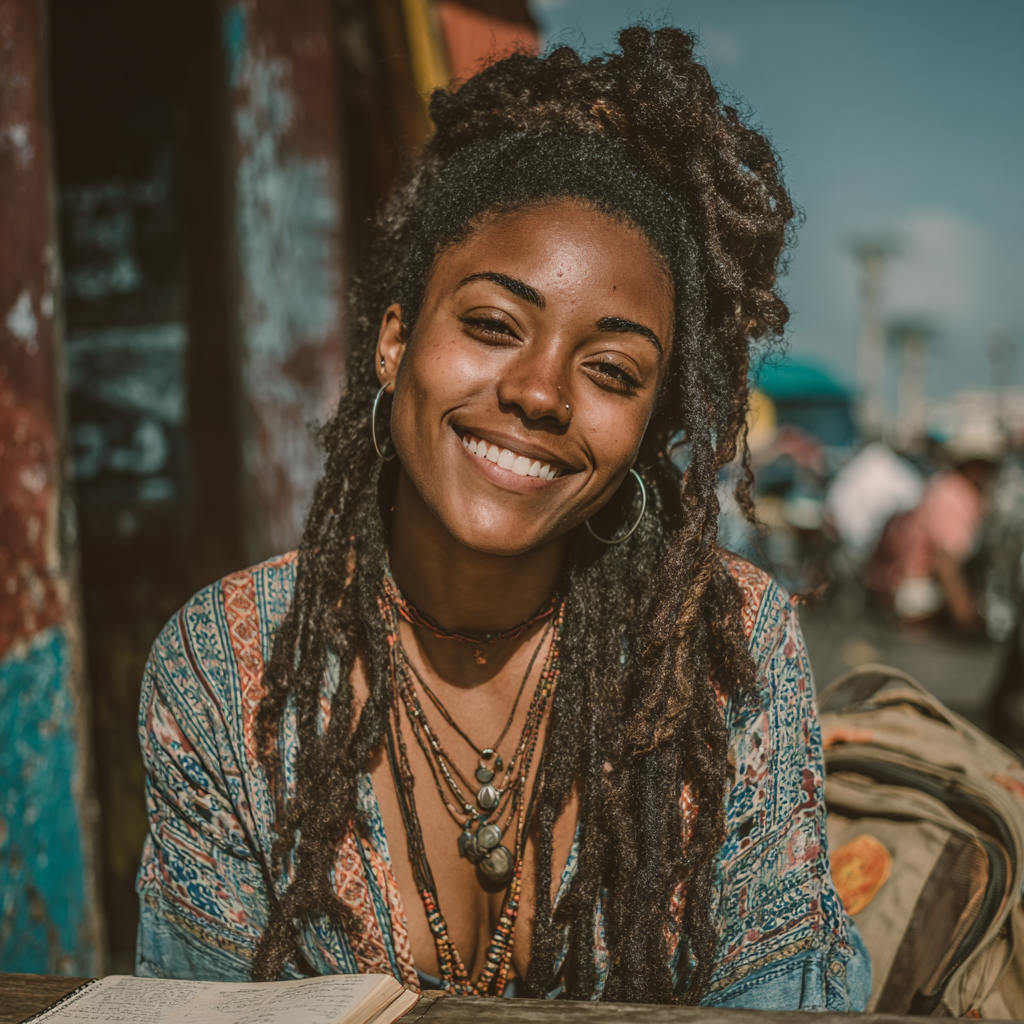
By Maya Johnson
Solo travel evangelist and digital nomad veteran. Maya has spent six years traveling alone across 50+ countries on a freelance writer budget. She writes honest, practical guides for women who want to explore the world independently and safely.