
Colombo: Where Dutch Walls, Buddhist Temples, and Kottu Roti Outlast Every Empire
By Elena Vasquez. I came to Colombo because my flight landed at 2:00 AM and I needed a place to sleep before heading south to the beaches. I stayed ten days. Most visitors treat it as a transit point—arrive, sleep, head south. This is a mistake. Colombo holds the keys to understanding Sri Lanka's layered identity, if you know where to look and if you are willing to adjust your pace to the city's multiple frequencies: morning alms rounds at Buddhist temples, afternoon tea at the Galle Face Hotel, evening cricket matches where the entire country seems to stop. I have been coming back for years, and I still do not fully understand it. That is the point.
Colombo doesn't announce itself. The capital of Sri Lanka spreads along the island's western coast in a tangle of colonial streets, modern overpasses, and temple compounds that take time to parse. Visitors often treat it as a transit point — arrive, sleep, head south to the beaches or inland to Kandy. This is a mistake. Colombo holds the keys to understanding Sri Lanka's layered identity, if you know where to look.
I spent ten days here during the inter-monsoon period in October, when afternoon thunderstorms clear the air and the evening light turns the old Dutch hospital walls gold. The city operates on multiple frequencies simultaneously. Morning alms rounds at Buddhist temples. Afternoon tea at the Galle Face Hotel. Evening cricket matches at the Premadasa Stadium where the entire country seems to stop and watch. You have to adjust your pace to catch it all.
The Fort: Colonial Palimpsest
The Colombo Fort district was never a fort in the traditional sense. The Portuguese built a basic stockade here in 1518. The Dutch expanded it into a proper walled city in the 1650s. The British tore down most of the walls in the 1870s to reduce malaria breeding grounds. What remains is a dense cluster of colonial administrative buildings repurposed for contemporary Sri Lankan government and commerce.
The Old Dutch Hospital (Hospital Street, Fort, open daily 10:00-22:00 for restaurants, free entry to courtyard). The structure dates to the 1680s, one of the oldest buildings in Colombo. The thick walls and internal courtyards were designed for tropical ventilation, a feature that still works today. The interior courtyard now houses restaurants including the Ministry of Crab and the Dutch Burgher Union café. The walls are original coral stone and teak. Touch them — they are cool even at midday.
The President's House (formerly the British Governor's residence, Queen's Street, exterior viewing only). Sits on the site of the Dutch commander's original house. You cannot enter, but the exterior view from Queen's Street shows the gradual architectural accumulation: Dutch foundations, British Victorian additions, post-independence Sri Lankan administrative modifications. The building material itself tells the story — coral stone from the coast, teak from the interior, British brick shipped as ballast.
The Fort Railway Station (Olcott Mawatha, Fort, open 04:30-22:00 daily). Built in 1908, remains the busiest transit hub in the country. The platform announcements echo in three languages — Sinhala, Tamil, English — a daily reminder of Sri Lanka's ethnic complexity. Trains depart here for Kandy, Galle, Jaffna. The 6:30 AM train to Galle, hugging the coast for three hours, is one of the world's great rail journeys. Book first class seats two weeks in advance (1,100 LKR, approximately $3.70), or take third class (180 LKR, approximately $0.60) and fight for a window seat among commuters. The train schedule is available at railway.gov.lk.
Pettah: Commerce and Chaos
East of the Fort lies Pettah, Colombo's commercial heart. The district operates as a series of specialized markets: streets dedicated to textiles, electronics, gold jewelry, Ayurvedic medicines, fresh produce. The segmentation dates to the Dutch period, when different ethnic trading communities were assigned specific zones.
The Old Town Hall Market (Main Street, Pettah, open Mon-Sat 08:00-18:00, closed Sun). Housed in a colonial building from 1910, sells wholesale textiles. The ground floor is organized chaos — bolts of fabric stacked to the ceiling, vendors shouting prices, buyers inspecting cotton and synthetic blends by touch. The first floor contains smaller stalls selling buttons, zippers, and tailoring supplies. This is where Sri Lankan garment industry buyers source materials. The country exports billions of dollars in clothing annually, and it starts here, in these narrow aisles.
The Jami Ul-Alfar Mosque (Second Cross Street, Pettah, open for non-Muslims outside prayer times, free entry, modest dress required). Dominates the Pettah skyline with its red-and-white striped exterior. Built in 1908 by the local Muslim community, the architecture mimics the pattern of a pomegranate, a fruit with symbolic significance in Islamic tradition. The mosque serves the largely Muslim population of Pettah, descendants of Arab traders who settled here centuries before European arrival. The interior is simpler than the exterior suggests — ceiling fans, woven mats, the architectural focus on function over ornament. Remove shoes before entering.
The Khan Clock Tower (Junction of Main Street and Olcott Mawatha, Pettah). Built in 1923 by a Parsi family named Khan, marks the entrance to Pettah from the Fort side. The four-faced clock still works, maintained by the municipal government. It serves as the standard meeting point for Colombo residents — "under the Khan Clock Tower" is the Sri Lankan equivalent of "under the clock at Grand Central."
Slave Island: Name and Reality
The neighborhood called Slave Island carries a heavy history. During the Dutch colonial period, this area housed the slave quarters for Africans and Malays brought to work in Colombo. The name stuck through British rule and independence, a daily reminder of the city's foundational violence. Recent government attempts to rebrand the area as "Kompannavidiya" have met resistance from residents who argue that forgetting the name enables forgetting the history.
The Sri Lanka Arm Forces Headquarters occupies much of Slave Island today, a military presence that continues the district's history of state control. The area is not a tourist destination, but walking through it provides a sense of the city's less visible layers.
The Seema Malakaya Temple (Sir James Peiris Mawatha, Slave Island, open daily 06:00-22:00, free entry, donations accepted). Connected to the mainland by a pontoon bridge, this temple offers a contemplative counterpoint to the surrounding bustle. Designed by Geoffrey Bawa, Sri Lanka's most celebrated architect, the temple complex floats on platforms in Beira Lake. The structure combines traditional Buddhist elements with modernist concrete, characteristic of Bawa's tropical modernism style. Visit at sunset when the lake reflects the temple lights and the city noise seems distant. The island holds a Bodhi tree and several Buddha statues. The pontoon bridge can be unsteady — watch your step.
Gangaramaya: Buddhist Complexity
The Gangaramaya Temple (61 Sri Jinarathana Road, Colombo 02, open daily 06:00-22:00, free entry, donations expected). The complex near Beira Lake is not ancient. The original structure dates to the late 19th century, with constant additions and renovations throughout the 20th and 21st centuries. This makes it more interesting, not less. Gangaramaya represents contemporary Sri Lankan Buddhism — eclectic, syncretic, commercially active.
The temple compound contains a resident elephant, a museum of vintage cars, a library, and numerous shrines. The main stupa follows traditional Sri Lankan architectural patterns, but the surrounding structures borrow from Thai, Chinese, and Indian Buddhist traditions. The temple operates as a community center as much as a religious site. The nuns run educational programs for local children. The library contains palm-leaf manuscripts dating back centuries. The museum holds gifts received by the temple — ivory carvings, religious statuary, colonial-era furniture. The elephant, named Vibhishana after a figure in the Ramayana, participates in the annual Navam Perahera procession in February.
Dress modestly — shoulders and knees covered — and remove shoes before entering any shrine building. Photography is permitted in most areas but ask before photographing worshippers. Entrance is free, though donations are expected if you spend significant time photographing or receiving explanations from resident monks.
The Galle Face Green: Public Space and Politics
The Galle Face Green (Galle Road, Colombo 03, open 24 hours). A five-hectare oceanfront park that has served as Colombo's public living room since the 1850s. Originally cleared by the British for military exercises, the space evolved into a leisure ground where colonial residents would promenade in evening dress. Today it attracts a cross-section of Sri Lankan society — families flying kites, young couples, street food vendors, political demonstrators.
The Galle Face Hotel (2 Galle Road, Colombo 03, +94 11 254 1010, afternoon tea 15:00-18:00, 3,500 LKR per person). Opened in 1864, anchors the northern end of the green. The colonial-era hotel has hosted guests from Mark Twain to the Beatles to modern heads of state. The veranda restaurant serves high tea — cucumber sandwiches, scones, Ceylon tea — at prices that remain accessible by international standards. Even if you don't stay here, the afternoon tea offers a glimpse into the colonial social rituals that shaped this city. The hotel museum, open to non-guests, contains memorabilia from its 160-year history. The rooms start at $180/night and are worth it for the balcony views over the Indian Ocean.
The southern end of the green terminates at the new Shangri-La Hotel and the Port City Colombo development, a massive Chinese-funded reclamation project that extends the coastline into the Indian Ocean. The development has sparked controversy regarding sovereignty, environmental impact, and economic benefit. The contrast between the colonial hotel and the ultra-modern port city encapsulates Colombo's position between historical inheritance and future uncertainty.
Cinnamon Gardens: The Residential Elite
Cinnamon Gardens, named for the plantations that once covered this area, is Colombo's most affluent residential district. The neighborhood contains the National Museum, the Natural History Museum, the Art Gallery, and numerous independent cafes and boutiques that serve the city's educated elite.
The National Museum of Colombo (Sir Marcus Fernando Mawatha, Colombo 07, open Tue-Sat 09:00-17:00, closed Sun-Mon, 1,200 LKR for foreign adults, 600 LKR for children). Housed in a white colonial building from 1877, holds the throne and crown jewels of the Kandyan kings. The collection includes 4th-century bronze Buddha statues, 17th-century Dutch furniture, and a near-complete skeleton of an Asian elephant. Allow 2-3 hours. The museum is undergoing gradual renovation, and some galleries may be closed. Photography is permitted for a small fee (250 LKR).
The Viharamahadevi Park (Ananda Coomaraswamy Mawatha, Colombo 07, open daily 07:00-18:00, free entry). Formerly Victoria Park, offers shaded respite from Colombo's heat. The giant Buddha statue at the park's center dates from the 1950s, erected as part of the post-independence Buddhist revival. The park fills with families on weekends, children renting paddle boats on the small lake, couples sitting on benches beneath the rain trees. The lotus pond in the southeastern corner is at its best in the early morning.
Eating in Colombo: A Culinary Map
Colombo's food reflects its layered history. Rice and curry dominates local cuisine — not a single dish but a configuration of rice with multiple vegetable, fish, and meat preparations. The spice levels are serious. If you are not accustomed to heat, ask for "less spicy" or you will spend your meal sweating and drinking water.
Upali's by Nawaloka (65 C.W.W. Kannangara Mawatha, Colombo 07, +94 11 269 5794, open daily 11:00-15:00 and 18:30-22:00, rice and curry 800-1,200 LKR). Serves authentic Sinhalese rice and curry at local prices. The restaurant occupies a colonial bungalow, and the courtyard dining provides relief from the street noise. The fish ambul thiyal (sour fish curry) and the pumpkin curry are standout dishes. The service is slow — this is Sri Lankan time, not Western efficiency. Order a second beer and wait.
The Ministry of Crab (Old Dutch Hospital, Hospital Street, Fort, +94 11 234 2722, open daily 12:00-15:00 and 18:00-22:30, 4,000-8,000 LKR per person). Co-owned by Sri Lankan cricketing legend Mahela Jayawardene, serves lagoon crabs prepared with Sri Lankan spices. Located in the Old Dutch Hospital complex, the restaurant books weeks in advance. The crab sizes range from 500g to 2kg. The pepper crab and the curry crab are the signatures. The garlic chilli prawns are equally excellent. This is a splurge meal, but it ranks among Asia's best seafood experiences. Book online at ministryofcrab.com.
Dutch Burgher Union Cafe (Old Dutch Hospital, Hospital Street, Fort, +94 11 244 3065, open daily 10:00-22:00, lunch 600-1,000 LKR). Serves lamprais — the traditional Dutch Burgher dish of rice, meat, and vegetables baked in a banana leaf — along with other colonial-era recipes. The cafe is simpler and cheaper than the Ministry of Crab, located in the same courtyard. The lamprais (450 LKR) is a history lesson on a plate: Dutch, Portuguese, Sri Lankan, and Malay influences in a single meal.
The Green Cabin (Galle Face Green, open daily 16:00-23:00, isso wade 30 LKR each). A street food stall on the Galle Face Green that has been serving isso wade (shrimp cakes) for over fifty years. The recipe is simple — lentil flour, shrimp, spices, deep-fried — and the execution is consistent. Eat standing up, watching the kite flyers and the ocean. This is the most authentic Colombo food experience.
Hoppers are bowl-shaped pancakes made from fermented rice flour, available at street stalls throughout the city for 30-50 LKR each. The egg hopper, with a cracked egg cooked in the center, makes an ideal breakfast. Look for stalls with high turnover, indicating fresh batter. The best hoppers are found in the residential neighborhoods of Cinnamon Gardens and Bambalapitiya, not the tourist areas.
Kottu roti is the quintessential Sri Lankan street food. It consists of chopped godamba roti stir-fried with vegetables, egg, and meat on a hot griddle. The preparation is theatrical — the cook uses metal spatulas to chop and mix the ingredients, creating a rhythmic clanging that serves as the soundtrack to Colombo evenings. A full portion costs 200-400 LKR. The best kottu is found in the evenings along Galle Road in Wellawatte and Bambalapitiya. The stalls with the longest queues are usually the best.
Where to Stay
The Tintagel Colombo (65 Rosmead Place, Colombo 07, +94 11 460 5500, from $150/night). A colonial-era mansion converted into a boutique hotel. The suites are enormous, with original teak floors and high ceilings. The restaurant serves some of the best Sri Lankan fusion food in the city. The location in Cinnamon Gardens is quiet and leafy. The swimming pool is small but private.
The Galle Face Hotel (2 Galle Road, Colombo 03, +94 11 254 1010, from $180/night). The grand dame of Colombo hotels. The rooms in the heritage wing have four-poster beds and balconies overlooking the Indian Ocean. The newer wing is less characterful but more comfortable. The veranda high tea is a Colombo institution. The hotel's museum is worth a visit even if you don't stay.
The Colombo City Hotel (33 Fife Road, Colombo 05, +94 11 250 6611, from $60/night). A mid-range option in a quiet residential area. Clean, comfortable, with a decent restaurant. The location is less convenient for sightseeing than the Fort or Galle Face, but tuk-tuks are cheap and the neighborhood is authentic.
The City Beds (66/2 Dharmapala Mawatha, Colombo 03, +94 11 268 8500, from $25/night). A solid budget option in a residential area. Clean rooms, good Wi-Fi, friendly staff. The location is safe and quiet. Not glamorous, but functional and good value.
Backpackers by Hostel (69 Galle Road, Colombo 03, +94 11 244 5016, dorm beds from $10/night). The best backpacker hostel in Colombo. Clean, social, with a rooftop terrace. The location on Galle Road is convenient for buses and tuk-tuks. The staff organizes walking tours of Pettah and the Fort.
Practical Colombo
Transportation within Colombo is cheap but challenging. Tuk-tuks are ubiquitous. Insist on the meter or negotiate the fare before departure. A ride within the city center should cost 200-400 LKR. Ride-hailing apps PickMe and Uber operate in Colombo, often cheaper and more reliable than street-hailed tuk-tuks. Register before you arrive — you need a local phone number.
Buses cover most routes for 20-50 LKR but require knowledge of the system and tolerance for crowded conditions. The route numbers are displayed in Sinhala and English. The 100-series buses run along Galle Road, the main north-south artery.
The Colombo train station network connects suburbs but is less useful for tourism than the intercity lines departing from Fort. The train to Galle is the main tourist route — book two weeks ahead for first class seats (1,100 LKR), or take third class (180 LKR) for the authentic experience. The 6:30 AM departure is the best for views and cooler temperatures. The journey takes 3 hours along the coast. Check railway.gov.lk for schedules.
Safety in Colombo is generally good by South Asian standards. Violent crime against tourists is rare. Petty theft occurs in crowded markets. Exercise standard precautions — watch bags in Pettah, avoid displaying expensive electronics, negotiate tuk-tuk fares upfront. The city is safer than most South Asian capitals, but common sense applies. Avoid walking alone in poorly lit areas after midnight.
The best time to visit is December through March, when the southwest monsoon has passed and the weather is dry and relatively cool (28-32°C, though humidity remains high). October and November bring intermittent rain but fewer tourists and lower hotel rates. April is hot and humid (often 35°C+) but culturally significant — the Sinhalese and Tamil New Year falls in mid-April, and Colombo hosts celebrations. The inter-monsoon period in October offers dramatic afternoon thunderstorms that clear the air and produce spectacular evening light. May through September is the southwest monsoon — expect heavy rain, flooding in low-lying areas, and disrupted travel.
Money: Sri Lanka uses the Sri Lankan Rupee (LKR). ATMs are widely available in Colombo. Credit cards are accepted at hotels and upscale restaurants but not at street stalls or small shops. Carry cash for tuk-tuks, street food, and market purchases. The exchange rate is approximately 1 USD = 300 LKR (check current rates before travel). Tipping is not mandatory but appreciated — 10% at restaurants, round up for tuk-tuks.
Language: Sinhala and Tamil are the official languages. English is widely spoken in Colombo, especially in the tourism industry, hotels, and restaurants. Most signs are in all three languages. Learning a few phrases in Sinhala — ayubowan (hello), sthuthi (thank you), karunakara (please) — is appreciated but not necessary.
What to Skip
- Treating Colombo as a one-night transit stop: This is the most common mistake. Visitors fly in, sleep in a hotel near the airport, and head south the next morning. They miss the Fort, the Pettah markets, the Galle Face sunset, and the understanding that Colombo is the key to Sri Lanka's identity. Give it three days minimum. Five is better.
- Visiting Pettah at midday without water and a plan: The heat, humidity, and crowds are overwhelming. Go early (08:00-10:00) or late (16:00-18:00). Wear comfortable shoes. Bring water. Have a specific destination in mind. Wandering aimlessly in the midday heat is a recipe for heat exhaustion and a bad impression of the city.
- The National Museum on a Sunday or Monday: It is closed on both days. Check the schedule before you go. The museum is open Tuesday through Saturday, 09:00-17:00. The foreign visitor fee is 1,200 LKR. The museum is worth two hours of your time — the Kandyan throne room alone justifies the visit.
- Eating at overpriced tourist restaurants near Galle Face without checking: The Galle Face area has some excellent restaurants and some expensive traps. The Ministry of Crab is worth the price — but book ahead. The Galle Face Hotel high tea is worth the splurge. But the generic "seafood restaurants" along the beachfront are overpriced and underwhelming. Eat where the locals eat: Upali's for rice and curry, the Green Cabin for isso wade, the street stalls for hoppers and kottu roti.
- Taking a tuk-tuk without agreeing on the fare first: The meter is your friend. Insist on it. If the driver refuses, negotiate a fixed price before getting in. A ride within the city center should cost 200-400 LKR. From the Fort to Cinnamon Gardens is about 300 LKR. Ride-hailing apps (PickMe, Uber) are cheaper and eliminate the negotiation.
- Wearing revealing clothing at temples: Gangaramaya, Seema Malakaya, and other Buddhist temples require shoulders and knees covered. You will be refused entry or given a sarong to wrap around yourself. Dress modestly. Remove shoes before entering any shrine. Turn off your phone. Do not point your feet at Buddha statues. These are basic rules of respect.
- Visiting during the monsoon (May-September): The southwest monsoon brings heavy rain, flooding, and disrupted travel. Some attractions close. The humidity is oppressive. The city is at its worst. If you must visit during these months, plan indoor activities and accept that you will get wet. December through March is the ideal window.
- Not trying hoppers, kottu roti, and isso wade: These are the three pillars of Colombo street food. If you eat only in hotel restaurants, you have not eaten in Colombo. The egg hopper (30-50 LKR) is a perfect breakfast. The kottu roti (200-400 LKR) is a theatrical dinner. The isso wade (30 LKR) is the perfect snack while watching the sunset. Do not leave without trying all three.
- Staying only in the Fort district: The Fort is convenient for the railway station and some colonial architecture, but it is not the real Colombo. The real city is in Pettah's markets, Cinnamon Gardens' cafes, Galle Face's evening crowds, and the residential neighborhoods where locals live. Stay in one area and explore the others. The city is compact — a tuk-tuk ride across town costs 300 LKR and takes 15 minutes.
- Not taking the coastal train to Galle: The 6:30 AM train from Fort to Galle is one of the world's great rail journeys. Three hours hugging the coastline, passing fishing villages, coconut plantations, and beaches where the train runs within meters of the water. First class costs 1,100 LKR (book two weeks ahead). Third class costs 180 LKR and is more atmospheric. Do not miss this. Even if you are not going to Galle, take the train to Mount Lavinia (30 minutes, 50 LKR) and back. The views are worth it.
Final Thoughts
Colombo is not easy. The heat is relentless, the traffic is chaotic, the humidity will make you question your life choices. But it is real. It is layered. It is a city where Dutch walls, British colonial buildings, Buddhist temples, and Islamic mosques coexist in a few square kilometers. It is a city where the sound of kottu roti being chopped on a hot griddle is the evening soundtrack, where the Galle Face Green fills with families at sunset, where the Fort railway station announcements echo in three languages.
Give it time. Walk through Pettah early in the morning. Have high tea at the Galle Face Hotel. Watch the sunset from the Seema Malakaya temple. Eat an egg hopper from a street stall. Take the train to Galle. And then, when you leave, you will understand why you should have stayed longer.
Elena Vasquez is a travel writer and cultural historian who has spent ten years exploring the cities of South Asia. She writes about colonial architecture, religious complexity, and the street food that makes a city worth returning to. She believes the best way to understand a place is to eat where the locals eat, walk until you are lost, and accept that you will never fully understand it. She has eaten hoppers at dawn, kottu roti at midnight, and isso wade while watching the Indian Ocean turn gold. She still cannot choose a favorite.
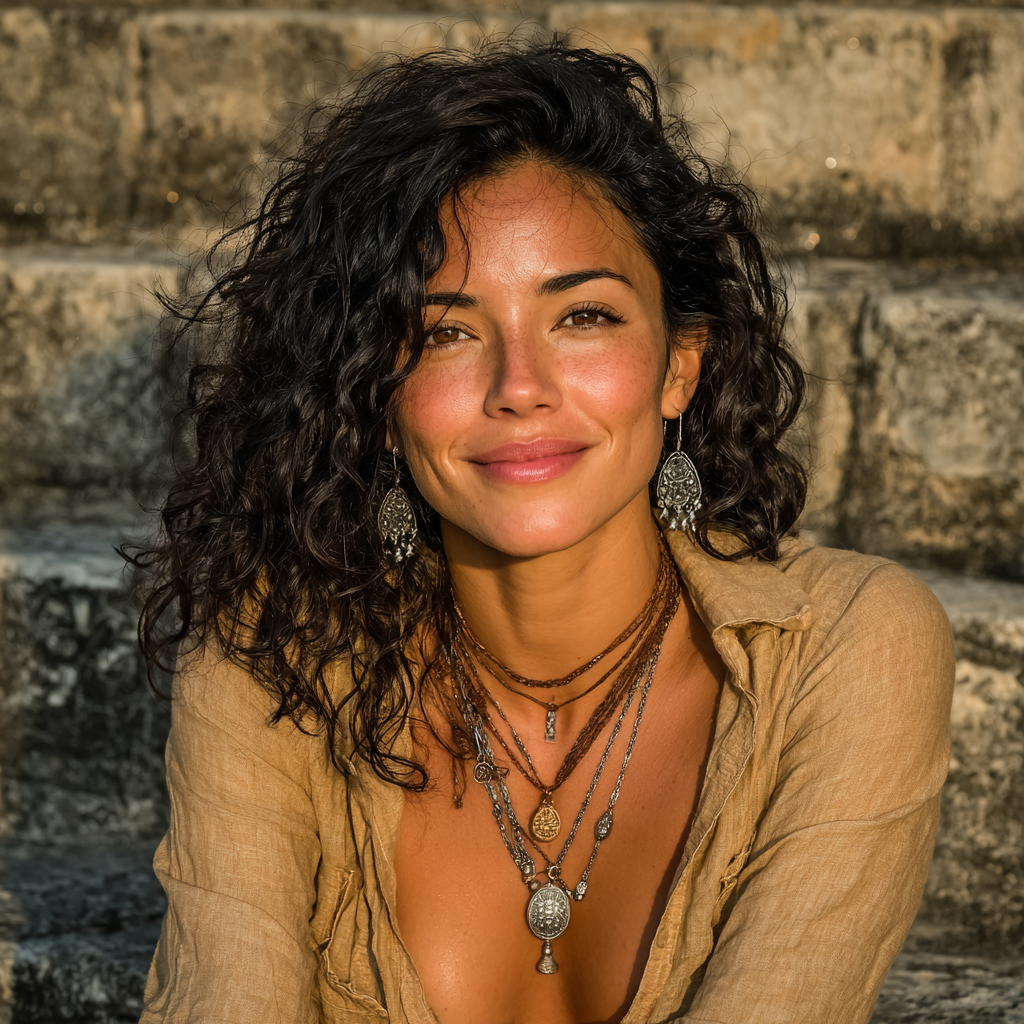
By Elena Vasquez
Cultural anthropologist and culinary storyteller. Elena spent a decade documenting traditional cooking methods across Latin America and the Mediterranean. She holds a PhD in Ethnography from Barcelona University and believes the best way to understand a place is through its kitchens and ancient streets.