
Valencia: The Mediterranean's Most Layered City — A Cultural Guide to Roman Ruins, Moorish Engineering, and Europe's Oldest Living Democracy
Valencia does not whisper its history—it stacks it. Stand in Plaza de la Almoina and you are standing on glass panels suspended above Roman baths. Walk two blocks north and you are inside a Gothic silk exchange that merchant families fought to control for two centuries. Cross the riverbed—now a nine-kilometer park—and you are dwarfed by concrete structures that look like they landed from another planet. This is not a city that chose one era and stuck with it. Valencia kept everything, layered it, and turned the contradictions into character.
I have been writing about Mediterranean culture for fifteen years, and Valencia is the city that keeps teaching me something new. Every visit, I find another courtyard I missed, another ceramic detail, another café owner who insists on explaining the acequia system over a glass of horchata. This guide is what I wish I had on my first trip: not a checklist of monuments, but a way to read the city so the layers start making sense.
The Layers Beneath Your Feet: Roman Foundations and What Survived
Valencia began in 138 BCE as Valentia Edetanorum, a settlement for retired Roman soldiers on the fertile Turia River plain. The name comes from valentia—Latin for strength or bravery—and the Romans chose the site for the same reason every civilization after them would: water, trade routes, and soil that grew almost anything.
They laid a grid pattern that still underlies the old town. The decumanus—the main east-west street—follows roughly the path of modern Calle de los Colomer. The cardo—the north-south axis—runs near what is now Calle de la Paz. Walk these streets and you are tracing Roman footsteps, even if the buildings above your head are Baroque.
Plaza de la Almoina (free to view from street level, guided access through Museo de la Ciudad): This is the city's archaeological heart. Excavations have revealed a Roman forum, baths, and a nymphaeum, plus Visigothic tombs that were cut into the Roman layers centuries later. The glass floor panels let you look straight down into the stratigraphy—literally a cross-section of history. Come early in the morning, before the plaza fills with café tables, and the glass is clean enough to see the mosaic fragments below.
Museo de la Ciudad (Calle de la Corretgeria 8, €2, free on Sundays, open Tuesday–Saturday 10:00–19:00, Sunday 10:00–14:00): Housed in a former Baroque palace, this museum displays Roman mosaics, pottery, and a fragment of the ancient city wall. The standout piece is a mosaic depicting the months of the year, each represented by a seasonal agricultural task. It is a reminder that Valencia's identity has been tied to its huerta—the surrounding farmland—for over two millennia.
Water Shaped Everything: The Moorish Engineering Revolution
In 714 CE, the Moors arrived and renamed the city Balansiya. They did not just conquer Valencia—they re-engineered it. The agricultural revolution they introduced is still visible today in the acequias: a network of irrigation canals that channel water from the Turia River across the plain.
This was not simple ditch-digging. The acequia system uses gravity, sluice gates, and a communal governance structure called the Tribunal de las Aguas. Every Thursday at noon, the tribunal meets at the Plaza de la Virgen, in front of the cathedral, to resolve water disputes. This court has operated continuously since the Moorish period, making it the oldest democratic institution in Europe. Locals still attend. Tourists rarely notice it happening.
Banys de l'Almirall (Calle de l'Amirall 3, €2, open Tuesday–Saturday 10:00–14:00 and 16:00–19:00, Sunday 10:00–14:00): These are the only surviving Islamic baths in Valencia, built in the 13th century near the former royal palace. The apodyterium (changing room), tepidarium (warm room), and caldarium (hot room) are all intact. Look up at the ceiling: star-shaped vents allowed steam to escape while maintaining privacy. The horseshoe arches are textbook Islamic architecture, and the building has the quiet, half-lit atmosphere that makes you lower your voice without thinking.
Torres de Serranos and Torres de Quart (€2 each, open Tuesday–Saturday 10:00–14:00 and 16:30–20:00, Sunday 10:00–15:00): These towers are Gothic reconstructions on Moorish foundations. Serranos is the better climb—steps lead to a terrace with views across the old town to the sea. Quart is rougher, its facade still scarred by French cannon fire from the Napoleonic Wars. The contrast between the two towers says something about Valencia: Serranos was rebuilt to impress; Quart was left damaged to remember.
The street layout of El Carmen—the maze of narrow alleys northwest of the cathedral—follows the organic growth pattern of the Islamic medina. There is no grid here. Streets bend, widen unexpectedly, and dead-end into hidden courtyards. This is the oldest part of the city, and it still feels like it.
Silk, Gold, and Merchant Power: The Gothic and Renaissance Boom
In 1238, King James I of Aragon conquered Valencia and established a multicultural kingdom where Christians, Muslims, and Jews coexisted under a shared legal framework. For five centuries, Valencia was the capital of an independent kingdom within the Crown of Aragon, with consulates in Alexandria, Constantinople, and Damascus.
The wealth came from silk. Valencia was the western terminus of the Silk Road, importing raw material from Granada and exporting finished textiles across Europe. The merchants who controlled this trade built the city's most impressive secular monument.
Lonja de la Seda (Silk Exchange, Calle de la Lonja 2, €2, open Monday–Saturday 10:00–19:00, Sunday 10:00–15:00): This UNESCO World Heritage site is the finest example of Gothic civil architecture in Europe. Construction ran from 1482 to 1548, and the main hall is the showstopper: twisted columns branch overhead like a petrified palm forest, supporting a vaulted ceiling that seems to float. An inscription on the walls reads: "I am an illustrious house built in fifteen years. Look at my beauty and you will not find my equal." The building served as the silk exchange, a contract court, and the Consulado del Mar—the maritime law authority for the entire Mediterranean. Stand in the center of the hall and look up. The acoustics are strange; whispers carry further than they should.
Silk Museum at the Colegio del Arte Mayor de la Seda (Calle del Mar 3, €3, open Tuesday–Saturday 10:00–14:00 and 17:00–20:00): Housed in a Baroque building that was the silk workers' guild headquarters, this small museum displays antique looms, dyeing vats, and textile fragments. The most interesting pieces are the 18th-century pattern books: hand-drawn designs that silk weavers used as catalogs for clients. Some of the patterns are so intricate that the drawings themselves took days to complete.
The cultural output of this period was extraordinary. The first European novel, Tirant lo Blanch, was written in Valencia in 1490. The city had one of Europe's first printing presses in 1473. The university, founded in 1499, became a center of humanist learning that drew students from across the Mediterranean.
When Churches Became Canvases: The Baroque Explosion
The 17th and early 18th centuries were Valencia's artistic zenith. Merchant wealth and religious fervor combined to produce interiors that overwhelm the senses.
Iglesia de San Nicolás (Calle de los Caballeros 35, €2 donation requested, open daily 10:30–13:00 and 17:30–20:00): Known as "Valencia's Sistine Chapel," this church features frescoes by Antonio Palomino and Dionís Vidal that cover every wall and the entire ceiling. The scenes depict the lives of Saint Nicholas and Saint Peter Martyr in swirling, exuberant Baroque motion. A 2016 restoration stripped away centuries of candle smoke and varnish, revealing colors that are almost aggressively vivid—saffron yellows, blood reds, ultramarine blues that seem to pulse under the church's natural light. I sat in a pew for twenty minutes just watching the ceiling shift color as clouds passed over the windows.
Basílica de San Juan el Real (Plaza del Mercado 6, free entry, open daily 08:00–13:00 and 17:30–20:30): The dome is a Valencia landmark visible from across the old town. The interior, added to over centuries, includes paintings by Joaquín Oliet and a remarkable reliquary collection. The church stands on the site of Valencia's first Christian church after the Reconquista, and the foundations are visibly older than the Baroque structure above them.
Palacio del Marqués de Dos Aguas (Calle del Poeta Querol 2, €3, open Tuesday–Saturday 10:00–14:00 and 16:00–20:00, Sunday 10:00–14:00): The National Ceramics Museum is housed in a palace that has Valencia's most photographed facade. The alabaster entrance, carved by Ignacio Vergara in 1740, depicts the two rivers that give the palace its name—Turia and Mijares—surrounded by allegorical figures, dolphins, and Valencian agricultural symbols. The museum inside covers ceramics from ancient Rome through Picasso, but most visitors spend more time photographing the facade than looking at the collection.
The City That Ate Its Walls: 19th-Century Expansion
The 19th century brought industrialization and a decision that transformed Valencia's geography: the city walls were demolished. Valencia expanded beyond its medieval confines into the Eixample district, laid out in a grid that still feels spacious compared to the old town's density.
Mercat Central (Plaza Ciudad de Brujas, free entry, open Monday–Saturday 07:30–15:00): Built between 1914 and 1928, this is Europe's largest fresh produce market. The Modernist building features a vaulted ceiling of colored glass and iron that filters sunlight into something close to stained-glass tones. Over 1,200 stalls sell everything from jamón ibérico to live eels. The ceramic details celebrate Valencia's agricultural bounty—orange tree motifs, rice sheaves, and scenes of the huerta. Come before 10:00 to see the market at full volume, when the fishmongers are still hosing down their stalls and the produce vendors are stacking their displays into pyramids.
Mercado de Colón (Calle de Jorge Juan 19, shops open 08:00–22:00): This 1914 market hall was designed by Francisco Mora Berenguer in Valencian Art Nouveau style. The iron and glass structure resembles a cathedral to commerce, with ceramic panels depicting agricultural scenes. It was restored in the early 2000s and now houses restaurants, cafés, and gourmet shops rather than fresh produce stalls. The central nave is the best place for a mid-afternoon coffee.
Estación del Norte (Calle de Játiva, free to enter): The railway station, built in 1917, is a Modernist masterpiece that most tourists walk through without looking up. The facade features ceramic mosaics of Valencian life—orange harvesting, rice cultivation, women in traditional dress. The main waiting room has a coffered ceiling with painted panels that most travelers miss entirely because they are checking departure boards.
The Flood That Changed Everything: Modern Transformation
The defining event of 20th-century Valencia was the Great Flood of 1957. The Turia River burst its banks after days of rain, killing 81 people, destroying thousands of homes, and leaving the city under water. The response was radical: divert the river entirely. A new channel was carved around the southern edge of the city, and the old riverbed was left dry.
For decades, the riverbed was an awkward strip of abandoned land, used for parking lots and improvised football pitches. Then, starting in the 1980s, it was transformed into the Jardín del Turia—a nine-kilometer park that runs through the center of the city. It is now Valencia's civic backyard: joggers, cyclists, families, and pensioners share the space under palm trees and orange groves.
Civil War Valencia (1936–1939): Valencia served as the Republican capital from 1936 to 1937. The city was heavily bombed by fascist forces, and many historic buildings still bear damage. The IVAM (Institut Valencià d'Art Modern, Calle de Guillem de Castro 118, €6, free on Sundays, open Tuesday–Sunday 10:00–19:00) holds a collection of Civil War posters and photography that captures the period with unflinching immediacy. The museum itself is Spain's first modern art museum, with strong collections of Valencian avant-garde work.
The Future in Concrete: Calatrava and Contemporary Valencia
Valencia's most dramatic transformation began in the 1990s with the City of Arts and Sciences, an architectural complex designed by Santiago Calatrava and Félix Candela that turned the dry riverbed into a futuristic city within a city. The project cost over €1 billion, has been plagued by maintenance issues and legal disputes, and remains controversial among locals. It is also undeniably spectacular.
L'Hemisfèric (€8.70, open 10:00–19:00, later in summer): The eye-shaped building houses an IMAX cinema and planetarium. The reflection pool surrounding it creates the illusion that the structure is floating.
Museo de las Ciencias Príncipe Felipe (€9.30, open 10:00–19:00): The interactive science museum is designed to resemble a whale skeleton. Inside, the exhibitions are aimed primarily at children, but the building itself is the attraction.
L'Oceanogràfic (€33.40, open 10:00–20:00): Europe's largest aquarium, designed by Candela as a series of underwater towers connected by glass tunnels. The shark tunnel and the beluga whale tank are the highlights. Tickets are expensive, but the marine biodiversity is genuinely impressive.
Palau de les Arts Reina Sofía (tours €9.50, performance tickets vary): The opera house and performing arts center is the complex's most beautiful building—a ship-like structure with a feathered concrete shell. Even if you do not attend a performance, the guided architectural tour is worth the time.
Ágora: The covered plaza hosts events and exhibitions. The building has been closed intermittently due to structural issues with the roof—a recurring problem across the complex that locals cite as evidence of rushed construction.
The best way to experience the City of Arts and Sciences is to walk around the exteriors at sunset, when the buildings are illuminated and the concrete turns shades of gold and rose. The interior exhibitions are secondary to the architecture.
Fire and Identity: Las Fallas and What Valencian Culture Means
No guide to Valencia is complete without Las Fallas, the UNESCO-recognized festival that consumes the city every March. The origins are pragmatic: medieval carpenters burned wood scraps on the feast of Saint Joseph (March 19). Over centuries, this evolved into a satirical spectacle where neighborhood associations build enormous sculptures—ninots—that mock politicians, celebrities, and current events, then burn them to the ground.
The economics are staggering. A large ninot can cost €100,000 or more to build. The neighborhood associations—casals fallers—fundraise year-round. On March 19, everything goes up in flames. The cremà starts at midnight, and by 2:00 AM the city is filled with smoke, ash, and the strange euphoria of watching months of work disappear in minutes.
Key Fallas events:
- Mascletà: Daily at 14:00 in Plaza del Ayuntamiento. A rhythmic fireworks display designed to be felt in your chest rather than seen. It is deafening. Earplugs are essential.
- Ofrenda: March 17–18. A floral offering to the Virgin Mary in which falleras in traditional dress carry flowers to build a giant tapestry in the cathedral square.
- Cremà: March 19, starting around midnight. The burning of the ninots, beginning with the smaller ones and building to the grand finale at 1:00 AM.
Book accommodation by January. Prices triple. Sleep is optional. If you want to understand Valencia's rauxa—the madness half of the seny i rauxa character—Fallas is where you feel it.
Where the City Meets the Sea: Beach Neighborhoods and Waterfront Life
Valencia's relationship with the Mediterranean has always been complicated. The port made the city rich, but the beaches were historically working-class neighborhoods, not tourist destinations. That has changed in the last decade. The Cabanyal—the old fisherman's quarter east of the port—has become one of Spain's most interesting neighborhoods, where crumbling Modernist facades share streets with craft breweries, galleries, and restaurants that would not look out of place in Barcelona.
Cabanyal (Metro: Marina or Cabanyal): The grid of streets here was laid out in the 19th century when fishermen built small houses with colorful ceramic facades. Many are abandoned now, but the ones that have been restored are stunning—geometric tiles in blue, yellow, and green, with wrought-iron balconies and carved wooden doors. The neighborhood has resisted multiple attempts at demolition by developers who wanted to extend the city's main avenue to the sea. That fight made the Cabanyal politically significant, and the artists who moved in during the 2000s turned it into something like Valencia's answer to Lisbon's Mouraria.
Carrer de la Reina is the main artery. Walk it on a Saturday morning and you will find La Fabrica de Hielo (Plaza del Rosari 8, open 10:00–00:00), a former ice factory turned cultural center with a rooftop terrace and a bar that serves canya—small draft beers—for €1.50. Further down, Casa Montaña (Calle de José Benlliure 69, open 12:00–16:00 and 20:00–23:30, €25–35) has been a taberna since 1836. The tiled walls, marble countertops, and barrels of wine stacked behind the bar have not changed in a century. The esgarraet—salt cod with roasted peppers—is the best in the city.
Playa de la Malvarrosa: Valencia's main city beach is a wide stretch of sand that fills with locals on summer weekends. The promenade is lined with chiringuitos—beach bars serving paella and grilled sardines. Most are mediocre and overpriced. The exception is La Pepica (Calle de la Isla 9, open 13:00–16:00 and 20:00–23:00, €20–30), a restaurant that has been serving rice dishes since 1898. Hemingway ate here. The arroz a banda—rice cooked in fish stock, served separately from the seafood—is the traditional fishermen's version of paella, and it is what locals actually order at the beach.
Playa de la Patacona: North of Malvarrosa, this is where Valencians go when they want to avoid tourists. The beach is narrower, the bars are cheaper, and the crowd is younger. Bonjour (Calle de Eugenia Viñes 177, open 09:00–23:00) serves breakfast on the sand from €4. The water is cleaner here too—fewer boats, less runoff.
Where to Eat Like a Local: A Food Writer's Notes
Valencia's cuisine is inseparable from its history. The Moors introduced rice cultivation to the Albufera wetlands. The tiger nut—chufa—came with them too, and the horchata made from it has been a local drink for a thousand years.
Horchata and fartons: The traditional pairing is horchata—a cold, sweet drink made from tiger nuts—and fartons, elongated pastries designed for dipping. Horchatería Santa Catalina (Plaza de Santa Catalina 6, open 08:00–21:00, €3–5) has been serving both since 1802. The horchata is made fresh daily; the fartons are warm in the morning.
Paella: The dish originated in the Albufera wetlands, where rice cultivation began under the Moors. Traditional Valencian paella contains rabbit, chicken, snails, and beans—not seafood. For the real thing, take the train to El Palmar, a village in the Albufera, and eat at Casa Carmela (Calle de la Gaviota 19, open 13:00–16:00, reservations essential, €25–35 per person). The rice is cooked over wood fire, and the socarrat—the caramelized crust at the bottom of the pan—is the point of the entire exercise.
All i pebre: An eel stew from the Albufera, made with garlic, paprika, and potatoes. It is served in the same villages as the best paella. Restaurante Mateu (Calle de la Senia 33, El Palmar, open 13:00–16:00 and 20:00–23:00, €20–30) has been cooking it since 1941.
Mercat Central lunch: For a market-based meal, go to Central Bar inside Mercat Central (open 07:30–15:00, €8–15). The menu is simple—bocadillos, grilled seafood, esgarraet (roasted pepper and salt cod salad)—and the ingredients are whatever looked best that morning.
What to Skip
Hop-on hop-off bus tours: Valencia's old town is compact and walkable. The bus routes miss the narrow streets of El Carmen, the best part of the historic center, and the audio commentary is generic enough to apply to any Mediterranean city. Walk, or rent a bicycle from Valenbisi and follow the Turia Gardens instead.
Paella in the city center: The restaurants around Plaza de la Reina and Plaza del Ayuntamiento that advertise "authentic paella" with photos on laminated menus are almost universally disappointing. If the paella costs less than €15 and is advertised as "for one person," it was microwaved. Real paella is cooked to order, takes 30–40 minutes, and is priced accordingly. Go to the Albufera or trust a local recommendation.
City of Arts and Sciences during midday in summer: The concrete complex has almost no shade. In July and August, the heat reflected off the white surfaces is brutal. Visit at sunset, or go inside the aquarium or science museum where there is air conditioning. Walking the exteriors at noon is self-punishment.
Las Fallas if you hate crowds: Fallas is not optional if you are in Valencia in mid-March, but if you genuinely dislike noise, fireworks, and being unable to move on a sidewalk, plan your visit for a different month. The city is packed, sleep is difficult, and the mascletàs trigger car alarms for blocks.
The Holy Grail chapel as a pilgrimage destination: Valencia Cathedral claims to possess the authentic Holy Grail. The chalice is historically significant—it has been used by popes—but the "authenticity" claim is disputed by at least four other European locations. The chapel is worth seeing as part of the cathedral visit, but treating it as a spiritual destination is likely to leave you underwhelmed.
Beachfront restaurants on summer weekends: The chiringuitos along Malvarrosa charge €25–35 for paella that was cooked this morning and reheated to order. The sand-flecked tables and sea view do not make up for rubbery seafood. Eat at La Pepica or walk inland to the Cabanyal for better food at half the price.
Plaza de la Reina tourist traps: The cafes on the south side of the square charge €4 for a cafe con leche and serve pre-sliced tortilla from plastic wrap. Walk two streets in any direction and the prices drop by half.
Day Trips: Where Locals Go
Albufera Natural Park (10 km south, bus 25 from Plaza de España, €1.45, 45 minutes): This freshwater lagoon is where Valencia's rice comes from, where paella was invented, and where locals go on Sunday afternoons to watch the sunset. Boat tours leave from El Palmar (€4, 45 minutes) and take you through reed beds where purple herons and ospreys nest. The best time to go is late afternoon, when the light turns the water copper and the fishermen are pulling in their nets.
Sagunto (30 km north, Cercanías train from Estación del Norte, €3.50, 30 minutes): A Roman theater perched on a hillside, with views across the Mediterranean. The theater was built in the 1st century CE and restored in the early 20th century. It is still used for performances in summer. The old Jewish quarter below the castle walls has narrow streets and a synagogue that dates to the 14th century.
Xàtiva (60 km southwest, Cercanías train, €5, 1 hour): A hilltop town with a castle that was a prison for the Borgia family. The old town is a maze of medieval streets, and the Hospital de los Pobres has a pharmacy museum with ceramic jars that have been in continuous use since the 16th century.
Best Viewpoints: Where to See the Layers
Torres de Serranos terrace (€2): The best view of the old town's rooftops, the Turia Gardens, and the mountains beyond. Come at sunset when the terracotta tiles glow.
Micalet bell tower, Valencia Cathedral (€2, open Monday–Saturday 10:00–18:30, Sunday 14:00–18:30): 207 steps to a 360-degree view of the city's layered skyline—Baroque domes, Modernist facades, Calatrava's white shells, and the sea on the horizon.
Alameda rooftop bars: The Ateneo Sky Bar (Calle de San Vicente Mártir 44, 9th floor, open 17:00–00:00) has views across the Turia to the City of Arts and Sciences. Drinks are €8–12, but the sunset is free.
Practical Logistics
Getting around: Valencia is flat and bicycle-friendly. The Valenbisi bike-share system has stations across the city (€13.30 for a weekly pass). The metro covers the suburbs and the airport. The old town is entirely walkable.
Best time to visit:
- March: Las Fallas (book early, bring earplugs, accept that sleep is a suggestion).
- April–May: Ideal weather, orange blossoms in the Turia Gardens, terraces open.
- September–November: Cultural season begins, fewer tourists, the sea is still warm.
- August: Many locals leave, some restaurants close, the heat is serious.
Museum strategy: Most museums are free on Sundays. The Valencia Card (€15–25 for 24–72 hours) includes public transport and discounts. If you are visiting three or more paid museums, it pays for itself.
Language: Valencian—locally branded Catalan—is co-official with Spanish. Street signs are bilingual. Spanish is universally understood. A few Valencian phrases go a long way: Bon dia (good morning), Gràcies (thank you), Adéu (goodbye).
Churches: Modest dress is required—shoulders and knees covered. Some churches charge entry; others request donations. The €2–3 fees are usually posted at the door.
The Soul of the City
Valencia's culture is defined by contradictions that somehow coexist without resolving. Ancient and futuristic, agricultural and avant-garde, burning sculptures and carefully preserved Roman mosaics. The Valencian character has a phrase for this: seny i rauxa—sense and madness. The seny built the irrigation systems, maintained the acequias, and negotiated silk contracts. The rauxa burns millions of euros in sculptures every March and builds spaceships in a dried-up riverbed.
I keep coming back because Valencia is never finished. Every time I think I understand it, I find another layer: a Mudejar ceiling I missed, a horchatería that predates my last guidebook, a neighborhood casal faller building a ninot in a garage that will be ash in two weeks. The city does not preserve its history in a museum. It lives inside it, rebuilds it, argues with it, and sets it on fire once a year.
That is the guide. Use it to find the layers. Then put it down and get lost in El Carmen for an afternoon. Valencia is better when you stop following directions.
— Elena Vasquez
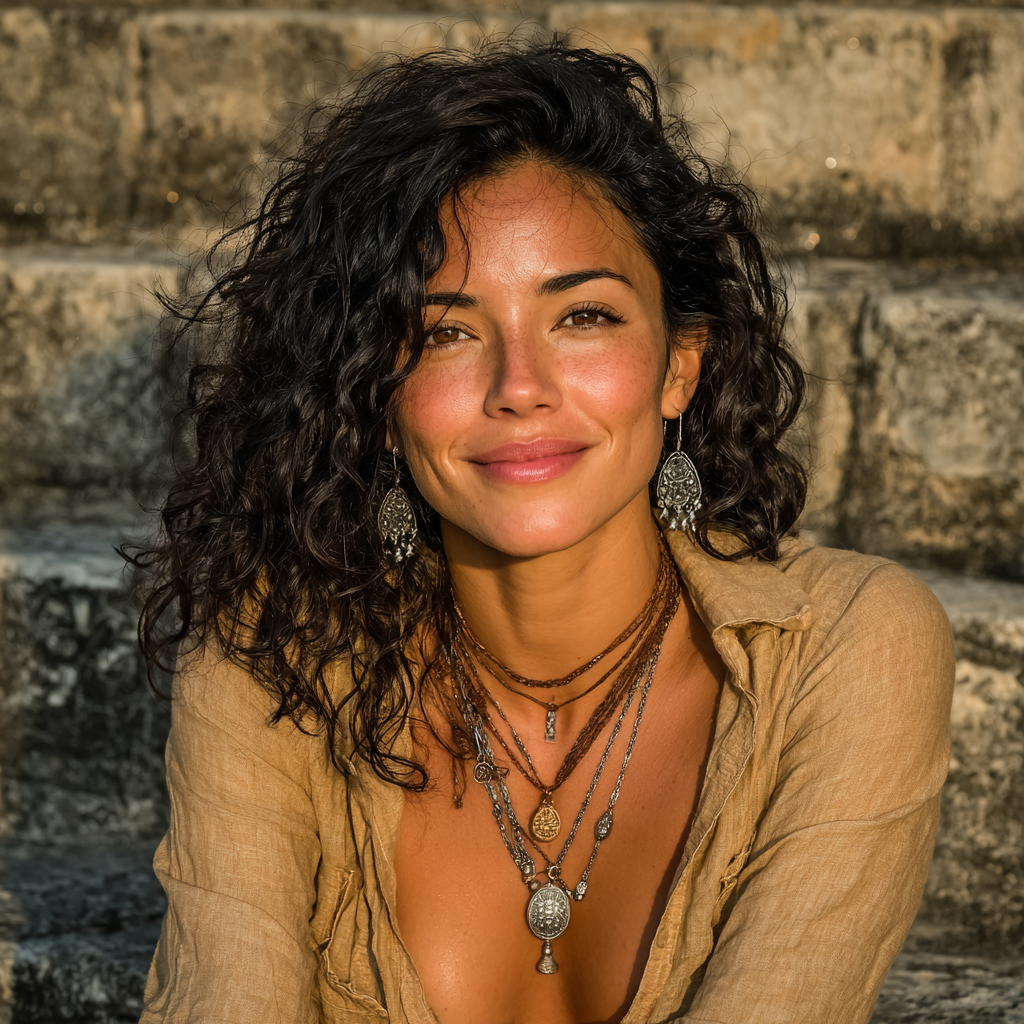
By Elena Vasquez
Cultural anthropologist and culinary storyteller. Elena spent a decade documenting traditional cooking methods across Latin America and the Mediterranean. She holds a PhD in Ethnography from Barcelona University and believes the best way to understand a place is through its kitchens and ancient streets.