
San Sebastian: Where Michelin Stars Share the Sidewalk with €2 Prawns
Destination: San Sebastian, Basque Country, Spain
Category: Food & Drink
Author: Sophie Brennan
Word Count: ~3,400
Reading Time: 17 minutes
The first thing you learn in San Sebastian is that nobody stands in line for a restaurant. They stand in line for bars. By 12:30 PM, the narrow streets of the Parte Vieja are jammed with people eating standing up, elbows on marble counters, a toothpick in one hand and a glass of txakoli in the other. Retirees in pressed shirts. Teenagers in hoodies. Japanese tourists with cameras. Local fishermen still smelling of the morning catch. Everyone eats the same way here: fast, loud, and without apology.
This is not a city that discovered food tourism yesterday. The Basques have been obsessing over what they eat for centuries — long before Spain existed as a nation, long before the Michelin Guide arrived, long before Instagram made pintxos pretty. San Sebastian has 16 Michelin stars within its city limits, three of them three-starred restaurants within a 15-minute drive of each other. But it also has more than 200 pintxos bars where you can eat like royalty for under €30. That tension — between the highest form of gastronomy and the most democratic eating culture in Europe — is what makes this place extraordinary.
I come here three times a year. I have gained weight here. I have cried here (once, at Mugaritz, because a dish involving fermented potatoes and ash genuinely moved me). I have stood in the rain at 11:50 AM waiting for Bar Nestor to open because their tortilla sells out in 12 minutes. San Sebastian is not a destination. It is an education.
What You're Actually Eating: The Pintxos Code
Before you step into a bar, understand the rules. Pintxos are not tapas. Tapas are small plates for sharing. Pintxos are individual bites — usually perched on a slice of bread, held together with a toothpick (pincho means "spike"), designed for one person to eat in two bites while standing. The Basque tradition is the pintxos pote: you enter a bar, order one or two things and a drink, pay cash, leave, and repeat at the next place. Five bars in an hour is normal. Eating a full meal at one bar is a tourist mistake.
There are two types of pintxos. Cold ones line the counter — anchovies, jamón, stuffed peppers, cod salads. You grab a plate, load it up, and the bartender counts your toothpicks at the end. Hot ones are cooked to order from a chalkboard menu. You order verbally, wait five to fifteen minutes, and eat at the bar when it arrives. The best bars do both, but the hot dishes are where the real money is spent.
The payment system is trust-based. Some bars charge per toothpick. Some charge per plate. Some ask you to tell them what you ate. Nobody checks. Do not abuse this. The Basques have a long memory.
The Old Town Circuit: Where to Stand and Eat
Ganbara — Calle Fermín Calbetón, 1 — is the classic starting point and has been run by the same family since the 1980s. The counter overflows with seasonal displays: razor clams in spring, wild mushrooms in autumn, glistening Cantabrian anchovies year-round. The grilled langoustines run €24 for a half-dozen and are non-negotiable. The tortilla, thick and custardy in the center, costs €3.50 and is the benchmark. The hojaldre con txistorra — a puff pastry filled with Basque sausage — is a €4 masterpiece of simplicity. Ganbara opens at 10 AM and the best stuff is gone by 1:30 PM. Arrive hungry and early.
La Cuchara de San Telmo — Calle 31 de Agosto, 28 — sits at the bottom of a steep street and does modern pintxos without the attitude. There are no counter displays here. Everything is cooked to order from a chalkboard that changes daily. The foie gras with apple and PX reduction is €4.50 and arrives on a small ceramic plate with no ceremony. The braised beef cheek with potato purée falls apart at the touch of a fork. The cochinillo (suckling pig) is glazed and crackling and €5.20. The oreja de cerdo (pig's ear) with romesco sauce is €4 and not for the timid. Hours: Wednesday to Sunday 12:00–15:30, Tuesday to Sunday 19:30–23:30. Come early — the bar fills by 13:00 and the kitchen closes when they run out.
Borda Berri — Calle Fermín Calbetón, 12 — is where serious eaters go when they want to stop pretending. No hot food before 13:00 because the kitchen needs time to prepare. The veal cheeks braised in red wine (€4.20) have been simmering since morning. The grilled octopus with potato (€5) is charred at the edges and tender in the center. The mushroom risotto (€4) arrives in a small clay pot, still bubbling, made with Idiazábal cheese from local shepherds. The kebab de costilla de cerdo — a deconstructed pork rib wrapped in flatbread — is €5.50 and has no business being this good. Hours: Tuesday to Sunday 12:00–15:00, 19:30–23:00. Closed Mondays. This is my favorite bar in the city. I have eaten the entire menu here. It is all good.
A Fuego Negro — Calle 31 de Agosto, 31 — looks like a design studio that happens to serve food. Black walls, neon signs, loud music, young staff in streetwear. The "Kobe" beef slider is actually Basque beef and costs €5. The "McFoie" — foie gras on a brioche bun with apple — is a guilty pleasure at €6.50. The black rabas (squid in its own ink, shaped like fried calamari) are €6 and photograph like a crime scene. Hours: Tuesday to Sunday 10:00–24:00. This is where locals bring visitors to prove pintxos can be playful without being stupid.
Goiz Argi — Calle Fermín Calbetón, 4 — specializes in one thing: prawns grilled on a plancha with garlic and chili. The gambas are €6 for three, served on skewers, heads on, shells crackling. Order two plates, a glass of cold txakoli, and stand at the bar watching the cook work the flat top. The callos (tripe stew) is €4.50 and deeply traditional. The brocheta de riñón (skewered kidneys) is €5 and not for everyone. Hours: Tuesday to Sunday 12:00–15:00, 19:30–23:00. This is minimalist perfection.
Bar Nestor — Calle Pescadería, 11 — serves the best tortilla in the city and possibly the best in Spain. They make exactly two per day: one at 13:00, one at 20:00. You need to arrive 30 minutes beforehand to put your name on the list. Then you wait. Then you get a slice — thick, custardy, barely set in the center, layered with caramelized onions and potatoes cooked in olive oil. It costs €4. The txuleta (Basque rib steak) is €28 per person, cooked rare over charcoal, served with nothing but salt and a slab of fat that melts into the meat. Hours: Tuesday to Sunday 12:00–15:00, 19:30–22:30. Closed Mondays. The tomato salad and fried peppers are sides in name only — they will be cleared before your steak arrives. Skip them unless you are a fanatic.
Bar Zeruko — Calle Pescadería, 10 — has the most theatrical pintxos display in the Old Town. The "La Hoguera" cod arrives on a miniature barbecue with smoking coals. The "Sashimi de Tolosa" presents beef from the nearby town in three preparations — pastrami, seared, and soy-marinated — on a black biscuit with garlic aioli. It is beautiful, it is expensive (€7–€9 per pintxo), and it is where the tour buses go. Hours: Tuesday to Sunday 12:00–16:00, 19:30–24:00. The food is good. The crowd is less so.
La Viña — Calle 31 de Agosto, 3 — is famous for two things: txakoli poured from height with theatrical flair, and the tarta de queso that launched a thousand imitations. The Basque burnt cheesecake is €5.50 per slice, caramelized on top, molten in the center, and served without apology. Hours: Tuesday to Sunday 10:30–17:00, 18:30–24:00. Some locals prefer the cheesecake at La Cepa next door. Both are correct.
Across the River: Gros and the Local's San Sebastian
The Parte Vieja is where you start. Gros is where you stay. This neighborhood across the Urumea River has a younger, more local scene — surfers, designers, students, and the people who work in the restaurants you just ate at.
Bodega Donostiarra — Peña y Goñi, 13 — is open Monday to Saturday 09:30–24:00, a rarity in a city where most bars close Mondays. Their tortilla is made fresh throughout the day. The brocheta skewers — pork, steak, or octopus with king prawns — are €4.50 and grilled to order. The grilled octopus is €5.20. The carne con tomate (beef in tomato sauce) is €4 and tastes like someone's grandmother made it. This is where I eat when I want to feel like I live here.
Ramuntxo Berri — Peña y Goñi, 10 — has a terrace that catches afternoon sun and an open-faced sandwich of Ibérico pork with toasted brie that costs €5 and ruins all other sandwiches. The croquettes are €3.50. Hours: Monday to Friday 10:00–17:00, 18:30–24:00; Saturday to Sunday 10:00–24:00.
San Martín Market — Calle San Martzial — is smaller than La Bretxa but more local. Come here for cured meats, Basque cider, and the gossip of neighborhood shoppers. The bar at the back serves simple breakfasts — toast with tomato, cured ham, and olive oil — to market workers and early-rising food nerds from 08:00 to 12:00. A breakfast of txistorra, eggs, and coffee costs €6.
The Michelin Ceiling: Where €250 Buys You Three Hours of Disbelief
San Sebastian has three three-Michelin-star restaurants within 15 minutes of each other. For a city of 180,000 people, this is mathematically absurd.
Arzak — Av. del Alcalde Elósegui, 273 — is the institution. Juan Mari Arzak and his daughter Elena have held three stars since 1989. The dining room is understated — white tablecloths, modern art, nothing flashy. The tasting menu runs €250 and includes dishes like "oyster and its pearl" (an oyster in tempura with a sphere of oxtail consommé) and "low tide" (sea urchin, crab, and seaweed arranged to look like a tidal pool). The wine cellar has 100,000 bottles. Reservations open three months in advance and disappear in hours. Hours: Wednesday to Saturday 13:00–15:00, 20:30–22:30; Sunday 13:00–15:00. Closed Monday and Tuesday.
Akelarre — Igeldo Bidea, 164 — occupies a hillside west of the city with views over the Bay of Biscay. Pedro Subijana has run the kitchen since 1974. The "Aranori" menu (€245) includes his famous "egg cooked at exactly 62 degrees" with truffle and potato foam. The "tribute to the garden" presents vegetables from their own farm in various textures and temperatures. Request a window table when booking. Hours: Wednesday to Sunday 13:00–15:00, 20:30–22:30. Closed Monday and Tuesday.
Martín Berasategui — Laskonea, 7, Lasarte-Oria — is the workhorse of the three. Berasategui holds 12 Michelin stars across his restaurants, more than any other Spanish chef. His flagship has held three stars since 2001. The "Tradition and Evolution" menu (€260) includes his signature mille-feuille of smoked eel, foie gras, and caramelized onion — a dish he's been refining for 30 years. The wine pairing (€130) focuses on Rioja and Ribera del Duero. Hours: Wednesday to Saturday 13:00–15:00, 20:30–22:30; Sunday 13:00–15:00. Closed Monday and Tuesday.
Mugaritz — Aldura Gunea Aldea, 20, Errenteria — holds two stars and ranks among the world's most innovative restaurants. Andoni Luis Aduriz experiments with fermentation, texture, and temperature. The menu changes completely each season. Expect dishes like "edible stones" (potatoes coated in kaolin to resemble river rocks) and "broken olives" (olives that have been frozen, thawed, and reconstituted). The experience runs €250 and lasts three to four hours. Book months ahead. Hours: Wednesday to Saturday 13:00–15:00, 20:30–22:30; Sunday 13:00–15:00. Closed Monday and Tuesday. I cried here. I would do it again.
Asador Etxebarri — Axpe, Atxondo — lies an hour south in the Axpe valley but draws diners from across Europe. Victor Arguinzoniz cooks everything over coals he makes from specific woods — oak for beef, vine cuttings for fish, orange wood for anchovies. The tasting menu (€250) is worth the drive: chorizo made in-house, Palamós prawns that taste of the sea and smoke, beef from retired dairy cows. The setting — a stone building beneath limestone cliffs — adds to the drama. Hours: Wednesday to Sunday 13:00–15:00, 20:30–22:30. Closed Monday and Tuesday. Reservations are essential and often require multiple attempts.
Cider, Wine, and the Basque Drinking Ritual
Basque cider (sagardoa) is not the sweet stuff of English orchards. It is dry, acidic, cloudy, and served directly from enormous barrels. The traditional cider houses (sagardotegi) open from January to April, though several now operate year-round.
Petritegi — Petritegi Bidea, 8, Astigarraga — is a 500-year-old farmhouse converted into a restaurant. The ritual is fixed: cod omelet, fried cod with peppers, grilled steak, walnuts and cheese, all served with unlimited cider poured from the barrel. You eat standing up, serve yourself, and pay around €35 per person. The address is in Astigarraga, 15 minutes from San Sebastian by taxi. Hours: January to April, Friday to Sunday 13:00–15:00, 20:00–22:00; year-round by reservation.
Zelaia — Larrañeta Bidea, 6, Astigarraga — offers a similar experience with slightly more polish. The beef comes from retired dairy cows — older, more flavorful, cooked rare. The atmosphere is boisterous, with groups of locals singing Basque songs by midnight. Hours: Similar to Petritegi, reservations essential.
Txakoli is the region's white wine — tart, slightly fizzy, low in alcohol, and designed for drinking with seafood. It is poured from height to aerate it, creating a theatrical cascade from bottle to glass. Bar Nestor serves excellent txakoli from local producers. Atari Gastroteka — Calle Mayor, 18 — has a larger selection, including aged txakoli that develops nutty, sherry-like qualities. The platillo de bonito, antxoas y guindillas (white tuna, anchovies, and peppers) is €5. The tosta de foie mi cuit is €6. Hours: Daily 10:00–24:00.
The Markets: Where the Day Begins
La Bretxa Market — Plaza de la Bretxa — sits beneath the Old Town in a 19th-century building. The ground floor sells fish and seafood hauled from the Cantabrian Sea that morning — spider crabs, velvet crabs, hake heads, and bacalao salt cod stacked in wooden crates. Upstairs, produce vendors sell Txistorra sausage, Idiazábal cheese from local shepherds, and seasonal vegetables. The market opens at 07:30 and the best stuff is gone by 10:00. Arrive with an empty stomach and a sense of urgency. The bar at the back serves tortilla and coffee from 08:00.
What to Eat and When
January–April: Cider house season. Also the best time for txangurro (spider crab) and kokotxas (hake cheeks). The weather is grey and the city is quiet. This is when locals eat.
May–June: Wild asparagus, spring mushrooms, and the first anchovies of the season. The bars start to fill with tourists but the mornings are still yours.
July–August: High tourist season. Everything is open but the best bars are packed by 12:30 PM. Book Michelin restaurants months ahead. The Film Festival in September brings celebrity chefs and special events.
September–November: The food lover's season. Mushroom foraging begins. Game appears on menus — wild boar, pigeon, venison. The weather is warm, the crowds thin, and the city breathes again.
December: Bonito (albacore tuna) season. Also the time for tarta de queso — the Basque burnt cheesecake that has conquered the world. The Christmas markets sell turrón and mantecados that will make you forget your diet entirely.
What to Skip
The restaurants on Plaza de la Constitución. The square is beautiful — 18th-century architecture, numbered balconies that once held bullfighting spectators — but the food is uniformly mediocre and priced for tourists. Take a photo. Keep walking.
Bar Zeruko after 14:00. The theatrical pintxos are genuinely good, but after the lunch rush the quality drops, the counter looks picked over, and the staff are exhausted. Go at 12:30 or don't go.
Any "Basque tapas" bar with an English menu outside. If the menu is translated into six languages, the kitchen is not cooking for locals. This is a reliable rule across Spain and especially reliable here.
The pintxos tour groups. You will see them — 20 people following a guide with a flag, eating pre-ordered plates at bars that have agreed to handle groups. The food is not worse, but the experience is. Pintxos are meant to be chaotic, personal, and slightly stressful. A guide ruins all three.
Eating a full meal at one bar. The pintxos pote is the point. One bar, two bites, one drink, move on. If you sit down and order three courses at a pintxos bar, you are doing it wrong and the bartender knows it.
Asking for substitutions at Michelin restaurants. The tasting menus are designed as narratives. Removing the foie gras or requesting the fish well-done breaks the story. If you have dietary restrictions, call ahead when booking. Do not announce them at the table.
The Practicalities
Getting There: San Sebastian Airport has limited connections. Most visitors fly to Bilbao (75 minutes by bus, €17) or Biarritz (45 minutes by bus, €12). The bus from Bilbao runs every hour and drops you at the central bus station, a 10-minute walk from the Old Town.
Getting Around: The city is walkable. The Old Town (Parte Vieja) contains most pintxos bars. The Gros neighborhood across the river has a younger, more local scene. Michelin restaurants require taxis (€10–€15) or buses (€1.80). Renting a car for Etxebarri is essential — the last bus back leaves at 18:00.
Timing: Pintxos bars open around 10:00 for coffee and tortilla. The serious eating happens 12:30–14:00 for lunch, and 20:00–23:00 for dinner. Many close Sunday evenings and all day Monday. Plan accordingly — a Monday in San Sebastian is a hungry Monday.
Budget: Pintxos range from €2 to €8. A proper pintxos pote hopping between five bars with drinks costs around €25–€30 per person. A sit-down lunch at a mid-range restaurant is €35–€50. Michelin meals run €250–€300 with wine. Cider house dinners are €35. A good txakoli by the glass is €2.50–€4.
Language: Basque (Euskara) appears on all signs alongside Spanish. Locals appreciate an "eskerrik asko" (thank you) but English works in most bars. The Basque identity is fierce and proud — do not refer to the region as "Spain" in nationalist company. "Basque Country" is the safe term.
The Uncomfortable Truth: San Sebastian has become a victim of its own success. The Old Town is crowded from May to October. Prices have risen. Some bars have started catering to Instagram rather than locals. The solution is to venture beyond the obvious — walk 10 minutes to Gros, take a taxi to the cider houses, eat at noon when the tour buses haven't arrived yet. The food is worth the effort. It is always worth the effort.
Sophie Brennan is an Irish food writer based in Lisbon. She is the author of two cookbooks and has written for Condé Nast Traveler, Saveur, and The Guardian. She visits San Sebastian quarterly and has standing orders at three pintxos bars. She believes the Basque tortilla is the single greatest egg dish in Europe and will argue about this at length if provoked.
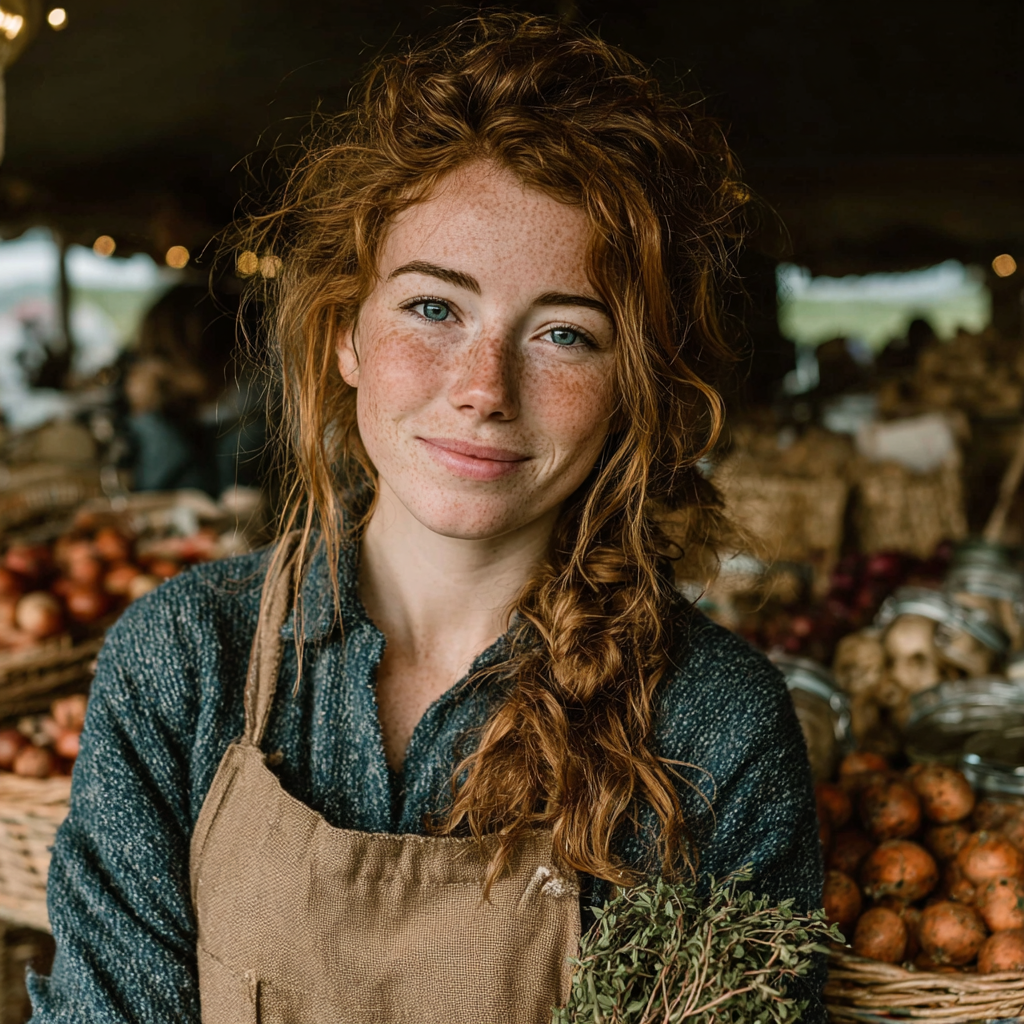
By Sophie Brennan
Irish food writer and historian based in Lisbon. Sophie combines her background in medieval history with a passion for contemporary gastronomy. She has written for Condé Nast Traveller and authored two cookbooks exploring Celtic and Iberian culinary traditions.