
Ronda: The City That Built a Bridge Into the Sky — Elena Vasquez's Guide to Andalusia's Defiant Cliffside Town
Elena Vasquez is a culture and food writer who grew up in Barcelona and has spent the last decade mapping Europe's hidden culinary traditions. She first came to Ronda on a rainy November afternoon, expecting a postcard, and found a city that refuses to be one. She has returned four times since, each time discovering a new corner of the gorge, a new tapas bar, and another reason why this city of 35,000 thinks it is the center of Andalusia.
The bus from Málaga does not prepare you for the drop. The road winds through hills covered in olive groves, then suddenly the floor disappears. You are looking down into the El Tajo gorge, 120 meters straight to the Guadalevín River, and spanning that chasm is the Puente Nuevo. It is less a bridge than a building that happens to have a road on top.
The structure took 42 years to build, from 1751 to 1793, after the first attempt collapsed and killed 50 workers. The stones are pale sandstone, quarried locally, and the central arch rises 98 meters above the riverbed. Inside the bridge, above the arch, there is a room that once served as a prison and now holds a small exhibition about the construction. The ceiling is low and the walls are damp. You can look through a slit window straight down.
Ronda does not ask for your admiration. It demands it. The city has been a stronghold for Celts, Romans, Moors, and Catholic monarchs. It invented modern bullfighting. It hosted Orson Welles, Ernest Hemingway, and Rainer Maria Rilke, all of whom wrote about it with the slightly stunned tone of people who had not expected to be moved. Hemingway claimed it was the place "where you should go if you ever go to Spain on a honeymoon or if you ever bolt with anyone." Rilke wrote an entire book here. The city absorbed their praise and kept living its own life.
This guide is organized thematically, not by day. Ronda is small—you can walk from the bullring to the Arab Baths in fifteen minutes—but the vertical scale makes it feel larger. Every street ends at a drop. Every balcony is a viewpoint. Give it two full days. Three if you want to hike the gorge and drink sherry slowly.
Quick Reference
| Essential | Details |
|---|---|
| Best time to visit | April–May (wildflowers, mild) or September–October (harvest, golden light) |
| Avoid | July–August (crowded, 35°C+, tourist buses) and November (mist obscures the gorge) |
| Population | ~35,000 |
| Language | Spanish; limited English outside hotels and major sites |
| Tipping | Not expected; round up for good service |
| Cash vs card | Cash preferred in tapas bars; cards accepted at hotels and restaurants |
The Puente Nuevo: Architecture as Defiance
- Address: Calle Armiñán, 29400 Ronda, Málaga
- Access: Free to walk across; prison/exhibition room €2.50
- Best views: See "Hiking the Gorge" below
- Coordinates: 36.7408° N, 5.1660° W
The bridge is the reason most people come to Ronda, and it is the reason they stay. José Martín de Aldehuela, the architect who finished it, also designed the Plaza de Toros. He understood stone and drama. The bridge took 42 years because the first attempt collapsed in 1741, killing 50 workers. The city tried again. That stubbornness is the character of Ronda.
The prison room inside the bridge is small, damp, and unsettling. You enter from the east side, pay €2.50, and climb narrow stairs to a chamber with slit windows. The view straight down is not for the faint-hearted. The exhibition on the construction is minimal—a few diagrams, some tools—but the space itself is the experience.
Photography tip: The bridge has no shade and the wind is constant. The best photographs are taken from below, early in the morning, before the tourist buses arrive and the light turns hard. See the Camino de los Molinos section.
La Ciudad: The Old Town and Moorish Ronda
The old town sits on the south side of the gorge. This is where the Moors built their fortress, and where the Catholic Monarchs established control in 1485. The street plan is medieval: narrow, winding, suddenly opening onto views that make you reach for a wall.
Palacio de Mondragón: Where Moorish Kings and Catholic Monarchs Slept
- Address: Plaza Mondragón, 29400 Ronda, Málaga
- Hours: Monday–Friday 10:00 AM – 6:00 PM; Saturday–Sunday 10:00 AM – 3:00 PM
- Admission: €3.50
- Coordinates: 36.7400° N, 5.1655° W
The best-preserved Moorish palace in Ronda, now the municipal museum. It has Mudéjar ceilings, Gothic windows, and a courtyard garden that hangs over the cliff edge. The view from the balcony is directly into the gorge. The palace was the residence of the Moorish king Abomelic and later hosted Ferdinand and Isabella. The ceilings are still original, carved in pine and cedar, and they creak when the wind blows.
The museum collection is modest—local archaeology, some Roman fragments—but the building itself is the draw. The gardens are planted with jasmine and hibiscus and are at their best in May. Allow 45 minutes.
Baños Árabes: The Oldest Working Baths in Spain
- Address: Calle Molino de Alarcón, 29400 Ronda, Málaga
- Hours: Monday–Friday 10:00 AM – 7:00 PM; Saturday–Sunday 10:00 AM – 3:00 PM
- Admission: €3.50
- Coordinates: 36.7385° N, 5.1650° W
Dating from the 13th or 14th century, though the builders clearly reused Roman foundations. The layout is standard for Islamic baths: cold room, warm room, hot room. The hot room still has its star-shaped skylights in the vaulted ceiling, and the hypocaust system that once circulated hot air is exposed in the floor.
The space is small. Most visitors spend fifteen minutes inside. The light through the skylights is sharpest around 11:00 AM. Go then, or at opening (10:00 AM), when you might have it alone. The quiet is the point.
Iglesia de Santa María la Mayor: A Mosque That Became a Cathedral
- Address: Plaza Duquesa de Parcent, 29400 Ronda, Málaga
- Hours: Monday–Saturday 10:00 AM – 7:00 PM; Sunday 10:00 AM – 3:30 PM
- Admission: €4 (includes roof access)
- Coordinates: 36.7402° N, 5.1658° W
Stands on the site of the former mosque. The tower is still the minaret, converted into a bell tower, and the orientation of the building is slightly off from the standard Christian east-west axis because it follows the mosque's alignment. The interior is a mix of Gothic, Renaissance, and Baroque, built over three centuries. The choir stalls are from the 16th century and the ceiling is Baroque plasterwork.
The roof is the reason to pay the €4. The view takes in both sides of the gorge, the mountains beyond, and the bridge itself, framed by the tower. The climb is steep and narrow. Not recommended for those with mobility issues. Allow 30 minutes inside, longer if you linger on the roof.
El Mercadillo: Bullrings, Parks, and the Newer City
On the north side of the bridge lies El Mercadillo, the newer part of the city—though newer here means post-16th century. The streets are wider, the architecture more uniform, and the views no less dramatic.
Plaza de Toros: Where Modern Bullfighting Was Born
- Address: Calle Virgen de la Paz, 15, 29400 Ronda, Málaga
- Hours: Daily 10:00 AM – 7:00 PM (until 8:00 PM July–August)
- Admission: €8.50 (includes museum and ring access); €12 with audioguide
- Coordinates: 36.7420° N, 5.1665° W
A perfect circle of stone, 66 meters in diameter, built in 1785 by José Martín de Aldehuela—the same architect who finished the bridge. It is the oldest bullring in Spain still used for its original purpose. The Royal Cavalry is based here, and the museum inside displays the cape and sword of Pedro Romero, the local fighter who killed 5,600 bulls and invented the modern style of bullfighting on foot.
The portrait of Romero in the museum shows a man with wide shoulders and an exhausted expression. The ring itself is empty most days. Tours run every hour. If you want to see it used, the Corridas Goyescas happen in early September—bullfights in 18th-century costume, the most prestigious event in Ronda's calendar. Tickets start at €35 and sell out months in advance.
Even if you oppose bullfighting, the architecture is worth seeing. The two-tiered colonnade, the sand floor, the silence of the empty seats.
Alameda del Tajo: The Park on the Edge of the World
- Address: Paseo de Blas Infante, 29400 Ronda, Málaga
- Hours: Open 24 hours
- Admission: Free
- Coordinates: 36.7425° N, 5.1670° W
A public park that runs along the cliff edge on the north side. Laid out in the 19th century, the trees are now fully grown—mostly pines and eucalyptus. There are benches facing the gorge and a balcony called the Balcón del Coño, named for the reaction it provokes. The wind here is constant and strong. Local men play dominoes under the bandstand in the afternoons.
The park is the best place in the city to watch the light change on the bridge. At sunset the stone turns orange-pink. At dawn the gorge is in shadow and the bridge is a pale silhouette. Bring a jacket even in summer—the wind does not stop.
Hiking the Gorge: The View From Below
The best views of the bridge are not from the bridge.
Camino de los Molinos
- Start: Near the old city walls on the south side (Calle de la Virgen de los Remedios)
- Duration: 30–40 minutes round-trip to the riverbank
- Difficulty: Moderate; steep, uneven, loose gravel
- Best time: 8:00–9:00 AM for morning light; 6:30–7:30 PM for sunset
A trail that starts near the old city walls and descends to the Guadalevín River. The path is steep and uneven, covered in loose gravel, and takes about 15 minutes to reach the bottom. You end up on the riverbank, looking straight up at the Puente Nuevo. The arch frames the sky.
In the early morning, from 8:00 to 9:00 AM, the sun is low enough to light the underside of the arch without washing out the stone. At sunset the whole structure turns orange-pink. Photographers should bring a wide-angle lens and a tripod. The riverbank is quiet except for the sound of water and the occasional call of a kestrel.
Safety note: The path can be slippery after rain. Wear sturdy shoes. Do not attempt after dark.
Roman Baths Above the City
Above the city, on the east side, are the ruins of the Arab city walls and the old watermills. The path continues past the mills to a set of Roman baths dating from the 1st century. The mosaics are fragmentary and mostly covered by earth. There is no entrance fee and no signposting. You find them by following the path upstream for another ten minutes from the watermills.
Where to Eat: Andalusian Standards Done Well
Ronda is not a food destination on the level of San Sebastián or Córdoba. The cuisine is standard Andalusian: fried fish, gazpacho, rabo de toro (oxtail stew). But there are specific places that do it well, and a few that do it exceptionally.
Casa Santa Pola: The Old Town Institution
- Address: Calle Armiñán, 32, 29400 Ronda, Málaga
- Hours: Tuesday–Sunday, 1:00 PM – 4:00 PM and 8:00 PM – 11:00 PM; closed Monday
- Price: Mains €12–18; rabo de toro €14
On the north side near the park, this restaurant has been serving the same menu since before the modern highway arrived. Their rabo de toro is stewed for six hours until the meat falls from the bone. The sauce is dark, rich, and slightly sweet from the sherry. It comes with fried potatoes that exist primarily to mop up the sauce. A half-portion is enough for most people. Order a glass of Tintilla de Rota, the local red wine, at €3.50.
Restaurante Pedro Romero: Bullfighting and Formal Dining
- Address: Calle Virgen de la Paz, 18, 29400 Ronda, Málaga
- Hours: Daily, 1:00 PM – 4:00 PM and 8:00 PM – 11:00 PM
- Price: Mains €18–28; full meal with wine €30–40
Opposite the bullring, larger and more formal, with bullfighting memorabilia on the walls—capes, posters, photographs of Romero and his descendants. The solomillo al whiskey (pork tenderloin in whiskey sauce) is a house specialty at €19. The gazpacho is properly cold and garlicky. A full meal with wine runs around €35. The terrace is pleasant in spring and autumn; in summer it is hot even with umbrellas.
Albacara: Dinner Inside the Gorge
- Address: Calle Tenorio, 8, 29400 Ronda, Málaga (Hotel Montelirio)
- Hours: Daily, 1:00 PM – 4:00 PM and 8:00 PM – 11:00 PM
- Price: Mains €24–35; tasting menu €48
In the Hotel Montelirio on the old town side, Albacara has a terrace directly under the bridge arch. The tables are on stone platforms built into the cliff. You are eating inside the gorge itself, with the bridge above you and the river somewhere below. The food is modern Andalusian—deconstructed salmorejo, grilled octopus, presa ibérica—and the prices reflect the setting. Dinner is €40–50 per person with wine. Reserve at least two days ahead: +34 952 87 38 55.
Note: Come for the setting, not the culinary revelation. The view is the main course.
De Locos Tapas: Small Plates, Local Crowd
- Address: Calle Jerez, 25, 29400 Ronda, Málaga
- Hours: Tuesday–Sunday, 12:30 PM – 4:00 PM and 7:30 PM – 11:30 PM; closed Monday
- Price: Tapas €4–9; raciones €9–16
A newer spot that draws a younger, local crowd. The tortillitas de camarones (shrimp fritters) are crispy and salty, the berenjenas con miel (fried eggplant with honey) are properly sweet-savory, and the croquetas change daily. Tapas run €4–7; raciones (larger plates) €9–14. The wine list is short but smart, with several Sierras de Málaga whites at €4 a glass.
Heladería Tejero: The Best Ice Cream in Town
- Address: Calle Espinel, 34, 29400 Ronda, Málaga
- Hours: Daily, 11:00 AM – 11:00 PM (summer); 11:00 AM – 8:00 PM (winter)
- Price: €2.50–4.50 per scoop
Family-run since 1960. The pionono flavor—cinnamon and caramel, named after a local pastry—is the one to try. A double scoop in a cone is €3.80. The terrace on Plaza del Socorro is prime people-watching territory.
Where to Drink: Sherry, Wine, and Views
Casa del Escudo: Sherry and History
- Address: Calle Armiñán, 3, 29400 Ronda, Málaga
- Hours: Daily, 11:00 AM – 11:00 PM
- Price: Sherry €3–5/glass; tapas €4–8
A traditional tavern near the bridge with dark wood, bullfighting posters, and a serious sherry selection. Order a fino (dry, pale, €3.50) or an oloroso (dark, nutty, €4) and a plate of jamón ibérico (€8). The owner will tell you about the time Hemingway sat at your table. Whether it is true does not matter. The sherry is good.
La Bodeguita: Local Wine, Local Prices
- Address: Calle Cristo, 13, 29400 Ronda, Málaga
- Hours: Monday–Saturday, 12:00 PM – 4:00 PM and 7:00 PM – 11:00 PM; closed Sunday
- Price: Glass of local wine €2.50–4; tapas €3–7
A tiny bar with four tables and a zinc counter. The Tintilla de Rota is €2.50 a glass and the tortilla española is thick, moist, and €4. The owner, José, speaks no English and prefers it that way. Point, smile, and pay in cash.
Where to Stay: From Cliffside Luxury to Simple Rooms
Parador de Ronda
- Address: Plaza de España, 29400 Ronda, Málaga
- Price: €150–250/night
- Note: The former town hall, now a state-run luxury hotel. The terrace has the most photographed view in Ronda—bridge, gorge, mountains. The restaurant is decent but overpriced. Stay for the location, eat elsewhere.
Hotel Montelirio
- Address: Calle Tenorio, 8, 29400 Ronda, Málaga
- Price: €120–180/night
- Note: 17th-century palace built into the cliff. The rooms are cave-like—low ceilings, stone walls—and the Albacara restaurant is downstairs. Not for the claustrophobic. The views are extraordinary.
Hotel San Gabriel
- Address: Calle Marqués de Parada, 304, 29400 Ronda, Málaga
- Price: €90–140/night
- Note: A restored 18th-century mansion with a courtyard, a small library, and a rooftop terrace. The owner is a former architect who collects antique fans. Each room is different. The location is quiet but central.
Hostal Virgen de los Reyes
- Address: Calle Virgen de los Reyes, 22, 29400 Ronda, Málaga
- Price: €45–65/night
- Note: Simple, clean, excellent location near the bridge. No views, no luxury, but the price is right and the staff is helpful. Good for budget travelers who plan to spend their time outside anyway.
Practical Logistics
Getting to Ronda
- From Málaga: Bus runs 5 times daily from Málaga María Zambrano station. Duration: 2 hours. Cost: €12–15. Book at alsur.es.
- From Seville: Bus from Plaza de Armas, 2.5 hours, €15–18. Or rent a car and take the A376 through the Serranía de Ronda—one of the most beautiful drives in Andalusia.
- From Granada: No direct train; change at Antequera-Santa Ana. Total journey: ~3 hours by train, or 2 hours by bus (direct service available, €15–20).
- Train station: On the north side, a 15-minute walk uphill to the center.
- Parking: Nearly impossible in the old town. Use the parking garages on the north side (Parking La Merced, €1.50/hour) and walk across.
Getting Around
- Walking: The only way. The city is small but vertical. Wear comfortable shoes with grip—the cobblestones are uneven and the paths to the gorge are steep.
- Taxi: Available but rarely needed. Call +34 952 872 111 or ask your hotel.
Best Time to Visit
- April–May: Wildflowers, mild temperatures, fewer crowds. Ideal.
- September–October: Harvest season, golden light, the Corridas Goyescas. Book early.
- July–August: Crowded and hot, often above 35°C. The ratio of visitors to residents becomes extreme. The bridge has no shade.
- November–February: Quiet, cheap, atmospheric. But rain and mist rise from the gorge and can obscure the bridge completely. Some restaurants close for winter.
Budget Estimate
- Budget: €60–80/day (hostal, tapas, free sites)
- Mid-range: €120–160/day (mid-range hotel, restaurant meals, paid sites)
- Splurge: €200+/day (Parador, fine dining, sherry by the bottle)
Language and Etiquette
- Spanish is essential. English is limited outside hotels and major sites.
- Buenos días before noon, buenas tardes after. Always greet before asking.
- Tipping is not expected. Round up or leave €1–2 for good service.
- Lunch is 1:30–3:30 PM; dinner 8:30–10:30 PM. Many kitchens close between 4:00 PM and 8:00 PM.
What to Skip
The souvenir shops near the bullring selling generic flamenco dresses and castanets. The same merchandise is available in every tourist town in Andalusia, and none of it is made in Ronda.
The guided tours that promise "hidden Ronda" and then walk you across the bridge and back. The city is small. You do not need a guide to find the bridge. You might need one for the Roman baths above the city, but that path is free and unmarked by design.
The modern shopping streets on the north side—Calle Espinel and beyond. They could be in any Spanish city. Spend your time in the old town and the park instead.
The House of the Moorish King (Casa del Rey Moro). An 18th-century building with a misleading name and a garden that charges €5 for a view you can get free from the Alameda del Tajo. The "water mine" staircase down to the river is steep, dark, and underwhelming. Skip it.
The bridge at midday in summer. The light is harsh, the stone is hot, the wind is strong, and the tour buses have arrived. Come early, come late, come in October.
A Perfect Ronda Morning: How Elena Does It
7:30 AM: Walk to the Camino de los Molinos trailhead. Descend to the riverbank as the sun hits the underside of the Puente Nuevo. Take photographs. Listen to the water.
9:00 AM: Climb back up. Coffee and a tostada at La Bodeguita (Calle Cristo, 13). The café con leche is €1.80. José nods at you.
10:00 AM: Baños Árabes at opening. Fifteen minutes of quiet. The light through the star-shaped skylights is perfect.
11:00 AM: Palacio de Mondragón. The gardens are empty. The view from the balcony makes you understand why the Moors chose this spot.
12:30 PM: Casa Santa Pola for lunch. Rabo de toro, half-portion. A glass of Tintilla. The sauce is so good you ask for more bread.
2:30 PM: Walk to the Alameda del Tajo. Find a bench. Watch the light change. Read Rilke if you brought him, or just watch the kestrels.
That is Ronda. A city that built a bridge into the sky and then spent 250 years learning to live with the view.
Final Word
Ronda is not a city that asks for your admiration. It demands it. The gorge is too deep, the bridge too high, the history too layered for casual appreciation. Hemingway honeymooned here. Rilke wrote here. Romero fought here. And the city absorbed them all and kept living its own life—domino games in the park, six-hour stews in the kitchen, sherry poured at noon.
Come with time. Come with good shoes. Come prepared to look down.
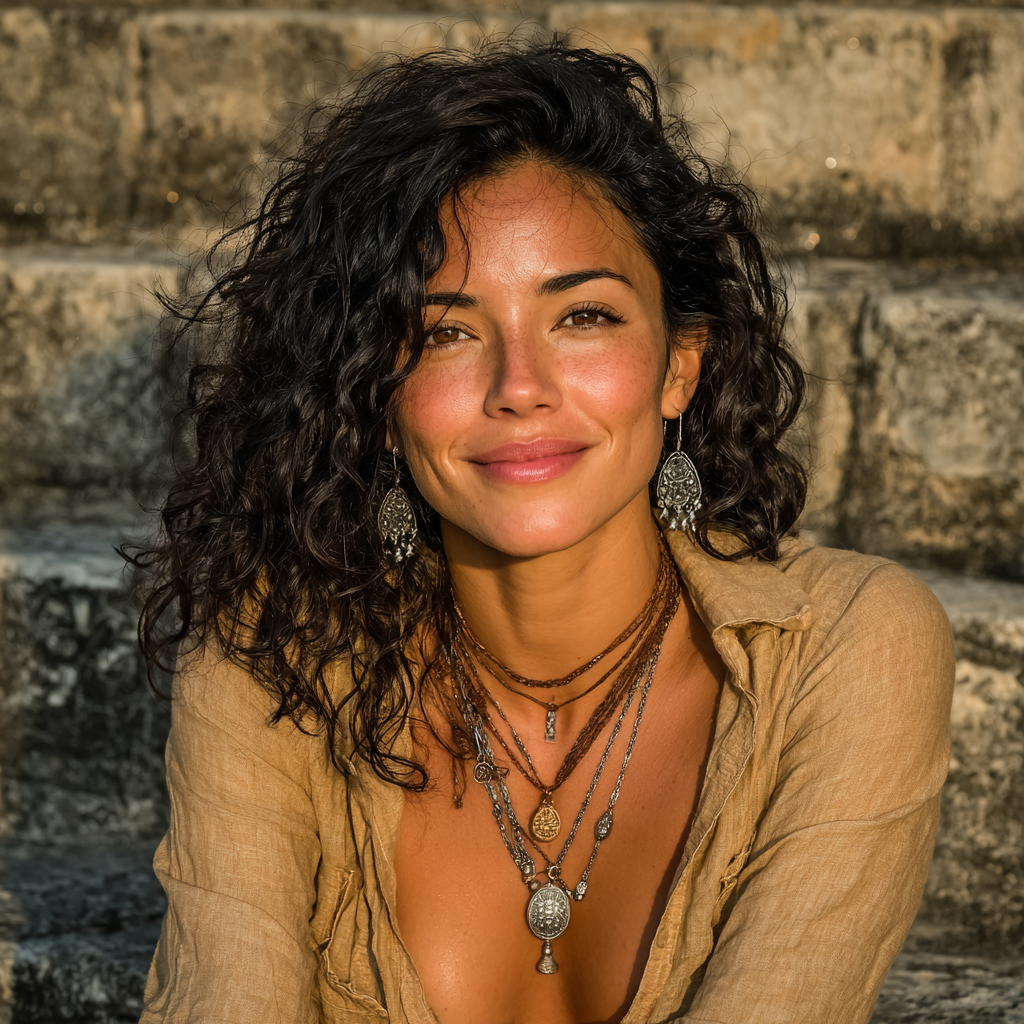
By Elena Vasquez
Cultural anthropologist and culinary storyteller. Elena spent a decade documenting traditional cooking methods across Latin America and the Mediterranean. She holds a PhD in Ethnography from Barcelona University and believes the best way to understand a place is through its kitchens and ancient streets.